Not long ago, porcelain-fused-to-metal (PFM) crowns were the standard for durable restorations, but they often came with the trade-off of a potential dark line at the gumline. Today, material science has completely changed the game. The evolution of dental ceramics means we no longer have to compromise between strength and beauty. Modern all porcelain crowns offer exceptional durability that can withstand posterior chewing forces while also delivering the lifelike translucency needed for a seamless anterior smile. This article will walk you through the leading ceramic materials available, exploring their specific properties and clinical indications so you can confidently select the perfect option for every case.
Porcelain crowns play a vital role in modern dentistry. They offer a natural-looking and durable solution for damaged or weakened teeth. As a dental professional, selecting the right type of crown for your patients can improve both aesthetics and functionality. Understanding the available options will help you give the best recommendations based on durability, strength, and appearance. Let’s explore the different types of porcelain crowns and how they can benefit your patients.
What is a Dental Crown?
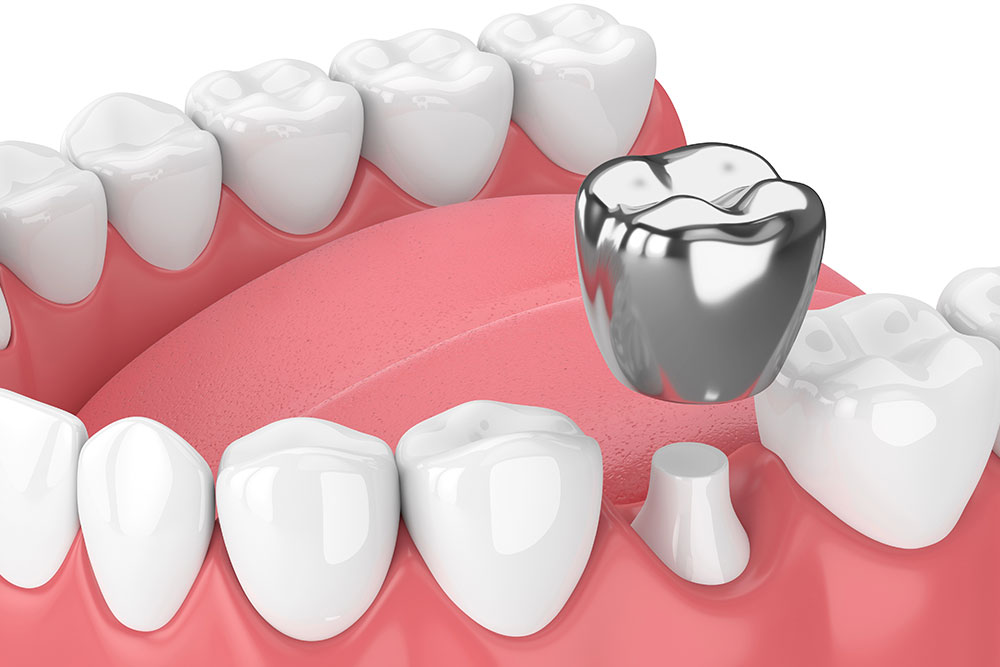
A dental crown is a custom-made cap that fits over the entire visible portion of a tooth, right down to the gum line. Think of it as a way to give a tooth a brand-new, durable outer surface. According to the Cleveland Clinic, “A dental crown fits over your entire tooth. Dentists use crowns to treat decayed, broken or worn-down teeth.” Its primary job is to restore a tooth’s original shape, size, and strength while also improving its appearance. When a filling isn’t enough to solve the problem, a crown is often the best long-term solution for preserving the tooth’s structure and function.
The materials used for crowns have advanced significantly, offering excellent durability and aesthetics. Options range from all-porcelain and zirconia to porcelain-fused-to-metal (PFM), each with specific benefits depending on the patient’s needs and the tooth’s location. At Next Dental Lab, we fabricate high-quality crown and bridge restorations designed for a precise fit and natural look, ensuring your patients leave with a comfortable and confident smile. With proper care, including good oral hygiene and regular check-ups, a well-made crown can last for many years. The Cleveland Clinic notes that “Crowns last between five and 15 years with proper care,” making them a reliable investment in a patient’s oral health.
Common Reasons a Patient Might Need a Crown
Crowns are one of the most versatile restorations in a dentist’s toolkit, addressing a wide range of structural and cosmetic issues. You might recommend a crown for several common reasons. The Cleveland Clinic explains, “Dentists use crowns to fix teeth that are decayed, broken, weak, or worn down.” They are also the standard of care for protecting a tooth after a root canal, as the procedure can leave the tooth brittle and prone to fracture. Furthermore, crowns are the final step in completing a dental implant, serving as the replacement tooth. On the cosmetic side, “Crowns can also improve the look of a severely stained tooth” that doesn’t respond to whitening treatments, providing a complete and lasting aesthetic fix.
Crowns vs. Veneers: Key Differences
Patients often ask about the difference between crowns and veneers, and having a clear explanation is key. The primary distinction lies in their purpose and coverage. The Cleveland Clinic puts it simply: “Crowns cover the whole tooth and are mainly for fixing tooth health. Veneers are thin shells that cover only the front of a tooth, mostly for cosmetic reasons like covering chips or stains.” A crown is a restorative procedure necessary to protect a compromised tooth, while a veneer is an elective cosmetic treatment. Explaining this difference helps patients understand why you might recommend one over the other based on their specific dental needs and goals.
Alternatives to Full-Coverage Crowns
While a full-coverage crown is an excellent solution for significant damage, it’s not always the only option. For teeth with moderate decay or damage that is too extensive for a simple filling, more conservative restorations can be a better choice. As the Cleveland Clinic points out, there are alternatives like “Inlays and Onlays: Used for teeth that are too damaged for a regular filling but not damaged enough for a full crown.” These restorations are fabricated in a lab and bonded to the tooth, allowing you to preserve more of the natural tooth structure. An inlay fits within the cusps of the tooth, while an onlay extends to cover one or more cusps, providing strength and protection where it’s needed most.
E.Max: The Perfect Blend of Strength and Beauty
 E.Max crowns are among the most popular all-ceramic options available today. Made from lithium disilicate, these crowns deliver both durability and an incredibly natural look. The translucent nature of E.Max mimics real enamel. This makes them an ideal choice for front teeth where aesthetics are paramount. There are two main types of E.Max crowns:
- Layered E.Max: These crowns feature a strong coping with an additional ceramic layer for enhanced aesthetics. They are suitable for patients who need a balance of strength and beauty.
- Monolithic E.Max: Composed of a single layer, these crowns bring superior resistance to chipping–ideal for patients prone to grinding or clenching their teeth.
When to Choose Zirconia for Unbeatable Strength
Zirconia crowns are well-known for their impressive durability. Unlike traditional ceramic options, zirconia is exceptionally resistant to wear and fractures. This makes it a suitable choice for molars and patients with heavy bite forces. While zirconia crowns are extremely strong, their base layer tends to be opaque, which may require additional layering to achieve a more natural look. For patients who prioritize longevity over translucency, zirconia crowns give an excellent solution.
For Picture-Perfect Front Teeth: Empress Crowns
For patients seeking highly aesthetic restorations, Empress crowns present an excellent option. These crowns are made of a pressed ceramic material to provide a lifelike appearance with high translucency. While they are not as strong as zirconia or E.Max, they excel in cases where aesthetics are the main priority. Due to their composition, Empress crowns work best for front teeth or low-stress areas where bite forces are minimal. If your patient prioritizes a natural finish, this option offers impressive results.
PFZ Crowns: A Smart, Versatile Hybrid
Porcelain-fused-to-zirconia (PFZ) crowns combine the strength of zirconia with the aesthetic qualities of traditional porcelain. These crowns offer a great balance between durability and a natural-looking appearance. The zirconia base offers the necessary strength, while the porcelain layering enhances the overall look. Therefore, they are a great choice for both front and back teeth. PFZ crowns are particularly beneficial for patients who need a balance of beauty and function. They bring a middle ground between pure zirconia and fully ceramic alternatives.
Achieving a Natural Look with All-Porcelain Crowns
Full porcelain crowns have long been favored for their aesthetic benefits. Unlike metal-fused options, these crowns do not leave a dark line near the gum–guaranteeing a seamless and natural appearance. While they may not be as strong as zirconia or E.Max, they still give good durability and blend exceptionally well with surrounding teeth. These crowns are ideal for patients who prioritize a natural smile over bite-force strength.
Other Common Types of Dental Crowns
While all-ceramic options like E.Max and Zirconia are incredibly popular for their aesthetics and strength, it’s important to be familiar with other types of crowns that still have a place in restorative dentistry. These alternatives often serve specific clinical needs or budget considerations for your patients. Understanding the full spectrum of materials, from traditional PFM to modern CAD/CAM solutions, allows you to make the most informed recommendation for any situation. Each type comes with its own set of advantages and disadvantages related to durability, appearance, and cost, ensuring there’s a suitable option for nearly every patient who walks into your practice.
Porcelain-Fused-to-Metal (PFM) Crowns
Porcelain-fused-to-metal (PFM) crowns have been a dependable restorative option for decades. They consist of a metal alloy base covered by a porcelain layer, combining the strength of metal with the aesthetic appeal of ceramic. While they are known to be strong and long-lasting, many dentists are now opting for all-ceramic crowns that offer superior aesthetics without the risk of a dark metal line showing at the gumline. However, PFMs remain a viable and cost-effective choice, particularly for posterior teeth where chewing forces are high and cosmetic appearance is less of a concern for the patient.
All-Metal and All-Resin Crowns
All-metal crowns, typically made from gold alloy or other base-metal alloys, are recognized for their exceptional strength and durability. They rarely chip or break and require less of the natural tooth to be removed. Because of their metallic color, they are an excellent choice for out-of-sight molars. On the other end of the spectrum, all-resin crowns are the most affordable option available. Unfortunately, they are more susceptible to wear and fractures over time compared to other materials. Resin crowns are often used as a temporary solution rather than a permanent restoration for these reasons.
Same-Day Crowns and CAD/CAM Technology
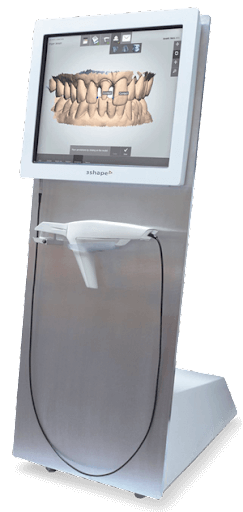
The integration of CAD/CAM (computer-aided design and computer-aided manufacturing) technology has revolutionized the crown placement process. This allows for the creation of same-day crowns right in your office, eliminating the need for a second appointment and temporary restorations. The process involves taking a digital scan of the tooth, designing the crown on a computer, and then milling it from a ceramic block. For practices that partner with a digital-forward lab, this technology streamlines the workflow even further. You can connect your scanner directly to the lab, ensuring precise and efficient fabrication for more complex cases that still benefit from an expert technician’s touch.
The Crown Placement Process: A Two-Visit Procedure
For crowns fabricated in a dental lab, the process typically spans two appointments. This traditional method ensures a high level of customization and precision, as it allows dedicated lab technicians to craft the final restoration. The first visit is focused on preparing the tooth and gathering all the necessary information, while the second is dedicated to fitting and permanently placing the custom-made crown. This two-step approach has been the standard of care for years, balancing chair-side efficiency with the detailed artistry that can only be achieved in a professional laboratory setting, resulting in a final product that fits perfectly and looks natural.
The First Visit: Tooth Preparation and Impressions
The journey to a new crown begins with preparing the affected tooth. This involves removing any decay and shaping the tooth to create the ideal foundation for the restoration. Once the tooth is prepared, the next step is to take an impression. While traditional putty impressions are still used, many modern practices have transitioned to digital scanning for greater accuracy and patient comfort. After the impression is captured, a temporary crown is placed to protect the prepared tooth while the permanent restoration is being created. This initial appointment sets the stage for a successful final outcome.
The Role of the Dental Lab
After the first visit, the impressions and case specifications are sent to a dental laboratory. This is where the magic happens. Skilled technicians use the impressions to create a precise model of the patient’s tooth. From there, they fabricate the permanent crown using the material you’ve selected, whether it’s E.Max, Zirconia, or another option. A quality lab partner, like Next Dental Lab, acts as an extension of your practice, combining artistry with technology to craft durable and aesthetically pleasing crown and bridge restorations. This collaboration is crucial for achieving a perfect fit and a happy patient.
The Second Visit: Fitting the Permanent Crown
When the patient returns for their second appointment, the temporary crown is removed, and the tooth is cleaned. The permanent crown is then carefully placed to check for fit, bite, and color. This is a critical step to ensure it aligns perfectly with the surrounding teeth and meets the patient’s aesthetic expectations. Minor adjustments can be made on the spot if needed. Once both you and the patient are satisfied with the result, the crown is permanently cemented into place, completing the restoration process and restoring the tooth’s function and appearance.
Potential Disadvantages and Risks to Consider
While dental crowns are a highly effective and common restorative treatment, it’s important to discuss potential disadvantages and risks with your patients. Setting clear expectations about the procedure and recovery helps build trust and ensures they are fully informed. From minor sensitivity to material-specific considerations, being transparent about the potential downsides allows patients to make a confident decision about their dental health. Addressing these points proactively can also help minimize post-procedure concerns and contribute to a smoother overall experience for everyone involved in the treatment process.
General Considerations for All Crowns
Regardless of the material used, placing a crown requires the removal of some natural tooth enamel to ensure a proper fit. This process is irreversible. Following the procedure, patients may experience some temporary sensitivity to hot or cold, which typically subsides within a few weeks. While crowns are designed to be durable, they are not indestructible and can chip or break over time. Additionally, an imperfect fit could potentially lead to decay underneath the crown if not addressed, highlighting the importance of precise fabrication and placement from the start.
Specific Downsides of PFM Crowns
One of the most common cosmetic complaints with PFM crowns is the potential for a dark line to appear at the gumline. This occurs when the underlying metal edge becomes visible, which can be unappealing, especially on front teeth. Although the porcelain layer is designed to match the natural teeth, it can sometimes lack the translucency of all-ceramic options, making it look slightly less natural upon close inspection. Over time, the porcelain can also wear down, potentially exposing the metal structure underneath and creating an aesthetic issue for the patient.
Managing Metal Allergies
A crucial consideration, particularly with PFM or all-metal crowns, is the potential for metal allergies. Some patients may have sensitivities to the alloys used, which can cause irritation or an allergic reaction in the surrounding gum tissue. For any patient with a known metal allergy, it is essential to choose a metal-free alternative. All-porcelain or zirconia crowns are excellent choices in these cases, as they are biocompatible and eliminate the risk of an adverse reaction, ensuring both the health and comfort of your patient.
Longevity and Patient Care for Dental Crowns
The success of a dental crown extends far beyond the final placement appointment. Its longevity is a partnership between the quality of the restoration and the patient’s commitment to ongoing oral care. Educating patients on how to properly maintain their new crown is just as important as selecting the right material. Simple, consistent habits can make a significant difference in how long the crown lasts and how well it continues to function. By providing clear guidance on aftercare, you empower your patients to protect their investment and enjoy a healthy, beautiful smile for years to come.
How Long Do Dental Crowns Last?
The lifespan of a dental crown can vary significantly based on the material chosen and the patient’s oral hygiene habits. All-metal crowns are known for their longevity, often lasting for decades. High-quality all-porcelain and zirconia crowns are also incredibly durable and, with proper care, can potentially last a lifetime. PFM crowns are also very durable, though the porcelain layer can be prone to chipping over the years. Ultimately, factors like diet, teeth grinding (bruxism), and regular dental visits play a huge role in determining how long any crown will last.
Advising Patients on Proper Care
To ensure the longevity of their new crown, advise patients to maintain a diligent oral hygiene routine. This includes brushing twice a day, flossing daily (with special attention to the area around the crown), and using an antiseptic mouthwash. It’s also wise to recommend they avoid chewing on hard foods, ice, or other hard objects to prevent chipping or breaking the crown. Regular dental check-ups and cleanings are essential, as they allow you to monitor the crown and the health of the underlying tooth, catching any potential issues before they become serious problems.
A Note on Teeth Whitening
It’s important to have a conversation with patients about teeth whitening before they receive a crown, especially for anterior teeth. The materials used to make crowns do not respond to whitening agents. If a patient plans to whiten their teeth, they should do so before the crown is placed. This allows you to match the shade of the crown to their newly brightened smile. If they decide to whiten their teeth after the crown is placed, the crown will retain its original color, resulting in a noticeable mismatch with the surrounding natural teeth.
Discussing Costs and Insurance with Patients
Navigating the financial aspect of dental treatment is a critical part of the patient experience. A clear and open discussion about the costs of different crown options, potential additional procedures, and insurance coverage helps patients feel prepared and in control. Providing transparent pricing information builds trust and allows them to make decisions that align with their budget and dental needs. By breaking down the costs and explaining how insurance works, you can demystify the financial process and help patients focus on the benefits of their restorative treatment.
Average Costs for Different Crown Materials
The cost of a dental crown can vary widely depending on the material used and your practice’s location. Generally, all-ceramic or all-porcelain crowns are among the more premium options, often ranging from $1,200 to $2,500 per tooth, due to their superior aesthetics. PFM crowns typically fall into a mid-range price point, while all-metal and all-resin crowns are often the most budget-friendly choices. Providing patients with a clear breakdown of these costs helps them understand the value associated with each option, balancing durability, appearance, and their personal budget.
Factoring in Additional Procedures
It’s important to explain to patients that the final cost of their treatment may include more than just the crown itself. Often, preparatory procedures are necessary to ensure the tooth is healthy enough to support a crown. For example, if the tooth has extensive decay or infection, a root canal may be required before the crown can be placed. In other cases, a core build-up might be needed to create a stable foundation. These additional treatments will increase the overall cost, so discussing this possibility upfront is key to maintaining transparency.
How Dental Insurance Typically Covers Crowns
Dental insurance can significantly reduce a patient’s out-of-pocket expenses, but coverage for crowns varies. Most insurance plans cover a portion of the cost, often around 50%, but this depends on the patient’s specific plan and whether the crown is deemed medically necessary. It’s always a good idea to encourage patients to check with their insurance provider to understand their coverage limits, deductibles, and any waiting periods. Submitting a pre-treatment estimate can provide a clear picture of what insurance will pay, preventing financial surprises down the road.
How to Select the Right Porcelain Crown for Your Patient
Each patient has unique dental needs. This is why delivering a variety of porcelain crowns is important. Factors like bite strength, location of the tooth, and aesthetic preferences all play a role in selecting the right option. Understanding the different types of porcelain crowns allows you to make informed decisions when recommending restorations to your patients. From the durability of zirconia to the lifelike appearance of the Empress, each crown type serves a specific purpose. Next Dental Lab is committed to providing top-tier dental products that enhance patient smiles while guaranteeing long-term functionality. Contact us today to explore our range of high-quality porcelain crowns and discover the best solutions for your dental practice.
Frequently Asked Questions
For a patient with bruxism, what’s the most reliable all-ceramic crown? When you have a patient who grinds their teeth, a monolithic restoration is your most dependable option. Both Monolithic E.Max and Zirconia are excellent choices because their single-layer structure removes the risk of porcelain chipping. Zirconia offers the highest fracture resistance, making it a go-to for posterior teeth under heavy occlusal stress. Monolithic E.Max is also very durable and can be a great alternative when you need a bit more translucency than a standard zirconia crown provides.
How do I decide between E.Max and Zirconia for a posterior crown? The decision often comes down to balancing strength with aesthetics. Zirconia is the powerhouse material, offering unmatched durability that’s ideal for second molars or patients with a particularly strong bite. While modern zirconia has improved aesthetically, E.Max still generally provides a more natural and lifelike translucency. For premolars or first molars where appearance is still a factor, E.Max delivers more than enough strength for most clinical situations while giving you a superior aesthetic result.
My patient is concerned about the dark line that can appear with PFM crowns. How should I explain this? It’s best to be direct and clear. You can explain that PFM crowns have a metal foundation for strength, and over time, if the gums recede even slightly, the metal edge at the gumline can become visible. Reassure them that this is a cosmetic issue, not a sign of failure, but it’s a known trade-off for the material’s durability and cost-effectiveness. This opens the door to discussing all-ceramic options like Zirconia or E.Max, which completely avoid this possibility because they are made from a single, tooth-colored material.
What’s the best way to handle in-office adjustments for a Zirconia crown? Adjusting zirconia requires a specific approach to avoid creating micro-fractures. It’s essential to use a fine-grit diamond bur with light pressure and plenty of water irrigation to keep the material cool. Overheating is the main enemy here, as it can compromise the crown’s integrity. After making adjustments, you must polish the area with a zirconia-specific polishing system to restore a smooth surface. An unpolished surface can be abrasive to the opposing natural teeth.
For an anterior tooth, is Empress a better aesthetic choice than E.Max? Both materials deliver beautiful results, but they excel in slightly different ways. Empress crowns are renowned for their exceptional translucency and chameleon-like effect, making them a fantastic choice for single anterior restorations where matching adjacent teeth is critical. However, E.Max offers significantly more strength while still providing excellent, natural-looking aesthetics. For cases that require a bit more durability, like a multi-unit anterior bridge or for a patient with a stronger bite, E.Max is often the more versatile and reliable choice without a major compromise in appearance.
Key Takeaways
- Strategic Material Selection is Crucial: Base your crown choice on clinical needs—E.Max for balanced aesthetics and strength, Zirconia for high-stress posterior cases, and Empress for picture-perfect anterior results.
- Educate Your Patients for Better Outcomes: Clearly explain the treatment process, aftercare, and costs upfront. A crucial point is to discuss teeth whitening before shade selection, as crowns won’t lighten with the natural teeth.
- Precision from Prep to Placement: A successful restoration depends on both meticulous chair-side preparation and a strong partnership with your dental lab. Accurate impressions are the foundation for a crown that delivers a perfect fit and lasting function.
Related Articles
- 4 Types Of Ceramic Crowns For Your Dental Practice – Next Dental Lab
- 5 Types Of Porcelain Crowns For Your Patients – Next Dental Lab
- Latest Innovations in Dental Crown Technology for Dentists
- Dental Crown Vs. Filling: How Dentists Decide The Best Treatment
- Temporary Crown Vs. Permanent Crown For Patients: Which Delivers Better Outcomes? – Next Dental Lab