Let’s be honest: the conversation about cost can be the most challenging part of any case presentation. You’ve expertly diagnosed the issue and outlined the perfect clinical solution, but the moment finances enter the picture, the dynamic can shift. Mastering the financial discussion is crucial for a successful dental treatment plan presentation. It’s not about being a salesperson; it’s about providing clarity, transparency, and manageable options that empower patients to invest in their health. We’ll walk through how to handle these conversations with confidence and empathy, ensuring that financial concerns become a point of collaboration, not a barrier to care.
Talking about a treatment plan dental patients need is like presenting a personalized roadmap to a healthier, happier smile. It’s a delicate mix of expertise, empathy, and communication finesse. When done right, these conversations can turn confusion into clarity and hesitation into trust. Here are some engaging strategies to make your treatment plan discussions not just informative but memorable and meaningful.
Translate Dental Jargon into Patient Benefits
 Imagine sitting through a conversation packed with jargon—it’s like decoding a puzzle without a guide. Avoid overwhelming patients with terms like “occlusal adjustment” or “periodontal debridement.” Instead, translate the science into relatable benefits: “This will ease your discomfort and protect your teeth.” Speaking their language isn’t about oversimplifying; it’s about connecting in a way that feels human.
Use Visuals to Clarify the Treatment Plan
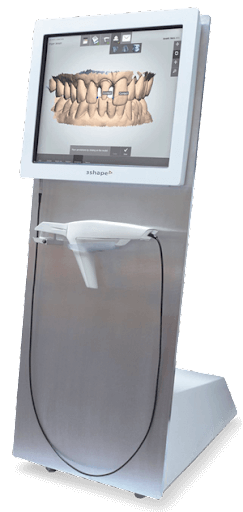
Words alone can’t always paint the picture. Bring your explanations to life with visuals. Digital scans, X-rays, or before-and-after photos can work wonders. When a patient sees what’s happening and what’s possible, they’ll grasp the value of their treatment plan on a whole new level. Visuals make the invisible visible, transforming abstract concepts into tangible understanding.
Address Health Literacy to Improve Understanding
Not every patient walks into your office with the same ability to understand complex health information. This concept, known as health literacy, is about a patient’s capacity to find, process, and use health information to make informed decisions. It has less to do with a person’s intelligence and more to do with their familiarity with medical terms and their state of mind—after all, a dental diagnosis can be stressful. Recognizing that a gap might exist is the first step toward bridging it. When you prioritize clear communication, you empower patients to become active partners in their own care, which leads to better outcomes and stronger trust in your practice.
Acknowledge the Challenge of Low Health Literacy
It’s essential to remember that a patient’s confusion isn’t a reflection of their intellect. Many factors can create a barrier to understanding, from language differences to feeling overwhelmed by a new diagnosis. When patients can’t fully grasp their treatment plan, they may not follow through with necessary care, leading to bigger problems down the road. By acknowledging that health literacy is a common challenge, you can adjust your approach. The goal is to create a safe, judgment-free space where patients feel comfortable asking questions and admitting when they don’t understand something. This simple shift in perspective can transform the entire patient experience.
Assume Every Patient May Need Help
The most effective approach is to assume every patient, regardless of their background or profession, could benefit from a simplified explanation. Even highly educated individuals can find medical terminology confusing, especially when they are anxious or in pain. By adopting this universal precautions approach, you make clarity your standard practice. This isn’t about “dumbing down” information; it’s about making it accessible. Speak slowly, use short sentences, and consistently check for understanding. This ensures that every patient receives the clear, concise information they need to feel confident about their treatment decisions, without singling anyone out.
Offer Assistance with Forms
Paperwork can be an immediate and often overlooked hurdle for patients. Complex intake forms, insurance documents, and consent agreements can be filled with dense language and confusing questions. Offering a helping hand can make a world of difference. Simply asking, “Would you like some help filling this out?” can alleviate a significant amount of stress and prevent errors. This small gesture shows you care about the patient as a person, not just their teeth. It helps build rapport from the moment they walk in and ensures you get the accurate information needed to provide the best possible care.
Refine Your Communication Strategies
Once you’ve laid a foundation of empathy and understanding, you can refine your communication with specific, proven techniques. These strategies are designed to confirm comprehension, make complex ideas relatable, and build a strong, trusting relationship with your patients. It’s about moving beyond just presenting information and into a real dialogue where the patient feels heard, respected, and confident in the path forward. Implementing these methods will not only improve treatment acceptance but also enhance patient satisfaction and loyalty, making your practice a place where people feel genuinely cared for.
Use the “Teach-Back” Method to Confirm Understanding
One of the best ways to ensure your explanation has landed is the “teach-back” method. After you’ve discussed the treatment plan, ask the patient to explain it back to you in their own words. You can frame it gently by saying, “I want to make sure I did a good job explaining everything. Can you tell me what you’ll be doing for your home care?” This isn’t a quiz for the patient; it’s a check on your own clarity. If they miss a key point, you know exactly where you need to provide more information, ensuring they leave your office with a solid grasp of their care plan.
Explain with Simple Analogies
Analogies are powerful tools for turning abstract dental concepts into something tangible and easy to understand. Instead of getting bogged down in clinical terms, use simple comparisons. For example, you could explain that a dental crown is like a helmet that protects a weakened tooth, or that periodontal disease is like having termites in the foundation of a house. These relatable images stick in a patient’s mind far better than technical jargon. Using analogies helps demystify the treatment, making patients feel more comfortable and less intimidated by the procedure ahead.
Pay Attention to Patient Body Language
So much of communication is non-verbal. As you discuss a treatment plan, pay close attention to your patient’s body language. Are their arms crossed? Are they avoiding eye contact or fidgeting? These can be signs of confusion, anxiety, or disagreement. Pausing to ask, “How are you feeling about this?” or “Does that make sense?” can open the door for them to voice their concerns. Active listening—without interrupting—shows that you value their input and are attentive to their emotional state, which is crucial for building the trust needed for them to proceed with care.
Focus on and Repeat Key Information
When a patient is feeling anxious, they may not absorb every detail of the conversation. To combat this, focus on the one or two most important takeaways you want them to remember. What is the core problem, and what is the primary solution? State these key points clearly at the beginning of the conversation, and then repeat them at the end. This repetition helps anchor the critical information in their mind. Avoid overwhelming them with too many details at once. By keeping the message focused and reinforcing it, you increase the likelihood that the patient will remember what truly matters for their health.
Avoid Creating False Urgency
It’s important to be honest about the necessity of a procedure, especially if delaying it could cause a small issue to become a major one. However, creating a sense of false urgency for long-standing issues can feel like a high-pressure sales tactic and can quickly erode trust. Explain the “why” behind the timing. For instance, “Addressing this cavity now will prevent the need for a root canal later.” This approach is educational and respectful. For cosmetic or less time-sensitive treatments, give patients the space they need to make a decision without pressure, reinforcing that you are their partner in health, not a salesperson.
Build Trust by Being Upfront About Costs
No one likes surprises, especially when it comes to dental care. Lay everything on the table, from treatment options to costs. Explain why one solution might be more suitable than another, and frame the financial aspect as a smart step toward lasting health. Transparency builds trust, and when patients feel they’re part of the decision, they’re more likely to move forward with confidence.
Managing Financial and Insurance Conversations
Talking about money can be one of the most challenging parts of presenting a treatment plan, but it doesn’t have to be. When you approach financial discussions with the same care and clarity you bring to clinical explanations, you empower patients to make informed decisions. The key is to be direct, transparent, and supportive. By breaking down costs, explaining insurance, and offering flexible solutions, you can help patients see the investment in their health, not just the expense. This approach transforms a potentially stressful conversation into a collaborative planning session, strengthening the trust you’ve already built.
Present the Full Cost First
Always start by presenting the total cost of the treatment before discussing insurance. This simple step establishes a clear baseline and helps the patient understand their full financial responsibility from the outset. It prevents the sticker shock that can occur if they anchor their expectations to a lower, insurance-adjusted number. By being upfront, you ensure they know they are ultimately responsible for the fee, regardless of what their insurance provider decides to cover. This transparency is fundamental to building a trusting relationship and avoids misunderstandings down the road.
Clarify That Insurance Coverage is an Estimate
It’s crucial to frame any discussion about insurance benefits carefully. Always use the word “estimate” when talking about what a patient’s plan might cover. As one expert from Dental Claim Support puts it, even with thorough verification, the amount insurance pays is “still just a guess until the claim is fully processed.” Remind patients that their plan is a contract between them and their insurance company. This manages their expectations and reinforces that your office is there to help them use their benefits, but can’t guarantee final coverage amounts.
Explain the Consequences of Delaying Treatment
Help patients understand the true value of timely treatment by clearly explaining what could happen if they wait. This isn’t about creating fear; it’s about providing a complete picture of their oral health journey. For example, explain how addressing the need for a crown now can prevent a situation that might later require a more complex and costly dental implant. When patients grasp the long-term health and financial implications of delaying care, they are better equipped to prioritize their treatment and see it as a worthwhile investment in their future well-being.
Offer Specific Payment Options
After discussing the total cost, proactively present a menu of payment options to make the treatment more accessible. Many patients may not be aware of the resources available to them. According to Dental Managers, suggesting solutions like third-party financing plans (such as CareCredit or Sunbit) or in-house membership plans can make a significant difference. Having these options ready shows that you’ve considered potential financial barriers and are committed to helping them find a manageable way to proceed with the care they need. This supportive approach can alleviate patient anxiety and increase case acceptance.
Provide a Printed Copy of the Plan
Never let a patient leave empty-handed. Giving them a printed copy of their proposed treatment plan, complete with a detailed cost breakdown, is a simple but powerful gesture. This document serves as a tangible reference that they can review at home, discuss with family, and use to make a thoughtful decision without feeling pressured. It reinforces everything you discussed, demonstrates professionalism, and gives the patient a sense of control over their healthcare choices. It’s a small step that shows immense respect for their decision-making process.
Personalize the Presentation to Your Patient’s Goals
Every patient walks into your office with a unique story. Maybe they’re here to perfect their smile before a big event or fix a problem that’s been bothering them for years. Tailoring the conversation to their specific goals, whether it’s aesthetics, functionality, or speed, shows you’re not just a dentist but a partner in their journey.
Involve the Entire Dental Team
Presenting a treatment plan isn’t a one-person show; it’s a collaborative effort that involves your entire staff. When every team member understands their role and contributes to the conversation, the patient receives a consistent, reassuring message from every touchpoint. This unified approach transforms the presentation from a simple consultation into a comprehensive, supportive experience. A patient who feels cared for by a cohesive team is far more likely to trust the recommended treatment and feel confident moving forward with their dental care journey.
Define Specific Roles for Each Team Member
A seamless treatment presentation relies on clearly defined roles. Before you even enter the room, your dental assistant can set the stage by taking necessary X-rays, photos, and intraoral scans. This preparation not only saves time but also demonstrates thoroughness and care. While you focus on the clinical diagnosis and treatment options, your front office team can be prepared to discuss the financial aspects and scheduling. By assigning specific responsibilities, you ensure that every part of the conversation is handled by the person best equipped for it, creating an efficient and professional experience for the patient.
Train Your Team with Role-Playing
Confidence comes from practice. Regularly role-playing different patient scenarios is an invaluable training tool for your team. This allows everyone, from assistants to office managers, to practice explaining treatments in simple, easy-to-understand language. It’s a safe space to work through common patient questions, address potential concerns about cost or discomfort, and refine communication techniques. When your team feels prepared for any conversation, they can engage with patients more authentically and effectively, turning potential hesitation into confident acceptance of the proposed dental work.
Encourage a Positive Mindset
The collective mindset of your team has a powerful impact on how patients perceive their treatment plan. When your staff genuinely believes in the value of the care you provide, their positivity is contagious. Encourage a proactive and supportive attitude across the board. This starts with the initial greeting and continues through every interaction, from the hygienist explaining the importance of periodontal health to the assistant reassuring a nervous patient. A team that operates with a shared positive outlook doesn’t just present treatment plans; they build lasting relationships based on trust and genuine care.
Standardize Your Process with Digital Tools
Consistency is key to building patient trust and improving case acceptance. When your process is standardized, every patient receives the same high level of clear, detailed information, which helps them feel secure in their decisions. Digital tools are fundamental to creating this kind of streamlined and reliable system. By moving away from inconsistent, paper-based methods, you can implement a modern workflow that not only enhances patient communication but also improves overall practice efficiency. This allows you to spend less time on administrative tasks and more time focusing on what truly matters: your patients.
Use a Detailed Treatment Plan Template
A standardized treatment plan template is your best friend for clear communication. It ensures that every crucial piece of information is documented and presented consistently for every patient. A great template should clearly outline the diagnosis, the recommended treatment, any viable alternatives, a transparent breakdown of costs, and an estimated timeline. Using a consistent format helps patients digest complex information more easily and allows them to compare their options effectively. This structured approach eliminates ambiguity and empowers patients to make well-informed decisions about their oral health without feeling overwhelmed or confused.
Switch to Digital Templates for Efficiency
Embracing digital templates is a game-changer for modern dental practices. Unlike static paper forms, digital templates can be created instantly, customized for each patient, and integrated with your billing and scheduling software. This creates a seamless workflow from diagnosis to treatment. Just as you can connect your scanner to send digital impressions directly to your lab, these templates streamline your internal processes. They can be securely emailed to patients for their records or accessed via a patient portal, providing convenience and reinforcing your practice’s commitment to modern, efficient care.
Encourage Questions to Build Patient Confidence
An engaged patient is an informed patient. Encourage questions with a warm, open approach. Phrases like, “What questions do you have about this?” or “How do you feel about the plan so far?” show that their input matters. Giving them the floor fosters trust and keeps the conversation two-sided rather than a one-way lecture.
Summarize the Plan and Outline Next Steps
Before the patient leaves, give them a quick recap of everything discussed. Highlight key points, outline the next steps, and let them know they can reach out if they think of more questions later. This little gesture ties the conversation together, leaving them with clarity and confidence in the path ahead.
Focus on Scheduling the Next Appointment
Once you’ve laid out the plan and answered all their questions, the natural next step is to get their treatment on the calendar. The goal isn’t to be pushy but to guide them toward action while their motivation is high. You can say something like, “The sooner we begin, the sooner you’ll see results. Let’s find a time that works for you.” Scheduling their next visit transforms the conversation from a hypothetical plan into a concrete commitment. It shows the patient you’re ready to move forward with them and helps maintain the momentum you’ve built during the discussion. This simple action solidifies their decision and makes it easier for them to follow through.
Create a Follow-Up Plan
Not every patient will be ready to schedule immediately, and that’s okay. For those who need more time to consider their options, having a structured follow-up plan is key. Don’t leave it to chance. Instead, make a note in their file to check in after a week or two. A simple, friendly call or email can make all the difference. You could say, “I’m just following up on our conversation about your treatment plan and wanted to see if you had any new questions.” This approach shows you’re committed to their care without applying pressure. It keeps the conversation open and reminds them that you’re a partner in their health journey, ready to proceed when they are.
Handle a “No” with Professionalism
Sometimes, despite your best efforts, a patient will decline treatment. It’s important not to take this personally. A “no” often means “not right now,” as financial or personal circumstances can play a big role. The best way to respond is with empathy and professionalism. Let them know you understand and respect their decision. Saying, “I understand, and we’re here for you whenever you’re ready to move forward,” keeps the door open for future conversations. This response reinforces your role as a trusted advisor, not a salesperson. Handling their decision with grace maintains the patient relationship, making it more likely they’ll return to you when they are ready.
Simplify Your Workflow with Next Dental Lab
Delivering patient-centered care begins with communication and extends to superior restorations. At Next Dental Lab, we combine advanced technology with expert craftsmanship to deliver high-quality dental appliances at competitive prices. From crowns and bridges to full dentures and implants, our full-service lab supports dental practices of all sizes across the U.S. With warranties of up to five years, quick turnaround times, and tools to simplify your workflow, we help you save money while maintaining the highest standards. Register your practice today and enjoy a $50 credit toward your first case. Start streamlining your dental restorations with our reliable solutions.
Frequently Asked Questions
How can I bring up the cost of treatment without making patients feel pressured? The key is to be direct and transparent from the start. Present the total cost first, before discussing any insurance estimates. This frames the conversation honestly and avoids surprises later. Then, shift into a supportive role by proactively offering a few specific payment or financing options. This shows you’ve already considered potential financial hurdles and are focused on helping them find a manageable solution, turning a difficult topic into a collaborative planning session.
What’s the best way to check if a patient truly understands their treatment plan? The “teach-back” method is one of the most effective tools you can use. After you’ve explained everything, simply ask the patient to describe the plan back to you in their own words. You can say something like, “I want to be sure I explained that clearly. Can you tell me what we discussed?” This isn’t a quiz for them; it’s a check on your own communication. It immediately shows you if any points were missed or misunderstood so you can clarify on the spot.
How should I respond if a patient declines the recommended treatment? It’s important to handle a “no” with grace and professionalism. Acknowledge their decision and let them know you understand and respect it, as personal or financial reasons often play a role. Reassure them that you are there to support them whenever they are ready to proceed. This maintains a positive and trusting relationship, keeping the door open for them to return for care in the future.
How can I get my entire team more involved in presenting treatment plans? A unified approach begins with defining clear roles. For example, your dental assistant can prepare the patient by taking scans and photos, while your front office team can be the experts on financial arrangements. Practice common patient scenarios together through role-playing. When every team member feels confident in their part of the conversation, you present a consistent and reassuring message that builds patient trust.
Why is it so important to use visuals and analogies in my explanations? Clinical terms can be abstract and overwhelming for patients. Visuals like X-rays or digital scans make the problem real and tangible, while a simple analogy can make the solution click. Explaining that a crown is like a helmet for a weak tooth is far more memorable than a technical description. These tools bridge the communication gap, helping patients fully grasp the value of the treatment you’re recommending.
Key Takeaways
- Focus on Clarity, Not Just Clinical Terms: Bridge the understanding gap by translating complex terms into relatable benefits, using visuals to illustrate the plan, and asking patients to explain it back to you to confirm you’re on the same page.
- Address Costs Directly and Proactively: Build trust by discussing the total cost upfront, explaining that insurance coverage is an estimate, and presenting a menu of payment options to make care more accessible for your patients.
- Standardize Your Approach as a Team: Ensure every patient gets the same clear experience by defining specific roles for your team, using digital templates for every treatment plan, and having a set process for scheduling and follow-up.