You wouldn’t build a house without a blueprint, and the same principle applies to restorative dentistry. A diagnostic wax-up is the architectural plan for your patient’s smile, offering a clear vision of the final outcome. This essential tool translates your clinical goals into a physical model, allowing you to identify challenges, refine occlusal schemes, and perfect esthetics on the benchtop, not in the chair. By using dental wax ups, you ensure every step of the process is deliberate and predictable. This article covers how this foundational step enhances treatment planning and serves as a vital communication tool for you, your patient, and the lab.
A vital case begins with careful planning, where every detail matters. Diagnostic wax-ups act as the blueprint, providing clarity and direction for function and esthetics. Digital workflows have reshaped this process, offering greater precision and efficiency to meet modern demands. Utilizing advanced tools and techniques enables dental labs to produce wax-ups that set quality and functionality standards. Here’s how to refine this key step.
What is a Dental Wax-Up?
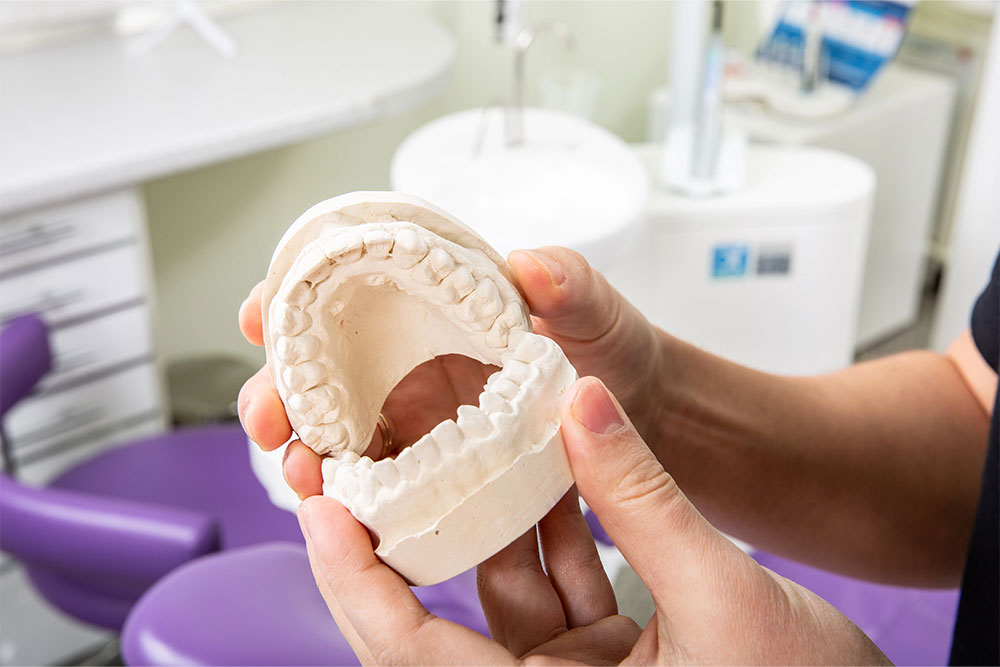
Think of a diagnostic wax-up as the architectural blueprint for your patient’s future smile. It’s a tangible, three-dimensional preview that translates your treatment plan into a physical model, allowing you and your patient to see the final outcome before any preparations begin. This essential tool is created by applying wax to a model of the patient’s teeth, sculpting it to represent the ideal shape, size, and position of the proposed restorations. It moves the conversation from abstract ideas to a concrete visual, setting a clear direction for the entire case and ensuring everyone is on the same page from the very start.
Defining the Diagnostic Wax-Up
At its core, a dental wax-up is a detailed 3D model that showcases the proposed final result of restorative dental work. As described by Oral Arts Dental Laboratory, it’s a model where “wax is built up… to visually represent the proposed final look and shape of restorations.” This process starts with highly accurate impressions or digital scans of the patient’s mouth. From there, a skilled technician meticulously adds wax to the model, creating a precise representation of the intended crowns, veneers, or bridges. This isn’t just an approximation; it’s a carefully crafted guide that establishes the ideal esthetics and function for the final restorations.
Traditional vs. Digital Methods
The process of creating a wax-up has evolved significantly. The traditional method involves a technician manually applying and carving wax on a stone model—a true art form that requires immense skill and precision. While effective, this approach can be time-consuming. Today, digital technology offers a more streamlined and predictable alternative. With digital wax-ups, the entire process is completed on a computer using advanced software. This method not only improves accuracy but also enhances collaboration, allowing for easy adjustments and seamless communication between your practice and the lab. Embracing digital case solutions allows for a more efficient workflow from scan to final restoration.
Wax-Up vs. Mock-Up: Clarifying the Terms
While often used together, “wax-up” and “mock-up” refer to two distinct stages of the treatment planning process. The wax-up is the diagnostic model created in the lab. The mock-up is the clinical application of that design, created directly in the patient’s mouth. A mock-up is typically made using a silicone index of the wax-up and a temporary composite material. According to research from PMC, the wax-up helps determine if minimally invasive preparations are feasible, while the “diagnostic mockup displays a physical, tentative outcome for the patient’s evaluation.” The wax-up is the blueprint; the mock-up is the test drive.
The Core Benefits of Using a Diagnostic Wax-Up
Integrating a diagnostic wax-up into your workflow isn’t just an extra step; it’s a strategic move that pays dividends in predictability, patient satisfaction, and clinical efficiency. It acts as a critical checkpoint, allowing you to refine your approach and mitigate potential issues before they arise. By providing a clear vision of the end result, a wax-up transforms the treatment process from a series of steps into a well-orchestrated journey toward a predictable and beautiful outcome. This foundational tool strengthens communication, builds patient trust, and ultimately leads to superior clinical results that stand the test of time.
Improve Patient Visualization and Case Acceptance
One of the most powerful benefits of a diagnostic wax-up is its ability to bridge the communication gap with patients. It can be difficult for patients to visualize the outcome of a complex treatment plan based on verbal descriptions alone. A wax-up makes the proposed changes tangible. As Phoenix Dental Lab notes, “Patients and dentists can see what the final smile will look like before any irreversible treatment begins, increasing case acceptance.” When patients can see and hold the model of their new smile, they feel more connected to the process and confident in their decision, making them more likely to move forward with your recommended treatment.
Enhance Treatment Planning and Predictability
From a clinical standpoint, a wax-up is an invaluable tool for meticulous treatment planning. It allows you to work through the case from the end goal backward, ensuring every decision supports the final desired outcome. This process helps you assess occlusal schemes, evaluate tooth proportions, and plan for adequate space for restorative materials. According to Arrowhead Dental Laboratory, it “helps dentists plan procedures like veneers or crowns without messing up the patient’s bite.” By identifying challenges on the model first, you can avoid surprises in the chair, leading to a smoother, more predictable, and efficient clinical procedure.
A Vital Communication Tool for the Dentist, Lab, and Patient
Effective communication is the cornerstone of successful restorative dentistry, and the wax-up serves as a universal language for everyone involved. It provides a clear, physical guide that aligns the expectations of the patient, the clinical plan of the dentist, and the fabrication process for the dental lab. This shared reference point minimizes misunderstandings and ensures that the final crowns and bridges are exactly as envisioned. The wax-up is more than just a model; it’s a collaborative instrument that ensures the entire team is working together toward the same esthetic and functional goal, fostering a seamless and successful partnership.
When to Use a Dental Wax-Up
A diagnostic wax-up is a versatile tool that adds value to a wide spectrum of dental cases, from straightforward cosmetic enhancements to the most complex full-mouth rehabilitations. It’s not reserved for only the most challenging scenarios; rather, it should be considered a standard of care whenever you need to ensure a predictable and esthetically pleasing outcome. Whether you are planning a single anterior crown or a full arch of implants, the clarity and foresight provided by a wax-up are indispensable. It helps you anticipate challenges, manage patient expectations, and deliver results that are both beautiful and functionally sound.
Cosmetic Dentistry: Veneers, Crowns, and Bridges
In cosmetic dentistry, where patient expectations are exceptionally high, a diagnostic wax-up is non-negotiable. It is the key to designing a smile that is not only beautiful but also in harmony with the patient’s facial features. For procedures like veneers, crowns, and bridges, the wax-up allows you to meticulously plan the ideal tooth shape, length, and alignment before touching a handpiece. As Stewart Dental Lab points out, wax-ups can be used for “crowns, veneers, bridges, and full arch restorations.” This pre-planning phase ensures the final result meets the patient’s aesthetic goals and gives your lab a precise blueprint to follow for fabrication.
Complex Cases: Implants and Full-Mouth Reconstruction
For complex cases involving implants or full-mouth reconstruction, the diagnostic wax-up serves as the master plan that guides the entire treatment sequence. It is essential for visualizing the final prosthetic outcome and planning implant placement accordingly to ensure proper support and function. In full-mouth rehabilitations, the wax-up helps re-establish a stable occlusion and vertical dimension, providing a roadmap for every step of the process. It allows you to see “what dental work is needed and how it will look when finished,” ensuring that each component of the reconstruction works in harmony. Partnering with a lab experienced in dental implants and complex cases is crucial for turning this comprehensive plan into a successful reality.
Start with a Flawless Digital Scan
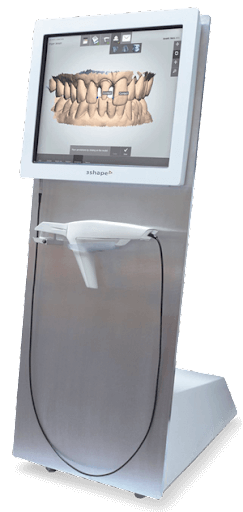
 Digital impressions are the foundation of any diagnostic wax-up. High-resolution intraoral scanners, such as iTero, 3Shape, or Medit, capture every contour and surface detail. This scan data serves as the reference point for designing the wax-up, ensuring it aligns with clinical requirements and patient anatomy.
Define Clear Goals for Your Diagnostic Wax-Up
Each wax-up must reflect the unique goals of the treatment plan. Whether for full-mouth reconstruction, cosmetic enhancement, or implant placement, the desired outcomes guide the design process. Collaboration with the dental team helps clarify objectives related to occlusion, esthetics, and function.
Design Your Digital Wax-Up with CAD Software
Computer-aided design (CAD) software is necessary for creating precise diagnostic wax-ups. Tools like Exocad and 3Shape Dental System allow for meticulous customization of tooth morphology and occlusal alignment. Using the patient’s digital scan as a base, the software enables adjustments that meet both functional and aesthetic needs.
Analyze Function for a Predictable Outcome
Functional parameters are critical to the success of a diagnostic wax-up. CAD tools offer features for simulating occlusal dynamics, including bite force distribution and jaw articulation. Incorporating these analyses into the design reduces the likelihood of clinical adjustments post-placement and enhances overall treatment predictability.
Review and Refine with a Digital Mock-Up
A digital mock-up provides an opportunity to evaluate the design before physical production. Sharing the mock-up with the clinician allows for feedback and modifications, ensuring alignment with treatment goals. This stage is key to refining details like tooth shape, position, and proportionality.
How to Choose Your Manufacturing Method
Once the design is finalized, the next step is choosing a production method. 3D printing is a popular choice due to its speed and precision. Using high-resolution printers and biocompatible materials, it creates wax-ups ideal for provisional restorations or chairside mock-ups, ensuring high-quality outcomes efficiently.
Material Options and Features
Once your digital design is finalized, the next step is selecting the right material for the physical wax-up. This choice is key, as it directly influences the model’s accuracy, durability, and function. For most cases, advanced 3D printing resins are the go-to solution, capturing fine details with incredible precision. These biocompatible materials produce models that are visually accurate for patient presentations and strong enough for creating provisional templates. When a case demands even greater durability, like for a long-term mock-up or a complex reconstruction, milled PMMA offers superior strength and wear resistance. While traditional wax allows for manual adjustments, the predictability of a fully digital workflow makes printed or milled materials the clear choice for achieving consistent, high-quality outcomes that streamline the restorative process.
Run a Final Quality Check for a Perfect Fit
Before delivering the final product, quality checks are conducted to verify the physical wax-up against the digital design. This includes assessing occlusion, symmetry, and surface details. Any necessary adjustments are made to ensure the wax-up meets clinical and esthetic standards.
From Lab to Chairside: The Clinical Process
Once the digital design is complete and the physical wax-up is produced, its journey continues in your dental practice. This is where the careful planning in the lab translates into a tangible, chairside tool that transforms the patient experience. The wax-up becomes the central piece in your clinical workflow, serving as both a precise guide for treatment and a powerful communication aid. It bridges the gap between the proposed treatment plan and the patient’s understanding, allowing them to see and feel the potential outcome before any permanent work begins. This step is essential for building trust and ensuring the final restoration meets everyone’s expectations.
What’s Included in a Wax-Up Kit
A diagnostic wax-up is more than just a model; it’s a comprehensive presentation tool. When you receive a wax-up from the lab, you get a physical preview of the patient’s final case. This printed model allows patients to compare the proposed changes directly to their existing smile, making the potential outcome clear and easy to understand. Holding a tangible model of their future smile is often the deciding factor for patients considering cosmetic or restorative work. It moves the conversation from abstract concepts to a concrete reality, helping them feel confident and excited about moving forward with their dental treatment.
Creating Temporary Restorations for a Patient “Try-In”
The wax-up also serves as an excellent template for creating temporary restorations. Using a matrix or stent made from the wax-up, you can fabricate provisional crowns or veneers directly in the office. This “try-in” phase is invaluable, as it allows the patient to wear their new smile for a short period. They can experience how the restorations look, feel, and function in their daily life. This trial run provides an opportunity to gather feedback and make any necessary adjustments to the treatment plan, ensuring the final restorations are a perfect fit and the patient is completely satisfied with the result.
Practical and Financial Information for Your Practice
Integrating diagnostic wax-ups into your workflow involves more than just clinical application; it also requires understanding the practical and financial aspects. From managing lab costs and turnaround times to handling insurance billing, having a clear grasp of these details ensures a smooth process for both your practice and your patients. By viewing the wax-up as a strategic investment in case acceptance and clinical precision, you can effectively incorporate it into your business operations. This approach not only improves patient outcomes but also supports the financial health and efficiency of your practice.
Understanding Costs and Lab Turnaround Time
The cost of a diagnostic wax-up can vary between labs, but it’s a predictable investment that adds significant value to your case presentation. When selecting a lab partner, look for one that offers transparent pricing and high-quality results, as this helps you manage treatment costs without compromising on the final outcome. It’s also important to confirm the lab’s turnaround time to schedule your patient appointments accordingly. Clear communication with a reliable lab like Next Dental Lab ensures you receive your wax-ups on time, keeping your workflow efficient and your patients happy.
Billing with ADA Insurance Codes
Diagnostic wax-ups are a recognized and valuable part of comprehensive treatment planning, and their cost can often be billed to insurance. The American Dental Association (ADA) provides specific codes for diagnostic procedures that can apply to wax-ups. Using the correct billing codes helps patients utilize their benefits and reduces their out-of-pocket expenses, which can be a significant factor in case acceptance. Properly documenting the wax-up as an essential step in planning and patient education validates its role in the treatment process, making it a justifiable and reimbursable procedure that benefits both the patient and your practice.
Get Precise Dental Wax-Ups with Next Dental Lab
Excellence in diagnostic wax-ups starts with precision and ends with seamless execution. Next Dental Lab combines cutting-edge technology with industry expertise to deliver superior dental restorations. From crowns to implants and removable, our lab ensures accuracy, quality, and efficiency for every case. Transition seamlessly from traditional to digital workflows with support for all major intraoral scanners, including iTero and 3Shape. Register your practice today to receive a $50 credit toward your first case. Simplify case submissions, reduce turnaround times, and experience unmatched savings without compromising on results. Partner with a team committed to supporting your practice’s success at every step.
Frequently Asked Questions
What’s the real difference between a wax-up and a mock-up? Think of it this way: the wax-up is the architectural blueprint that is designed and created in the dental lab. The mock-up is the “test drive” you perform in the patient’s mouth, typically using a temporary material based on that blueprint. The wax-up is the essential planning tool, while the mock-up is the clinical preview that allows the patient to see and feel the proposed changes.
Is a diagnostic wax-up necessary for every single crown or veneer case? While not mandatory for every single restoration, it is highly recommended for any case where esthetics are a primary concern, especially in the anterior. For a single front tooth, a wax-up ensures the final crown or veneer will have the ideal proportions and alignment before you even prepare the tooth. It removes the guesswork and helps you deliver a predictable result that perfectly matches your patient’s smile.
How does a digital wax-up save me time compared to the traditional method? The time savings come from improved precision and communication. A digital wax-up allows for incredibly accurate planning, which means fewer adjustments are needed when you’re chairside with the patient. It also makes collaborating with the lab much faster. You can review the digital design on your screen, request modifications, and approve the plan in a fraction of the time it would take to ship physical models back and forth.
What information should I provide the lab for the best possible wax-up? A great wax-up starts with great information from you. Along with a high-quality digital scan or physical impression, be sure to include clear photos of the patient’s face and smile. Most importantly, communicate your specific goals for the case. Are you trying to change tooth length, close a gap, or improve the bite? The more detail you provide about your vision, the better the lab can create a wax-up that serves as a perfect guide for your treatment.
Can the patient’s insurance really cover the cost of a wax-up? Yes, it is often a billable procedure. The American Dental Association provides specific codes for diagnostic services that can be used for wax-ups. When you properly document it as a necessary step for comprehensive treatment planning and patient education, it is frequently covered by insurance plans. This helps make the case more affordable for your patient and reinforces the clinical value of this planning stage.
Key Takeaways
- Plan Backwards for a Predictable Finish: Use a diagnostic wax-up as your blueprint to identify and solve potential challenges with occlusion, spacing, and esthetics before treatment begins, ensuring a smoother clinical process.
- Make Your Treatment Plan Tangible: Help patients visualize their final smile with a physical 3D model. This powerful communication tool makes the proposed outcome clear, builds patient confidence, and improves case acceptance.
- Offer a “Test Drive” with a Chairside Mock-Up: Create temporary restorations from the wax-up to give patients a real-world preview of their new smile. This try-in phase allows for crucial feedback and ensures the final result meets everyone’s expectations.