A perfect restoration begins long before the case reaches the lab. It starts with the data you capture at the chair. The clarity of your diagnostics and the precision of your impressions set the stage for success, minimizing the variables that lead to time-consuming adjustments. This is where a strong digital workflow becomes your greatest asset, creating a seamless bridge between your clinical expertise and your lab partner’s artistry. By leveraging advanced dental technology, you can ensure that every case submission is built on a foundation of rich, accurate information, leading to predictable outcomes that fit perfectly and look exceptional from the very first try-in.
Progress in dentistry shows up first in the schedule: tighter seats, fewer remakes, and calmer operatories. Within the first minutes of any appointment, advanced dental technology trends can influence diagnosis, design choices, and how quickly the team moves from plan to delivery.
See More with AI-Assisted Diagnostics
 Modern AI overlays highlight caries, calculus, and bone levels on radiographs, adding a consistent second read that accelerates charting and case acceptance conversations. With calibrated thresholds and review protocols, clinicians keep judgment central while gaining speed in re‑care and new patient exams.
Find Cavities Sooner with Early Detection Tools
Using Lasers and Light to Find Hidden Decay
The traditional explorer has served dentistry well, but some decay can be tricky to spot, especially in the early stages within pits and fissures. This is where new detection tools are changing the game. Dentists are now using special lasers to find tooth decay with greater accuracy. This technology helps differentiate between a spot that needs immediate attention and one that can simply be monitored. By catching cavities before they become significant problems, you can offer patients more conservative treatment options, preserving more of the natural tooth structure and simplifying the entire restorative process.
Beyond lasers, fluorescence technology offers another layer of insight. Intraoral scanners equipped with this feature can illuminate problems that are often invisible under normal light. This tech is great for spotting early demineralization, hidden plaque buildup, and even gum inflammation before it becomes a major issue. Integrating these advanced detection tools into your routine exams allows for more proactive care. It helps you build a comprehensive picture of a patient’s oral health, making it easier to educate them and co-create a treatment plan. Once a plan is set, you can seamlessly move to the restorative phase by sending a digital scan for precise fabrication.
Master Foundational Digital Technologies
While AI is pushing the boundaries of what’s possible, the foundation of a modern, efficient practice is built on mastering core digital tools. These technologies aren’t just about creating a paperless office; they’re about improving diagnostic accuracy, streamlining workflows, and enhancing patient communication. By integrating digital radiography and intra-oral imaging, you create a seamless flow of information from the initial exam to case presentation and even lab submission. This digital thread ensures that every member of your team, and even your lab partners, are working from the same clear, detailed picture of the patient’s needs.
Digital X-Rays
Digital radiography has become the standard of care for good reason. Unlike traditional film, digital X-rays produce high-resolution images almost instantly, dramatically reducing appointment times and patient exposure to radiation. These clear, detailed images can be easily stored in a patient’s digital file, making it simple to compare them over time and track the progression of their oral health. This not only aids in more accurate diagnoses but also serves as a powerful visual tool during patient consultations. When you can show a patient exactly what you see, it builds trust and improves their understanding of the proposed treatment.
Intra-oral Cameras
An intra-oral camera takes patient education to the next level by providing a real-time, magnified tour of their own mouth. These small, pen-sized cameras give patients a clear view of their teeth and gums, helping them see issues like cracked teeth, plaque buildup, or early signs of decay for themselves. This visual evidence is incredibly persuasive and helps bridge the gap between your diagnosis and their acceptance of the treatment plan. Some advanced cameras even use fluorescence technology to detect caries or inflammation that might be invisible to the naked eye, allowing for earlier and more conservative interventions. The clarity from these images is also invaluable when you submit digital cases to your lab, ensuring everyone is on the same page.
Start Every Case Right with Intraoral Scanners
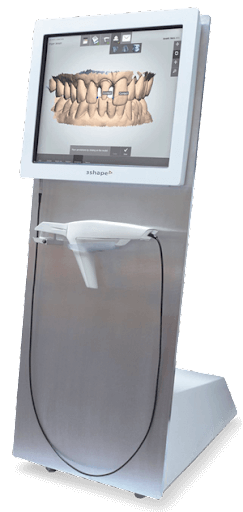
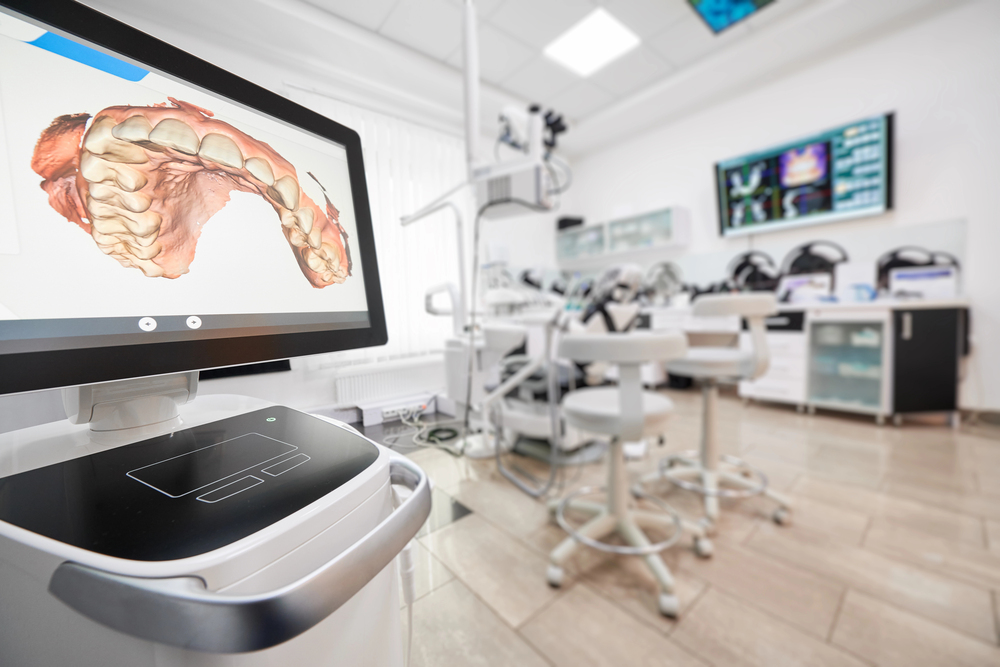
Color scans, artifact cleanup, and reliable bite capture turn the first appointment into a data‑rich handoff for the dental lab and a smoother finish at delivery. When you submit through Digital Scans, include clean margin capture, bite registration, and a few quick photos (shade + stump shade when relevant) so the lab can design with fewer assumptions. This workflow is best for busy practices placing crowns, onlays, implant provisionals, and aesthetic cases where fit and contact accuracy matter most. The payoff shows up fast: fewer clarification calls, fewer adjustments, and more predictable seat appointments—especially when your team uses the same checklist every time (scan quality, RX details, shade notes, and due date). Within the digital dental workflow, clean margins plus shade photos and stump shade notes reduce back‑and‑forth and shorten turnaround on crowns, onlays, and aligner cases.
Improve the Patient Experience
Beyond the clinical benefits, digital scanners transform how patients feel about their appointments. Let’s be honest, no one loves the goopy, gag-inducing impression material of the past. Digital scans replace uncomfortable, gooey molds, making the process faster, cleaner, and far more pleasant. A comfortable patient is less anxious, more cooperative, and more likely to leave a positive review or refer a friend. This focus on a better experience is a common thread in modern dental tech, from quieter electric handpieces to teledentistry options that make consultations more accessible. When you reduce stress and discomfort, you build trust and loyalty that keeps your schedule full.
Make Same-Day Crowns a Reality with CAD/CAM
Single‑unit ceramics now move from prep to seat in one visit when time allows. Toolpath strategies and multi‑layer blocks deliver smooth contacts with minimal polishing. If schedules are tight, provisional PMMA paired with a rapid lab submission still cuts total visits.
Plan Better Implants with CBCT Technology
Small field, high‑resolution volumes clarify proximity to vital structures and support prosthetically driven implant planning. Virtual design guides trajectory and depth, while printed guides translate plans to the operatory for more predictable primary stability and simpler occlusal refinement later.
Shrink Turnaround Times with 3D Printing
Validated resins and post‑processing produce surgical guides, occlusal splints, custom trays, and try‑in shells with repeatable accuracy. Turnaround shrinks from weeks to hours, enabling same‑day guards for bruxism and fast guide production for implant sessions.
Leverage Advancements in Dental Materials
Natural-Looking and Durable Restorations
The materials available for restorative work have evolved far beyond simple function. Modern composites and ceramics are engineered for exceptional durability and lifelike aesthetics, allowing you to deliver restorations that are virtually indistinguishable from natural teeth. New bonding and filling materials not only last longer but can also be matched more precisely to a patient’s specific tooth color, a critical factor for anterior cases. This level of quality is essential for lab-fabricated restorations like crowns and bridges, where a seamless blend is the ultimate goal. These advanced materials make dental care more precise and comfortable, helping you treat issues effectively while preserving more of the natural tooth structure for better long-term outcomes.
Streamline Your Sterilization Workflow
Connected sterilizers log cycles automatically, while barcoded packs and integrators create a clean audit trail. Rigid cassettes protect edges and standardize setups, speeding turnovers and reducing sharps incidents across busy hygiene and surgical blocks.
Expand Patient Access with Teledentistry
Geography, mobility, and packed schedules can all stand between a patient and the care they need. Teledentistry helps close that gap by bringing your expertise directly to them through a screen. For people in remote areas, older adults who find travel difficult, or patients with special needs, virtual consultations remove the friction of an in-office visit for initial conversations and follow-ups. This technology allows you to offer advice and create preliminary treatment plans from a distance, ensuring more people can receive timely guidance without the logistical hurdles of a traditional appointment.
Integrating teledentistry into your practice workflow also improves efficiency and patient satisfaction. You can triage emergencies, conduct post-op check-ins, and discuss cosmetic options or aligner progress without requiring chair time for every interaction. This convenience shows patients you value their time, which can lead to better engagement and retention. For restorative cases, a virtual consult can be the first step before a patient comes in for a digital scan, streamlining the entire process from initial discussion to sending the case to the lab for fabrication.
Connect Your Practice with Unified Software
Cloud platforms tie imaging, scheduling, billing, and lab messaging together. Secure photo sharing clarifies prescriptions and reduces remakes. Dashboards surface KPIs like chair downtime, reappointment rates, and remake trends so teams can tune systems in monthly huddles.
Get Perfect Shades with Digital Photography
Cross‑polarized images, calibrated lighting, and consistent shade‑tab protocols improve anterior esthetics. Facial scans and photogrammetry are gaining ground, aligning tooth position and smile design with lips and midline for full‑arch rehabs.
The Role of the Modern Dental Lab Technician
The image of a dental lab technician often brings to mind a skilled artisan, meticulously layering porcelain or carving wax by hand. That artistry remains the heart of the profession, but the tools have undergone a dramatic transformation. Today’s technician is a hybrid professional, blending a deep understanding of dental anatomy and esthetics with the technical savvy of a digital designer. They haven’t traded their artist’s smock for a lab coat; they’ve simply added a powerful set of digital instruments to their workbench. This evolution means that technology doesn’t replace the technician’s skill—it amplifies it, allowing for a new level of precision and consistency in every restoration.
This shift has redefined the relationship between dental practices and labs, fostering a more collaborative partnership. When a practice can send a clean, data-rich scan, the technician can immediately begin the design process without the guesswork of traditional impressions. This seamless communication reduces back-and-forth and leads to restorations that are more predictable, minimizing remakes and saving valuable chair time. The result is a smoother workflow for everyone involved, from the technician at the bench to the dentist at the chair, ultimately leading to better outcomes and happier patients. This collaborative approach is central to modern restorative dentistry.
Where Skilled Artistry Meets Digital Precision
In a modern lab, the workflow begins when a technician receives a digital file from an intraoral scanner. Instead of pouring a stone model, they import the data into CAD software, where their expertise truly shines. Here, they digitally design the restoration, shaping every cusp and contour with micron-level accuracy. This process allows them to create crowns, bridges, and implants that are not only anatomically correct but also perfectly tailored to the patient’s specific needs. Once the design is finalized, it’s sent to a 3D printer or milling unit for fabrication. This seamless digital workflow minimizes the variables that can lead to errors, ensuring a final product that fits perfectly and requires minimal chairside adjustments. It’s a collaborative process that starts with a clean digital scan and ends with a flawless restoration.
Put These Dental Technology Trends to Work
Turn new tech momentum into restorations that seat smoothly—without adding friction to your day. Partner with Next Dental Lab for crown and bridge, removables, and implant solutions built for modern digital submissions, clear communication, and consistent results. If you’re evaluating costs or comparing options, start with the full price list to see how pricing is organized by restoration type and tier, then match your case plan to the right material and workflow. Combine that clarity with strong scan data (photos + RX details), and you’ll reduce remakes, protect chair time, and keep schedules moving—whether you’re delivering single-unit zirconia, IPS e.max, or custom implant components. Send digital scans with photos and RX, and receive precise fits, clean contacts, and consistent shade outcomes that keep schedules on time. From full‑contour zirconia to IPS e.max and custom abutments, cases are designed for predictable delivery and fewer adjustments. Register today, connect the scanner, and submit the first case to experience responsive communication, dependable turnaround, and a lab team committed to practical, patient‑ready results.
Frequently Asked Questions
My practice is just starting to go digital. Which technology offers the biggest impact first? While it’s tempting to look at the most advanced tools, the best place to start is with the fundamentals that improve your daily workflow. Mastering digital X-rays and intra-oral cameras creates a solid foundation. These tools immediately enhance your diagnostic capabilities and make it much easier to show patients exactly what you see, which helps with case acceptance. Once you’re comfortable with those, an intraoral scanner is the natural next step and the key to creating a seamless connection with your dental lab.
How much do digital cases cost? Pricing depends on restoration type, material, and tier—use the price sheet to quickly compare categories and plan case costs before you submit.
What turnaround should I expect? Turnaround varies by case type and complexity, but clean scans and complete RX details are the fastest way to avoid delays.
Do you offer a warranty? Yes—many crown & bridge options include an up to 5 year warranty, which helps reduce risk when you’re standardizing materials and workflows.
Besides a ‘wow’ factor, how do these technologies actually improve the patient’s experience? The biggest improvement for patients is comfort. An intraoral scanner, for example, completely eliminates the need for goopy, uncomfortable impression trays that can make people gag. The process is faster, cleaner, and far less stressful. Technologies like intra-oral cameras also empower patients by letting them see their own teeth on a screen, which helps them understand their diagnosis and feel more involved in their treatment decisions. A more comfortable and informed patient is a happier one.
Do I need to invest in every piece of technology mentioned to work effectively with a digital lab? Not at all. You don’t have to overhaul your entire practice overnight. The single most important tool for collaborating with a modern lab is an intraoral scanner. Sending a precise digital scan is what kicks off the efficient workflow that leads to better-fitting restorations. You can gradually incorporate other technologies like 3D printing or CBCT as your practice grows and your needs evolve.
How does submitting a case with an intraoral scanner change the process for my dental lab technician? It transforms the entire workflow from the very beginning. Instead of working from a physical stone model that can have slight imperfections, the technician receives a clean, data-rich digital file. They can immediately import this into their design software and begin crafting the restoration with incredible precision. This eliminates the guesswork involved with traditional impressions and creates a more collaborative partnership, resulting in restorations that require fewer adjustments at the chair.
With AI-assisted diagnostics, is the goal to replace the clinician’s judgment? Absolutely not. Think of AI as a highly trained assistant or a consistent second opinion. It’s a tool designed to highlight potential areas of concern on a radiograph, like early-stage caries or bone loss, that might be subtle. It helps you review images more efficiently, but the final diagnosis and treatment plan always remain in your hands. Your clinical expertise is central to the process; the technology is just there to support it.
Key Takeaways
- Start with better data: Use advanced diagnostic tools like AI-assisted radiography and intraoral scanners to capture precise information from the start. This clarity sets the foundation for predictable, high-quality restorations that require fewer adjustments.
- Embrace a fully digital workflow: Integrating tools from digital scans to lab submissions creates an efficient path from diagnosis to final restoration. This saves valuable chair time, reduces remakes, and fosters a smoother collaboration with your dental lab.
- Use technology to improve the patient experience: Replace uncomfortable impression trays with fast digital scans and offer virtual consultations to reduce patient anxiety. Modern conveniences build trust and make it easier for patients to say yes to treatment.