When a patient commits to implant-supported dentures, they are investing in a solution they hope will feel and function just like natural teeth. While your surgical skill creates the solid anchor, the patient’s daily experience is shaped entirely by the final prosthesis. A perfect fit means no rubbing, no slipping, and the confidence to eat and speak without a second thought. This is where the artistry of a dedicated lab becomes essential. By using custom-made attachments, a specialized implant-supported denture lab can craft a restoration that is uniquely tailored to the patient’s anatomy, turning a good clinical result into an exceptional, life-changing one.
Implant-supported dentures have revolutionized the way people with missing teeth restore their smiles. These dentures, which are anchored securely in the jaw using dental implants, offer improved stability and comfort compared to traditional dentures. However, there is always room for enhancement, and custom-made attachments bring a perfect solution to further improve the function and feel of these dentures.
Understanding Implant-Supported Dentures
When discussing tooth replacement options with patients, implant-supported dentures represent a significant step up from traditional removable prosthetics. Unlike conventional dentures that rest on the gums, these are anchored directly to the jawbone through dental implants. This connection provides remarkable stability, eliminating common issues like slipping or clicking. The result is a restoration that not only looks natural but also functions more like natural teeth, allowing patients to eat, speak, and smile with renewed confidence. This foundation is key to creating a durable and comfortable long-term solution for edentulous patients.
Types of Implant-Supported Dentures
Implant-supported dentures are generally categorized into two main types: removable and fixed. The best option for a patient depends on several factors, including their jawbone density, dexterity, lifestyle preferences, and overall treatment goals. Removable options offer convenience for cleaning, while fixed solutions provide the ultimate stability and a “fit-and-forget” experience. Discussing the pros and cons of each with your patient is essential for aligning the treatment plan with their expectations and ensuring a successful outcome that they will be happy with for years to come.
Removable Implant Overdentures
Removable implant overdentures, often called “snap-in” dentures, offer a blend of stability and convenience. As one practice notes, “These are dentures you can take out. They ‘snap’ onto 2 to 4 dental implants that are placed in your jawbone.” This design provides a secure fit that prevents the denture from moving while eating or speaking, yet it can be easily removed by the patient for daily cleaning. This option is an excellent upgrade for patients who are used to traditional dentures but desire more security and improved chewing function without committing to a permanently fixed prosthesis.
Fixed Hybrid Dentures
For patients seeking the most lifelike tooth replacement, fixed hybrid dentures are the premier choice. According to dental experts, “These dentures are permanently attached to your jaw using 4 to 6 dental implants per arch… You cannot take them out yourself.” This permanent attachment offers the highest level of stability, allowing patients to eat virtually any food without worry. At Next Dental Lab, we craft custom hybrid dentures that restore not just function but also beautiful, natural-looking aesthetics, giving your patients a reason to smile confidently again.
The Process for Implant-Supported Dentures
The journey to receiving implant-supported dentures is a multi-stage process that requires careful planning and collaboration between the surgeon, the restorative dentist, and the dental lab. It begins with a thorough evaluation and ends with the placement of a beautiful, functional final prosthesis. While it requires patience, the process is designed to ensure the highest chance of long-term success. Guiding your patients through each phase with clear communication helps manage their expectations and keeps them motivated toward the final, life-changing result of a fully restored smile.
Consultation and Preparatory Work
The first step is a comprehensive consultation to determine if the patient is a suitable candidate. This involves a full oral examination, including advanced imaging like CBCT scans, to assess jawbone volume and density. During this preparatory phase, “Any bad teeth are removed, and bone grafts might be done if needed,” as noted by the Cleveland Clinic. To ensure comfort and function during the healing period, patients are often fitted with a temporary “healing denture.” This initial stage is critical for creating a solid foundation for the implants and the final restoration.
Implant Placement and Osseointegration
Once the preparatory work is complete, the surgical phase begins. A surgeon carefully places the dental implants into predetermined positions in the jawbone. After placement, the most important biological process, osseointegration, takes place. The Cleveland Clinic explains, “The implants need 3 to 6 months to fuse with your jawbone.” This fusion creates a strong, stable base that mimics the function of natural tooth roots. This healing period is non-negotiable, as the long-term success of the entire treatment depends on the complete and successful integration of the implants with the bone.
Final Restoration and Attachment
After the implants have fully integrated with the jawbone, the final restorative phase can begin. “Once healed, your dentist takes molds of your mouth to create your custom dentures,” which are then fabricated by a skilled dental laboratory. Many modern practices now use digital scans instead of traditional molds for superior accuracy and patient comfort. These precise digital impressions allow labs like Next Dental Lab to design and mill a perfectly fitting prosthesis. The final step involves attaching the beautiful new custom denture to the implants, completing the patient’s smile transformation.
Clinical Benefits and Potential Risks
When discussing implant-supported dentures with patients, it’s important to provide a balanced overview of both the significant advantages and the potential risks involved. The clinical benefits, such as improved oral health and function, are transformative for most patients. However, like any surgical procedure, implant placement is not without its risks. A transparent conversation about both sides of the equation empowers patients to make an informed decision about their health and sets the stage for a successful treatment outcome built on trust and clear understanding.
A Major Benefit: Preventing Jawbone Loss
One of the most significant clinical advantages of implant-supported dentures is their ability to preserve jawbone health. The Cleveland Clinic highlights that “They help prevent bone loss in your jaw.” Dental implants act like natural tooth roots, providing the necessary stimulation to the jawbone to maintain its density and volume. This is a crucial benefit that traditional dentures cannot offer. By preventing bone resorption, implants help maintain the patient’s facial structure and ensure a stable foundation for the prosthesis for many years to come.
Understanding Surgical Risks
While implant surgery has a very high success rate, it is essential to inform patients of the potential complications. The procedure carries the same general risks as other oral surgeries. According to the Cleveland Clinic, these “risks include infection, nerve damage, and injury to your mouth.” Thorough pre-operative planning, including detailed imaging to map anatomical structures, is crucial for minimizing these risks. Adherence to strict sterile protocols and providing clear post-operative instructions are also key steps in ensuring a smooth and complication-free healing process for the patient.
Durability and Daily Maintenance
A common question from patients considering implant-supported dentures revolves around their longevity and daily care requirements. Setting realistic expectations is key to long-term patient satisfaction. It’s helpful to explain that the restoration consists of two main components—the implants and the denture—which have different lifespans and maintenance needs. Educating patients on proper at-home care and the importance of regular professional check-ups will ensure they can enjoy the benefits of their new smile for as long as possible.
How Long Do Implant Dentures Last?
Patients can expect their new smile to be a long-term investment in their health. With proper care and regular dental visits, “The dental implants themselves can last a lifetime,” according to the Cleveland Clinic. The titanium posts are highly durable and resistant to decay. However, the prosthetic denture attached to them will experience wear and tear over time. The clinic notes that “The denture part usually needs to be replaced every 15 to 20 years.” This distinction helps patients understand the durability of the overall system and plan for future maintenance.
Daily Care for Different Denture Types
Daily maintenance routines vary depending on whether the denture is removable or fixed. The Cleveland Clinic provides clear guidance: “If removable, soak them in denture solution overnight.” This allows for thorough cleaning of both the prosthesis and the underlying implants. “If fixed, brush them like natural teeth with a soft brush and non-abrasive toothpaste.” For fixed options, it’s also crucial to teach patients how to clean underneath the prosthesis using tools like water flossers or interdental brushes to maintain gum and implant health.
Patient Recovery After Implant Surgery
Managing patient expectations about the recovery timeline is crucial. It’s helpful to separate the short-term surgical recovery from the long-term healing process of osseointegration. The Cleveland Clinic states that “Most people feel normal within a week after implant surgery,” with manageable discomfort, swelling, and bruising. However, the complete healing of the bone around the implants takes much longer. As they explain, “The implants take 3 to 6 months to fully heal.” This extended timeline is essential for the implants to become securely anchored in the jaw before the final denture is attached.
What Are Custom Dental Implant Attachments?
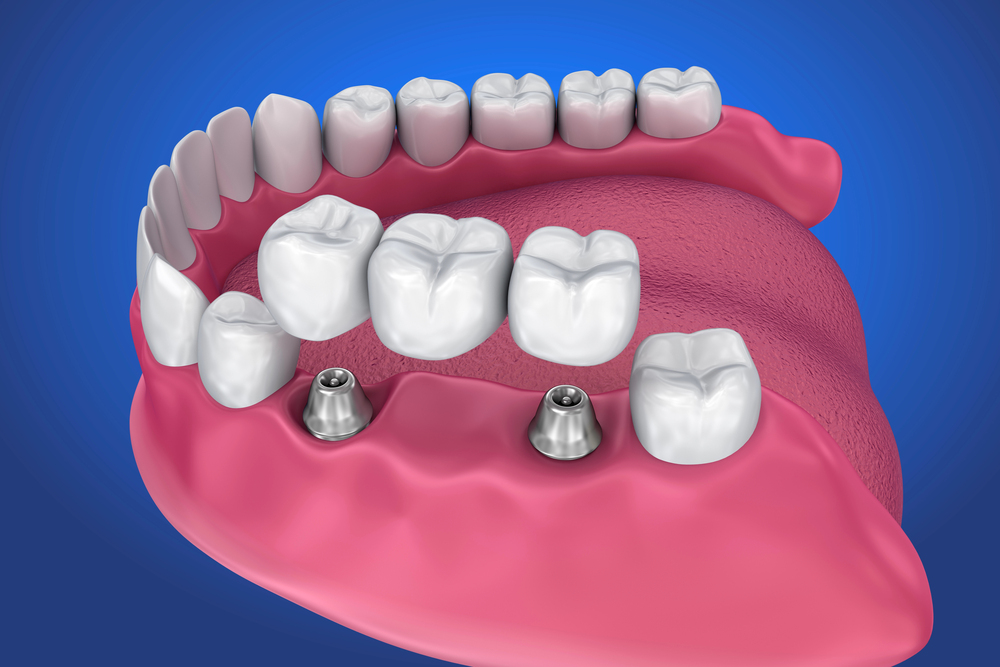 Custom-made attachments are small components that help connect the implant-supported dentures to the implants in your jaw. Unlike standard attachments, which may not always bring the ideal fit, custom attachments are designed specifically for each individual. The personalization allows for better precision and compatibility, leading to a more secure fit and greater comfort. No matter you’re seeking improved functionality or added stability, custom attachments can be a game-changer for many patients.
Enjoy a More Secure and Comfortable Fit
One of the biggest benefits of implant-supported dentures with custom-made attachments is the enhanced comfort they deliver. When dentures fit well and are securely anchored, there’s less movement during activities like speaking or eating. Custom attachments are designed to fit perfectly into your existing dental implants, minimizing any gaps or loose connections that can lead to discomfort. With a snug fit, patients often report feeling more confident in their dentures, allowing them to enjoy daily activities without fear of slippage.
Why Custom Implant Dentures Last Longer
Another advantage of opting for custom-made attachments is their ability to enhance the durability and longevity of implant-supported dentures. When dentures fit correctly and function optimally, there’s less wear and tear on both the dentures and the implants. This means fewer adjustments and replacements over time. The attachments, being custom-designed, also allow for a more even distribution of biting forces, reducing stress on specific areas of the denture or implant. They can prolong the life of your dental restoration.
Get a Denture Fit That’s Uniquely Yours
Custom attachments also open the door to a more personalized approach to oral health care. Every patient’s mouth is different, and factors like bone density, jaw structure, and even daily habits can affect how well dentures fit. Custom-made attachments are tailored to each person’s unique oral anatomy, guaranteeing that the dentures not only fit better but also function more naturally. A tailored approach results in greater patient satisfaction and allows dental professionals to address specific concerns that standard solutions may overlook.
How a Better Fit Supports Your Oral Health
While custom attachments improve the fit and function of implant-supported dentures, they also contribute to better overall oral health. A secure fit prevents issues like irritation, soreness, and even gum infections, which can arise when dentures move around too much. With a stable foundation, your gums and jawbone experience less strain, leading to healthier tissue and a reduced risk of complications down the road.
Lab Considerations for Implant Restorations
The success of an implant-supported denture doesn’t just depend on the clinical procedure; it also hinges on the quality and precision of the lab work. Choosing the right dental lab is a critical step that influences everything from the fit and function to the long-term durability of the restoration. A great lab partner acts as an extension of your practice, combining technical skill with advanced technology to bring your treatment plan to life. When your lab understands the nuances of implant restorations, you can feel more confident in the final outcome, ensuring your patients leave with a smile they love. This collaboration is key to creating restorations that are not only beautiful but also built to last.
Digital Workflows with CAD/CAM and 3D Printing
Modern dental labs are leveraging digital technology to produce restorations with incredible accuracy and efficiency. The integration of CAD/CAM systems and 3D printing has transformed the workflow for implant-supported dentures. Instead of relying solely on traditional impressions and manual fabrication, technicians can now use digital scans to design and mill restorations with pinpoint precision. This digital process minimizes the potential for human error and ensures a consistent, high-quality result every time. For your practice, this means a more streamlined process, fewer adjustments, and a better final fit for your patients. Embracing a lab that has mastered these digital solutions can significantly improve your restorative outcomes.
Material Choices for Modern Dentures
The materials used for implant-supported dentures play a huge role in their strength, aesthetics, and longevity. With advancements in dental technology, we now have access to a wide range of high-performance materials that offer superior results. For fixed solutions, materials like full-arch zirconia provide exceptional durability and a natural, lifelike appearance that patients appreciate. For removable options, modern acrylics and denture teeth are more resilient and stain-resistant than ever before. A knowledgeable lab can help you select the ideal material based on the patient’s specific needs, such as their bite force and aesthetic goals. This careful selection ensures the final hybrid denture or overdenture is both beautiful and functional.
Key Clinical Measurements for Success
A successful implant restoration is built on a foundation of precise clinical information. Clear communication between your practice and the dental lab is essential for achieving the desired outcome. Providing accurate measurements, including detailed impressions, correct bite registration, and the desired vertical dimension, is fundamental. When the lab has all the necessary clinical data, technicians can create a restoration that fits perfectly and functions correctly from the start. Partnering with a lab that offers easy and clear channels for case submission and communication helps ensure that every detail is captured accurately. This collaborative effort is what ultimately leads to a predictable, successful result and a satisfied patient.
Why Trust Next Dental Lab for Your Attachments?
Next Dental Lab knows the importance of a secure and comfortable fit for implant-supported dentures. That’s why we offer custom-made attachments designed to meet the unique needs of each patient. With our advanced dental lab products and commitment to personalized care, we make sure that your dentures not only look great but also feel great. For more information, contact Next Dental Lab today and discover the difference personalized care can make.
Frequently Asked Questions
When are custom attachments a better choice than standard, stock attachments? While standard attachments work well in many straightforward cases, custom attachments are the ideal solution for complex situations. Think of patients with unique jaw anatomy, challenging implant angulation, or specific functional demands. Customizing the connection ensures a perfect path of insertion and a more passive fit, which reduces stress on the implants and the prosthesis. This tailored approach leads to greater patient comfort, better long-term stability, and a more predictable restorative outcome.
What’s the most important clinical information my practice needs to provide for a successful implant denture case? A successful outcome always starts with clear communication and precise data. Beyond an accurate impression or digital scan, the most critical pieces of information are a correct bite registration and the desired vertical dimension of occlusion (VDO). These measurements guide the entire design process. Providing detailed photos and notes about the patient’s aesthetic expectations, like tooth shade and desired smile line, also helps the lab technician craft a restoration that meets both your clinical standards and the patient’s personal goals.
How can I best explain the different maintenance needs for fixed versus removable implant dentures to my patients? A great way to explain it is by comparing it to things they already understand. For removable overdentures, you can describe a routine similar to traditional dentures: they snap out at night for easy cleaning and soaking. For fixed hybrid dentures, you can explain that care is more like managing a dental bridge. They will need to brush it just like natural teeth and use special tools, like a water flosser or interdental brushes, to clean underneath the prosthesis to maintain gum health around the implants.
How does a digital workflow with CAD/CAM technology improve the final fit of a hybrid denture? A digital workflow replaces many manual steps with machine precision, which significantly reduces the potential for human error. When you send a digital scan, the lab can design the denture on a computer with incredible accuracy, planning the fit down to the micron level. The final restoration is then milled from a solid block of material by a computer-controlled machine. This process results in a passive, precise fit on the implants that is very difficult to achieve with traditional hands-on fabrication methods.
What factors should I consider when choosing between zirconia and other materials for a fixed hybrid denture? The choice often comes down to balancing strength and aesthetics for each patient. Full-arch zirconia is exceptionally strong and resistant to chipping or staining, making it a fantastic option for patients with heavy bite forces or a history of breaking prosthetics. It also offers beautiful, lifelike aesthetics. Other materials, like acrylic hybrids with a metal framework, can sometimes be easier to repair and may be a suitable choice depending on the specific clinical situation and the patient’s budget. Discussing the patient’s functional habits and aesthetic desires will help guide you to the best material choice.
Key Takeaways
- Utilize Custom Attachments for a Better Outcome: Opting for custom-made attachments provides a more secure and comfortable fit for implant-supported dentures, which improves the longevity of the restoration and overall patient satisfaction.
- Manage Patient Expectations for a Smoother Process: Clearly explain the entire treatment timeline, from the multi-month healing period to specific daily care routines, to ensure patients are well-informed and prepared for a successful outcome.
- Collaborate with a Digital Lab for Precision: A successful restoration relies on accurate clinical information and a strong partnership with your dental lab; leveraging digital workflows ensures the highest level of precision for the final prosthesis.