
We’ve all seen the classic drawbacks of traditional restorations: the dark line along the gum, the unnatural opacity, or the patient who complains of sharp sensitivity to hot and cold drinks. Beyond the visual issues, patients are also more aware of the materials being used, raising questions about mercury content and long-term biocompatibility. Metal-free dental restorations provide a comprehensive answer to these long-standing challenges. By eliminating metal, you can address patient concerns about aesthetics, comfort, and health all at once. Let’s look at how these advanced materials create a better patient experience and deliver predictable, high-quality results for your practice.
In recent years, dental restorations have shifted towards materials that prioritize both function and aesthetics. Among the popular options are metal-free dental restorations, which give patients a more natural appearance and long-term satisfaction. This article explores why dentists should consider metal-free options to achieve better aesthetic results while delivering high-quality care.
Why Patients Are Asking for Metal-Free Restorations
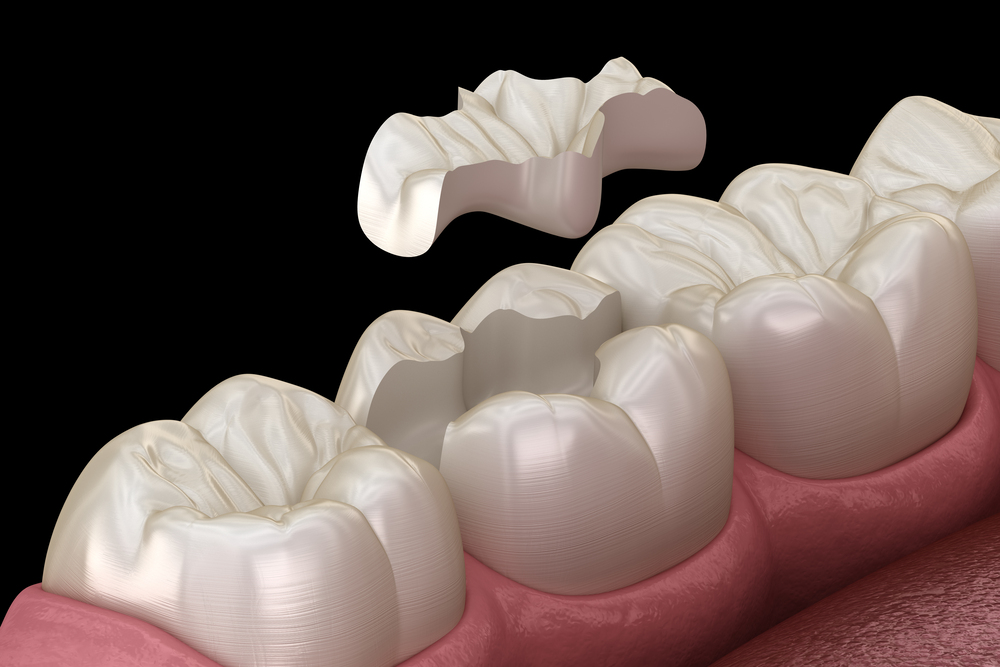 Patients today are increasingly aware of their dental appearance, and many prioritize cosmetic outcomes alongside oral health. Traditional metal-based restorations, while durable, often leave a visible metallic line or discoloration, particularly in the case of gum recession. These visual drawbacks make metal-free restorations an attractive option for dentists aiming to meet patient expectations. Materials like porcelain, composite resin, and zirconia blend seamlessly with natural teeth, bringing an indistinguishable, natural look.
Blending Aesthetics with Patient Comfort
One of the standout benefits of metal-free restorations is their ability to mimic the color and translucency of natural teeth. For patients who need crowns and bridges, or inlays, metal-free materials present a solution that closely matches their original teeth, bringing a flawless aesthetic result. This not only boosts confidence but also enhances patient satisfaction with their smile. In addition to aesthetics, metal-free restorations offer improved comfort. Since they are biocompatible, patients experience fewer issues related to irritation or allergic reactions, which can occasionally occur with metal-based options. These restorations are designed to work harmoniously with natural teeth. They present a more comfortable and healthier alternative for patients with metal sensitivities.
Exploring Different Types of Metal-Free Restorations
The world of metal-free dentistry offers a versatile toolkit for addressing a wide range of patient needs. From conservative repairs to full-arch reconstructions, these materials provide solutions that are both durable and aesthetically pleasing. Understanding the different types of restorations available can help you select the best option for each unique clinical situation. Whether you’re dealing with minor decay or replacing a missing tooth, there’s a metal-free alternative designed to deliver excellent results, ensuring your patients leave with a smile that looks and feels completely natural. Let’s look at a few of the most common and effective options that modern dental practices are using.
Inlays and Onlays
When a standard filling isn’t quite enough to restore a tooth but a full crown seems too aggressive, inlays and onlays are the perfect middle ground. As Studio City Dental Arts explains, “Inlays fit inside the tooth, while onlays cover one or more cusps on the tooth. These restorations are typically made from materials like porcelain or composite resin, which blend seamlessly with the natural tooth structure, providing both strength and aesthetic appeal.” This conservative approach allows you to preserve more of the patient’s healthy tooth structure. By partnering with a lab that accepts digital scans, you can ensure these custom-milled restorations offer a precise fit and a beautiful, lasting result.
Glass Ionomer Fillings
Glass ionomer fillings are another fantastic metal-free option, especially in specific clinical scenarios. Their unique properties make them a valuable tool in your restorative arsenal. According to Harlem Dentistry, “They release fluoride, which helps protect the tooth from decay, making them particularly beneficial for children’s baby teeth or areas with less chewing pressure.” This fluoride-releasing capability offers an added layer of protection against secondary caries. Because these fillings can be matched to the natural tooth shade, they provide a much more aesthetic solution than traditional amalgam, making them a popular choice for visible areas and for patients who prioritize a natural look.
Cement-Retained Dental Implants
For patients needing tooth replacement, cement-retained dental implants offer a superb combination of strength and beauty. This approach uses strong dental cement to attach the crown, creating a screwless design that enhances the natural appearance of the restoration. This method provides a secure fit and, as Lasting Smiles highlights, “allows for a more aesthetically pleasing result, as there are no visible screws or metal components.” When you work with a lab on these cases, the result is a restoration that is virtually indistinguishable from the surrounding teeth, giving your patients a seamless and confident smile.
Are Metal-Free Restorations Strong Enough?
Many dentists might have concerns regarding the strength of metal-free restorations compared to traditional metal-based ones. However, advancements in dental materials have made options like zirconia and porcelain just as durable and long-lasting as their metal counterparts. These materials are strong enough to withstand daily chewing forces. In fact, zirconia has gained popularity for its strength. It is an ideal choice for molars that endure significant pressure. Furthermore, metal-free restorations do not corrode or wear down over time, which can sometimes happen with metal-based options. This makes them a more stable and long-lasting solution, minimizing the need for frequent replacements and guaranteeing patients enjoy their restoration for years.
Comparing the Lifespan of Dental Materials
When choosing a restorative material, longevity is always a top consideration for both you and your patient. Everyone wants a solution that will last. For a long time, metal was the go-to for its proven track record. However, modern materials have really closed the gap, offering comparable durability alongside superior aesthetics. Understanding the expected lifespan of different options helps you guide your patients toward the best choice for their specific needs, balancing both functional demands and cosmetic desires. Let’s look at how traditional amalgam fillings stack up against today’s metal-free alternatives.
Longevity of Amalgam Fillings
Amalgam fillings have been a workhorse in dentistry for a reason. They are incredibly durable, especially in high-stress areas like the back of the mouth where most chewing occurs. These fillings can reliably last for 10 to 15 years, and it’s not uncommon for them to last even longer with proper care, as noted by sources like Harlem Dentistry. This impressive lifespan has made them a benchmark for restorative materials for decades. While their metallic appearance has led many patients to seek other options, their strength and longevity are well-documented and remain a key point of comparison when evaluating newer dental materials.
Durability of Metal-Free Options
Thanks to significant technological advancements, metal-free restorations are no longer just the aesthetic choice; they are a strong and durable one, too. Materials like porcelain and zirconia offer excellent longevity, with many restorations lasting for a decade or more with good oral hygiene. As noted by dental practices like Willow Springs Dentistry, these modern materials are now just as strong as their metal predecessors. This means you can confidently offer patients beautiful, natural-looking crowns and bridges without compromising on strength, even for molars that handle heavy chewing forces. They provide a reliable, long-term solution that meets both functional and cosmetic demands.
Supporting Patient Health with Metal-Free Options
Beyond aesthetics and durability, there are notable health benefits to choosing metal-free dental restorations. One of the most significant advantages is the reduction of oral galvanism, a phenomenon that can occur when different metals in the mouth create an electric current. Metal-free restorations eliminate this issue entirely, providing a safer and more comfortable option for patients. Additionally, these materials do not interact with other dental treatments, such as teeth whitening or fluoride applications. With them, patients can maintain comprehensive oral health without any complications.
Concerns with Traditional Amalgam Fillings
For decades, amalgam fillings were the standard for restorative dentistry. They are strong, reliable, and have a long history of use. However, as patients become more involved in their healthcare decisions, they are asking more questions about the materials used in their mouths. These conversations often center on two key areas: the composition of traditional fillings and their physical behavior over time. Understanding these patient concerns is the first step in guiding them toward modern restorative solutions that align with their health and aesthetic goals, ensuring they feel confident and secure in their dental care.
Mercury Content and Health Considerations
Amalgam fillings are a mixture of metals, including silver, tin, copper, and elemental mercury. While organizations like the American Dental Association have stated that the amount of mercury in these fillings is generally considered safe, the very presence of the element is a point of concern for many patients. Today’s patients are often seeking to minimize their exposure to potentially harmful substances, and they may prefer to avoid mercury entirely. Offering metal-free alternatives allows you to address these concerns directly, providing peace of mind and respecting their desire for treatments they perceive as healthier and more aligned with a wellness-focused lifestyle.
Risk of Shrinkage and Decay
Beyond their composition, the physical properties of metal fillings can pose long-term challenges. Metal expands and contracts with temperature changes at a different rate than natural tooth structure, which can stress the tooth over time. More significantly, amalgam fillings can shrink slightly as they age. This shrinkage can create microscopic gaps between the filling and the tooth wall. These gaps are ideal entry points for bacteria, leading to recurrent decay that can form undetected beneath the restoration. Unlike metal fillings that can pull away from the tooth, modern metal-free restorations are bonded directly to the tooth, creating a superior seal that helps prevent bacterial leakage and protects the tooth’s integrity.
Benefits of Metal-Free Materials for Patient Well-being
Shifting the conversation from the drawbacks of older materials to the advantages of modern ones can be very empowering for patients. Metal-free restorations offer more than just a beautiful, natural-looking smile; they contribute to the patient’s overall well-being. These materials are designed to function in harmony with the body, addressing common issues like sensitivity and biocompatibility. By choosing metal-free options, you are providing a solution that not only restores a tooth but also supports your patient’s comfort and long-term oral health, reinforcing their trust in your practice.
Reduced Temperature Sensitivity
A frequent complaint from patients with metal fillings is a sharp sensitivity to hot and cold temperatures. This happens because metal is a highly effective thermal conductor, quickly transferring heat or cold from food and drinks directly to the sensitive nerve pulp of the tooth. In contrast, metal-free materials like porcelain and composite resin are excellent insulators. They do not conduct temperature as readily, effectively shielding the tooth’s nerve from extreme temperature changes. This simple difference results in a much more comfortable experience for the patient, allowing them to enjoy their favorite foods and drinks without the familiar jolt of pain associated with metal restorations.
The Modern Restoration Process and Patient Care
The journey to a restored smile involves more than just the final placement; it’s about the entire clinical experience. From the initial impression to the final instructions on care, every step influences patient satisfaction. Modern dentistry combines advanced technology with clear patient communication to make this process smooth and predictable. By integrating digital tools, you can achieve a higher level of precision, while educating patients on how to maintain their new restorations ensures the longevity of your work. This comprehensive approach not only produces beautiful results but also builds lasting trust and confidence with the people you treat.
Leveraging Digital Technology for Restorations
Thanks to new technology, metal-free options are now very common and effective. The days of messy physical impressions are fading as digital scanning takes center stage. Using an intraoral scanner, you can capture highly accurate 3D images of a patient’s teeth, which leads to restorations with a superior fit and finish. This precision minimizes the need for chairside adjustments, saving valuable time for both you and your patient. Partnering with a lab that is proficient in handling digital scans streamlines the entire workflow, from submission to fabrication. This digital process allows for better collaboration and ultimately results in a final product, like a zirconia crown or porcelain inlay, that meets the highest standards of quality and aesthetics.
Advising Patients on Long-Term Care
A beautiful restoration is an investment in a patient’s smile, and proper maintenance is key to protecting it. It’s important to guide your patients on how to care for their new metal-free crowns, bridges, or fillings. You can advise them to brush and floss regularly to keep their teeth and restorations clean and prevent stains, plaque, and decay. Simple recommendations, such as using a non-abrasive toothpaste and avoiding chewing on extremely hard items like ice or hard candy, can make a significant difference. Encouraging regular dental check-ups also allows you to monitor the restoration and the surrounding teeth, ensuring everything remains in excellent condition for years to come.
Practical Considerations for Metal-Free Restorations
While the clinical and aesthetic benefits of metal-free restorations are clear, practical factors also play a crucial role in treatment planning. For many patients, the financial aspect and insurance coverage are significant considerations. It’s helpful to be prepared to discuss these topics to help them make informed decisions about their dental care. Addressing these practicalities upfront ensures a transparent and positive experience, reinforcing their confidence in your practice. By understanding these elements, you can better serve your patients and integrate these modern solutions into your services smoothly.
Affordability and Insurance Acceptance
A common question from patients is about the financial commitment for metal-free restorations. Many assume that these advanced materials come with a much higher expense, but that isn’t always the case. The financial commitment is usually about the same as metal options, and dental insurance often helps cover some of the amount, making them an accessible choice for a wide range of patients. When you work with a lab that offers high-quality materials efficiently, you can provide exceptional restorative solutions that fit within your patients’ budgets. This allows you to focus on delivering the best clinical outcome without financial barriers standing in the way of a healthy, beautiful smile.
Give Your Patients the Smile They Want
For dentists, offering metal-free restorations is a way to meet the growing demand for cosmetic and functional dental solutions. With their natural appearance, durability, and health benefits, these restorations bring patients the confidence of a beautiful smile without compromising oral health. Next Dental Lab delivers high-quality, metal-free dental restorations tailored to meet the specific needs of your patients. Whether you’re looking for zirconia crowns, porcelain veneers, or composite fillings, our lab is committed to providing solutions that come with superior aesthetic results and long-term patient satisfaction. Contact us today.
Frequently Asked Questions
My patients often associate metal with strength. How can I confidently recommend zirconia for high-stress areas like molars? That’s a common and valid point of discussion. You can reassure patients by explaining that modern dental materials have advanced significantly. Zirconia, for instance, is a type of ceramic that is exceptionally strong and resistant to fracture, making it more than capable of handling the heavy chewing forces on posterior teeth. Unlike PFM crowns that can chip and expose metal, solid zirconia offers monolithic strength while also providing a much more natural look.
How should I approach the conversation about the investment for metal-free restorations compared to traditional options? It helps to frame the conversation around long-term value and overall well-being. You can explain that while the initial investment is comparable to metal-based options, metal-free restorations offer benefits that prevent future issues. For example, they don’t conduct heat and cold, which increases patient comfort, and they bond directly to the tooth, creating a better seal that protects against recurrent decay. It’s a choice for lasting health and aesthetics.
Besides crowns, what are the most common and effective uses for metal-free materials in everyday practice? Metal-free materials are incredibly versatile. For restorations that are too large for a simple filling but don’t require a full crown, porcelain inlays and onlays are a fantastic, conservative option that preserves more of the natural tooth. Glass ionomer fillings are also useful, especially for pediatric patients or non-load-bearing areas, because they release fluoride and help protect the tooth from further decay.
I’m used to traditional impressions. What’s the real advantage of switching to a digital workflow for these restorations? The biggest advantage is precision. An intraoral scanner captures a highly detailed 3D model of the patient’s teeth, which allows the lab to create a restoration with an incredibly accurate fit. For you, this means significantly fewer chairside adjustments during the seating appointment. It streamlines the entire process, saves you valuable time, and gives your patient a better, more comfortable experience from start to finish.
For patients with known metal sensitivities, are all metal-free options equally safe? Yes, for patients with metal allergies, materials like porcelain, composite resin, and zirconia are excellent choices because they are highly biocompatible. This means they are very unlikely to cause any type of allergic reaction or tissue irritation in the mouth. By choosing any of these established metal-free materials, you can provide a safe and comfortable restorative solution that eliminates the risk of metal-related health concerns.
Key Takeaways
- Aesthetics are Non-Negotiable for Today’s Patients: Metal-free restorations provide the natural look patients ask for by matching the color and translucency of their teeth, which avoids common cosmetic issues like visible metal margins.
- Modern Materials are Both Strong and Beautiful: You no longer have to choose between aesthetics and durability; advanced materials like zirconia offer strength comparable to metal, making them a reliable choice for long-lasting restorations, even on molars.
- Address Health Concerns and Improve Comfort: By choosing metal-free options, you can provide biocompatible solutions that reduce temperature sensitivity and eliminate patient worries about mercury or metal allergies, all while creating a better seal to prevent future decay.