Your patients may not know the difference between a traditional lab and a digital dental laboratory, but they certainly feel the results. They feel it when an impression tray triggers their gag reflex, when they have to return for multiple adjustments, or when a final restoration fits perfectly the first time. The lab you partner with directly influences these experiences. A digital workflow can mean more comfortable appointments, fewer visits, and faster treatment completion. By examining how each lab model affects the patient journey, you can make a strategic choice that not only streamlines your operations but also builds a reputation for modern, patient-friendly care.
The choice between a digital dental laboratory and a traditional lab can feel like deciding between the old-school charm of handwritten notes and the ease of instant messaging. Each approach has its strengths, but the best choice depends on the needs of your practice. Let’s break down what makes each lab option unique and how they can impact your workflow, costs, and patient satisfaction.
When Does a Traditional Dental Lab Make Sense?
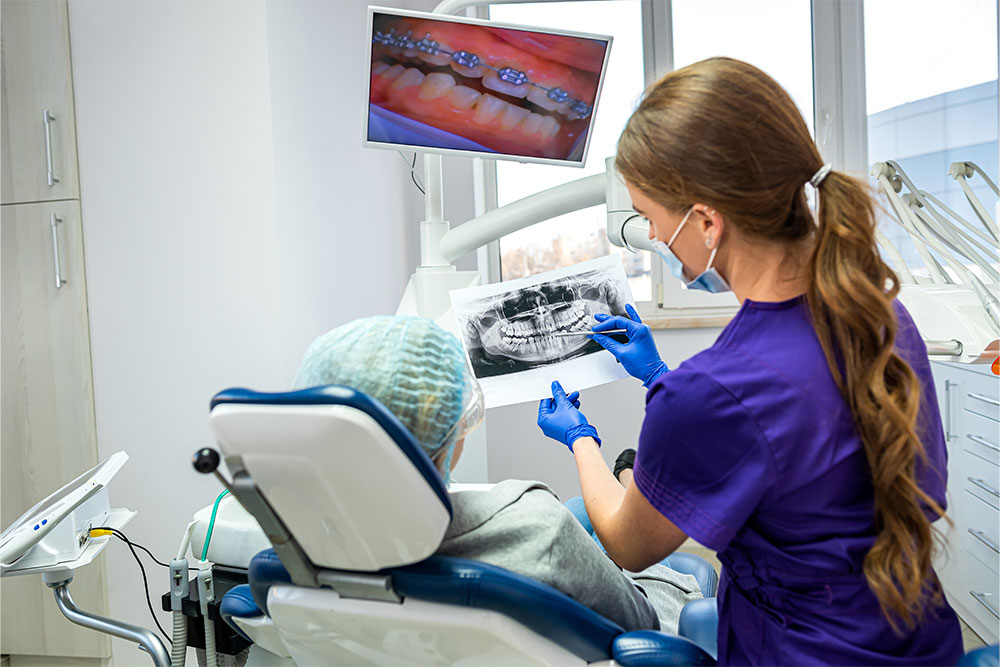 Traditional labs rely heavily on craftsmanship and manual processes. Each crown, bridge, or denture is meticulously created by skilled technicians using molds and models. These labs have a reputation for producing high-quality, customized restorations. The human touch and experience of seasoned technicians often result in exceptional artistry. However, traditional labs can have longer turnaround times due to manual steps. Shipping models back and forth adds time, and remakes can complicate schedules. The reliance on physical impressions also increases the chance of errors caused by distortions or material defects. While traditional labs excel in artistry, they can sometimes struggle with the speed and precision that modern practices demand.
What is a Digital Dental Laboratory?
A digital dental laboratory harnesses advanced technology like CAD/CAM systems, 3D printing, and digital scanning to create dental restorations. Instead of relying on physical impressions, digital scans are sent directly to the lab, reducing the risk of errors. The streamlined digital workflow minimizes turnaround times, with many cases completed in just days. Digital labs are also known for their precision. Tools like milling machines and 3D printers allow for highly accurate dental restorations that fit perfectly. This can lead to fewer adjustments and greater patient satisfaction. The digital files are easily stored and replicated, offering consistency for future cases. That said, digital labs may initially feel unfamiliar to practices that are used to traditional methods. Incorporating digital tools requires investment and training, but these upfront efforts often pay off through long-term efficiency and reduced costs.
What Makes a Lab “Digital-Ready”?
A lab that’s truly “digital-ready” offers more than just a portal to upload scans. It represents a fundamental shift in how restorations are created. A digital-ready lab has built an entire ecosystem around digital technology, integrating advanced software, machinery, and skilled technicians to deliver consistent, high-quality results. This means they can handle a case from digital impression to final restoration entirely within a streamlined, efficient workflow. It’s about having the right tools and, more importantly, the right team and processes to use them effectively.
In-House Capabilities
A key indicator of a digital-ready lab is its in-house manufacturing capabilities. A lab that can design, mill, and print restorations on-site has complete control over the quality and timeline of every case. This starts with the ability to seamlessly receive intraoral scans from your practice, eliminating the need for physical impressions. From there, the entire process is managed under one roof. This vertical integration means faster turnaround times, fewer chances for error, and a consistent final product you can trust, whether it’s a simple crown or a complex implant case.
Expert Teams
Advanced technology is only as effective as the people who operate it. A top-tier digital lab invests heavily in a team of tech-savvy experts and skilled technicians who are masters of modern hardware and software. These professionals are not just lab technicians; they are digital designers who can translate a scan into a perfectly fitting and aesthetically pleasing restoration. This team also includes a dedicated quality control department that ensures every product meets exacting standards before it leaves the lab, guaranteeing that the precision of the technology is matched by human expertise.
Key Technologies in Digital Dentistry
Digital dentistry is powered by a suite of sophisticated tools that work together to improve precision and efficiency. It all begins with digital imaging from intraoral scanners, which create incredibly accurate 3D models of a patient’s mouth. These digital files are then imported into computer-aided design (CAD) software, where a skilled technician designs the restoration with micron-level precision. Once the design is finalized, computer-aided manufacturing (CAM) takes over. This could involve a milling machine carving the restoration from a solid block of material or a 3D printer building it layer by layer. These technologies are the engine that drives the modern dental lab, making it possible to go digital and produce superior results.
Advanced Materials and Expanded Products
The precision of CAD/CAM technology allows labs to work with a new generation of advanced dental materials that offer superior strength, durability, and esthetics. Materials like monolithic zirconia and lithium disilicate can be milled with incredible accuracy, creating restorations that are both beautiful and built to last. This technological leap has also expanded the range of products a lab can offer. Today, digital workflows are used to create everything from single crowns and bridges to full-arch hybrid dentures and custom implant abutments, all with a level of precision that was once impossible to achieve with traditional methods.
The Benefits of a Digital Workflow
Adopting a digital workflow isn’t just about keeping up with technology; it’s about fundamentally improving how your practice operates. From the moment you take a digital impression to the final seating of a restoration, the process becomes more accurate, efficient, and patient-friendly. By partnering with a lab that is built for digital dentistry, you can transform your clinical outcomes and daily operations. The benefits extend beyond your team, creating a noticeably better experience for your patients and setting a new standard for care in your practice. Let’s explore the specific advantages you can expect when you make the switch.
Unmatched Accuracy and Precision
One of the most significant advantages of a digital workflow is the incredible level of precision it offers. Traditional impressions, while a long-standing method, are susceptible to human error, material shrinkage, or distortion during shipping. Digital impressions, captured with an intraoral scanner, create a highly detailed and accurate 3D model of the patient’s mouth. This data is then used in CAD/CAM software to design restorations with pinpoint accuracy. The result is a final product, whether it’s a single crown or a complex hybrid denture, that fits perfectly with minimal to no chairside adjustments. This precision not only saves you valuable time but also ensures a better, more comfortable fit for your patient from the very first try-in.
Streamlined Speed and Efficiency
Time is a critical resource in any dental practice, and a digital workflow is designed to give you more of it. Instead of packaging and shipping a physical impression to the lab, you can transmit a digital scan file in a matter of minutes. This means we can begin working on your case almost immediately, drastically cutting down on turnaround time. At Next Dental Lab, we make it simple to connect your scanner and start sending cases the same day. This efficiency allows you to schedule patient follow-up appointments sooner, complete treatments faster, and open up your schedule for more patients. The entire process, from submission to delivery, becomes a seamless and predictable part of your practice.
Improved Patient Experience
A digital workflow directly enhances the patient’s time in your chair. The process of taking digital impressions is far more comfortable than using traditional putty-filled trays, which can be unpleasant and trigger a gag reflex. The scan itself is quick, often taking just a few minutes. Beyond comfort, digital scans provide a powerful educational tool. You can show patients a 3D image of their teeth on a screen, helping them visualize the problem and better understand the proposed treatment plan. This level of engagement builds trust and can improve case acceptance. Ultimately, a faster, more comfortable, and more accurate process leads to higher patient satisfaction and a stronger reputation for your practice.
How Do Lab Choices Affect Your Bottom Line?
Traditional labs typically have lower upfront costs since they don’t rely on expensive digital equipment. However, the slower workflow and higher potential for errors can lead to additional expenses over time. Digital labs, while requiring a higher initial investment, tend to save money in the long run. The faster turnaround, reduced shipping needs, and lower error rates can offset the upfront costs. Practices find that the increased efficiency and accuracy of digital labs lead to higher profitability over time.
Initial Investment for Your Practice
Let’s be direct: shifting to a digital workflow does require an upfront commitment. For most practices, the initial outlay for equipment like an intraoral scanner and the necessary training can range from $21,000 to $24,000. While that number might seem significant, it’s helpful to view it as an investment in your practice’s efficiency and future growth. This step equips your team with the tools needed to deliver modern, precise care. The good news is that you don’t have to figure it all out alone. Labs like ours are here to help you go digital, offering support and guidance to make the transition as smooth as possible.
Long-Term Financial Advantages
Once you move past the initial setup, the long-term financial upsides of a digital workflow become clear. The incredible precision of digital impressions significantly reduces the chances of errors, which means fewer remakes and less wasted chair time. This accuracy translates directly into savings on materials and appointments. Furthermore, the speed of digital submission eliminates shipping delays and shortens turnaround times, allowing you to complete cases faster and improve your practice’s overall productivity. Over time, these efficiencies compound, leading to greater profitability and a stronger bottom line. It’s a classic case of a smart investment paying for itself through improved accuracy and a more streamlined process.
What Does Your Lab Choice Mean for Your Patients?
For patients, a digital dental laboratory can mean faster results and fewer appointments. Same-day crowns and precise fits enhance their overall experience. Digital scans are more comfortable than traditional impressions, making the process more appealing. Traditional labs may offer an edge in cases requiring detailed artistry, such as highly customized restorations for aesthetic purposes. Patients who value craftsmanship might prefer restorations from a traditional lab.
How to Choose the Right Digital Lab Partner
Selecting a digital lab is about more than just technology; it’s about finding a true partner for your practice. The right lab can streamline your workflow, improve case outcomes, and support your growth. As you evaluate your options, there are a few key factors to consider that separate a good lab from a great one. A great partner understands that their success is tied to yours and will work to ensure a seamless and efficient collaboration. Look for a lab that not only has the right equipment but also the right team and philosophy to align with your practice’s goals and patient care standards.
Look for In-House Production
A lab that handles its production in-house offers a significant advantage in quality control and consistency. When a lab manages every step of the process, from digital design to final fabrication of crowns and bridges, they can ensure that every restoration meets their highest standards. This comprehensive oversight minimizes the risk of errors and delays that can occur when work is outsourced. A good digital lab should be able to adapt to the different digital workflows that dentists use, and in-house production makes this flexibility possible. It allows for a more integrated partnership where the lab can truly understand and accommodate your practice’s specific needs for every case.
Evaluate Technical Support
Transitioning to a digital workflow involves new tools and processes, and having reliable technical support is non-negotiable. Before committing to a lab, ask about their support system. Do they have a dedicated team to help you connect your scanner and troubleshoot any issues? A strong lab partner will offer comprehensive support to ensure your digital submission process is smooth and efficient. As Keating Dental Lab notes, if you’re considering a new scanner, you should always ask about the available technical support. This guidance is invaluable, as it prevents technology from becoming a barrier and instead allows it to become a powerful asset for your practice.
Be Cautious of “Free Scanner” Deals
While a “free scanner” offer from a lab might seem tempting, it’s important to read the fine print. Often, these arrangements come with stipulations that lock you into sending all your cases exclusively to that lab. This can limit your flexibility and prevent you from choosing the best lab for a specific case or material. Maintaining your autonomy is crucial, as it allows you to adapt and work with partners who best suit your evolving needs. A transparent lab partner will focus on earning your business through quality and service, not by restricting your choices. Always prioritize partnerships that offer freedom and support your practice’s independence.
Applying the 80/20 Principle to Your Practice
The 80/20 principle, also known as the Pareto Principle, is a powerful concept that can transform your practice’s efficiency. It states that, in many situations, roughly 80% of the results come from only 20% of the efforts. For a dental practice, this means identifying the key activities that generate the most value—for your patients and your business—and focusing your energy there. This could mean spending more time on complex, high-value procedures, building patient relationships, or mentoring your team. By strategically delegating or streamlining the other 80% of tasks, you can achieve more with less effort and create a more fulfilling and successful practice.
Focusing on High-Value Activities
To apply the 80/20 principle, start by identifying the 20% of activities that drive your practice forward. These are often the tasks that require your unique expertise as a clinician, such as diagnostics, treatment planning, and performing complex procedures like dental implants. Administrative tasks, follow-up calls, and the fabrication of restorations, while necessary, often fall into the 80% of efforts that yield smaller returns on your time. By recognizing which activities are most critical to patient outcomes and practice growth, you can begin to shift your focus and delegate the rest, freeing you up to work at the top of your license.
How a Digital Lab Supports This Model
Partnering with a reliable digital dental lab is one of the most effective ways to apply the 80/20 principle. By entrusting the fabrication of your restorations to a specialized team, you offload a time-intensive task that falls outside your core 20%. As one lab points out, “Digital methods help dentists give more precise and faster diagnoses and treatments.” This efficiency gain is critical. It allows you to streamline your workflow and dedicate more time to patient-facing activities. A digital lab acts as an extension of your team, handling the technical production so you can concentrate on providing excellent clinical care and growing your practice.
Ready for a Better Lab Partner?
At Next Dental Lab, we support both digital and traditional workflows, offering flexible solutions for dental practices of all sizes. By registering your office, you’ll receive a $50 credit toward your first case, with new accounts also qualifying for a free intraoral scanner. For digital practices, we work with leading scanners like iTero, Trios, Medit, and more, ensuring seamless integration. Our lab delivers precise, high-quality restorations—whether from digital scans or physical impressions—including crowns, bridges, dentures, and implants. With fast turnaround times, reliable results, and the option to choose the workflow that suits you best, we enhance patient satisfaction and streamline your operations. Call 833-400-5443 or register online today.
Frequently Asked Questions
My practice isn’t fully digital yet. Can I still work with a lab that specializes in digital workflows? Absolutely. A truly flexible lab partner meets you where you are. Many modern labs are equipped to handle both digital scans and traditional physical impressions, allowing you to transition at your own pace. You can send digital cases when you can and traditional ones when you need to. The goal is to find a lab that supports your practice’s current workflow while providing a path for future growth.
Is the initial investment in a digital scanner really worth the long-term benefits? It’s a significant step, but the long-term advantages are substantial. Think beyond the initial equipment outlay and consider the recurring savings. Digital precision means far fewer remakes, which saves you chair time, material costs, and the hassle of extra appointments. The efficiency gains also allow you to complete cases faster, which directly impacts your practice’s overall productivity and profitability.
Are digital restorations as aesthetically pleasing as those made by traditional, hands-on methods? This is a common concern, but modern digital technology has made incredible strides. Advanced materials like monolithic zirconia, combined with precise CAD/CAM milling, produce restorations with an exceptional fit and lifelike aesthetics. While traditional craftsmanship will always have its place, digital labs can now consistently create beautiful, durable, and accurately shaded restorations that rival the artistry of manual methods.
How does partnering with a digital lab actually save me time in my daily schedule? It comes down to removing small but time-consuming steps from your day. Instead of prepping, packing, and shipping a physical impression, you send a digital file in minutes. This eliminates delays and allows the lab to start on your case almost immediately. The accuracy of the scans also leads to restorations that require minimal to no chairside adjustments, turning what could be a 30-minute seating appointment into a much quicker one.
What’s the most important thing to look for when choosing a digital lab partner? Beyond the technology itself, look for a lab that functions as a true extension of your team. This means they should have in-house production for consistent quality control and offer robust, accessible technical support. A great partner is there to help you integrate the technology smoothly and troubleshoot issues, ensuring you get the most out of your digital workflow, rather than just selling you a service.
Key Takeaways
- Digital Workflows Improve Both Patient Care and Efficiency: Adopting a digital process means more comfortable appointments for your patients and highly accurate restorations for you, saving valuable chair time by minimizing adjustments.
- Select a True Lab Partner, Not Just a Service: The right lab offers in-house production for quality control, provides dedicated technical support to ensure a smooth transition, and respects your autonomy over restrictive “free scanner” deals.
- Delegate Fabrication to Focus on High-Value Activities: Partnering with a digital lab allows you to apply the 80/20 principle by offloading technical work, freeing you to concentrate on the clinical tasks that matter most, like treatment planning and patient care.
Related Articles
- Digital Dental Laboratory Vs. Traditional: What’s Better For Your Practice? – Next Dental Lab
- Dental Technology: Modern Innovations & Benefits for Dentists | Next Dental Lab
- 8 Advanced Dental Technology Trends for Your Practice
- The Best Ways To Match Dental Colors: Traditional Vs. Modern Technology – Next Dental Lab
- Affordable Dental Lab in New York: A Dentist’s Guide