
Every patient in your chair presents a unique set of clinical needs and aesthetic goals. When planning a crown, your recommendation is key to a successful, long-lasting outcome. The choice between a PFM vs. porcelain crown is a perfect example of this tailored approach. For a patient with bruxism who needs a molar restored, the strength of a PFM might be the clear winner. For a highly visible front tooth, an all-porcelain crown is often the only way to achieve a truly lifelike result. Let’s walk through the pros and cons of each, so you can feel fully equipped for that next patient conversation.
When dental professionals select the ideal restorative solution for their patients, they carefully consider various factors influencing long-term success. Choosing between a PFM vs. porcelain crown often presents a significant decision point for dentists and their patients seeking durable and aesthetic outcomes. Patients expect restorations that not only restore function but also blend seamlessly with their natural dentition, lasting many years.
PFM vs. Porcelain Crown: Which Lasts Longer?
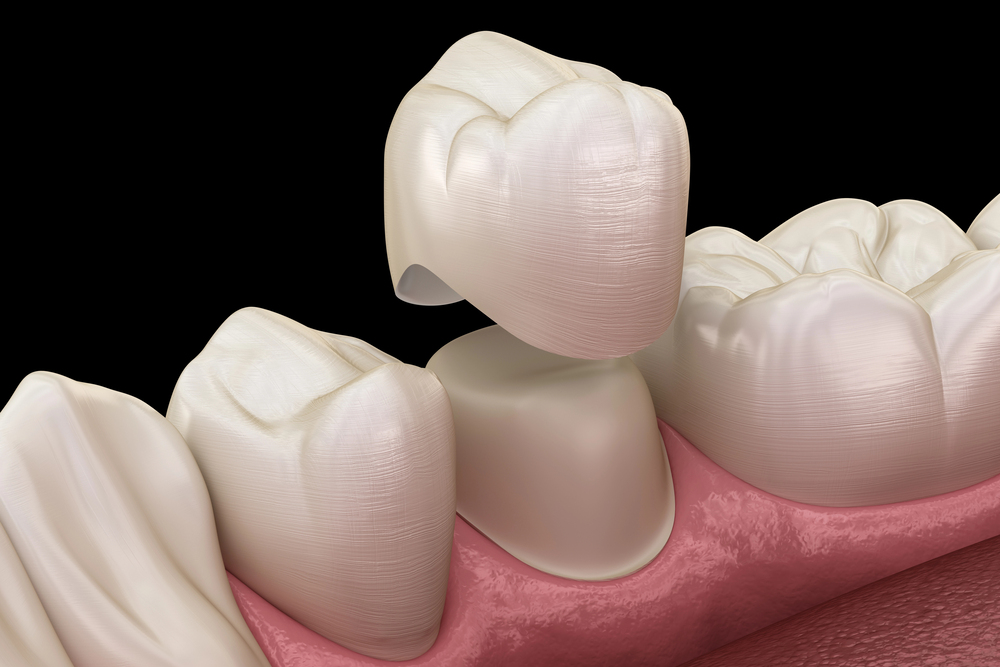 A porcelain-fused-to-metal crown offers excellent strength because it combines the resilience of a metal alloy substructure with the aesthetic appeal of porcelain. Dentists often recommend this crown for posterior teeth, where patients exert greater biting forces during chewing. These crowns withstand significant occlusal pressure, making them a reliable choice for long-lasting restorations in the back of the mouth. The metal framework greatly contributes to the crown’s overall resistance to fracture and chipping under daily use.
Average Lifespan and Durability
When it comes to longevity, both PFM and all-ceramic crowns are designed for the long haul. With proper patient care and maintenance, either type of restoration can last for 15 years or even longer. The primary difference often lies in how they age aesthetically. While a PFM crown maintains its structural integrity, its appearance can start to diminish after about a decade as gum lines recede and the metal margin becomes visible. In contrast, all-ceramic crowns are known to retain their natural look for their entire lifespan, offering a more predictable cosmetic outcome over time.
Long-Term Aesthetic Stability
The most significant advantage of all-ceramic crowns is their superior aesthetics. Materials like Zirconia and E-max mimic the translucency of natural enamel, allowing light to pass through them just as it would with a real tooth. This quality enables a seamless blend with the surrounding dentition. PFM crowns, on the other hand, have a metal core that must be masked by an opaque layer of porcelain. This opacity prevents light from passing through, which can result in a less natural appearance. For anterior cases where aesthetics are paramount, an all-ceramic crown and bridge solution is often the preferred choice for achieving a lifelike result.
Risk of Chipping
While PFM crowns are strong, the layered structure introduces a potential weak point. The porcelain fused to the metal substructure can sometimes chip or fracture over time, exposing the metal underneath. This requires repair or replacement to restore the tooth’s appearance and function. Modern all-ceramic crowns, particularly monolithic zirconia, are fabricated from a single block of high-strength ceramic. This eliminates the risk of porcelain chipping, as there is no layering. These materials are exceptionally durable and can be even stronger than their PFM counterparts, making them an excellent choice for both anterior and posterior restorations.
Application in Dental Bridges
Historically, PFM has been the go-to material for dental bridges. The underlying metal framework provides the rigidity and strength needed to span the edentulous space and withstand the forces of mastication. This makes PFM a reliable and proven option for multi-unit restorations. However, advancements in dental materials have made all-ceramic bridges a formidable alternative. High-strength ceramics like zirconia offer sufficient flexural strength to be used in multi-unit bridges, even in the posterior region. This allows you to provide patients with a metal-free, highly aesthetic solution without compromising on strength.
Which Crown Looks More Natural: PFM or Porcelain?
All-porcelain crowns excel in achieving superior esthetics, providing a highly natural appearance that closely mimics the translucency of real tooth enamel. Dentists often prefer these crowns for anterior teeth, where cosmetic considerations are paramount for patients desiring an uncompromised smile. The absence of a metal substructure completely eliminates the gray line that sometimes appears at the gum line with PFM crowns. This allows light to pass through the crown more naturally, enhancing the overall vibrant look.
Material Properties and Composition
The fundamental difference between PFM and all-porcelain crowns lies in their construction, which directly impacts their clinical performance. A porcelain-fused-to-metal crown features a durable metal alloy substructure completely covered by a layer of tooth-colored porcelain. This hybrid design leverages the best of both worlds; the metal framework provides exceptional strength and resistance to fracture, making it a workhorse for posterior restorations that endure heavy chewing forces. In contrast, all-porcelain crowns, such as those made from zirconia or lithium disilicate, are crafted entirely from ceramic materials. While modern ceramics offer impressive durability, their primary advantage is their lifelike appearance, which is achieved without a metal core.
Light Transmission and Translucency
When aesthetics are the top priority, especially for anterior teeth, the optical properties of the material are critical. All-porcelain crowns hold a distinct advantage here because they mimic the natural translucency of tooth enamel. Light can pass through a ceramic crown, creating the depth and vitality seen in a natural tooth. The metal substructure in a PFM crown is opaque and blocks light from passing through. This can sometimes result in a less vibrant appearance and may cause a dark or gray line to become visible at the gum line if recession occurs. For cases demanding the highest level of esthetics, leveraging digital case solutions can help capture the precise shade and characterization needed for a seamless all-ceramic restoration.
Types of Metal in PFM Crowns
Not all PFM crowns are created equal, as the choice of metal alloy for the substructure can influence both the restoration’s longevity and biocompatibility. The metal part can be made from different materials, including high-noble alloys (containing gold or platinum), noble alloys, or base metal alloys (like nickel-chromium). Gold alloys are often considered a premium choice because they offer excellent durability, corrosion resistance, and a high degree of biocompatibility, reducing the risk of allergic reactions. The warm, yellow hue of a high-noble alloy can also provide a better underlying shade for the porcelain, contributing to a more natural final look for your patient’s crown and bridge work.
A Financial Look at PFM vs. Porcelain Crowns
The cost for a porcelain-fused-to-metal crown generally falls into a more affordable range compared to an all-porcelain crown, making it a practical choice for many patients. Fabrication of PFM crowns often involves less expensive materials and a more straightforward laboratory process. Conversely, all-porcelain crowns typically involve higher laboratory fees due to the specialized techniques and advanced materials required to achieve their superior esthetic qualities. Dental offices weigh these financial aspects against patient preferences.
When Should You Choose a PFM Crown?
Dentists routinely choose porcelain-fused-to-metal crowns for patients who require restorations on molars and premolars due to their robust strength. The underlying metal structure provides superior resistance to fracture, which is particularly important in areas experiencing heavy chewing forces. Patients with a history of bruxism or clenching also benefit greatly from the inherent durability of PFM crowns, ensuring the longevity of their dental work. These crowns offer a dependable solution for challenging bite situations.
A Look at Professional Trends
In dental practices, the decision between PFM and all-porcelain crowns is a daily conversation, guided by a blend of clinical needs and patient expectations. The trend continues to favor PFM crowns for posterior restorations, where their robust metal substructure provides the necessary strength to withstand heavy chewing forces. Conversely, for anterior teeth, the aesthetic superiority of all-porcelain crowns makes them the go-to choice, as they deliver a natural translucency that patients appreciate. This decision-making process also involves a practical discussion about the patient’s budget, ensuring the final choice aligns with their financial comfort. Ultimately, professionals make tailored recommendations, ensuring every patient receives a restoration that balances durability, appearance, and accessibility.
Weighing the Pros and Cons of Porcelain Crowns
Porcelain crowns offer unmatched esthetics and biocompatibility, making them an excellent choice for patients who prioritize natural-looking results and have concerns about metal allergies. However, their primary disadvantage includes a higher propensity for fracture when subjected to significant biting forces, especially on posterior teeth. PFM crowns, while strong, can sometimes show a dark line at the gum line due to the metal, which compromises the aesthetic outcome for certain patients. Each crown type presents distinct advantages and disadvantages.
Key Clinical Considerations
Beyond the material itself, several clinical factors play a crucial role in deciding between a PFM and an all-porcelain crown. These considerations directly impact the long-term health of the tooth, surrounding tissues, and the patient’s overall bite. A thoughtful evaluation of these points ensures the chosen restoration not only looks good but also functions harmoniously within the oral environment for years to come. Making the right call here is fundamental to achieving predictable, successful outcomes for your patients.
Tooth Structure Preservation
One of the most significant clinical differences is the amount of tooth reduction required. PFM crowns often need a more aggressive preparation because space must be created for both the metal substructure and the overlying porcelain. This frequently means removing more of the patient’s healthy tooth structure. In contrast, many modern all-ceramic restorations allow for a more conservative approach. For clinicians who prioritize minimally invasive dentistry, the ability to preserve more of the natural tooth makes an all-ceramic crown and bridge solution an attractive and responsible option for patient care.
Wear on Opposing Teeth
The long-term effect of a restoration on the opposing dentition is a critical consideration. The porcelain surface on a PFM crown can sometimes be more abrasive to the natural teeth it bites against. Over years of chewing and grinding, this can lead to noticeable wear on the opposing enamel, potentially causing bite issues or sensitivity. All-ceramic crowns, particularly monolithic zirconia, are polished to an exceptionally smooth surface. This characteristic makes them much kinder to the opposing teeth, helping to maintain a stable and healthy occlusion for the patient over the life of the restoration.
Gum Tissue Compatibility
Biocompatibility is another area where all-ceramic crowns truly shine. Because they are completely metal-free, they are an excellent choice for patients with known metal allergies or sensitivities. The metal alloy in a PFM crown can, in some individuals, lead to gum irritation, inflammation, or discoloration over time. All-ceramic materials are highly biocompatible and promote a healthy gum tissue response. This helps ensure the long-term health of the periodontium surrounding the restoration, reducing the risk of issues like gingival recession and creating a more harmonious integration with the patient’s natural tissues.
Advantages of Modern Ceramics like Zirconia
The conversation about crown materials has evolved significantly with the introduction of advanced ceramics like zirconia. Historically, dentists often had to choose between the strength of PFM for posterior teeth and the aesthetics of porcelain for anterior teeth. Modern materials have largely eliminated that compromise. Zirconia, for instance, offers exceptional strength that can exceed that of PFM restorations, making it a durable and reliable choice for molars that endure heavy chewing forces. At the same time, its tooth-colored nature and ability to mimic natural translucency provide the beautiful, lifelike results patients desire. By partnering with a lab that embraces digital dentistry, you can achieve incredibly precise and aesthetic outcomes with these versatile materials.
Finding Your Perfect Crown with Next Dental Lab
We invite you to discover how Next Dental Lab delivers high-quality dental crowns that redefine patient satisfaction and restore confidence in every smile. Our company prioritizes precision and artistry, crafting durable and natural-looking tooth crowns designed to seamlessly blend with your patient’s existing dentition. Trust Next Dental Lab to elevate your practice with superior restorative solutions.
Our Crown and Bridge Solutions
At Next Dental Lab, we know that selecting the right crown is crucial for both function and aesthetics. We are committed to providing reliable, high-quality crown and bridge solutions that you can place with complete confidence. For cases where durability is the top priority, our porcelain-fused-to-metal (PFM) crowns are an excellent choice. Renowned for their strength, they combine a resilient metal alloy substructure with the aesthetic appeal of porcelain. This makes them ideal for posterior teeth, where they can withstand significant occlusal pressure. For patients with bruxism or those needing robust restorations on molars, PFM crowns offer the necessary strength for long-lasting results.
When aesthetics are paramount, our all-porcelain crowns deliver a superior, natural look that closely mimics the translucency of real tooth enamel, making them the perfect solution for anterior teeth. The absence of a metal substructure eliminates the gray line that can appear at the gum line with PFM crowns, allowing for a more vibrant and seamless smile. Our team is dedicated to providing tailored solutions for every patient’s unique needs. Whether the case calls for the strength of a PFM or the esthetics of an all-porcelain crown, we’re here to help. You can easily submit your digital cases for a streamlined workflow.
Frequently Asked Questions
For anterior cases, is an all-porcelain crown always the better choice? In most situations involving front teeth, an all-porcelain crown is the preferred option. Its ability to mimic the translucency of natural enamel provides a lifelike result that is very difficult to achieve with a PFM crown. Since there is no metal substructure, you completely avoid the risk of a dark line appearing at the gum line, which is a key consideration for a patient’s visible smile.
My patient has bruxism. Is a PFM crown my only option for a molar? While PFM crowns are a proven and reliable choice for patients with heavy bite forces, they are no longer the only option. Modern materials like monolithic zirconia offer exceptional strength, sometimes even exceeding that of PFM restorations. This makes them an excellent metal-free alternative for molars, providing the durability needed to withstand the demands of bruxism without compromising on aesthetics.
How does the choice of crown affect the opposing teeth over time? This is a critical long-term consideration. The porcelain layered over a PFM crown can sometimes be abrasive, potentially causing wear on the opposing natural teeth over many years. In contrast, all-ceramic materials like zirconia can be polished to an incredibly smooth surface. This makes them much gentler on the opposing dentition, helping to preserve the patient’s natural enamel and maintain a stable bite.
Are there significant differences in tooth preparation for PFM vs. all-porcelain crowns? Yes, the preparation requirements can differ quite a bit. A PFM crown generally requires more tooth reduction because you need to create enough space for both the metal coping and the porcelain layer on top. Many modern all-ceramic crowns, especially those made from high-strength materials, allow for a more conservative preparation, which lets you preserve more of the patient’s healthy tooth structure.
Can modern all-ceramic materials like zirconia really handle the stress of a multi-unit bridge? Absolutely. While PFM has historically been the standard for bridges due to the rigidity of its metal framework, advancements in dental ceramics have changed the game. High-strength materials like zirconia possess the flexural strength needed to support multi-unit bridges, even in the posterior. This allows you to offer patients a strong, durable, and highly aesthetic metal-free solution for spanning an edentulous space.
Key Takeaways
- Select the right material for the right location: Reserve PFM crowns for posterior cases where their strength is essential, and opt for all-porcelain crowns on anterior teeth to achieve the most natural, lifelike results.
- Consider the long-term clinical impact: All-ceramic crowns often allow for more conservative tooth preparation, are gentler on opposing teeth, and offer superior biocompatibility for patients with metal sensitivities.
- Leverage modern ceramics for versatile solutions: Materials like zirconia provide an excellent combination of strength and aesthetics, making them a reliable choice for both front and back teeth without the traditional compromises.