
The conversation around dental crowns has shifted dramatically from simply covering a tooth to precisely restoring it with biocompatible, durable, and highly aesthetic materials. The days of a one-size-fits-all approach are gone, replaced by a sophisticated selection of options tailored to specific needs. Whether you’re considering the robust performance of monolithic zirconia for a molar or the superior cosmetic appeal of lithium disilicate for a central incisor, the choice matters. We’ve created this comprehensive dental crown technology comparison to explore the clinical advantages and considerations of each major material, helping you align your restorative strategy with the best possible patient outcomes.
Modern dentistry constantly evolves, bringing significant advancements that transform patient care and practice efficiency. Dental professionals seek innovative solutions to deliver superior results and improve patient experiences. The continuous development in dental crown technology offers remarkable improvements in durability, aesthetics, and treatment speed. These new methods help dental offices provide excellent restorative options that meet contemporary demands.
Why Offer Same-Day Crowns in Your Practice?
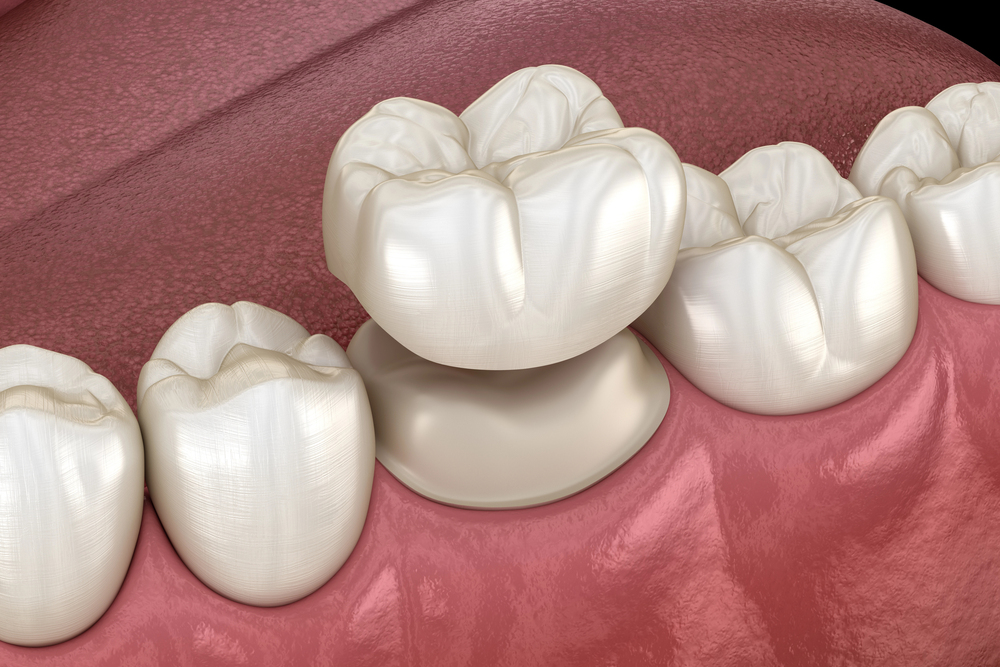 Same-day crowns offer significant advantages for both dental offices and their patients through efficient treatment. This modern approach reduces the need for multiple appointments, saving patients valuable time and minimizing inconvenience. Patients experience less discomfort and stress since they avoid temporary restorations and return visits. Dental practices can optimize their schedules and increase patient satisfaction with the quick turnaround time. This streamlined process delivers high-quality crowns in a single visit, enhancing the overall patient experience.
The Core Benefits of Dental Crowns for Patients
Dental crowns offer a host of advantages that directly improve a patient’s quality of life. Think of them as custom-fit caps that cover a compromised tooth, providing a shield against further damage. This protective layer is essential for teeth that are broken, severely decayed, or have undergone a root canal. By restoring the tooth’s original shape and size, a crown and bridge solution allows patients to chew comfortably and speak clearly again. According to Oakwood Dental, crowns not only protect the tooth but also make it stronger while improving its look and function. With proper oral hygiene, these restorations are incredibly durable, offering a long-term solution for many common dental problems. The use of advanced materials like zirconia further enhances their appeal, delivering exceptional strength and a natural, tooth-colored appearance that blends seamlessly with the patient’s smile.
Understanding the Traditional Multi-Visit Crown Procedure
The conventional method for placing a dental crown has served dentistry well, but it involves a multi-step process that requires patience from both the clinician and the patient. Typically, the procedure begins with preparing the tooth and taking an impression or a digital scan, which is then sent to a dental laboratory for fabrication. While the permanent crown is being created, the patient wears a temporary restoration. This initial appointment is followed by a waiting period of a week or more. Once the custom crown arrives from the lab, the patient returns for a second visit to have the temporary removed and the final restoration fitted and cemented. While Trinity Dental Care notes that the procedure itself is generally comfortable for patients, the need for multiple visits and the potential for temporaries to feel awkward or dislodge can be an inconvenience. This traditional workflow sets the stage for why single-visit solutions are becoming so popular.
Choosing the Right Material for Modern Dental Crowns
Modern dental crown systems utilize a variety of advanced materials, each offering distinct benefits for specific patient needs. Zirconia stands out for its exceptional strength and biocompatibility, making it ideal for posterior teeth. Lithium disilicate provides excellent aesthetics and translucency, often preferred for anterior restorations where appearance matters most. These materials allow dentists to create crowns that not only restore function but also blend seamlessly with natural teeth. The selection of the right material ensures long-lasting and aesthetically pleasing results for every patient.
Zirconia
Zirconia has quickly become a go-to material for dental crowns, and for good reason. It’s a type of ceramic that offers incredible strength and durability, making it tough enough to handle the chewing forces on back teeth. Beyond its power, zirconia is also biocompatible, meaning it gets along well with the body and is a great option for patients with metal sensitivities. Aesthetically, it can be layered or shaded to look very natural, blending in with surrounding teeth. At Next Dental Lab, we craft high-quality crown and bridge restorations using premium zirconia to give your patients a restoration that is both strong and beautiful.
Considerations for Zirconia Crowns
When choosing zirconia, it’s helpful to know about its two main forms: solid and layered. Solid, or monolithic, zirconia is incredibly strong and chip-resistant, making it the perfect choice for molars. Layered zirconia has a zirconia core with a layer of feldspathic porcelain on top, which gives it a more natural translucency ideal for anterior teeth. The precision of modern digital workflows allows for an impeccable fit, regardless of which type you choose, ensuring a comfortable and long-lasting result for your patient.
Lithium Disilicate
For restorations where aesthetics are the top priority, lithium disilicate is an outstanding choice. This high-strength glass-ceramic, often known by the brand name e.max, is celebrated for its lifelike appearance. It has a natural translucency and can be color-matched so precisely that it becomes virtually indistinguishable from the patient’s real teeth. While it’s strong enough for many applications, its true strength lies in creating beautiful, natural-looking crowns for anterior teeth. It’s a fantastic material for achieving that seamless smile your patients are looking for, combining beauty with reliable durability.
Porcelain-Fused-to-Metal (PFM)
Porcelain-fused-to-metal, or PFM, crowns have been a reliable standard in restorative dentistry for decades. They are built with a metal alloy interior for strength, which is then covered with a layer of porcelain to match the shade of the patient’s teeth. This combination makes PFM crowns strong enough for both front and back teeth. While they offer a good balance of durability and aesthetics, one potential drawback is the metal base, which can sometimes show as a dark line at the gumline, especially if the gums recede over time. However, they remain a proven and effective restorative solution.
All-Porcelain/All-Ceramic
All-porcelain or all-ceramic crowns are crafted entirely from ceramic material, with no metal core. This makes them an excellent choice for achieving superior, natural-looking aesthetics. Because they are metal-free, they eliminate the risk of a dark line appearing at the gumline, providing a consistently beautiful result. Their lifelike appearance makes them particularly well-suited for restoring front teeth. They are also a fantastic option for patients who have allergies or sensitivities to metals, offering a biocompatible and visually appealing solution for a healthy, confident smile.
Gold Alloy Crowns
Gold alloy crowns are known for their remarkable durability and longevity. Made from a mix of gold and other metals like platinum or palladium, these crowns are incredibly strong and resistant to wear and fracture. They are also very gentle on opposing teeth, causing less wear than harder materials. While their metallic appearance makes them less popular for visible front teeth, they are an excellent choice for posterior molars that are out of sight. A gold crown can easily last for decades with proper care, making it one of the most long-lasting restorative options available.
Resin Crowns
Resin crowns are made from a composite material that blends plastic with fine glass particles. One of their main advantages is that they are a more economical option compared to other crown types. In some cases, they can even be fabricated and placed within a single dental visit. However, they are not as strong or durable as porcelain or metal crowns. Resin is more susceptible to wear, fractures, and staining over time. Because of these limitations, resin crowns are often considered a temporary solution rather than a permanent restoration.
Stainless Steel Crowns
Stainless steel crowns are prefabricated crowns used primarily as a temporary measure, especially in pediatric dentistry. They are a quick and cost-effective way to protect a child’s decayed primary (baby) tooth from further damage. The crown covers the entire tooth and protects it until it naturally falls out, making way for the permanent tooth to erupt. While they are functional and durable for this purpose, they are not intended for permanent use in adults due to their metallic appearance and less precise fit compared to custom-fabricated crowns.
How CAD/CAM Technology Creates the Perfect Crown Fit
Computer-aided design and computer-aided manufacturing (CAD/CAM) technology transform the fabrication of dental crowns, offering remarkable precision and speed. Dentists use intraoral scanners to capture highly accurate digital impressions of the patient’s teeth. This digital data then feeds into the CAD software, allowing for the precise design of the crown. The CAM unit subsequently mills the crown from a solid block of material, ensuring an exact fit and superior quality. This integrated process significantly reduces human error and shortens production time.
The Role of AI in Crown Design and Diagnostics
Artificial intelligence is becoming an invaluable partner in the dental office, especially in diagnostics and restorative design. AI-powered software helps you analyze patient X-rays with greater accuracy, identifying potential issues like cavities or gum disease much earlier than the human eye might alone. This enhanced diagnostic capability allows for more precise and proactive treatment planning. When it comes to crown fabrication, AI assists in creating designs with an impeccable fit, reducing the likelihood of errors and the need for adjustments. By integrating these smart tools, you can refine your workflow and ensure that every restoration is based on the most accurate data available, leading to better patient outcomes and a more efficient practice. This level of precision is a cornerstone of modern digital case solutions.
Using Digital Previews for Patient Consultation
One of the most effective ways to improve case acceptance is to show patients exactly what they can expect. Digital previews do just that, offering a virtual glimpse of how a new crown will look before any work begins. This technology transforms the consultation process from a conversation into a collaborative visual experience. When patients can see the final result, they feel more confident and involved in their treatment plan. This digital process also streamlines the entire workflow, making it smoother, faster, and more accurate for your team. It’s a powerful tool for managing expectations and building trust, ensuring that both you and your patient are aligned on the aesthetic and functional goals of the restoration.
The Rise of Minimal-Prep and No-Prep Crowns
The trend toward conservative dentistry is gaining momentum, and minimal-prep or no-prep crowns are at the forefront of this movement. These innovative restorations require very little, if any, removal of healthy tooth structure. Instead, they are designed to be bonded directly onto the existing tooth, preserving its natural integrity. This approach is perfect for patients who want to improve their smile without undergoing a more invasive procedure. Thanks to advancements in materials and bonding agents, these conservative crown and bridge options offer both strength and beautiful aesthetics. Offering minimal-prep solutions can attract patients looking for less aggressive treatments and position your practice as one that prioritizes long-term dental health.
Is 3D Printing Changing How We Make Dental Crowns?
Three-dimensional printing brings another layer of innovation to dental crown production, enhancing efficiency and customization. This additive manufacturing process builds crowns layer by layer from digital designs, offering unparalleled accuracy. Dental labs use 3D printers to create models for diagnostic purposes or even fabricate temporary crowns directly. The technology allows for complex geometries and intricate details, which are difficult to achieve with traditional methods. Adopting 3D printing helps dentists create personalized restorations with greater consistency and speed.
Beyond Temporaries: 3D-Printed Permanent Crowns
While 3D printing has been a game-changer for creating surgical guides and temporary restorations, the technology is now making a significant leap into permanent crown fabrication. Using advanced biocompatible resins, 3D printers can produce durable, long-lasting crowns that offer an excellent fit and natural-looking aesthetics. This method provides incredible design freedom, allowing for intricate details that perfectly match a patient’s unique dental anatomy. For your practice, this means faster turnaround times and highly predictable outcomes. As digital workflows become the standard, working with a lab that fully embraces these advancements is essential. Integrating digital case solutions into your practice ensures you can take full advantage of innovations like 3D-printed permanent restorations.
How Long Do Modern Dental Crowns Really Last?
New crown materials significantly enhance the longevity and durability of dental restorations, providing patients with long-lasting solutions. Zirconia and lithium disilicate exhibit remarkable resistance to fracture and wear, standing up to the rigors of daily chewing. These advanced ceramics maintain their structural integrity and aesthetic appeal over many years. Proper care and regular dental check-ups further extend the lifespan of these modern crowns. Patients can trust that their new crowns will perform reliably for an extended period.
Material Lifespan Comparison
When you’re discussing restorative options with patients, longevity is always a key topic. It’s important to evaluate how different materials hold up over time. Thanks to modern advancements, we now have access to highly durable options that can easily withstand the demands of daily use. Materials like zirconia and lithium disilicate are engineered for strength and resilience, giving patients confidence in their restorations. Choosing the right material from the start ensures that the crown will not only look great but also function reliably for years to come, minimizing the need for future replacements and additional chair time. This focus on durability is a cornerstone of excellent patient care.
A Note on Zirconia’s Durability
Zirconia crowns are a fantastic choice, especially for posterior teeth, because of their incredible strength and biocompatibility. They show remarkable resistance to fracture and wear, easily handling the forces of daily chewing. Research indicates that with proper care and regular dental check-ups, zirconia crowns can last between 10 to 15 years, and often even longer. This impressive durability means patients can trust their restorations to perform reliably for many years, maintaining both their structural integrity and aesthetic appeal. As dental innovations continue, partnering with a lab that specializes in high-quality crown and bridge solutions ensures you can consistently deliver these long-lasting results.
Guiding Patients on Crown Selection and Care
Helping Patients Choose the Right Crown
Helping your patients select the best crown is a collaborative process that balances their needs with your clinical expertise. The conversation should cover key factors like the tooth’s location, the patient’s aesthetic goals, and any habits such as teeth grinding. For a molar that handles heavy chewing forces, a strong material like zirconia is often the best choice. For a front tooth, the translucency and natural appearance of a material like lithium disilicate might be more important. By explaining these trade-offs clearly, you empower patients to make an informed decision they feel confident about. Having a lab partner that offers a full range of crown and bridge options ensures you can always find the perfect match for every unique case.
Addressing Patient Concerns like Metal Allergies
Patients often have questions about the materials used in their restorations, and metal allergies are a common and valid concern. When a patient expresses sensitivity to metals, you can reassure them with excellent metal-free alternatives. All-ceramic and zirconia crowns are fully biocompatible, eliminating the risk of an allergic reaction. You can also highlight the aesthetic benefits, such as the absence of a dark line at the gum, which can sometimes appear with porcelain-fused-to-metal crowns. Offering these modern, biocompatible materials not only addresses their health concerns but also provides a beautiful, natural-looking result that builds trust and confidence in your practice.
Essential Crown Maintenance and Aftercare
The long-term success of a dental crown depends just as much on patient aftercare as it does on the quality of the restoration. It’s helpful to remind patients that caring for their new crown is just as important as caring for their natural teeth. This includes brushing twice daily with a soft-bristled toothbrush, paying close attention to the area where the crown meets the gumline to prevent plaque buildup. Daily flossing is also crucial to keep the surrounding tissues healthy. Advising them to avoid chewing on extremely hard items like ice or hard candy can prevent fractures. Regular check-ups allow you to monitor the crown’s integrity and ensure it continues to function perfectly for years to come, protecting their investment in their oral health.
Work With Next Dental Lab for High-Quality Crowns
We understand the importance of providing your patients with superior dental solutions that enhance their oral health and confidence. Our high-quality dental crowns provide exceptional durability and aesthetics, meticulously crafted to meet your exact specifications. We partner with licensed dentists to elevate their restorative dentistry offerings, ensuring patient satisfaction with every restoration.
Frequently Asked Questions
How do I choose between zirconia and lithium disilicate for a specific case? The best choice often comes down to the tooth’s location and the patient’s aesthetic goals. For posterior teeth that handle significant chewing forces, the superior strength of monolithic zirconia is usually the most reliable option. For anterior teeth, where a natural, translucent appearance is critical, lithium disilicate is an excellent choice because it mimics the look of natural enamel so well.
What are the main advantages of incorporating a fully digital workflow for crowns? Adopting a digital workflow with intraoral scanners and CAD/CAM technology brings a new level of precision and efficiency to your practice. It significantly reduces the chance of human error found in traditional impressions, leading to crowns with a more accurate fit from the start. This means fewer adjustments during seating appointments, saving you valuable chair time and improving the overall patient experience.
Are 3D-printed permanent crowns a viable option for my practice right now? Yes, they are quickly becoming a fantastic option. While 3D printing was initially used for models and temporaries, advancements in biocompatible resins now allow for the fabrication of durable, permanent crowns. This technology offers incredible accuracy and can streamline production, resulting in faster turnaround times and highly predictable outcomes for your patients.
How can I simplify the crown material conversation for my patients? A great approach is to frame the discussion around their specific needs. You can start by explaining that the goal is to find a material that restores function and looks natural. For patients with metal sensitivities, you can immediately present all-ceramic or zirconia crowns as safe, biocompatible solutions. Showing them physical examples or digital previews can also make the differences between materials much clearer and help them feel more involved in the decision.
What’s the most effective way to use digital previews during a consultation? Digital previews are a powerful tool for building patient trust and improving case acceptance. Instead of just describing the final result, you can show them a simulation of their new smile. This visual confirmation helps manage their expectations and makes them feel more confident in the treatment plan. It transforms the consultation into a collaborative process, ensuring you and your patient are aligned on the aesthetic goals before you even begin.
Key Takeaways
- Select Materials Strategically: Choose the best material based on the tooth’s location and function. High-strength zirconia is ideal for molars that handle heavy chewing, while the natural translucency of lithium disilicate is perfect for achieving beautiful results on anterior teeth.
- Integrate Digital Tools for Precision and Clarity: Use digital technologies like CAD/CAM to create crowns with an impeccable fit, reducing chair time and adjustments. Digital previews are also a powerful consultation tool that helps patients visualize their results and feel more confident in their treatment plan.
- Empower Patients with Clear Aftercare Guidance: The long-term success of a crown relies heavily on patient care. Provide simple, direct instructions on brushing, flossing, and avoiding hard foods to help patients protect their investment and ensure the restoration lasts for years.