
The debate over the Medit i700 vs 3Shape Trios is less about hype and more about finding the right fit for your practice. With options like the 3M True Definition Intraoral Scanner discontinued, making a future-proof choice is more important than ever. Both the Medit scanner and the Trios deliver incredible scans and feel great to use. The real question in the Medit vs Trios matchup comes down to philosophy: do you want open-platform freedom or a deeply integrated software ecosystem? The right scanner will seamlessly support your digital crown and bridge workflow and scale with your ambitions.
A Closer Look at the Scanners
Getting into the details of what makes these scanners work is crucial for choosing the right one for your practice. It’s about more than just technical specs; it’s about how the technology fits into your daily routine. We’ll explore the 3Shape TRIOS family, breaking down what each model offers, from the newest wireless options to their shared core features. Then, we’ll shift our focus to the practical side of things—user experience and ergonomics. After all, a scanner’s true value is measured by how seamlessly it integrates into your workflow and how comfortable it makes the scanning process for your patients.
The 3Shape TRIOS Family
The 3Shape TRIOS line has earned its reputation for performance and quality, offering a versatile range of scanners designed for different clinical environments. Whether your practice is looking for the freedom of the latest wireless technology or the steadfast reliability of a wired unit, there is likely a TRIOS model that fits your needs. Each scanner is built on a foundation of high accuracy and intuitive software, aiming to make the adoption of digital dentistry feel like a natural next step. Let’s look at the key models in the family and the powerful features they all share.
TRIOS 6 Wireless: The Newest Model
As the latest addition to the lineup, the 3Shape TRIOS 6 Wireless scanner represents a significant step forward in intraoral technology. It’s engineered to make the scanning process more efficient and intuitive for clinicians, which in turn enhances the patient experience. This model is a powerful tool designed to streamline your digital workflow and improve diagnostic accuracy from the very first scan. For practices that want to incorporate the latest advancements, the TRIOS 6 offers features that support a comprehensive range of restorative and implant procedures.
TRIOS 5, TRIOS 3, and TRIOS Core Models
The TRIOS family also includes several other excellent options: the TRIOS 5 Wireless, TRIOS 3 Wired, and TRIOS Core Wired. Each of these models is built to address different practice needs and budgets. The TRIOS 5 provides the convenience of wireless scanning in a compact, lightweight body, while the TRIOS 3 and TRIOS Core deliver the consistent performance of a wired connection. This variety allows you to choose a scanner that aligns perfectly with your clinical goals, whether you are just beginning your digital journey or expanding the capabilities of a large practice.
Features Across the TRIOS Line
One of the biggest advantages of the TRIOS family is the consistent quality you get with every model. All TRIOS scanners deliver exceptional accuracy, capture lifelike colors for precise shade matching, and come with smart software that automatically cleans up the scan by removing unwanted data from the tongue or cheek. This ensures the digital impressions you create are incredibly detailed and ready for design. When you send us your digital cases, this level of precision allows our technicians to fabricate beautiful, perfectly fitting crowns and bridges.
User Experience and Ergonomics
While technical capabilities are essential, the day-to-day usability of a scanner is just as important. The physical design of the device directly affects your comfort, your team’s efficiency, and your patient’s overall experience. 3Shape has clearly prioritized ergonomics across the TRIOS line, creating tools that are not only technologically advanced but also comfortable and easy to handle. From the way the scanner rests in your hand to the freedom a wireless connection provides, these thoughtful design elements can make a real difference in a busy practice.
In-Hand Feel and Patient Comfort
The way a scanner feels in your hand—and in your patient’s mouth—is critical to a successful scanning experience. The TRIOS scanners are designed to be ergonomic, with models like the TRIOS 5 being noticeably smaller and lighter. This thoughtful design can significantly improve patient comfort, helping to reduce anxiety and encourage cooperation. A relaxed patient makes it easier to capture a quick and accurate scan, which benefits everyone involved. This focus on a positive experience for both the clinician and the patient is a hallmark of the TRIOS philosophy.
Wireless Freedom and Setup Options
Opting for a wireless model like the TRIOS 6 or TRIOS 5 can completely transform your practice’s workflow. Without a cord tying you to a single workstation, you gain the flexibility to move freely between operatories, making your schedule more fluid and your workspace less cluttered. This freedom simplifies the entire process, from capturing the scan to sending the final file. Once your scan is complete, it’s easy to connect your scanner directly to our lab, allowing you to transmit case files instantly and get your patient’s restoration started without delay.
How Do They Compare on Speed and Accuracy?
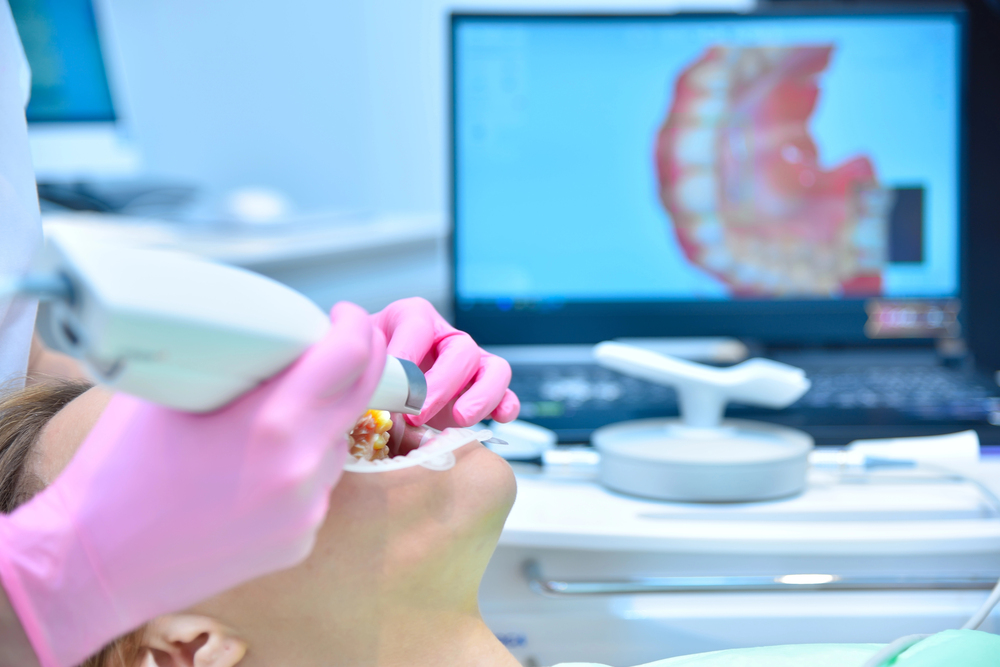 Both platforms capture fast, full‑arch scans with color rendering and AI cleanup that trims soft tissue and artifacts on the fly. Medit I700 focuses on lightweight handling and quick calibration that suits high‑throughput operatories. Trios emphasizes consistent arch accuracy backed by mature scan strategies, with models that include refined anti‑fogging and well‑balanced handpieces. In real cases, speed parity is close when the operator follows a disciplined path and moisture control.
A Side-by-Side Scan Comparison
When you put these scanners head-to-head in a clinical setting, the nuances really come to light. According to a comparison by the Institute of Digital Dentistry, both the Medit i700 Wireless and 3Shape TRIOS 5 produce high-quality scans. The test involved scanning the same patient’s crown preparation on the same day, which is the best way to see the practical differences in performance. While both are top-tier, the Medit often gets praise for its lightweight feel and straightforward software, making it feel nimble in the hand. The TRIOS, on the other hand, is known for its robust, mature platform and consistent results, which many practitioners trust for complex cases. Ultimately, the choice comes down to which workflow feels more intuitive for you and your team.
Accuracy and Margin Capture
A perfect restoration starts with a perfect impression, and in the digital world, that means capturing a crystal-clear margin line. The i700 Wireless has been noted for making the tooth preparation margin slightly easier to see and trace. However, it’s important to remember that both scanners can struggle with subgingival margins if the area isn’t properly isolated and kept dry. This is where clinical skill is just as important as the technology. A clean, clear digital impression with a well-defined margin is exactly what your lab needs to fabricate a crown or bridge with a precise fit, preventing issues with seating and longevity down the road.
The Importance of Scanning Technique
You can have the most advanced scanner on the market, but the final result still hinges on the person holding it. As experts point out, “How well a scan turns out can depend on the dentist’s scanning technique as much as the scanner itself.” Mastering a consistent scan path, managing soft tissues, and ensuring proper moisture control are fundamental skills that directly impact the quality of the data you send to the lab. A great scan minimizes the need for adjustments and ensures the final restoration fits perfectly. No matter which system you choose, investing time in training and refining your technique will always pay off, ensuring you can send digital cases with confidence.
How Open Are the Medit and Trios File Formats?
Medit leans into open workflows. STL, PLY, and OBJ exports move freely into third‑party CAD, clear aligner software, and lab systems without extra fees. That makes it attractive for practices that like to test new design tools or switch dental labs. Trios supports open exports as well, while also sitting at the center of 3Shape’s ecosystem. For teams committed to 3Shape Design Studio, Ortho System, or Implant Studio, native compatibility can streamline handoffs and reduce translation friction.
File Type Flexibility and Size
One of the biggest practical differences you’ll find is in file flexibility. The Medit i700 is known for its open system, letting you export scans in multiple formats like STL, PLY, and OBJ. This openness means you can work with a wide range of third-party CAD systems and lab workflows, which is a huge plus if you value adaptability. A comparison from the Institute of Digital Dentistry highlights that this lets you use different design programs without extra fees. In contrast, the 3Shape TRIOS 5 primarily supports STL and PLY formats. This works beautifully if you’re committed to the 3Shape ecosystem, but it can feel limiting if you prefer a more mix-and-match approach. The same comparison also noted that the TRIOS 5 produced a larger STL file, which could suggest it captures more intricate detail. Your choice will ultimately depend on whether your practice prioritizes the universal compatibility needed to send digital cases to any lab or the deep integration of a single system.
What Can You Do with the Medit and Trios Apps?
Medit Link delivers an agile platform with frequent updates, AI features for margin marking, and useful chairside apps like model builder, smile design previews, and basic analysis tools. It is friendly for general dentistry and quick case reviews. Trios pairs with a deep bench of 3Shape software that shines in complex design, occlusal analysis, and advanced planning. For practices managing consistent implant scanning workflows, deeper integration and validated libraries can significantly reduce friction during case planning.
The 3Shape Unite Software Platform
Every TRIOS scanner operates on the 3Shape Unite platform, which acts as the central nervous system for your digital workflow. Think of it as more than just software; it’s an open platform designed to manage patient cases from scan to final restoration. It simplifies your daily tasks by creating a unified interface where you can communicate with labs, track cases, and access a growing app store for specialized tools. This connectivity is key, as it allows you to seamlessly send your digital impressions to partners like Next Dental Lab without the friction of manual uploads and exports, keeping your focus on patient care.
Service and Support Plans
Investing in a new scanner comes with the expectation of solid support, and 3Shape addresses this from the start. When you purchase a TRIOS scanner, you receive initial training to get your team comfortable and proficient. The first year of ownership includes TRIOS Care, a premium service plan that provides an extended warranty, express replacement services, and unlimited support. This plan is designed to give you peace of mind and protect your investment, ensuring that any potential downtime is minimized. Having this level of backup is essential for any practice committed to making a smooth and successful transition to a fully digital workflow.
Which Is Better for Restorations and Implants?
For single‑unit crowns, inlays, and onlays, both scanners capture clean margins and stable bites when isolation is handled well. Medit’s open files drop into popular lab CAD easily, supporting fast zirconia and lithium disilicate turnarounds. Trios adds value as case complexity rises. With Implant Studio and scan body libraries, multi‑unit planning, emergence design, and guide production run with fewer touchpoints. Practices that place implants regularly will appreciate the planning depth and validated libraries on the Trios side.
How Do They Handle Ortho and Aligner Cases?
Medit’s speed and color scans work well for aligner submissions across multiple vendors. Its open format keeps choices broad for outsourced planning. Trios integrates with 3Shape’s ortho suite, giving teams in‑house control over setups, staging, and appliance design. For patient engagement, both offer compelling chairside visualization. Trios Patient Monitoring and treatment simulation tools provide polished experiences for case acceptance.
The TRIOS 3 and Invisalign Connection
For practices heavily involved in clear aligner therapy, a scanner’s compatibility with Invisalign is a major consideration. The 3Shape TRIOS 3 has long been a preferred scanner for Invisalign providers due to its validated workflow. This direct integration creates a seamless and efficient process for submitting digital impressions, which can reduce turnaround times and minimize errors. While other scanners, including the Medit i700, can also be used for Invisalign cases by exporting STL files, the TRIOS 3 offers a more streamlined, native connection that many orthodontic-focused practices find invaluable for their day-to-day operations.
Understanding the Investment and Market Options
Choosing an intraoral scanner is a significant commitment for any dental practice, and the financial aspect extends beyond the initial hardware. It’s important to look at the total value, which includes the scanner itself, software subscriptions, support packages, and any additional modules you might need for specialized workflows like implants or orthodontics. Some systems are built around a one-time acquisition with optional support, while others operate on a subscription model that bundles software updates and service into a recurring fee. Thinking about your practice’s cash flow and how you prefer to manage technology expenses will help guide your decision.
The goal is to find a solution that not only fits your clinical needs but also aligns with your business’s financial strategy for growth and technology adoption. As you go digital, the right scanner becomes a central part of your practice’s efficiency. It’s not just about the features on a spec sheet; it’s about how the entire package supports your team, your patients, and your bottom line over the long term. A thoughtful approach ensures you select a partner, not just a product, for your digital journey.
Initial Outlay and Payment Structures
The financial models for Medit and 3Shape present two different philosophies. Medit has gained significant market share by offering its powerful scanners without mandatory subscription fees. As our team has noted, “Medit leans into open workflows. STL, PLY, and OBJ exports move freely into third‑party CAD, clear aligner software, and lab systems without extra fees.” This approach is appealing for practices seeking to minimize recurring operational expenses. In contrast, 3Shape often structures its offerings with a subscription model, which includes ongoing software updates, support, and access to its integrated ecosystem. This can be beneficial for practices that want predictable expenses and continuous access to the latest features without large, periodic upgrade costs.
Exploring the Competitive Landscape
While Medit and 3Shape are dominant players, they aren’t the only options. However, their robust features and large user bases make them top contenders. The key difference often comes down to their ecosystem philosophy. 3Shape has built a comprehensive, interconnected suite of software and hardware. As we’ve covered, “Trios supports open exports as well, while also sitting at the center of 3Shape’s ecosystem.” This gives practices the flexibility to work with outside partners while still benefiting from a streamlined internal workflow. When choosing a scanner, it’s wise to consider how easily it will integrate with your existing technology and your preferred lab partners. A good lab should be able to seamlessly accept and work with digital scans from any major open system.
Making the Final Decision
Ultimately, the right scanner is the one that best fits your practice’s unique needs. Both the Medit i700 and 3Shape TRIOS are exceptional tools. As we’ve seen, “Both platforms capture fast, full-arch scans with color rendering and AI cleanup that trims soft tissue and artifacts on the fly.” The decision hinges on what you value most. Is it the open architecture and lower initial barrier of Medit, or the deeply integrated, mature ecosystem of 3Shape? Consider your primary case mix—are you focused on single-unit restorations, complex implant cases, or high-volume orthodontics?
Thinking about your team’s technical comfort level and your long-term goals for digital dentistry will help clarify which platform is the better partner for your practice’s future. A trusted lab partner can also offer insights based on their experience with files from both systems, helping you understand the nuances from a production standpoint. This collaborative approach ensures your investment is sound from both a clinical and a practical perspective, setting you up for success from day one.
Brand Reputation and Trust
3Shape has been a leader in the digital dentistry space for years, building a strong reputation for quality, reliability, and clinical validation. Many dentists trust the TRIOS line because it is a proven entity in the market. The brand’s emphasis on clinical excellence is clear, as “Trios emphasizes consistent arch accuracy backed by mature scan strategies.” On the other hand, Medit has rapidly built a loyal following as a disruptive innovator, known for its user-friendly software and commitment to an open system. They are often praised for their responsiveness to user feedback and frequent, meaningful software updates. Both brands have strong communities and extensive educational resources, so your choice may come down to whether you prefer an established market leader or a dynamic challenger.
Why There’s No Single “Best” Scanner
If there were one scanner that was definitively “the best” for every single practice, this decision would be much easier. The reality is that the ideal choice is highly personal. It depends on your clinical focus, your financial plan, your team’s workflow, and your vision for the future. The most important step is to define your priorities before you start comparing spec sheets. As we always say, “The right scanner should align with your lab’s digital crown and bridge workflow while supporting long-term scalability.” Whether you choose the Medit i700 or a 3Shape TRIOS scanner, you are investing in a powerful tool that will improve patient care and practice efficiency for years to come.
Streamline Your Workflow: Connecting Your Scanner to the Lab
Link Medit or 3Shape Trios directly to Next Dental Lab and move from scan to case submission without friction. For Medit, add our lab via Medit Link partners, upload STL or PLY with photos and RX, and get quick confirmation from our digital team for same‑day transfers. For Trios, connect through 3Shape Communicate, select Next Dental Lab as the receiving lab, and send color scans with bite records for rapid design. Both paths support open‑system workflows, clear case tracking, and responsive support. Register today, connect the scanner, and keep restorations flowing with predictable turnaround.
Frequently Asked Questions
What’s the biggest difference between the Medit and 3Shape systems? The main difference comes down to their core philosophy. Medit is built around an open platform, giving you the freedom to export files in several formats and work with a wide variety of software and labs without extra fees. 3Shape offers a more integrated ecosystem; while it supports open files, its real strength is how seamlessly its scanner works with its own suite of design and planning software, creating a very streamlined workflow for practices committed to their system.
How do the investment models for Medit and 3Shape differ? They represent two distinct approaches to technology acquisition. Medit is known for offering its scanners without a mandatory ongoing subscription for the software to function, which can be attractive if you prefer a one-time hardware investment. 3Shape typically operates on a subscription model that bundles software updates, service, and access to their integrated platform, ensuring you always have the latest features and support for a recurring fee.
Is one scanner better than the other for everyday crown and bridge cases? For single-unit restorations like crowns, both scanners deliver excellent accuracy and capture the fine details needed for a perfect fit. A well-defined margin captured on either a Medit or a TRIOS scanner gives a lab everything needed to create a beautiful restoration. The choice often comes down to which scanner feels better in your hand and which software workflow feels more intuitive for you and your team during daily use.
Can I send my scans to any lab, regardless of which scanner I choose? Yes, you can maintain flexibility with either choice. Medit’s system is designed to be open, so sending files to any lab that accepts digital impressions is straightforward. Similarly, 3Shape TRIOS scanners allow you to export common file types and connect with thousands of labs (like us) through their communication platform. The key is to partner with a lab that is equipped to handle digital cases from all major systems.
How important is my scanning technique compared to the scanner’s technology? Your technique is just as important as the technology itself. Even the most advanced scanner can’t produce a great result from a poorly managed scan site. Mastering a consistent scan path, controlling moisture, and ensuring clear tissue retraction are fundamental skills. A great scan with a clear margin is the foundation of a well-fitting restoration, no matter which high-performance scanner you use.
Key Takeaways
- Decide on your workflow philosophy: Your choice hinges on whether you prefer Medit’s open, subscription-free platform that offers flexibility with different labs and software, or 3Shape’s deeply integrated ecosystem designed for a seamless, all-in-one workflow.
- Align the scanner with your primary services: Both scanners deliver excellent results for single-unit restorations. For more complex implant cases, 3Shape’s mature software provides a distinct advantage, while Medit’s speed and user-friendly interface are great for high-volume general dentistry.
- Focus on your practice’s unique needs: The best scanner isn’t about which one has the longest feature list; it’s about which one best supports your team, your budget, and your clinical goals for the future.
Related Articles
- Medit i700 vs 3Shape TRIOS: Which Scanner Is Better?
- Medit i500 Vs. i700: A Detailed Comparison For Your Next Investment – Next Dental Lab
- Medit I700 Vs. I900: Which Scanner Suits Your Dental Practice Best? – Next Dental Lab
- The Advantages Of The TRIOS 3Shape Scanner For Your Dental Clinic – Next Dental Lab
- Medit Scanner for Dental Practices: Which Model Fits Best