
Tooth loss sets off a chain reaction, beginning with jawbone resorption that can alter facial structure and compromise long-term oral health. While traditional dentures effectively replace the visible portion of teeth, they rest on the gums and do nothing to address this foundational problem of bone loss. This is where implant overdentures provide a distinct clinical advantage. By integrating directly with the bone, the implants act like natural tooth roots, providing the stimulation needed to maintain jaw structure. This is one of the most critical implant overdenture benefits. This article explores the criteria for this health-preserving treatment, covering the patient factors that lead to a successful, lasting outcome.
Dental implant overdentures are a popular solution for patients experiencing tooth loss. They provide a secure fit, improved comfort, and better functionality than traditional dentures. However, this treatment is best suited for certain patients who meet specific criteria. Our article will explore when implant overdentures are the best option and what factors determine the perfect candidate for this treatment.
What Are Dental Implant Overdentures?
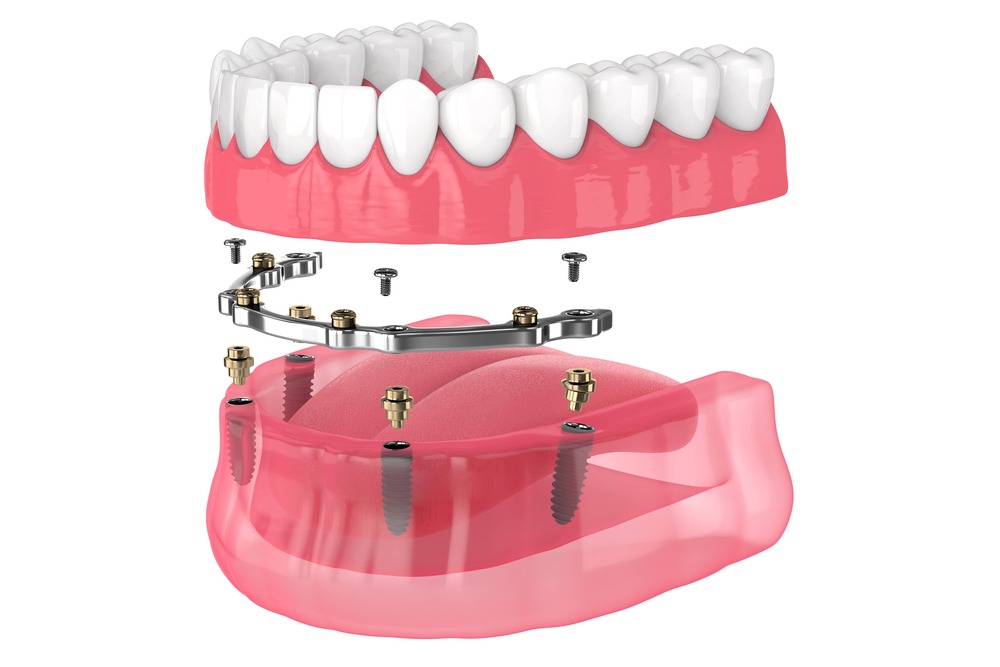 Dental implant overdentures are removable dentures that are anchored onto dental implants. Unlike traditional dentures, which rely on suction or adhesives to stay in place, implant overdentures attach directly to implants, guaranteeing a much more stable and secure fit. The implants are surgically placed into the jawbone, providing a foundation for the overdentures to snap onto, reducing movement and discomfort. This option is especially beneficial for patients who struggle with loose dentures or have difficulty chewing and speaking due to the instability of traditional dentures. The dental implants create a solid base, allowing for a more natural and comfortable experience.
Types of Implant Overdentures
When discussing implant overdentures with your patients, it’s helpful to frame the options in two main categories: removable and fixed. Each type offers distinct advantages, and the best choice often comes down to the patient’s specific clinical needs, lifestyle, and long-term goals. Removable overdentures provide stability with the convenience of being able to take them out for cleaning, while fixed options offer a more permanent, natural-feeling solution. Understanding the key differences between these two will help you guide your patients toward a decision that restores both function and confidence. At Next Dental Lab, we fabricate both types, ensuring you have access to high-quality prosthetics tailored to your patient’s unique anatomy and your precise specifications.
Removable (Snap-On) Overdentures
Removable overdentures, often called snap-on dentures, are a fantastic middle ground between traditional dentures and fully fixed solutions. As the name suggests, they are a combination of implants and a denture prosthesis. The implants, which are small posts placed in the jawbone, act as anchors. The overdenture then securely “snaps” onto these anchors, providing excellent stability and preventing the slipping and shifting common with conventional removables. This secure fit gives patients a significant confidence boost when eating and speaking. Plus, patients appreciate the ability to remove the prosthesis themselves for easy daily cleaning and maintenance, which is a key factor for many.
Fixed (Hybrid) Overdentures
For patients seeking the highest level of stability and a feel that most closely mimics natural teeth, fixed or hybrid overdentures are the premier choice. Unlike their removable counterparts, these are securely attached to the dental implants and can only be removed by a dental professional. This design completely eliminates any movement, providing patients with the freedom to eat, speak, and laugh without a second thought. According to the Cleveland Clinic, this stability makes it much easier to chew and speak compared to traditional dentures. Because they are a permanent fixture, they are cared for much like natural teeth, with regular brushing and flossing. We specialize in creating custom hybrid dentures that deliver both exceptional function and beautiful aesthetics.
Understanding Longevity
A common question from patients is about the lifespan of their new smile. It’s important to set clear expectations. The dental implants themselves, with proper oral hygiene and regular check-ups, are designed to be a permanent solution and can last a lifetime. They integrate with the jawbone, creating a durable foundation. However, the overdenture prosthesis that attaches to the implants is subject to wear and tear from daily use. While crafted from durable materials, the denture portion will likely need to be replaced or relined over time. Generally, you can tell patients to expect their overdenture to last anywhere from 15 to 20 years before a replacement might be necessary, ensuring they understand the long-term plan for their restoration.
Are Implant Overdentures Right for You?
While dental implant overdentures have numerous advantages, they are unsuitable for everyone. The following factors determine whether a patient is an ideal candidate:
- Sufficient Bone Density: Dental implants require a solid bone foundation for support. Patients with adequate bone density in their jaws are more likely to benefit from this treatment. Those with significant bone loss may need bone grafting procedures before being considered for implants.
- Oral Health: A patient’s overall oral health plays a crucial role in the success of implant overdentures. Healthy gums and the absence of infections are key indicators that a patient is ready for this treatment. Any pre-existing oral health conditions, such as gum disease, should be addressed beforehand.
- General Health: Patients need to be in good overall health to undergo the surgical placement of implants. Conditions such as uncontrolled diabetes or immune deficiencies may impact the body’s ability to heal after surgery, reducing the success rate of implants.
- Commitment to Oral Hygiene: The long-term success of dental implants and implant overdentures largely depends on the patient’s dedication to maintaining good oral hygiene. Regular dental visits and a proper cleaning routine are essential to prevent infections and guarantee the implants remain secure.
- Cost Consideration: Implant overdentures can be more costly than traditional dentures due to the surgical procedures and materials involved. However, they bring long-term benefits such as durability and improved quality of life, making them a worthwhile investment for many patients.
Patient Requirements for Success
For implant overdentures to be a viable and lasting solution, the patient must meet certain foundational criteria. It’s not just about wanting a better smile; it’s about having the right conditions for the treatment to succeed. A thorough evaluation of a patient’s oral and overall health is the first step in determining their candidacy. This ensures that the implants have the best possible environment to integrate with the bone and support the final restoration for years to come. A successful outcome begins with a suitable candidate who is prepared for the process and committed to long-term care.
Sufficient Bone Density
A solid foundation is everything when it comes to dental implants. They require adequate bone density in the jaw to provide the necessary support and stability for an overdenture. Patients with a healthy amount of bone are typically strong candidates for this procedure. However, significant bone loss doesn’t automatically disqualify someone. In many cases, a bone grafting procedure can be performed beforehand to build up the jaw, creating a suitable base for the implants. Assessing the patient’s bone structure through imaging is a critical step in the treatment planning phase to ensure the implants can be placed securely.
Lifestyle and Health Factors
A patient’s general health is just as important as their oral health. The surgical placement of implants requires the body to heal properly, so patients should be in good overall health. Certain conditions, like uncontrolled diabetes or immune system deficiencies, can interfere with the healing process and potentially compromise the success of the implants. It’s also important to consider lifestyle choices, such as smoking, which can negatively affect healing and long-term implant stability. A comprehensive health assessment helps identify any potential risks and confirms that the patient is physically prepared for the procedure and recovery.
Understanding the Risks
While implant overdentures have a high success rate, it’s important for patients to be aware of the potential risks and complications. Like any surgical procedure, there are factors that can affect the outcome. Open communication about these possibilities helps set realistic expectations and empowers patients to take an active role in their care. Understanding the commitment required for maintenance and knowing what signs to look for after the procedure are key components of a successful long-term result. This knowledge ensures patients can protect their investment and enjoy the benefits of their new smile.
Potential Complications
The long-term success of implant overdentures heavily relies on the patient’s commitment to excellent oral hygiene. Without it, complications can arise. The most common risk is infection around the implant site, which can lead to implant failure if left untreated. Patients must follow a strict cleaning routine, including regular brushing and cleaning around the implant abutments. Consistent dental check-ups are also essential for professional cleanings and to monitor the health of the implants and surrounding tissues. Proper care is the best way to prevent issues and ensure the overdentures remain secure and functional.
When to Contact Your Dentist
Patients should be instructed to contact their dentist immediately if they experience certain symptoms after their procedure. According to the Cleveland Clinic, warning signs include severe or persistent bleeding, pain that isn’t managed by prescribed medication, or any signs of infection like pus or swelling near the implant sites. A fever of 101°F (38.22°C) or higher is also a cause for concern. Prompt attention to these issues is crucial for addressing potential complications before they become more serious. Educating patients on what to watch for helps ensure a smooth recovery and the long-term health of their implants.
Why Choose Implant Overdentures?
For the right patient, dental implant overdentures can offer significant advantages over traditional dentures:
- Stability: Unlike conventional dentures, implant overdentures remain securely in place during daily activities such as speaking, eating, and laughing.
- Comfort: Because the implants bring a stable base, there is reduced irritation or discomfort in the mouth compared to loose-fitting traditional dentures.
- Improved Functionality: With a secure fit, patients experience better chewing efficiency, allowing them to enjoy a wider variety of foods.
- Enhanced Aesthetics: Implant overdentures look and feel more natural than traditional options, boosting patients’ confidence in their smiles.
Health and Anatomic Benefits
Beyond the immediate improvements in stability and comfort, implant overdentures offer profound health benefits that address the underlying issues of tooth loss. For patients, this treatment isn’t just about a better smile; it’s about preserving their long-term oral and overall health. The integration of implants into the jawbone provides a foundation that supports everything from facial structure to nutritional intake, making it a comprehensive solution for edentulous patients. These advantages are what truly set implant overdentures apart from traditional removable options, offering a more holistic approach to tooth replacement that can significantly improve a patient’s well-being for years to come.
Maintains Jawbone and Facial Structure
When teeth are lost, the jawbone begins to recede due to a lack of stimulation—a process called resorption. Traditional dentures rest on the gums and don’t stop this bone loss, which can lead to changes in facial structure and a less secure denture fit over time. Dental implants, however, act like natural tooth roots, stimulating the jawbone and helping to prevent bone loss. By preserving the bone, implant overdentures help maintain the patient’s natural facial contours, preventing the sunken look that can sometimes accompany long-term tooth loss and traditional denture use. This is a critical advantage for long-term facial aesthetics and oral health.
Improves Chewing Ability and Nutrition
One of the most significant functional benefits of implant overdentures is the dramatic improvement in chewing efficiency. Patients with traditional dentures often avoid hard, crunchy, or chewy foods because their prosthetics can slip or cause discomfort. The stability provided by implants allows patients to bite with much greater force, enabling them to chew food better and enjoy a more diverse and nutritious diet. This ability to eat a wider variety of foods, including fresh fruits, vegetables, and lean proteins, can lead to substantial improvements in their overall health and nutrition, which is a life-changing benefit for many.
Enhances Overall Quality of Life
The psychological and social impact of a secure smile cannot be overstated. Patients with implant overdentures often report a significant boost in confidence and a better quality of life. Because the overdentures look and feel more like natural teeth, patients feel less self-conscious when speaking, laughing, or eating in social settings. They no longer have to worry about their dentures slipping or making clicking noises. This renewed confidence and comfort can lead to greater social engagement and overall happiness, making implant overdentures a treatment that restores not just a smile, but a sense of normalcy and well-being.
The Treatment Process and Recovery
Understanding the journey from consultation to the final smile is key to setting patient expectations. The process for receiving implant overdentures is methodical, involving distinct surgical and restorative phases. It requires patience, but the outcome is a stable, functional, and beautiful set of teeth. Each step is carefully planned to ensure the highest chance of success, from initial implant placement to the final fitting of the custom-made overdenture. Guiding your patients through this timeline helps build trust and ensures they are prepared for each stage of their treatment, leading to a smoother experience and greater satisfaction with the final result.
Step 1: Surgery and Implant Placement
The treatment begins with the surgical phase. If any compromised teeth are present, they will be extracted first. In cases where jawbone density is insufficient to support implants, a bone grafting procedure may be necessary to build a solid foundation. Once the site is prepared, a surgeon will strategically place the dental implants into the jawbone. These small titanium posts act as artificial tooth roots. During the healing period that follows, patients are typically fitted with a temporary denture, allowing them to maintain function and appearance while the implants integrate with the bone.
Step 2: The Healing Period
Following implant placement, a critical healing period known as osseointegration begins. This is the natural process where the dental implants fuse directly with the jawbone, creating a strong and stable base for the future overdenture. This phase is essential for the long-term success of the treatment and typically takes between three to six months. While the timeline can vary depending on the patient’s individual healing capacity and the specifics of their procedure, it’s a non-negotiable step. Throughout this time, the patient will continue to wear their temporary denture for daily function.
Step 3: Creating and Attaching the Final Overdenture
Once osseointegration is complete and the implants are securely anchored in the jawbone, the restorative phase can start. Your office will take highly accurate impressions or digital scans of the patient’s mouth and the implant locations. These detailed records are then sent to a dental laboratory, where skilled technicians fabricate the custom overdenture. The final prosthesis is meticulously designed to ensure a perfect fit, optimal function, and natural-looking aesthetics. The last step is attaching the new, permanent overdenture to the implants, completing the patient’s smile transformation.
What to Expect During Recovery
The recovery period after dental implant surgery is generally manageable for most patients. While some discomfort, swelling, and minor bruising are normal, these symptoms typically subside within a few days. Most people feel back to their usual selves within about a week. Patients can often resume their normal daily activities, including work, just two to three days after the procedure. Following post-operative care instructions carefully, such as sticking to a soft food diet initially and maintaining oral hygiene, is crucial for a smooth and speedy recovery process.
Practical Advice for Living with Overdentures
Once the final overdentures are in place, patient education on daily care and maintenance becomes the priority. Living with implant overdentures offers a significant improvement in quality of life, but their longevity depends on proper upkeep. Providing patients with practical, easy-to-follow advice will empower them to take ownership of their new smile. These tips cover everything from dietary freedom to cleaning routines, ensuring the patient can fully enjoy the benefits of their stable and secure teeth for years to come. This guidance helps protect their investment and promotes lasting oral health.
Tips for Eating and Diet
One of the most celebrated benefits of implant overdentures is the return to a more varied and enjoyable diet. Because the dentures are securely anchored to the dental implants, they don’t slip or shift while chewing. This stability allows patients to eat foods that are often challenging with traditional dentures, such as apples, steak, or corn on the cob. You can advise patients to start with softer foods and gradually reintroduce tougher items as they grow more confident. This newfound freedom not only improves nutrition but also brings back the simple pleasure of enjoying a meal without worry.
Proper Cleaning and Maintenance
Consistent and thorough cleaning is essential for the long-term health of both the implants and the overdenture. For removable, or snap-on, overdentures, patients should clean them at least twice a day and soak them in a recommended denture solution overnight. This helps remove plaque and bacteria. If the overdenture is fixed, it should be cared for just like natural teeth, using a soft-bristled toothbrush and non-abrasive toothpaste to clean all surfaces thoroughly. Regular dental check-ups are also vital to professionally clean the components and ensure the surrounding gum tissue remains healthy.
How to Decide on Your Dental Solution
Choosing the right dental treatment is essential for maintaining long-term oral health and well-being. At Next Dental Lab, we are committed to offering high-quality crown and bridge solutions and comprehensive dental products to help dental practices deliver the best care for their patients. If a patient meets the criteria of good bone density, oral health, and overall well-being, dental implant overdentures could be an excellent option to restore both function and aesthetics. Our dental lab’s cutting-edge technology makes sure that patients receive the best possible outcomes with every case. Contact us today.
Frequently Asked Questions
How do I determine if a patient needs bone grafting before getting implants for an overdenture? The best way to assess bone density is with detailed imaging, typically a CBCT scan. This gives you a clear, three-dimensional view of the patient’s jaw, allowing you to measure the exact height and width of the bone. If the scan shows the bone is too thin or short to securely anchor an implant, a bone grafting procedure would be the necessary next step to build a solid foundation for the final restoration.
What’s the main difference in daily care between removable and fixed overdentures? The daily routine really comes down to whether the patient can take the prosthesis out themselves. For a removable or snap-on overdenture, the patient will remove it daily to clean the denture itself and the implant abutments in their mouth. A fixed or hybrid overdenture stays in the mouth permanently, so care is much more like cleaning natural teeth, involving careful brushing and using tools like water flossers or floss threaders to clean underneath the prosthesis and around the implants.
How long does the entire process for an implant overdenture typically take from start to finish? From the initial implant surgery to the final placement of the overdenture, the entire process generally takes about four to eight months. The most significant part of this timeline is the healing period, which can last three to six months. This waiting period is essential because it allows the implants to fully integrate with the jawbone, a process called osseointegration, which creates the strong foundation needed for a successful, long-lasting result.
Can a patient’s existing traditional denture be converted into an implant overdenture? In some situations, an existing denture can be modified to attach to new implants, but it’s not always the ideal solution. For this to work, the current denture must be in very good condition and have enough acrylic material to house the new attachments without becoming weak. More often than not, fabricating a new, custom overdenture is the recommended path to ensure a perfect fit, optimal function, and better long-term durability.
Besides bone loss, what are the key clinical signs that a patient is a better candidate for an overdenture than a traditional denture? Beyond preserving bone, look for patients who express significant frustration with the function of their conventional dentures. Common complaints include a lower denture that constantly lifts or shifts, chronic sore spots, difficulty speaking clearly, or being unable to eat their favorite foods. These daily struggles with instability and poor function are exactly what the secure foundation of an implant overdenture is designed to solve.
Key Takeaways
- Assess candidacy with a holistic view: A successful outcome starts with a patient who has adequate bone density, good overall health, and a firm commitment to long-term oral hygiene.
- Emphasize the profound health benefits: Unlike traditional dentures, implants preserve jawbone and facial structure, which dramatically improves chewing function, nutrition, and a patient’s overall quality of life.
- Guide patients through the process and aftercare: Clearly explaining the treatment stages, recovery, and daily maintenance routine empowers patients and is crucial for the restoration’s long-term success.