
Patients seeking a solution for extensive tooth loss are often looking for more than just a functional replacement; they want to regain the feeling of having natural teeth. All-on-6 dental implants can deliver that life-changing result, providing a secure foundation for a beautiful, fixed prosthesis. As a clinician, your role is to bridge the gap between your patient’s goals and their clinical reality. A thorough evaluation is critical to ensure their anatomy and overall health can support this advanced procedure. We will walk through the essential factors to consider, helping you confidently determine if your patient is a strong all on six implant candidate.
When restoring a complete set of teeth, all-on-6 dental implants offer a reliable and long-lasting solution for patients with significant tooth loss. This procedure involves placing six dental implants into the jawbone to support an entire arch of prosthetic teeth. But who is the best candidate for this type of restoration? Our article explores the key factors that make someone an ideal candidate for all-on-6 dental implants and how this treatment can benefit those struggling with tooth loss.
What Are All-On-6 Dental Implants?
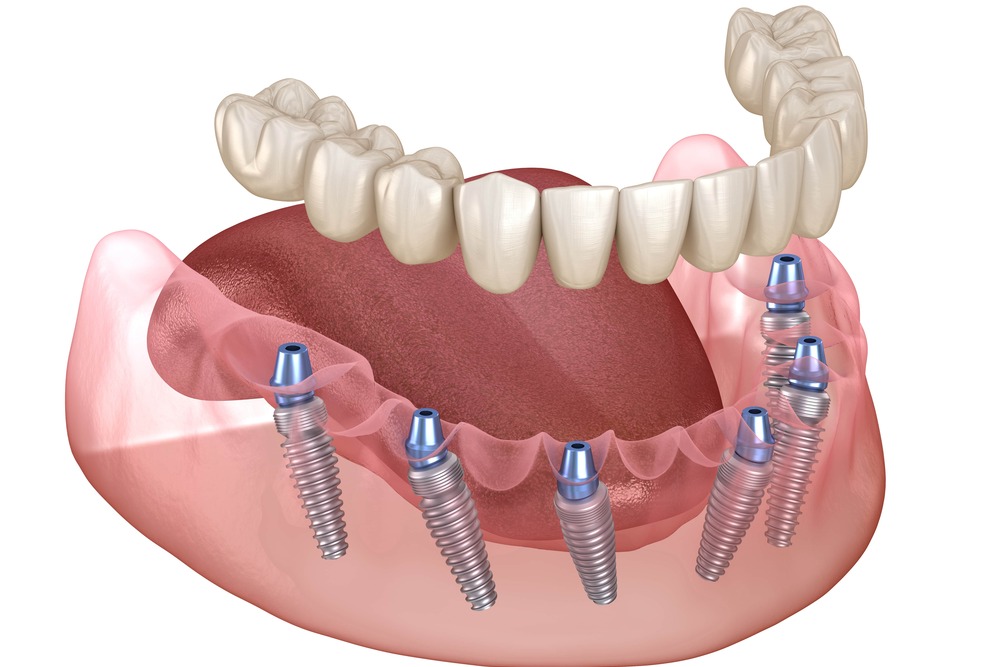 All-on-6 dental implants are a full-arch restoration solution where six implants are strategically placed in the upper or lower jaw to support prosthetic teeth. Unlike traditional dentures, which rest on the gums and rely on adhesives, the implant-supported option delivers a stable, permanent restoration. This makes it a more comfortable and functional solution, especially for those who have experienced significant tooth loss. The key advantage of all-on-6 dental implants is that they bring a strong foundation for prosthetic teeth, allowing patients to regain normal eating, speaking, and smiling functions. Therefore, understanding who qualifies for this type of implant is crucial for securing its success.
Materials and Technique
The success of an All-on-6 procedure hinges on both the materials used and the precision of the surgical technique. This treatment combines robust, biocompatible components with meticulously crafted prosthetics to achieve a result that is both functional and aesthetically pleasing. Unlike traditional dentures that can feel uncomfortable and require adhesives, All-on-6 implants offer a secure and permanent solution. This stability gives patients the confidence to eat their favorite foods and engage in social activities without worrying about their teeth shifting. The choice of high-quality materials ensures the longevity of the restoration, while the technique focuses on optimal placement for maximum support and a natural appearance.
Titanium Implants
All-on-6 dental implants are crafted from titanium, a material celebrated for its exceptional strength and biocompatibility. When these implants are surgically placed into the jawbone, a remarkable process called osseointegration begins. Over time, the titanium fuses directly with the bone, creating an incredibly stable and durable foundation for the prosthetic teeth. This fusion is what sets implant-supported restorations apart, providing a level of security that removable options simply can’t match. By integrating seamlessly with the patient’s natural anatomy, these dental implants become a permanent part of the jaw, ensuring long-term stability and function for the full-arch prosthesis.
Natural-Looking Prosthetics
Beyond the foundational strength of the implants, the final prosthetic arch is designed to look and feel just like natural teeth. This focus on aesthetics is a major benefit of the All-on-6 system. The custom-crafted teeth not only restore the patient’s ability to chew and speak properly but also dramatically enhance their smile. A well-designed prosthesis helps prevent the “sunken” facial appearance that often accompanies significant tooth loss, restoring youthful contours to the face. At Next Dental Lab, we specialize in creating beautiful and functional hybrid dentures that attach securely to the implants, giving patients a renewed sense of confidence in their appearance and daily interactions.
Are You an All-on-6 Implant Candidate?
- Sufficient Jawbone Density: One of the most important criteria for all-on-6 dental implants is the condition of the patient’s jawbone. The implants require adequate bone density to be securely placed and to guarantee long-term stability. Patients with significant bone loss may need bone grafting before becoming eligible for the treatment.
- Multiple Missing Teeth: All-on-6 dental implants are designed for patients who have lost most or all of their teeth in one or both arches. Unlike individual implants, which replace one tooth at a time, this solution allows for replacing an entire set of teeth with just six implants.
- Good Oral and Overall Health: Ideal candidates should have healthy gums and be free of oral infections or gum disease. Additionally, general health plays a role in the healing process. Conditions like uncontrolled diabetes or autoimmune disorders may affect the body’s ability to recover after implant surgery, which could reduce the success rate of the implants.
- Non-Smokers or Willing to Quit: Smoking can impede the healing process and increase the risk of implant failure. While it’s not an absolute disqualifier, patients who smoke are advised to quit, at least temporarily, to maintain better healing and a higher success rate for dental implants.
- Commitment to Oral Hygiene: All-on-6 dental implants require maintaining good oral hygiene. Candidates must be dedicated to brushing, flossing, and attending regular dental check-ups to help the implants remain in good condition.
Conditions That May Affect Candidacy
While many patients fit the ideal profile for all-on-6 implants, certain conditions require careful consideration before moving forward. A thorough patient evaluation is essential to identify any underlying issues that could impact the long-term success of the restoration. Addressing these concerns proactively not only improves the chances of a successful outcome but also ensures the longevity of the final prosthetic. By managing these conditions, you can create a stable foundation for a durable and esthetically pleasing full-arch restoration, giving your patients the best possible results.
Severe Bruxism
Patients who experience severe bruxism, or chronic teeth grinding, present a unique challenge for any full-arch restoration. The immense and repetitive force generated by clenching and grinding can place excessive stress on the dental implants and the prosthetic teeth they support. Over time, this can lead to complications like screw loosening, component fracture, or even implant failure. Identifying bruxism during the initial consultation is key. For many patients, this condition can be managed effectively with a custom-fitted nightguard, which helps protect the hybrid denture and the underlying implants from damaging forces during sleep.
Active Gum Disease
Healthy gum tissue is non-negotiable for successful implant integration. Active periodontal disease must be fully treated and under control before implant surgery can begin. The presence of gum disease introduces harmful bacteria that can lead to inflammation around the implants, a condition known as peri-implantitis, which is a leading cause of implant failure. Furthermore, a patient’s overall health plays a significant role. Conditions that compromise the immune system or impair healing, such as uncontrolled diabetes, can increase the risk of post-surgical complications and negatively affect the long-term stability of the implants.
Why Choose All-on-6 Dental Implants?
For the right candidate, all-on-6 dental implants have numerous benefits:
- Stability: The implants act as a foundation for the prosthetic teeth, making sure they remain secure and do not shift during eating or speaking.
- Comfort: Unlike dentures, which can irritate the gums, implants feel more natural and comfortable as they integrate with the jawbone.
- Improved Aesthetics: With all-on-6 implants, patients can enjoy a more natural-looking smile compared to traditional dentures.
- Long-Term Solution: With proper care, all-on-6 dental implants can last for decades, making them a worthwhile investment in long-term oral health.
Prevents Jawbone Loss
When a patient loses teeth, the jawbone can begin to deteriorate from a lack of stimulation. All-on-6 dental implants are a fantastic way to help keep the jawbone strong and prevent it from shrinking. The implants act like natural tooth roots, providing the necessary support to maintain bone density and overall health. This process, known as osseointegration, is crucial for long-term oral stability. By integrating directly with the bone, the implants provide a solid foundation for full-arch restorations and help preserve the patient’s natural bone structure for years to come, a benefit that traditional dentures simply can’t offer.
Improves Facial Structure
Significant tooth loss often leads to a “sunken” facial appearance as the jawbone recedes and facial muscles lose support. All-on-6 implants effectively address this by restoring the underlying structure. By providing a stable base for a full set of prosthetic teeth, this treatment can correct bite problems and improve the overall look of the lower face. This not only restores a more youthful and balanced appearance for your patients but also gives them the confidence that comes with a complete, functional smile. It’s a comprehensive solution that addresses both the functional and aesthetic consequences of tooth loss.
Potential Disadvantages and Considerations
While all-on-6 implants offer a transformative solution for many patients, it’s important to set clear expectations about the process. This treatment is a significant undertaking that involves surgery, a dedicated healing period, and specific patient requirements for success. Discussing these considerations upfront helps patients feel prepared and confident in their decision. Key factors to review include the extended recovery timeline compared to other procedures, the potential need for preparatory treatments like bone grafting, and the inherent, though minimal, risk of implant failure. By addressing these points, you can provide a comprehensive overview that allows patients to weigh the benefits against the commitments required for a successful outcome.
Longer Surgery and Healing Time
The journey to a fully restored smile with all-on-6 implants requires patience. The initial surgery is more involved than a single implant placement, and the subsequent healing period is crucial for long-term success. Immediately following the procedure, patients can expect a recovery period of about two to three days for initial swelling and discomfort to subside. However, the most critical phase is osseointegration, where the implants fuse with the jawbone. This biological process is what creates a stable foundation for the final prosthesis, and it typically takes between three to six months. During this time, patients will need to follow specific dietary and hygiene instructions to ensure the implants heal properly without complications.
Higher Likelihood of Bone Grafting
Sufficient jawbone density is non-negotiable for the success of any dental implant. For an all-on-6 restoration, the six implants require a solid foundation to ensure stability and longevity. Patients who have experienced prolonged tooth loss often have some degree of bone resorption, which can compromise the available bone volume. While the strategic placement of all-on-X implants can often work around areas of minor bone loss, some patients may still require a bone grafting procedure to build up the jawbone before implant surgery can proceed. This preparatory step adds to the overall treatment timeline and is an important factor to assess during the initial consultation and imaging.
Understanding the Risk of Implant Failure
Although dental implants have a very high success rate, the risk of failure is a possibility that should be discussed with every patient. Factors like smoking, poor oral hygiene, or certain systemic health conditions can increase this risk. However, one of the inherent advantages of the all-on-6 system is its built-in stability. With six implants supporting the prosthesis, the structure is exceptionally secure. In the rare event that one implant fails to integrate properly, the remaining five can often still provide enough support to maintain the integrity of the full-arch restoration, offering a valuable safety net that protects the patient’s investment in their new smile.
How All-on-6 Compares to Other Procedures
When a patient needs a full-arch restoration, several options are available, and it’s essential to understand how all-on-6 fits into the landscape of modern implant dentistry. The primary alternative that patients and clinicians consider is the all-on-4 protocol. Both treatments aim to restore an entire arch of teeth using a minimal number of implants, but their structural differences can make one more suitable than the other depending on the patient’s specific anatomy and clinical needs. It’s also important to identify situations where neither all-on-6 nor all-on-4 might be the best initial approach, particularly when significant preparatory work is required. A thorough evaluation helps determine the most predictable and effective path forward for each individual.
All-on-6 vs. All-on-4 Implants
The most obvious difference between these two popular full-arch solutions is the number of implants used. All-on-4 utilizes four implants per arch, while all-on-6 uses six. The two additional implants in the all-on-6 system provide greater stability and distribute biting forces more evenly across the jaw. This can be particularly beneficial for patients with lower bone density or those who desire the maximum level of support for their final hybrid denture. While all-on-4 is an excellent and well-established treatment, the added security of all-on-6 can offer greater peace of mind and may be recommended for patients who need that extra reinforcement for a durable, long-lasting result.
When All-on-6 Isn’t the Right Fit
All-on-6 is a fantastic solution, but it’s not universally applicable. The primary limiting factor is jawbone health. If a patient has experienced severe bone loss over many years, there may not be enough bone to support six implants, even with grafting. In such cases, other solutions, like zygomatic implants or a different type of removable prosthesis, might be more appropriate. Additionally, patients with certain uncontrolled medical conditions or those who are unwilling to commit to the necessary oral hygiene regimen may not be ideal candidates. A successful outcome depends just as much on the patient’s health and commitment as it does on the clinical procedure itself.
The Patient Experience: Surgery and Recovery
For many patients, the thought of dental surgery can be intimidating. A key part of your role is to guide them through the process, explaining each step and ensuring they feel comfortable and informed. From managing pre-operative anxiety to providing clear post-operative instructions, a supportive approach can make a world of difference in their overall experience. The all-on-6 procedure involves a surgical appointment followed by a multi-month healing period before the final restoration is placed. Walking patients through this timeline, including what to expect during the procedure and how to care for themselves afterward, empowers them to be active participants in their own successful recovery and enjoy the life-changing benefits of their new smile.
Managing Dental Anxiety
It’s completely normal for patients to feel anxious about implant surgery. Acknowledging their fears and explaining the procedure in a calm, clear manner can significantly ease their minds. Remind them that modern dentistry offers many ways to ensure they are relaxed and comfortable throughout the appointment. Simply understanding what will happen step-by-step often demystifies the process and reduces fear of the unknown. Creating a trusting environment where patients feel they can ask questions without judgment is fundamental to a positive experience. For those with more significant apprehension, discussing sedation options can provide an extra layer of comfort and reassurance.
Sedation Options
To help patients with moderate to severe dental anxiety, several sedation methods are available. Nitrous oxide, commonly known as “laughing gas,” is a mild sedative that helps patients relax during the procedure while remaining conscious. It wears off quickly, allowing them to drive themselves home afterward. For those with more intense fear, oral conscious sedation involves taking a prescribed medication before the appointment. This induces a deeper state of relaxation, and patients often have little to no memory of the procedure itself. These options ensure that anxiety doesn’t have to be a barrier to receiving essential dental care.
What to Expect During the Procedure
The surgical appointment for all-on-6 implants is a well-orchestrated process. After the patient is comfortable and the area is numb, the clinician will place six titanium posts into the jawbone at precise, strategic locations. These posts act as artificial tooth roots. Once the implants are in place, a temporary prosthesis is often attached, allowing the patient to leave the office with a functional and aesthetic set of teeth on the same day. This immediate restoration protects the underlying implants as they heal and allows the patient to resume many normal activities while waiting for the final, permanent restoration from a trusted partner like Next Dental Lab.
The Recovery Timeline
The recovery process is a marathon, not a sprint, and setting this expectation is key. While the initial few days involve managing swelling and sticking to a soft-food diet, the majority of the recovery time is passive. It’s dedicated to the crucial process of osseointegration, where the jawbone grows around and fuses with the titanium implants. This natural process creates the incredibly strong bond that gives dental implants their signature stability. Patients should understand that this phase is the most important part of their treatment, as it lays the groundwork for a restoration that can last for decades with proper care.
Immediate Post-Op Instructions
Following your post-operative instructions to the letter is critical for a smooth recovery. This includes taking any prescribed medications, such as antibiotics or pain relievers, exactly as directed. Patients should stick to a diet of soft foods and liquids to avoid putting pressure on the new implants. It’s also vital to keep the mouth clean using gentle rinsing as instructed, which helps prevent infection and promotes healing. Avoiding strenuous activity for the first few days can also help minimize swelling and discomfort, allowing the body to focus its energy on the healing process.
Long-Term Osseointegration
The magic of dental implants happens over the three to six months following surgery. During this period of osseointegration, the titanium implants and the patient’s jawbone become one, forming a permanent and durable foundation. While patients can typically function normally with their temporary prosthesis during this time, it’s important they continue to follow any dietary or hygiene guidelines provided. Regular check-up appointments will allow you to monitor the healing process and ensure everything is progressing as expected before you take the final digital scans for their beautiful, permanent teeth.
Is All-On-6 the Right Solution for Your Patients?
At Next Dental Lab, we are dedicated to bringing high-quality implant solutions that meet the specific needs of your patients. Our advanced materials and cutting-edge technology make sure that all-on-6 dental implants give the durability and comfort your patients deserve. Whether you’re working with patients considering retainers & night guards or complex implant cases, our dental products help dental professionals deliver exceptional care. Contact us now.
Frequently Asked Questions
Why would I choose an All-on-6 system over an All-on-4 for my patient? The main reason to opt for All-on-6 is the increased stability it provides. Those two extra implants help distribute the biting forces more evenly across the jaw, which can be a significant advantage for patients who may have slightly lower bone density or for those who want the most secure, long-term foundation possible for their final prosthesis. It offers an extra layer of support and peace of mind.
What if my patient has some jawbone loss but wants All-on-6 implants? Moderate jawbone loss doesn’t automatically disqualify a patient. In many situations, a bone grafting procedure can be performed before the implant surgery to rebuild the necessary bone structure. This ensures there is a solid, dense foundation to support all six implants for the long haul. A thorough evaluation with imaging is the best way to determine if grafting is a necessary and viable step for your patient.
How does the temporary prosthesis function during the healing period? The temporary prosthesis plays a crucial role after surgery. It allows the patient to leave your office with a full set of teeth, which is great for their confidence and daily function. More importantly, it protects the underlying implants as they heal and helps shape the gum tissue. This temporary set ensures patients can eat comfortably (with some restrictions) while the all-important osseointegration process takes place.
Can a patient with a history of teeth grinding still be a candidate? Yes, a patient with bruxism can often still be a successful candidate, but it requires careful management. The key is to protect the final restoration from the excessive forces of grinding. Prescribing a custom-fitted nightguard is an effective way to shield the hybrid denture and the implants from stress during sleep, helping to prevent complications like screw loosening or damage to the prosthetic.
What is the typical total timeline for an All-on-6 treatment, from surgery to final restoration? The entire process generally takes several months. After the initial surgery, there is a healing period of about three to six months for osseointegration, which is when the implants fuse with the jawbone. During this time, the patient wears a temporary prosthesis. Once the implants are fully integrated and stable, the final impressions or scans are taken to create the permanent, custom-made restoration.
Key Takeaways
- Evaluate the whole patient, not just the teeth: Ideal All-on-6 candidates need sufficient jawbone density and good overall health, so it’s crucial to address issues like gum disease or bruxism before starting treatment.
- Six implants offer superior support and preservation: The All-on-6 system provides a stable foundation for a full arch, which helps maintain jawbone density and restores the patient’s natural facial structure.
- Communicate the importance of the healing phase: Make sure patients understand that the three to six-month period for osseointegration is essential for creating the strong foundation needed for a successful, long-term restoration.