Every restoration you place is a chance to restore a patient’s confidence. But achieving that perfect outcome—a seamless fit and natural look—requires more than just your skill. It demands a true partnership. Your crown dental lab is the silent artist behind the scenes, meticulously crafting the custom prosthetics that bring your treatment plans to life. For dentists here, finding the right crown & bridge dental restorations lab in Salt Lake City is crucial. They handle everything from a simple crown to a complex full-arch case, ensuring every patient leaves your office smiling.
Key Takeaways
- Look beyond single crowns: A true lab partner supports your entire practice with a comprehensive range of restorations, including removables, implants, and complex hybrid dentures.
- Embrace a digital workflow for better outcomes: Submitting cases with an intraoral scanner improves accuracy, shortens turnaround times, and results in better-fitting restorations that require fewer chairside adjustments.
- Prioritize partnership over price: Choose a lab based on their digital capabilities, material quality, and responsive communication to build a reliable partnership that minimizes remakes and saves valuable chair time.
What Can You Expect From a Crown Dental Lab?
Think of your dental lab as an extension of your practice—a partner dedicated to crafting the high-quality restorations your patients deserve. While the name might suggest a narrow focus, a full-service crown dental lab offers a comprehensive suite of services that address a wide range of restorative needs. From single crowns to complex full-arch solutions, the right lab provides the technical skill and artistic touch necessary for exceptional outcomes. These labs are equipped to handle diverse cases, ensuring you have a reliable resource for everything your practice requires.
A modern dental lab combines time-honored techniques with cutting-edge technology to deliver consistent results. They are responsible for fabricating custom prosthetics that not only restore function but also blend seamlessly with a patient’s natural dentition. This involves working from your precise specifications to create everything from simple restorations to intricate implant cases. Let’s look at the core services you can expect from a skilled lab partner.
Custom Crowns and Bridges
At the heart of any restorative dental practice are crown and bridge solutions. These are essential for restoring teeth that are damaged, decayed, or missing altogether. A dental lab’s primary role here is to craft these restorations with incredible precision, ensuring a perfect fit, proper occlusion, and a natural appearance that satisfies your patients. Using high-quality materials, technicians fabricate durable crowns that protect compromised teeth and bridges that effectively fill edentulous spaces. The lab’s craftsmanship is key to creating restorations that are both functional and aesthetically pleasing, directly impacting your patient’s confidence and oral health.
Understanding Different Types of Dental Bridges
Often called fixed partial dentures, dental bridges are a reliable solution for replacing one or more missing teeth situated between existing healthy teeth. A bridge consists of two main components: the crowns that are placed on the teeth adjacent to the gap, known as abutment teeth, and the false teeth that fill the space, called pontics. The success of the restoration depends on the lab’s ability to create a seamless unit that restores the patient’s bite and smile. These restorations can be fabricated from various durable materials, including zirconia, porcelain, or a combination, to achieve the desired strength and aesthetics for each specific case.
The Clinical Process for Placing a Bridge
The process begins with your clinical assessment and preparation of the abutment teeth, which involves removing a small amount of enamel to accommodate the crowns. Once the teeth are prepared, the next crucial step is taking impressions. While traditional molds are effective, submitting a digital scan can significantly improve accuracy and reduce turnaround times. These detailed impressions are then sent to the lab, where technicians begin crafting the custom bridge. You’ll place a temporary bridge to protect the prepared teeth while the permanent restoration is being made, ensuring the patient remains comfortable throughout the process.
Designing Full and Partial Dentures
For patients with significant tooth loss, full and partial dentures remain a critical treatment option. A dental lab specializes in creating custom removables that restore oral function and facial aesthetics. Each prosthetic is meticulously designed to fit the unique contours of a patient’s mouth, providing comfort and stability. The process involves careful tooth selection and arrangement to achieve a natural-looking smile. Whether it’s a complete denture for a fully edentulous arch or a partial denture that clasps onto remaining teeth, the lab’s expertise ensures your patients receive a comfortable, well-fitting, and lifelike solution.
Reliable Dental Implant Restorations
Dental implants provide a durable foundation for long-term tooth replacement, and the lab plays a vital role in the final restorative phase. After an implant is placed, the lab fabricates the custom abutments and crowns that complete the restoration. These dental implant solutions are engineered to integrate seamlessly with the implant and surrounding natural teeth. Achieving an optimal outcome requires precision milling and an artistic eye for shade matching and morphology. The lab’s work is crucial for delivering a final result that is strong, stable, and indistinguishable from a natural tooth.
Modern Hybrid Denture Options
For patients seeking a more stable alternative to traditional dentures, hybrid dentures offer an excellent solution. These advanced prosthetics combine the security of dental implants with the coverage of a full denture, providing superior function and comfort. Crafting hybrid dentures is a complex process that requires a high level of technical skill from the dental lab. Technicians build a durable framework that attaches securely to the implants, then artistically set the denture teeth to create a beautiful, natural-looking smile. This service allows you to offer patients a fixed, life-changing solution for extensive tooth loss.
Streamlining Cases with a Digital Workflow
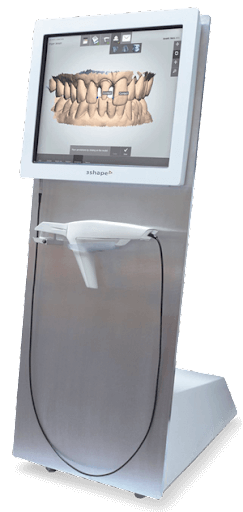
The adoption of digital technology is transforming restorative dentistry, and a forward-thinking lab is central to this evolution. With digital case processing, you can send intraoral scans directly to the lab, eliminating the need for physical impressions. This digital workflow enhances precision, reduces turnaround times, and improves communication between your practice and the lab technicians. The lab uses your scans to create highly accurate digital models, which then guide the CAD/CAM design and milling of crowns, bridges, and implant abutments. This technology ultimately leads to better-fitting restorations and a more efficient experience for both you and your patients.
Which Dental Crown Material Is Right for Your Patient?
Selecting the right material for a dental crown is one of the most important decisions in restorative dentistry. It’s a balance of strength, aesthetics, and biocompatibility, tailored to each patient’s unique needs. While traditional materials still have their place, advancements in dental technology have introduced new options that offer incredible performance and a natural look. Understanding the distinct advantages of each material helps you guide your patients toward a solution that not only restores function but also gives them a confident smile.
From the lifelike appearance of all-ceramic crowns to the sheer strength of zirconia and the time-tested reliability of metal alloys, each choice comes with its own set of considerations. Factors like the tooth’s location, the patient’s bite force, and their aesthetic expectations all play a role. As a dental professional, your expertise is key to matching the right material to the right case, ensuring a durable, beautiful, and long-lasting restoration. At Next Dental Lab, we work with a full range of high-quality materials to craft the perfect crown and bridge restorations for your patients.
The Aesthetic Choice: Porcelain and Ceramic
When aesthetics are the top priority, all-ceramic and porcelain crowns are often the go-to choice, especially for anterior teeth. Their translucent quality mimics the natural luster of enamel, allowing them to blend seamlessly with the surrounding dentition. One of the biggest advantages is the ability to achieve a precise color match, ensuring the restoration is virtually indistinguishable from a natural tooth. While they offer a beautiful result, it’s important to consider their relative brittleness compared to other materials, making them better suited for lower-stress areas of the mouth.
Lithium Disilicate: Ideal for Anterior Aesthetics
When it comes to anterior restorations, lithium disilicate has become a go-to material for a reason. Its exceptional aesthetic properties allow it to blend flawlessly with natural teeth, making it an ideal choice for the most visible part of a patient’s smile. This material beautifully mimics the translucency and shade of natural enamel, ensuring that the final restoration is virtually undetectable. For patients who are concerned about the appearance of their front teeth, lithium disilicate provides a solution that restores not just the tooth, but also their confidence in their smile.
Beyond its beautiful appearance, lithium disilicate also delivers impressive durability, offering a reliable balance of strength and aesthetics. This makes it suitable for both anterior crowns and even some posterior applications where occlusal forces are a consideration. This combination allows you to provide patients with a restoration that looks fantastic and can withstand the demands of daily function. By choosing a material that excels in both form and function, you ensure your patients receive high-quality custom crowns and bridges that are built to last.
Zirconia: The Strong and Seamless Option
Zirconia has become a powerhouse material in modern dentistry, and for good reason. This high-strength ceramic offers exceptional durability and is highly resistant to chipping and fractures, making it an excellent choice for posterior teeth that endure significant chewing forces. It can also be used for patients with bruxism. While early versions were known for being opaque, newer formulations of zirconia offer improved translucency, providing a great combination of strength and aesthetics. This versatility makes it a popular and reliable option for a wide range of clinical situations.
High-Strength Solutions for Posterior Teeth and Bruxers
When you have a patient who grinds their teeth or needs a restoration on a molar, durability is the top priority. These cases demand materials that can withstand intense occlusal forces day in and day out. This is where monolithic zirconia truly excels. Its incredible flexural strength makes it highly resistant to chipping and cracking, offering a dependable solution for bruxers and robust posterior restorations. By choosing a material like this, you provide your patients with a restoration designed for longevity, which minimizes the chance of future fractures and frustrating remakes. It’s about delivering a solution they can count on, knowing it’s built to handle the toughest conditions.
Porcelain-Fused-to-Metal (PFM)
Porcelain-fused-to-metal (PFM) crowns have been a trusted standard in restorative dentistry for decades. They offer the best of both worlds: a strong, durable metal substructure covered by a layer of tooth-colored porcelain. This combination provides excellent longevity, often lasting 10 to 15 years or more with proper care. While PFM crowns are very strong, the underlying metal can sometimes create a dark line at the gumline, which can be an aesthetic concern for some patients, particularly if gum recession occurs over time.
A Dependable and Well-Established Choice
The reason PFM crowns have remained a staple in dentistry for so long is simple: they are incredibly reliable. Their strength comes from the metal alloy base, which provides a robust foundation capable of withstanding significant bite forces. This makes them an excellent option for posterior restorations and multi-unit bridges where durability is the primary concern. The success of a PFM restoration still hinges on the lab’s craftsmanship. Meticulous fabrication is key to ensuring the porcelain layer masks the metal underneath effectively, resulting in a functional and aesthetically pleasing outcome that gives your patients a confident smile. Our experienced technicians specialize in creating high-quality crown and bridge solutions, ensuring every PFM restoration meets the highest standards for fit and function.
When to Choose Gold and Metal Alloys
For unparalleled strength and longevity, gold and other metal alloys remain a top contender. These crowns are incredibly durable, gentle on opposing teeth, and highly resistant to wear and fracture. It’s not uncommon for a gold crown to last for 20 or 30 years, or even a lifetime. Their main drawback is their metallic appearance, which is why they are almost exclusively used for molars and other teeth that are not visible when a patient smiles. For patients who prioritize durability over aesthetics, a gold alloy crown is a fantastic long-term solution.
How to Select the Perfect Crown Material
Ultimately, the best crown material depends on a thoughtful evaluation of each patient’s specific circumstances. Key factors to consider include the location of the tooth, the patient’s bite and any parafunctional habits like grinding, and their personal aesthetic preferences. A conversation about these factors will help you recommend the ideal solution. By partnering with a lab that offers a wide range of material options and embraces a digital workflow, you can confidently provide restorations that meet both clinical demands and patient expectations.
How a Dental Crown Is Made, Step by Step
Creating a dental crown is a meticulous process that combines advanced technology with skilled artistry. Each restoration is custom-made to fit your patient perfectly, restoring both function and aesthetics. While the fundamental steps are consistent, modern dental labs have refined the workflow for greater precision and efficiency. From the initial impression to the final polish, every stage is designed to produce a crown that looks, feels, and functions like a natural tooth. Understanding this journey can help you appreciate the craftsmanship that goes into every restoration you place. Let’s walk through the five key stages of bringing a custom dental crown to life.
Step 1: Starting with a Perfect Impression
The process kicks off the moment your case arrives at the lab. It all starts with the patient’s unique dental anatomy, which you capture using either traditional molds or digital scans. While physical impressions are still an option, submitting digital cases has become the gold standard for a reason. Intraoral scanners create highly accurate 3D models of the patient’s teeth, eliminating the distortions and inaccuracies common with traditional putty impressions. This precision from the very beginning minimizes the need for adjustments later on and helps us create a restoration with a perfect fit right out of the box. Plus, digital files are sent instantly, which gets your case into production faster.
Step 2: Designing with CAD/CAM Precision
Once we have the digital model, our skilled technicians get to work using sophisticated CAD/CAM (Computer-Aided Design/Computer-Aided Manufacturing) software. This is where the virtual crown takes shape. The software allows us to design every detail with incredible precision, from the marginal fit and contact points to the occlusal anatomy. We meticulously check the design against the opposing and adjacent teeth to ensure it supports a healthy bite and looks completely natural. This digital blueprint is the key to crafting a crown and bridge restoration that integrates seamlessly into your patient’s smile, ensuring both comfort and long-term durability.
Step 3: Crafting and Inspecting Each Restoration
With the design finalized, it’s time to bring the virtual crown into the physical world. Using the digital blueprint, we manufacture the restoration with advanced milling machines or 3D printers. These machines precisely carve or build the crown from a solid block of high-quality material, like zirconia or ceramic, ensuring the final product is incredibly strong and accurate. After the automated manufacturing is complete, our expert technicians take over. They apply their artistry to hand-finish the crown, adding custom stains, glazes, and polishes to create a lifelike appearance. This blend of technology and hands-on skill is what gives our crowns their superior quality.
Step 4: Getting the Shade Just Right
A perfect fit is only half the battle—a crown also needs to blend in flawlessly with the patient’s natural teeth. Achieving an exact color match is a critical step in the process. To do this, we rely on the detailed information and photos you provide with the case. Our technicians use these references to select the perfect shade and apply custom stains and glazes that replicate the subtle color variations and translucency of natural enamel. This careful attention to detail ensures the final restoration is virtually indistinguishable from the surrounding teeth, giving your patient a result they can smile about with confidence.
Step 5: The Final Check Before Delivery
Before any crown leaves our lab, it undergoes a rigorous final inspection. Our quality control team meticulously examines every aspect of the restoration, from the marginal integrity and contacts to the shade and final polish. We want to make sure that the crown meets our high standards and, more importantly, yours. This final check ensures that when you receive the case, it’s ready for seating with minimal, if any, chairside adjustments. Once it passes our inspection, we securely package the crown and ship it back to your practice, ready for you to deliver a beautiful, functional restoration to your patient.
Understanding the Longevity of Dental Restorations
When a patient invests in a dental restoration, they are not just restoring a tooth; they are investing in their long-term oral health and confidence. A common question you likely hear is, “How long will this last?” Providing a clear, evidence-based answer helps manage expectations and reinforces the value of the treatment you provide. The longevity of any restoration depends on several factors, including the quality of the materials, the precision of the fit, the patient’s oral hygiene, and their personal habits. By understanding the typical success rates and the common points of failure, you can better educate your patients on how to protect their investment for years to come.
Success Rates and Durability Statistics
Having solid data on hand is incredibly helpful when discussing treatment plans. For example, when it comes to fixed restorations, the statistics are quite encouraging. Studies show that approximately 89% of dental bridges are still functioning well after 10 years, and around 70% remain in place after two decades. These numbers highlight the durability of well-crafted prosthetics. Sharing this information can build patient trust and underscore the importance of choosing high-quality crown and bridge solutions. It frames the restoration not as a temporary fix, but as a reliable, long-term component of their overall dental health.
Common Reasons for Restoration Failure
While modern restorations are incredibly durable, they are not indestructible. Interestingly, failure is often not due to the prosthetic itself but to issues with the supporting teeth. The most common complications that can lead to failure are the development of cavities on the abutment teeth or the need for a root canal in one of the supporting teeth. This is a crucial point to communicate to patients. It shifts the focus to proactive oral hygiene and regular check-ups, emphasizing that the health of their natural teeth is the foundation for a successful, long-lasting restoration.
Guiding Patients on Long-Term Restoration Care
The success of a restoration extends far beyond the final seating appointment. Your role as an educator is just as important as your clinical skill. Guiding patients on how to properly care for their new crown or bridge is essential for ensuring its longevity. Clear, simple instructions can empower them to take ownership of their oral health and protect their investment. When patients understand the “why” behind the care recommendations, they are more likely to adhere to them. This partnership in maintenance is key to achieving the best possible long-term outcomes for every case you complete.
Proper Cleaning Techniques for Bridges
Effective home care is the cornerstone of maintaining any dental restoration, especially a bridge. You can advise patients to continue brushing twice a day, but emphasize the need for special attention around the bridge. Flossing is particularly important and requires a slightly different technique. Explain that they will need a floss threader or a product like super floss to clean underneath the pontic—the artificial tooth. Demonstrating this technique in the office can make a huge difference. Proper cleaning prevents plaque buildup and cavities on the abutment teeth, which is critical for the bridge’s long-term stability.
Protecting Restorations with Night Guards
Parafunctional habits like clenching or grinding can place immense stress on natural teeth and dental restorations alike. For patients who exhibit signs of bruxism, recommending a custom night guard is one of the most effective protective measures you can offer. Explain that a night guard acts as a cushion, absorbing the forces that could otherwise chip, crack, or dislodge their new restoration. This is especially important for patients with extensive work, such as full-arch hybrid dentures or multiple ceramic crowns. A night guard not only protects the restoration but also safeguards the opposing dentition and helps alleviate jaw pain.
How Long Does a Custom Dental Restoration Take?
Managing patient expectations and your practice’s schedule hinges on one critical factor: lab turnaround time. Knowing how long it takes to get a custom restoration back from the lab helps you schedule appointments accurately, minimize chair time, and keep your patients happy. The time required can vary based on the complexity of the case, the materials used, and the lab’s specific workflow. A delayed crown doesn’t just inconvenience a patient; it can disrupt your entire schedule and reflect on your practice’s efficiency. While a standard timeframe allows for meticulous craftsmanship, there are often options for those cases that just can’t wait.
A modern lab partner understands that every day counts. The key is finding a lab that balances speed with the precision your patients deserve. Embracing a digital workflow is one of the most effective ways to shorten these timelines without compromising on quality. By sending digital case files, you can eliminate shipping delays and reduce the potential for manual errors, creating a more efficient process from the moment you take the impression. This partnership between your practice and the lab ensures a smooth, predictable experience for everyone involved, ultimately strengthening your reputation for providing timely and excellent care.
What’s the Standard Turnaround Time?
So, what’s a typical wait time for a crown? Generally, getting a dental crown takes about two to three weeks from the initial impression to the final placement. This timeframe isn’t arbitrary; it allows for the multi-step, detailed process of creating a restoration that fits perfectly and looks natural. During this period, lab technicians are carefully designing the crown, milling or layering the material, and going through several quality control checks. This standard process is designed to deliver a high-quality, durable product that meets both your standards and your patient’s needs. It’s the benchmark for craftsmanship in restorative dentistry.
Need It Faster? Your Rush Order Options
For situations where a patient needs a restoration sooner—whether it’s due to a broken tooth before a big event or simply for convenience—rush orders are a great solution. Many labs offer expedited services for an additional fee. For example, some labs can provide a 3-day turnaround time for certain restorations, like Zirconia crowns. When you have an urgent case, it’s important to communicate clearly with your lab partner. Be sure to ask about their specific rush options, including which materials and types of restorations are eligible. This allows you to provide your patients with clear timelines and manage their expectations effectively.
How a Digital Workflow Speeds Things Up
A digital workflow is a game-changer for turnaround times. When you connect your scanner and send digital impressions, you immediately cut out the time and costs associated with shipping physical models. This also reduces the risk of damage or distortion during transit. Using digital scanners and CAD/CAM systems, labs can create incredibly precise and well-fitting crowns with greater efficiency. The digital design and manufacturing process is not only faster but also more predictable, minimizing the need for remakes. This streamlined approach means you get high-quality restorations back in your office sooner, allowing you to seat them with confidence.
How to Handle Emergency Cases
When an emergency arises, you need a lab you can count on. Dental practices need a lab that can provide timely and reliable services, especially when a patient is in discomfort. The best way to handle these situations is to have a strong relationship with your lab before an emergency happens. Understand their protocol for rush cases and who your point of contact is for urgent communications. When submitting an emergency case, provide as much clear and detailed information as possible to avoid any back-and-forth. A responsive lab partner who understands the pressures of clinical practice can make all the difference in delivering prompt care.
What to Look For in a Dental Lab Partner
Choosing a dental lab is about more than just finding a vendor; it’s about finding a partner for your practice. The right lab becomes an extension of your team, consistently delivering restorations that fit perfectly and look beautiful, which ultimately leads to happier patients and fewer chairside adjustments. When you’re evaluating your options, it helps to look beyond the price list and consider the complete picture. A great lab partner excels in a few key areas that directly impact your workflow, your profitability, and your patients’ satisfaction.
Check Their Digital Capabilities
A modern dental practice needs a lab that keeps pace with technology. Partnering with a lab that utilizes the latest digital tools is crucial for producing high-quality, precise restorations. When a lab invests in state-of-the-art CAD/CAM systems and accepts digital impressions, it streamlines the entire process for your practice. This means better accuracy, fewer errors from traditional impressions, and a more efficient workflow. Before committing, ask about their digital process and what scanners they’re compatible with. A lab that makes it easy to connect your scanner and submit cases online will save you valuable time and help ensure predictable results for every patient.
Ask About Their Materials and Quality
The final restoration is a direct reflection of your practice, so you need a lab that prioritizes craftsmanship and precision. A reputable lab will use high-quality materials and have rigorous quality control checks at every stage of production. They should also offer a comprehensive range of material options to suit different clinical needs and patient preferences. Whether you need durable zirconia for a posterior crown or a highly esthetic layered ceramic for an anterior case, your lab should have the right solution. Review their product offerings, like their crown and bridge options, to ensure they meet your standards for both function and esthetics.
Is Their Team Easy to Work With?
Exceptional customer service is the hallmark of a reliable dental lab. You should feel like you have a direct line to experienced technicians who can answer your questions and collaborate on complex cases. Look for a lab that operates with integrity and transparency, ensuring communication is always clear and responsive. A great partner is easy to get in touch with and proactive about discussing case details to avoid misunderstandings. This collaborative relationship is key to achieving the best possible outcomes. Getting to know the team and their values on their about us page can give you a good sense of how they operate.
Balancing Quality and Cost
While cost is always a factor, the cheapest option isn’t necessarily the best value. Remakes, chairside adjustments, and unhappy patients can quickly erase any initial savings. Instead of focusing solely on price, consider the overall value a lab provides. This includes the quality of the restorations, the reliability of their service, and the time you save from a smooth workflow. Compare the costs of different restorations, but weigh it against the lab’s reputation for consistency and quality. A lab that offers competitive pricing without compromising on materials or craftsmanship provides the best return for your practice and your patients.
Understanding Lab Fee Structures
When you review a lab’s fee guide, you’ll find that costs are typically organized by the type of service. For instance, the fee for crown and bridge restorations will be in a different section than removables or implants. Within each category, the final lab bill is influenced by the materials you choose and the complexity of the case, such as the number of units in a multi-tooth bridge. Understanding this structure helps you anticipate the lab expenses associated with different treatment plans. To maintain a smooth partnership, it’s also a good practice to clarify the lab’s payment terms and policies for remakes or adjustments upfront. This ensures a transparent and predictable financial relationship, preventing any surprises and allowing you to focus on patient care.
Can You Count on Their Turnaround Times?
Predictable turnaround times are essential for managing your schedule and meeting patient expectations. A dependable lab will provide clear, consistent timelines for every case and communicate proactively if any delays arise. An efficient digital workflow often leads to faster and more reliable service. Ask potential labs about their standard processing times and if they offer options for expedited cases when you have an urgent need. A lab that can reliably deliver high-quality work on schedule helps your practice run smoothly, minimizes patient wait times, and prevents disruptions to your daily operations.
Inquire About Their Product Warranty
A reputable dental lab stands firmly behind the quality of its work, and a clear product warranty is a testament to that confidence. Before you commit to a partnership, it’s important to understand their policies on remakes and repairs. A warranty protects your practice from unexpected costs associated with material defects or fabrication errors, giving you peace of mind. Ask for specifics on how long different types of restorations are covered. For example, a lab might offer a one-year warranty on certain removables but a three-year warranty on high-strength crown and bridge restorations like Zirconia. This level of transparency shows a lab’s commitment to long-term quality and a true partnership with your practice.
Explore Additional Services and Programs
Your lab can be much more than just a place that makes crowns. A true full-service lab partner offers a range of services and programs designed to support your practice’s growth and efficiency. Beyond fabricating standard restorations, they may provide support for digital integration, offer specialized appliances, or assist with complex case planning. By choosing a lab that provides a comprehensive suite of solutions, you can streamline your workflow, reduce the number of vendors you work with, and build a deeper, more collaborative relationship. This one-stop approach simplifies logistics and ensures you have a trusted resource for all your restorative needs, from the simplest cases to the most complex.
Digital Scanner Programs and Support
If your practice has embraced digital dentistry, your lab’s support is non-negotiable. A forward-thinking lab should be able to work with all major intraoral scanners and make the process of submitting digital files seamless. Look for a partner that not only accepts scans but also offers support to help you go digital, whether you’re new to the technology or looking to optimize your workflow. The ability to work without physical models can significantly reduce turnaround times and material costs. A lab that provides clear instructions and troubleshooting assistance ensures you can take full advantage of the precision and efficiency that digital impressions offer.
Occlusal Appliances and Case Planning Products
A versatile lab can support a wider range of patient treatments. In addition to crowns and bridges, find out if a potential lab partner fabricates other essential items like occlusal appliances, nightguards, and surgical guides. Having a single, reliable source for these products simplifies your ordering process and ensures consistent quality across the board. Furthermore, some labs offer case planning products like diagnostic wax-ups, which are invaluable for complex esthetic or full-mouth rehabilitation cases. Partnering with a lab that offers these additional services means you have a team that can support you through every stage of treatment, from planning to final restoration.
Clarify Payment Terms and Policies
A strong business relationship is built on clear communication, and that includes understanding the financial arrangements. Before sending your first case, take the time to clarify the lab’s payment terms and policies. Inquire about their billing cycle, when invoices are sent, and the timeframe for payment. It’s also wise to ask about their policies on late payments or any potential additional charges so there are no surprises down the road. Establishing this clarity upfront ensures a smooth and predictable financial relationship, allowing you to focus on what matters most: providing excellent care to your patients. This is a standard part of forming any professional partnership and helps maintain a positive rapport.
Related Articles
- Digital Dental Laboratory Vs. Traditional: What’s Better For Your Practice?
- Advanced Dental Technology Trends: 8 Innovations in Labs
- Digital Dentistry And Dental Implants: Trends Transforming The Industry
- Full-Service Dental Lab: Key Advantages for Your Practice
Frequently Asked Questions
What’s the biggest advantage of sending digital scans instead of physical impressions? While there are many benefits, the greatest advantage is the immediate improvement in accuracy. Digital scans create a precise 3D model of your patient’s dentition, which eliminates the small distortions and human errors that can happen with traditional impression materials. This precision from the start means the final restoration has a much better fit, drastically reducing the need for chairside adjustments and ultimately saving you valuable time.
How do I choose between Zirconia and PFM for a posterior crown? This is a common decision, and it often comes down to balancing strength with your patient’s specific needs. Zirconia is exceptionally strong and resistant to fracture, making it a fantastic choice for patients who grind their teeth or have a heavy bite. Porcelain-fused-to-metal (PFM) crowns are also very durable and have a long clinical track record. The choice may depend on factors like clearance space and the patient’s aesthetic expectations, but for pure durability in the back of the mouth, Zirconia is often the preferred modern solution.
What’s the best way to communicate specific aesthetic details for a case, like custom shading? Clear communication is everything. The most effective way to convey aesthetic details is to provide high-quality digital photos along with your prescription. Take photos from multiple angles and in different lighting conditions if possible. Include a shade tab in the photo for reference. Adding specific notes to your digital submission about translucency, surface texture, or any unique characteristics you want the technicians to replicate will ensure they have all the information needed to create a truly lifelike result.
My biggest headache is chairside adjustments. How can I minimize them when working with a new lab? Minimizing adjustments starts with providing the lab with as much clean, detailed information as possible. A precise digital scan is the best foundation, as it removes guesswork. Also, be very clear in your prescription about your preferences for contacts and occlusion. A good lab partner will learn your specific requirements over time. Don’t hesitate to have a direct conversation with the lab about your first few cases to establish a strong working relationship and ensure they understand exactly what you’re looking for.
Is it better to use one full-service lab for all my cases or different labs for different types of restorations? Working with a single, reliable full-service lab can greatly simplify your practice’s workflow. It allows you to build a strong, consistent relationship with one team that understands your preferences for everything from single crowns to complex implant cases. This consistency often leads to more predictable results and streamlined communication, as you’re not managing multiple contacts and processes. While some dentists prefer specialized labs, the efficiency and partnership of a trusted full-service lab is a significant advantage for most practices.