Zirconia is a go-to for strong, reliable restorations. But let’s be real, zirconia crowns problems are a common headache in the chair. We’ve all seen them: poor fits, bonding failures, and frustrating chipping that challenge our precision. These issues can lead to unhappy patients and repeat appointments. So, what’s the fix when things go wrong? You might wonder, can zirconia crowns be repaired? The good news is, yes. A proper zirconia crown repair is possible with the right approach and a quality zirconia repair kit, helping you tackle complications head-on and ensure lasting results.
Mastering adjustments and repairs improves outcomes and strengthens patient trust. Many of these cases benefit from working with experienced zirconia crown services that focus on accuracy, material integrity, and predictable fabrication.
Here is how to fix common concerns and extend the lifespan of these restorations.
Understanding Zirconia Crowns: A Refresher for Your Practice
When discussing treatment options, patients look to you for guidance on materials that are both durable and aesthetically pleasing. Zirconia has become a go-to choice for many practices, but a successful outcome hinges on clear communication. Walking patients through the key benefits, potential limitations, and clinical requirements of zirconia crowns helps set realistic expectations from the start. This conversation not only builds trust but also ensures they are active participants in their dental care. By providing a balanced overview, you empower them to make an informed decision that aligns with their goals for longevity, appearance, and budget, leading to greater satisfaction with the final restoration.
Key Benefits for Patients
For patients, the primary concerns are often simple: How will it look, and how long will it last? Zirconia crowns deliver compelling answers on both fronts. Their inherent strength and natural appearance make them an excellent option for restoring both function and confidence. Explaining these advantages in straightforward terms helps patients appreciate the value of the restoration beyond just fixing a tooth. When they understand the material’s biocompatibility and impressive durability, they can feel more secure in their investment in their oral health. These conversations are fundamental to highlighting why zirconia is often the superior clinical choice for long-term success.
Biocompatibility and Aesthetics
One of the most significant advantages of zirconia is its excellent relationship with the body. You can confidently tell patients that zirconia is highly biocompatible, meaning it’s gentle on surrounding tissues and won’t cause adverse reactions. It’s the same trusted material used in medical procedures like joint replacements, which gives patients peace of mind. Aesthetically, its tooth-colored nature allows it to blend seamlessly with the natural dentition, eliminating the unsightly dark line at the gumline that can occur with porcelain-fused-to-metal (PFM) crowns. This combination of being body-friendly and visually appealing makes it a top-tier restorative material.
Longevity and Durability
When patients ask about durability, zirconia’s track record speaks for itself. This material is exceptionally strong and resistant to chipping and fractures, making it suitable for any area of the mouth, including the posterior teeth where chewing forces are greatest. You can let patients know that with proper care, zirconia crowns can last for more than 20 years, especially when supported by regular dental check-ups. This impressive lifespan offers patients a reliable, long-term solution they can depend on. Its robustness ensures they can eat, speak, and smile without worry, making it a practical and lasting choice for restoring damaged teeth.
Managing Patient Expectations
A successful restoration is as much about patient perception as it is about clinical execution. Managing expectations around cost and aesthetics is crucial for ensuring satisfaction. While zirconia offers many benefits, it’s important to have an open dialogue about its specific characteristics. Discussing the investment required and the nuances of its appearance, such as opacity, prevents surprises down the road. This transparency helps patients feel confident and informed, reinforcing their trust in your practice and ensuring the final result meets their expectations. A well-informed patient is almost always a happy patient.
Cost of Zirconia Crowns
It’s important to be upfront about the investment. Zirconia crowns are a premium product, and their price reflects that, typically ranging from $1,000 to $2,500 per crown. You can explain that this cost is due to the high-quality material and the advanced technology needed for fabrication. Framing it as an investment in a durable, biocompatible, and long-lasting solution helps patients understand the value. Partnering with a lab like Next Dental Lab can help manage these costs effectively, as we provide high-quality crown and bridge restorations at competitive prices, allowing you to offer superior materials while keeping patient costs reasonable.
Aesthetic Considerations and Opacity
While zirconia provides excellent aesthetics, it’s wise to discuss its optical properties with patients, especially for anterior cases. Traditional monolithic zirconia can be more opaque than natural enamel or other ceramics like lithium disilicate. Some patients may find that the shade matching is less natural compared to other materials. For front teeth where translucency is key, consider using layered zirconia, which combines a strong zirconia core with a more life-like porcelain overlay. Discussing these options ensures you can select the right material to meet both the functional and aesthetic demands of each unique case.
Important Pre-Treatment Factors
Before beginning any crown preparation, a few clinical considerations are essential for success. These pre-treatment factors directly impact the fit, function, and longevity of the final restoration. Taking the time to plan for adequate tooth reduction and considering the long-term prognosis of the tooth will prevent complications later on. Discussing these aspects within your team and with your dental lab ensures a smooth workflow and a predictable, high-quality outcome. Proper planning is the foundation of a restoration that will serve the patient well for years to come.
Necessary Tooth Reduction
Achieving the ideal strength and fit for a zirconia crown starts with proper tooth preparation. While zirconia is known for its strength even in thin sections, it still requires specific reduction parameters. It’s generally more conservative than PFM preparations, but it does require removing a bit more tooth structure than some all-ceramic materials like E-max. Ensuring adequate occlusal clearance and a smooth, well-defined margin is critical for the longevity of the restoration and prevents issues with fit or fracture. Communicating these requirements to your lab partner ensures the final product meets your clinical standards.
Challenges with Crown Removal
The incredible strength of zirconia is a major benefit, but it can also present a clinical challenge if the crown ever needs to be removed. Because zirconia is so tough and bonds securely to the tooth, cutting through it for endodontic access or replacement can be difficult and time-consuming. This is an important factor to consider, especially for teeth with a questionable long-term prognosis. When treatment planning, weighing the durability of zirconia against the potential need for future intervention helps you make the best clinical decision for your patient’s overall oral health.
Common Zirconia Crown Problems by the Numbers
While zirconia is a highly reliable material, no restoration is completely free from potential complications. Understanding the most common issues and their frequency can help you refine your clinical techniques and troubleshoot effectively. Recent studies and industry reports provide valuable data on the performance of zirconia crowns over time, offering insights into everything from debonding rates to long-term survival. Looking at the numbers helps ground our clinical experience in evidence, allowing us to anticipate challenges and improve patient outcomes through informed material selection and meticulous preparation.
Frequency of Reported Issues in Clinical Practice
One of the most cited challenges with zirconia crowns is debonding. According to a report, over 50% of dentists report more issues with zirconia crowns falling off compared to metal-ceramic crowns. This issue often stems from preparation design, such as insufficient height or overtapered walls, which reduce mechanical retention. Contamination of the bonding surface or using an inappropriate cement can also lead to failure. Leveraging precise digital workflows can help mitigate these risks. By submitting a digital case, you ensure your restorations are milled with exacting precision, leading to a superior fit that enhances retention and reduces the likelihood of debonding.
Insights from a 15-Year Clinical Study
Long-term clinical studies are invaluable for understanding how restorative materials perform over a realistic timeframe. A recent 15-year study published in the BDJ Open offers a deep look into the survival and complication rates of zirconia-based crowns and fixed dental prostheses. This kind of data moves beyond short-term observations and provides a clearer picture of what to expect over the life of the restoration. The findings highlight different success rates between restorations on natural teeth and those on implants, giving clinicians critical information for treatment planning and patient consultations.
Overall Survival and Failure Rates
The 15-year recall study provides a sobering but realistic perspective on the longevity of zirconia restorations. The analysis revealed a cumulative failure rate of 28.33% and a complication rate of 8.47% for zirconia crowns over the 15-year period. While these numbers may seem high, it’s important to contextualize them within the extended timeframe. This data underscores the importance of meticulous clinical technique, proper case selection, and collaboration with a high-quality dental lab. Adhering to best practices in preparation, bonding, and occlusal adjustment is key to maximizing the lifespan of these restorations and pushing outcomes toward the higher end of the survival spectrum.
Failure Rates on Natural Teeth vs. Implants
The same study also uncovered an interesting distinction in performance based on the foundation of the crown. According to the data, crowns placed on natural teeth demonstrated a higher survival rate (72.36%) compared to those placed on dental implants (69.11%). This difference may be attributed to the absence of a periodontal ligament in implants, which alters how occlusal forces are distributed and absorbed. The rigid nature of an implant-supported crown can place more stress on the restoration and cement, potentially leading to a higher incidence of mechanical complications over time. This insight is crucial when planning complex cases involving both natural teeth and implants.
What to Do When a Zirconia Crown Doesn’t Fit?
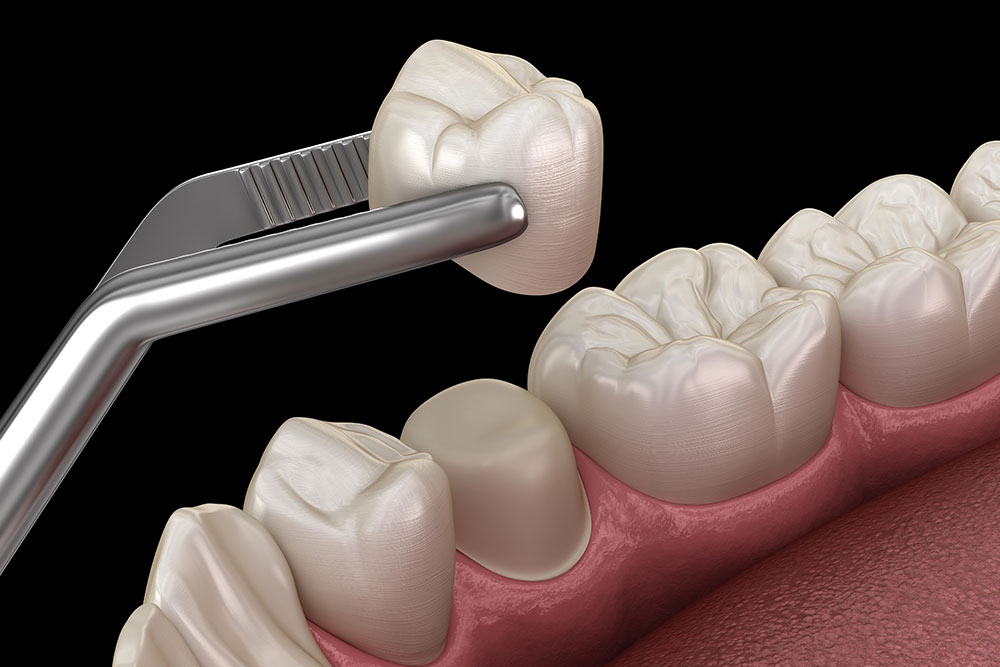 Improper fit leads to open margins, discomfort, and cement washout. A misaligned zirconia crown may not seat correctly, causing gaps or excessive pressure. Accurate impressions and precise fabrication techniques minimize these problems, but chairside adjustments may still be necessary. Using occlusal indicators and fit-check materials helps pinpoint pressure points. A high-speed fine diamond bur carefully reduces tight spots while preserving crown integrity. Over-contoured margins create plaque traps, increasing the risk of inflammation and decay. Marginal gaps compromise cement retention, leading to failure over time. Refining the margin with slow, controlled adjustments improves adaptation to the tooth structure. Careful polishing restores smoothness, preventing irritation and bacterial accumulation.
Primary Causes of an Improper Fit
When a zirconia crown doesn’t seat properly, the issue often starts long before the final fitting appointment. The problem can usually be traced back to one of two key areas: the initial impression or the preparation of the tooth itself. A flawless restoration requires a perfect foundation, and any inaccuracies at these early stages will inevitably be magnified in the final product. Understanding these common pitfalls is the first step toward preventing them and ensuring a smooth, predictable outcome for every case, reducing chair time and improving patient satisfaction.
Impression Inaccuracies and Lab Errors
A precise impression is the blueprint for a successful restoration. If the mold of the tooth isn’t perfect, the crown simply won’t fit correctly. Common issues like patient movement during the impression, an incorrect bite registration, or distortions in the impression material can all lead to a final crown that rocks, has open margins, or won’t seat at all. While a skilled lab can sometimes compensate for minor issues, they can only work with the information they’re given. This is why partnering with a lab that has a meticulous quality control process for fabricating crowns is essential to catch potential problems early.
Inadequate Tooth Preparation
The other side of the coin is the tooth preparation. Even the most accurate impression can’t make up for a poorly prepared tooth. If the tooth isn’t shaped correctly, with insufficient axial height or an excessive taper, the crown will lack the retention and resistance it needs to stay on securely. Clear, well-defined margins are also critical for the lab to create a restoration that seals perfectly. Without adequate occlusal reduction, the final crown may be too thin or interfere with the opposing dentition. Taking the time to refine the preparation ensures the final restoration has the structural support it needs for long-term success.
Diagnostic Tools and Techniques
Once the crown is back from the lab, confirming a perfect fit at the chairside is the final checkpoint. Before permanently cementing the restoration, it’s crucial to use a combination of diagnostic methods to verify that it is fully seated and the margins are perfectly sealed. Relying on visual inspection alone isn’t enough, as tight contacts or subtle discrepancies can be easily missed. A systematic approach using both radiographic and tactile tools will give you the confidence that the fit is ideal, preventing future complications for your patient.
Using X-Rays and Tactile Tools to Confirm Seating
A bitewing radiograph is one of your most reliable tools for verification. X-rays clearly show how the crown sits on the tooth and confirm if it’s fully in place, especially in the hard-to-see interproximal areas. This allows you to check for any marginal gaps that could lead to cement washout or recurrent decay. In addition to radiographs, a tactile examination with a dental explorer is essential. Carefully tracing the margin of the crown allows you to feel for any ledges, gaps, or overhangs that could trap plaque and irritate the gingiva, ensuring a smooth and seamless transition from crown to tooth.
Improving Fit with Digital Technology
The challenges associated with traditional impressions are quickly becoming a thing of the past thanks to advancements in digital dentistry. Digital workflows offer a higher level of precision and predictability, directly addressing many of the primary causes of an improper fit. By replacing physical impression materials with highly accurate digital scans, you can eliminate many of the variables that lead to distortions and inaccuracies. This shift not only improves the quality of the final restoration but also enhances the patient experience and streamlines communication with your dental lab.
The Role of Intraoral Scanners
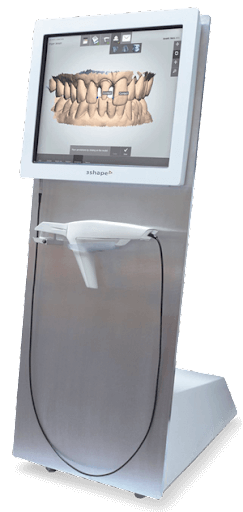
Intraoral scanners are a game-changer for crown and bridge work. These devices take incredibly detailed digital pictures of the teeth, creating a 3D model that is far more accurate than a traditional impression. This process eliminates issues like material shrinkage, air bubbles, and patient gagging, resulting in a more comfortable experience and a superior final fit. When you submit digital cases to a lab equipped for these workflows, you create a seamless and efficient process. The precision of the scan allows labs like Next Dental Lab to mill a restoration that requires minimal to no chairside adjustments, saving you valuable time.
Why Did My Zirconia Crown Come Off? Fixing Bonding Issues
Poor adhesion weakens retention, increasing the risk of dislodgement. Inadequate surface preparation, moisture contamination, or incorrect cement selection leads to weak bonds. Airborne abrasion and zirconia primers enhance chemical adhesion by creating a reactive surface. Using a dual-cure or self-adhesive resin cement ensures a secure attachment. Moisture interferes with cement curing, reducing bond strength. Isolation with rubber dams or cotton rolls keeps the area dry, preventing premature failure. Applying a thin, even layer of cement and seating the crown with steady pressure eliminates excess and improves adaptation. Proper curing techniques optimize retention and longevity.### Expert Recommendations for Cementation A successful zirconia restoration doesn’t end with a perfect fit; it’s secured by a flawless cementation process. The bond you create is the final, critical step that determines the crown’s long-term stability and performance. Selecting the right materials and following a meticulous protocol is non-negotiable, as even the most precisely fabricated crown can fail without proper adhesion. This ensures the restoration can withstand occlusal forces and prevents issues like microleakage or dislodgement down the road. Proper cementation not only secures the crown but also seals the margin, protecting the underlying tooth structure and giving your patient a result they can count on for years to come. #### Choosing the Right Cement for Zirconia When working with zirconia, not just any cement will do. The material’s high strength and non-reactive surface require a specific approach for reliable adhesion. A dual-cure or self-adhesive resin cement is your best bet, as these create a strong chemical bond that traditional options can’t match. To further improve this bond, prepare the intaglio surface with airborne abrasion and apply a dedicated zirconia primer. This creates a more receptive surface for the cement to adhere to. Remember that resin cements are sensitive to moisture, so maintaining a dry field with a rubber dam is essential for a predictable, durable bond for your zirconia restorations.
Can Chipped or Fractured Zirconia Crowns Be Repaired?
Fractures compromise aesthetics and function, often caused by improper occlusion or excessive force. Thin margins and sharp internal angles create weak points prone to cracking. Adjusting the preparation design and maintaining adequate thickness reinforces structural integrity.
Surface flaws act as stress concentrators, leading to chipping over time. Glazing or polishing prevents microfractures from propagating. Minor chips can be repaired with composite resin, but significant damage may require crown replacement. In cases where crowns are part of broader treatment plans, coordination with dental implant restorations can help ensure functional harmony and long-term stability.
Reducing occlusal interferences minimizes stress, preventing future fractures.
The Risk of Hidden Caries
One of the biggest advantages of zirconia is its incredible strength, but this can also mask underlying issues. Because the material is so durable and opaque, its high durability might allow decay to progress under the crown without detection. Unlike with other materials, radiographic signs of caries can be obscured, letting decay advance silently until it compromises the tooth’s structural integrity. This makes a perfect marginal seal from a quality crown and bridge lab absolutely critical from the start. Ensuring a precise fit with no gaps prevents microleakage and gives you the best defense against secondary caries. Regular bitewing radiographs and careful clinical examination during recall appointments are essential for monitoring the restoration and the underlying tooth structure over the long term.
Addressing Rare Allergic Reactions
Zirconia is celebrated for its excellent biocompatibility, making allergic reactions extremely rare. However, in isolated cases, patients may show signs of sensitivity. While very rare, some individuals may experience localized inflammation or, as reported in a few instances, systemic symptoms like dizziness and fatigue. Before suspecting a material allergy, it’s important to rule out other common causes, such as a reaction to the cement, trapped excess cement, or gingival irritation from a poor marginal fit. If an allergy is still suspected after eliminating other factors, patch testing can help confirm sensitivity. If a true allergy is identified, the only course of action is to remove the crown and select a restoration made from a different biocompatible material.
How to Correct Occlusion Problems with Zirconia Crowns
Poor occlusal alignment leads to uneven wear, discomfort, and TMJ issues. High spots create excessive force, increasing the risk of fractures or debonding. Using articulating paper and occlusal indicators pinpoints areas requiring adjustment. Reducing high contacts with fine diamond burs improves function and comfort. Zirconia’s high strength resists wear but can cause damage to opposing dentition if left unpolished. Over-adjusting occlusion weakens structural integrity, increasing failure risks. Controlled reshaping and proper finishing techniques optimize occlusal balance without compromising durability.
Considering the Impact of Bruxism
Bruxism, or chronic teeth grinding, introduces a significant variable to the success of any restoration. While zirconia is known for its impressive strength, the persistent, heavy forces from grinding can still lead to complications. This constant pressure increases the risk of fractures in the crown and can cause noticeable wear on opposing natural teeth. When combined with even minor occlusal discrepancies, the focused force on a high spot can be incredibly destructive. For patients with bruxism, it’s essential to manage these forces to protect both the restoration and their existing dentition. A custom-fitted night guard is often the most effective solution, creating a protective barrier that absorbs grinding forces and prevents further damage.
Polishing Zirconia Crowns for a Flawless, Lasting Finish
Surface roughness increases plaque accumulation and accelerates wear on opposing teeth. Grinding or adjusting zirconia without proper polishing creates a coarse finish that attracts biofilm. Fine-grit diamond polishers and ceramic pastes restore a smooth surface, reducing bacterial retention. A highly polished surface prevents staining and enhances longevity. Chairside refinishing eliminates sharp edges after adjustments, improving comfort and biocompatibility. Well-maintained zirconia crowns maintain aesthetics and function, reducing the need for premature replacements.
Guiding Patients Through Post-Procedure Care
Clear communication after a crown placement is just as critical as the procedure itself. When patients know what to expect, they feel more confident and are better equipped to identify potential issues early. Setting clear expectations about normal sensitivity and providing straightforward at-home care instructions helps build trust and ensures a smoother recovery. It also reduces unnecessary follow-up calls while encouraging patients to reach out when a symptom truly warrants attention. A well-informed patient is a partner in their own oral health, contributing to the long-term success of the restoration.
Explaining Normal Post-Placement Sensitivity
It’s helpful to let patients know that some discomfort or sensitivity after receiving a new crown is completely normal. Explain that the tooth and surrounding gum tissue are simply adjusting to the restoration. This sensitivity, especially to hot or cold temperatures, typically subsides within a few days as the mouth heals. Reassuring them that this is a temporary phase can prevent anxiety. When patients understand that their experience is part of the expected healing process, they are less likely to worry about minor aches and can rest easy knowing their new crown and bridge restoration is settling in properly.
Identifying Warning Signs of Complications
While initial sensitivity is normal, certain symptoms can indicate a problem that needs your attention. Educating patients on these specific warning signs empowers them to take an active role in their recovery. When they know what to look for, they can contact your office promptly, allowing you to address complications before they become more serious. This proactive approach not only protects the patient’s health but also safeguards the integrity of the restoration. Clearly outlining these red flags ensures that patients don’t dismiss a significant issue as normal discomfort.
Pain Lasting More Than Two Weeks
Advise patients that if their discomfort persists for more than two weeks or seems to be getting worse instead of better, it’s time to schedule a follow-up. Lingering pain can signal an underlying issue, such as an improper fit or nerve irritation, that won’t resolve on its own. Prompt evaluation allows you to diagnose the root cause and provide the necessary treatment to ensure their comfort and the crown’s stability.
Sharp Pain When Biting
Instruct patients to be mindful of any sharp pain they feel when chewing or biting down. This specific sensation often means the crown’s occlusion is off—it might be slightly too high and interfering with their natural bite. An occlusal adjustment is a simple, quick fix that can provide immediate relief and prevent further complications like chipping, tooth soreness, or TMJ discomfort. Let them know this is a common issue that you can easily correct in the office.
Constant, Throbbing Pain
A constant, throbbing pain is a significant red flag that should never be ignored. This type of ache often points to a more serious problem, such as nerve inflammation or an infection deep within the tooth. Emphasize to your patients that this symptom requires immediate attention. Early intervention is crucial to address potential pulp damage and prevent the infection from spreading, which could ultimately save the tooth.
Visible Swelling or Pus
Tell patients to immediately report any visible swelling in the gums around the new crown or the presence of pus. These are clear signs of an infection that needs to be treated right away. An abscess can form if bacteria get trapped under the crown, and it will not heal without professional intervention. Addressing it quickly with antibiotics or other treatments is essential for the patient’s overall health and the success of the restoration.
Essential At-Home Care Instructions
Providing patients with a simple list of at-home care tips can make their recovery much more comfortable. Recommend over-the-counter pain relievers to manage any mild soreness or inflammation in the first few days. Suggest they avoid extremely hot or cold foods and drinks to minimize sensitivity. Sticking to a soft-food diet, like yogurt, soup, or scrambled eggs, can also prevent unnecessary pressure on the new crown. Most importantly, remind them to continue their oral hygiene routine, brushing and flossing gently but thoroughly around the area to keep it clean and promote healing.
Get Flawless Zirconia Crowns with Next Dental Lab
Rely on Next Dental Lab for all your dental restoration needs. We craft high-performance dental products that enhance durability and function using our advanced technology to ensure precise zirconia crown adjustments for a flawless fit. We deliver durable zirconia prosthetics at competitive prices without compromising quality. Next Dental Lab also provides all-ceramic, PFM, and full-cast crowns, plus diagnostic wax-ups and removable appliances. Our streamlined ordering process and reliable support help dentists achieve superior results with every case. Contact us today for expertly crafted restorations tailored to your needs. If you need case-specific guidance or technical support, you can contact our lab team to discuss zirconia crown challenges and restorative solutions.
Frequently Asked Questions
Can I actually repair a chipped zirconia crown, or is a replacement always the better option? For small, cosmetic chips, a chairside repair is often a great solution. Using a quality zirconia repair kit with composite resin can effectively restore the crown’s appearance and function, saving your patient time and expense. However, if the fracture is significant or affects the structural integrity of the crown, a full replacement is the most predictable and durable choice for long-term success.
My zirconia crowns seem to debond more often than my old PFMs. What am I missing? This is a common frustration, and it usually comes down to three key steps. First, ensure your tooth preparation has adequate height and isn’t overtapered to maximize mechanical retention. Second, you must treat the inside surface of the crown with airborne abrasion and a dedicated zirconia primer to create a strong chemical bond. Finally, use a self-adhesive or dual-cure resin cement and maintain a completely dry field during cementation, as moisture is the enemy of a strong bond.
I’m always hesitant to adjust the bite on a zirconia crown because the material is so hard. What’s the best way to do it? Adjusting zirconia requires a specific touch, but it’s completely manageable. Use a fine-grit diamond bur with light, intermittent pressure and plenty of water to prevent heat buildup. The most critical step, however, is what you do afterward. You must thoroughly polish the adjusted area with a zirconia-specific polishing system. This restores a smooth, glaze-like surface, which is essential for preventing wear on the opposing natural teeth.
How much of a difference do intraoral scanners really make for getting a perfect crown fit? They make a world of difference. Traditional impressions are prone to subtle distortions from things like material shrinkage, patient movement, or tray removal. Intraoral scanners eliminate these variables by creating a precise 3D model of the preparation. This accuracy translates directly to the lab, resulting in a crown that fits beautifully with minimal to no chairside adjustments, saving you valuable time and ensuring a better marginal seal.
What’s the most important thing to tell a patient before they choose a zirconia crown? Transparency is key. It’s important to have an honest conversation about the investment and the aesthetics, particularly the opacity of monolithic zirconia if it’s for an anterior tooth. You should also explain that its incredible strength is a major benefit for longevity, but it can also make the crown more difficult to remove if the tooth ever needs future treatment like a root canal. Setting these expectations builds trust and leads to a happier patient.
Key Takeaways
- Prevent Remakes with Flawless Prep and Scans: Most zirconia crown problems, from poor fits to debonding, start at the source. Mastering your tooth preparation and using precise digital impressions are the most effective ways to ensure a predictable outcome and reduce chair time.
- Choose the Right Cement and Polish Every Time: The long-term success of a zirconia crown depends on a secure bond and a smooth surface. Use a dedicated zirconia primer and resin cement for reliable adhesion, and always polish after adjustments to protect the opposing dentition from wear.
- Educate Your Patients on Post-Procedure Care: Help patients distinguish between normal sensitivity and true complications. Clearly explain warning signs like sharp pain when biting or constant throbbing so they know when to call, allowing you to intervene before minor issues become major problems.