Your day is a revolving door of different patient needs. One moment you’re trying to place a crown on a squirming child, and the next you’re explaining to a parent why the minimum age for a dental crown on a permanent tooth matters for long-term success. Later, you might be meticulously adjusting the occlusion for an adult patient who wants perfection, or planning a durable restoration for an elderly individual with compromised tooth structure. Each case requires a different mindset, material, and technique. This article is for you—the clinician on the front lines. We’ll walk through the best practices for crown procedures, from the youngest patients to the oldest, to help you streamline your workflow.
The crown dental procedure is like a Swiss Army knife in dentistry—versatile, reliable, and ready to fix almost anything. But, as dentists know all too well, patients across different age groups bring their own “unique” challenges to the chair. From toddlers squirming like they’re auditioning for Cirque du Soleil to older patients who think their crown fell out “just yesterday” (but it’s been five years), there’s never a dull moment. Let’s break it down, age by age.
What’s the Minimum Age for a Dental Crown?
 Working on pediatric crowns feels like trying to sculpt a masterpiece on a moving target. Primary teeth are thin, fragile, and prone to decay faster than a kid’s favorite toy gets lost. Stainless steel crowns save the day here—durable, quick, and capable of surviving even the most sugar-loaded diets. Of course, let’s not forget the budding orthodontic nightmares waiting in the wings. Keeping an eye on eruption patterns and future spacing is like predicting where the popcorn kernels will land at a movie night. Preformed crowns work well, but sizing them feels a bit like Goldilocks—“too big, too small, just right.”
Why Baby Teeth Need Crowns
When you tell a parent their child needs a dental crown, their first thought is often, “But it’s just a baby tooth!” It’s a fair question, but as we know, primary teeth are more than just placeholders. They play a critical role in speech development, chewing, and, most importantly, guiding the permanent teeth into their proper positions. A compromised baby tooth can have a domino effect on a child’s future oral health. Explaining the “why” behind a pediatric crown helps parents understand that this isn’t just a temporary fix; it’s a strategic move to protect their child’s smile for years to come. It’s about setting the stage for a healthy adult dentition before any major issues can arise.
Saving Space for Permanent Teeth
One of the most important jobs of a baby tooth is to hold its spot in the arch until the permanent tooth is ready to erupt. When a primary tooth is lost too early due to decay or trauma, neighboring teeth can drift into the empty space, causing crowding and alignment problems. Placing a crown on a severely damaged baby tooth keeps it functional and in place, acting as a natural space maintainer. This simple procedure can help a child avoid complex orthodontic treatment later on. It’s a proactive step that preserves the blueprint for their future smile, ensuring permanent teeth have the room they need to grow in correctly.
Addressing Severe Decay
Sometimes, a standard filling just isn’t enough to save a baby tooth. When decay is extensive, has reached the pulp, or has weakened the tooth structure significantly, a crown is the best option. A pediatric crown acts like a protective helmet, covering the entire tooth to restore its shape, size, and strength. This not only prevents the decay from spreading but also allows the child to chew properly without pain. By capping the tooth, you seal it off from further damage and infection, preserving it until it’s ready to fall out naturally. It’s a reliable solution for giving a compromised tooth a second chance to do its job.
The Pediatric Crown Procedure
The pediatric crown procedure is a different ballgame compared to adult restorations. The goal is efficiency, durability, and a positive patient experience. Since we’re working with smaller mouths, shorter attention spans, and teeth that will eventually exfoliate, the materials and techniques are adapted accordingly. The focus is on providing a functional restoration that will last until the permanent tooth takes over, all while ensuring the child leaves the office feeling comfortable and confident. It’s less about achieving perfect, life-like esthetics and more about protecting the tooth and the patient’s developing psyche around dental care.
Types of Crowns for Children
Unlike adult crowns, which are custom-fabricated for a precise, permanent fit, pediatric crowns are typically pre-fabricated and designed to be temporary. They are made to fit over a baby tooth with minimal preparation and are intended to fall out along with the tooth itself. Stainless steel is the classic go-to for posterior teeth due to its durability and cost-effectiveness. For anterior teeth where aesthetics are a concern, options like zirconia or resin-faced crowns offer a more natural look. At Next Dental Lab, we understand the need for reliable and esthetic options for all patients, which is why we provide a full range of high-quality crown and bridge solutions to meet your practice’s needs.
Ensuring Patient Comfort
A successful pediatric crown placement hinges on patient comfort. A positive first experience can shape a child’s attitude toward dental care for life, so a gentle and reassuring approach is key. Pediatric dentists are masters at this, using techniques like the tell-show-do method, positive reinforcement, and effective local anesthesia to make the process as painless and stress-free as possible. The procedure itself is usually quick, often completed in a single visit, which is ideal for young patients. Creating a calm and supportive environment helps build trust and ensures that the child feels safe and cared for throughout the appointment.
Crowns for Teenagers and Permanent Teeth
Working with teenagers brings a new set of considerations. We’re now dealing with permanent teeth, but the patient is still growing. This “in-between” stage requires careful planning, especially when a permanent crown is needed due to trauma, congenital defects, or severe decay. The main challenge is timing the restoration correctly to account for continued jaw growth and changes in the gum line. It’s a balancing act between addressing an immediate dental need and planning for the long-term stability and aesthetics of the restoration. Communication with both the teen and their parents is essential to manage expectations for the future.
When to Place a Crown on a Permanent Tooth
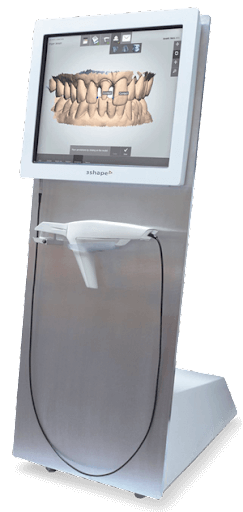
Ideally, a permanent crown should be placed after the tooth has fully erupted and the gingival margin has stabilized. This typically happens around 17 or 18 years old. If you place a crown on a younger teen whose tooth is still undergoing active or passive eruption, you risk the margin becoming exposed as the gums recede to their mature position. This can create an aesthetic issue and a potential area for plaque accumulation. Waiting until growth is complete ensures a more predictable and stable outcome, allowing the crown to blend seamlessly with the natural gum line for years to come. Using digital scans can help capture precise marginal details for a perfect fit once the time is right.
Planning for Future Adjustments
Sometimes, waiting isn’t an option. If a young patient needs a crown on a permanent tooth due to a fracture or extensive decay, it’s crucial to set realistic expectations from the start. Inform the patient and their parents that the crown may need to be replaced in the future. As the adolescent continues to grow, their bite may change, and the gum line may shift, potentially requiring a new restoration later in life to maintain proper function and aesthetics. Framing the initial crown as a long-term provisional solution helps manage expectations and underscores the importance of ongoing dental care and monitoring through their adult years.
Adult Crowns: Balancing Function and Aesthetics
Adults want it all. They want a crown strong enough to chew a well-done steak but beautiful enough for a selfie after their third cup of espresso. Material selection is where the fun begins: PFM for the grinders, zirconia for the lookers, and Emax crowns for those who say, “I just want the best.” And then there’s the bite adjustment. Anyone who has spent an extra 15 minutes tweaking occlusion knows the sheer joy of hearing, “It still feels a little high.” But hey, that’s where diagnostic wax-ups and digital impressions come to the rescue, sparing your sanity one perfectly crafted crown at a time.
Geriatric Crowns: Special Considerations for Lasting Results
Geriatric cases bring their quirks. Reduced bone density, worn-down teeth, and that charming habit of mixing up “the crown on the right” with “the crown on the left” make every case a bit of a puzzle. For these patients, it’s all about durability. Adhesive bonding becomes a dentist’s best friend, holding together fragile tooth structures like dental duct tape. And let’s not forget dry mouth, that uninvited guest who makes crowns’ longevity a bigger challenge than keeping houseplants alive.
Crown Best Practices for Every Generation
Tailoring the crown dental procedure to each age group is like being a dental DJ—reading the room and playing the right track. Digital workflows take a lot of the guesswork out, saving time for both the dentist and the patient (especially the ones who ask, “Will this take long?” after sitting down late). Patient education is key as well. Explaining crown care in terms everyone understands—like saying, “It’s not indestructible, so don’t test it on peanut brittle”—can save you a future call about “something crunchy.”
Post-Procedure Care and Crown Lifespan
Dietary and Hygiene Recommendations
Once the crown is perfectly placed, the next crucial step is patient education. We all know the drill: translating our clinical expertise into simple, memorable instructions that patients will actually follow. It’s helpful to remind them that while their new crown is tough, it’s not invincible. The usual suspects—gummy candies, hard caramels, and anything that could pull a crown off—should be avoided. Emphasize the basics of good oral hygiene, like brushing twice daily and flossing carefully around the new restoration to prevent decay at the margins. And, of course, stress the importance of regular six-month checkups and encourage them to call immediately if the crown feels loose or sore. Clear communication here saves everyone a headache later.
How Long Do Crowns Last?
“How long will this last?” It’s the million-dollar question every patient asks. The answer, as we know, depends heavily on the material, the patient’s habits, and whether it’s a primary or permanent tooth. For the little ones, a stainless steel crown on a baby tooth will typically do its job until the tooth exfoliates naturally. For permanent teeth, the lifespan varies. While a resin crown might last a few years, high-quality materials offer much greater longevity. A well-maintained crown and bridge made from ceramic or zirconia can easily last ten years or more, providing patients with a durable and aesthetically pleasing solution. Setting realistic expectations based on the chosen material helps build patient trust and ensures they understand their role in the long-term success of the restoration.
Simplify Your Workflow with Next Dental Lab
At Next Dental Lab, we don’t just make crowns—we make your day a whole lot easier. From zirconia to PFM crowns and diagnostic wax-ups to removable, our full-service dental lab delivers quality restorations designed to fit seamlessly into your workflow. With cutting-edge digital tools and partnerships with top industry brands, we help dental practices save time and money without cutting corners. Register your practice today and get a $50 credit toward your first case. Let us handle the lab work while you focus on perfecting smiles. Ready to work with a lab that gets it? Sign up now and start saving.
Frequently Asked Questions
How can I best explain to a parent why their child needs a crown on a baby tooth? When talking to parents, it helps to frame the procedure as a proactive step for their child’s long-term oral health. You can explain that baby teeth act as crucial placeholders for the adult teeth. Placing a crown saves the damaged tooth, allowing it to hold that spot and guide the permanent tooth into the correct position. This simple measure can help their child avoid more complex and costly orthodontic work in the future.
What’s the best approach if a teenager needs a permanent crown but hasn’t finished growing? The key here is managing expectations for the long run. It’s important to communicate clearly with both the teen and their parents that the first crown is a durable, long-term provisional solution. Explain that as their jaw grows and the gum line matures, the crown may need to be replaced later in life to ensure a perfect fit and appearance. This sets the stage for a final restoration once they are fully grown.
Beyond aesthetics, what’s the most important factor when choosing a crown material for an adult patient? You should always consider the patient’s functional habits and bite. Ask about signs of grinding or clenching, as this will heavily influence your material choice. For a patient with bruxism, a high-strength material like zirconia is often the most reliable option for posterior teeth. Matching the material’s durability to the patient’s specific oral environment is essential for the crown’s long-term success.
What’s a practical tip for improving crown longevity in geriatric patients with issues like dry mouth? For older patients, especially those with xerostomia, the cementation process is critical. Using a strong adhesive bonding protocol can provide extra security for a fragile tooth structure. It’s also vital to ensure the crown margins are flawless and easy for the patient to clean. Recommending specific oral hygiene aids or fluoride rinses can also help protect against recurrent decay at the margin, which is a common point of failure in these cases.
How does using a digital workflow specifically help when treating patients of different ages? A digital workflow offers unique benefits for every age group. For children, a quick intraoral scan is much faster and more comfortable than taking a traditional impression, leading to a better overall experience. For adults, the precision of digital scans ensures an excellent marginal fit, which means less time spent on adjustments in the chair. This accuracy is also a huge advantage when creating restorations for complex geriatric cases.
Key Takeaways
- Tailor Your Crown Strategy to Patient Age: A successful outcome requires different approaches for each generation, from using durable, pre-fabricated crowns for children to carefully timing permanent crowns for teens to accommodate growth.
- Manage Expectations Through Clear Communication: Educate patients on proper hygiene, dietary limits, and the realistic lifespan of their specific crown material to ensure they are active partners in the long-term success of the restoration.
- Plan for Growth with Adolescent Crowns: When placing a crown on a teenager’s permanent tooth, wait for the gingival margin to stabilize if possible. If you must act sooner, frame the restoration as a long-term provisional that may need replacement after growth is complete.