The All-on-4 treatment concept has revolutionized full-arch rehabilitation, but the path from scan to final restoration is filled with potential challenges. Communication gaps, inconsistent quality, and technical hurdles can lead to chairside frustrations, costly remakes, and a compromised patient experience. A successful outcome hinges on anticipating these issues and selecting a partner equipped to handle them. The right all on 4 dental lab does more than just follow a prescription; they provide critical feedback, troubleshoot problems, and ensure the final restoration meets the highest standards. This guide will help you understand what to look for in a lab partner to ensure every case runs smoothly.
Key Takeaways
- Choose a True Collaborative Partner: The success of your All-on-4 cases relies on a lab that communicates clearly, offers expert guidance, and functions as an extension of your clinical team to ensure predictable outcomes.
- Prioritize a Digital-First Workflow: A lab that fully embraces digital technology—from processing intraoral scans to CAD/CAM manufacturing—delivers more precise and consistent restorations, which saves you valuable chair time on adjustments.
- Verify Experience and Certifications: For complex full-arch restorations, confirm your lab has specific All-on-4 experience and holds key certifications like NBC and ISO 13485, as these credentials reflect a commitment to quality and safety.
What Are All-on-4 Dental Implants?
As a dental professional, you’re always looking for reliable and efficient solutions for your patients. The All-on-4 treatment concept is a well-established and proven method for providing edentulous patients with a full-arch restoration using just four dental implants. This technique serves as a stable and long-term foundation for a fixed, full-arch prosthesis, offering a significant improvement in function and aesthetics compared to traditional removable dentures. It has truly changed the conversation around full-arch rehabilitation by offering a more streamlined and less invasive alternative to traditional implant protocols.
The All-on-4 approach is designed to maximize the use of available bone, often eliminating the need for complex bone grafting procedures. This makes it an accessible option for a wider range of patients, including those with some degree of bone resorption. By providing a fixed, non-removable set of teeth, you can offer your patients a life-changing restoration that feels and functions much like natural teeth. The predictability of the procedure, combined with the immediate results for the patient, makes it a powerful tool in any modern practice. Partnering with a lab that specializes in hybrid dentures is key to delivering predictable and high-quality outcomes with this treatment, ensuring the final prosthetic is as well-crafted as the surgical plan.
How Do All-on-4 Implants Work?
The success of the All-on-4 technique lies in its strategic implant placement. The protocol uses four implants to support a full-arch prosthesis: two straight implants are placed in the anterior region, while two posterior implants are tilted up to 45 degrees. This specific angulation is critical—it allows the implants to engage with denser, higher-quality bone in the front of the jaw and avoid vital anatomical structures like the maxillary sinus and the mandibular nerve. This approach provides excellent stability and support for an immediate-load prosthesis. By finding the strongest areas of your patient’s jaw, you can create a solid foundation for their new smile.
Key Benefits for Your Patients
One of the most significant advantages of the All-on-4 treatment concept is the ability to provide patients with new, fixed teeth on the same day as their surgery. This immediate function is a powerful motivator for patients seeking an alternative to removable dentures. You can also explain that this procedure is often more cost-effective than traditional full-arch implant methods that require more implants and bone grafting. The streamlined process means fewer appointments and a quicker return to normal life, which is a compelling benefit for anyone looking to restore their smile and confidence with a full set of dental implants.
All-on-4 vs. Traditional Implants
When comparing All-on-4 to traditional full-arch implant treatments, the primary difference is the number of implants and the surgical complexity. Traditional methods may require six to eight or more implants per arch and often involve separate, time-consuming bone grafting procedures to build up sufficient bone volume. This can extend the total treatment time by several months. In contrast, the All-on-4 method uses just four implants and is specifically designed to avoid the need for grafting, making the entire process faster, less invasive, and generally more affordable for your patients.
The Dental Lab’s Role in All-on-4 Treatment
Think of your dental lab as more than just a supplier; they are your collaborative partner in every All-on-4 case. The success of these full-arch restorations depends heavily on the synergy between your clinical expertise and the lab’s technical artistry. From the moment you send a digital scan to the day you deliver the final prosthetic, the lab is working behind the scenes to turn your treatment plan into a functional, beautiful reality for your patient.
Dental labs play a vital role in the success of All-on-4 dental implant treatments. Their expertise in design, fabrication, and maintenance is essential for achieving predictable and lasting outcomes. A great lab partner understands the nuances of implant placement, bite registration, and material science. They don’t just follow orders; they provide critical feedback, help troubleshoot potential issues, and ensure the final restoration meets the highest standards of quality. This partnership is built on clear communication and a shared commitment to patient satisfaction, making the lab an indispensable part of your All-on-4 team and a key factor in your practice’s success with these complex cases.
Core Lab Responsibilities in the Workflow
The lab’s involvement in an All-on-4 case is comprehensive. Their primary responsibilities begin with interpreting your prescription and digital scans to design a custom prosthetic. This involves creating a precise digital blueprint that accounts for implant positioning, occlusal scheme, and patient aesthetics. Next comes fabrication, where skilled technicians use advanced materials and technology to manufacture the final hybrid denture. They meticulously craft each detail to ensure a perfect fit and natural appearance. Finally, the lab provides ongoing support, including adjustments and repairs, to maintain the restoration’s integrity and function over the long term.
From Digital Scan to Final Design
The modern All-on-4 workflow starts with a simple action: sending your digital impression. Once the lab receives your file, they use specialized CAD software to create a detailed 3D model of the patient’s arch. This digital design phase is where precision is paramount. Technicians map out the ideal tooth position, contour the gingiva, and verify the bite, all within the software. Implementing digital tools and optimizing processes are key to an efficient workflow that meets the expectations of both your clinic and your patients. This digital-first approach allows for easy collaboration, as you can review and approve the design before any physical production begins, ensuring the final product aligns perfectly with your vision.
Crafting the Final Prosthetic
Once the digital design is finalized, the lab moves on to fabrication. This is where technical skill meets artistry. Beyond durability and precision, the lab focuses on the aesthetic and functional aspects of the treatment. Technicians customize the size, shape, and color of the prosthetic to match the patient’s natural teeth or desired appearance. Using high-quality materials like zirconia or PMMA, they build a restoration that is not only strong enough to withstand daily use but also looks incredibly lifelike. The goal is to create a seamless, comfortable, and confident smile, and that requires a deep understanding of both material science and dental aesthetics.
Technologies That Define a Top All-on-4 Lab
The success of an All-on-4 treatment hinges on incredible precision, and that precision is born from technology. A modern dental lab is more than just a place of skilled craftsmanship; it’s a hub of digital innovation. The right technology ensures a seamless workflow from your initial scan to the final restoration, resulting in a better fit, higher quality, and a happier patient. When you’re vetting a lab partner, their tech stack should be a top consideration. The most advanced labs are defined by their mastery of three key areas: digital design and manufacturing, flawless impression processing, and intelligent workflow automation. These tools aren’t just fancy add-ons—they are fundamental to producing the consistent, high-quality results that complex cases like All-on-4 demand. A lab that invests in these technologies is investing in your practice’s success, providing the reliability and predictability you need to confidently treat your patients. They understand that minimizing chair time and adjustments is just as important as the final aesthetic, and that’s where a commitment to cutting-edge tech truly shines.
3D Printing and CAD/CAM Systems
At the heart of a modern lab are its CAD/CAM (Computer-Aided Design/Computer-Aided Manufacturing) systems. This technology is the gold standard for creating precise and durable dental prosthetics. The process starts with a digital design of the restoration, which is then sent to a milling machine or 3D printer. This allows for a level of accuracy that’s nearly impossible to achieve by hand. For All-on-4 cases, this means the framework and final hybrid dentures fit perfectly, with optimal function and aesthetics. The adoption of CAD/CAM and 3D printing has transformed the industry, enabling labs to fabricate restorations with incredible efficiency and consistency, which is absolutely critical for full-arch restorations.
Processing Digital Impressions
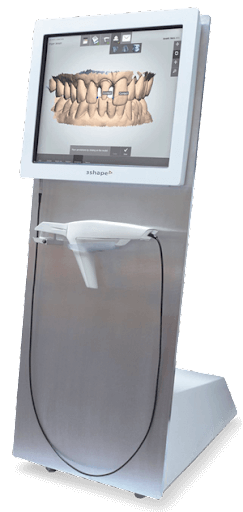
Gone are the days of messy, uncomfortable physical impressions. Today, the workflow starts with a clean intraoral scan. A top-tier lab must have the expertise and systems to flawlessly process these digital impressions. This is about more than just accepting a file; it’s about integrating it into a fully digital workflow. The best labs use centralized platforms that allow for real-time case tracking and clear communication between the clinic and the technician. This ensures that from the moment you send the scan, every step is managed with precision. The ability to accurately interpret and work with digital data is essential for achieving the perfect fit and function your patients expect from their All-on-4 treatment.
Automating the Workflow with AI
The most forward-thinking labs are now using artificial intelligence to streamline their operations. AI-powered workflow automation platforms are designed to connect the lab and clinic, creating a more efficient and transparent process. These systems can handle everything from case entry and design approvals to automated status notifications. By addressing common workflow inefficiencies, AI helps reduce turnaround times and improve overall productivity. For your practice, this means more predictable timelines, fewer follow-up calls, and a smoother experience from start to finish. It’s a key indicator that a lab is invested in not just quality, but also in providing exceptional service and making your job easier.
Common Challenges in the All-on-4 Workflow
The All-on-4 treatment concept is a game-changer for patients, but the path from initial scan to final restoration has its share of potential hurdles. A successful outcome depends on a seamless partnership between your practice and your dental lab. When that partnership is strong, these challenges become minor speed bumps rather than major roadblocks. The key is anticipating potential issues and choosing a lab partner equipped to handle them with expertise and clear communication. From ensuring every detail is conveyed accurately to managing the technical complexities of fabrication, the lab’s role is critical. A breakdown at any stage can lead to delays, costly remakes, and a less-than-ideal patient experience.
Understanding these common challenges helps you vet potential lab partners and establish a workflow that sets every case up for success. The most frequent issues aren’t necessarily clinical—they often stem from logistical and communication gaps. A lab might have the best technicians in the world, but if the process for submitting a case is confusing or if quality checks are inconsistent, the final result will suffer. This is especially true for complex, full-arch restorations where precision is paramount. Let’s look at the three biggest hurdles in the All-on-4 process—communication, quality control, and technology—and how a great lab helps you clear them.
Bridging the Clinic-to-Lab Communication Gap
Clear, consistent communication is the foundation of any successful lab partnership. When details get lost in translation between the clinic and the lab, it can cause a ripple effect of problems, from inaccurate designs to ill-fitting prosthetics. A simple misinterpretation of the bite registration or a missed note about aesthetic preferences can derail the entire case. The goal is to create a closed loop where information flows freely and accurately in both directions. A lab that prioritizes communication can significantly reduce errors and improve overall efficiency, leading to better results and higher patient satisfaction.
A modern lab partner makes this easy by offering streamlined digital workflows. Instead of relying on paper forms and phone calls, you can submit digital cases through a dedicated portal, ensuring all necessary files and instructions are attached to the case from the start. This creates a single source of truth for every patient, minimizing the risk of miscommunication and keeping the process moving smoothly.
Ensuring Quality Control and Efficiency
Your patient’s satisfaction hinges on the quality of the final prosthetic. That’s why your lab’s commitment to quality control is non-negotiable. A lab without standardized protocols and rigorous check-ins at every stage is a recipe for inconsistency. For complex restorations like hybrid dentures, precision is everything. Even minor deviations in the fabrication process can affect the fit, function, and longevity of the final product. An effective quality control system isn’t just about catching mistakes—it’s about preventing them in the first place.
Look for a lab that invests in training, follows strict compliance standards, and fosters a culture of continuous improvement. This dedication to quality ensures that every All-on-4 case meets the highest clinical standards. When your lab is focused on getting it right the first time, it improves your efficiency, reduces chair time for adjustments, and builds your practice’s reputation for delivering exceptional results.
Overcoming Material and Tech Hurdles
The materials and technology used to create an All-on-4 prosthetic are just as important as the technician’s skill. The lab’s expertise in design, fabrication, and material selection is essential for a successful outcome. They must not only master CAD/CAM software but also understand the nuances of different materials, from zirconia to PMMA, to ensure the final restoration is both beautiful and durable. A lab that stays current with the latest advancements can offer better solutions and more predictable results.
Furthermore, a tech-savvy lab knows how to optimize its processes to manage costs without sacrificing quality. For example, by using advanced software to plan how restorations are milled from a zirconia disc, a lab can maximize material usage and reduce waste. This efficiency translates into more competitive pricing for your practice. Choosing a lab that embraces technology means you’re partnering with a team that is equipped to handle the technical demands of modern implant dentistry.
Finding the Best All-on-4 Dental Labs
Choosing a dental lab for your All-on-4 cases is a major decision. This isn’t just about finding a vendor; it’s about finding a partner who understands the complexities of full-arch restorations and shares your commitment to patient outcomes. The right lab becomes an extension of your practice, providing the technical expertise and artistic skill needed to turn a treatment plan into a life-changing smile. A great partnership is built on clear communication, reliable quality, and a shared digital workflow that makes your life easier. When you find a lab that checks all these boxes, you can approach even the most challenging cases with confidence, knowing you have a dedicated team supporting you every step of the way. This relationship is foundational to achieving predictable, high-quality results that both you and your patients will be proud of.
Why Next Dental Lab Excels with All-on-4
When it comes to All-on-4 treatments, precision is everything. At Next Dental Lab, we specialize in crafting custom hybrid dentures that deliver on both function and aesthetics. Our team combines advanced technology with meticulous craftsmanship to ensure every prosthetic meets the highest standards for fit, durability, and patient satisfaction. We understand the trust you place in your lab partner, which is why we’re committed to providing state-of-the-art solutions that produce predictable, beautiful outcomes for your patients. We work closely with you throughout the process, making sure the final result not only meets but exceeds expectations. Think of us as the dedicated All-on-4 specialists on your team.
What to Look for in a Top Lab Partner
Your lab partner plays a crucial role in the success of every All-on-4 case. Look for a team that prioritizes clear and consistent communication, so you’re never left guessing about case progress. A top lab should have rigorous quality control systems in place to guarantee that every prosthetic is flawless. They should also demonstrate a deep understanding of the clinical challenges involved and be able to offer expert guidance when needed. Ultimately, you want a partner who is invested in your practice’s success and your patients’ well-being. A lab that proactively addresses potential issues and maintains an efficient workflow is one you can count on for the long haul. Our philosophy is built on this kind of partnership.
Comparing Lab Technology
The technology a lab uses directly impacts the quality of your All-on-4 restorations. Leading labs have fully embraced digital dentistry, using CAD/CAM systems and 3D printing to create prosthetics with incredible accuracy. This technology minimizes the potential for human error and ensures a precise fit every time. When comparing labs, ask about their digital workflow. Can they easily process your digital impressions? Do they offer a centralized platform for real-time case tracking and communication? A lab that invests in the latest technology is investing in better results for your patients. We make it simple to go digital and integrate your practice with our advanced systems for a seamless experience.
Essential Certifications for an All-on-4 Lab
When you’re trusting a lab with a complex, life-changing procedure like an All-on-4 restoration, you need to know they have the expertise to back it up. Certifications are more than just pieces of paper; they’re a clear indicator of a lab’s commitment to quality, consistency, and ongoing education. They show that a lab adheres to recognized industry standards and has a proven track record of excellence. For you, this means peace of mind, predictable outcomes, and a smoother workflow from start to finish. A certified lab has invested in its processes and its people, ensuring that every prosthetic they create meets rigorous criteria for safety and performance. This is especially critical for All-on-4 cases, where precision and material integrity are paramount for long-term success.
National Board for Certification (NBC)
Think of the National Board for Certification (NBC) as a benchmark for individual technician skill. When a lab employs Certified Dental Technicians (CDTs), it means their team members have passed comprehensive exams and demonstrated a high level of knowledge in dental technology. This certification signifies that the technicians handling your case have met demanding professional standards. For All-on-4 restorations, which require a deep understanding of anatomy, materials, and digital design, having a CDT on the team ensures that the technical details are managed by a proven expert. It’s a direct reflection of the lab’s dedication to craftsmanship and technical proficiency.
ISO 13485 for Quality Management
While NBC certification focuses on individual skill, ISO 13485 looks at the lab’s entire operation. This is an internationally recognized standard for quality management systems specific to medical devices, which includes dental prosthetics. A lab with ISO 13485 certification has established and maintains meticulous processes for everything from case intake to final inspection. It demonstrates a serious commitment to quality control, risk management, and regulatory compliance. For your practice, this means you can count on consistent, reliable results with every All-on-4 case, as the lab follows a documented, repeatable system designed to ensure safety and excellence.
Specialized All-on-4 Training and Experience
General certifications are foundational, but direct experience with All-on-4 cases is what truly sets a lab apart. This complex procedure has its own unique protocols and challenges. The best lab partners have invested in specialized training and have a portfolio of successful All-on-4 cases. They understand the nuances of implant placement, the specific requirements for prosthetic design, and how to leverage advanced digital technology to achieve optimal results. When vetting a lab, always ask about their specific experience with this treatment. A team that has handled these cases before will be a true partner, capable of troubleshooting issues and delivering a final prosthetic that meets your patient’s exact needs.
Understanding All-on-4 Lab Costs
When you’re planning an All-on-4 treatment, the cost is a key consideration for both your practice and your patient. While the total patient fee covers everything from surgery to the final restoration, the dental lab fee is a significant component that directly influences the quality, durability, and esthetics of the final prosthetic. A lower lab fee might seem appealing upfront, but it can lead to chairside frustrations, material failures, and unhappy patients down the road.
Understanding what goes into the lab cost helps you set clear expectations and make an informed decision when choosing a lab partner. It’s not just about the price tag; it’s about the value, expertise, and technology that your lab brings to the table to ensure a successful, long-lasting outcome for your All-on-4 cases. Let’s break down the factors that shape the final lab fee.
Breaking Down the Lab Fees
The lab fee for an All-on-4 case is a comprehensive charge that covers materials, technology, and the expert craftsmanship required to create a full-arch restoration. This includes the cost of high-impact acrylics, durable composite resins, or premium zirconia for the prosthetic teeth and gingiva. It also accounts for the titanium or cobalt-chrome framework that provides structural integrity. Beyond materials, the fee covers the time dedicated by highly skilled technicians for digital design, milling, 3D printing, and the meticulous hand-finishing that ensures a natural look and perfect fit. Essentially, you’re paying for a blend of artistry and advanced manufacturing.
What Influences the Final Price?
Several variables can affect the final lab cost for an All-on-4 prosthetic. The primary factor is your choice of material. For example, a final restoration made from zirconia will typically cost more than one fabricated from acrylic due to material expenses and more intensive processing. Case complexity also plays a role; intricate designs or the need for custom abutments can increase the technician’s time and, therefore, the cost. The type of workflow you choose, whether a fully digital case submission or a traditional one, can also influence turnaround times and pricing. Clear communication with your lab about these specifics from the start will help you get an accurate quote.
Finding Value Beyond the Price Tag
While it’s easy to focus on the initial number, the true value of a lab partner lies in the quality and consistency they deliver. A well-crafted prosthetic reduces chair time for adjustments, minimizes the risk of remakes, and leads to higher patient satisfaction. Investing in a quality restoration like our hybrid dentures means providing your patient with a durable, beautiful smile that stands the test of time. A reliable lab partner also offers invaluable support, from case planning assistance to troubleshooting, ensuring the entire process runs smoothly. This partnership is an investment in your practice’s reputation and efficiency.
A Look at All-on-4 Materials and Processes
The success of an All-on-4 treatment hinges on more than just the surgical procedure; it’s deeply connected to the materials used and the manufacturing process behind the final prosthetic. The right combination ensures a restoration that is not only beautiful but also durable enough to withstand daily function for years to come. As a clinician, understanding your lab’s approach to materials and fabrication is key to setting patient expectations and delivering outstanding results. A top-tier lab will offer a range of options and use precise, repeatable processes to create a final product that fits perfectly and looks completely natural. This collaboration between clinic and lab is what transforms a good outcome into a great one.
Prosthetic Materials: Options and Durability
When it comes to All-on-4 prosthetics, you have several excellent material choices, each with its own set of benefits. Traditional options often involve an acrylic base supported by a strong, lightweight titanium framework. For a more modern approach, many clinicians are turning to monolithic zirconia or advanced composites. Zirconia offers exceptional strength and a lifelike appearance, resisting stains and wear over time. High-performance composites provide a bit more flexibility, which can be gentler on the opposing dentition. The best choice depends on the patient’s specific needs, bite force, and aesthetic goals. A knowledgeable lab partner can help you weigh the pros and cons of each material to select the ideal solution for your case, including advanced hybrid dentures.
Digital vs. Traditional Manufacturing
The shift from traditional to digital manufacturing has transformed how All-on-4 prosthetics are made. While analog methods rely on physical impressions and manual adjustments, a digital workflow offers unparalleled precision and efficiency. It starts with an intraoral scan, which is used to create a highly accurate 3D model in CAD software. From there, the lab can design the prosthetic with incredible detail before milling it from a solid block of material using CAM technology. This process minimizes the potential for human error, resulting in a better fit and a more predictable outcome. By embracing digital case solutions, labs can streamline production, reduce turnaround times, and deliver a consistently high-quality restoration.
Customizing for a Perfect Fit and Look
A truly successful All-on-4 restoration disappears into the patient’s smile, looking and feeling like natural teeth. This is achieved through meticulous customization. Working from your digital scans, photos, and detailed prescriptions, the lab technicians craft a prosthetic that is tailored to the patient’s unique facial structure and aesthetic preferences. Every detail, from the size and shape of the teeth to the specific shade and translucency, is carefully considered. This collaborative process ensures the final restoration supports the patient’s lips and facial contours correctly while creating a beautiful, harmonious smile. The goal is always to deliver a final product that provides an ideal blend of function and personalized aesthetics for your dental implants.
How to Choose the Right All-on-4 Lab Partner
Selecting the right dental lab is one of the most critical decisions you’ll make for your All-on-4 cases. This isn’t just about finding a vendor; it’s about finding a partner who can consistently deliver the precision, quality, and support you need. A great lab acts as an extension of your practice, helping you achieve predictable, beautiful outcomes for your patients. When you’re vetting potential labs, focus on their technical skills, communication practices, and their ability to work as a true collaborator.
Evaluate Their Capabilities and Certifications
Before sending your first case, take a close look at a lab’s credentials. Certifications are a clear indicator of a lab’s commitment to professional standards and quality control. Look for labs with technicians certified by the National Board for Certification (NBC), which is the gold standard in dental laboratory technology. Another key credential is the ISO 13485 certification. This shows the lab adheres to a rigorous quality management system specifically for medical devices, ensuring that every prosthetic they produce meets strict safety and quality benchmarks. These certifications aren’t just pieces of paper; they represent a deep-seated commitment to excellence that is essential for complex All-on-4 restorations.
Review Communication and Turnaround Times
Clear, consistent communication can make or break an All-on-4 case. A lack of communication is a common frustration that leads to delays, remakes, and ultimately, a poor patient experience. The right lab partner will have a streamlined process for case submission and updates. Ask potential labs about their communication protocols. Do they have a dedicated point of contact for your cases? How do they handle questions or adjustments? A lab that embraces digital workflows often provides a more efficient and transparent process. Also, be sure to inquire about their average turnaround times for each stage of the All-on-4 process so you can set realistic expectations for your patients.
Consider the Benefits of a Long-Term Partnership
Think of your relationship with a lab as a long-term partnership rather than a series of one-off transactions. A dedicated lab partner gets to know your specific preferences, your techniques, and the unique needs of your patient base. This familiarity fosters a collaborative environment where the lab can provide valuable expertise to craft prosthetics that meet the highest standards. By working closely with you, they ensure that the final hybrid dentures are perfectly tailored to each patient’s facial structure and functional needs. This synergy not only improves efficiency but also leads to consistently better clinical outcomes and higher patient satisfaction.
Related Articles
- The Role Of Dental Laboratories In Optimizing All-On-4 Dental Treatment – Next Dental Lab
- Hybrid Denture Vs. All-On-4: Key Points For Dentists In Treatment Planning – Next Dental Lab
- Digital Dentistry And Dental Implants: Trends Transforming The Industry – Next Dental Lab
- Custom Crowns Dental Lab: A Complete Guide
- Full-Service Dental Lab: Key Advantages for Your Practice
Frequently Asked Questions
Why is the All-on-4 technique often preferred over traditional full-arch implants? The main advantages are efficiency and a better patient experience. The All-on-4 protocol is designed to maximize the use of existing bone, which often means you can avoid lengthy and invasive bone grafting procedures. This leads to a faster overall treatment timeline, fewer surgical appointments, and the ability to provide your patient with a fixed set of teeth on the same day as the surgery.
What is the most critical role my dental lab plays in an All-on-4 case? Beyond simply fabricating the prosthetic, your lab’s most critical role is to act as your collaborative partner. They translate your clinical vision into a functional and beautiful reality. This means they should provide expert feedback on the digital design, help you troubleshoot any potential issues before production, and ensure the final restoration is meticulously crafted for a perfect fit, saving you valuable chair time.
How do I choose the right material for my patient’s final All-on-4 prosthetic? The best material depends on your patient’s specific clinical situation, including their bite force and aesthetic goals. Zirconia is an excellent choice for its superior strength and lifelike appearance, while acrylic prosthetics with a titanium framework offer a proven and durable alternative. A great lab partner will consult with you on the case, discussing the pros and cons of each option to help you make the most informed decision for a lasting result.
What does a fully digital workflow for an All-on-4 case actually look like from my end? From your perspective, the process is quite straightforward. It begins with you taking an intraoral scan and submitting the digital files through the lab’s online portal, along with your detailed prescription. The lab then creates a digital design of the prosthetic, which you can review and approve online. This eliminates the need for physical impressions and models, creating a more precise and efficient process with clear communication at every step.
Beyond technical skill, what should I look for in a long-term lab partner for these complex cases? Look for consistency and communication. A great partner has streamlined systems that make it easy to submit cases and track their progress. They should be responsive, proactive, and invested in your success, acting as a true extension of your team. This reliability is just as important as their technical ability, as it ensures a smooth and predictable experience for both your practice and your patients.