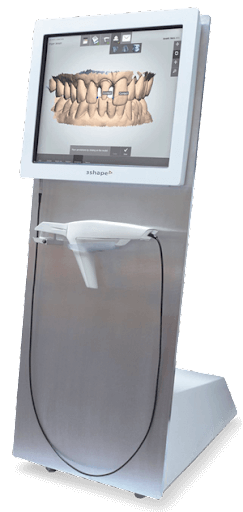
As digital technology reshapes our industry, the workflow for full-arch restorations has become more precise and efficient than ever. Sending a digital impression from your intraoral scanner is just the beginning. Your lab partner takes that data and uses advanced CAD/CAM software to design and mill a prosthesis with incredible accuracy, minimizing adjustments and saving valuable chair time. This digital synergy is the cornerstone of modern restorative dentistry. When you partner with a lab that has mastered this process, you gain a significant advantage in delivering consistent, high-quality outcomes. Understanding how to leverage these digital all on 4 dental lab services is key to streamlining your workflow and achieving exceptional results for your patients.
Key Takeaways
- Choose a lab that acts as a true partner: The success of your All-on-4 cases depends on a lab that collaborates on treatment planning, uses high-quality materials, and leverages digital technology for precision and a predictable fit.
- Prepare patients for long-term success: Your role extends beyond the surgery. Clearly communicating the lifelong commitment to hygiene, setting realistic expectations, and discussing financial options are essential for patient satisfaction and the longevity of the restoration.
- Offer All-on-4 as an efficient full-arch solution: This treatment provides a significant advantage by offering patients a faster, more cost-effective path to a fixed, functional, and beautiful smile compared to traditional implant methods.
What Are All-on-4 Dental Lab Services?
All-on-4 dental lab services are the critical bridge between your surgical expertise and your patient’s final, life-changing smile. When you partner with a skilled lab, you’re not just ordering a product; you’re collaborating with technicians who specialize in the complex design and fabrication of full-arch restorations. They translate your clinical data and treatment plan into a functional, aesthetic, and durable prosthesis. From the initial temporary conversion to the final zirconia bridge, the lab’s precision and artistry are what ensure a predictable and successful outcome. Understanding what these services entail is the first step to choosing the right partner for your practice.
Breaking Down the All-on-4 Concept
The All-on-4 treatment concept is a game-changer for edentulous patients, offering a full-arch prosthesis on just four dental implants. This approach often means a faster and more cost-effective solution compared to traditional implant methods that may require more implants and bone grafting. From the patient’s perspective, it’s a streamlined path to a restored smile. For you, the clinician, it’s a powerful treatment option, but its success relies heavily on meticulous planning and execution. While the procedure is efficient, it’s important to understand the potential complications to ensure the best outcomes, which is where a skilled lab partner becomes indispensable.
The Dental Lab’s Role in the All-on-4 Process
Your dental lab is more than just a fabricator; they are your partner in restoring your patient’s smile and function. For All-on-4 cases, the lab’s role begins immediately after surgery, creating a provisional prosthesis for immediate loading. This critical step gives your patient an instant aesthetic and functional improvement. Later, the lab crafts the final, definitive prosthesis. This involves selecting the best materials, from durable acrylics to high-strength zirconia, and designing a restoration that offers a perfect fit, proper occlusion, and natural-looking aesthetics. The lab’s expertise in creating these complex hybrid dentures is what transforms a successful surgery into a life-changing result for your patient.
How Digital Tech Shapes All-on-4 Restorations
Digital dentistry has completely transformed the workflow for All-on-4 restorations, bringing a new level of precision and efficiency. It all starts when you send a digital impression from your intraoral scanner. From there, the lab uses advanced CAD/CAM (Computer-Aided Design/Computer-Aided Manufacturing) software to design the prosthesis with incredible accuracy. This digital design is then sent to a milling machine that fabricates the restoration from a solid block of material. This process minimizes the potential for human error, ensures a predictable fit, and often shortens turnaround times. By embracing digital case solutions, you and your lab can collaborate more effectively to produce consistently excellent results for your patients.
How Does All-on-4 Compare to Traditional Implants?
When patients are considering a full-arch restoration, the conversation often turns to All-on-4 versus traditional implants. Each approach has its place, but understanding the key differences helps you guide patients toward the best solution for their clinical needs, budget, and lifestyle. From cost and timeline to the final aesthetic outcome, let’s break down how these two powerful treatment options stack up.
Comparing Costs and Patient Savings
One of the most significant advantages of the All-on-4 protocol is its cost-effectiveness. By using just four strategically placed implants to support an entire arch, you reduce the overall cost of surgery and components compared to placing eight or more individual implants. This often makes a full-arch restoration more accessible for patients. For your practice, this efficiency translates to less chair time and a more streamlined workflow. The ability to offer a full-arch solution at a competitive price point is a powerful way to help more patients regain their smiles and confidence. It’s a practical solution that balances clinical excellence with financial feasibility.
Faster Timelines and Immediate Loading Benefits
Time is a critical factor for patients eager to restore their smiles, and this is where All-on-4 truly shines. The protocol is designed for immediate loading, which often allows for the placement of a provisional prosthesis on the same day as the implant surgery. This “time-to-teeth” is drastically shorter than traditional implant methods, which can require months of healing before a final restoration is attached. For patients, this means they can leave your office with a fixed, functional, and beautiful set of teeth right away. This immediate improvement in quality of life is a major patient satisfier for your dental implant cases.
The Edge in Aesthetics and Function
Beyond speed and cost, the All-on-4 treatment concept delivers exceptional aesthetic and functional results. The final prosthesis is custom-designed by the lab to create a natural-looking smile that complements the patient’s facial features. Modern materials, like zirconia and high-impact acrylics, offer incredible durability and lifelike translucency. Unlike a removable denture, an All-on-4 prosthesis is fixed, providing the stability patients need to eat, speak, and smile with confidence. This functional advantage is transformative, restoring chewing efficiency close to that of natural teeth. When you partner with a lab that excels in crown and bridge restorations, you can ensure the final result is both beautiful and built to last.
Answering Common Patient Questions
Patients will naturally have questions, and being prepared with clear answers builds trust. A common concern revolves around the success and longevity of the treatment. It’s important to explain that the success of an All-on-4 procedure heavily depends on the skill of the entire clinical team, including the surgeon and the restorative dentist. You can reassure them by highlighting your experience and your partnership with a high-quality lab. Patients also ask about maintenance. Discussing the need for regular cleanings and check-ups sets realistic expectations for long-term care. By addressing these points proactively, you empower patients to make an informed decision, backed by an experienced lab team.
How to Choose the Right All-on-4 Dental Lab
The success of an All-on-4 treatment rests heavily on the partnership between your practice and your dental lab. The final prosthesis must be functional, durable, and aesthetically pleasing to meet your patient’s expectations. Choosing the right lab isn’t just about finding a supplier; it’s about finding a collaborator who understands the complexities of these full-arch restorations. When vetting a potential lab partner, focus on four key areas: their credentials, the technology and materials they use, their quality control processes, and their communication style. A lab that excels in these areas will help you deliver consistent, high-quality outcomes for your patients.
Look for Key Certifications and Experience
When it comes to complex cases like All-on-4, experience is non-negotiable. You want a lab that has a proven track record with full-arch restorations. Don’t hesitate to ask about their case history or for examples of their work. Beyond hands-on experience, look for key industry certifications. Credentials like ISO 13485 indicate that the lab adheres to rigorous quality management standards for medical devices, ensuring consistency and safety in every product they create. A lab that invests in these certifications demonstrates a deep commitment to quality and regulatory compliance, giving you peace of mind that you’re working with a team of true dental industry professionals.
Verify Their Tech and Material Quality
The materials and technology a lab uses directly impact the final restoration’s longevity and appearance. For All-on-4 prostheses, labs typically work with high-quality materials like zirconia and acrylic, which are chosen for their strength and natural look. Ask potential partners what materials they recommend for your cases and why. It’s also important to confirm they are equipped with modern technology. A lab that embraces a digital workflow, including accepting digital scans, can streamline the entire process, reduce turnaround times, and improve overall accuracy. This tech-forward approach is a strong indicator of a lab that is committed to efficiency and precision.
Ask About Quality Control and Precision
A perfect fit is essential for the success of an All-on-4 prosthesis. Even minor inaccuracies can lead to patient discomfort and complications down the road. That’s why a lab’s quality control process is so important. Ask labs how they ensure precision throughout the fabrication process. Many top-tier labs use advanced CAD/CAM (Computer-Aided Design/Computer-Aided Manufacturing) technology to design and mill restorations with incredible accuracy. Inquire about their specific checkpoints and review processes. A transparent lab will be happy to walk you through the steps they take to guarantee every hybrid denture or prosthesis meets exact specifications before it leaves their facility.
Evaluate the Lab’s Reputation and Communication
Technical skill is only half of the equation; a great lab partner must also be a great communicator. Before committing, evaluate the lab’s reputation by reading reviews or asking colleagues for recommendations. Once you start a conversation, pay attention to their communication style. Are they responsive, clear, and helpful? You need a team that is accessible and willing to collaborate on treatment planning, especially for complex cases. A reliable lab will provide consistent support and act as an extension of your own team. The right partner makes the entire process smoother, helping you deliver exceptional results that keep your patients smiling.
What Are the Risks and Considerations with All-on-4?
The All-on-4 treatment concept offers a life-changing solution for many edentulous patients, but a successful outcome hinges on more than just surgical skill. As clinicians, our responsibility includes guiding patients through the potential risks and long-term commitments involved. A thorough understanding of these factors allows us to select the right candidates, set realistic expectations, and create a partnership with the patient that ensures the longevity of their new smile. By having these conversations upfront, we can build trust and equip our patients with the knowledge they need for a successful journey with their hybrid dentures. This proactive approach helps prevent future complications and ensures patients are fully prepared for the road ahead.
Understanding Potential Complications
While All-on-4 is highly effective, it’s important to be aware of potential complications. Implant failure, though rare, is a significant concern. Since the entire prosthesis rests on just four implants, the failure of even one can compromise the stability of the whole restoration. Another common issue is peri-implantitis, an inflammatory condition that affects the tissues around the implant and can lead to bone loss. The design of some full-arch prosthetics can create areas that are challenging for patients to clean, increasing this risk. The prosthesis itself can also encounter problems, such as fractures or chipping of the acrylic or ceramic, particularly in patients with bruxism. Discussing these possibilities helps patients understand the importance of their role in maintenance.
Identifying the Ideal Patient Candidate
Proper patient selection is the foundation of a successful All-on-4 case. The ideal candidate has sufficient bone volume and density in the jaw to ensure stable implant placement, although the protocol is specifically designed to work around areas of bone atrophy. Good overall oral health is also critical; patients should be free of active periodontal disease and have healthy gum tissue. Beyond oral health, their general health plays a role, as certain systemic conditions can affect healing and osseointegration. A thorough assessment, including a comprehensive medical history and CBCT scan, is essential to determine if a patient is a suitable candidate for dental implants and the All-on-4 protocol.
What to Know About Long-Term Maintenance
The long-term success of an All-on-4 restoration is a team effort between you and your patient. It’s crucial to communicate that these prosthetics require diligent, lifelong care. Patients must commit to a rigorous daily hygiene routine using specialized tools like water flossers, interdental brushes, and floss threaders to clean beneath the prosthesis and around the implants. This is non-negotiable for preventing peri-implantitis. Regular professional maintenance is equally important. Patients will need to return for scheduled follow-ups to have the prosthesis removed and professionally cleaned, and for you to assess the health of the implants and surrounding tissues. This consistent care is the best way to catch any potential issues early.
Setting Realistic Patient Expectations
Managing patient expectations from the initial consultation is key to their long-term satisfaction. While the immediate functional and aesthetic benefits of All-on-4 are remarkable, patients need a clear picture of the entire process, including the healing period and maintenance requirements. Explain that the success of their new smile depends on three things: your clinical expertise, the quality of the lab-fabricated prosthesis, and their personal commitment to daily care. Using precise digital case solutions can help plan for a predictable outcome, but patient compliance is the variable that ensures longevity. When patients understand their role and the potential challenges, they become active partners in their own success.
What Financial Options Support All-on-4 Services?
The cost of All-on-4 treatment is often the biggest hurdle for patients. As a provider, helping them understand their financial options is a crucial part of the conversation and can make the difference in case acceptance. From handling insurance claims to offering flexible payment plans, your practice can guide patients toward a solution that fits their budget. By clearly outlining the financial pathways, you empower patients to invest in a life-changing restoration while also building trust and loyalty for your practice. Let’s walk through the key financial components that support All-on-4 services.
A Look at Insurance and Reimbursement
Handling insurance for All-on-4 procedures requires a proactive approach. While most dental insurance plans don’t fully cover the treatment, certain parts of the process, like tooth extractions, may be eligible for coverage. In some cases, medical insurance might offer reimbursement if the procedure is deemed medically necessary. The key is for your administrative team to handle pre-authorizations diligently and provide all the required documentation to support the claim. Clearly communicating to patients what is and isn’t covered helps manage their expectations from the start and positions your practice as a helpful, transparent partner in their care.
Exploring Payment Plans and Financing
For many patients, out-of-pocket costs are a significant concern. This is where flexible financing can be a game-changer. Offering in-house payment plans or partnering with third-party healthcare financing companies makes the All-on-4 procedure much more accessible. Some patients with out-of-network PPO plans may also be able to get reimbursements for a portion of their treatment, which can help ease the financial load. By presenting these options upfront, you show patients that you’re committed to finding a workable solution, allowing them to move forward with treatment confidently without feeling overwhelmed by the total cost.
Understanding Lab Warranties and Guarantees
A reliable lab warranty offers peace of mind for both you and your patient. Before partnering with a dental lab, it’s essential to understand the terms of their guarantee on restorations like hybrid dentures. A strong warranty should cover material defects and workmanship, ensuring that any unforeseen issues are resolved without placing an additional financial burden on the patient or your practice. This guarantee reflects the lab’s confidence in its products and serves as a valuable assurance of quality. Be sure to ask potential lab partners for detailed information on their warranty policies, as this is a critical component of your long-term success with these cases.
Smart Cost-Saving Strategies for Your Practice
Partnering with the right dental lab is one of the most effective cost-saving strategies for your practice. A lab that offers competitive pricing without compromising on quality allows you to manage your overhead and pass those savings on to your patients, making treatment more affordable. You can also frame the All-on-4 procedure as a long-term investment for patients. It helps them avoid the cycle of costly emergency visits that often result from untreated dental problems. By combining efficient lab services with clear patient education, you can create a financially sound model for offering All-on-4 restorations.
Related Articles
- The Role Of Dental Laboratories In Optimizing All-On-4 Dental Treatment – Next Dental Lab
- Hybrid Denture vs All-on-4: 4 Key Differences
- Full-Service Dental Lab: Key Advantages for Your Practice
- Advanced Dental Technology Trends: 8 Innovations in Labs
Frequently Asked Questions
What’s the most important information I need to send the lab for an All-on-4 case? For a successful outcome, your lab needs a complete picture of the clinical situation. This always starts with a high-quality impression or digital scan of the full arch. You should also include a precise bite registration, detailed photos of the patient’s existing smile and facial structure, and a clear prescription that outlines your desired tooth shade and any specific design considerations. The more comprehensive the information you provide upfront, the better your lab partner can execute your vision with minimal delays.
How does a digital workflow really improve the outcome of a hybrid denture? A digital workflow brings a remarkable level of predictability to the process. When you send a digital scan, the lab can use CAD software to design the prosthesis with incredible accuracy, ensuring the final restoration fits the implant interfaces perfectly. This design is then milled by a computer, which eliminates the potential for human error that can occur with traditional fabrication methods. For your practice, this means fewer chairside adjustments and a more consistent, reliable result for your patient every time.
My patient is concerned about the long-term durability of their prosthesis. What material should I request from the lab? This is a great conversation to have with your lab partner, as the best material often depends on the patient’s specific needs. Zirconia is an excellent choice for its exceptional strength and resistance to wear and staining, making it ideal for patients with a strong bite or bruxism. High-impact acrylics are also very durable and have the added benefit of being more easily repairable should a tooth chip. A skilled lab technician can help you weigh the pros and cons of each to select the material that offers the right balance of aesthetics, function, and longevity for your patient.
Besides the final prosthesis, what other support can a good lab provide for an All-on-4 treatment? A true lab partner is involved long before the final restoration is made. They are a critical part of the immediate loading process, fabricating the provisional prosthesis that your patient wears home on the day of surgery. This requires a quick turnaround and precise work. Furthermore, a collaborative lab acts as a resource for case planning. You should feel comfortable calling your technician to discuss a complex case, review design options, or get advice on material selection before the treatment even begins.
What should I look for in a lab’s warranty for an All-on-4 restoration? A solid warranty is a sign that the lab stands confidently behind its work. When reviewing a lab’s policy, look for clear terms that specify the length of the warranty and exactly what it covers. It should protect against defects in both materials and workmanship. A transparent and fair warranty provides peace of mind for you and your patient, ensuring that if an unexpected issue arises with the prosthesis, the lab will be there to help make it right without creating a new financial burden.