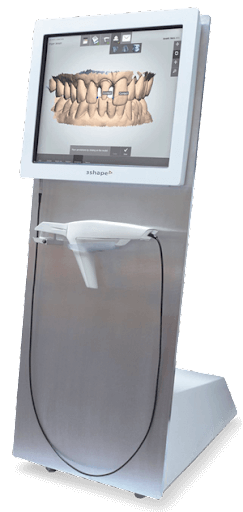
Let’s take a moment to appreciate the ingenuity of hybrid dental implants. These reliable and esthetically appealing dental restorations have completely reimagined full-arch tooth replacement. Offering a permanent, fixed solution for edentulous patients, this treatment has become a preferred option for clinicians and patients alike. At Next Dental Lab, we are dedicated to providing stellar dental implants and prosthetics that make these cases successful. Our craftsmanship integrates industry-leading techniques to offer you durable, well-fitting restorations. We believe in making advanced dental solutions accessible, which is why we focus on providing exceptional quality without the traditional high laboratory costs.
Let’s take a moment to appreciate the wonders of hybrid implants. These reliable and aesthetically appealing dental restorations have reimagined tooth replacement entirely. Offering a permanent solution to patients, hybrid implants have taken the dental arena by storm. At the heart of Next Dental Lab, we strive to excel in providing stellar dental implants. Our exceptional craftsmanship integrates industry-leading techniques to offer you durable, cost-effective implants. We carve our unique identity by enshrining affordability without compromising on quality in our dental solutions.
What Are Hybrid Dental Implants?
Hybrid dental implants represent a significant step forward in restorative dentistry, combining the stability of dental implants with the full-arch coverage of traditional dentures. This innovative solution is designed for patients who need to replace an entire arch of teeth, offering a permanent and comfortable alternative that looks and feels incredibly natural. Unlike removable dentures, a hybrid restoration is securely fixed in place, giving patients the confidence to eat, speak, and smile without worry. It effectively restores not just the teeth but also the surrounding gum tissue, creating a complete and lifelike smile.
At its core, a hybrid implant system provides a fixed prosthetic solution that bridges the gap between individual implants and conventional dentures. For dental professionals, this means you can offer your edentulous or soon-to-be edentulous patients a durable, long-term treatment that greatly improves their quality of life. The result is a streamlined, efficient, and highly predictable outcome that satisfies both clinical requirements and patient expectations. By partnering with a lab that specializes in these complex cases, you can ensure your patients receive a meticulously crafted restoration. At Next Dental Lab, we fabricate high-quality hybrid dentures designed for optimal function and esthetics.
How Hybrid Implants Work
The mechanics behind hybrid implants are both elegant and effective. The process begins with the surgical placement of several small titanium posts directly into the patient’s jawbone. Typically, four to six implants are used per arch to provide a solid foundation. These posts act as artificial tooth roots, integrating with the bone through a process called osseointegration. This fusion creates an incredibly strong and stable base for the final prosthesis. Once the implants have fully integrated, the restoration can be attached, ensuring it remains securely in place during all normal functions like chewing and speaking.
The Role of Abutments
Abutments are the critical connectors in the hybrid implant system. After the titanium implants have healed and fused with the jawbone, these components are attached to the top of each implant post. An abutment essentially serves as a “stump” that protrudes just above the gumline, creating a secure attachment point for the final hybrid denture. These connectors are precisely engineered to ensure a snug and stable fit, transferring the forces of biting and chewing from the prosthesis down to the implants and jawbone, mimicking the function of natural teeth.
Restoring Teeth and Gum Tissue
One of the standout features of hybrid implants is their ability to restore more than just teeth. The final prosthesis is a single, custom-fabricated piece that includes a full arch of teeth set in a base of acrylic or zirconia that replicates the appearance of healthy gum tissue. This is especially beneficial for patients who have experienced significant bone or gum tissue loss. The design not only provides a beautiful, seamless smile but also offers crucial support for facial structures, helping to prevent the sunken look that can occur with tooth loss.
The Need for Full-Arch Solutions
Hybrid implants are specifically designed as a full-arch solution, making them an ideal treatment for patients who are missing all or most of their teeth in the upper or lower jaw. This approach addresses the significant functional and aesthetic challenges that come with extensive tooth loss. Instead of replacing each tooth with an individual implant, a full-arch restoration uses a few strategically placed implants to support an entire bridge of teeth. This method is not only more efficient but also provides a comprehensive and cohesive result, restoring the patient’s smile and oral function in a single, streamlined procedure.
Types of Hybrid Implant Materials
When planning a hybrid implant case, one of the most important decisions involves selecting the right materials for the final prosthesis. The choice will depend on various factors, including the patient’s functional needs, aesthetic goals, and clinical situation. Each material offers a unique combination of durability, appearance, and handling characteristics. Understanding these differences is key to delivering a restoration that will stand the test of time while meeting your patient’s expectations. From time-tested combinations to modern monolithic options, the material you choose will directly impact the final outcome of the treatment.
Titanium and Acrylic
A common and reliable option for hybrid dentures is a combination of a strong titanium framework with acrylic teeth and a gingival base. The milled titanium bar provides a rigid, passive-fitting substructure that ensures the prosthesis is incredibly strong and durable. This framework is then overlaid with high-impact acrylic and denture teeth. This combination has a long track record of success and is often easier to repair or modify than other materials if adjustments are needed down the line. It offers a dependable solution that balances strength with reparability.
Full Zirconia
For patients seeking the highest level of aesthetics and durability, a full zirconia hybrid implant is an excellent choice. Milled from a solid block of zirconia, these restorations are exceptionally strong, resistant to chipping, and highly biocompatible. Because they are monolithic and contain no metal, they offer a beautiful, translucent appearance that closely mimics natural teeth. Full zirconia is also non-porous, which means it resists staining and is easy for patients to keep clean. This material is a premium option for delivering a truly lifelike and long-lasting smile.
Porcelain Fused to Metal (PFM)
Porcelain fused to metal (PFM) is another well-established option for fabricating hybrid dentures. This method involves creating a strong metal alloy framework and then layering it with hand-stacked porcelain to create the final teeth. PFM restorations are known for their strength and have been a staple in restorative dentistry for decades. The porcelain provides excellent aesthetics, while the metal substructure ensures long-term durability. This combination allows for a beautiful result that can withstand the forces of occlusion, making it a reliable choice for full-arch cases.
Smart Composite
A newer generation of materials for hybrid implants involves advanced composite resins combined with a metal or fiber-reinforced framework. These “smart composites” offer a unique advantage: they have a degree of flexibility and shock absorption that is more similar to natural teeth than porcelain or zirconia. This can be beneficial for the underlying implants, as it may help dampen occlusal forces. These materials are also highly polishable, stain-resistant, and can be easily repaired in the mouth if needed, offering a practical and resilient restorative option.
The Hybrid Implant Treatment Process and Timeline
The journey to a new smile with hybrid implants is a multi-stage process that requires careful planning and coordination between the surgeon, the restorative dentist, and the dental laboratory. While the exact timeline can vary based on the patient’s individual healing capacity and clinical needs, the process generally follows a predictable sequence of events. Managing patient expectations by clearly outlining these steps is crucial for a smooth and successful treatment experience. From the initial surgery to the final fitting, each phase plays a vital role in achieving a stable, functional, and beautiful outcome.
Implant Surgery
The first clinical step is the surgical placement of the dental implants. During this procedure, a surgeon will place four to six titanium posts into the patient’s jawbone in precise, pre-planned positions. This surgery is often performed with the help of a surgical guide created from digital scans to ensure optimal placement for supporting the final prosthesis. Any remaining failing teeth are typically extracted during this same appointment. This initial surgery sets the foundation for the entire restoration, so precision and care are paramount.
Temporary Teeth Placement
In many hybrid implant cases, patients can leave the surgical appointment with a temporary set of teeth. This immediate provisional restoration is often attached to the newly placed implants on the same day as the surgery. While this temporary prosthesis is not designed for heavy chewing, it allows the patient to have a functional and aesthetic smile throughout the healing period. This immediate improvement is a significant benefit for patients, as they never have to go without teeth while waiting for their final restoration.
The Healing Period
Following surgery, a crucial healing period of several months is required. During this time, the process of osseointegration occurs, where the jawbone grows around and fuses with the titanium implants, creating a strong, permanent bond. Patients will need to follow a soft diet and specific care instructions to protect the implants as they heal. Regular follow-up appointments are necessary to monitor the healing progress and ensure everything is proceeding as planned before moving on to the fabrication of the final, permanent hybrid denture.
Benefits and Drawbacks of Hybrid Implants
Like any advanced dental procedure, hybrid implants come with a distinct set of advantages and considerations. For the right patient, they offer a life-changing improvement in oral health and overall well-being. However, it’s important to have a clear and balanced discussion with patients about what the treatment involves, including the commitment required and the potential challenges. By weighing the benefits against the drawbacks, you can help patients make a fully informed decision about whether this transformative solution is the right path for them.
Key Benefits Over Traditional Dentures
The primary advantage of hybrid implants is their incredible stability. Because they are anchored directly to the jawbone, they do not slip, click, or shift like traditional removable dentures. This stability allows patients to eat a much wider variety of foods with confidence and speak more clearly. Furthermore, the implants stimulate the jawbone, helping to prevent the bone loss that typically occurs after teeth are lost. This preserves the patient’s facial structure and contributes to a more youthful appearance over the long term.
Potential Drawbacks to Consider
While the benefits are substantial, there are important considerations to discuss with patients. The treatment process involves surgery and a significant healing period, which requires patient compliance and patience. Additionally, maintaining a hybrid implant requires diligent oral hygiene. Patients must be committed to cleaning around the prosthesis and implants daily to prevent complications like peri-implantitis. The overall investment in time and resources is also greater than that for traditional dentures, which is a key factor for patients to consider when evaluating their options.
How Long Do Hybrid Dental Implants Really Last?
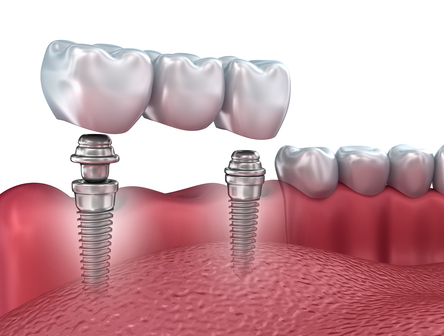 Hybrid dental implants boast a durable construction. The base, made from titanium, integrates with the jawbone, acting like the tooth’s root. This secure bond not only prevents bone loss but also supports the overall structure of the face. The top part, usually made from high-quality acrylic or porcelain, is designed to mimic natural teeth. These materials ensure that hybrid implants can withstand daily use, lasting many years with proper care. Since they become part of the jaw, they offer a permanency that traditional dentures cannot match. The key factor in their longevity is the osseointegration process, which, when successful, makes the implant part of the patient’s bone structure.
Lifespan of Implant Posts
The implant posts themselves, which are the titanium screws surgically placed into the jawbone, are incredibly resilient. When osseointegration is successful and the patient maintains good oral hygiene, these posts can last a lifetime. This remarkable longevity is because the titanium fuses with the bone, creating a permanent, stable foundation that mimics a natural tooth root. This fusion not only secures the restoration but also helps preserve jawbone density. The durability of these foundational components is a primary reason why dental implants are considered a long-term solution for tooth loss. Proper care, including regular check-ups and cleanings, is essential to ensure the health of the surrounding gum tissue and bone, which directly supports the implant’s success over the decades.
Lifespan of the Prosthesis
While the implant posts are built for permanence, the prosthesis—the visible bridge of artificial teeth attached to the posts—has a different lifespan. Due to normal wear and tear from daily functions like chewing and speaking, the prosthetic component typically needs replacement every 5 to 10 years. The materials used, whether acrylic or zirconia, are tough but will eventually show signs of use. This is a predictable part of the maintenance plan for a hybrid denture. Fortunately, replacing the prosthesis is a straightforward process that doesn’t require new surgery. It simply involves creating a new set of teeth to attach to the well-integrated and stable implant posts already in place.
Are You a Candidate for Hybrid Implants?
Not all patients are ideal candidates for hybrid dental implants. The procedure requires a sufficient amount of healthy jawbone for implantation. Patients with significant bone loss may need bone grafting, adding to the complexity and length of treatment. Besides physiological requirements, motivation for diligent oral hygiene plays a critical role. Patients considering hybrid implants must commit to regular maintenance and dental checkups. These prerequisites ensure that only those suitable for such a long-term solution undergo the procedure, maximizing its success rate.
Achieving a Natural Smile with Hybrid Implants
The aesthetic appeal of hybrid dental implants is undeniable. Custom-designed to blend with the patient’s existing teeth, they provide a natural, confident smile. The materials used capture the translucency and depth of natural teeth, making it difficult to distinguish between the implant and the real thing. This level of aesthetic accomplishment is a significant draw for patients seeking not only functionality but also an enhancement of their smile. The ability to custom-fit each implant to the individual’s mouth ensures a comfortable, seamless integration into the dental arch.
How to Care for Your Hybrid Dental Implants
While hybrid dental implants offer a durable and permanent dental solution, their longevity greatly depends on proper care. Regular brushing and flossing are essential to prevent plaque buildup around the implants. Moreover, bi-annual dental checkups allow for professional cleaning and the opportunity to address any issues early on. Patients must also protect their implants from undue stress. Avoiding hard foods that could damage the implants and wearing a nightguard if teeth grinding is a problem can help maintain their integrity. This level of aftercare commitment from the patient is crucial for the implants to remain a true permanent solution.
Recommended Cleaning Tools
Maintaining hybrid implants requires a specific toolkit to ensure every surface is clean. A soft-bristled toothbrush is a great starting point for gently cleaning the prosthesis without scratching the material. However, cleaning underneath the bridge is the most critical step. Water flossers are fantastic for this, as they can flush out food particles and plaque from hard-to-reach areas around the implants and under the denture. You can also recommend interdental brushes, which are small enough to navigate the tight spaces. Using these tools daily is non-negotiable for preventing inflammation and ensuring the long-term health of the gums and underlying implants.
Potential Complications to Avoid
While hybrid implants are incredibly resilient, they aren’t indestructible. Patients should be aware of a few potential issues to keep their smiles in top shape. The most common concern is peri-implantitis, an inflammatory condition similar to gum disease that can affect the tissue around the implants. This is usually preventable with diligent hygiene. Another point of caution is mechanical stress. Advising patients to avoid chewing on ice, hard candies, or other extremely hard foods can prevent chipping or cracking the acrylic or porcelain. For patients who grind their teeth, a custom nightguard is an essential protective measure to shield their beautiful and functional hybrid dentures from excessive force.
Financial Considerations for Hybrid Implants
When discussing hybrid implants with patients, it’s important to frame the conversation around a long-term investment in their oral health and quality of life. The financial commitment for a full-arch restoration reflects the advanced materials, surgical complexity, and expert craftsmanship involved. The total outlay can be influenced by several factors, including the number of implants required, the choice of prosthetic material (like zirconia versus acrylic), and whether preliminary procedures such as bone grafting are necessary. This solution is designed to last for decades, often making it a more sustainable option over time compared to repeatedly replacing traditional dentures.
As a dental professional, managing your lab expenses is key to making these advanced treatments more accessible to your patients. By partnering with a lab like Next Dental Lab, you can significantly reduce your overhead for high-quality restorations. We focus on combining state-of-the-art technology with efficient processes to deliver exceptional dental lab solutions without the traditional markup. This allows you to provide your patients with top-tier hybrid implants while maintaining a healthy bottom line for your practice, creating a win-win scenario for everyone involved.
Alternative Designs for Severe Bone Loss
One of the most significant advantages of hybrid implants is their suitability for patients with moderate to severe jawbone loss. Historically, these patients might have been told they weren’t candidates for implants or would require extensive and invasive bone grafting procedures. Hybrid implant systems, however, were specifically developed to work around these challenges. The treatment protocol often involves placing the posterior implants at a strategic angle, which maximizes contact with the patient’s existing, denser bone. This technique frequently bypasses the need for sinus lifts in the upper jaw or avoids interfering with the major nerve in the lower jaw.
This innovative approach opens the door to a stable, permanent tooth replacement solution for a much broader patient population. By utilizing the available bone structure more effectively, you can offer patients the life-changing benefits of a fixed full-arch prosthesis with a less complex surgical path. At Next Dental Lab, we specialize in fabricating the custom prosthetics required for these sophisticated cases, ensuring a precise fit and natural aesthetic for all types of dental implants. This allows you to confidently treat even the most challenging full-arch cases in your practice.
Choose Quality and Affordability with Next Dental Lab
Redefine your dental experience with Next Dental Lab. We present a full-service dental lab that revolutionizes dental care by offering quality coupled with affordability. Go ahead and get on a journey of transformation. Get in touch today for impeccable dental products and restore your patients’ beautiful smiles.
Frequently Asked Questions
How do I choose the right material for my patient’s hybrid prosthesis? Selecting the best material really comes down to balancing your patient’s specific needs with the clinical situation. For ultimate strength and lifelike aesthetics, full zirconia is a fantastic choice as it’s incredibly durable and resistant to staining. A titanium bar with acrylic is a time-tested, reliable option that offers a strong foundation and is generally easier to repair if needed. It’s about discussing the trade-offs between factors like aesthetics, durability, and reparability with your patient to find the perfect fit.
What should I tell my patients about the long-term maintenance of their hybrid implant? Patient education is key for the success of these restorations. You can explain that caring for a hybrid implant is a lifelong commitment, similar to caring for natural teeth. They will need a diligent daily routine that includes cleaning under the prosthesis with tools like a water flosser or interdental brushes to keep the underlying implants and gum tissue healthy. Regular professional cleanings and check-ups at your office are also non-negotiable to ensure everything remains in top condition.
You mentioned temporary teeth on the day of surgery. How does that process work? This is one of the most significant benefits for patients. In many cases, a temporary prosthesis can be attached to the implants on the same day as the surgery. This provisional set of teeth is designed to provide immediate aesthetics and function, meaning the patient never has to go without a smile. It’s important to manage their expectations, however, by explaining that this temporary restoration requires them to stick to a soft diet while the implants heal and integrate with the bone.
How are repairs handled if a hybrid prosthesis gets damaged? The approach to repairs depends heavily on the material used for the prosthesis. Restorations made with acrylic or smart composites are often more straightforward to fix, and minor repairs can sometimes be handled in your office. Materials like full zirconia are extremely strong but can be more complex to repair if a fracture occurs, typically requiring it to be sent back to the lab. This is an important consideration when initially selecting the material for the case.
Are hybrid implants a viable option for patients with significant bone loss? Absolutely, and this is one of the main reasons the treatment was developed. The protocol often involves placing implants at specific angles to engage with the patient’s existing, denser bone tissue. This technique frequently allows you to provide a fixed, full-arch solution for patients who might not have been candidates for traditional implants without first undergoing extensive bone grafting procedures.
Key Takeaways
- Offer a stable, full-arch solution: Hybrid implants are a fixed restoration that anchors directly to the jawbone, giving patients a permanent and reliable alternative to removable dentures that also helps preserve facial structure.
- Select materials based on clinical goals: The final prosthesis can be fabricated from various materials, such as durable full zirconia or repairable acrylic over a titanium bar, allowing you to customize the restoration for both aesthetics and function.
- Emphasize the importance of patient aftercare: The long-term success of a hybrid implant case relies on the patient’s commitment to a diligent daily hygiene routine, using specific tools like water flossers to clean under the prosthesis and prevent complications.