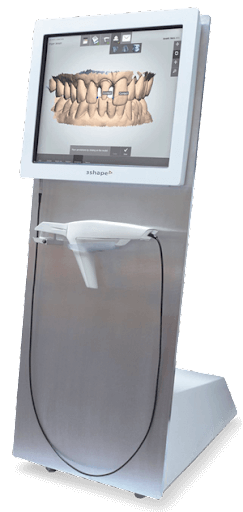
Your patients notice the difference when you adopt technology that makes their visits more comfortable and efficient. An intraoral scanner eliminates messy impressions and provides instant visuals, which builds trust and case acceptance. The iTero system is a popular way to deliver this modern experience, but it comes with a significant investment. Understanding the iTero cost is the first step for any practice leader looking to justify the purchase. We’ll walk through the pricing of different models and the ongoing expenses, connecting the financial commitment back to the tangible benefits for your patients and your practice’s growth.
The iTero dental scanner cost is a topic many dentists research before investing in digital technology. These scanners have become known for their ability to capture precise digital impressions and support a range of restorative and orthodontic workflows. As digital dentistry continues to grow, understanding the price and value of tools like iTero helps practices plan smarter. Knowing what affects the total investment can guide your choice between models, features, and long-term benefits for your workflow.
What Factors Determine the iTero Scanner Cost?
 The iTero lineup includes several models designed for different applications. Prices range from around $20,000 for entry-level options to nearly $50,000 for premium systems. The variation depends on factors such as imaging technology, scan speed, software capabilities, and overall build. For example, newer models feature Near-Infrared Imaging (NIRI) technology that detects interproximal caries above the gumline in real time. While these advanced features come with higher costs, they can improve diagnostic accuracy and workflow efficiency over time.
Specific Model Costs
When you’re ready to look at specific models, you’ll find that the price points reflect the technology inside. Each iTero scanner is built to serve different clinical needs, from straightforward restorative work to complex orthodontic cases. The cost is directly tied to the scanner’s capabilities, such as its imaging speed, color rendering, and diagnostic tools like caries detection. Thinking about your practice’s daily workflow and future goals will help you decide which features are essential and which are nice-to-haves. This way, you can find a model that fits both your clinical requirements and your budget without overspending on technology you won’t use.
iTero Element 5D and 5D Plus
The iTero Element 5D series is a popular choice for many practices making the move to digital. The standard Element 5D typically costs between $23,000 and $36,000. For practices looking for more power, the iTero Element 5D Plus Series ranges from $42,000 to $48,000. The higher price of the Plus models gets you faster processing and more advanced imaging technologies that can really enhance diagnostic capabilities. These scanners are designed to make your workflow more efficient and simplify the process of sending digital cases to your lab. The investment in a Plus model often pays off in time saved and enhanced patient communication.
iTero Lumina
At the top of the lineup is the iTero Lumina, which represents a major step forward in scanning technology. This premium model is expected to cost between $45,000 and $50,000. The price reflects its cutting-edge features, including a wider field of view and faster capture speed, which make scanning easier and more comfortable for patients. The Lumina is a significant advancement in intraoral scanning, particularly with its upcoming 2025 software update that will further improve its features. For practices that want to be on the leading edge of digital dentistry, the Lumina is a powerful tool that makes it simple to connect your scanner and collaborate seamlessly with a digital lab.
Which iTero Features Are Worth the Investment?
Beyond capturing impressions, these scanners often include tools that enhance case presentation and patient experience. Features like interactive visualization, treatment simulations, and advanced optics make digital scanning more comprehensive than traditional impressions. A higher field of view and faster image processing help reduce chair time, which allows teams to focus on treatment rather than data correction. Scanners also integrate with treatment planning software to support restorative and orthodontic cases with improved accuracy and predictability.
Details of Key Models
When you’re looking at the iTero lineup, two models often come up: the high-performance Lumina and the reliable Element 5D Plus. Each has its own strengths depending on your practice’s specific needs and budget. Understanding the key differences in their specifications can help you decide which scanner aligns best with your clinical goals and financial plans. While both are powerful tools that can transform your digital workflow, they are designed to solve slightly different problems within a modern dental practice. Let’s break down what sets them apart.
iTero Lumina Specifications
The iTero Lumina is positioned as a premium scanner, with a price tag typically between $45,000 and $50,000. Its main advantage is incredible speed and efficiency, capturing a full arch in approximately 30 seconds. This model represents a significant technological leap for Align Technology, offering superior imaging quality and a smoother user experience. For practices that handle a high volume of Invisalign cases or prioritize having the latest technology to reduce chair time, the Lumina is often considered a top-tier choice. Its performance and features are designed to streamline the most demanding digital workflows, making it a powerful investment for future growth.
iTero Element 5D Plus Specifications
The iTero Element 5D Plus series, which costs between $42,000 and $48,000, is an updated version of the classic Element 5D. The Plus model features significantly improved internal computer components, resulting in faster processing and a more fluid scanning experience than its predecessor. While the older Element 5D is still available at a lower price point, the 5D Plus provides the power needed for modern case complexities without the premium cost of the Lumina. It’s a dependable workhorse for practices that need robust scanning capabilities for a mix of restorative and orthodontic work, offering a great balance of price and performance.
Invisalign Integration
Perhaps the most significant advantage of the iTero system is its exclusive, direct integration with Invisalign treatment. iTero scanners are the only ones that connect seamlessly with the Invisalign platform, creating a streamlined workflow from scan to treatment planning. This makes it an ideal tool for any practice offering clear aligners, as it eliminates extra steps and potential data transfer issues. This seamless process isn’t just for orthodontics. Once your scan is complete, you can easily send your digital cases to a lab for restorative work, like crowns or bridges, creating a unified digital workflow for your entire practice.
Are There Ongoing Software and Subscription Fees?
When evaluating the iTero dental scanner cost, software is another factor to consider. The included software manages scanning functions, imaging workflows, and cloud-based case storage. Some versions have subscription fees tied to updates, maintenance, or cloud services. Practices benefit most when their software runs smoothly, loads scans quickly, and allows easy data sharing with their dental lab. Over time, a responsive digital platform can lead to more efficient case turnaround and better patient outcomes.
Subscription and Service Plans
When you’re looking at the price tag of a new scanner, it’s easy to focus on the initial purchase price. However, the total cost of ownership includes more than just the hardware. You’ll also need to account for ongoing software subscriptions, service plans, training, and warranty coverage. Some iTero models, particularly the newer ones, come with mandatory monthly or annual fees to keep the software updated and maintain support. These plans are essential for keeping your scanner running smoothly, but they represent a long-term financial commitment. Before making a decision, it’s a good idea to get a clear breakdown of all recurring costs so you can budget accurately for the years ahead.
Consumable Costs
Another ongoing expense to factor into your budget is the cost of consumables. To maintain hygiene standards and ensure clear scans, iTero scanners require single-use items for each patient. Most models use disposable scanning tips or sleeves that must be replaced after every appointment. Depending on the specific model, these can cost anywhere from $3 to $5 per scan. While that might not sound like much on its own, these small costs can add up quickly in a busy practice. Calculating your estimated monthly patient volume will give you a realistic idea of how much you’ll spend on these necessary supplies over time.
Advanced Software Features
The software that powers iTero scanners is a huge part of their value. Beyond just taking digital impressions, the platform includes powerful tools for diagnosis and patient communication. For instance, the Align Oral Health Suite helps you visualize and discuss treatment options with patients in real time. For restorative work, the iTero Design Suite provides cloud-based CAD software to plan cases before sending them to the lab. And, of course, the seamless integration with Invisalign is a major advantage for orthodontic workflows. When you connect your scanner to a digital-ready lab, this advanced software ensures the data for your crowns, bridges, and implants is precise and easy to work with.
Beyond the Purchase: Support, Training, and Warranty
The total cost of ownership extends beyond the scanner itself. Maintenance programs, training, and warranty coverage also influence long-term value. Regular servicing prevents unexpected downtime, while well-trained staff can operate the scanner efficiently from day one. Some suppliers include a limited warranty that covers hardware replacement or technical support. Understanding these terms before purchase helps you forecast ongoing expenses and manage the system’s life cycle more effectively.
Exploring Cost-Saving Options
The initial price tag for an iTero scanner doesn’t have to be the final word. Several strategies can help you manage the investment and find a price point that fits your practice’s budget. Thinking outside the box, from exploring the pre-owned market to leveraging your practice’s purchasing power, can lead to significant savings. These approaches allow you to adopt powerful digital technology without overextending your financial resources. By looking into all available avenues, you can make a smart, cost-effective decision that benefits both your team and your patients for years to come.
Certified Pre-Owned Scanners
One of the most direct ways to reduce costs is by considering a Certified Pre-Owned (CPO) iTero scanner. Reputable resellers offer CPO units that have been thoroughly inspected, refurbished, and calibrated to meet manufacturer standards, giving you reliability at a lower price. According to Renew Digital, purchasing a CPO iTero scanner can save you money and may even come without monthly software fees for the first few years. This option provides an excellent entry point into digital dentistry, allowing you to access advanced features and improve your workflow while keeping initial expenses in check.
Negotiations and Promotions
Don’t hesitate to negotiate the price with a sales representative. Scanner costs are often flexible, and Align Technology, the company behind iTero, is known to offer promotions and discounts. Practices with high Invisalign volume may qualify for special “Fusion Agreements,” and trade-in offers for older equipment can also lower the price. The best approach is to contact a local representative to discuss your practice’s specific needs and see what kind of pricing they can offer. Building a relationship and clearly stating your budget can open the door to a better deal.
How iTero Compares to Competitors
While iTero is a leader in the digital scanning space, especially with its seamless Invisalign integration, it’s not the only option on the market. Competing brands offer powerful features, and some are known for their more open architecture, which gives you greater flexibility in how you work with labs and design software. Exploring these alternatives can help you find a scanner that not only meets your clinical needs but also aligns with your practice’s philosophy on technology and workflow. Comparing systems like Medit and Sirona can provide a clearer picture of the landscape and ensure you make a well-informed choice.
Medit Scanners
Medit has quickly gained a reputation for offering exceptional value in the intraoral scanner market. Many dental professionals find that Medit scanners provide high-quality performance and a robust feature set at a more accessible price point. As one dentist on Reddit noted, “Medit is great value.” A key advantage is its open system, which allows for easy exporting of scan files to any lab or design software without restrictive protocols. This flexibility is crucial for practices that want to work with their preferred partners without being locked into a specific ecosystem.
Sirona Primescan
Sirona’s Primescan is another top-tier competitor often praised for its speed, accuracy, and user-friendly interface. Like Medit, it operates on a more open platform than iTero, giving you more control over your digital files. For practices interested in bringing more of the restorative process in-house, Primescan offers a distinct advantage. It integrates directly with the Primemill, allowing for a complete chairside CAD/CAM workflow. A Reddit user highlighted this, stating that Primescan is “a lot more open than the iTero” and allows you to get the Primemill going forward if you want the whole workflow in-house.
Understanding the Cost for Your Patients
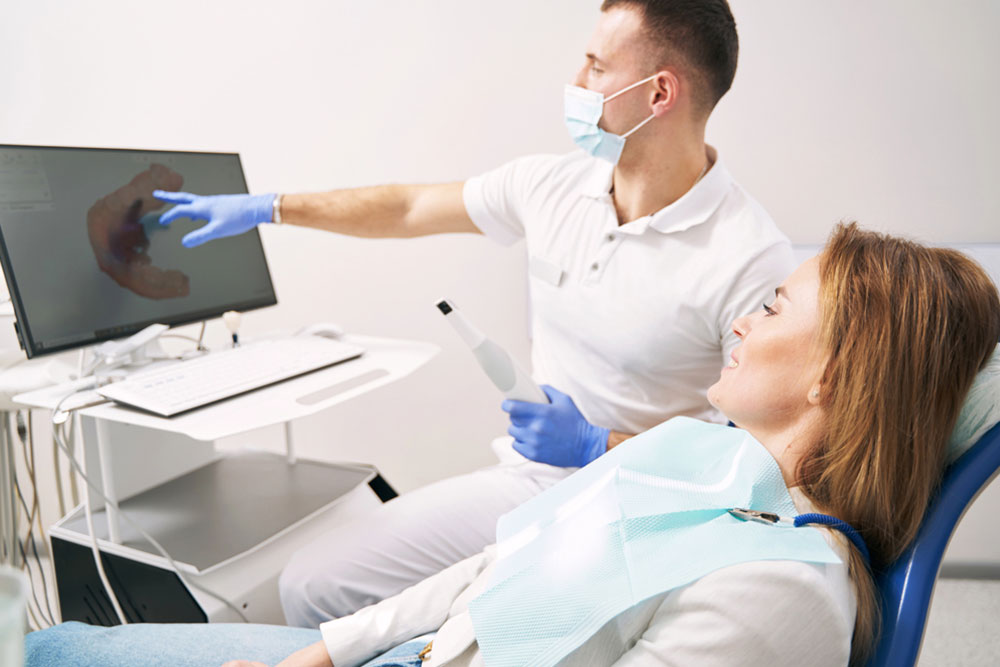
When you invest in a new piece of technology, it’s also important to understand how it will affect your patients, particularly when it comes to billing and insurance. An iTero scan enhances the patient experience by eliminating the need for messy traditional impressions and providing immediate visual feedback. Communicating the value of this technology and being transparent about any associated costs is key to patient satisfaction. Fortunately, billing for digital scans is often straightforward, and many insurance plans recognize the benefits of this advanced diagnostic tool.
How Scans Are Billed to Patients
For most patients, the cost of an iTero scan isn’t a separate line item on their bill. Instead, it’s typically bundled into the total price of their dental treatment, whether it’s for Invisalign, crowns, or implants. This approach simplifies billing and frames the scan as an integral part of providing high-quality care. In cases where a scan is performed for diagnostic purposes alone, it might be billed separately. According to KS Dental, a standalone scan might cost around $150, but this is less common than including it within a comprehensive treatment plan.
Dental Insurance Coverage
Many patients will be pleased to learn that their dental insurance may help cover the cost of an iTero scan. Coverage is most likely when the scan is deemed a medically necessary part of a restorative or orthodontic procedure. For example, insurance plans will often cover scans when they are part of a necessary treatment like fabricating crowns or planning for dental implants. Your administrative team can help patients by submitting the appropriate codes and documentation to maximize their benefits, making advanced digital care more accessible.
How Can an iTero Scanner Grow Your Practice?
Adopting digital scanners often leads to faster treatment planning and improved case accuracy. Real-time visualizations allow patients to see their treatment possibilities, improving confidence and acceptance rates. Digital scans eliminate the need for physical impressions, reducing material waste and storage needs. When paired with reliable digital scanners and modern lab systems, practices can strengthen communication, improve turnaround times, and enhance the overall patient experience.
Get the Most From Your Scanner With a Digital Lab Partner
At Next Dental Lab, we understand that advanced technology like digital scanning should work hand in hand with dependable lab support. Our team helps dentists achieve accuracy and efficiency by working with precise, traceable, and FDA-approved restorations. With our digital integration and streamlined case tracking, you can make the most of your investment and deliver consistent, high-quality results to every patient.
Frequently Asked Questions
What are the “hidden” costs I should budget for besides the scanner itself? The initial purchase price is just the beginning. You should also account for ongoing expenses like software subscriptions, which are often required for updates and support. Additionally, you’ll have consumable costs for the single-use scanning tips or sleeves needed for each patient. While a few dollars per scan seems small, it adds up quickly in a busy practice, so it’s wise to factor that into your monthly budget.
Is it worth paying more for the iTero Lumina over the Element 5D Plus? That really depends on your practice’s specific needs. The Lumina is a top-tier machine designed for high-volume offices that prioritize speed and want the absolute latest technology to minimize chair time. The Element 5D Plus, on the other hand, is a fantastic workhorse that offers a great balance of performance and price. It’s more than capable of handling a busy mix of restorative and orthodontic cases without the premium cost of the Lumina.
How does investing in an iTero scanner actually benefit my practice’s bottom line? An iTero scanner can improve your profitability in a few key ways. First, it significantly reduces chair time by making the impression process faster and eliminating the need for retakes, allowing you to see more patients. Second, the instant, clear visualizations help with case acceptance. When patients can see a 3D model of their teeth and a simulation of their treatment outcome, they are more likely to move forward with your recommendations.
I know iTero is great for Invisalign, but how well does it work for other restorations? While the seamless Invisalign integration is a major selling point, iTero scanners are incredibly versatile. The same precise digital scan you take for clear aligners can be sent directly to your lab partner for all kinds of restorative work, including crowns, bridges, and implants. This creates a single, efficient digital workflow for your entire practice, not just your orthodontic cases.
Are there any ways to get an iTero scanner without paying the full list price? Yes, you definitely have options. A great way to save is by looking into Certified Pre-Owned (CPO) models from a reputable reseller, which can give you a reliable, calibrated machine at a much lower cost. It’s also always a good idea to speak directly with a sales representative. They often have promotions, trade-in offers for your old equipment, or special pricing agreements that aren’t advertised.
Key Takeaways
- Match the scanner to your practice’s needs: iTero scanner prices range from around $20,000 to $50,000. Evaluate your daily workflow and clinical goals to determine if a versatile model like the Element 5D Plus or a premium option like the Lumina is the right investment for you.
- Look beyond the initial sticker price: The total cost includes more than just the hardware. Be sure to budget for recurring expenses like software subscriptions, service plans, and per-patient consumables such as disposable scanning tips.
- Explore your options for greater flexibility: While iTero is known for its seamless Invisalign integration, competitors like Medit and Sirona offer powerful scanners with open systems. This gives you more freedom to choose your preferred digital lab and design software partners.