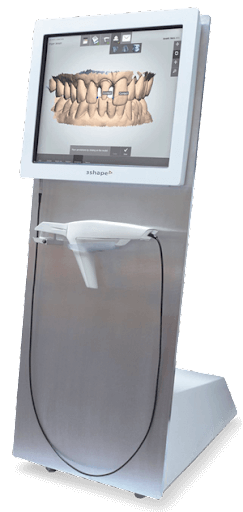
When you receive a lab bill for a full arch case, do you know exactly what you’re paying for? The final number reflects a combination of materials, technician time, and technology, but these details aren’t always clear. This lack of clarity can make it difficult to create accurate treatment plans and explain the investment to your patients. Demystifying the cost of full arch dentures from a lab is the first step toward more predictable case planning. This article will pull back the curtain on lab fees, exploring the key factors that influence the final amount so you can feel fully confident in your financial discussions and lab choices.
Key Takeaways
- Break Down the Total Investment, Not Just the Lab Fee: Build patient trust by clearly itemizing all components of their treatment plan—including your professional fees, preparatory procedures, and practice overhead—to show the full value behind the final figure.
- Frame the Conversation Around Long-Term Value: Guide patients beyond the initial sticker shock by comparing the lifetime benefits and potential future expenses of different denture options, helping them make a decision based on lasting function and confidence.
- Choose a Lab Partner That Protects Your Practice: The quality of your lab’s work directly affects your chair time and reputation. Prioritize a partner who offers transparent fees, uses high-quality materials, and provides reliable turnaround times to ensure predictable, successful outcomes.
What Are Full Arch Dentures?
When a patient needs a complete smile restoration, full arch dentures are the go-to solution. These restorations replace an entire arch of missing teeth in the upper or lower jaw, restoring function and aesthetics. As a dental professional, you know there isn’t a one-size-fits-all answer. The right option depends on the patient’s anatomy, goals, and budget. Understanding the different types of full arch dentures is the first step in creating a treatment plan that aligns with their needs and helps you manage expectations about the final investment. From traditional removable options to advanced implant-supported solutions, each comes with its own set of clinical considerations and lab requirements.
A Look at Traditional Removable Dentures
Traditional complete dentures are the most familiar option for many patients. These removable restorations are designed to replace all teeth in an arch and rest directly on the gingival tissue. They offer a functional and accessible solution for edentulous individuals, restoring their ability to chew and speak with confidence. While they provide a significant cosmetic improvement, they can sometimes lack the stability of fixed options. For patients, the national average for a full set of conventional dentures can range from around $1,500 to over $3,600. This makes them an approachable starting point for conversations about full arch tooth replacement, especially for those concerned about the initial financial commitment.
Understanding Implant-Supported Dentures
For patients seeking superior stability and a more natural feel, implant-supported dentures are an excellent alternative. Instead of resting on the gums, these restorations are anchored by dental implants surgically placed in the jawbone. This connection prevents the shifting and slipping that can occur with traditional dentures, giving patients a renewed sense of confidence. The added security also improves bite force and helps preserve jawbone density over time. The total treatment expense for patients is considerably higher, often falling between $15,000 and $30,000 per jaw, reflecting the surgical procedures and advanced components involved. This option represents a long-term investment in both oral health and quality of life.
Exploring Hybrid Dentures
Hybrid dentures offer a sophisticated blend of the stability of implants and the full arch coverage of a denture. These screw-retained restorations attach to four or more implants, creating a fixed, non-removable solution that feels and functions much like natural teeth. Often fabricated from durable materials like zirconia or acrylic over a titanium bar, hybrid dentures provide exceptional aesthetics and strength. They are an ideal choice for patients who want a permanent restoration without the need for individual tooth implants. The lab component for these solutions is more complex, with zirconia full arches representing a higher value than standard hybrid options, but they deliver a premium, long-lasting result that many patients find well worth the investment.
Breaking Down Lab Fees for Full Arch Dentures
When you’re creating a treatment plan for a patient, understanding the lab fee for a full arch restoration is the first step. The investment can vary widely depending on the type of denture, the materials used, and the complexity of the case. Each option offers a different balance of function, aesthetics, and longevity, and the lab fee directly reflects the craftsmanship and technology required to create it. By breaking down the lab fees for different tiers of full and partial dentures, you can build more transparent and effective treatment plans for your patients. Below is a look at what you can generally expect for entry-level, mid-range, and premium restorations.
Entry-Level Removable Options
For patients who need a functional and accessible solution, entry-level removable dentures are a common starting point. The lab fee for a basic, single arch is often in the range of $600 to $1,000. These dentures are crafted to be a reliable and straightforward restoration. While they may not offer the same degree of customization or comfort as higher-end alternatives, they provide a solid, budget-friendly option. It’s always helpful to set clear expectations with patients about the fit and feel of these appliances, which can help debunk common denture myths and ensure they feel confident in their choice.
Custom Mid-Range Solutions
For patients seeking a better balance of quality and affordability, custom-fitted full dentures are an excellent choice. The lab fees for these mid-range solutions typically fall between $2,000 and $2,600 per arch. This fee covers the use of higher-quality materials and a more personalized fabrication process, resulting in a denture with improved comfort, durability, and a more natural appearance. The custom fit helps provide a better overall experience for the wearer, making it a popular option for patients who want a significant upgrade from entry-level dentures. For many, this level of customization is what makes them feel that dentures are worth it for their daily quality of life.
Premium Implant-Supported Restorations
At the highest tier, implant-supported restorations offer unparalleled stability and function. While the final patient investment for a full arch can be substantial, the lab fee for fabricating the prosthesis is a significant component of that total. These advanced restorations, such as our hybrid dentures, are anchored directly to the jawbone, providing the most natural feel and function possible. The lab work is incredibly complex, involving premium materials, precision milling, and meticulous design. This long-term investment in a patient’s oral health is reflected in the lab’s contribution to the final implant-supported denture cost, which accounts for the superior materials and expertise required.
What Factors Influence Lab Fees?
When you receive a lab bill for full arch dentures, several key elements contribute to the final amount. Understanding these components helps you set clear expectations with your patients and choose a lab partner that aligns with your practice’s needs. From the raw materials to the technology used, each factor plays a role in the craftsmanship and durability of the final restoration. Let’s look at the four main drivers behind lab fees so you can better explain the value of the treatment plan to your patients.
The Impact of Materials
The type of material used is one of the most significant factors determining the lab fee for a full arch restoration. High-quality materials like zirconia or premium acrylics offer superior durability and esthetics, but they also come with a higher material expense for the lab. This is why the national average cost for dentures can vary so widely. When you select a restoration, you’re not just choosing a product; you’re investing in the longevity and life-like appearance that different materials provide. For example, our hybrid dentures utilize advanced materials designed for both strength and a natural look, which is reflected in the lab fee.
Customization and Case Complexity
No two patients are alike, and the level of customization required for a case directly influences the lab fee. A straightforward case will require less technician time than a complex one involving unique anatomical challenges or specific esthetic demands. According to one family dentist, the time it takes to make dentures depends on the design’s complexity and material availability. Intricate characterizations, custom staining, and precise adjustments all require a technician’s skilled hand and artistic eye. This dedicated time and expertise are essential for achieving a perfect fit and a natural appearance, and they are a key component of the overall lab fee.
Digital vs. Traditional Workflows
The workflow a dental lab uses can also affect its fee structure. Traditional methods involving physical impressions and manual adjustments have long been the standard. However, modern labs are increasingly adopting digital workflows. Submitting digital cases can streamline the production process, potentially reducing chair time and material waste. While some labs may charge extra for rush services, a streamlined digital process can create efficiencies that benefit both the practice and the patient. Embracing digital dentistry often leads to more predictable outcomes and a smoother collaboration between your practice and the lab.
Lab Location and Overhead
Just like any business, a dental lab’s operational expenses are factored into its fees. A lab’s location plays a surprisingly large role in this. As CareCredit notes, the cost of dentures changes depending on where you live, with significant variations from state to state. Labs in major metropolitan areas with high rent and labor expenses will naturally have higher overhead, which translates to higher fees. At Next Dental Lab, we’ve structured our operations to manage these costs effectively, allowing us to provide high-quality restorations without the inflated fees you might find elsewhere.
Lab Fees vs. Final Patient Investment: What’s the Difference?
When you receive an invoice from the lab, that number is just one piece of the puzzle. Communicating the difference between the lab fee and the patient’s total investment is key to building trust. The final amount on a patient’s treatment plan reflects the custom prosthetic, your comprehensive care, and the operational costs involved in delivering a successful outcome. Let’s break down these components.
What Your Lab Bill Covers
Your lab bill is the direct expense for fabricating the patient’s custom prosthetic. This fee covers the materials, technology, and skilled labor required to create the full arch denture. Lab invoices are often calculated “per arch,” meaning you’ll see a line item for one upper or lower restoration. Whether you’ve ordered a set of removable dentures or a complex hybrid solution, this part of the bill is strictly for the physical product. It’s the foundational component, but it doesn’t include the clinical services you provide.
Factoring in Practice Overhead
The final amount a patient pays must also cover your practice’s overhead. This includes all the costs required to keep your doors open: rent, staff salaries, utilities, and equipment maintenance. These operational expenses are essential for providing high-quality care. As a result, the total investment for a patient can vary significantly by location. The average expense for dentures can differ by over a thousand dollars between states, largely due to local overhead, showing how these background costs influence the final figure presented to the patient.
Accounting for Professional and Consultation Fees
Beyond the prosthetic and overhead, the patient’s investment covers your professional expertise and chair time. This includes the initial consultation, diagnostic imaging, treatment planning, and any preparatory work like tooth extractions. Each of these steps involves your clinical skill and time. For instance, a comprehensive dental exam, X-rays, and extractions all have associated fees that contribute to the final treatment plan. You’re delivering a complete clinical service that ensures the restoration fits perfectly and functions correctly, and that value should be reflected.
How Location Affects the Final Treatment Plan
Where your practice is located has a real impact on the final treatment amount. The cost of living, local market competition, and regional business expenses all influence your fee structure. A practice in a dense urban center will have higher overhead than one in a smaller town, and this is reflected in the patient’s total investment. This is why a patient might see different figures for the same procedure depending on their location. Helping patients understand that the final amount for their dentures is shaped by these local economic factors is an important part of the conversation.
What Other Services Complete the Treatment Plan?
When you present a treatment plan to a patient, the lab fee for their full arch dentures is just one piece of the puzzle. To provide a clear and complete picture of their investment, it’s helpful to walk them through all the services that contribute to a successful outcome. From the initial consultation to long-term care, each step plays a vital role in the function, comfort, and longevity of their new smile.
Explaining these additional components helps manage patient expectations and builds trust. When patients understand the why behind each line item, they see the comprehensive value you provide beyond the final restoration. This transparency ensures there are no surprises and reinforces their confidence in your care. The following steps outline the full clinical journey, giving you a framework for discussing the complete treatment plan with your patients. This approach not only clarifies the financial commitment but also highlights the thoroughness of your process, from diagnostics to ongoing support for their new hybrid dentures.
Initial Exams and Imaging
Before any work begins, a thorough diagnostic phase is essential. This starts with a comprehensive dental exam to evaluate the patient’s overall oral health. You’ll need detailed imaging to create a precise and effective treatment plan. X-rays, such as panoramic scans or CBCTs, provide critical information about the patient’s jawbone density, nerve locations, and sinus cavities. These images are the foundation for designing a restoration that fits perfectly and functions correctly. When discussing the treatment plan, explaining that these initial steps are non-negotiable for a predictable outcome helps patients understand their value. These diagnostics are what allow you to send accurate digital case solutions to your lab partner, ensuring a smooth workflow from the start.
Necessary Preparatory Procedures
For many patients, some preparatory work is needed to create a healthy foundation for their new dentures. This often includes extractions to remove any remaining compromised teeth. Depending on the case, other procedures might be required, such as bone grafting to build up sufficient bone volume for implants or an alveoloplasty to smooth and reshape the jawbone for a better fit. If the patient has active periodontal disease, that will also need to be addressed before moving forward. Explaining these steps as a necessary investment in the long-term success of their restoration helps patients see them not as extra expenses, but as crucial parts of the treatment that ensure their new smile is both beautiful and stable.
Follow-Up Appointments and Adjustments
The treatment journey doesn’t end the day you deliver the final restoration. Follow-up appointments are critical for ensuring the patient’s comfort and the denture’s proper function. During these visits, you can check for any sore spots, assess the bite, and make minor adjustments as the patient adapts to their new prosthesis. Over time, as the gums and jawbone naturally change, the denture may need a reline to maintain a snug and comfortable fit. Educating patients about this adjustment period and the need for future modifications helps them feel supported and prepared. It sets the expectation that achieving the perfect fit is a collaborative process that continues after the initial placement.
Long-Term Maintenance and Repairs
Full arch dentures are a durable solution, but they require ongoing care to last. It’s important to discuss long-term maintenance with patients so they know how to protect their investment. This includes routine professional cleanings and annual check-ups to monitor the health of their oral tissues and the integrity of the prosthesis. While well-made removables can last for many years, they may eventually need repairs or replacement due to wear and tear or accidental damage. Setting these expectations upfront helps patients understand that their dentures, like any other medical device, require consistent upkeep to perform at their best over the long haul.
Common Misconceptions About Full Arch Denture Expenses
When patients hear “full arch dentures,” their minds often jump straight to a single, intimidating number. But as you know, the financial side of treatment is much more nuanced. Patients often arrive with a mix of assumptions and misinformation about what their restoration will involve financially. Helping them see the complete picture—from initial fees to long-term value—is key to building trust and ensuring they choose the best option for their health and lifestyle.
Guiding these conversations is a critical part of your role. By addressing common misconceptions head-on, you can reframe the discussion from a simple transaction to a collaborative plan for a long-term investment in their well-being. Let’s walk through some of the most frequent misunderstandings patients have about the expenses associated with full arch dentures and how you can provide clarity.
Underestimating Ongoing Maintenance
Many patients believe the initial payment for their dentures is the final one. This is especially true for those considering traditional removable options. They don’t always account for the recurring expenses that come with them. Over a lifetime, traditional dentures require adhesives, cleaning solutions, and periodic relines to maintain a proper fit as the jawbone changes. Eventually, they will need to be replaced entirely. These seemingly small, continuous expenses can accumulate, significantly affecting the total investment over time. When discussing options, it’s helpful to map out these potential future needs so patients can appreciate the full financial commitment of each choice.
Misinterpreting Insurance Coverage
Dental insurance can be a source of major confusion for patients. Some assume their plan will cover nothing, while others expect it to handle the entire bill. The reality is usually somewhere in the middle. Many dental plans cover a portion of the expense for restorations like removable dentures, but coverage for implants and hybrid solutions can vary widely. Helping patients understand their specific benefits, including annual maximums and deductibles, is a huge value-add. By encouraging them to see their plan as a helpful supplement rather than a complete solution, you can set realistic expectations from the start and avoid surprises down the road.
Focusing on Upfront Fees vs. Long-Term Value
The initial figure for an implant-supported restoration can cause “sticker shock,” leading patients to gravitate toward the lowest immediate number without considering the future. It’s our job to shift the focus from the upfront payment to the long-term value. While solutions like hybrid dentures have a higher initial investment, they offer incredible stability and longevity, often eliminating the need for frequent replacements. This makes them a more predictable and often more economical choice over a decade or more. Framing the conversation around a lifetime investment in their comfort, confidence, and quality of life helps patients see beyond the initial bill.
Overlooking How Lab Quality Affects Longevity
Patients don’t always connect the dots between the dental lab and the final product in their hands, but the lab’s craftsmanship is a huge factor in the longevity of a restoration. A lower lab fee might seem appealing, but it can sometimes signal the use of subpar materials or rushed production. This can lead to a poor fit, discomfort, and the need for frequent, costly adjustments or even a full replacement sooner than expected. Partnering with a lab that prioritizes high-quality materials and meticulous craftsmanship ensures the restoration is durable, comfortable, and built to last, providing better value and a better outcome for your patient.
Helping Patients Plan for Their Treatment
Once you’ve outlined the clinical side of a treatment plan, the conversation naturally turns to the financial investment. Helping patients understand their options is a crucial part of building trust and ensuring they can move forward with the care they need. When patients feel supported and informed about the financial details, they are more likely to accept treatment. A clear, straightforward approach can make all the difference, transforming a potentially stressful conversation into a productive planning session. By breaking down the costs and presenting manageable solutions, you empower patients to make the best decision for their health and budget.
Explaining Insurance Benefits Clearly
One of the first questions patients ask is about their insurance coverage. Navigating benefits can be confusing, so having a team member who can clearly explain what’s covered is a huge asset. Many dental insurance plans cover a portion of denture expenses, but the specifics vary widely. Your front office can become a key resource by helping patients understand their benefits and even handling the paperwork for them. Providing a clear breakdown of what insurance is expected to pay versus the patient’s responsibility removes ambiguity and prevents surprises down the road. This level of service not only helps the patient but also positions your practice as a true partner in their care.
Presenting Payment and Financing Plans
For many patients, the out-of-pocket expense is the biggest hurdle. Presenting flexible payment options can make a comprehensive treatment plan feel much more achievable. Whether you offer in-house payment plans or partner with dedicated lenders, the key is to make the total investment manageable. Breaking down a large sum into predictable monthly payments allows patients to fit the treatment into their budget without significant financial strain. When you present these options, show them exactly what their monthly payment would be for different timelines. This simple step helps patients visualize the path forward and feel more in control of their decision.
Discussing FSAs and HSAs
Don’t forget to remind patients about their Flexible Spending Accounts (FSA) or Health Savings Accounts (HSA). These accounts are a fantastic way for patients to use pre-tax dollars for their healthcare, which can result in significant savings. Many people forget they have these funds available or don’t realize they can be used for major dental work like full arch dentures. A simple mention during the financial consultation can be incredibly helpful. You can even include a small note about using an FSA or HSA in your treatment plan documents to ensure every patient is aware of this valuable option.
Connecting Patients with Third-Party Financing
For costs not covered by insurance, third-party financing can bridge the gap. Services like CareCredit are designed specifically for healthcare expenses and often offer promotional financing options, such as no interest if paid in full within a certain period. Partnering with these companies gives your patients another powerful tool to manage their treatment investment. You can simplify the process by having applications ready in your office or providing a direct link on your website. By connecting patients with financing options, you provide a clear, immediate solution that helps them say yes to the high-quality care you recommend.
How to Structure Your Patient Treatment Plans
Presenting a treatment plan for full arch dentures is more than just a financial conversation; it’s a critical step in building trust and setting clear expectations. When patients feel informed and confident, they are more likely to move forward with the care they need. Structuring your plans thoughtfully helps patients understand the full scope of their treatment, from the initial procedure to long-term maintenance. A well-organized plan breaks down the components of their investment, clarifies what’s included, and outlines the path to their new smile. By guiding them through their options with clarity and empathy, you empower them to make the best decision for their health and lifestyle. This approach not only improves case acceptance but also strengthens the doctor-patient relationship for years to come.
Create a Comprehensive Fee Breakdown
Transparency is your best tool for building patient trust. With the national average cost for dentures varying so widely, a detailed fee breakdown is essential. Instead of presenting a single lump sum, itemize the lab fees, your professional fees, and any associated procedures. This clarity helps patients see exactly where their investment is going and understand the value behind each component. When patients can connect specific fees to tangible services and high-quality materials, they feel more comfortable with the overall treatment plan. This approach demystifies the financial aspect of their care and allows them to make truly informed decisions without feeling overwhelmed or confused by a large, unexplained number.
Plan for Unexpected Adjustments
A great treatment plan looks beyond the day of delivery. It’s important to set realistic expectations about the entire journey, which includes ongoing care. Be sure to discuss potential future needs like adjustments, relining, cleansers, and adhesives. While these items may not be part of the initial lab bill, they are a real part of the patient’s experience. Including a section for potential long-term maintenance helps prevent surprises down the road and shows that you are considering their complete well-being. This foresight demonstrates thoroughness and care, reinforcing that your goal is their lasting comfort and success with their new dentures, not just completing the initial procedure.
Compare the Long-Term Value of Different Options
Help your patients see beyond the initial number on the page by framing the discussion around long-term value. While implant-supported solutions like hybrid dentures have a higher upfront investment, they often represent a better long-term investment in oral health and function. Explain how their durability can reduce the need for future replacements and adjustments compared to more traditional options. Use visuals or case studies to illustrate the functional and aesthetic benefits that last for years. When patients understand that a higher initial commitment can lead to greater stability, confidence, and fewer follow-up expenses, they can weigh their options based on lifetime value rather than just the immediate financial impact.
Find the Right Balance Between Quality and Affordability
Every patient’s financial situation is unique, so presenting a spectrum of solutions is key. You can guide patients toward an option that meets their budget while still delivering excellent clinical results. Explain the differences between entry-level, mid-range, and premium full arch dentures, focusing on the materials and fabrication processes that influence the final fee. For example, you can clarify how a custom, character-shaded removable denture from a lab like Next Dental Lab offers significant functional and aesthetic improvements over a basic option. This tiered approach allows you to collaborate with your patient to find the perfect intersection of quality, function, and affordability that works for them.
How to Choose the Right Dental Lab Partner
Selecting a dental lab is about more than just finding a vendor; it’s about choosing a partner who will become an extension of your practice. The quality of their work directly reflects on you and impacts your patients’ satisfaction and your practice’s reputation. A great lab partner helps you deliver consistent, high-quality results while making your workflow smoother and more predictable. When evaluating potential labs for your full arch cases, focus on four key areas: the materials they use, the clarity of their fee schedule, their technological capabilities, and their overall reliability. Getting these right will build a foundation for a successful, long-term relationship.
Verify Material Quality and Durability
The longevity of a full arch restoration depends heavily on the materials used to create it. You need a lab that uses high-quality, durable materials to ensure your patients receive a restoration that looks great and stands the test of time. The significant variation in what patients invest in dentures often comes down to the quality of the materials. Using premium materials for hybrid dentures and other restorations minimizes the risk of fractures, wear, and remakes, which ultimately saves your practice valuable chair time and protects your reputation. Always ask a potential lab partner about their material sources and the brands they trust for their fabrications.
Look for a Transparent Fee Structure
A clear and straightforward fee structure is essential for managing your practice’s finances and providing patients with accurate treatment plans. A reliable lab partner will be upfront about their lab fees, so you can avoid unexpected expenses that could complicate a case. This transparency allows you to budget effectively and communicate the total investment to your patients with confidence, which builds trust. When you can present a treatment plan without worrying about hidden charges, you create a better experience for everyone involved. Look for a lab that provides a detailed breakdown of their fees for different types of removables and implant-supported options.
Assess Digital Capabilities and Technology
A lab’s investment in technology can significantly improve the precision, efficiency, and consistency of its work. Labs that embrace digital case solutions can often produce highly accurate restorations with more predictable outcomes. Digital workflows, from intraoral scanning to CAD/CAM milling, streamline the entire process, which can lead to better-fitting prosthetics and faster turnaround times. A digitally-equipped lab can collaborate with your practice more effectively, reducing the chance of errors and ensuring the final restoration meets your exact specifications. This modern approach helps you deliver superior care while keeping your practice running efficiently.
Confirm Turnaround Times and Reliability
Consistent and reliable turnaround times are critical for managing your schedule and your patients’ expectations. A lab that provides clear, dependable timelines allows you to book follow-up appointments with confidence and keep your treatment plans on track. For example, knowing a denture process and finish will take exactly five business days helps you manage your calendar effectively. Reliability goes beyond just speed; it’s about consistency. Your lab partner should deliver quality work on schedule, every time. This dependability is the cornerstone of a strong partnership, ensuring your practice operates smoothly and your patients receive their restorations without unnecessary delays.
Related Articles
- Dental Lab Fee Guide: What to Expect in 2026
- Dental Lab Price List: A Complete Breakdown
- Hybrid Denture Vs. All-On-4: Key Points For Dentists In Treatment Planning
- Hybrid Denture Lab Procedure: A Step-by-Step Guide
Frequently Asked Questions
How can I best explain the significant investment difference between traditional dentures and implant-supported options to my patients? The most effective approach is to frame the conversation around their long-term quality of life. Explain that while traditional dentures restore their smile, implant-supported solutions restore their confidence and function in a more profound way. Talk about the stability that comes from anchoring the denture to their jaw, which eliminates slipping and allows them to eat their favorite foods without worry. You can also touch on how implants help preserve their jawbone, which is a long-term health benefit that removable options don’t provide.
What’s the most effective way to respond when a patient is focused solely on the upfront investment? When a patient experiences “sticker shock,” it’s helpful to gently shift the focus from the initial figure to the lifetime value. You can break down the investment over ten or fifteen years to show them the manageable annual or monthly equivalent. Frame it as a long-term investment in their daily comfort, health, and confidence. Comparing it to other major life investments can also provide perspective, helping them see it not as a simple purchase but as a lasting solution that will improve their well-being for years to come.
Besides materials, what is the single biggest factor that influences my lab fee for a complex hybrid denture case? Beyond the high-quality materials, the most significant factor is the technician’s time and artistry. A complex hybrid case isn’t just assembled; it’s meticulously crafted. This involves a skilled technician dedicating hours to ensure a precise fit, a balanced bite, and natural-looking aesthetics. Intricate details like custom staining and characterization require a high level of expertise, and that dedicated, hands-on time is a primary driver of the final lab fee.
How does submitting a digital case actually help manage the overall lab fee? Submitting a digital case streamlines the entire fabrication process, which creates significant efficiencies for the lab. A precise digital scan reduces the chance of errors that can occur with traditional impressions, minimizing the need for costly remakes. This accuracy from the start means less material waste and fewer manual adjustments by the technician. While it doesn’t always mean a lower line item, it leads to a more predictable outcome and reduces the hidden expenses associated with chairside adjustments and remakes.
When I’m comparing labs, what’s more important: their fee schedule or their turnaround time? It’s best to think of them as two sides of the same coin, which is reliability. A transparent fee schedule gives you financial predictability, ensuring there are no surprise charges that complicate your treatment plans. Consistent turnaround times provide scheduling predictability, allowing you to manage your calendar and patient expectations effectively. A truly great lab partner understands that you need both to run your practice smoothly and will deliver high-quality work on time and with a clear, upfront fee structure.