Your dental lab bill can sometimes feel like a puzzle. You know the final number, but what exactly does it represent? For a restoration as common as a PFM crown, the fee can fluctuate from case to case, making it tricky to predict your expenses. This lack of clarity can impact your practice’s financial health and how you structure patient fees. We believe you should know precisely what you’re paying for. This guide is designed to demystify the cost of a PFM crown from a dental lab by breaking down every component, from metal alloy selection to case complexity and shipping. By understanding these factors, you can gain better control over your overhead and build a more predictable, profitable practice.
Key Takeaways
- Know the key factors in your lab fee: Your final lab bill is influenced by more than just the crown itself. Material choices like the metal alloy, case complexity, and add-on services such as rush orders all play a role in the final amount, so clear communication with your lab is essential for managing your budget.
- A strong lab partnership prevents costly errors: Look beyond the fee schedule and evaluate a lab on its commitment to quality materials, consistent turnaround times, and digital integration. A reliable partner acts as an extension of your team, helping you avoid remakes and deliver predictable, high-quality results.
- Use digital workflows to control your overhead: Adopting a digital process by sending intraoral scans is a direct way to manage lab expenses. Digital cases often reduce lab production time and material waste, which can lead to a lower fee per unit and a more efficient workflow for your practice.
What Is a PFM Crown?
Porcelain-fused-to-metal (PFM) crowns have long been a dependable staple in restorative dentistry, and for good reason. They represent a classic approach that successfully merges strength with esthetics, offering a reliable solution for a wide range of clinical situations. For any dental practice, understanding the fundamentals of PFM crowns is key to making informed decisions for patient care and managing lab-related expenses effectively. This trusted restorative option provides a predictable outcome that both you and your patients can count on.
Understanding PFM Construction
At its core, a PFM crown is a hybrid restoration. It’s constructed with a substructure, or coping, made from a durable metal alloy that fits directly over the prepared tooth. This metal framework is what gives the crown its incredible strength and longevity, making it resistant to fractures under heavy biting forces. A skilled lab technician then fuses layers of tooth-colored porcelain over this metal base. This porcelain overlay masks the metal completely and is sculpted to mimic the appearance of a natural tooth, providing a pleasing aesthetic result for your patients. This combination makes PFM a versatile choice for crown and bridge cases.
Key Benefits for Your Practice
Choosing PFM crowns for your practice brings several key advantages to the table. The primary benefit is their unique blend of durability and cosmetic appeal. You can confidently place them in both the anterior and posterior regions, knowing they can withstand significant occlusal forces while still looking natural. This versatility makes them a go-to solution for many dentists. Furthermore, PFM crowns have a long and successful clinical track record, which gives both you and your patients peace of mind. When you partner with a lab that uses high-quality materials, you can deliver a restoration that is not only beautiful but built to last, strengthening patient trust and satisfaction.
Breaking Down PFM Crown Lab Fees
Understanding the lab fees for PFM crowns is a critical piece of managing your practice’s bottom line and setting clear expectations with patients. The amount you see on your lab bill isn’t arbitrary; it’s a reflection of materials, craftsmanship, and the specific requirements of each case. While PFM crowns are known for their reliability and strength, their lab fees can vary based on several factors. By breaking down these components, you can make more informed decisions for your practice and ensure you’re partnering with a lab that aligns with your financial and clinical goals. This knowledge empowers you to balance quality restorations with sustainable practice management, ultimately benefiting both your team and your patients. Let’s look at what you can typically expect to invest and how Next Dental Lab provides exceptional value.
Typical Lab Fee Benchmarks
When you’re evaluating lab partners, it helps to have a general idea of the typical fees for PFM crowns. These restorations are often one of the more economical choices available. While some labs might offer PFM crowns for a very low fee, a broader look at the U.S. market shows that laboratory fees for a single PFM crown have a mean of around $130. This figure gives you a solid benchmark for dental practices when you’re structuring your own patient fees and comparing different lab offerings. Knowing where your lab falls within this spectrum can help you assess the value you’re receiving and ensure your expenses are in line with industry standards.
How Next Dental Lab Delivers Value
At Next Dental Lab, we focus on delivering outstanding restorations without the hefty lab bills that can strain your practice’s finances. We’ve structured our services to provide a clear and competitive value. For instance, our lab fee for a non-precious Obsidian PFM is $111, and a white noble alloy option is available for $153. By streamlining our digital workflow and maintaining strong relationships with material suppliers, we pass those efficiencies on to you. This approach allows you to offer patients durable, esthetic crown and bridge solutions while keeping your overhead manageable, which is a win-win for everyone involved in the patient’s care.
Factoring in Insurance Reimbursement
The lab fee is just one part of the overall financial picture for a PFM crown. For the patient, the final amount they pay is heavily influenced by their insurance coverage. The total expense for a PFM crown can range anywhere from $800 to $2,400, depending on the specifics of the case and the practice’s location. This variability often comes down to the details of a patient’s dental insurance plan and their specific reimbursement rates. Having a clear understanding of your lab fees helps you confidently discuss treatment options and out-of-pocket expenses with your patients, building trust and ensuring there are no surprises when the final bill arrives.
What Determines Your PFM Crown Lab Bill?
When you receive a lab bill for a PFM crown, the final amount reflects more than just a single product. It’s a combination of materials, skilled labor, and specific case requirements. Understanding the key variables that contribute to your lab fee can help you manage your practice’s overhead and communicate effectively with your patients. Several factors come into play, from the alloys used in the substructure to the relationship you have with your lab partner. Let’s look at the main components that shape the cost of a PFM crown.
Material and Metal Alloy Selection
The foundation of any PFM crown is its metal substructure, which is then layered with tooth-colored porcelain. This blend offers a great balance of strength and esthetics. The specific metal alloy you choose is one of the most significant factors influencing your lab fee. Alloys are typically categorized as high noble, semi-precious, or non-precious, and each comes with different material costs and handling requirements. A high noble alloy containing gold will naturally have a higher material cost than a non-precious alternative. Your selection impacts not only the lab bill but also the crown’s biocompatibility and long-term performance for your patient. Discussing these crown and bridge options with your lab can help you find the right fit for each case.
Case Complexity and Customization
No two dental cases are exactly alike, and the complexity of a restoration plays a huge role in the final lab fee. A straightforward single-unit crown will require less technician time than a multi-unit bridge or a case that involves custom shading, intricate margin preparations, or unique anatomical challenges. The more customization and detailed work a case demands, the more it will be reflected in the bill. This is because complex cases require more of a technician’s time, skill, and attention to detail to achieve the perfect fit and esthetic outcome your patient expects. A highly customized restoration ensures a better final result, and the lab fee accounts for that additional expertise.
Your Lab Partner’s Profile
The lab you choose to work with is another key variable. A lab’s location, the technology it uses, and its overall reputation can all influence its fee structure. For example, laboratory fees for a single PFM crown can vary significantly from one lab to another. Some labs invest heavily in advanced digital equipment and premium materials, which can affect their operational costs. At Next Dental Lab, we focus on combining high-quality materials and digital efficiency to deliver exceptional restorations. Learning more about our lab can give you a clearer picture of the value we provide and how we help practices like yours succeed.
Practice Volume and Partnerships
Building a consistent relationship with a dental lab can be beneficial for your practice. Labs often establish more favorable terms for dentists who send a steady volume of work. Think of it as a partnership. When a lab can anticipate your workflow and preferences, it creates efficiencies for both sides. A higher case volume can lead to a lower cost per unit, helping you manage your expenses more effectively. Streamlining your submissions through a digital workflow can also strengthen this partnership, making the entire process smoother and more predictable for your practice and your patients.
PFM Crowns vs. Other Restorative Options
Choosing the right crown involves weighing the unique clinical needs of each case against the available material options. While PFM crowns are a classic and reliable choice, it’s helpful to see how they compare to other popular restorative solutions. Understanding these differences ensures you can confidently select the best material for your patient’s long-term oral health and satisfaction. Each option has its own profile of strength, aesthetics, and ideal application.
PFM vs. All-Ceramic
PFM crowns are known for successfully combining the strength of a metal substructure with the aesthetic appeal of a porcelain overlay. This construction makes them a durable and popular choice for a wide range of cases. While all-ceramic crowns can offer superior, more life-like aesthetics due to their translucency, they may not always match the sheer durability of a PFM. For restorations in high-stress posterior areas, the underlying metal of a PFM provides an extra layer of resilience that gives many clinicians peace of mind.
PFM vs. Full-Contour Zirconia
There’s no denying that full-contour zirconia is an incredibly popular material, largely because it’s the strongest tooth-colored solution available. Many dentists prefer monolithic zirconia for its strength and fracture resistance. However, PFM crown and bridge restorations still hold their ground as a trusted option. For decades, they have provided a predictable balance of good aesthetics and reliable strength. This long track record makes them a go-to choice for clinicians who value proven performance and versatility in their restorative work.
PFM vs. Full-Cast Gold
When it comes to pure durability and longevity, full-cast gold crowns are in a class of their own. They are exceptionally strong and gentle on opposing dentition. The obvious trade-off, however, is aesthetics. A full-metal crown simply doesn’t offer a natural look. PFM crowns provide an excellent middle ground. You get much of the strength associated with a metal foundation without sacrificing the tooth-colored appearance your patients expect. They are an ideal choice when you need a restoration that is both beautiful and built to last.
Making the Right Choice for Your Patient
The best restorative material is always the one that fits the specific needs of your patient. Factors like the location of the crown in the mouth, the patient’s aesthetic goals, and their budget all play a crucial role in the decision-making process. Choosing a reputable dental laboratory with extensive experience in fabricating PFM restorations is just as important. A skilled lab partner ensures high-quality materials and precise craftsmanship, which are key to achieving the best possible clinical outcome for every case.
Identifying Potential Add-On Lab Fees
The initial quote for a PFM crown is a great starting point, but it’s rarely the final number on your invoice. Many factors can introduce additional fees, and knowing what to look for helps you manage your budget and communicate effectively with your patients. A transparent lab partner will always be upfront about these potential charges, but it’s smart to be informed. Let’s walk through the most common add-on fees you might encounter.
Production and Fabrication
The materials you choose for a PFM crown are the biggest variable. The type of metal alloy, from non-precious to noble or high-noble, directly influences the lab bill. Similarly, specific requests for porcelain layering techniques, custom shades, or unique design features can add to the fabrication fee. For example, a case requiring a metal collar or a porcelain butt margin involves more intricate work and will be reflected in the final statement. It’s always a good idea to discuss these details with your lab technician to understand how your material and design choices for crown and bridge restorations affect the overall lab expense.
Shipping and Logistics
Getting your case to the lab and back is another area where extra fees can appear. While some labs advertise free shipping, this offer often comes with conditions, like a minimum monthly case volume or geographic restrictions. Be sure to ask about the specifics: Is shipping covered both ways? Are there charges for shipping supplies or insurance? Understanding your lab’s shipping policy from the start prevents any logistical surprises. At Next Dental Lab, we make it simple to get your case started, including providing easy access to shipping labels, so you can focus on your patients.
Digital Design and Modeling
The shift to digital dentistry has streamlined countless processes, but it can also introduce its own set of fees. If you submit a digital scan, your lab may need to create a 3D-printed model to ensure a perfect fit, which often comes with an associated charge. Some labs also have separate fees for digital case design or virtual wax-ups. While these services add incredible precision, it’s important to know if they are included in the base fee or billed separately. Clarifying these details helps you take full advantage of your digital workflow without unexpected costs.
Expedited and Rush Orders
Sometimes, a patient needs a restoration faster than the standard turnaround time. Most labs offer expedited or rush services for these situations, but this convenience comes at a premium. A rush fee can vary significantly depending on how quickly you need the case completed, from a few days to an overnight turnaround. If you anticipate needing a faster service, ask your lab about their rush options and the corresponding fees ahead of time. This allows you to present the option to your patient clearly and factor it into your treatment plan without last-minute scrambling.
Remakes and Adjustments
Even with the best preparation, remakes and adjustments happen. A crucial part of choosing a lab partner is understanding their remake policy. Is there a charge for adjustments? What is the warranty period for a PFM crown? Labs typically have clear guidelines on what constitutes a no-fault remake versus one that incurs a fee. A strong partnership is built on clear communication and fair policies. Getting to know your lab and their approach to these situations is key to a smooth and predictable working relationship. You can learn more about our commitment to quality and service by exploring how we work with our dental partners.
Choosing the Right Lab Partner for PFM Crowns
Selecting a dental lab is about more than just finding a vendor; it’s about choosing a partner who will play a vital role in your patient outcomes and practice reputation. The right lab contributes to seamless workflows, happy patients, and beautiful, long-lasting restorations. When evaluating potential labs for your PFM crowns, it’s helpful to look beyond the fee schedule and consider the complete value they bring to your practice. A strong partnership is built on trust, communication, and a shared commitment to excellence.
Material Quality and Sourcing
The longevity and biocompatibility of a PFM crown depend entirely on the quality of the materials used. A great lab partner is transparent about the alloys and porcelains they use and can provide documentation on their sourcing. Ask potential labs about their material standards and whether they use FDA-approved materials. This ensures you’re providing your patients with safe and durable restorations. A lab that prioritizes high-quality materials demonstrates a commitment to craftsmanship that extends to every crown and bridge case they handle, giving you confidence in the final product you deliver to your patients.
Consistent Turnaround Times
Predictable turnaround times are essential for managing your schedule and your patients’ expectations. While fast service is appealing, consistency is what truly matters for a smooth workflow. A reliable lab will provide a clear production schedule and stick to it, so you aren’t left rescheduling appointments or explaining delays. Before committing to a lab, ask about their average in-lab time for PFM crowns and check reviews for feedback on their punctuality. A lab that consistently delivers on time respects your chair time and helps your practice run more efficiently, which directly impacts patient satisfaction.
Digital Workflow Integration
In modern dentistry, a lab’s ability to integrate with your digital workflow is a significant advantage. A lab that readily accepts digital impressions from intraoral scanners can help you achieve more precise and accurate results. This digital process often reduces the need for adjustments and remakes, saving you valuable chair time. Look for a lab that not only accepts digital files but also provides support for connecting your scanner and troubleshooting any issues. Embracing a digital workflow with your lab partner streamlines the entire process from submission to seating, leading to better clinical outcomes.
Responsive Support and Communication
Open and easy communication is the foundation of a strong lab partnership. You should feel confident that you can pick up the phone and discuss case details with a knowledgeable technician. A great lab partner is accessible, responsive, and collaborative. They should be willing to answer questions about material selection, case design, or any specific challenges you might face. Before sending your first case, test their communication channels. A lab that is easy to reach and provides clear, helpful answers is one that values your business and is invested in your success.
Clear Warranty and Remake Policies
Even with the most skilled technicians and dentists, adjustments and remakes are an occasional reality. A reputable lab will stand behind its work with a clear and fair warranty and remake policy. It’s important to understand these terms before you begin working together. Ask what the warranty covers, for how long, and what the process is if a case needs to be redone. A transparent policy shows that the lab is confident in its quality and is committed to a long-term partnership. It provides peace of mind, knowing you have a safety net in place.
Smart Ways to Manage Lab Fees Without Sacrificing Quality
Managing your dental lab fees effectively is a key part of running a successful practice. It’s not about finding the cheapest option, but about finding the best value. You want to deliver outstanding results for your patients without letting your lab bills get out of hand. The good news is, you can control these costs without ever compromising on the quality of your restorations. It comes down to being strategic about your workflow, your case volume, and most importantly, the relationship you have with your lab partner. By making a few smart adjustments, you can streamline your processes, reduce unnecessary expenses, and build a more profitable practice.
Leverage a Digital Workflow
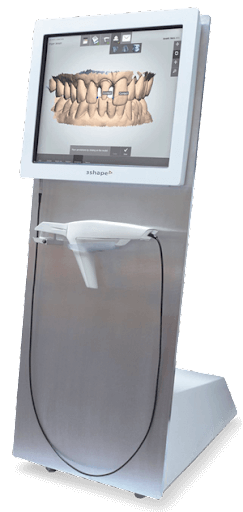
Adopting a digital workflow is one of the most direct ways to manage your lab expenses. Sending digital scans instead of traditional PVS impressions can lead to significant savings over time. Digital cases often come with a lower lab fee because they streamline the production process for the lab, reducing material waste and labor time. This efficiency translates into a better cost for you. Beyond the direct savings, going digital also reduces the need for impression materials and shipping costs. If you’re ready to make the switch, you can easily connect your scanner and start sending digital cases right away. This simple change can make a big impact on your bottom line.
Maximize Your Case Volume
The number of cases you send to a lab can influence your overall costs. While a lab might not advertise volume discounts, building a consistent relationship with a single lab for the bulk of your work can open the door to a more favorable cost structure. When you consolidate your orders, you become a valued partner, which can lead to better service and potential savings. Another factor to consider is the material you choose for restorations. The cost of a crown, for example, is heavily influenced by its material. Discussing material options with your lab for different cases, like our crown and bridge solutions, can help you find the perfect balance between clinical needs and your budget.
Build a Strong Lab Partnership
Think of your dental lab as an extension of your team. A strong partnership is built on clear communication, trust, and mutual respect, and it’s one of your best assets for managing costs. When you work closely with a lab, you can avoid misunderstandings that lead to costly remakes and adjustments. Before committing to a lab, do your homework. Look into their reputation, read reviews from other dentists, and don’t hesitate to ask for sample work. A reliable partner will be transparent and invested in your success. We believe in building these kinds of relationships, and you can learn more about our commitment to dentists and our lab’s philosophy.
Select a Lab That Fits Your Practice’s Needs
Every dental practice is unique, and your lab partner should reflect that. The right lab for you is one that aligns with your clinical standards, patient needs, and business goals. To ensure you’re delivering high-quality restorations, look for a lab that prioritizes craftsmanship and precision in their work. Consider what services are most important to you. Do you need a full-service lab that can handle everything from crowns to implants? Do you value quick turnaround times or specialized digital support? Finding a lab that checks all your boxes means you won’t have to compromise on quality to get a fair cost. At Next Dental Lab, we offer a comprehensive range of services designed to meet the diverse needs of modern dental practices.
Related Articles
- PFM vs Porcelain Crown: Which is Right for You?
- The Ultimate PFM Crown Lab Procedure Guide
- Dental Lab Fee Guide: What to Expect in 2026
- The Modern Crown Dental Lab: A Complete Guide
Frequently Asked Questions
Why should I still consider PFM crowns when zirconia is so popular? That’s a great question. While zirconia is an excellent material, PFM crowns have a long and proven clinical track record that gives many dentists peace of mind. Their hybrid construction, with a metal substructure and porcelain overlay, provides a predictable blend of strength and esthetics. They are a reliable and versatile choice, especially for multi-unit bridges or cases where you value decades of proven performance.
What’s the biggest factor that influences my final lab bill for a PFM crown? The single most significant variable is the metal alloy used for the crown’s substructure. Alloys are typically classified as non-precious, semi-precious (noble), or high-noble, which often contains gold. The material cost of a high-noble alloy is substantially greater than a non-precious one, and that difference is directly reflected in your lab statement.
How can I avoid surprise add-on charges on my lab statement? The best way to prevent surprises is through clear, upfront communication with your lab. Before sending a case, ask about potential extra charges for things like 3D-printed models from digital scans, rush service fees, or specific shipping requests. A transparent lab partner will be happy to walk you through their fee structure so you know exactly what to expect.
Will switching to a digital workflow actually lower my lab expenses for crowns? Yes, in many cases it will. Submitting digital scans can reduce your lab’s internal costs for materials and labor, and those savings are often passed on to you. A digital workflow also eliminates your own expenses for traditional impression materials and the costs associated with shipping physical impressions, making it a smart financial move for your practice.
Besides the fee, what is the most important thing to look for in a lab partner for PFM restorations? Look for consistency and open communication. A lab that delivers high-quality work on a predictable schedule is invaluable for managing your appointments and patient expectations. You also want a partner who is easy to reach and willing to discuss case details with you. This collaborative relationship is key to achieving great results and running a smooth practice.