Explaining the investment for a high-quality restoration to a patient is a crucial conversation. When you have a deep understanding of what goes into creating that crown or bridge, you can communicate its value with confidence. Your lab bill reflects the artistry, materials, and precision required for a seamless, durable result. This guide is designed to give you a clear look behind the curtain, breaking down the elements that determine the final amount. By exploring the key variables that influence crown and bridge dental lab prices, you’ll be better equipped to discuss treatment options and help your patients appreciate the craftsmanship and technology that goes into restoring their smile.
Key Takeaways
- Your Lab Bill Reflects Key Decisions: The final amount is directly influenced by your material selection, the case’s complexity, and the lab’s operational structure, including its location and use of digital technology.
- Anticipate Costs Beyond the Restoration: Be aware that services like rush orders, custom shade matching, and precious metal surcharges can add to your bill, so it’s smart to understand your lab’s policies on these extras.
- A Strategic Partnership Creates Value: You can manage lab expenses effectively by choosing a partner that offers benefits like digital workflow efficiencies, high-volume credits, and clear service tiers that align with your practice’s needs.
What Goes Into Crown and Bridge Lab Fees?
Your lab bill is more than a number; it’s a summary of the skill, materials, and technology behind a custom restoration. Understanding this breakdown helps you manage practice overhead and communicate value to patients. The final amount is shaped by several key factors, from the materials you select to the complexity of the case itself. We’ll walk through the main components that influence your lab fees, so you can see exactly what goes into creating high-quality restorations for your patients.
How Material Choice Affects the Final Bill
The material is a primary variable in your lab fee. A full-contour zirconia crown has a different cost than a classic PFM, while high-noble gold alloys carry a higher material cost. Each option offers a unique blend of aesthetics and strength, directly influencing the final restoration. Your choice impacts not only the patient’s outcome but also the bottom line for each crown and bridge case. Knowing the material differences helps you select the best option for your patient’s clinical needs and budget, ensuring you deliver both quality and value with every placement.
The Role of Case Complexity and Customization
A standard posterior crown is simpler to fabricate than a complex anterior bridge requiring custom shade matching and characterization. The more intricate the case, the more technician time and expertise are needed. Details like occlusal staining, soft tissue modeling, or specific margin designs add to the complexity. This hands-on artistry is reflected in the final lab fee, as a highly customized restoration demands a higher level of craftsmanship to deliver exceptional results. It’s this attention to detail that transforms a good restoration into a great one, seamlessly blending with the patient’s natural dentition.
Lab Location and Overhead
A dental lab’s operational costs influence its fee structure. A lab in a major city with high rent may have a different fee schedule than one with lower overhead. These expenses, from utilities to technician salaries, are built into the cost of every restoration. While location is a factor, a lab’s efficiency is also key. Modern labs that streamline their processes can manage overhead effectively, allowing them to offer excellent value without compromising on quality or the support they provide your practice. This focus on efficiency means you get consistent results without footing the bill for operational waste.
Digital vs. Traditional Manufacturing
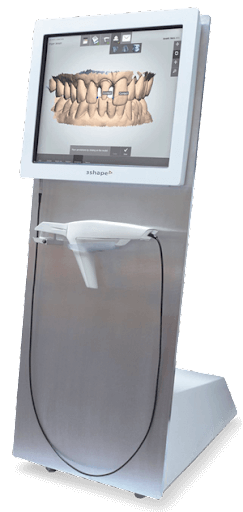
The technology a lab uses affects both quality and fees. Traditional methods involving manual waxing and casting are labor-intensive and have more room for variability. In contrast, modern digital workflows using CAD/CAM technology offer incredible precision and consistency from start to finish. This efficiency can lead to more predictable fees and faster turnarounds. By embracing digital manufacturing, labs can reduce material waste and manual labor, creating a streamlined process from your intraoral scan to the final seating appointment, which ultimately benefits your chair time and your patient’s experience.
Key Factors That Determine Your Lab Bill
When you receive a lab bill for a crown or bridge, it’s more than just a number; it’s a summary of the materials, skill, and technology that went into creating a custom restoration for your patient. Understanding the components that make up that final amount helps you manage your practice’s overhead and communicate value to your patients. While every lab has its own fee structure, the final bill is almost always influenced by a few core elements.
The four main factors that shape your lab bill are the materials used, the complexity of the case, the lab’s location and overhead, and the manufacturing process. Each of these plays a significant role in the final amount you see on your statement. By breaking down these components, you can get a clearer picture of where your money is going and how to find the best value for your practice without compromising on the quality your patients deserve. Let’s look at each of these factors more closely.
How Material Choice Affects the Final Bill
The material you select for a restoration is one of the biggest drivers of the final lab fee. Different materials come with different raw material costs and require varying levels of expertise and labor to fabricate. For example, a classic Porcelain-Fused-to-Metal (PFM) crown involves casting a metal alloy substructure and then layering it with porcelain, a multi-step, labor-intensive process.
In contrast, modern monolithic materials like full-contour zirconia are milled from a solid block, which can be a more efficient process. The type of crown and bridge materials you choose, from E-max to gold alloys, will directly impact the final amount due to both the market value of the material itself and the specific fabrication techniques required to achieve an optimal result.
The Role of Case Complexity and Customization
Not all restorations are created equal. A standard single-unit posterior crown is straightforward compared to a multi-unit anterior bridge that demands perfect esthetics and a precise fit. The complexity of a case is a major factor in your lab bill because it dictates the amount of time and skill a technician must dedicate to the restoration.
Custom shade matching, intricate anatomical details, and challenging preparations all add to the complexity. A case requiring special characterization with stains and glazes to match adjacent teeth will naturally require more hands-on artistry than a standard shade. This specialized labor is a valuable part of the service and will be reflected in the final fee.
Lab Location and Overhead
It’s a simple business reality: a lab’s operational costs influence its fee structure. A dental lab located in a major metropolitan area with high rent and labor costs will likely have higher fees than a lab in a region with a lower cost of living. These overhead expenses, including everything from utilities to technician salaries, are factored into the cost of every restoration they produce.
Some labs also operate with a leaner business model, which allows them to pass savings on to their clients. By optimizing their workflow and managing expenses carefully, labs can offer more competitive fees without cutting corners on quality or service.
Digital vs. Traditional Manufacturing
The technology a lab uses can have a significant impact on both efficiency and your final bill. Traditional workflows often involve physical impressions, stone models, and manual waxing, which can be time-consuming and leave room for error. In contrast, a lab that embraces a fully digital workflow can streamline the entire process.
Submitting a digital scan from your intraoral scanner allows for a model-less workflow where restorations are designed using CAD software and then milled or printed. This technology often reduces turnaround times, minimizes material waste, and improves the precision of the final fit. These efficiencies can translate into more consistent outcomes and better overall value for your practice.
How Do Lab Fees Vary by Crown Type?
The material you choose for a crown is one of the biggest factors influencing your final lab bill. Each option, from zirconia to gold, comes with a different set of manufacturing requirements, raw material costs, and aesthetic potential. Understanding these differences helps you set clear expectations with your patients and manage your practice’s overhead. While one material might offer superior strength for a molar, another provides the lifelike translucency needed for an anterior tooth.
Let’s walk through the most common crown types and see how their material composition affects the lab fees you can expect. We’ll look at full-contour zirconia, classic PFM, premium E-Max, and traditional gold alloys to give you a clear picture of the financial side of these restorations. This breakdown will help you see why one crown might have a lab fee that’s significantly different from another, even for a similar case. By knowing the baseline for each, you can better plan your treatments and find the right balance of durability, esthetics, and value for every patient.
Full-Contour Zirconia
Full-contour zirconia has become a go-to for many practices, and for good reason. It offers impressive strength and durability, making it an excellent choice for posterior restorations. From a financial standpoint, it’s also one of the most accessible options. The lab fee for a classic full-contour zirconia crown can start as low as $39. This is possible because of efficient, digitally-driven milling processes that reduce hands-on labor.
Because of its monolithic structure, there’s no porcelain layer to chip, which can mean fewer remakes down the line. This combination of strength, longevity, and a favorable lab fee makes zirconia crowns a reliable and economical workhorse for your practice. It delivers consistent results without putting a major strain on your budget.
Porcelain-Fused-to-Metal (PFM)
Porcelain-fused-to-metal (PFM) crowns have been a staple in dentistry for decades. They combine the strength of a metal substructure with the aesthetics of a porcelain overlay. The lab fee for a standard PFM often starts around $45. This reflects the multi-step process required, which involves casting the metal framework and then layering and firing the porcelain.
While PFMs are a proven and reliable option, the fluctuating value of precious and semi-precious metals can influence the final bill. They remain a solid choice for many cases, but it’s good to remember that the esthetics can sometimes be compromised by the metal margin, which may become visible over time. They offer a balance of strength and appearance that has served clinicians well for years.
E-Max and Lithium Disilicate
When aesthetics are the top priority, especially for anterior cases, E-Max and other lithium disilicate crowns are often the best choice. These all-ceramic restorations offer exceptional translucency and a natural appearance that blends seamlessly with surrounding teeth. This premium quality is reflected in the lab fee, which can be around $130 or more for an anterior E-Max crown.
The higher investment is due to the sophisticated materials and the detailed, multi-layered fabrication process required to achieve a lifelike result. The artistry involved in shade matching and characterization also contributes to the final amount. For patients who want the most beautiful and natural-looking smile, the results delivered by E-Max restorations often justify the additional expense.
Gold and Other Metal Alloys
Gold crowns are known for their incredible durability, biocompatibility, and longevity. They are exceptionally gentle on opposing teeth, making them a fantastic choice for patients with bruxism. The lab fee for gold and other metal alloy crowns is highly variable, ranging anywhere from $70 to over $400. This wide range is almost entirely tied to the fluctuating market value of the precious metals used in the alloy.
The weight of the crown and the specific percentage of gold or palladium in the alloy directly impact the final bill. The skill of the technician also plays a role, as crafting these restorations requires a high level of expertise. While the initial outlay can be higher, the long-term performance of a well-made gold crown often makes it a worthwhile investment for posterior cases.
A Look at Lab Fees for Dental Bridges
Just like with single crowns, the lab fees for dental bridges are not one-size-fits-all. The final number on your bill depends heavily on the type of bridge you prescribe, the materials you select, and the number of units involved in the restoration. Understanding these variables can help you manage patient expectations and your practice’s bottom line. Let’s break down the lab fee considerations for the most common types of dental bridges.
Traditional Fixed Bridges
As the go-to solution for many restorative cases, traditional fixed bridges involve at least one pontic supported by crowns on adjacent abutment teeth. The lab fee is directly influenced by the number of units in the bridge and the material you choose, whether it’s full-contour zirconia, PFM, or another alloy. While the total patient expense for a bridge can be between $500 to $1,200 per tooth, your lab bill represents the core fabrication component of that figure. A three-unit zirconia bridge will have a different lab fee than a five-unit PFM, so it’s important to consider both material and span when planning treatment.
Implant-Supported Bridges
When you move into implant-supported bridges, the lab work becomes more intricate. The fee reflects this added complexity. Your lab isn’t just fabricating the prosthesis; they are also ensuring a passive, precise fit to the implant abutments. This often requires specialized components, digital design verification, and a higher degree of technical skill. The materials used and the complexity of the case are major factors that contribute to the final lab bill, which is why these restorations often represent a more significant investment for both the practice and the patient.
Maryland and Cantilever Bridges
For more conservative cases, you might opt for a Maryland or cantilever bridge. The lab fees for these restorations reflect their unique designs. A Maryland bridge, with its resin-bonded wings, requires the careful fabrication of a metal or ceramic framework that ensures stability without full tooth preparation. A cantilever bridge, which is anchored on only one side, demands careful engineering from the lab to manage occlusal forces properly. While the total treatment cost for a Maryland bridge can fall between $1,500 and $2,500, the lab’s role in creating a durable and well-fitting framework is a key part of that equation.
Are There Hidden Fees to Watch For?
When you’re focused on patient care, the last thing you want is a surprise on your dental lab bill. While most labs are upfront about their fee structures, certain services and situations can introduce additional charges that aren’t always obvious at first glance. Understanding these potential costs is key to managing your practice’s overhead and maintaining profitability. A transparent lab partner will always be clear about what goes into their final bill, but it’s wise to know what to look for. These are not necessarily “hidden” fees in a deceptive sense; often, they are for legitimate, additional services that fall outside a standard restoration.
Knowing about these potential add-ons helps you quote your patients more accurately and prevents the slow erosion of your profit margins. From expedited services to specific material requests, being aware of these common extra charges ensures you can have an informed conversation with your lab. This knowledge allows you to set clear expectations for every case you send, fostering a better partnership and giving you more control over your practice’s financial health.
Rush and Shipping Surcharges
We’ve all been there: a patient needs a crown seated before a big event, and you need the case turned around fast. While most labs offer rush services, this speed comes with an extra charge. Beyond the fee for prioritizing your case in the production queue, you also need to account for express shipping. These logistics costs can add up, especially if your lab partner is located overseas, which can introduce customs-related fees. The best way to avoid these surcharges is to plan ahead, but when a rush is unavoidable, make sure you get a clear quote that includes all associated shipping and handling fees. Streamlining your workflow by submitting digital cases can also help shorten turnaround times without the rush fee.
Precious Metal Surcharges
The costs for restorations that use precious or semi-precious metals, like gold or palladium, are not always static. Because the market value of these metals fluctuates daily, many labs add a surcharge to cover the current cost of the alloy. This means the fee for a PFM or full-cast gold crown can vary from one month to the next. It’s also common to see an additional charge if you request a porcelain margin instead of a metal one on a PFM restoration. When prescribing a crown and bridge case with metal, it’s a good practice to confirm how your lab handles these surcharges so you can anticipate the final bill accurately.
Fees for Custom Shade Matching
Achieving a perfect, seamless match for an anterior crown is an art form, and it often requires extra steps beyond selecting a shade from a standard guide. When a case demands intricate characterization or an in-person consultation with a lab technician, you can expect an additional fee for custom shade matching. This charge covers the technician’s advanced expertise and the extra time needed to achieve a highly esthetic, patient-specific result. While this service is invaluable for challenging cases, it’s important to factor it into the total restoration cost, especially since it’s not always listed as a standard line item on a lab’s fee schedule.
Remake and Adjustment Policies
A lab’s remake policy can have a significant impact on your practice’s bottom line. An unclear or unfavorable policy can lead to what some call “unassigned lab fees,” where the costs associated with remakes and adjustments aren’t properly tracked and end up quietly eating into your profits. Before partnering with a lab, make sure you fully understand their policy. Do they offer a no-fault remake policy? What are the conditions? A transparent lab will have a straightforward policy that protects both parties. This clarity is a hallmark of a true dental lab partner who is invested in your success and stands behind their work.
How Service Tiers Affect Your Final Bill
Many dental labs organize their offerings into different service tiers, which is a key factor in what you can expect your final bill to look like. Think of it like choosing a trim level for a new car; the basic model gets the job done reliably, while the premium models come with extra features and a higher sticker. Understanding how your lab partner structures these tiers helps you match the right service level to each case, balancing patient needs with their budget. These tiers often reflect differences in materials, turnaround times, and the level of personalized service involved. By familiarizing yourself with your lab’s service structure, you can make more informed decisions for your practice and your patients, ensuring there are no surprises when the invoice arrives. It’s all about finding the sweet spot between quality, speed, and overall value for every restoration you order.
Classic or Standard Tiers
The classic or standard tier is typically the most economical option your lab offers. This level is designed to provide high-quality, essential restorations without the added costs of premium features. It’s the perfect choice for straightforward cases where budget is a primary consideration for the patient. For example, our Classic tier offers beautiful and durable crown and bridge restorations like Full Zirconia and Full Emax at a very accessible cost. Choosing a standard tier doesn’t mean you’re compromising on quality; it simply means you’re getting a reliable, well-made product that meets all industry standards without extra frills.
Premium Service Tiers
Moving up to a premium service tier often means you get access to enhanced materials, more aesthetic customization, or a higher level of case support. Some labs might offer different production lines, where a premium option involves more experienced technicians or advanced fabrication technology. These tiers are ideal for complex cosmetic cases or for patients who want the absolute best in terms of fit and finish. While the fee for a premium restoration is higher, the added benefits can justify the investment, leading to exceptional results and greater patient satisfaction for those highly visible or challenging cases.
Expedited and Rush Options
When a patient needs a restoration fast, expedited or rush tiers are a lifesaver. These services are built for speed, prioritizing your case to significantly shorten the turnaround time. This is crucial for emergency situations, patients traveling from out of town, or simply to accommodate a tight schedule. At Next Dental Lab, we offer Elite and Elite Rush tiers specifically for these urgent needs. While you can expect a higher charge for the accelerated timeline, the ability to deliver a final restoration in days instead of weeks provides incredible value. Streamlining your workflow with digital case submissions can also help speed up the process from the start.
Finding the Best Value: A Materials Guide
Choosing the right material for a crown or bridge is about more than just the line item on your lab bill. It’s a clinical decision that balances durability, aesthetics, and long-term patient satisfaction. Each material comes with its own set of benefits and cost considerations, directly influencing the final fee from your lab partner. Understanding these differences helps you select the best option for each case, ensuring your patient receives a restoration that not only looks great but also stands the test of time. A slightly higher upfront material expense for a more durable option can prevent costly remakes and lead to happier patients. Let’s look at how three common material choices stack up.
Zirconia: Durability and Value
When you need a reliable workhorse for both anterior and posterior restorations, zirconia is often the answer. Zirconia crowns are celebrated for their exceptional strength and durability, making them a fantastic value. They are highly resistant to chipping and can handle significant chewing forces, which means fewer failures and remakes. This inherent toughness makes them a popular, cost-effective choice for a wide range of cases. By opting for a strong material like zirconia, you provide a long-lasting solution that gives patients confidence in their smile. Next Dental Lab offers a variety of crown and bridge solutions using this versatile material.
Ceramics: Aesthetics and Longevity
For cases where appearance is the top priority, all-ceramic materials like E-Max are the gold standard. While the material fee may be higher than zirconia, the esthetic results are unmatched. Ceramic crowns and bridges offer one of the most natural-looking options in dental restoration, blending seamlessly with surrounding teeth. This makes them the go-to choice for the anterior region. The longevity and beauty of ceramic restorations protect and strengthen damaged teeth while giving patients a result they’ll be proud to show off, making them a worthwhile investment in patient satisfaction.
Gold Alloys: Strength and Long-Term Value
Gold alloys have a long and proven track record in dentistry for a reason. They are incredibly strong, durable, and biocompatible, offering a long-term solution that can withstand years of wear and tear. While the fee for precious metals can fluctuate, the value of gold lies in its longevity. It’s an excellent choice for posterior crowns, especially for patients with bruxism, as it is gentle on opposing teeth. Choosing a gold alloy means you’re opting for a time-tested material known for its reliability, ensuring a restoration that is built to last and provides excellent long-term value.
Why Do Lab Fees Differ Between Partners?
When you’re comparing lab bills, it can sometimes feel like you’re looking at apples and oranges. The final amount on your statement is influenced by more than just the materials used. Several key factors contribute to why one lab partner’s fee structure might look quite different from another’s. Understanding these variables can help you make a more informed decision and find a lab that truly aligns with your practice’s needs and financial goals.
From the lab’s physical location to the technology it uses, each element plays a part in the final cost of a restoration. It’s not just about finding the lowest number; it’s about understanding the value behind that number. Let’s break down the three main reasons you’ll see these differences.
The Impact of Lab Location
It’s a simple fact of business: overhead costs vary dramatically depending on geography. A dental lab operating in a high-rent metropolitan area will naturally have higher expenses for things like rent, utilities, and local staff salaries compared to a lab in a more rural setting. These operational costs are often reflected in their fee schedule. This is why you might see a significant difference in the bill for the exact same crown from two labs in different states. Some labs, however, structure their business to minimize these geographical cost factors, allowing them to offer consistent and competitive rates to dentists nationwide.
Digital vs. Traditional Workflows
The technology a lab uses has a major impact on its operations and, consequently, its fee structure. Labs that rely on traditional, hands-on fabrication methods have different cost considerations than those that have invested heavily in digital dentistry. While the initial outlay for CAD/CAM systems, 3D printers, and intraoral scanner integration is substantial, these tools often create incredible efficiencies. A fully digital workflow can reduce material waste, decrease remake rates due to higher precision, and streamline production. This efficiency can translate into more predictable and often more accessible fees for your practice.
Volume and Loyalty Programs
Just like in any other industry, relationships matter. A dental lab will often extend benefits to practices that provide a consistent and high volume of cases. Building a strong partnership allows the lab to anticipate your needs and create a more efficient workflow for your cases, and they often pass those savings along to you. Many labs formalize this through loyalty programs or tiered benefits, offering better rates or perks to their most dedicated clients. Consolidating your crown and bridge work with a single, trusted partner can be one of the most effective ways to manage your lab expenses over the long term.
Common Myths About Crown and Bridge Lab Fees, Busted
When it comes to your lab bill, a few common misconceptions can create confusion and impact your practice’s bottom line. Believing that all labs operate the same way or that a higher fee automatically equals better quality can lead to unexpected costs. Let’s clear up some of the most persistent myths so you can make more informed decisions for your practice and your patients. By understanding what really goes into your lab bill, you can find a partner that delivers both quality and value.
The Myth of Quality vs. Affordability
It’s easy to assume that a lower lab fee means a compromise on quality. Many believe that to get top-tier materials and expert craftsmanship, you have to pay a premium. While the skill of the ceramist and the quality of materials are crucial, a high fee isn’t the only indicator of excellence. Modern labs that embrace efficient, digital workflows can significantly reduce their overhead. This efficiency allows them to offer exceptional restorations at a more accessible fee. The key is to look for a lab that invests in technology to streamline production without cutting corners on the final product.
Myth: All Labs Have Similar Fee Structures
Assuming every lab bill looks the same is a common mistake. In reality, fee structures can differ dramatically from one lab to another. Some labs might offer bundled fees that include adjustments and shipping, while others itemize every single component, leading to a much longer and more complex bill. It’s also important to watch out for vague or “unassigned lab fees,” which can be expenses that aren’t clearly matched to a specific case. To avoid surprises, always ask for a detailed fee schedule upfront. A transparent lab partner will have no problem explaining exactly what you’re paying for with each crown and bridge case.
Myth: Material Fees Are Straightforward
The material you choose for a restoration is a major factor in the final lab fee, but it’s not as simple as picking from a menu. The fee for a specific material isn’t just about its raw cost. It also reflects the technology used to process it, the complexity of the case, and the technician’s time and skill in finishing it. For example, two labs might both offer zirconia crowns, but the fee can vary based on the brand of zirconia used, the precision of their milling machines, and the artistry of the final staining and glazing. Understanding the full story behind the material helps you appreciate the value you’re receiving.
Myth: Lab Fees Align with Insurance Coverage
Many practices operate under the assumption that lab fees are structured to align with standard insurance reimbursements. However, lab fees are determined by the lab’s operational costs, not by insurance carriers. A patient’s insurance plan might cover a certain amount for a three-unit bridge, but that figure doesn’t dictate your lab bill. The actual fee will depend on the specific materials used, whether it’s a traditional or implant-supported bridge, and other case-specific requirements. To maintain profitability, it’s essential to understand your lab’s fee schedule independently of insurance codes and plan your patient fees accordingly.
How to Find Savings with Your Dental Lab
Managing your lab expenses doesn’t have to mean cutting corners on quality. Many labs offer ways to reduce your bill if you know where to look. By being strategic, you can find significant savings that benefit both your practice and your patients. It’s all about understanding the value your lab partner provides and finding opportunities that align with your practice’s needs. From welcome offers to high-volume credits, there are several avenues to explore that can make a real difference to your bottom line. Here are a few key areas to discuss with your lab partner.
Incentives for New Practices
Getting a new practice off the ground involves a lot of upfront investment, and every bit of savings helps. Many dental labs understand this and provide attractive incentives to welcome new dentists. You might find offers like a credit on your first order or a significant discount on your initial cases. For example, some labs offer new customers up to 50% off dental products when they get started. These aren’t just one-time deals; they’re the foundation of a strong, long-term relationship. A lab that invests in your practice from day one is showing they’re committed to your success, making it a great way to start a partnership on the right foot.
Savings for High-Volume Cases
If your practice handles a steady stream of cases, you’re in a great position to find savings. Labs value consistency and often reward their high-volume partners with special arrangements. This could come in the form of credited shipping fees for accounts that meet a certain monthly threshold, which can add up to a substantial amount over the year. By streamlining your workflow with digital case solutions, you can manage a higher volume more efficiently, making it easier to qualify for these benefits. It’s always worth asking a potential lab partner how they support and reward practices that send a significant number of cases their way.
The Perks of Loyalty Programs
Building a lasting relationship with a single dental lab can unlock more than just consistent results; it can also lead to financial benefits through loyalty programs. These programs are designed to reward you for your continued partnership. To fully appreciate the value, it helps to have a clear picture of your own operational costs. Most dentists calculate their average cost for providing a single crown, including chair time, materials, and lab fees. When you know your numbers, you can easily see how loyalty rewards and discounts directly impact your profitability. A great lab partner is invested in your growth, and their loyalty program is one way they show it.
Keeping an Eye Out for Special Offers
Beyond standard programs, labs often run special promotions that can lead to big savings, especially on high-value restorations like hybrid dentures. The key is to stay informed. The best way to catch these deals is to subscribe to your lab’s email newsletter or check their website regularly for announcements. These offers might be seasonal, tied to a new material launch, or simply a way for the lab to thank its clients. Taking a few moments to look for these opportunities can significantly reduce your expenses on a case-by-case basis, allowing you to pass value on to your patients while maintaining healthy margins for your practice.
What to Expect at Different Service Levels
Dental labs often operate within different service tiers, and understanding these levels can help you align your practice’s needs with the right partner. Whether you prioritize affordability, a balance of quality and value, or premium craftsmanship, there’s a lab out there for you. The key is knowing what you get at each level so you can make an informed decision for your patients and your practice. Let’s look at what you can generally expect from economical, mid-range, and premium labs.
Economical Labs: What to Know
Economical labs are often the go-to for practices focused on keeping chairside costs low. They provide basic services and restorations that get the job done for a smaller financial commitment. However, it’s important to be aware of potential trade-offs. The quality of materials and the level of craftsmanship can vary significantly at this tier. The material used for a crown, for instance, is a major factor in what you’ll see on your final bill. While an economical lab can be a great fit for straightforward cases, you might find less consistency and fewer options for complex restorative work. It’s always a good idea to request a sample case to evaluate their work firsthand.
Mid-Range Labs: Balancing Quality and Value
Mid-range labs work to find that sweet spot between excellent quality and a manageable lab bill. These labs are a popular choice for many dental practices because they offer reliable, aesthetic restorations without the top-tier investment. You can expect a wider range of materials and services, including options like Zirconia and PFM crowns, at competitive rates. For example, some labs might set the fee for a single Zirconia crown around $120. Keep in mind that factors beyond the lab itself, such as the complexity of the procedure and your geographic location, can also influence the final amount you pay. This tier often represents a dependable partnership for everyday dentistry.
Premium Labs: What You Get for the Investment
When you partner with a premium lab, you’re investing in superior materials, advanced technology, and exceptional artistry. These labs often use the most advanced digital dentistry technology, which leads to better-fitting, more durable, and highly aesthetic restorations. For example, Next Dental Lab provides full Zirconia crowns made with top-tier materials and precision milling. While the initial outlay is higher, the return comes in the form of fewer adjustments, longer-lasting results, and happier patients. A premium lab acts as a true partner in your practice, delivering consistent, high-quality work that you can place with confidence every time. This level of service can ultimately save you valuable chair time and enhance your professional reputation.
Related Articles
- Dental Lab Price List: A Complete Breakdown
- Average Dental Lab Fees: A Complete Cost Guide
- Dental Lab Fee Guide: What to Expect in 2026
Frequently Asked Questions
Does submitting a digital scan actually lower my lab bill? While sending a digital scan may not always change the line-item amount for the restoration itself, it often reduces your overall costs in other ways. Digital impressions lead to incredibly precise restorations, which can significantly lower your remake rate and save you valuable chair time on adjustments. This efficiency also helps labs streamline their workflow, which is how they can offer better overall value without compromising the quality of the final crown or bridge.
Besides the material, what’s the single biggest factor that can unexpectedly increase my lab fee? The most common reason for an unexpected increase is case-specific customization that goes beyond a standard restoration. This usually involves extra time and artistry from the technician. For example, if you need a custom shade match for a challenging anterior tooth or request a rush turnaround for a patient’s special event, these services require the lab to adjust its workflow and dedicate specialized attention to your case, which is reflected in the final bill.
How can I get a better rate from my lab without just asking for a discount? The best way is to become a great partner. Labs value consistency and efficiency, so sending a steady volume of cases to a single lab can often open the door to loyalty benefits or high-volume credits. You can also help them be more efficient by providing clean, accurate digital scans and clear instructions. When your cases require less back-and-forth, it saves the lab time, and a good lab partner will often recognize and reward that efficiency.
Why can the fee for the same PFM crown vary so much from month to month? This variation is almost always tied to the fluctuating market value of the precious metals used in the alloy. The cost of gold, palladium, and other metals changes daily. To account for this, most labs apply a surcharge based on the current market rate and the weight of the metal used in your restoration. This is a standard industry practice that ensures the fee accurately reflects the material costs at the time of fabrication.
Is a lab with a lower fee schedule always a compromise on quality? Not at all. It’s a common myth that a lower fee automatically means lower quality. A lab’s operational efficiency plays a huge role in its fee structure. Labs that invest heavily in modern digital technology can reduce material waste, minimize manual labor, and create a more streamlined production process. This allows them to offer exceptional, high-quality restorations at a more accessible amount because their own costs are better managed.