Your lab bill is more than just a list of expenses; it’s a reflection of the value and craftsmanship you provide to your patients. Every line item, from a single zirconia crown to a complex implant case, represents a choice that impacts the final restoration’s durability, esthetics, and function. Having a clear understanding of these costs allows you to have more effective treatment planning conversations and manage your practice’s finances with greater confidence. We’ll walk through the common services and fees you’ll see on a dental lab price list for dentists, explaining the “why” behind each cost so you can see the full picture of your investment in quality patient care.
Key Takeaways
- Your lab bill reflects key choices: Factors like material quality, case complexity, and the technology involved all influence your final statement. Understanding these components allows you to make strategic decisions that balance clinical excellence with your practice’s budget.
- Proactively manage your lab expenses: You can lower your overhead by embracing digital workflows to reduce remakes, asking about loyalty programs, and inquiring about volume discounts for multi-unit cases.
- Select a partner, not just a supplier: A great lab relationship goes beyond the fee schedule; it’s built on transparent communication, reliable support, and a fair remake policy. This partnership ensures you consistently deliver high-quality outcomes for your patients.
What Services and Products Do Dental Labs Offer?
Dental labs are the creative force behind the restorations you provide to your patients. From single crowns to complex full-arch solutions, they offer a wide spectrum of products and services. Understanding the full scope of what a lab can do helps you better serve your patients and manage your practice. Let’s look at some of the core offerings you’ll find on a lab’s service menu.
A Look at Crown and Bridge Work
Crown and bridge restorations are the bread and butter of many dental practices, and labs are essential partners in creating these custom solutions. A full-service lab can fabricate everything from single-unit crowns made of zirconia or EMAX to multi-unit bridges designed to restore function and aesthetics. The goal is always a precise fit and a natural look that blends seamlessly with the patient’s existing dentition. Having a reliable lab for your crown and bridge cases means you can consistently deliver high-quality outcomes for your patients, whether it’s a simple posterior crown or a complex anterior bridge.
Exploring Removable Dentures and Partials
For patients needing a solution for multiple missing teeth, removable prosthetics are a common and effective option. Modern dental labs have moved far beyond traditional methods, now offering advanced options like 3D printed dentures. These digital dentures provide an exceptional fit and a durable, lifelike appearance. For example, a lab might offer a classic 3D printed denture with a lab fee of around $125, while an elite version with more customized features could be around $229. This range allows you to provide excellent removables that fit your patients’ needs, from simple partials to complete dentures.
Understanding Dental Implant Solutions
Dental implants have become a standard of care for tooth replacement, and labs play a critical role in fabricating the final restorations. This includes everything from single implant crowns to full-arch prosthetics. When you partner with a lab, you can choose from various materials and designs to meet each patient’s specific clinical situation. For instance, a full zirconia cementable implant crown might have a lab fee of $75 for a classic version or $119 for a premium plus option. These dental implant solutions give you the flexibility to restore implants with confidence, knowing the final product will be strong, esthetic, and built to last.
The Details on Hybrid Dentures
Hybrid dentures offer a fantastic fixed solution for edentulous patients, combining the stability of implants with the full-arch coverage of a denture. These complex restorations require meticulous planning and expert fabrication. A lab specializing in hybrid dentures can create beautiful, functional prosthetics like the BruxZir Implant Prosthesis. The lab fee for a restoration like this can vary based on the workflow; a case completed with a conventional process might be around $3,433, while a fully digital workflow could bring that figure closer to $2,795. This reflects the efficiency and precision that digital technology brings to these advanced, life-changing treatments.
How Digital Case Processing Works
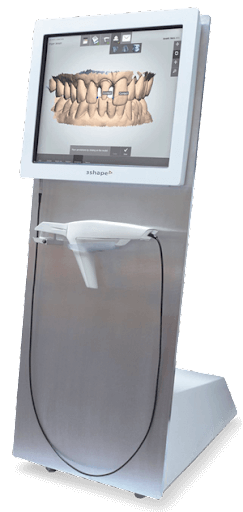
The move to digital dentistry has streamlined communication and production between practices and labs. When you submit a digital scan, you kick off a highly efficient and accurate workflow. Labs use CAD/CAM software and equipment like 3D printers and mills to design and fabricate restorations with incredible precision. This technology reduces the chance of human error, often leading to fewer remakes and adjustments. While labs invest heavily in this equipment, the efficiencies gained can benefit your practice through faster turnaround times and predictable results. Getting started is as simple as connecting your scanner to the lab’s portal, allowing you to send cases with just a few clicks.
What Factors Shape Your Lab Bill?
Understanding your dental lab bill is about more than just numbers; it’s about recognizing the value and expertise that go into crafting each restoration for your patients. When you can see the full picture of what contributes to your lab expenses, you can make more strategic decisions for your practice, balancing quality of care with operational costs. Several key elements come together to determine the final amount on your statement, and they all play a crucial role in the outcome of your cases.
From the specific materials you select for a crown to the complexity of a full-arch implant case, every detail matters. The lab’s own operational structure, including its location and the technology it uses, also influences its fee schedule. Even your timeline for a case can affect the final bill. By looking at these factors, you can better understand the investment you’re making in your restorations and find a lab partner that aligns with your practice’s clinical standards and financial goals. Let’s walk through the five main components that shape your dental lab expenses.
Material Selection and Quality
The foundation of any great restoration is the material it’s made from, and your selection directly impacts your lab bill. High-performance materials like advanced zirconia or premium-grade porcelains come with a higher material cost for the lab, which is then reflected in your statement. While it might be tempting to opt for a more economical material, the choice often affects the restoration’s durability, esthetics, and biocompatibility. Investing in quality materials for your crown and bridge work can lead to better patient outcomes and fewer remakes down the road. A transparent lab will always be clear about the materials they use and why, helping you make the best clinical decision for each case.
Case Complexity and Customization
A straightforward single-unit crown will naturally have a different cost structure than a highly customized, multi-unit cosmetic case. The more complex and unique a restoration is, the more time, skill, and resources are required from the lab technicians. Cases involving intricate shade matching, custom abutments for dental implants, or detailed anatomical characterization demand a higher level of artistry and expertise. While a lower-cost lab might seem appealing for simpler cases, it’s important to consider the long-term value. Opting for a lab that can handle complexity with precision often saves you valuable chair time and prevents the frustration of adjustments and remakes, protecting both your schedule and your reputation.
Lab Location and Overhead
Where a dental lab is located and how it operates can significantly influence its fee structure. A local, boutique lab in a major city will have higher overhead costs for rent and labor compared to a larger lab in a different region. These operational expenses are naturally factored into their service fees. While some dentists prefer a local lab for its hands-on service, larger labs can often leverage economies of scale and more efficient workflows to offer more competitive rates. At Next Dental Lab, our streamlined model allows us to provide high-quality restorations without the high overhead of many traditional labs, which is how we help practices manage their expenses effectively. You can learn more about our approach on our about us page.
Turnaround Time Requirements
In dentistry, deadlines are a constant. While labs establish standard production schedules to manage workflow efficiently, there are times when you need a case back sooner. Most labs offer expedited or rush services for these situations, but this service typically comes with an additional fee. A rush order requires the lab to adjust its production schedule, often involving technicians working overtime to complete your case without delaying others. Clear communication with your lab is key to managing timelines and expectations. Planning your cases and submitting them with ample time is the best way to avoid rush fees and ensure a smooth, predictable workflow for your practice.
The Technology and Equipment Involved
Modern dental labs that invest in cutting-edge technology are better equipped to deliver precise and consistent results. Equipment like CAD/CAM milling machines and 3D printers represents a significant financial investment for the lab, and the cost of acquiring and maintaining this technology can be reflected in their fees. However, the benefits for your practice are substantial. Digital case processing leads to restorations with a superior fit, reducing the need for chairside adjustments. This precision ultimately saves you time and money, making the investment in a tech-forward lab a smart choice for long-term efficiency and clinical excellence.
Breaking Down Common Lab Service Expenses
When you send a case to a dental lab, the final bill reflects a combination of materials, craftsmanship, and technology. Understanding the typical expenses for common restorations helps you manage your practice’s overhead and have clearer financial conversations with your patients. Each service, from a single crown to a full-arch hybrid denture, has its own set of associated costs that can vary based on the specifics of the case. Let’s look at the lab fees you can expect for some of the most frequent restorations your practice provides. By getting familiar with these numbers, you can better anticipate your lab expenditures and make informed decisions for both your patients and your bottom line.
Crown and Bridge Restorations
Crown and bridge work is a cornerstone of restorative dentistry, and the lab fees for these cases depend heavily on material choice and turnaround time. For example, a full zirconia crown is a popular option, with the lab fee varying based on the specific type of zirconia used and how quickly you need the case returned. Similarly, the expense for a Porcelain Fused to Metal (PFM) restoration will differ. These variations allow you to select a solution that fits your patient’s clinical needs and budget. When you partner with a lab, you gain access to a range of crown and bridge options, each with a clear fee structure so you always know what to expect.
Full and Partial Dentures
For removable prosthetics, the lab costs are influenced by the manufacturing technique and materials. A modern, 3D-printed denture often has a different fee than a traditionally handcrafted one. The complexity of the case, whether it’s a full or partial denture, also plays a role in the final bill. Most labs include a try-in phase within the total fee for new or immediate removables, which is a crucial step for ensuring an accurate and comfortable fit for your patient. This all-inclusive approach helps streamline the process and makes your total lab expenditure more predictable from the start.
Implant Components and Abutments
Implant cases involve several components, and the lab bill will reflect each part of the restoration. The fee for a full zirconia cementable implant crown, for instance, is a common line item. Beyond the crown itself, custom abutments are a critical element for achieving the ideal emergence profile and fit. The cost for these abutments can differ depending on whether they are designed conventionally or through a fully digital workflow. As you plan your dental implant cases, understanding the lab fees for each component helps you present a comprehensive treatment plan to your patients without any financial surprises.
Specialty Services and Rush Orders
Sometimes, a case requires a faster-than-usual turnaround, and most labs offer expedited services to meet these urgent needs. Requesting a rush order will typically add a surcharge to the standard fee for the restoration. This allows you to accommodate patients with tight deadlines or unexpected dental emergencies while still receiving a high-quality product. For certain advanced restorations, such as next-day crowns, submitting a digital case may be a requirement for the expedited timeline. These specialty options provide valuable flexibility for your practice, ensuring you can deliver excellent care even when time is short.
How Do Dental Labs Structure Their Fees?
Understanding your lab bill is key to managing your practice’s finances effectively. Dental lab fee structures aren’t always one-size-fits-all; they can vary based on the lab’s business model, the services you need, and the volume of work you send. Most labs use a combination of fee models to cover their costs for materials, technology, and the skilled labor of their technicians. Getting familiar with these common structures helps you anticipate your expenses and make informed decisions for your cases. By knowing what to expect, you can better align your lab choices with your practice’s budget and patient care goals, ensuring there are no surprises when the invoice arrives. This transparency is a cornerstone of a great lab partnership, allowing you to focus on what you do best: treating patients.
Per-Unit vs. Volume-Based Fees
The most common fee structure you’ll encounter is the per-unit model. With this approach, the lab charges a set amount for each specific restoration or service. For example, a single zirconia crown will have a different fee than a PFM crown. The fee for each unit is influenced by the quality of materials used, like premium porcelains, and the technology involved, such as CAD/CAM milling.
For practices that send a consistent, high volume of cases, some labs offer volume-based arrangements. This model can provide a lower cost per unit in exchange for your loyalty and steady stream of work. It’s an excellent option for busy, growing practices looking to manage their overhead more predictably.
Digital vs. Traditional Case Fees
The way you submit your cases can also affect your lab bill. You’ll often find that submitting a digital case carries a different, and frequently lower, fee than a traditional one that requires physical impressions. This difference comes down to efficiency. Digital workflows streamline the production process, reducing manual labor and material waste for the lab. The precision of intraoral scanners and digital design means less guesswork and a more accurate final product. These efficiencies translate into savings, which a forward-thinking lab can pass on to your practice. Opting for digital submissions is not just a clinical upgrade; it’s a smart financial decision.
Surcharges for Rush Orders
Deadlines are a constant in the dental world, and sometimes you need a case turned around faster than the standard schedule allows. When your practice needs expedited service, most labs can accommodate the request but will apply a surcharge for the rush order. This fee covers the additional resources required to prioritize your case, which might include reallocating technician time or running equipment after hours. To keep things running smoothly and avoid unexpected costs, it’s always best to communicate your timeline clearly with the lab from the start. A good lab partner will be transparent about their rush service capabilities and any associated fees.
Add-ons for Material Upgrades
The materials you select for a restoration play a significant role in both the clinical outcome and the final lab fee. While more economical materials are available, choosing to upgrade to higher-quality options will typically come with additional costs. For instance, selecting a premium, high-translucency zirconia for an anterior crown and bridge case will have a different fee than a standard monolithic zirconia. Although this involves a higher initial investment, superior materials often lead to better esthetics, durability, and patient satisfaction. This can reduce the likelihood of costly remakes down the road, making it a worthwhile consideration for long-term success.
Offshore vs. Domestic Labs: What to Expect
Choosing between a domestic and an offshore dental lab is a significant decision for any practice. Each option comes with its own set of considerations, from your final lab bill to the turnaround time for a complex case. The right partner for you depends on your practice’s priorities, whether that’s achieving the lowest possible overhead, getting the fastest service, or finding a specific material expertise. Understanding the typical differences can help you find a lab that aligns perfectly with your operational goals and commitment to patient care.
Financial and Quality Considerations
The most noticeable difference is often the final bill. Offshore labs can frequently provide restorations at a significantly lower cost, sometimes reducing your lab expenses by up to 50%. This is usually due to lower operational and labor costs. However, it’s a common misconception that a lower fee automatically means a drop in quality. Many modern offshore labs invest heavily in the same advanced digital dentistry solutions and CAD/CAM equipment as their domestic counterparts. The key is to look for value, not just the lowest number. A lab that causes frequent remakes or adjustments will cost you more in chair time and patient satisfaction in the long run.
Turnaround Times and Communication
Traditionally, domestic labs have held an advantage with faster turnarounds and direct, personalized communication. Being in the same time zone with no language barrier can certainly simplify case discussions. However, technology has bridged many of these gaps. Efficient digital workflows allow for near-instant case submission and clear communication, regardless of where your lab is located. A well-organized lab partner, whether local or international, can help streamline your operations and deliver consistent results. Look for a lab that offers clear timelines and has a dedicated support team to keep you updated.
Material Standards and Warranties
Concerns about material traceability and safety are valid when considering any new lab partner. Reputable labs, regardless of location, should be transparent about the materials they use and provide documentation upon request. Ask potential labs if they follow international quality standards, like ISO certifications, which ensure their products are both durable and safe for patients. Before sending your first case, be sure to review their warranty and remake policies. A lab that stands behind its crown and bridge work with a clear, fair policy shows confidence in its craftsmanship and gives you peace of mind.
How Digital Dentistry Affects Your Lab Bill
Adopting digital tools in your practice does more than just modernize your workflow; it directly influences your lab expenses. When you move away from traditional methods, you start to see efficiencies that translate into real savings. Digital dentistry streamlines the entire process, from capturing an impression in your office to the final restoration being fabricated at the lab. This improved accuracy and speed mean fewer resources are used, which can lower the overall cost of each case. By embracing these technologies, you’re not just investing in new equipment, you’re investing in a more cost-effective and predictable partnership with your dental lab. This shift allows labs like ours to pass on efficiencies to you, helping you manage your overhead without compromising on quality.
The Benefits of Digital Impressions
Switching to digital impressions is one of the most immediate ways to see a change in your lab bill. You can say goodbye to the recurring cost of physical impression materials, not to mention the shipping fees and time spent packing up cases. Digital scans are sent to the lab instantly, which can shorten the turnaround time for your cases. This streamlined workflow between your practice and the lab means less waiting for you and your patients. When you submit digital cases, you get a faster, more efficient process from start to finish, eliminating material costs and delays associated with physical models.
Advantages of CAD/CAM Technology
CAD/CAM technology is a game-changer for creating precise and consistent dental restorations. This digital design and manufacturing process allows labs to craft restorations with incredible accuracy, which means a better fit for your patients and less need for chairside adjustments. When a lab uses CAD/CAM for products like crown and bridge restorations, the efficiency gains are significant. The precision of the technology leads to faster fabrication times and a more predictable outcome. This improved accuracy ultimately helps reduce costs for both the lab and your practice, making it a smart financial choice.
Fewer Remakes and Long-Term Savings
One of the biggest hidden costs in any dental practice is the time and material lost to remakes. Digital impressions and CAD/CAM technology work together to drastically reduce errors and the need for do-overs. A precise digital scan provides the lab with the exact data needed to create a perfectly fitting restoration on the first try. This accuracy minimizes remakes, which saves you money on materials and, more importantly, saves valuable chair time. Over the long term, this reliability leads to significant savings, enhances patient satisfaction, and improves your practice’s overall operational efficiency.
How to Save with Discounts and Loyalty Programs
Managing your practice’s lab expenses goes beyond just reviewing the standard fee schedule. Building a strong, long-term relationship with your dental lab can open up opportunities for significant savings. Many labs value consistent partners and are willing to offer arrangements that reward loyalty and volume. Think of it as a partnership where both sides benefit: your practice gets high-quality restorations at a better rate, and the lab gets a steady stream of work from a trusted client.
The key is to be proactive. When you’re evaluating a new lab or looking to get more value from your current one, don’t hesitate to ask about their programs. Labs that are confident in their work are often happy to provide incentives for new clients to experience their quality firsthand. Likewise, they understand the value of a busy practice and may have established programs for volume-based work. By exploring these options, you can make your lab budget work harder for you, allowing you to invest more in other areas of your practice.
Finding New Customer Incentives
When you’re considering a new lab partner, look for one that offers an incentive to try their services. Many labs provide a special introductory offer on your first case, giving you a low-risk way to evaluate their quality, communication, and turnaround times. This is a great opportunity to see if their work meets your standards before committing to a larger volume of cases. A good lab wants to earn your trust and build a lasting relationship, and a new customer incentive is their way of showing you what they can do. It’s a smart first step in finding a lab that truly fits your practice’s needs and financial goals.
Using Volume Discounts for Multiple Cases
If your practice handles a steady flow of restorative cases, you may be able to get a better rate through volume discounts. Labs often provide reduced per-unit fees for dentists who send a certain number of cases each month or submit multiple units in a single order. For example, sending three or more crown and bridge units at once could qualify for a lower fee per crown. This approach rewards efficiency and loyalty, creating savings that add up over time. It’s always worth asking a potential lab partner if they have a volume-based fee structure, as it can significantly reduce your overall lab expenditures.
Taking Advantage of Bundled Service Packages
For more complex treatments, some labs offer bundled packages that combine multiple services for a single, comprehensive fee. This is especially common for intricate cases like dental implants, which might involve a surgical guide, custom abutment, and final crown. By bundling these components, the lab can streamline its workflow and pass the savings on to you. This not only makes the overall case more affordable but also ensures all components are fabricated in sync, leading to a better final outcome. When planning a complex case, ask your lab if they can create a bundled service package for you.
How to Choose the Right Dental Lab for Your Practice
Selecting a dental lab is one of the most important partnerships you’ll form for your practice. It’s about more than just a fee schedule; it’s about finding a team that consistently delivers quality work, communicates effectively, and stands behind its products. The right lab becomes an extension of your own team, directly impacting your chair time, profitability, and patient satisfaction. Every restoration that leaves your office, from a single crown to complex hybrid dentures, is a reflection of your practice’s commitment to quality. A seamless collaboration with your lab means fewer adjustments, happier patients, and a more efficient workflow for you and your staff. When you’re evaluating potential partners, it helps to look beyond the surface and consider the factors that truly define a great lab relationship. This isn’t just about finding a supplier; it’s about finding a collaborator who understands your standards and helps you achieve the best possible clinical outcomes. A lab that invests in modern technology and high-quality materials can make a world of difference in the final product. Taking the time to vet a lab thoroughly on its quality, communication, and policies will save you countless headaches and build a foundation for long-term success.
Look for Fee Transparency and Quality Standards
While your lab bill is a significant factor, choosing the lowest-cost option can often lead to higher long-term expenses from extra chair time and remakes. A great lab is transparent about its fee structure and what those costs cover. The most dependable labs use high-quality materials, like advanced zirconia or premium porcelains, and employ cutting-edge technology. Ask potential labs about the materials they use for their crown and bridge restorations and how they ensure quality control. A lab that is open about its processes and material sourcing is one you can trust to deliver consistent results for your patients.
Evaluate Communication and Support
Clear communication between a dental lab and your practice is non-negotiable. You need a partner you can rely on, whether you’re discussing a complex implant case or have a quick question about a digital scan. A great lab earns its reputation through trust, not just ads. Before committing, test their responsiveness. Are they easy to get on the phone? Do they have knowledgeable technicians available to discuss cases? The ability to submit digital cases seamlessly is also a huge plus, as it streamlines the workflow and minimizes potential errors. Look for a team that is invested in your success and works with you to solve challenges.
Review Warranty and Remake Policies
Even with the most skilled technicians and best technology, remakes can occasionally happen. What truly matters is how a lab handles these situations. A quality lab will have a clear, fair, and easy-to-understand warranty and remake policy. This demonstrates that they stand behind the quality of their work and are committed to your satisfaction. Ask about their quality assurance program and what steps they take to minimize errors. A lab with a solid policy isn’t just protecting you from unexpected costs; it’s showing you that they are a true partner in patient care.
Manage Your Practice’s Lab Overhead
Keeping a close eye on your lab overhead is one of the smartest things you can do for your practice’s financial health. It’s not just about finding the lowest fee; it’s about creating a system that is efficient, predictable, and profitable. When you have a clear understanding of your lab-related expenses, you can make better decisions for your business and your patients. A great lab partnership should feel like a collaboration, one where you work together to streamline processes and achieve excellent results without breaking the bank. By implementing a few key strategies, you can get a firm handle on your lab costs and ensure every dollar is well spent.
Budget for Your Lab Services
Creating a budget for your lab services starts with understanding what drives the costs. The most expensive dental laboratories often use high-quality materials, like advanced zirconia or premium porcelains, and employ cutting-edge technology, such as CAD/CAM milling machines and 3D printers. While these can lead to superior results, it’s important to know how they impact your bottom line. Talk to your lab about their material options for services like crown and bridge restorations and what they recommend for different clinical situations. A transparent lab partner will help you align your budget with your quality standards, so you can plan your expenses without any surprises.
Track Lab Expenses and ROI
Once your budget is in place, the next step is to track your expenses and the return on investment for each case. It’s easy to lose money on last-minute orders that come with higher “rush” fees, so keeping a log of your lab bills is essential. Compare the total lab cost for a procedure against the revenue it generated. This simple analysis can reveal which services are most profitable for your practice. It also helps you spot trends, like frequent remakes for a specific procedure, that might be eating into your margins. Consistent tracking allows you to make data-driven decisions that support your practice’s long-term financial stability.
Optimize Case Submissions for Efficiency
Clear communication between your practice and your dental lab is non-negotiable for managing overhead. Inefficient case submissions can lead to delays, misunderstandings, and costly remakes. To avoid this, make sure your prescriptions are detailed and your impressions or scans are crystal clear. Embracing a digital workflow is one of the best ways to improve efficiency. Submitting digital cases eliminates the risk of physical models getting lost or damaged and provides a clear, precise record for the lab technicians. This streamlined process saves time, reduces material waste, and ultimately lowers your overhead.
Related Articles
- High-Quality Dental Lab Equipment: Why It Matters – Next Dental Lab
- Full-Service Dental Lab: Key Advantages for Your Practice
- Dental Technology: Modern Innovations & Benefits for Dentists | Next Dental Lab
Frequently Asked Questions
How can I be sure a lower-cost lab isn’t sacrificing quality? That’s a fair question, and the answer comes down to transparency. A reputable lab, regardless of its fee structure, will be completely open about the materials it uses and its quality control standards. Ask them directly about the source of their zirconia or the brand of porcelain they use for crown and bridge work. A lab that stands behind its craftsmanship will also have a clear warranty and remake policy, showing they are confident in their work and committed to your satisfaction. True value is measured in fewer remakes and less chair time, not just the number on the invoice.
Is switching my practice to a digital workflow really worth the initial investment? Absolutely. While there’s an upfront investment in equipment like an intraoral scanner, the long-term financial benefits are significant. You immediately eliminate the recurring expense of impression materials and shipping. More importantly, submitting digital cases improves accuracy so much that it drastically reduces the need for adjustments and remakes. That saved chair time is one of the most valuable assets in your practice, making the switch a smart move for your overall efficiency and bottom line.
What’s the best way to discuss getting better rates with a lab? The best approach is to treat it like the partnership it is. If you have a steady volume of cases, don’t hesitate to ask a potential lab if they offer any arrangements for consistent work. Many labs are happy to reward loyalty. You can also inquire about bundled services for more complex treatments, like dental implants, which can often provide savings over ordering each component separately. A good lab wants to build a long-term relationship, so having an open conversation about your practice’s needs is a great place to start.
Besides the fee for the restoration itself, what other charges might appear on my lab bill? A transparent lab bill should have no surprises, but it’s good to know what to look for. Common additional charges include surcharges for rush orders if you need a case back faster than the standard turnaround time. You might also see adjustments for material upgrades, for instance, if you choose a premium, high-translucency zirconia for an anterior crown. For complex cases, the bill will itemize each component, so you can see the complete breakdown of the final amount.
How do I know if a lab is the right long-term partner for my practice? Finding the right partner goes beyond a single case. It’s about consistency. Look for a lab that delivers high-quality work time after time and communicates clearly and proactively. The right lab feels like an extension of your own team; they are easy to reach, have technicians available to discuss cases, and work with you to solve problems. When a lab stands behind its work with a fair remake policy and invests in technology that makes your job easier, you know you’ve found a partner committed to your success.