No architect breaks ground on a building without a detailed blueprint. It’s the only way to ensure everyone shares the same vision and avoids costly mistakes. In restorative and cosmetic dentistry, the diagnostic wax-up is your blueprint. It’s a tangible, three-dimensional model of the proposed treatment, crafted on a cast of the patient’s teeth. This physical preview is exactly how a diagnostic wax-up help patient become a co-designer in their treatment. It transforms your clinical plan into a shared vision, making it the ultimate tool for clear communication and predictable success.
Key Takeaways
- Use a Wax-Up as Your Clinical Blueprint: A diagnostic wax-up is the most effective way to test your treatment plan, identify potential challenges, and refine the final design before any irreversible work begins, ensuring a more predictable and successful outcome.
- Secure Patient Buy-In and Lab Clarity: This tangible model allows patients to see and approve their future smile, building trust and setting clear expectations. It also serves as a perfect 3D prescription for your lab, eliminating guesswork and reducing the risk of remakes.
- Prioritize Wax-Ups for High-Impact Cases: While not needed for every single crown, a diagnostic wax-up is essential for cosmetic smile makeovers, veneers, and complex multi-unit reconstructions. Embracing digital options makes this critical planning stage faster and more precise.
What is a Diagnostic Wax-Up?
A diagnostic wax-up is one of the most powerful communication and planning tools in restorative and cosmetic dentistry. It transforms a treatment plan from an abstract concept into a tangible, three-dimensional model that you, your patient, and your lab technician can see and hold. It’s the critical step that aligns everyone’s vision before any irreversible work begins, ensuring the final result meets every expectation.
Designing the Blueprint for a Perfect Smile
Think of a diagnostic wax-up as the architectural blueprint for your patient’s new smile. It’s a physical replica, built on a model of the patient’s teeth, that shows the exact proposed changes. This wax model allows you to meticulously plan every detail of a crown and bridge case or smile makeover. You can refine the shape, size, and position of each tooth, perfect the bite (occlusion), and map out the ideal gum line. This process serves as a vital checkpoint, giving you a clear preview of the final restoration. For the patient, it’s a game-changer. They can see their future smile and give informed consent, which builds trust and excitement for the treatment ahead.
What Materials Are Used for the Model?
The materials used for a diagnostic wax-up are chosen for their precision and ability to replicate dental anatomy. Traditionally, the process starts with a high-quality stone model poured from the patient’s impression and mounted on an articulator to simulate jaw movement. A skilled technician then meticulously sculpts the proposed changes using dental wax. Today, digital technology offers a more streamlined approach. Instead of a physical impression, a digital scan of the patient’s mouth creates a virtual 3D model. This design is then brought to life using a 3D printer, which produces a highly accurate model from white resin. Some models even include options for staining the gingiva pink for a remarkably realistic preview.
Why Use a Diagnostic Wax-Up?
A diagnostic wax-up is far more than just a preliminary model—it’s a foundational tool for restorative and cosmetic dentistry. Think of it as the architectural blueprint for your patient’s new smile. It transforms an abstract treatment plan into a tangible, three-dimensional preview that you and your patient can see, touch, and discuss. By investing time in this crucial step, you can refine your clinical approach, strengthen patient trust, and ensure the final restoration is a predictable success. Let’s explore the key reasons why incorporating diagnostic wax-ups into your workflow is a smart move for any modern dental practice.
Helping Patients See Their Final Smile
This is where the magic really begins. A diagnostic wax-up allows you to create a precise, physical model of the proposed dental restorations. By sculpting the wax on a cast of the patient’s teeth, often mounted on an articulator to simulate jaw movements, you can accurately preview the final esthetics and function. This process helps you assess tooth proportions, alignment, and the overall harmony of the smile before any preparations are made. It’s your chance to work through potential challenges and perfect the design, ensuring the final crown and bridge work or veneers will meet both clinical requirements and your patient’s aesthetic goals.
How Wax-Ups Improve Patient Conversations
One of the greatest benefits of a diagnostic wax-up is its power as a communication tool. It’s one thing to describe a treatment plan, but it’s another to show your patient exactly what you envision. The wax-up model bridges that gap, turning complex dental concepts into something easily understood. Patients can see the proposed changes, ask informed questions, and provide specific feedback on what they like or want to adjust. This collaborative process builds immense trust and helps patients feel more involved and confident in their care. It ensures everyone is on the same page, making for a smoother treatment journey from start to finish.
Ensuring You and Your Patient Are on the Same Page
Misaligned expectations can lead to patient dissatisfaction, even with a clinically perfect result. A diagnostic wax-up is your best tool for setting clear, realistic expectations from the outset. It provides an accurate visualization of the final outcome, allowing you to confirm the feasibility of the treatment plan before beginning any irreversible procedures. When a patient approves the wax-up, they are approving the final goal. This shared agreement minimizes surprises and ensures the beautiful smile you deliver is the one they were hoping for. It’s a simple step that provides peace of mind for both you and your patient, paving the way for a successful outcome.
Allowing for a “Trial Smile”
A diagnostic wax-up isn’t just for looking at—it’s for experiencing. This is where the plan truly comes to life through a “trial smile.” Using a silicone index or matrix created from the wax-up, you can fabricate a temporary mock-up directly in the patient’s mouth with tooth-colored resin. This allows the patient to wear their proposed new smile for a short period. It’s the ultimate test drive, moving beyond a static model to a dynamic, real-world preview. This step gives patients the incredible opportunity to see how the new teeth look in their own face, how they feel when they talk and smile, and to share the preview with family and friends before committing to the final, irreversible treatment.
Testing Function, Feel, and Speech Before Final Restoration
The trial smile is your opportunity to gather critical feedback on more than just aesthetics. Functionally, you can evaluate the patient’s bite and check for any occlusal interferences, ensuring the final restorations will be comfortable and efficient. The patient can also report on how the new tooth shapes feel—are the edges smooth, is the bulk comfortable? Finally, you can assess phonetics. Small changes to the length or contour of the anterior teeth can sometimes affect speech, and the trial smile allows you to catch and correct any issues. This real-world feedback is invaluable, allowing you to make precise adjustments before you submit the case for fabrication of the permanent restorations.
How to Create a Diagnostic Wax-Up
Creating a diagnostic wax-up is a collaborative process that transforms your treatment plan into a tangible model. It’s a straightforward procedure that bridges the gap between initial consultation and final restoration, ensuring everyone is aligned on the desired outcome. By following these key steps, you can lay the groundwork for a predictable and successful case, whether you’re working on a single crown or a full-mouth reconstruction. This process ensures that the final product, from crown and bridge restorations to complex implant cases, meets both your clinical standards and your patient’s aesthetic goals.
Step 1: Starting with an Accurate Impression or Scan
The journey begins in your office. The first step is to capture a precise record of the patient’s current dental anatomy. This process starts with taking highly accurate impressions or, increasingly, digital scans of the patient’s teeth. This initial record is the foundation for the entire case, so precision here is non-negotiable. Whether you prefer traditional PVS material or the speed and accuracy of an intraoral scanner, this detailed model of the patient’s arches allows the lab technician to understand the existing occlusal scheme, tooth positioning, and soft tissue architecture before making any changes.
Step 2: Creating the Stone Model
Once the lab receives your impressions or scan files, the next step is to create the base model. A technician pours a stone cast from the physical impression or 3D prints a model from the digital file. These models are then mounted on an articulator, a device that simulates the patient’s jaw movements. This step is crucial because it replicates the patient’s unique bite and functional pathways. By placing the casts on an articulator, the technician can see exactly how the upper and lower teeth interact, ensuring the proposed restorations will function harmoniously within the patient’s mouth.
Step 3: Sculpting and Refining the Final Design
This is where artistry meets science. With the models mounted, a skilled dental technician applies wax and begins sculpting it to represent the ideal final restorations. They carefully adjust tooth length, position, and shape to achieve the desired aesthetic and functional outcome you’ve outlined in your prescription. Every contour, cusp, and embrasure is meticulously carved to create a beautiful, natural-looking smile that also supports proper function. This sculpted wax model serves as the definitive preview, allowing you and your patient to review and approve the design before any permanent work begins.
Using the Wax-Up to Guide Treatment
Once you and your patient have approved the final design, the diagnostic wax-up transitions from a planning tool to a clinical guide. This is where its true value shines, as it becomes the roadmap for every subsequent step of the treatment process. The wax-up ensures that the beautiful smile you designed in theory can be executed with precision in the operatory. It provides the necessary templates and guides to translate the approved vision into a predictable, successful clinical reality, removing guesswork and ensuring consistency from tooth preparation all the way to the final seating of the restorations.
Creating Silicone Guides for Tooth Preparation
One of the most critical applications of a diagnostic wax-up is creating silicone guides, or putty matrices. These guides are made by taking an impression of the wax-up model. Once hardened, the matrix serves as a precise template that you can place over the patient’s existing teeth. This tool shows you exactly where and how much tooth structure needs to be reduced to accommodate the final restorations. It ensures you remove the right amount of material—no more, no less—to make space for the new crowns or veneers, preserving healthy tooth structure while achieving the ideal fit and thickness for the final product.
Fabricating Molds for Temporary Restorations
The same silicone matrix used for tooth preparation also serves as a perfect mold for fabricating temporary restorations. After preparing the teeth, you can fill the matrix with a provisional material and seat it back in the patient’s mouth. The result is a set of temporaries that are an exact replica of the approved diagnostic wax-up. This gives your patient a “trial smile” they can wear while the final restorations are being crafted. It allows them to experience the look, feel, and function of their new smile, providing an opportunity for final feedback before the permanent implant crowns or bridges are delivered.
How a Wax-Up Helps Your Practice and Patient
A diagnostic wax-up is more than just a model; it’s a powerful tool that benefits everyone involved in the restorative process. For your practice, it’s a blueprint for precision and efficiency. For your patients, it’s a window into their future smile, building confidence and trust. By integrating wax-ups into your workflow, you create a more predictable, collaborative, and satisfying experience from the initial consultation to the final placement. This simple step can significantly improve clinical outcomes, streamline communication with your lab, and increase case acceptance by making the final result tangible.
Give Patients a Confident Sneak Peek
One of the biggest challenges in restorative dentistry is helping patients visualize the final outcome. A diagnostic wax-up bridges that gap beautifully. It transforms an abstract treatment plan into a tangible 3D model that patients can see and touch. This visual aid helps them understand the proposed changes, ask better questions, and feel like an active partner in their care. When patients can clearly see the beautiful, functional result you’re planning for their crown and bridge work, they feel more confident and excited about moving forward. This clarity leads to higher case acceptance and ensures patient expectations are perfectly aligned with what’s clinically possible.
Plan Your Treatments with More Accuracy
From a clinical standpoint, a diagnostic wax-up is your opportunity to test and refine your treatment plan before any irreversible procedures begin. It allows you to assess everything from tooth proportions and occlusion to gingival architecture and phonetics. By working through the case on a model first, you can identify potential challenges and make necessary adjustments, ensuring a more predictable and successful outcome. This meticulous planning is especially critical for complex cases involving dental implants or full-mouth reconstructions. It allows you to confirm the feasibility of your plan and approach the final procedure with the utmost precision and confidence.
Advanced Planning for Wear and Bite Issues
A successful restoration is about more than just aesthetics; it must function harmoniously with the patient’s bite. A diagnostic wax-up is the ultimate tool for ensuring this functional success. By mounting the models on an articulator, you can simulate the patient’s jaw movements and see exactly how the proposed restorations will interact. This allows you to identify and correct any potential occlusal interferences or premature contacts before any tooth preparation begins. It’s a proactive approach that helps prevent future complications like porcelain chipping, excessive wear, or patient discomfort. This process transforms your treatment plan into a tangible, three-dimensional preview, ensuring the final result is as durable as it is beautiful.
Visualizing and Planning for Gum Tissue Needs
The gum line provides the essential frame for a beautiful smile, and its appearance is just as important as the teeth themselves. A diagnostic wax-up provides a clear view of the gingival architecture, highlighting any asymmetries, defects, or areas that need recontouring. For cases where gum tissue is missing, pink wax can be added to the model to simulate the ideal soft tissue position. This is incredibly useful for planning procedures like gingivectomies or tissue grafts. It also helps set realistic expectations for patients, especially in complex cases involving hybrid dentures or anterior implants, ensuring the final smile is framed by healthy, natural-looking gums.
Create a Clearer Roadmap for Your Lab
Clear communication with your dental lab is the foundation of a great restoration. A diagnostic wax-up serves as the ultimate 3D prescription, leaving no room for misinterpretation. It physically shows your lab technician the exact size, shape, and position of the desired restorations, complementing your written instructions and digital scans. This shared vision ensures that the final product delivered by the lab is precisely what you and your patient envisioned. Using a wax-up drastically reduces the risk of errors and remakes, saving your practice valuable chair time and resources. It’s a key step in making your digital case submissions even more effective and predictable.
Save Time and Reduce Remakes
Remakes are one of the most frustrating and costly aspects of restorative dentistry, wasting valuable chair time and disrupting your schedule. A diagnostic wax-up is your best defense against this common headache. By creating a precise, pre-approved model of the final restoration, you eliminate ambiguity and provide your lab with an unmistakable guide. This tangible blueprint ensures that the final restorations are fabricated correctly the first time. Investing time in this crucial step helps you create a clearer roadmap for your lab, drastically reducing the risk of errors and ensuring the final outcome is a predictable success from the start.
When Should You Use a Diagnostic Wax-Up?
Diagnostic wax-ups are incredibly versatile, serving as a foundational tool across a wide range of dental procedures. Think of them as the blueprint for everything from single-tooth restorations to complete smile transformations. Their real value comes from their ability to provide a clear, tangible preview of the final result, making them indispensable in restorative and cosmetic dentistry. By starting with a wax-up, you can map out a predictable path to success, ensuring both you and your patient are aligned on the goals. This simple step helps prevent surprises and streamlines the entire treatment process, whether you’re placing a single crown or planning a full-mouth reconstruction. It’s all about setting the stage for a beautiful, functional outcome that everyone can be confident in.
Perfecting Crown and Bridge Cases
For everyday procedures like crown and bridge restorations, a diagnostic wax-up is your key to achieving a perfect fit and ideal aesthetics on the first try. It allows you to meticulously plan the contours, size, and occlusion of the final restoration before you even touch a handpiece. By creating a wax model, you can visualize exactly how the new crown or bridge will integrate with the surrounding teeth and the patient’s overall bite. This process helps identify any potential challenges early on, allowing for adjustments in the planning phase rather than during the final seating. It’s a proactive step that ensures the restoration not only looks great but also functions harmoniously within the patient’s mouth, leading to more predictable outcomes and happier patients.
Designing Flawless Veneers and Smile Makeovers
When it comes to veneers and smile makeovers, patient communication is everything. A diagnostic wax-up is one of the most powerful tools you have for bridging the gap between your clinical plan and your patient’s vision. It transforms an abstract conversation about tooth shape and size into a tangible 3D model that patients can see and hold. This visual aid allows them to become active participants in their smile design, providing feedback and confirming they love the proposed changes before any permanent work begins. By presenting a wax-up, you set clear expectations and build trust, ensuring the final result is exactly what they dreamed of. It’s the best way to get enthusiastic approval and move forward with confidence.
Planning Complex Full Mouth and Implant Cases
In complex cases like full-mouth and implant reconstructions, a diagnostic wax-up is not just helpful—it’s essential. These comprehensive treatments often involve significant changes to the patient’s bite, vertical dimension, and overall dental anatomy. The wax-up serves as the master plan, allowing you and the lab to map out every detail with precision. It helps you solve complex functional and aesthetic challenges, from correcting a collapsed bite to establishing an ideal tooth position for implants. This detailed preview ensures that every component of the reconstruction works together cohesively. For you and your lab partners, it provides a clear guide for fabrication, leading to a final restoration that is both beautiful and built to last.
Digital vs. Traditional Wax-Ups
When it comes to creating a diagnostic wax-up, you have two main paths: the classic, hands-on approach and the modern, digital route. Both methods aim to create a tangible preview of the final restoration, but they get there in very different ways. Understanding the nuances of each can help you decide which is the best fit for a particular case, your practice’s workflow, and your patient’s needs. The choice isn’t about which one is universally “better,” but which one is the right tool for the job at hand.
The Classic Approach: Traditional Hand-Waxing
The traditional diagnostic wax-up is a true craft. It involves a skilled technician meticulously adding and sculpting wax by hand onto a physical stone model of the patient’s teeth. This model is often mounted on an articulator, a device that simulates the patient’s jaw movements, to ensure the final design has the correct bite and function. This method relies heavily on the technician’s artistry and experience to interpret the prescription and create a beautiful, functional preview. It’s a time-tested technique that allows for a tangible, hands-on feel of the proposed changes, which many dentists and patients still appreciate.
The Modern Method: Precision Digital Design
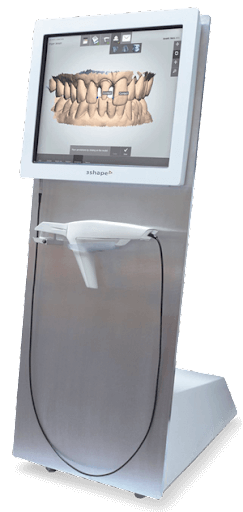
A digital wax-up swaps the wax and flame for a mouse and screen. The process starts with an intraoral scan or a scan of a physical model, which is then imported into specialized CAD (computer-aided design) software. From there, a technician designs the ideal tooth shape, size, and position in a 3D environment. This approach offers incredible precision and predictability. Modifications are quick and easy to make, and the digital files can be shared instantly between your practice and the lab. This method is the foundation of modern digital dentistry solutions and allows for a highly efficient and collaborative workflow.
Which Method Is Right for Your Practice?
So, which should you choose? The decision often comes down to case complexity and your practice’s comfort with technology. For complex full-mouth reconstructions or intricate implant cases, a digital wax-up provides a level of precision and visualization that is hard to match. It allows you to easily overlay the design on the patient’s photos for a virtual smile preview. For simpler cases, like a single crown, a traditional wax-up may be perfectly adequate and efficient. Ultimately, the best method is the one that helps you communicate your vision clearly to the patient and the lab, ensuring a predictable and successful final outcome.
How Patient Feedback Shapes the Final Result
A diagnostic wax-up does more than just map out a clinical strategy; it opens a dialogue with your patient. Restorative and cosmetic dentistry is a deeply personal process, and the final outcome should reflect the patient’s unique desires and expectations. The wax-up serves as the critical bridge between your professional plan and their personal vision, transforming them from a passive recipient of care into an active co-creator of their new smile. By presenting a tangible, three-dimensional model of the proposed changes, you invite them into the planning phase in a way that chairside conversations alone cannot.
This collaborative approach is fundamental to achieving genuine patient satisfaction. It allows you to address concerns, make adjustments, and align on every detail before committing to the final restoration. Whether you’re planning a single crown or a full-mouth reconstruction with dental implants, involving the patient at this stage ensures there are no surprises. It builds a foundation of trust and demonstrates your commitment to their happiness, making the entire treatment journey smoother and more predictable for everyone involved. This process ensures the final result isn’t just clinically sound, but also something your patient will love for years to come.
Making Sure Your Patient’s Voice Is Heard
The diagnostic wax-up makes the future tangible. You can use it to create a temporary mock-up that the patient can actually try on in their own mouth. This is the moment where the abstract plan becomes a concrete reality for them. They can see how the new tooth shapes complement their facial features, feel the new bite, and assess the overall aesthetic. This hands-on preview gives them the confidence to provide specific, meaningful feedback. They can request adjustments to tooth length, shape, or position, ensuring the final design feels completely natural and authentic to them.
Getting the Green Light Before Fabrication
Getting the patient’s enthusiastic approval on the wax-up or mock-up is your green light for success. This step confirms that you, your patient, and your dental lab are all working toward the exact same goal. It minimizes the risk of misunderstandings and dramatically reduces the chances of needing costly or time-consuming remakes after fabrication. Once the patient signs off on the design, you can send the case to the lab with full confidence. This final check ensures the beautiful crown and bridge restorations you receive are precisely what your patient is expecting, leading to a seamless final delivery and a happy outcome.
Managing Patient Expectations
While a diagnostic wax-up is an incredible tool for aligning your vision with your patient’s, it’s just as important to communicate its role and limitations clearly. Managing expectations is the key to a smooth and successful treatment journey. The goal is to use the wax-up and any subsequent mock-ups as a guide for conversation, not as an exact promise of the final material’s look and feel. By being upfront about what the preview stages can and cannot show, you build even greater trust. This ensures your patient remains excited and confident from the initial try-in to the final delivery, preventing any potential misunderstandings about details like color or texture along the way.
Explaining the Limitations of Mock-Ups
A diagnostic wax-up is your best tool for setting clear, realistic expectations from the very beginning. When you create a mock-up or “trial smile” from the wax-up, it’s essential to frame it as a blueprint for shape, size, and position—not a perfect replica of the final product. Explain to your patient that the material used for the mock-up is temporary and won’t have the same luster, strength, or texture as the final restoration. When a patient approves the mock-up, they are approving the architectural design and the final goal. This shared agreement ensures the beautiful smile you deliver is the one they were hoping for, minimizing surprises and confirming the treatment plan before any irreversible work begins.
Clarifying Color Expectations for Temporaries
One of the most important conversations to have is about the color of temporary restorations. Let your patient know that temporaries serve a critical function in testing the new bite and shape, but they are not meant to be a perfect color match. The acrylic or resin used for temporaries lacks the translucency and custom shading of the final porcelain or zirconia. Explain that their purpose is to give a great preview of the final tooth position and form, but the final shade will be selected together for the permanent restoration. This simple clarification prevents any disappointment and keeps the focus on the functional and aesthetic improvements, ensuring they are excited for the final, beautifully shaded crown and bridge restorations to come.
Common Wax-Up Challenges (and How to Solve Them)
Creating a perfect diagnostic wax-up is a blend of art and science, but it’s not without its hurdles. Even with the best intentions, a few common challenges can pop up that affect the final outcome, your chair time, and your patient’s satisfaction. The two biggest obstacles are often communication breakdowns between the dental practice and the lab, and the sheer time and technical skill required for traditional methods. These aren’t just minor inconveniences; they can lead to multiple revisions, frustrated patients, and a less efficient practice overall. Think of it this way: any ambiguity in the initial stages will almost certainly show up as an imperfection in the final product.
Getting ahead of these issues is key to a smooth and predictable workflow. When the line of communication is crystal clear and the technical process is efficient, the wax-up serves its true purpose as a reliable blueprint. It allows you to confidently present a treatment plan and know that the final restoration will match the patient’s expectations. By understanding these potential roadblocks, you can implement strategies and choose partners who help you sidestep them entirely. This ensures your vision is perfectly translated from the initial impression to the final restoration, making the entire experience better for you, your team, and your patient.
Closing Communication Gaps with Your Lab and Patient
A successful restoration starts with a successful conversation. The diagnostic wax-up is a physical representation of the dialogue between you and your dental lab. When details get lost in translation, the result is a wax-up that doesn’t quite match your clinical goals, leading to more adjustments and valuable time lost. To prevent this, it’s essential to provide clear, detailed instructions and visual aids. The good news is that digital technology can bridge many of these communication gaps. Submitting digital scans with annotated notes and photos helps ensure that you and your lab technician are looking at the exact same picture, creating a shared understanding of the desired outcome from the very beginning.
Balancing Technical Skill with Your Time
Let’s be honest: traditional hand-waxing is an art form, but it’s also incredibly time-consuming and messy. Finding a technician with the high level of skill needed for complex cases can be a challenge, and the process itself can create bottlenecks in the lab’s workflow. This is why many labs find traditional wax-ups to be inefficient. Digital wax-ups, on the other hand, change the game entirely. By using CAD software, technicians can design precise and consistent restorations in a fraction of the time. These digital solutions not only speed up the process but also allow for easy modifications, ensuring the final design is perfected before any physical model is ever created.
Is a Diagnostic Wax-Up Right for This Case?
Knowing when to add a diagnostic wax-up to your treatment plan is key. While it’s not necessary for every single-unit crown, it becomes an invaluable tool in more involved scenarios. Think of it as a strategic investment of time and resources that pays dividends in predictability, patient satisfaction, and clinical success. The following situations are prime examples of when a
The Go-To for Complex Restorative Cases
For any case that involves multiple teeth or alters the patient’s bite, a diagnostic wax-up is practically a necessity. This includes full-mouth reconstructions, extensive crown and bridge work, and complex implant placements. In these situations, you’re not just restoring individual teeth; you’re re-engineering a functional system. A wax-up allows you to meticulously plan for critical factors like occlusion, vertical dimension, and the smile line before you ever touch a handpiece. It serves as your blueprint, helping you map out the shape, size, and angle of each tooth and ensuring the final restorations will function in perfect harmony. This foresight is crucial for achieving a predictable, stable, and long-lasting outcome for your patient.
A Must-Have for Major Cosmetic Changes
When a patient comes to you with a vision for a completely new smile, words can only go so far. A diagnostic wax-up is the perfect tool to turn an abstract idea into a tangible reality. For cosmetic cases like veneers or full smile makeovers, the wax-up provides a clear, three-dimensional preview of the final result. This visual aid is a critical communication tool that bridges the gap between your clinical plan and the patient’s expectations. By showing them exactly what their new smile will look like, you can get their feedback, make adjustments, and gain their confident approval before beginning treatment. This collaborative process ensures everyone is aligned and dramatically increases patient satisfaction with the final outcome.
Related Articles
- 7 Steps For Quick And Accurate Digital Diagnostic Wax-Ups
- Dental Diagnostics: Comparing Intraoral And Extraoral Methods
- Oral Diagnosis Made Easy: Key Insights For Dental Practitioners
- Understanding The Digital Dental Workflow: From Scan To Restoration
- Intraoral Scanning Technology: Laser to Confocal Types
Frequently Asked Questions
Do I really need a diagnostic wax-up for a single crown? For a routine, single-unit posterior crown, a wax-up usually isn’t necessary. However, if the crown is in the esthetic zone, or if you’re changing the patient’s bite or tooth position, it becomes an incredibly valuable tool. It allows you and the lab to perfect the contours and function from the start, which saves you chair time on adjustments later.
How can a wax-up help me get patients to say ‘yes’ to treatment? A wax-up makes the outcome of your treatment plan real. When patients can see and hold a model of their future smile, it removes the fear and uncertainty that often cause them to hesitate. This clear, tangible preview builds their confidence and excitement, making it much easier for them to understand the value of the procedure and commit to it.
What’s the best way to explain the value of a wax-up to my patient? I often compare it to an architect’s blueprint for a custom home. You wouldn’t start construction without a detailed plan, and we shouldn’t build a new smile without one either. Frame it as a collaborative planning step that allows you both to preview the final result and make sure the smile they get is exactly the one they want. It’s a small step that guarantees a predictable and beautiful outcome.
What information should I provide the lab for the most accurate wax-up? Clarity is key. Along with precise impressions or digital scans, always include clear photos of the patient’s face and current smile. A detailed prescription that explains your specific goals for tooth length, shape, and any functional changes is also critical. This combination of visual and written direction gives your lab technician the complete story they need to execute your vision perfectly.
Is a digital wax-up always better than a traditional one? It’s less about one being “better” and more about which is the right tool for the job. Digital wax-ups offer exceptional precision and make modifications quick and easy, which is a huge advantage for complex cases. That said, a traditional hand-sculpted wax-up can still produce a beautiful result. The best choice often comes down to the specific needs of the case and your practice’s workflow.