Translating a complex treatment plan into something a patient can understand and get excited about is a common challenge. A diagnostic wax-up is your most effective communication tool, bridging the gap between clinical terminology and a patient’s vision for their smile. It transforms an abstract concept into a tangible preview they can see and hold. This simple step builds immense trust, helps set realistic expectations, and dramatically improves case acceptance. When patients can visualize the final result, they feel more confident and involved in their care. A skilled diagnostic wax up lab creates a compelling model that makes saying “yes” to treatment an easy decision.
Key Takeaways
- Plan treatments and manage expectations: A wax-up serves as a clinical blueprint for you and a visual preview for your patient, aligning everyone on the final outcome before treatment begins.
- Reserve wax-ups for high-stakes cases: They are most effective for complex treatments like full-mouth reconstructions, cosmetic veneers, and implant restorations where detailed planning is critical.
- Choose a lab with a digital workflow: Partnering with a lab that uses digital design and 3D printing streamlines communication, allows for more conservative tooth preparation, and ensures the final restorations fit perfectly.
What is a Diagnostic Wax-Up and Why Do You Need It?
Think of a diagnostic wax-up as a 3D preview of your patient’s future smile. It’s a physical model, built on a cast of their current teeth, that shows exactly what the proposed restorations will look like. This isn’t just a helpful visual; it’s a critical tool that serves two major purposes. First, it acts as a detailed blueprint for you, the clinician, allowing you to plan and troubleshoot the case before any treatment begins. Second, it’s an invaluable communication aid that helps your patient visualize the final outcome, making them an active and confident partner in their own dental journey.
For any case that involves changes to the size, shape, or position of teeth, a wax-up is your best friend. It bridges the gap between the initial consultation and the final restoration, ensuring that both your clinical goals and the patient’s aesthetic desires are perfectly aligned. From complex full-mouth reconstructions to cosmetic veneers, this preparatory step removes guesswork, minimizes chair-side adjustments, and sets the stage for a predictable, successful result. It transforms an abstract treatment plan into a tangible reality that everyone can see and agree upon.
A Blueprint for Successful Treatment
From a clinical standpoint, the diagnostic wax-up is the architectural blueprint for your entire treatment plan. It allows you to meticulously map out every detail of the final restoration, from tooth morphology and occlusion to gingival contours. This process helps you develop a clear strategy, ensuring that the final crown and bridge restorations will function correctly and look natural. By working on a model first, you can anticipate challenges, test different approaches, and refine the treatment plan without any risk to the patient. This foundational step is key to achieving predictable outcomes, reducing the need for adjustments, and ensuring the final result is both beautiful and built to last.
A Powerful Patient Communication Tool
A diagnostic wax-up is one of the most effective communication tools in your arsenal. It translates complex dental terminology into a simple, powerful visual that patients can immediately understand. Instead of just describing a smile makeover, you can hand them a model of their new smile. This tangible preview helps set realistic expectations and builds immense trust. When patients can see and hold the final result, they feel more connected to the process and confident in their decision. This clarity is instrumental in improving case acceptance, as it empowers patients to say “yes” to a treatment they fully understand and are excited about. Our guide to digital diagnostic wax-ups explores how modern technology makes this process even more engaging.
A Look Inside the Lab: Creating a Diagnostic Wax-Up
Creating a diagnostic wax-up is where your treatment plan takes physical form. It’s a collaboration between your clinical expertise and the lab’s technical artistry. Whether sculpted by hand or designed with digital precision, the goal is to create an accurate preview of the final restoration. This tangible model is a critical checkpoint, allowing you and your patient to see the intended outcome before any permanent work begins. Let’s look at how our technicians bring your vision to life.
The Art of Traditional Hand-Waxing
The traditional hand-waxing method is pure craftsmanship. A skilled technician takes the stone model of your patient’s teeth and meticulously applies and carves wax, layer by layer. Using specialized tools and a deep understanding of dental anatomy, they sculpt each tooth to the ideal shape and position. The technician uses dental waxes in natural tooth colors to produce the anticipated result, ensuring the wax-up resembles the projected finished look of the final crown and bridge work. This hands-on approach allows for incredible artistic detail, ensuring a functional and beautiful result.
The Precision of Digital Wax-Ups and 3D Printing
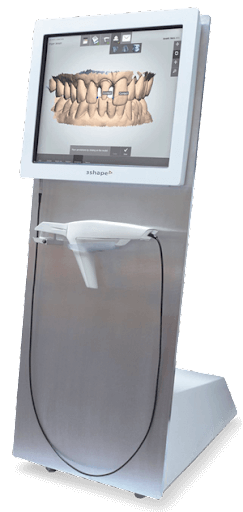
For practices embracing digital workflows, the process is a showcase of modern precision. It starts with an intraoral scan, which our technicians use to create a digital wax-up with specialized CAD software. Digital wax-ups are made on a computer, which makes them more precise, faster, and easier to change than hand-carved wax models. We can make micro-adjustments with just a few clicks. Once you approve the design, we can 3D print a physical model. This digital case process streamlines communication and ensures a highly accurate foundation for restorative work.
How Material Choice Affects the Final Outcome
The wax model itself is a stepping stone to creating other essential tools for the case. For instance, an impression of the wax-up is often taken with a putty material in the lab. A bis-acrylic material is then placed in the putty and on the wax-up to create a more durable model. This sturdy replica is perfect for patient consultations or for fabricating provisional restorations. The quality of these materials directly impacts the accuracy of the final outcome, ensuring the temporaries and final removables fit perfectly and match the approved design.
How Diagnostic Wax-Ups Benefit Your Practice and Patients
A diagnostic wax-up is one of the most powerful tools in restorative and cosmetic dentistry, acting as a crucial link between your clinical expertise and your patient’s expectations. It’s far more than just a model; it’s a detailed, three-dimensional blueprint of the final outcome. This tangible preview allows both you and your patient to see and approve the proposed treatment plan before any irreversible procedures begin. For your practice, it’s an indispensable diagnostic aid that helps you map out every detail, from tooth reduction to final occlusion. For your patient, it’s a clear visual that demystifies the treatment process and builds excitement for their new smile.
By integrating wax-ups into your workflow, you bring a new level of clarity and precision to even the most complex cases. It allows you to troubleshoot potential issues on the model, not in the chair, saving valuable time and preventing complications. This proactive approach ensures that the final dental implants or crowns fit perfectly and meet the esthetic goals you’ve set. It’s about moving from a theoretical plan to a concrete, verifiable strategy. This process not only refines your clinical approach but also strengthens the trust between you and your patient. Ultimately, the diagnostic wax-up fosters collaboration, enhances patient education, and lays the groundwork for predictable, beautiful results that leave both you and your patients smiling.
For Your Practice
A diagnostic wax-up serves as the essential blueprint for your entire treatment plan. It allows you to meticulously map out the procedures needed, giving you a clear guide for achieving the desired outcome. With this model in hand, you can determine the precise amount of tooth reduction required, ensuring your preparations are as conservative as possible. This foresight is invaluable, helping you anticipate challenges and refine your strategy before you even pick up a handpiece. It’s a low-stress way to confirm that your clinical plan is sound, functional, and esthetically pleasing, giving you complete confidence as you go digital with your case.
For Your Patients
For patients, a diagnostic wax-up transforms an abstract concept into a tangible reality. It’s often difficult for them to visualize what their new smile will look like, but a wax-up provides a clear, realistic preview. Using natural-looking dental waxes, the model is crafted to resemble the projected final result, allowing patients to see the shape, size, and position of their future crown and bridge restorations. This visual aid is an incredibly effective communication tool. It helps manage expectations, answers questions, and gets patients genuinely excited about the treatment. When patients can hold a model of their future smile, they feel more involved and confident in their decision to proceed.
Improve Predictability and Reduce Risk
One of the greatest advantages of a diagnostic wax-up is its ability to identify and solve problems before treatment begins. It allows you to assess the bite, check for potential occlusal issues, and evaluate tooth positions from every angle. By working through these challenges on the model first, you can avoid unexpected complications in the operatory. From the wax-up, you can also create a putty matrix to fabricate durable provisional restorations. This gives both you and the patient a chance to “test drive” the new smile, ensuring comfort and function are dialed in. This step dramatically reduces risk and ensures your digital cases proceed smoothly toward a predictably successful outcome.
When to Use a Diagnostic Wax-Up
A diagnostic wax-up is an invaluable tool, but you don’t need one for every single case. Its real power shines in specific situations where careful planning and clear communication are essential for success. Think of it as your strategic guide for more involved treatments. From full-mouth reconstructions to cosmetic enhancements, knowing when to use a wax-up can make a significant difference in your workflow and patient satisfaction. Here are the key scenarios where a diagnostic wax-up is a clinical must-have.
Complex Full-Mouth Reconstructions
When a patient needs more than a few simple fillings, a diagnostic wax-up becomes your roadmap. For cases involving a collapsed bite, multiple missing teeth, or significant occlusal changes, you need a clear plan to achieve the best outcome. The wax-up allows you to visualize the final result and test different approaches before touching a single tooth. It helps you map out the ideal tooth position, shape, and function, ensuring every element works in harmony. This detailed preview is especially critical when planning for complex solutions like hybrid dentures, as it provides a predictable path through an otherwise complicated treatment.
Cosmetic Smile Makeovers and Veneers
For any cosmetic case, managing patient expectations is half the battle. A diagnostic wax-up is the ultimate communication tool for smile makeovers. It serves as a blueprint, translating your patient’s goals into a tangible 3D model they can see and touch. This preview allows them to approve the proposed changes to tooth length, shape, and overall smile design before you begin any preparations. By providing this clear visual, you build trust and ensure you and your patient are aligned on the desired outcome. It’s an essential step for creating beautiful and predictable results with crown and bridge restorations, especially veneers.
Implant and Restorative Cases
Precision is key in restorative and implant dentistry, and a diagnostic wax-up is your guide. It helps you determine the exact amount of tooth reduction needed for a crown, allowing you to keep preparations as conservative as possible. For implant cases, the wax-up is even more critical. It helps you plan the ideal position, angulation, and spacing for dental implants to ensure a functional and esthetic final restoration. By working backward from the ideal outcome visualized in the wax-up, you can create a surgical guide that makes the placement process more accurate and predictable, ultimately leading to better long-term results for your patient.
Improve Patient Communication with Diagnostic Wax-Ups
A diagnostic wax-up is one of the most effective communication tools in your arsenal. It translates complex clinical plans into a clear, tangible model that patients can see and understand. When a patient can visualize the end result, it removes uncertainty and makes it easier for them to commit to treatment. This visual aid helps you set clear expectations, build a foundation of trust, and improve your case acceptance for everything from single crowns to full-mouth reconstructions.
Set Realistic Expectations with a Visual Preview
Explaining the nuances of crown lengthening or changes in vertical dimension can be challenging. A diagnostic wax-up cuts through the clinical jargon by providing a physical preview of the final restoration. This allows both you and your patient to see the projected outcome before any prep work begins. This shared understanding is critical. It ensures the patient’s expectations are aligned with what’s clinically possible, preventing misunderstandings and leading to higher satisfaction with their new crown and bridge work. It’s a simple way to get everyone on the same page.
Build Patient Confidence and Trust
For many patients, dental procedures can feel abstract and intimidating. A wax-up makes the treatment plan real. When patients can see and hold a model of their future smile, it demystifies the process and helps them feel more in control. This transparency is key to building trust. It shows you’ve carefully planned their case and are invested in delivering a predictable result. By using modern digital case solutions, you can further reinforce their confidence in your practice and the proposed treatment, making them feel more comfortable saying yes.
Increase Case Acceptance Rates
Ultimately, a well-executed diagnostic wax-up helps patients see the value in your treatment plan. It shifts the conversation from the procedure to the life-changing benefit of a healthy, beautiful smile. The wax-up acts as a powerful motivator, turning a proposed treatment into a desired outcome. For complex cases involving dental implants or veneers, this visual evidence is often the final piece of the puzzle that helps a patient move forward with treatment, confident in their investment and in your care.
Innovations Transforming the Diagnostic Wax-Up
The diagnostic wax-up has always been a blend of art and science, but recent technological advancements are refining the process. What was once a purely hands-on craft is now enhanced by digital precision, offering greater accuracy and efficiency. These innovations directly improve treatment planning, patient communication, and final outcomes in your practice. From initial scans to the final physical model, technology is making the wax-up an even more powerful tool in your clinical toolkit. Let’s look at the key technologies leading this transformation.
Advanced Digital Scanning and Software
The transformation begins with how we capture patient information. Intraoral scanners create highly detailed 3D digital models in minutes, which are then imported into specialized design software. Here, a skilled technician creates a digital wax-up. Unlike traditional hand-carved wax, digital designs are incredibly precise and easy to modify. A technician can adjust tooth shape, length, and position with a few clicks, allowing for rapid revisions. This digital blueprint ensures every detail is perfected on-screen before any physical model is produced, saving time and eliminating guesswork.
The Rise of 3D Printing and Milling
Once the digital design is finalized, it becomes a tangible object through 3D printing or milling. 3D printers build the model layer by layer, which is excellent for creating detailed shapes with remarkable speed. Alternatively, the model can be milled from a solid block of a durable material like PMMA, which is often chosen when a stronger model is needed for try-ins or creating provisional templates. Both methods translate the digital precision of the design into an accurate physical model, giving you a reliable preview of the final dental restorations.
How Technology Improves Precision
The ultimate benefit of this technology is a higher degree of clinical precision. A detailed digital wax-up helps you determine the exact amount of tooth reduction needed, allowing for the most conservative preparation possible. This preserves more of the patient’s natural tooth structure. The accuracy of the digital model also translates directly to the fit and function of the final restoration, whether it’s a single crown or a full-mouth reconstruction. When you can connect your scanner to a lab that uses these tools, you create a seamless workflow that reduces chair time, minimizes adjustments, and leads to more predictable results.
How to Choose the Right Dental Lab for Wax-Ups
Selecting the right dental lab is one of the most important decisions you’ll make for your practice. Your lab partner directly influences the quality of your restorations, the satisfaction of your patients, and the efficiency of your workflow. A diagnostic wax-up is the first major collaboration on a complex case, so it’s the perfect test of a lab’s capabilities. When you’re evaluating a potential partner, you’re not just looking for someone who can shape wax; you’re looking for a team that shares your commitment to precision and patient care. The right lab acts as an extension of your own team, bringing technical artistry and reliable support to every case you send their way.
Expertise and Material Quality
The success of a diagnostic wax-up hinges on the skill of the technician. You need a lab with experienced technicians who understand the nuances of dental anatomy, function, and esthetics. A great wax-up isn’t just a model; it’s a precise, three-dimensional preview of the final restoration. The technician should use high-quality dental waxes in natural tooth colors to create a result that accurately represents the finished look. When you present the wax-up to your patient, it should be a clear and compelling vision of their future smile. This level of detail is foundational for creating exceptional crown and bridge restorations that meet both your standards and your patient’s expectations.
Digital Workflow Integration
A modern dental lab should be fluent in both traditional techniques and digital technology. A lab that integrates a digital workflow can offer a higher level of precision and efficiency. When you send a digital scan, the lab can use CAD software to design the wax-up with incredible accuracy, ensuring the final model is a perfect blueprint for the case. This process enhances, rather than replaces, the technician’s artistry. It allows for easier collaboration, faster modifications, and a more predictable outcome. Working with a digitally-equipped lab streamlines your entire process, from the initial impression to the final seating, saving you valuable chair time and reducing the need for adjustments.
Communication and Turnaround Time
Clear, consistent communication is the backbone of a strong lab partnership. Your lab should be accessible, responsive, and eager to collaborate on case details. When discussing specifics like margins or occlusion, you need to feel confident that your instructions are understood and will be executed perfectly. Beyond communication, a reliable turnaround time is essential for managing your schedule and your patients’ expectations. A great lab provides a predictable schedule you can count on, allowing you to book follow-up appointments with confidence. This partnership ensures that from the diagnostic phase to the final restoration, the entire process is smooth, predictable, and centered on outstanding patient care.
Overcoming Common Wax-Up Challenges
Diagnostic wax-ups are a fantastic tool, but incorporating them into your practice can present a few hurdles. From finding time in a busy schedule to aligning the final result with the patient’s vision, some common challenges can arise. The good news is that they are completely manageable with the right approach and a great lab partner. Let’s walk through how to handle them so you can make wax-ups a valuable, stress-free part of your treatment planning.
Integrating Wax-Ups into Your Workflow
Bringing diagnostic wax-ups into your routine can feel like adding another step to a packed schedule. The key is to see it not as an extra task, but as a foundational part of your treatment plan. A basic wax-up acts as a blueprint, showing you exactly what procedures are needed. This initial planning saves time and adjustments later. Start by identifying specific case types, like cosmetic or implant cases, where a wax-up offers the most value. Embracing digital case solutions also makes integration much smoother, allowing for quick collaboration and predictable results.
Managing Patient Expectations
One of the biggest challenges in dentistry is making sure your patient’s vision aligns with what’s clinically possible. A diagnostic wax-up is your best tool for this conversation. It transforms an abstract idea into a tangible model they can see and touch, giving you a clear starting point to discuss the final outcome. When a patient has a complex case, a physical preview helps them gain a clear understanding of their condition and the proposed solution. It builds trust and helps you guide the conversation toward a realistic and beautiful result.
Addressing Technical Skill Gaps
Creating a detailed, life-like diagnostic wax-up requires a specific artistic and technical skill set. This is where partnering with an expert dental lab makes all the difference. A skilled lab technician uses high-quality waxes to produce a result that looks just like the projected final restoration. This model not only helps with patient communication but also serves as a precise guide for tooth preparation, helping you determine the exact amount of reduction needed. This collaboration ensures your preparation is as conservative as possible and that the final crown and bridge work fits perfectly.
Related Articles
- What is a Diagnostic Wax Up in Dentistry?
- Digital Wax Ups: 7 Steps for Accurate Diagnostic Results | Next Dental Lab
- 7 Steps to Flawless Digital Dental Wax Ups
- How a Wax-Up Helps Patients Visualize Results
Frequently Asked Questions
Do I really need a diagnostic wax-up for a single crown? For a straightforward, single-unit restoration where you aren’t changing the tooth’s shape or position, a wax-up usually isn’t necessary. However, it becomes an essential tool for more complex cases. Think of it as your go-to for cosmetic smile makeovers, full-mouth reconstructions, implant planning, or any situation where you are altering the bite or esthetics. It’s all about using the right tool for the right job to ensure a predictable outcome.
What’s the main advantage of a digital wax-up over a traditional one? The biggest advantage of a digital wax-up is its precision and flexibility. Using CAD software, a technician can make micro-adjustments to the design with incredible accuracy, which is much harder to achieve by hand-carving wax. This digital process also makes collaboration easier, as designs can be shared and approved quickly. The final 3D-printed model is a direct, highly accurate replica of that perfected digital plan.
How does a wax-up help me create better provisional restorations? The diagnostic wax-up serves as the perfect template for your temporaries. From the wax-up, the lab can create a putty matrix or stent. You can then use this stent in the office to fabricate provisional restorations directly in the patient’s mouth. This ensures the temporaries are not just a placeholder, but a functional and esthetic “test drive” of the final smile design, matching the exact shape and size you and the patient already approved.
What information should I provide to the lab for the most accurate wax-up? To get the best result, your lab needs more than just a good impression or scan. Be sure to include clear photos of the patient’s current smile and face, especially a full-face photo of them smiling naturally. You should also provide detailed notes about your clinical goals and any specific requests from the patient, such as desired tooth length or shape. The more information you provide, the better the lab can translate your vision into the final model.
How can I explain the value of a wax-up to my patient without getting too technical? The simplest way is to frame it as a blueprint for their new smile. You can say something like, “Before a builder starts construction on a house, they work from a detailed blueprint. This wax model is our blueprint. It allows us to see exactly what your new smile will look like and make any changes now, ensuring the final result is perfect.” Handing them the physical model makes the concept tangible and helps them see it as a valuable step in designing their ideal smile.