Full-arch restorations are some of the most rewarding cases a practice can take on, but they also come with the most variables. Traditional workflows for All-on-4 treatments often involve messy impressions, multiple appointments for adjustments, and the constant stress of achieving a perfect passive fit. This process can be time-consuming for your team and frustrating for your patients. The good news is that a streamlined, data-driven approach now exists. By shifting to a digital workflow, you can eliminate the guesswork and inconsistencies that lead to remakes and long chair times. Partnering with a specialized digital all on 4 dental lab is the key to making this transition seamless, allowing you to deliver predictable, beautiful results with confidence.
Key Takeaways
- Switch to digital impressions for a perfect fit: Intraoral scanning eliminates the inaccuracies common with traditional PVS impressions, resulting in restorations that fit precisely and require fewer chairside adjustments.
- Choose a lab that is a true digital partner: A strong lab relationship streamlines your entire workflow. Look for a partner with a seamless digital submission process and clear communication to shorten treatment times and improve case outcomes.
- Use digital planning for predictable surgical results: A fully digital workflow allows for the creation of 3D-printed surgical guides for exact implant placement. This data-driven approach makes the procedure safer and more predictable for the patient.
What Is the All-on-4 Dental Implant Procedure?
The All-on-4 treatment concept offers a reliable and efficient solution for patients who need full-arch restorations. It’s a streamlined approach that uses just four strategically placed implants to support a full-arch prosthesis, providing a fixed and stable alternative to traditional dentures. This method is designed to maximize the use of available bone, often eliminating the need for complex bone grafting procedures.
For dental practices, this procedure represents a significant opportunity to restore not just a patient’s smile, but their confidence and quality of life. By partnering with a lab that understands the nuances of this treatment, you can deliver predictable and aesthetically pleasing results. The key is a collaborative workflow that begins with careful planning and ends with a beautifully crafted final restoration.
How the All-on-4 Procedure Works
The process begins with a comprehensive digital scan of the patient’s mouth. Using an intraoral scanner, you can capture precise measurements of the patient’s anatomy and the exact location and angle for the dental implants. This digital impression is the foundation for the entire case, allowing for meticulous planning before any surgery takes place.
Once the plan is finalized, a temporary prosthesis, or provisional, is created. This step is crucial, as it lets you and your patient check the fit, bite, and overall look before the final restoration is fabricated. This provisional phase ensures any necessary adjustments are made early on, leading to a more predictable outcome and higher patient satisfaction with their final hybrid dentures.
Identifying the Ideal All-on-4 Candidate
The All-on-4 procedure is designed for patients who have lost most or all of their teeth and are looking for a fixed solution that provides immediate function and aesthetics. Ideal candidates often have significant bone loss that might make them unsuitable for traditional implant placements without extensive grafting. This treatment can be a life-changing option for those struggling with ill-fitting dentures or failing dentition.
Determining the best restorative option should happen during the treatment planning phase. This can even include a consultation with your lab partner to review the case and confirm the patient’s suitability. A collaborative approach ensures that every aspect, from surgical planning to final prosthetic design, is aligned for success, helping you confidently guide your patients toward the best possible outcome.
The Digital Difference: Transforming the All-on-4 Process
The shift from traditional to digital methods is reshaping how we approach All-on-4 treatments. This isn’t just about new gadgets; it’s a fundamental change that improves everything from initial impressions to the final restoration. By incorporating digital tools, you can create a more efficient, accurate, and predictable workflow for your practice and a more comfortable experience for your patients. This process bridges the communication gap between your practice and the lab, allowing for seamless collaboration and superior results. Embracing these advancements means delivering a higher standard of care while streamlining your internal operations.
Comparing Traditional and Digital Workflows
Traditional and digital approaches for All-on-4 cases each have their own methods, but the digital workflow offers significant advantages. The conventional process often starts with PVS impressions, which can be uncomfortable for patients and prone to distortions or inaccuracies. These physical models then need to be shipped to the lab, adding time and potential for damage. In contrast, a digital workflow begins with a clean, quick intraoral scan. This eliminates the need for messy impression materials and provides an immediate, precise 3D model of the patient’s mouth. This digital file can be sent to the lab instantly, kicking off the design process without delay and creating a more efficient system for everyone involved.
Why Digital Scanning Is a Game-Changer
Digital impressions are completely transforming how we deliver restorations, especially for complex cases like All-on-4. The ability to capture and share detailed 3D images instantly strengthens the connection between your practice and the dental lab. This enhanced communication streamlines the entire workflow, from treatment planning to final delivery. With cloud-based data sharing, your lab partners can access case information immediately, leading to faster turnaround times. You can easily connect your scanner and send files directly, reducing errors and eliminating the costs and delays associated with shipping physical impressions. This direct line of communication ensures everyone is on the same page, resulting in a smoother process and better final product.
Achieving Greater Precision and Predictability
Digital technology brings a remarkable level of predictability to the All-on-4 procedure. Tools like intraoral scanners, photogrammetry, and 3D printing allow for meticulous planning before surgery even begins. You can virtually place implants, design the prosthesis, and anticipate challenges, all from a detailed digital model. This level of planning helps deliver high-quality, passive-fitting restorations like hybrid dentures with incredible accuracy. While there can be a learning curve and initial equipment investment when you go digital, the long-term benefits are clear. The result is a more predictable surgical outcome, a better-fitting final restoration, and a more confident treatment experience for both you and your patient.
The Tech Behind a Digital All-on-4 Lab
The magic of the digital All-on-4 workflow isn’t just one single innovation; it’s a combination of powerful technologies working together. From the moment you capture an impression to the final placement of the restoration, digital tools create a seamless, precise, and efficient process. This integration of hardware and software is what allows labs like ours to deliver consistently accurate results for your patients. It bridges the gap between your practice and the lab, creating a collaborative environment focused on the best possible outcome. Let’s look at the core components that make this digital transformation possible.
Intraoral Scanners and Digital Impressions
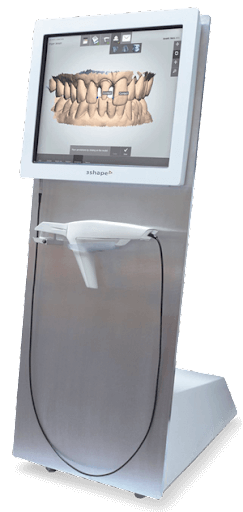
Gone are the days of messy, uncomfortable putty impressions. Intraoral scanners have completely changed how we start the restoration process. These handheld wands capture highly accurate 3D images of the patient’s mouth in minutes, creating a precise digital impression. This method is not only more comfortable for your patients but also eliminates the risk of distortions common with traditional materials. The resulting digital files provide a perfect foundation for the design phase. This technology also improves the dental workflow by allowing for instant sharing of data between your practice and the lab, which means faster turnaround times and better communication from start to finish.
CAD/CAM Software for Seamless Design
Once the digital impression is created, it’s imported into sophisticated CAD/CAM software. This is where the artistry of dental technology meets digital precision. Our technicians use this software to design the All-on-4 restoration with incredible detail, ensuring every contour is perfect. Based on the digital model, they can create a restoration that fits accurately and meets the unique needs of each patient. This technology allows for micro-adjustments that would be impossible by hand, resulting in a seamless design process for even the most complex hybrid dentures. The final design is a perfect digital blueprint, ready for production.
3D Printing and Guided Surgery Tools
The digital plan extends directly into the surgical suite. The All-on-4 digital workflow helps create surgical guides for precise dental implant placement. Using the patient’s scan data, we can 3D print a custom guide that ensures implants are placed at the exact angle and depth planned in the software. This guided approach enhances the safety and predictability of the procedure. Furthermore, 3D printing technology allows us to fabricate provisional restorations quickly and efficiently. Using advanced materials, we can produce durable, same-day fixed hybrid dentures, streamlining the entire process for you and your patient.
Why Partner with a Digital All-on-4 Lab?
Choosing the right lab partner is one of the most critical decisions for your practice, especially when it comes to complex cases like All-on-4 restorations. A lab that has fully embraced a digital workflow isn’t just keeping up with technology; it’s offering you a strategic advantage. By partnering with a digital-first lab, you can refine your processes, improve clinical outcomes, and deliver a better experience for your patients from start to finish. This collaboration is about more than just sending a file; it’s about creating a predictable, efficient system that benefits everyone involved.
The digital All-on-4 process transforms the entire treatment journey. It replaces the guesswork and potential inaccuracies of traditional methods with data-driven precision. This shift allows for seamless collaboration between your practice and the lab, ensuring every detail is accounted for before the final restoration is ever created. When you can virtually plan the entire case with your lab technician, you eliminate surprises and build confidence in the final outcome. Ultimately, this partnership helps you work more efficiently, reduce stress for your team, and build a reputation for providing exceptional, state-of-the-art care that sets your practice apart.
Deliver More Accurate, Better-Fitting Restorations
One of the biggest advantages of a digital workflow is the incredible accuracy it brings to full-arch cases. Digital tools make the All-on-4 process faster and more predictable by eliminating the variables and potential distortions associated with physical impressions and models. When you submit a digital case, the data from your intraoral scanner creates a perfect 3D replica of the patient’s anatomy. This allows lab technicians to design a restoration with microscopic precision, ensuring an impeccable, passive fit. This level of accuracy significantly reduces the need for chairside adjustments, saving you valuable time and preventing frustrating remakes.
Streamline Treatment and Reduce Chair Time
A digital workflow creates a direct and efficient line of communication between your practice and the lab. Instead of shipping physical models back and forth, you can share data in real time. This immediate feedback loop allows for quicker design approvals and troubleshooting, which helps shorten the overall treatment timeline. For your patients, this means fewer appointments and less time spent in the dental chair. By streamlining the entire process, you can manage your schedule more effectively, increase case acceptance, and provide a more convenient and positive experience that patients will appreciate.
Improve Patient Comfort and Aesthetic Outcomes
Let’s be honest: no patient enjoys traditional impression trays. Digital scanning offers a much more comfortable and pleasant alternative. Beyond comfort, the precision of digital design directly translates to superior aesthetic results. A digital lab can create highly customized, natural-looking hybrid dentures that are tailored to your patient’s unique facial features and smile line. This meticulous approach helps you meet and exceed patient expectations, leading to higher satisfaction and more confident smiles. When patients are thrilled with their results, they become your best advocates, driving referrals and helping your practice grow.
Exploring the Financial and Long-Term Value
Adopting a digital workflow is a smart investment in the long-term health of your practice. The efficiency gained from reduced chair time and fewer remakes directly impacts your bottom line. You’re not just saving on materials; you’re optimizing your most valuable asset: your time. Partnering with a lab that has mastered digital dentistry positions your practice as a modern, forward-thinking provider. As the industry continues to evolve, having a strong digital foundation will be essential for staying competitive. Making the decision to go digital with your lab partner is a step toward a more profitable and sustainable future.
Guiding Your Patients Through the Digital All-on-4 Process
Walking your patients through the All-on-4 treatment concept is a significant undertaking, but a digital workflow makes the entire process smoother and more predictable for everyone involved. When you partner with a digital-forward lab, you can confidently explain each step to your patients, from the initial consultation to the final smile reveal. This clarity helps build trust and manage expectations, which are key to patient satisfaction. The digital approach replaces the uncertainties of traditional methods with data-driven precision, allowing you to focus more on patient care and less on logistical hurdles.
By leveraging digital tools, you can show patients a virtual preview of their new smile before treatment even begins. This visual aid is incredibly powerful for case acceptance. Throughout the process, from scanning to surgery and final restoration, the digital thread ensures every component is perfectly aligned with the treatment plan. This streamlined communication between your practice and the lab means fewer adjustments, less chair time, and a more comfortable experience for your patient. Ultimately, a well-executed digital workflow helps you deliver not just a beautiful restoration, but also a positive and reassuring journey for your patient.
The First Steps: Consultation and Scanning
The journey begins with a comprehensive consultation where you discuss the patient’s goals and map out the treatment. This is where the digital workflow kicks in. The process starts by taking a precise digital impression of the patient’s mouth using an intraoral scanner. These scans capture exact measurements of the patient’s oral anatomy, providing the detailed data needed for a successful outcome. This step is quick, comfortable for the patient, and eliminates the need for messy traditional impression materials. Once you have the scans, you can easily submit your digital case to the lab to begin the design phase.
From Digital Plan to Provisional Restoration
With the digital scans, the lab’s technicians use CAD software to design the ideal restoration. This collaborative phase allows you and the lab to fine-tune every detail before anything is fabricated. Based on this digital blueprint, a temporary set of teeth, often called a provisional, is created. This provisional restoration is crucial; it allows you and your patient to check the fit, bite, and aesthetics in a real-world setting. It’s a trial run that ensures the final hybrid denture will meet everyone’s expectations, giving your patient a functional and beautiful smile while their implants heal.
Managing Implant Placement and Recovery
Digital technology transforms the surgical phase of the All-on-4 treatment. Using the initial scans, the lab can design and 3D-print a precise surgical guide. This guide ensures you place each of the four dental implants in the exact position and angle determined during the planning phase. This level of accuracy, made possible by a fully digital workflow, leads to more predictable outcomes and often a smoother recovery for the patient. During the healing period, you can keep your patient informed about the osseointegration process and what to expect as their final restoration is being crafted.
Delivering the Final Restoration
The final appointment is the moment everyone has been waiting for. Thanks to the precision of the digital workflow, delivering the final restoration is typically a straightforward process. The final prosthesis, often milled from a highly durable and aesthetic material like zirconia, is fabricated based on the approved digital design and the performance of the provisional. Because every step was guided by precise digital data, the final fit is accurate, comfortable, and looks completely natural. This meticulous process ensures you can deliver a restoration that not only restores function but also gives your patient a renewed sense of confidence in their smile.
Common Challenges in Digital All-on-4 Workflows
Switching to a digital All-on-4 workflow is a significant step forward for any practice, but it comes with its own set of challenges. It’s not just about buying new equipment; it’s about shifting mindsets, training your team, and refining your processes. The good news is that these hurdles are completely manageable, especially when you have the right support system in place. Think of these challenges less as roadblocks and more as stepping stones toward a more efficient and precise way of working. By anticipating them, you can create a clear plan to handle each one, ensuring a smooth transition for your team and better outcomes for your patients.
Addressing Tech Investments and Team Training
The initial investment in digital technology can feel like a big leap. Implementing a digital workflow involves new equipment, software, and the time it takes for your team to get comfortable with it all. There’s a learning curve, and it requires a commitment to ongoing training to stay current. However, viewing this as a long-term investment in your practice’s future is key. As digital solutions become the standard in dentistry, adopting them now prepares your practice for sustained success. You don’t have to do it all at once; partnering with a digitally-equipped lab allows you to start the digital transition without immediately purchasing every piece of technology.
Adapting to New Workflows and Integration
Once the technology is in place, the next step is integrating it into your daily operations. The biggest challenge here is often achieving consistently accurate image acquisition. Getting that perfect scan takes practice. This new process also requires seamless collaboration between your practice and your dental lab. Clear communication and full digital integration are essential for success. When your intraoral scanner files can be sent and received effortlessly, it eliminates guesswork and reduces the chance of errors. A lab partner that helps you connect your scanner and provides clear guidelines can make this adaptation much smoother for your entire team.
Managing Patient Expectations and Misconceptions
Your team isn’t the only group that needs to adapt; your patients do, too. Many patients come in with preconceived notions or fears about dental implants, which might prevent them from considering an All-on-4 procedure. It’s our job to educate them on the process and its benefits. Explaining how digital technology makes the procedure more predictable and comfortable can ease their concerns. It’s also important to set realistic expectations about the treatment timeline and what’s required for long-term care. When patients understand that All-on-4 implants are a durable, long-lasting solution with proper maintenance, they feel more confident moving forward.
How Digital Planning Leads to Better Surgical Outcomes
The success of an All-on-4 procedure begins long before the patient is in the surgical chair. It starts with a meticulous plan. With a digital workflow, you can map out every detail of the surgery with incredible accuracy, transforming the entire process from an estimation into a precise, engineered procedure. This level of foresight allows you to anticipate challenges, optimize implant placement, and design a final restoration that fits perfectly from the start. It’s the difference between having a rough sketch and a detailed architectural blueprint before you begin construction.
By leveraging digital tools, you’re not just improving the surgery itself; you’re creating a better experience for your patient and a more efficient process for your practice. The ability to visualize the final outcome and reverse-engineer the surgical steps gives you complete control over the entire case. This digital approach is central to achieving the best possible results, ensuring that the final restoration is not only beautiful but also functional and built to last. When you submit a digital case, you are taking the first step toward a more predictable and successful surgical outcome.
Using Virtual Guides for Precise Implant Positioning
One of the most significant advantages of a digital workflow is the ability to use surgical guides. Think of it as a detailed blueprint for your procedure. Using specialized software, you can plan the exact position, angle, and depth of each implant based on the patient’s unique anatomy. This virtual plan is then used to 3D print a custom surgical guide that fits perfectly over the patient’s arch, directing your drill with pinpoint accuracy.
This method of guided surgery helps you avoid critical structures like nerves and sinuses, minimizing risks and reducing surgical time. By removing the guesswork, you can place implants in the ideal location to support the final prosthesis, ensuring optimal function and aesthetics. It’s a systematic approach that makes complex procedures safer and more straightforward.
Ensuring a Passive Fit with Digital Quality Control
A passive fit is essential for the long-term success of any full-arch restoration. This means the final prosthesis seats perfectly on the implants without creating any tension or stress. Even the slightest discrepancy can lead to mechanical complications or biological issues down the road. In a traditional workflow, inaccuracies from physical impressions can make achieving a passive fit a real challenge.
Digital quality control eliminates these variables. High-precision intraoral scans capture the implant positions with exceptional detail, and CAD software is used to design a framework that aligns flawlessly. This ensures your patient’s hybrid denture or bridge fits exactly as intended, distributing occlusal forces evenly and protecting the longevity of the implants.
Achieving Consistent and Predictable Results
Ultimately, the goal of any clinical procedure is to achieve consistent, high-quality results for every patient. Digital technology makes this possible by standardizing the All-on-4 workflow. From the initial scan to the final restoration, each step is based on precise data, which removes the inconsistencies that can occur with manual techniques. This predictability extends beyond the surgical outcome.
It means fewer appointments for adjustments, reduced chair time, and a smoother overall treatment journey for your patient. When you can confidently show a patient their digital treatment plan and deliver on that vision, it builds immense trust. This consistency not only improves patient satisfaction but also strengthens your practice’s reputation for delivering excellent care with dental implants.
Setting Expectations: The All-on-4 Timeline
One of the first questions patients ask about the All-on-4 procedure is, “How long will it all take?” It’s a fair question. They are making a significant investment in their health and appearance, and they want to know what to expect. As a clinician, providing a clear and realistic timeline is one of the best ways to build trust and guide your patient through the process with confidence. While the digital workflow has made the All-on-4 treatment more predictable than ever, it’s not an instant transformation.
The “teeth-in-a-day” concept is a powerful part of the All-on-4 story, but it refers specifically to the day of surgery when the patient leaves with a functional, provisional restoration. The complete journey from consultation to final prosthesis takes several months. Communicating this full timeline upfront helps manage expectations and prevents misunderstandings down the road. It allows patients to plan their lives accordingly and helps your practice schedule appointments efficiently. By breaking down the process into distinct phases, you can give patients a clear roadmap, helping them feel informed and in control every step of the way. This transparency not only improves the patient experience but also reinforces your practice’s reputation for thorough, patient-centered care.
Mapping the Timeline from Start to Finish
The All-on-4 treatment concept is celebrated for its efficiency, but it’s a carefully orchestrated process with several key stages. It typically begins with an initial consultation, where you’ll gather digital records like intraoral scans and CBCT images. Next comes the surgery, where implants are placed and a provisional bridge is fitted, allowing the patient to leave with a new smile.
Following surgery, a healing period of three to six months is necessary for osseointegration, the process where the implants fuse with the jawbone. This is a critical phase for long-term success. Once healing is complete, you’ll begin the process of creating the final restoration, which involves taking new digital impressions and working closely with your lab partner to craft the permanent, beautiful prosthesis.
What Factors Influence the Treatment Timeline?
While there’s a standard sequence of events, the exact timeline for an All-on-4 treatment can vary. A patient’s overall health and bone quality play a major role, as these factors directly impact the healing and osseointegration period. If procedures like bone grafting are needed before implant placement, this will naturally extend the initial phase of treatment.
The efficiency of your workflow is another key factor. A seamless digital process, from scanning to design and fabrication, minimizes delays. Strong communication between your practice and dental lab is essential. Using tools like digital impressions allows for real-time collaboration and reduces the chance of remakes. Partnering with a lab that is proficient in digital workflows ensures that each step is completed accurately and on schedule, keeping the entire case moving forward smoothly.
Choosing Your Digital All-on-4 Lab Partner
Selecting the right dental lab is one of the most important decisions you’ll make for your All-on-4 cases. This isn’t just about finding a vendor; it’s about finding a true partner who understands the digital workflow and is committed to helping you achieve exceptional results for your patients. A great lab acts as an extension of your team, providing the technical expertise and support needed to make every case a success. When you’re evaluating potential labs, focus on three key areas: their technological capabilities, their communication and case submission process, and their commitment to quality and precision. Getting these right will build a foundation for a strong, productive partnership that benefits your practice and your patients.
Key Technologies and Capabilities to Look For
A modern All-on-4 lab should be built on a foundation of digital dentistry. Look for a partner that has fully invested in the latest tools, as this directly impacts the quality and efficiency of your restorations. This means they should be proficient with CAD/CAM systems, which use digital impressions to design incredibly precise prosthetics. Their workflow should also include advanced 3D printing for creating surgical guides and models. A lab that embraces these technologies can produce restorations with a better fit and finish, often in less time than traditional methods. When you go digital with a forward-thinking lab, you’re not just getting a product; you’re getting a streamlined process that leads to more predictable outcomes.
Evaluating Communication and Digital Case Submission
The best technology in the world doesn’t mean much if the lab is difficult to work with. Your ideal partner should offer a seamless and transparent digital case submission process. Look for a lab with a centralized online portal where you can upload scans, submit case details, and track progress in real time. This eliminates the back-and-forth of phone calls and emails, saving you and your team valuable time. An efficient digital platform also reduces the risk of miscommunication and ensures all case-specific instructions are clearly documented. Before committing, ask about their process and how they handle communication. A lab that makes it easy to connect your scanner and manage cases is one that values your time and partnership.
Verifying Quality and Precision Standards
While technology is crucial, it’s the skill of the technicians that ultimately determines the quality of the final restoration. Digital workflows require a high degree of expertise to manage, from ensuring accurate image acquisition to mastering complex design software. Don’t hesitate to ask a potential lab about their quality control processes. You can also request to see examples of their work or case studies. Pay close attention to the fit, function, and esthetics of their final products, like their hybrid dentures. A top-tier lab will be proud to demonstrate their commitment to precision and will have rigorous standards in place to ensure every restoration they deliver meets your expectations and provides an excellent outcome for your patient.
Related Articles
- Top 5 All on 4 Dental Labs in Los Angeles
- All on 4 Dental Lab: A Complete Guide for Dentists
- Types of Intraoral Scanners & Dental Scanning Technology | Next Dental Lab
- Advanced Dental Technology Trends & Innovations for 2024 | Next Dental Lab
- 5 Best Full-Arch Dental Lab Solutions for 2026
Frequently Asked Questions
My practice is just starting to transition to digital. Can I still partner with you for All-on-4 cases? Absolutely. You don’t need a fully digital office to start benefiting from a digital workflow. The most important first step is incorporating an intraoral scanner. Once you can send us a precise digital scan, we can manage the rest of the digital process on our end. We are happy to help you connect your scanner to our system and can guide your team through the submission process to make it as smooth as possible.
How does a digital workflow specifically reduce the need for chairside adjustments? The need for adjustments often comes from small inaccuracies that start with a traditional physical impression. Digital scanning captures a patient’s anatomy with incredible precision, creating a near-perfect 3D model. This eliminates the risk of distortions from impression material or stone models. Our technicians then use this exact data to design a restoration that fits passively from the start, significantly minimizing the time you spend making adjustments at the final seating appointment.
What is the lab’s role in the surgical planning phase of a digital All-on-4 case? Our role is to be your collaborative partner. Once we receive your digital scans and CBCT data, our technicians work with you to plan the ideal implant placement. We then use this plan to design and 3D-print a custom surgical guide. This guide acts as a precise template during surgery, ensuring each implant is placed at the exact depth and angle you planned, which is critical for the success of the final restoration.
How is the provisional restoration handled in a fully digital workflow? The provisional is a key part of the digital process. Using the initial digital scans, we design and fabricate a temporary restoration that is both functional and aesthetically pleasing. This provisional is created with the same precision as the final prosthesis and is ready for you to deliver on the day of surgery. It serves as an excellent real-world test for fit and function, allowing us to gather feedback before creating the final, permanent restoration.
What kind of support do you offer to practices new to the digital All-on-4 process? We see ourselves as an extension of your team, especially when you’re adopting new workflows. We provide clear guidance on connecting your scanner and submitting cases through our online portal. Our experienced technicians are also available for case consultations to help you plan complex treatments. Our goal is to make the transition feel seamless by providing the technical support and clear communication you need to feel confident in every case you send.