Remakes, adjustments, and wasted chair time are the small frustrations that can derail an otherwise smooth day at your practice. When a crown comes back from the lab and doesn’t fit perfectly, it costs you time, money, and can even erode patient confidence. The traditional lab process, with its physical impressions and manual steps, leaves room for these small errors to creep in. This is where modern dentistry offers a better way forward. By partnering with the right digital dental lab for zirconia crowns, you can sidestep these issues. This guide will walk you through what to look for in a lab partner, ensuring you get consistently precise, beautiful restorations that drop right in.
Key Takeaways
- Digital workflows improve practice efficiency: Switching to a digital lab streamlines the entire restorative process, from intraoral scanning to final seating. This leads to more precise restorations, fewer chairside adjustments, and faster turnaround times.
- Zirconia is a reliable, patient-pleasing material: Offering zirconia crowns allows you to provide a solution that is both incredibly strong and highly aesthetic. Its durability and natural appearance result in satisfied patients and fewer remakes for your practice.
- A great lab is a true clinical partner: When choosing a lab, look beyond the basics and assess their technology, material quality, and quality control systems. The right partnership ensures you receive consistent, high-quality work that integrates smoothly with your daily operations.
What Is a Digital Dental Lab?
A digital dental lab swaps traditional, hands-on methods for streamlined, technology-driven processes. The traditional workflow relies on physical impressions, which can be uncomfortable for patients and introduce small inaccuracies. From there, technicians manually pour models and craft restorations by hand, a process that requires immense skill but is also subject to human variability.
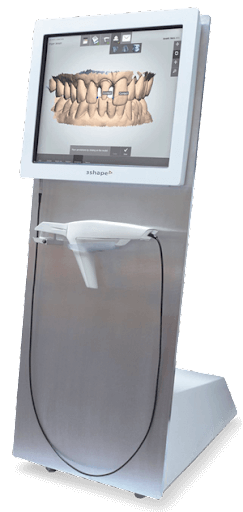
A digital workflow starts with a clean intraoral scan. This digital impression is sent directly to the lab, eliminating shipping delays and the risk of distortion. This approach not only creates a better patient experience but also provides a more accurate foundation for every restoration. By embracing digital case solutions, labs can produce crowns, bridges, and implants with remarkable consistency and precision.
The Role of CAD/CAM Technology
At the heart of every digital dental lab is CAD/CAM technology, which stands for Computer-Aided Design and Computer-Aided Manufacturing. It’s a two-part system that turns a digital scan into a finished restoration. First, a technician uses CAD software to design the zirconia crown on a 3D model of the patient’s scan. This allows for meticulous adjustments to shape, fit, and occlusion, ensuring the final product meets your exact specifications.
Once the design is finalized, the CAM phase begins. The digital file is sent to a manufacturing machine that fabricates the physical crown. This automated process removes the guesswork of manual methods, resulting in a consistently well-fitting crown and bridge restoration that saves you valuable chair time.
3D Printing and Precision Milling
The final step in the digital workflow involves either precision milling or 3D printing. For zirconia crowns, precision milling is the most common method. A state-of-the-art milling machine carves the crown from a solid block of high-quality zirconia, following the exact blueprint from the CAD software. This subtractive process is incredibly precise, creating restorations with crisp margins. At Next Dental Lab, our zirconia crowns are built on this precision, combining advanced digital workflows with expert craftsmanship.
While milling carves away material, 3D printing is an additive manufacturing process that builds restorations layer by layer from digital designs. This method offers incredible accuracy for creating surgical guides and models. Both technologies allow labs to manufacture patient-specific restorations that fit perfectly. When you connect your scanner to a digital lab, you are tapping into this powerful technology.
Why Offer Zirconia Crowns to Your Patients?
When choosing restorative materials, you’re balancing durability, aesthetics, and patient health. Zirconia crowns have become a go-to solution for many practices because they deliver on all three fronts. Unlike traditional PFM crowns that can sometimes show a dark line at the gum, zirconia offers a more natural and biocompatible alternative without compromising on strength. This makes it an excellent choice for a wide range of cases, from single anterior crowns to multi-unit bridges.
For your patients, this means receiving a restoration that not only looks and feels like a real tooth but is also built to last. For your practice, it means fewer remakes, higher patient satisfaction, and the ability to confidently treat even the most demanding cases. By incorporating high-quality zirconia crowns and bridges into your services, you can provide a modern standard of care that meets the functional and aesthetic expectations of today’s patients. It’s a material that simplifies your workflow while delivering consistently excellent results.
Superior Strength and Durability
One of the most significant advantages of zirconia is its exceptional strength. Solid zirconia restorations are made from 100% pure zirconia, making them incredibly robust and resistant to chipping or fracturing. This makes them one of the strongest options available, especially for patients who grind or clench their teeth. When you place a zirconia crown, you can be confident that it will withstand the forces of mastication over the long term. This durability translates to fewer follow-up appointments for repairs and a more reliable, lasting solution for your patients, building trust in your practice.
Natural-Looking Aesthetics
Gone are the days when strength meant sacrificing appearance. Modern zirconia materials offer impressive translucency and can be color-matched to adjacent teeth, creating a seamless, natural-looking smile. Because they are tooth-colored all the way through, they are excellent for masking dark areas, such as endodontically treated teeth or metal implant components. This ensures a beautiful result without the risk of a metal margin showing if gum recession occurs over time. For patients, especially with restorations in the aesthetic zone, receiving a crown that blends perfectly is a top priority.
Biocompatibility and Comfort
Patient health and comfort are always paramount. Zirconia is a biocompatible and hypoallergenic material, which means it’s gentle on the surrounding tissues and eliminates the risk of metal allergies. The absence of metal also prevents the dark discoloration that can sometimes appear along the gumline with PFM crowns. Furthermore, when fabricated using advanced digital workflows, zirconia crowns are milled with incredible precision. This expert craftsmanship ensures a comfortable and accurate fit, minimizing the need for chairside adjustments and providing a better overall experience for your patient.
How to Choose the Right Digital Dental Lab
Selecting a digital dental lab is a major decision for your practice. This partnership directly impacts your efficiency, your patients’ satisfaction, and your bottom line. The right lab acts as an extension of your team, consistently delivering high-quality restorations that minimize your chair time and create happy patients. But with so many options available, how do you find a lab that truly aligns with your standards and workflow?
It comes down to looking beyond the surface. You need a partner who not only understands digital dentistry but has also invested in the technology, materials, and processes to excel at it. A great digital lab combines state-of-the-art equipment with expert craftsmanship to produce precise and beautiful zirconia crowns every single time. When you’re evaluating potential labs, it’s helpful to have a clear checklist. You’ll want to examine their technological capabilities, the quality of their materials, how easily they integrate with your existing equipment, and the rigor of their quality control. Taking the time to vet these areas will pay off in the long run, leading to a smoother workflow and consistently excellent clinical outcomes. Let’s walk through the key areas to assess so you can confidently choose the best digital lab for your practice.
Check Their Technology and Equipment
The foundation of any great digital lab is its technology. A lab that invests in modern equipment is a lab that invests in quality and precision. Ask potential partners about the specific CAD/CAM systems, milling machines, and 3D printers they use. Top-tier labs utilize advanced digital workflows to turn your intraoral scans into perfectly fitting restorations. This technology isn’t just about speed; it’s about consistency. Digital manufacturing minimizes the variables and human error common in traditional processes, ensuring that the crown you receive matches the design you approved. A lab that is proud of its tech will be happy to share the details with you.
Verify Material Quality and Certifications
Not all zirconia is created equal. The quality of the raw materials directly affects the final restoration’s strength, translucency, and biocompatibility. Don’t hesitate to ask a lab where they source their zirconia from and if it’s FDA-approved. Reputable labs use materials from trusted manufacturers and can provide you with information on their properties. For instance, an additive manufacturing process that builds crowns and bridges layer by layer from digital designs offers incredible accuracy. Verifying material quality gives you peace of mind that you’re providing your patients with safe, durable, and aesthetically pleasing restorations.
Ensure Scanner Compatibility
Your intraoral scanner is the starting point of your digital workflow, so seamless compatibility with your lab partner is non-negotiable. Before committing to a lab, confirm that they can accept files from your specific scanner model. Most leading digital labs are equipped to work with files from all major scanner brands, but it’s always best to check. A lab that makes it easy to connect your scanner and submit cases will save you and your team from technical headaches and delays. This simple verification step ensures a smooth and efficient collaboration from the very first case you send.
Look for Seamless Workflow Integration
A great digital lab should make your life easier, not more complicated. Evaluate how their process integrates with your practice’s daily operations. Do they have an intuitive online portal for submitting cases and tracking their progress? How do they handle communication for questions or adjustments? The ideal partner streamlines the entire process, from the moment you upload a digital scan to the day the final restoration arrives at your office. This focus on efficiency helps you manage your schedule more effectively and reduces turnaround time, allowing you to serve your patients better.
Review Their Quality Control Process
Advanced technology is powerful, but it needs to be paired with meticulous human oversight. A lab’s quality control (QC) process is what guarantees that every restoration meets the highest standards. Ask about the specific checks and balances they have in place. How many technicians review a case before it’s sent out? What steps do they take to ensure the fit, contacts, occlusion, and shade are perfect? A lab committed to excellence will have a multi-point QC process to catch any potential issues. This rigor ensures high esthetics and precision, preventing frustrating and time-consuming remakes.
Comparing Turnaround Times and Lab Fees
When you’re choosing a lab partner, two of the most practical considerations are how quickly you can get restorations back and how the lab fees will affect your practice’s bottom line. A digital dental lab can make a significant difference in both areas. The efficiency of a digital workflow often translates to faster production and more manageable costs, allowing you to serve your patients better without compromising on quality. Let’s look at what you should consider when evaluating a lab’s turnaround times and fee structures.
Factors Influencing Production Speed
The technology a lab uses is one of the biggest factors in its production speed. Labs that have embraced digital dentistry can create restorations much faster than those relying solely on traditional methods. For example, some labs use an additive manufacturing process that builds crowns layer by layer directly from digital designs, offering incredible accuracy and speed. The complexity of the case and the specific materials required also play a role, but a lab equipped with modern CAD/CAM systems and 3D printers will almost always have a head start. This efficiency means you can schedule patient appointments with more confidence and reduce the time they spend in temporaries.
Standard vs. Rush Delivery Options
Every dental practice occasionally faces a case that needs to be turned around quickly. That’s why it’s important to partner with a lab that offers flexible delivery options. Most digital labs have standard in-lab timelines, such as three days for a full zirconia crown, which is already quite fast. However, you should also ask about their options for rush delivery. Understanding their capacity for expedited cases can be a lifesaver when you have a patient with an urgent need. A reliable lab will be transparent about what’s possible and will work with you to meet tight deadlines without sacrificing the quality of the final restoration.
Breaking Down Lab Fee Structures
The lab fee for a zirconia crown can vary widely between different labs. It’s helpful to find a partner with a straightforward and transparent fee structure. Digital labs can often offer more competitive unit fees because their streamlined workflows reduce material waste and labor hours. For instance, high-quality zirconia crowns don’t need to be a major expense; some labs deliver exceptional results for a fraction of what you might be used to paying. When comparing labs, look beyond the per-unit fee and ask about any additional charges for things like model work, shipping, or adjustments to ensure you understand the full picture.
How a Digital Workflow Adds Value
A digital workflow does more than just speed up production; it adds value at every step. When a lab combines advanced digital processes with expert craftsmanship, the result is a restoration built on precision and experience. This approach leads to better-fitting crowns, which means fewer adjustments and less chair time for you and your patients. The accuracy of digital impressions and milling also reduces the likelihood of remakes, saving you time and resources. By choosing a lab that has fully invested in a digital workflow, you’re not just getting a crown, you’re getting a more reliable, efficient, and high-quality service that supports the success of your practice.
What Sets a Top Digital Lab Apart?
When you partner with a digital dental lab, you’re looking for more than just access to modern equipment. The best labs stand out by combining state-of-the-art technology with deep expertise, efficient processes, and clear communication. They operate as a true extension of your practice, helping you deliver exceptional results to your patients consistently. It’s this blend of innovation and service that separates a good lab from a great one, turning a simple supplier relationship into a genuine partnership that supports your practice’s growth and reputation.
Next Dental Lab’s Digital Solutions
A top lab understands that technology is a tool, and its effectiveness depends on the skill of the technician. At Next Dental Lab, our zirconia crowns are built on a foundation of precision and experience. We use advanced digital workflows and expert craftsmanship to ensure high-quality results every time. This means you get restorations that are not only created with cutting-edge technology but are also reviewed and finished by skilled hands. This commitment to a blended approach ensures a perfect balance of digital accuracy and human artistry, giving you confidence in every case you send.
Key Services Offered by Leading Labs
Leading labs invest in technologies that directly improve the quality of restorations. Additive manufacturing, for example, builds crowns layer by layer from digital designs, offering unparalleled accuracy. Dental labs use 3D printing technology to enhance the quality and fit of zirconia crowns, resulting in better marginal integrity and a more comfortable experience for your patients. By offering advanced services like precision milling and 3D printing, a lab demonstrates its commitment to providing the best possible outcomes. These technologies are especially critical for complex cases like dental implants.
Differentiators in Technology and Innovation
Technology and innovation don’t just affect quality; they also impact efficiency. A key differentiator for a top digital lab is the ability to deliver high-quality work quickly. For instance, Digital Full Zirconia crowns can be produced in just three days in the lab, showcasing the speed that top digital labs offer. This rapid turnaround time allows your dental practice to serve patients better by reducing wait times and streamlining appointment scheduling. When a lab can produce exceptional crown and bridge restorations without long delays, it becomes a valuable asset to your practice’s workflow.
Communication and Case Tracking Systems
The best technology extends beyond the production floor. Top digital labs are built for dental practices focused on efficiency, providing robust communication and case tracking systems that streamline the entire workflow. A seamless digital portal for submitting cases, tracking their progress, and communicating with technicians is essential. This transparency saves your team valuable time and minimizes the risk of miscommunication. When you can easily connect your scanner and follow your case’s journey, you can focus more on your patients and less on logistics.
How to Make the Right Partnership Decision
Choosing a dental lab is more than a simple business transaction; it’s about finding a partner who becomes an extension of your practice. The right lab directly influences your clinical outcomes, chairside efficiency, and patient satisfaction. A great partnership is built on trust, consistency, and a shared commitment to quality care. When you find a lab that aligns with your standards, you create a seamless workflow that benefits everyone, from your team to your patients. This decision deserves careful consideration, as it impacts the reputation you’ve worked so hard to build. Taking the time to evaluate potential labs on key criteria will ensure you establish a relationship that supports your practice’s growth and success for years to come.
Ensure a Perfect Fit and Patient Comfort
The ultimate test of any restoration is how it performs in your patient’s mouth. A perfect fit is non-negotiable, as it affects everything from patient comfort to the longevity of the restoration. Zirconia is an excellent material choice, offering strength comparable to traditional PFM crowns, which makes it ideal for patients who clench or grind their teeth. Your lab partner plays a critical role in translating your digital impression into a perfectly fitting crown that requires minimal chairside adjustments. A lab dedicated to precision ensures that every crown and bridge case you deliver seats easily and comfortably, reinforcing your patient’s confidence in your care.
Achieve Consistent, High-Quality Aesthetics
Patients want restorations that look and feel natural. Your ability to deliver consistently beautiful results depends heavily on your lab’s artistic and technical skills. Modern digital labs use advanced processes like additive manufacturing, which builds crowns layer by layer from digital designs for incredible accuracy. This technology, combined with expert craftsmanship, ensures that every zirconia crown has the right shade, translucency, and contour to blend seamlessly with the patient’s natural dentition. When you partner with a lab that prioritizes aesthetics, you can be confident that you’re providing your patients with restorations they’ll be proud to show off. This consistency is key to building a reputation for cosmetic excellence.
Ask These Questions Before Committing
Before you send your first case, it’s important to do your homework. A brief conversation can reveal a lot about a lab’s processes and whether they are a good fit for your practice. Using a lab’s digital services should make your workflow simpler and faster, so ask questions that clarify how they achieve this.
Here are a few key questions to get you started:
- What is your process for digital case submission?
- Which intraoral scanners are compatible with your system?
- What is your average turnaround time for zirconia crowns?
- Can I speak directly with a technician about my cases?
- What is your remake policy and what does it cover?
The answers will give you a clear picture of their operations and customer service philosophy.
Build a Strong, Lasting Lab Relationship
The best lab partnerships are collaborative and built on mutual respect. Look for a lab that invests in your success by offering more than just restorations. Do they provide technical support to help you get the most out of your scanner? Do they offer easy-to-use resources, like a portal for tracking cases or simple guides for sending case files? A truly great partner is accessible, responsive, and committed to helping you solve challenges. They understand that clear communication is essential for achieving predictable, high-quality outcomes. When you find a lab that functions as a reliable member of your extended team, you build a foundation for long-term success and exceptional patient care.
Related Articles
- Dental Crown Technology: Latest Innovations & Materials | Next Dental Lab
- How to Choose the Right All-Ceramic Crown Lab
- Dental Technology: Modern Innovations & Benefits for Dentists | Next Dental Lab
- How to Choose an Affordable Zirconia Crown Dental Lab
- How to Choose a Dental Implant Laboratory in San Antonio
Frequently Asked Questions
Why should I switch to a digital lab if my traditional lab works fine? Switching to a digital lab is less about fixing something that’s broken and more about improving your entire restorative workflow. A digital process starts with a more accurate and comfortable intraoral scan for your patient. This precision carries through the entire process, resulting in crowns that require fewer, if any, chairside adjustments. This saves you valuable time, reduces the chance of costly remakes, and ultimately creates a better, more modern experience for your patients.
Are zirconia crowns strong enough for patients who are heavy grinders? Absolutely. This is one of the main reasons zirconia has become so popular. Solid zirconia is exceptionally strong and resistant to chipping and fracturing, making it an ideal choice for posterior restorations, especially for patients with bruxism. Its durability is comparable to, and often exceeds, that of traditional PFM crowns, so you can place them with confidence knowing they are built to withstand significant occlusal forces over the long term.
How do I know if my intraoral scanner is compatible with your lab? This is a common concern, but the good news is that compatibility is rarely an issue. Leading digital labs are set up to accept files from all major intraoral scanner brands. The process is usually straightforward, often involving selecting the lab from a dropdown menu within your scanner’s software. A great lab will have a dedicated team and clear instructions to walk you through connecting your scanner, ensuring a smooth and simple start to your first case.
How can a digital lab offer more competitive fees without sacrificing quality? The competitive fee structure of a digital lab comes from efficiency, not from cutting corners on quality. Digital workflows streamline production by reducing manual labor, minimizing material waste, and increasing precision, which lowers the rate of remakes. These operational savings are then passed on to you. In fact, the quality is often more consistent because CAD/CAM technology removes the human variability inherent in traditional, hands-on fabrication methods.
What happens if a crown needs an adjustment or doesn’t fit perfectly? Even with the best technology, adjustments are sometimes necessary. A great lab partner stands behind their work with a clear and fair remake policy. The goal is always to minimize these instances through a rigorous quality control process where multiple technicians review each case. If an issue does arise, a top lab will work with you collaboratively to identify the problem and remake the case quickly, ensuring your patient receives the best possible outcome.