Getting a patient to say “yes” to a comprehensive treatment plan often comes down to one thing: confidence. When they can truly see the life-changing result you have planned for them, their decision becomes much easier. This is where a digital diagnostic wax-up transforms your case presentations. It moves the conversation from abstract clinical terms to a tangible, 3D preview of their future smile. This powerful visual tool helps patients feel involved and excited about the process. Using digital diagnostic wax up services bridges the communication gap, builds trust, and empowers patients to commit to the beautiful, functional smile you can deliver.
Key Takeaways
- Increase case acceptance with visual treatment plans: A digital wax-up provides a realistic 3D preview of your patient’s new smile, helping them understand the proposed outcome and feel more confident in their decision to proceed.
- Achieve more predictable clinical results: The digital process, from intraoral scanning to virtual design, creates a precise blueprint that minimizes guesswork, reduces chair time for adjustments, and ensures the final restoration matches the approved plan.
- Ensure a smooth implementation with training and collaboration: A successful transition involves providing structured training for your team on the new technology and partnering with a digital lab that offers clear communication and support.
What is a Digital Diagnostic Wax-Up?
Think of a digital diagnostic wax-up as the blueprint for your patient’s new smile. It’s a detailed 3D model that shows exactly what the final restorative work will look like before you even begin treatment. This powerful tool moves the traditional wax-up process into the digital realm, creating a precise and interactive preview of the final outcome. It serves as a critical communication piece, ensuring that you, your patient, and the dental lab are all perfectly aligned on the treatment goals.
By creating a virtual representation of crowns, veneers, or full-mouth reconstructions, you can identify potential challenges and refine the treatment plan with incredible accuracy. This process eliminates guesswork and sets a clear path forward for any restorative or cosmetic case. It’s more than just a model; it’s a comprehensive planning tool that helps you deliver predictable, high-quality results that meet your patient’s expectations every time.
The Modern Approach to Treatment Planning
The digital wax-up represents a significant step forward in treatment planning. Unlike traditional analog methods, this modern approach gives you complete esthetic control and predictable visibility from the very start. You can precisely design tooth shape, size, and position in a virtual environment, making adjustments with a few clicks instead of spending hours manipulating wax by hand. This level of control ensures the final restoration is not only functional but also meets the highest esthetic standards.
This process transforms treatment planning into a collaborative, dynamic experience. It allows you to visualize the end result with your patient, making it easier to explain the proposed changes and gain their confidence. By leveraging digital case solutions, you can refine every detail of the case with your lab partner, ensuring the final product is exactly as you envisioned.
How the Digital Process Works
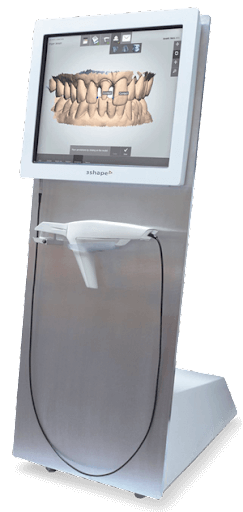
The digital wax-up process begins by capturing a detailed picture of the patient’s mouth. This is typically done using a high-tech intraoral scanner to create a precise 3D digital impression. Once these records are captured, they are imported into specialized design software. Here, a skilled technician can digitally sculpt the proposed smile, carefully shaping each tooth and refining the overall occlusion and esthetics according to your prescription.
This digital model allows you to preview the final design from every angle and request adjustments before any physical work is done. The entire process is collaborative and transparent, making it simple to connect your scanner and send cases to the lab. This streamlined workflow saves valuable chair time and ensures the final restorations fit perfectly with minimal adjustments.
How Digital Wax-Ups Benefit Your Practice
Integrating digital wax-ups into your practice is about more than just adopting new technology; it’s about refining your entire treatment process. From the initial consultation to the final restoration, this tool offers clear advantages for you, your team, and your patients. It transforms abstract treatment plans into tangible previews, fostering better communication, improving efficiency, and ensuring the final results meet everyone’s expectations. By providing a clear, visual roadmap, you remove the guesswork that can lead to patient uncertainty and costly remakes. This modern approach allows you to collaborate more effectively with your lab partners and deliver a higher standard of care. Let’s look at the specific ways digital wax-ups can make a significant impact on your daily operations and patient outcomes.
Help Patients Visualize Their New Smile
Explaining a complex cosmetic or restorative case can be challenging. Patients often struggle to picture the final outcome based on verbal descriptions or 2D images, which can lead to hesitation. A digital wax-up bridges this gap by providing a clear, realistic preview of their new smile. Instead of just describing the changes, you can show them. Diagnostic wax-ups help patients decide whether to pursue treatment by allowing them to compare a printed model to their existing smile. This visual aid makes the potential results feel real and attainable, empowering patients to make informed and confident decisions about their dental health and appearance.
Increase Treatment Acceptance
When patients can clearly see the beautiful, functional smile you have planned for them, they are much more likely to move forward with treatment. A digital wax-up serves as a powerful educational tool. Patients can see and hold a model of their future smile, which helps them understand the treatment and feel more confident about committing to it. This tangible preview often leads to more patients accepting treatment because it removes uncertainty and builds excitement for the final result. It shifts the conversation from a clinical procedure to a life-enhancing investment they can truly get behind.
Streamline Your Clinical Workflow
Digital wax-ups create a unified vision for everyone involved in a case. Digital models make communication clearer by letting your patient, your team, and your lab partners see the exact same plan on a shared screen, from tooth lengths to the smile curve. This shared reference point minimizes misunderstandings and reduces the risk of errors that can lead to extra chair time. By establishing a precise digital blueprint from the start, you can improve collaboration with your lab and make your entire digital case workflow more efficient and predictable, saving valuable time for both your practice and your patients.
Achieve Predictable, Beautiful Results
The ultimate goal of any restorative or cosmetic case is a beautiful, functional, and lasting result. Digital wax-ups are fundamental to achieving this predictability. Using diagnostic models and wax-ups helps you plan treatments with incredible accuracy, making it much easier to predict how the treatment will turn out. This detailed planning phase acts as a guide for every subsequent step, ensuring that the final crowns and bridges or veneers align perfectly with the approved design. This meticulous approach not only leads to superior clinical outcomes but also builds your reputation for delivering consistently excellent work.
Digital vs. Traditional Wax-Ups: What’s the Difference?
For years, traditional wax-ups were the go-to for planning restorative cases. This method involves manually sculpting wax on a stone model, a process that demands time and artistry. While it works, it has its limitations. Digital wax-ups, on the other hand, use advanced software to create a precise 3D model of the proposed treatment. This shift from analog to digital brings major improvements in accuracy, efficiency, and patient communication, transforming how you plan and present cases.
Comparing Accuracy and Precision
When it comes to restorative dentistry, precision is everything. Traditional wax-ups depend on the manual skill of a technician, which can introduce small inconsistencies. Digital wax-ups remove that variability. Using specialized software, we can create a design that is incredibly accurate and easily replicable. Every adjustment is measurable and traceable, creating a clear digital record. This detail makes it easier for your office and the lab to collaborate effectively, ensuring the final restoration perfectly matches the approved plan. It connects what you see on screen with the final result your patient will feel.
Saving Time and Resources
A digital workflow can have a huge impact on your practice’s efficiency. Traditional impressions and wax-ups are time-consuming and messy. With a digital approach, you can take clean, fast digital impressions that are immediately available for review. If you spot an error, you can correct it on the spot instead of scheduling another appointment. Once the scan is sent to the lab, the design process is quick, often completed within a day. This streamlined process means less chair time for patients, fewer material costs, and faster turnaround times for your cases.
Improving the Patient Experience
A digital wax-up can completely transform your patient consultations. Instead of explaining a complex treatment plan with a stone model, you can show patients a realistic 3D rendering of their future smile. You can even 3D print a model for them to hold. This visual aid helps patients understand the proposed outcome, making them feel more involved and confident in their decision. Clearer communication also means fewer misunderstandings. Everyone, from you to your patient to the lab technician, is looking at the exact same shared plan, ensuring expectations are aligned from the start.
A Look Inside the Digital Wax-Up Process
The digital wax-up process transforms treatment planning from an abstract concept into a clear, visual roadmap. It’s a collaborative journey that moves from a precise digital scan of the patient’s mouth to a detailed 3D model that everyone can review and approve. This step-by-step approach ensures predictability and alignment, laying the groundwork for a successful clinical outcome. By breaking it down, you can see how each stage builds upon the last to create a comprehensive and reliable treatment blueprint.
Step 1: Capture Digital Impressions
It all starts with a clean, accurate scan. Instead of using traditional impression materials, this first step involves an intraoral scanner to capture a detailed 3D image of the patient’s teeth and gums. This method is not only more comfortable for the patient but also produces a highly precise digital model in minutes. The immediate feedback allows you to verify the quality of the impression on the spot, eliminating the guesswork and potential distortions of physical molds. Once you have a perfect scan, you can easily connect your scanner and send the digital file directly to the lab, kicking off a seamless and efficient workflow.
Step 2: Design with 3D Modeling
With the digital impression captured, the file is imported into specialized CAD (Computer-Aided Design) software. This is where the artistry and technical skill come together. A skilled technician, working from your prescription, digitally sculpts the proposed restorations onto the 3D model. They can adjust the shape, size, and position of each tooth to create an ideal smile that is both beautiful and functional. This virtual design process allows for incredible precision and gives you and your patient a realistic preview of the final result. It’s a powerful way to visualize the treatment outcome before any physical work begins, ensuring the plan meets everyone’s expectations.
Step 3: Plan and Adjust the Treatment Virtually
The digital wax-up is more than just an aesthetic preview; it’s a critical tool for technical planning. In this phase, you and the lab can analyze the design from every angle. You can check the occlusion, verify clearance with opposing teeth, and ensure the proposed restorations fit harmoniously within the patient’s bite. This virtual try-in allows for adjustments to be made with a few clicks, preventing issues that might otherwise only appear during the seating appointment. For complex cases like full mouth reconstructions, this step is essential for creating a predictable and successful treatment plan from the very beginning.
Step 4: Present the Final Plan for Approval
Finally, the completed digital wax-up serves as the ultimate communication tool. You can present the 3D model to your patient, showing them exactly what their new smile will look like. This visual aid makes it much easier for patients to understand the proposed treatment and feel confident in their decision, which often leads to higher case acceptance. It also ensures that you, your patient, and the dental lab are all perfectly aligned on the goals and expected outcome. With everyone’s approval, the digital wax-up becomes the official blueprint for fabricating the final restorations, ensuring the result you planned is the result you get.
Ideal Cases for Digital Diagnostic Wax-Ups
Digital diagnostic wax-ups are a versatile tool, but they become indispensable in cases where esthetics, complexity, and patient communication are top priorities. By creating a precise preview of the final outcome, you can map out a clear treatment path for everything from single crowns to full mouth reconstructions. This foresight not only improves clinical results but also gives patients the confidence they need to move forward with treatment. Let’s look at a few specific scenarios where a digital wax-up can make all the difference in your practice.
Perfecting Smile Makeovers and Veneers
When a patient is considering a significant cosmetic change like veneers, seeing is believing. A digital wax-up transforms an abstract concept into a tangible model they can see and hold. This powerful visual aid allows patients to compare the proposed outcome to their current smile, helping them feel more involved and confident in their decision. This preview is key to helping patients determine whether to pursue treatment. By showing them exactly what’s possible, you can set clear expectations from the start, leading to higher case acceptance and greater patient satisfaction with their beautiful new smile.
Planning for Crowns and Bridges
For any anterior restoration, esthetics are just as important as function. Digital wax-ups are incredibly useful for planning crowns and bridges where appearance is a major factor. They allow you to meticulously plan tooth shape, size, and position to create a natural-looking, harmonious smile. This process gives you a precise blueprint for tooth preparation, ensuring you remove only the necessary amount of tooth structure. By finalizing the design before you even pick up a handpiece, you can work more efficiently, reduce chair time for adjustments, and deliver a final restoration that fits perfectly and looks fantastic from day one.
Tackling Full Mouth Reconstructions
Full mouth reconstructions are among the most complex cases in dentistry, requiring careful consideration of occlusion, vertical dimension, and phonetics. A digital wax-up is a non-negotiable planning tool here. It allows you to test different restorative approaches virtually, ensuring the final plan is both functional and esthetically pleasing. A wax-up can even help show if other treatments are needed first, like orthodontics or minor surgery. This comprehensive diagnostic step helps you anticipate challenges and map out a predictable sequence of treatment for even the most demanding cases, including those involving hybrid dentures.
Visualizing Implant Treatments
Successful implant treatment depends on prosthetically driven planning, and a digital wax-up is the foundation of that approach. It helps you visualize the ideal final tooth position before the implant is ever placed. This is crucial for determining the proper implant location, angulation, and depth to achieve the best restorative outcome. Digital design is especially useful for visualizing tooth positions and gaps when planning for partials or bridges. By starting with the end in mind, you can ensure your dental implants not only integrate successfully but also support a restoration that is functional, esthetic, and long-lasting.
Choosing a Digital Wax-Up Lab: What to Look For
Selecting a digital dental lab is about more than just outsourcing a task; it’s about finding a true partner for your practice. The right lab becomes an extension of your team, helping you deliver exceptional care and predictable outcomes for your patients. When you’re evaluating potential labs for your digital wax-up needs, it’s helpful to have a clear set of criteria. Think about their technological capabilities, efficiency, dedication to quality, and how they handle communication. These factors will directly impact your workflow, the final results, and your patients’ satisfaction. A lab that excels in these areas will help you seamlessly integrate digital processes and achieve consistently beautiful restorations.
Advanced Technology and Software
The foundation of any great digital wax-up is the technology behind it. A top-tier lab invests in the latest design software and 3D printing equipment to turn your digital impressions into highly accurate models. Instead of a technician manually shaping wax, the lab uses your scan data to design the proposed restorations with incredible precision. This digital approach ensures every detail is captured correctly from the start. When vetting a lab, ask about the systems they use. A lab that embraces digital dentistry solutions is better equipped to handle complex cases and deliver the consistent, high-quality results your patients deserve.
Reliable Turnaround Times
In a busy dental practice, time is always a factor. Delays in the lab can throw off your entire treatment schedule, leading to frustrated patients and a backed-up workflow. Digital wax-ups are inherently faster than traditional methods, with design often completed in about a day. A reliable lab will have a streamlined process that ensures your cases are handled efficiently without sacrificing quality. Before committing to a lab, be sure to ask about their average turnaround times. Finding a partner who respects your schedule and delivers promptly allows you to keep your treatment plans moving forward smoothly and predictably.
Commitment to Quality and Accuracy
The main advantage of a digital wax-up is the ability to create a precise and predictable plan for the final restoration. A great lab is committed to maintaining that accuracy throughout the entire process. Digital models make case communication crystal clear, allowing you and the lab technician to see the exact same plan, from tooth dimensions to the smile curve. This shared vision helps connect what you see on the screen with the final result. Look for a lab that has a strong portfolio of successful cases, like crowns and bridges, which demonstrates their dedication to achieving beautiful, accurate outcomes.
Clear Communication and Support
A successful digital workflow depends on strong collaboration between your practice and the lab. The best labs act as partners, offering clear communication and robust support to help you succeed. They should be easy to reach, responsive to your questions, and willing to discuss case details to ensure you’re both aligned. A supportive lab will also help you integrate your scanner and software with their systems, making the entire process feel effortless. When you find a lab that prioritizes partnership, you build a relationship that improves your clinical results and simplifies your day-to-day operations.
Understanding the Value of Digital Wax-Up Services
When you’re considering adding a new service to your practice, it’s natural to look at the numbers. Digital diagnostic wax-ups offer a clear return on investment, not just financially, but also in terms of clinical efficiency and patient satisfaction. By understanding the associated expenses and long-term benefits, you can make a strategic decision that supports your practice’s growth and commitment to modern dentistry. Let’s break down what to expect as you explore this technology.
Exploring Service and Arch-Based Fees
One of the great things about digital wax-up services is the straightforward nature of their fee structure. Most labs structure their fees on a per-arch basis, which makes it simple to plan for each case. For example, you might see a set fee for the 3D printed model for an upper or lower arch, with a separate design fee that covers the entire setup. This transparent model removes any guesswork, allowing you to budget effectively and present treatment plans to patients with confidence. It’s a predictable system that supports your practice’s financial health while you deliver top-tier digital case solutions.
Factoring in Your Initial Equipment Needs
Bringing digital wax-up technology in-house does require an initial investment in equipment and training. The complete setup for a dental office, including an intraoral scanner and the necessary software, can range from about $21,000 to $24,000. Think of this as a foundational investment in your practice’s future. This technology not only enhances your diagnostic capabilities but also positions your practice as a leader in advanced dental care. The initial cost of a digital impression system is a key part of the equation, but it’s one that pays dividends in efficiency and precision down the line.
Calculating Your Long-Term Return on Investment
The long-term savings from switching to a digital workflow are significant. Traditional impression materials can be a recurring expense that adds up quickly. Digital impressions nearly eliminate the need for these materials, leading to substantial savings over time. Beyond the material expenses, the return on your investment shows up in other ways. A streamlined digital process delivers more precise results, which means fewer remakes and adjustments. This improved accuracy strengthens communication between your practice and the lab, ensuring you can connect your scanner and send cases with confidence. Ultimately, this leads to better outcomes and a smoother experience for everyone involved, especially your patients.
Common Hurdles When Adopting Digital Wax-Ups
Making the switch to any new technology can feel like a big step, and digital wax-ups are no exception. While the benefits are clear, it’s completely normal to encounter a few challenges along the way. Thinking about these potential hurdles ahead of time helps you create a smoother transition for your practice and your team. Most challenges fall into three main categories: adjusting your current processes, getting your staff comfortable with the new tools, and syncing up with your dental lab. By addressing each of these areas thoughtfully, you can set your practice up for a successful and efficient digital future.
Integrating New Tech with Your Current Workflow
Bringing a digital wax-up process into your practice is more than just adding a new piece of equipment; it’s about refining your entire clinical workflow. The initial adjustment period can feel a bit clunky as you figure out how to best incorporate digital scans and virtual planning into your daily routine. The key is to find a system that works for you, rather than against you. A successful digital workflow delivers more precise results and strengthens communication between your practice and your lab. Your goal should be to make this new technology a seamless part of your existing process, enhancing what you already do well.
Getting Your Team Up to Speed
Your team is your greatest asset, and their confidence with new technology is essential. There’s a learning curve involved with operating intraoral scanners, managing digital patient records, and interpreting 3D designs. Providing dedicated time for training is a crucial investment. When your team feels proficient and supported, they can use the tools to their full potential, which improves both efficiency and patient care. Developing the skills to connect your scanner and manage files properly ensures that everyone, from your assistants to your front office staff, can contribute to a smooth digital process.
Aligning with Your Dental Lab
Clear communication with your dental lab has always been important, but it takes on a new form in a digital world. Instead of shipping physical impressions and stone models, you’ll be sending digital files. This shift requires a lab partner that is not only equipped for digital dentistry but also committed to clear and consistent communication. Digital models make it easier for everyone to see the same plan, from tooth dimensions to the smile curve. Working with a lab that understands how to submit digital cases effectively ensures that your vision is translated perfectly from the screen to the final restoration.
How to Overcome Implementation Challenges
Bringing any new technology into your practice comes with a learning curve, and digital wax-ups are no exception. You might be thinking about the time it takes to train your staff or how to adjust your current processes. These are valid concerns, but they are completely manageable with a solid plan. Instead of seeing them as roadblocks, think of them as steps on the path to a more efficient and predictable workflow. By focusing on structured training, clear communication with your lab partner, and effective patient education, you can smoothly integrate digital wax-ups and start seeing the benefits almost immediately. Let’s walk through how to handle each of these areas so your team feels confident and prepared.
Implement a Structured Training Plan
Getting your team comfortable with new digital tools is the first step to a successful transition. This isn’t just about learning to use a scanner; it’s about understanding how the technology fits into your practice’s daily rhythm. Developing the skills to capture clean digital impressions and manage patient records takes time, so be patient with yourself and your staff. Set aside dedicated time for hands-on training, away from the pressures of a full patient schedule. Many equipment manufacturers offer excellent tutorials and support. You can also practice on team members to get the hang of the process. The goal is to build confidence so that when you connect your scanner for a real case, the process feels second nature.
Develop Clear Lab Communication
Your dental lab is your partner in achieving outstanding results, and a digital workflow makes that relationship even more collaborative. Clear, consistent communication is key. When you send a digital case, you’re sending more than just a scan; you’re sending a blueprint for your patient’s new smile. Be sure to provide detailed notes on your expectations for the final restoration, including material choices, shade information, and any specific design instructions. A great digital lab will use this information to create precise restorations. Establishing a clear protocol for how your office submits digital cases ensures that every detail is captured, which reduces errors and minimizes the need for adjustments later on.
Educate Your Patients Effectively
One of the most powerful features of a digital wax-up is its ability to help patients see their treatment outcome before you even begin. Digital models make your conversations much clearer because you can show them exactly what you’re planning on a screen. This visual aid turns an abstract concept into a tangible reality, which can significantly increase treatment acceptance. Instead of just describing a crown and bridge procedure, you can show them a 3D rendering of their future smile. Prepare your team with simple talking points to explain the wax-up during consultations. This helps patients feel more involved and confident in their decision to move forward with treatment.
Get Started with Digital Diagnostic Wax-Ups
Making the switch to digital diagnostic wax-ups is a straightforward process that can significantly improve your practice. It’s all about having the right tools, preparing your team, and fitting the new process into your daily operations. By focusing on these key areas, you can create a seamless transition that helps you deliver exceptional, predictable results for your patients.
Your Technology Checklist
To begin, you’ll need a few key pieces of technology. The foundation of any digital workflow is an intraoral scanner. This device captures detailed 3D images of your patient’s mouth, replacing the need for messy traditional impressions. Next, you’ll need software to design the wax-up. While your lab partner, like Next Dental Lab, handles the heavy lifting on design, having compatible software helps streamline communication. These digital dentistry solutions are what make the process faster, more accurate, and more collaborative for everyone involved.
Train and Implement with Your Team
Your team is essential for a successful transition. Everyone, from your dental assistants to your front office staff, should understand the new workflow and its benefits for both the practice and the patients. Specialized training for your team ensures everyone is confident with the new technology and procedures. Start with hands-on sessions with your intraoral scanner and dedicate time to walk through the process of submitting a digital case. When your entire team is on board and well-versed in the process, implementation becomes much smoother.
Integrate into Your Daily Workflow
Once your technology is in place and your team is trained, the final step is to make digital wax-ups a standard part of your routine. Establish a clear, repeatable process for every case, from the initial scan to the final treatment presentation. A successful digital workflow delivers more precise results and improves communication between your practice and the lab. By integrating digital wax-ups into your everyday operations, you create a more efficient system that supports better clinical outcomes and a more engaging patient experience.
Related Articles
- What is a Diagnostic Wax Up in Dentistry?
- How a Wax-Up Helps Patients Visualize Results
- Digital Wax Ups: 7 Steps for Accurate Diagnostic Results | Next Dental Lab
- 7 Steps to Flawless Digital Dental Wax Ups
Frequently Asked Questions
What’s the biggest practical difference I’ll notice compared to traditional wax-ups? The most significant change you’ll see is in your consultations and planning sessions. Instead of trying to explain a treatment plan with a static stone model, you can show your patient a dynamic 3D rendering of their future smile. This visual clarity makes conversations easier and more effective. Clinically, you’ll also notice a huge improvement in predictability, as the digital blueprint guides every step and minimizes surprises during the final seating appointment.
Do I need a digital wax-up for every single crown or bridge case? While you could use one for any case, they are most valuable for anterior restorations or complex cases where esthetics are a top priority. For a single posterior crown, it might not be necessary. However, for smile makeovers, full mouth reconstructions, or any situation where you need to carefully plan changes to the patient’s bite or appearance, a digital wax-up is an essential tool for ensuring a predictable and beautiful outcome.
How can I ensure a smooth collaboration with the lab when sending a digital case? Success comes down to clear communication from the very beginning. When you submit your digital scan, include detailed notes about your patient’s goals and your specific clinical requirements. Things like shade information, desired tooth shape, and any occlusal considerations are incredibly helpful. Think of your lab as a partner; the more information you provide upfront, the more accurately they can translate your vision into the final design, reducing the need for revisions.
What’s the most challenging part of getting my team comfortable with this new workflow? The biggest hurdle is often just moving past the initial learning curve and building confidence. It takes a little practice for your team to become proficient with an intraoral scanner and the new software. The best way to overcome this is to set aside dedicated training time where your staff can practice without the pressure of a full schedule. Once they master the process, it quickly becomes second nature and a much more efficient way to work.
Besides the initial equipment, what other factors contribute to the value of this service? The long-term value shows up in saved time and resources. Digital impressions eliminate the recurring expense of traditional impression materials. More importantly, the precision of the digital process leads to fewer remakes and adjustments, which saves valuable chair time. This efficiency, combined with higher treatment acceptance from patients who can visualize their results, provides a significant return for your practice.