Think of a child’s dental arch as a carefully arranged puzzle. When one piece is lost too soon, the surrounding pieces naturally begin to shift, disrupting the entire layout. Space maintainers act as essential placeholders, ensuring every permanent tooth has its designated spot to emerge into. However, not all placeholders are created equal. The location of the missing tooth, the child’s age, and the number of lost teeth all influence which type of appliance is best. This article breaks down the various fixed and removable space maintainers, providing the clarity needed to make the best clinical decision and highlighting the importance of a skilled space maintainer lab in crafting these critical devices.
In pediatric dentistry, space maintainers play a crucial role in maintaining dental alignment and preventing complications after the premature loss of baby teeth. However, not all space maintainers are the same. Understanding the different space maintainer types available can help dentists choose the most appropriate solution based on a child’s unique needs. This article will explore the various space maintainers types and their specific applications in dentistry.
What Exactly Is a Dental Space Maintainer?
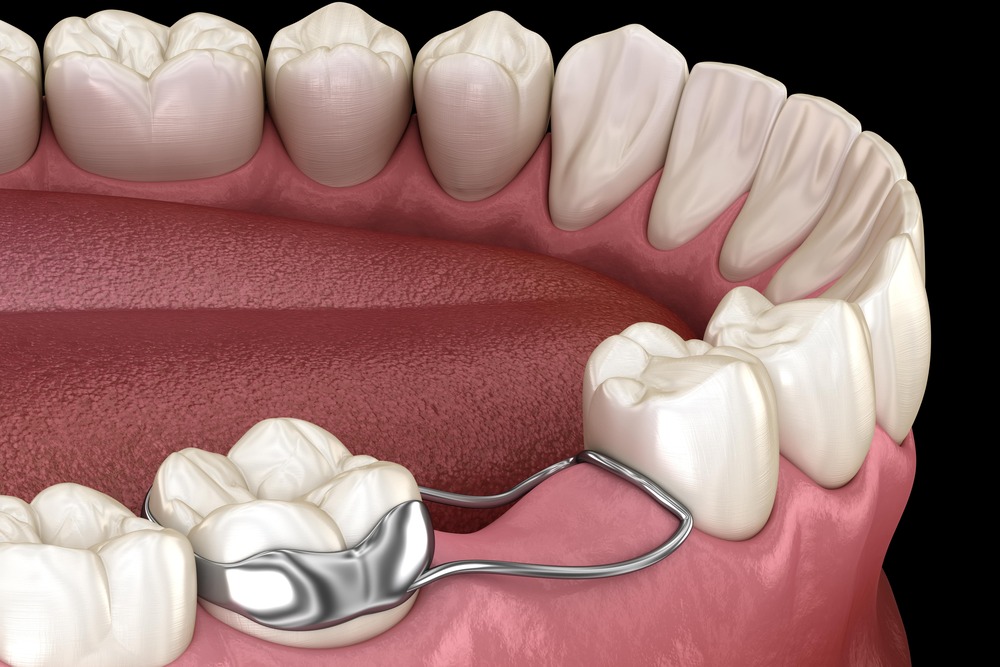 Space maintainers are dental devices that hold the space left by a prematurely lost tooth until the permanent tooth is ready to emerge. These devices prevent neighboring teeth from shifting into the gap, which can lead to misalignment and crowding. This early intervention can reduce the need for future orthodontic treatments, such as retainers and night guards or more extensive corrective procedures like dental implants.
Fixed vs. Removable: A Guide to Space Maintainers
There are two primary categories of space maintainers: fixed and removable. Each type is designed to address specific dental needs, and the choice of maintainer depends on the child’s age, dental health, and the location of the lost tooth.
When Is a Fixed Space Maintainer the Best Option?
Fixed space maintainers are cemented into place, bringing a stable and long-term solution. They are ideal for younger children who cannot manage removable appliances.
- Unilateral Space Maintainers: These maintainers are used when only one tooth is missing. A band is placed around the tooth adjacent to the gap, and a wire loop holds the space for the permanent tooth to emerge. Unilateral maintainers are commonly used for molars.
- Crown and Loop Space Maintainers: In this type, a dental crown is placed over the adjacent tooth to protect it while holding space for the missing tooth. It is often used when the adjacent tooth is weakened or decayed and needs additional support.
- Distal Shoe Space Maintainers: These are more complex devices used when a primary molar is lost before the permanent molar erupts. A metal guide is inserted under the gum line to direct the proper eruption of the molar. Distal shoe maintainers require close monitoring by the dentist due to their placement beneath the gums.
- Lingual Arch Space Maintainers: This option is used when multiple teeth are missing on both sides of the lower jaw. A wire is placed along the inside of the lower teeth, attached to bands on the molars. It’s commonly used to prevent the lower teeth from shifting forward.
Unilateral Appliances: Band and Loop
When a single tooth is lost prematurely, a unilateral appliance is often the most straightforward and effective solution. The band and loop space maintainer is a classic example, designed specifically for this scenario. This fixed appliance consists of a stainless steel band that is cemented to a tooth adjacent to the open space, typically a molar. Extending from this band is a wire loop that rests against the tooth on the other side of the gap. This simple yet sturdy design effectively holds the space open, preventing the neighboring teeth from drifting and ensuring the permanent tooth has a clear path to erupt. It’s a reliable choice for posterior tooth loss on one side of the arch.
Bilateral Appliances for the Upper Arch
When there is premature tooth loss on both sides of the upper arch, a bilateral appliance is necessary to maintain stability and prevent the molars from shifting forward. These appliances are anchored to the molars on both sides, providing a rigid framework to preserve the arch’s length and shape. The design must be robust enough to withstand the forces of chewing while remaining comfortable for the patient. Two of the most common and effective bilateral appliances for the maxillary arch are the Nance appliance and the Transpalatal Appliance (TPA). Each serves a similar primary purpose but utilizes a slightly different design to achieve it, offering options based on the specific clinical situation.
Nance Appliance
The Nance appliance is a fixed bilateral space maintainer used to prevent the maxillary molars from moving forward. It features bands on the posterior molars connected by a wire that contours to the roof of the mouth. A key feature of the Nance is a small acrylic button that rests against the palatal tissue just behind the front teeth. This button provides the necessary resistance to stop the molars from drifting mesially. It’s a highly effective appliance for maintaining the upper arch space, especially after the loss of multiple primary teeth.
Transpalatal Appliance (TPA)
Similar to the Nance, the Transpalatal Appliance (TPA) is also used for bilateral space maintenance in the upper arch. It consists of bands on the molars connected by a wire that runs across the palate. However, unlike the Nance, the TPA wire does not have an acrylic button and typically does not touch the palatal tissue. This design can be more comfortable for some patients. Beyond space maintenance, the TPA is also versatile enough to be used for molar stabilization, rotation, or to provide anchorage during other orthodontic treatments, making it a valuable tool for long-term management.
Bilateral Appliances for the Lower Arch
Managing bilateral space loss in the lower arch presents its own set of challenges. The primary goal is to prevent the permanent molars from tipping forward and the incisors from collapsing backward into the space. A well-designed appliance is crucial for maintaining the arch perimeter and allowing for the proper eruption of permanent teeth. The most common solution for this situation is the lingual arch, a fixed appliance specifically designed to fit along the inside of the lower teeth. It provides a stable and unobtrusive way to hold the necessary space without interfering with tongue function or patient comfort.
Lingual Arch with Loops
The lower lingual holding arch is the standard for bilateral space maintenance in the mandible. This appliance features bands cemented to the first permanent molars, connected by a wire that runs along the lingual (tongue) side of the lower teeth. The wire rests gently against the incisors, preventing them from tipping back. Some designs incorporate adjustment loops, which give clinicians the flexibility to make minor modifications to regain small amounts of space if needed. It’s a passive appliance that effectively preserves the Leeway space and prevents future crowding in the lower arch.
Anterior Space Maintenance
The premature loss of front teeth can be particularly concerning for both parents and children. Beyond the obvious aesthetic impact, it can affect speech development and the proper eruption of permanent incisors. An anterior space maintainer must therefore address both functional and cosmetic needs. These appliances are designed to hold the space for the permanent teeth while providing a visual replacement for the lost teeth. This helps restore a child’s smile and confidence, which is just as important as the clinical function of the device. The most common solution is a type of pediatric partial denture.
Pedo Partial Appliance
A pedo partial, sometimes called a Groper appliance, is an excellent option for replacing missing anterior teeth. This appliance functions like a small partial denture, with prosthetic teeth set in an acrylic base to fill the gap. It can be either fixed or removable, depending on the patient’s needs and maturity. The pedo partial not only maintains the necessary space for the permanent incisors but also restores a natural-looking smile, aids in proper pronunciation, and helps guide the eruption of the permanent teeth. It’s a comprehensive solution that supports both the dental health and emotional well-being of the child. At Next Dental Lab, we create a range of high-quality removables to meet these specific patient needs.
Could a Removable Space Maintainer Work for Your Patient?
Removable space maintainers function similarly to retainers and can be removed by the child. They are typically used for older children who are responsible enough to manage them properly.
- Acrylic Removable Space Maintainers: These are made from acrylic material and resemble retainers. They have artificial teeth attached to fill in the gaps left by missing teeth. Removable space maintainers are an excellent option for children who have lost several teeth but are close to the eruption of their permanent teeth.
- Removable Partial Dentures: In cases where multiple teeth are missing, removable partial dentures may be used to preserve space and maintain the aesthetics of the child’s smile until permanent teeth emerge.
Beyond Space Maintenance: Other Orthodontic Appliances
While space maintainers are a cornerstone of pediatric dentistry for managing premature tooth loss, they are part of a much larger toolkit of orthodontic appliances. These devices address a variety of developmental issues, from correcting harmful habits to managing complex bite problems. Understanding these other appliances helps dental professionals provide comprehensive care that supports healthy oral development from an early age. Partnering with a full-service lab ensures you have access to the high-quality, custom-fit devices needed for these specialized treatments, setting the stage for successful long-term outcomes that may later involve restorative work like crowns or bridges.
Space Regainers
When a primary tooth is lost and the space isn’t maintained, adjacent teeth can begin to drift, closing the gap needed for the permanent tooth. This is where a space regainer comes in. Unlike a maintainer, which simply holds a space open, a regainer is an active appliance designed to push drifted teeth back to their correct positions. According to DDS Dental Lab, these appliances often incorporate a spring mechanism that applies gentle, consistent pressure to move teeth and “get space back when teeth have already started to drift.” This intervention can restore the necessary room for the permanent tooth to erupt properly, potentially avoiding more complex orthodontic work later on.
Bite Plates
A deep bite, or excessive overbite, can cause issues with function and aesthetics. Bite plates are removable appliances specifically designed to correct this problem. They work by separating the jaws, which prevents the patient from closing into their deep bite. This separation “helps teeth move up or down” and can effectively fix deep bites by allowing the posterior teeth to erupt slightly while intruding the anterior teeth. Over time, this process helps level the occlusal plane and establishes a healthier vertical relationship between the upper and lower arches. Bite plates are a targeted solution for correcting vertical discrepancies and improving overall dental alignment in growing patients.
Habit Appliances
Persistent oral habits like thumb sucking or tongue thrusting can have a significant impact on dental development, often leading to an open bite or flared anterior teeth. Habit appliances are fixed or removable devices designed to interrupt these behaviors. As their name suggests, they are made to help patients stop habits by creating a physical barrier that makes the action uncomfortable or less satisfying. For example, an appliance for tongue thrusting might feature a small “cage” or “rake” behind the upper front teeth to prevent the tongue from pushing against them during swallowing. By discouraging these detrimental habits, the appliance allows the teeth and jaws to develop more normally.
Sleep Apnea Appliances
Orthodontic appliances can also play a critical role in managing pediatric sleep-related breathing disorders, including snoring and obstructive sleep apnea (OSA). These conditions can affect a child’s overall health, growth, and cognitive development. Specialized oral appliances are designed to maintain an open airway during sleep, often by gently repositioning the lower jaw or tongue forward. As noted by Space Maintainers Laboratories, some labs specialize in appliances that “help with sleep, snoring, and a condition called OSA.” Addressing these issues early with a custom-fit appliance can provide a non-invasive and effective treatment, improving a child’s quality of sleep and long-term well-being.
How to Select the Right Type of Space Maintainer
The choice of space maintainer type depends on various factors, such as the location of the missing tooth, the child’s age, and how long it will take for the permanent tooth to erupt. For younger children, fixed space maintainers are usually the best choice, as they provide a stable solution that doesn’t require the child to remember to wear it. On the other hand, older children or those with missing front teeth may benefit from removable maintainers for aesthetic purposes.### Clinical Best Practices for Space Maintainers
Selecting the right appliance is only the first step. Ensuring its success involves careful patient management and a strong partnership with your dental laboratory. Following best practices in these areas will lead to better clinical outcomes and a smoother experience for your young patients and their families.
Patient Preparation
Properly preparing the patient and their parents is key to the success of any space maintainer. It’s helpful to explain that these devices are designed to hold the space from a prematurely lost tooth, preventing other teeth from shifting and causing future alignment issues. Clear communication about what to expect during the fitting process and how to care for the appliance at home can ease anxiety. Provide detailed instructions on cleaning around the maintainer to prevent plaque buildup and cavities, and advise on which sticky or hard foods to avoid to prevent damage to the device.
Working with Your Dental Lab
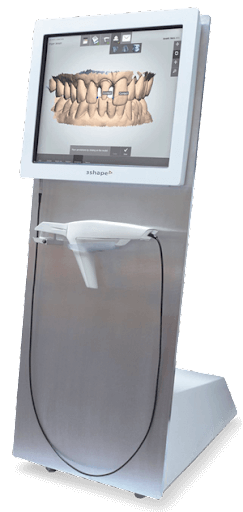
A successful outcome depends on a precise fit, which starts with a strong collaboration with your dental lab. Providing accurate impressions or digital scans is essential for creating a custom appliance that is both comfortable and effective. A reliable lab partner ensures the final product is made from high-quality materials and meets your exact specifications. At Next Dental Lab, we make it easy to submit digital cases from your intraoral scanner, streamlining the process and ensuring the highest degree of accuracy for every appliance your practice needs.
The Importance of Quality Materials and Craftsmanship
The long-term effectiveness of a space maintainer is directly tied to the quality of its construction. A well-crafted appliance not only performs its function correctly but also ensures patient comfort and durability, minimizing the need for adjustments or replacements. When you choose a lab, you are trusting them with your patient’s oral health and your practice’s reputation. That’s why focusing on superior materials and expert craftsmanship is non-negotiable. It guarantees that the appliance can withstand the daily rigors of a child’s life while effectively preserving the necessary space for proper dental development.
Handmade by Certified Technicians
When an appliance is handmade by a certified technician, it receives a level of attention and precision that automated processes simply can’t replicate. These skilled professionals understand the unique contours of pediatric dental anatomy and can craft a space maintainer that fits perfectly from day one. This custom approach reduces chair time for adjustments and improves patient compliance. Our team of expert technicians takes pride in fabricating each device with meticulous care, ensuring every band, loop, and wire is placed for optimal function and comfort.
Using FDA-Approved Materials
The safety of your patients is paramount, especially in pediatric dentistry. Using only FDA-approved materials ensures that every space maintainer is biocompatible, non-toxic, and safe for long-term use in a child’s mouth. This commitment to quality materials prevents potential allergic reactions and gives both you and the parents peace of mind. High-grade stainless steel and acrylics also contribute to the appliance’s durability, ensuring it can effectively hold space until the permanent tooth is ready to erupt. This focus on safety and quality is a standard we apply to all our removable appliances and fixed restorations.
Find the Perfect Fit with a Custom Space Maintainer Lab
Next Dental Lab sees each patient’s needs as unique, so we offer various space maintainer types to suit different clinical situations. Our high-quality dental products, including space maintainers, retainers & night guards, make sure your patients receive personalized care and long-lasting solutions. Contact us today.
Frequently Asked Questions
When should I choose a space regainer instead of a space maintainer? A space maintainer is the go-to choice when you catch the premature tooth loss early and the surrounding teeth haven’t shifted yet. Its job is purely preventative—it holds the line. You should opt for a space regainer when that window has passed and some drifting has already occurred. A regainer is an active appliance designed to push teeth back into their proper position, creating the room that was lost before you place a passive maintainer to hold the corrected space.
For bilateral upper arch cases, what are the key factors in deciding between a Nance and a TPA? The choice often comes down to the specific needs of the arch and patient tolerance. A Nance appliance, with its acrylic button resting on the palate, provides very rigid anchorage against mesial molar movement, making it ideal when maximum stability is required. A Transpalatal Appliance (TPA) is generally less intrusive and can be more comfortable for patients with a sensitive gag reflex. While it also prevents molars from moving forward, it offers more versatility for molar rotation or stabilization during other orthodontic phases.
How can I best manage cases with prematurely lost anterior teeth? When front teeth are lost, the concerns are both functional and emotional for the child and their parents. A pedo partial is an excellent solution because it addresses both issues. It maintains the space for the permanent incisors while also restoring the child’s smile, which can be a huge confidence builder. This appliance also aids in proper speech development and guides the eruption path for the incoming permanent teeth, making it a comprehensive approach to anterior tooth loss.
What’s the most critical information to provide the lab for a perfect fit? A perfect fit starts with a perfect impression or scan. It’s essential to capture clear, distortion-free models of the entire arch, including all relevant anatomy. Be sure to include a detailed prescription that specifies the exact teeth to be banded and the type of appliance needed. If there are any unique considerations, like rotated teeth or tight contacts, noting them for the technician is incredibly helpful. Clear communication ensures the appliance seats easily with minimal chairside adjustments.
Are digital scans suitable for fabricating all types of space maintainers? Yes, high-quality digital scans are excellent for creating precise and well-fitting space maintainers. Intraoral scanners can capture the fine details of a child’s dentition with incredible accuracy, which often results in a better-fitting appliance than what can be achieved with traditional impressions. This technology is suitable for nearly all fixed and removable space maintainers, from a simple band and loop to a more complex lingual arch, streamlining the entire process from your chair to the lab.
Key Takeaways
- View Space Maintainers as Proactive Care: These appliances are essential for preventing future orthodontic issues, not just reacting to tooth loss. By preserving the arch space, you guide permanent teeth into their correct positions and can often sidestep more complex treatments down the road.
- Match the Appliance to the Clinical Situation: The best space maintainer is never one-size-fits-all. Your selection—whether a simple band and loop or a bilateral lingual arch—should be based on the specific location, number of missing teeth, and the patient’s developmental stage.
- A Precise Fit is Non-Negotiable: The success of any space maintainer hinges on its custom fit and durability. Partnering with a skilled dental lab ensures the appliance is crafted from high-quality materials, leading to better patient compliance and predictable clinical outcomes.
Related Articles
- Exploring Space Maintainer Types In Dentistry – Next Dental Lab
- When Should You Recommend Space Maintainers? – Next Dental Lab
- The Ultimate Space Maintainer Lab Guide for Dentists
- How To Effectively Manage The Dental Space Maintainer Process – Next Dental Lab
- Essential Dental Surgery Tools Every Practice Should Have