The advancements in digital dentistry have transformed the fabrication of removable prosthetics, allowing for unprecedented precision and consistency. This technology enhances the performance of both modern and traditional materials, making the selection process even more important. Whether you are considering a flexible partial or a full acrylic restoration, the material’s properties will define the patient’s experience. A thorough understanding of clear acrylic denture vs traditional dentures is essential for leveraging these digital workflows to their full potential. Here, we explore how each material interacts with CAD/CAM processes and what that means for fit, function, and the overall quality of the final restoration.
Dentures have evolved far beyond their traditional designs. Today, patients can choose between several materials, each offering unique benefits for comfort, durability, and aesthetics. When comparing flexible denture vs acrylic denture, understanding the distinctions allows dentists to recommend solutions that fit a patient’s lifestyle, oral health, and budget. This knowledge builds patient trust and supports better long-term results through the right material selection and fabrication approach.
The Growing Need for Denture Solutions
Tooth loss is a widespread issue that affects patients of all ages, impacting their confidence, ability to eat, and overall quality of life. As a dental professional, you are in a unique position to restore not just smiles, but also function and self-esteem. The demand for effective tooth replacement options is constant, making it essential for your practice to offer a range of modern solutions. From partials to full dentures, providing high-quality prosthetics helps you meet this fundamental patient need. Partnering with a reliable dental lab ensures you can deliver well-fitting and aesthetically pleasing removable solutions that your patients will appreciate, strengthening their trust in your care and supporting the long-term success of your practice.
Understanding Tooth Loss Statistics
The statistics surrounding tooth loss paint a clear picture of the need for restorative care. Research shows that 69% of adults have lost at least one tooth by the time they are 34, and 26% of seniors have lost all their teeth by retirement age. These numbers show that patients across a wide demographic require solutions for missing teeth. Partial dentures are vital tools that do more than just fill a gap; they restore the ability to chew and speak properly while also preventing adjacent teeth from shifting out of alignment. By understanding the prevalence of this issue, you can better prepare your practice to offer the personalized care and effective treatments that guide patients toward improved oral health and function.
What Are Traditional Acrylic Dentures?
 Acrylic dentures are made from acrylic resin, a sturdy and time-tested material widely used in dental prosthetics. They are popular for their affordability and ability to be adjusted or repaired easily. Because acrylic can be relined as gums shift over time, it suits patients needing immediate dentures after extractions. These dentures can also be paired with a metal framework, improving strength and stability without requiring a full remake. However, some patients find acrylic dentures bulkier or less natural in appearance. Metal clasps may be visible, and the rigid feel can take time to get used to. Additionally, individuals sensitive to certain plastics might experience irritation or allergic reactions to the acrylic material.
What Are Flexible Dentures?
Flexible dentures, typically made from thermoplastic nylon resin, offer a more natural fit and appearance. The flexible base material conforms to the gums, reducing pressure points and creating a lighter, more comfortable experience. Their gum-colored base and absence of metal clasps allow them to blend seamlessly with natural tissue, which many patients appreciate for both aesthetics and comfort. Flexible dentures are also strong and resistant to fractures. They are hypoallergenic, making them a safer option for patients with sensitivities to acrylic materials. However, these dentures come at a higher cost and can be more difficult to adjust or repair. If major changes are needed, a new denture may have to be fabricated entirely.
Flexible vs. Acrylic: Which Is More Comfortable?
Comfort often drives a patient’s satisfaction with their dentures. Acrylic dentures can feel more rigid, offering stability but sometimes causing discomfort during the adjustment period. Flexible dentures, on the other hand, adapt closely to the contours of the mouth, reducing irritation and improving retention. This adaptability is especially valuable for patients with irregular gum shapes or sensitive tissue. From a clinical perspective, both materials perform well when properly fitted. The choice depends on the patient’s expectations for daily comfort, aesthetic preference, and long-term wear.
Ease of Insertion and Removal
When guiding a patient, their ability to handle their dentures daily is a critical factor. Traditional acrylic dentures are generally easier for patients to insert and remove because they don’t grip the surrounding tissues as tightly. This makes them a practical choice for individuals with limited dexterity, such as those with arthritis or other joint-related conditions. In contrast, flexible dentures are designed for a much snugger fit, using flexible clasps that engage the undercuts of the gums and teeth. While this design significantly improves stability, it can make removal more challenging for some patients, requiring a bit more skill and strength to dislodge.
Stability in the Mouth
A denture’s stability directly impacts a patient’s confidence and ability to eat and speak normally. Because of their tighter fit, flexible dentures offer excellent retention and are less likely to shift during use. The thermoplastic material conforms closely to the gums, creating a secure seal that keeps the prosthetic in place. Acrylic dentures, being more rigid, may not achieve the same level of grip and can sometimes move around more easily, potentially requiring more frequent adjustments or the use of adhesives. Both options are part of a comprehensive suite of removable solutions, but the superior stability of flexible dentures is often a key reason patients prefer them for long-term wear.
Comparing Durability and Daily Care
Durability plays an important role in treatment success. Acrylic dentures can withstand daily use but may break if dropped. Flexible dentures are less likely to fracture due to their pliable composition, yet their surface can scratch more easily. Over time, acrylic dentures may require relining as gum tissues shift, while flexible dentures maintain fit longer but are harder to modify once fabricated.
Typical Lifespan and Long-Term Value
When advising patients, it’s helpful to discuss the expected lifespan of their dentures. Traditional acrylic dentures generally need replacement every five to seven years due to wear and changes in the patient’s jaw. In contrast, modern, digitally fabricated dentures are designed for greater longevity. By using advanced materials and precise manufacturing, labs can create removable solutions that maintain their function and appearance for much longer. This extended durability offers significant long-term value, reducing the frequency of replacements and improving patient satisfaction. Investing in a high-quality, well-made prosthetic from the start ensures patients receive a reliable and lasting solution.
Stain Resistance and Cleaning
Aesthetics are a major concern for patients, making stain resistance a key factor. Modern PMMA, used for acrylic dentures, has excellent color stability and resists stains well. It’s also softer than older materials like porcelain, which is gentler on any remaining natural teeth and helps absorb chewing forces. Flexible dentures are also quite resistant to staining, but their softer surface can be more prone to absorbing colors from foods like coffee or wine over time if not cleaned meticulously. Guiding patients on the properties of each material helps them set realistic expectations for maintaining the appearance of their new smile through proper daily care.
Proper Denture Maintenance
Proper maintenance is crucial for extending the life of any denture and ensuring oral health. You can advise patients to follow a simple daily routine for either material. They should rinse their dentures after every meal to remove food particles and brush them at least once a day with a soft-bristled brush and a non-abrasive cleaner. It’s just as important for them to clean their gums, tongue, and the roof of their mouth to prevent irritation and infection. The American Dental Association also recommends soaking dentures overnight to keep them hydrated and help them retain their shape. Consistent care keeps the prosthetic in great condition and supports overall oral hygiene.
Appearance and Investment: A Side-by-Side Look
Appearance is a key concern for many patients. Acrylic dentures can appear slightly bulkier and may expose metal clasps. Flexible dentures achieve a more natural look by mimicking the color and translucency of the gums. Patients focused on cosmetic appeal often prefer the flexible option. When it comes to cost, acrylic dentures are usually more affordable upfront. Flexible dentures, while more expensive, may offer greater long-term comfort and visual appeal, making them a worthwhile investment for some patients.
Exploring Other Denture Materials and Modern Solutions
Beyond acrylic and flexible options, several other materials and advanced solutions can meet diverse patient needs. From the classic appeal of porcelain to the stability of implant-supported restorations, understanding the full spectrum of choices helps you guide patients toward the best possible outcome. Modern manufacturing techniques are also changing the game, offering unprecedented precision and convenience for both your practice and your patients. Exploring these alternatives ensures you can provide a truly customized solution that aligns with your patient’s functional requirements and aesthetic goals.
Porcelain Dentures
Porcelain has long been valued in dentistry for its ability to mimic the translucency and appearance of natural tooth enamel, creating a beautiful and lifelike smile. Patients often appreciate the aesthetic quality of porcelain dentures. However, this material comes with its own set of considerations. Porcelain is more brittle than other materials and can chip or crack if dropped. Additionally, its hardness can cause significant wear on opposing natural teeth over time, which is an important factor to discuss with patients who have partial dentures or a combination of natural and prosthetic teeth.
Metal Partial Dentures
For patients needing a partial denture, a cast metal framework offers excellent durability and a streamlined design. These dentures are often smaller and less bulky than their all-acrylic counterparts, which many patients find makes them feel more natural and easier to adapt to. The strength of the metal allows for a thinner base and clasps, improving comfort and fit. While metal partials typically have a different initial investment, their longevity and stability make them a reliable long-term solution when properly cared for, providing excellent function and support for the remaining dentition.
Implant-Supported Dentures
Implant-supported dentures represent a significant advancement in restorative dentistry, offering unparalleled stability for patients. By anchoring the prosthesis directly to dental implants in the jawbone, these dentures eliminate the slipping and shifting common with traditional removable options. This secure connection not only improves chewing efficiency and confidence but also helps stimulate the jawbone, preventing the bone loss that typically follows tooth extraction. This approach provides a durable, long-lasting foundation that feels much more like natural teeth, greatly enhancing a patient’s quality of life.
Modern Manufacturing with CAD/CAM Technology
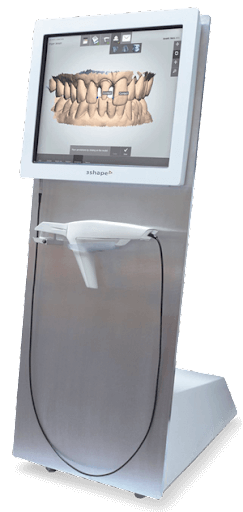
Digital dentistry has transformed how we create removable prosthetics. Using CAD/CAM (Computer-Aided Design/Computer-Aided Manufacturing) technology, we can fabricate dentures with incredible precision. This digital workflow starts with an intraoral scan, which is then used to design a denture that fits the patient’s anatomy perfectly. The result is a restoration with a superior fit, which minimizes uneven pressure and reduces sore spots. This precision not only enhances patient comfort but also contributes to the overall longevity of the denture. Embracing a digital case submission process streamlines this entire workflow for your practice.
How Digital Files Improve the Remake Process
One of the most practical benefits of a digital workflow is the ease of replacement. If a patient loses or damages their denture, the saved digital file allows a lab to fabricate an exact duplicate quickly and efficiently. This eliminates the need for new impressions and significantly shortens the time the patient is without their teeth. This convenience is a major advantage for both the patient and the dental practice, ensuring continuity of care with minimal disruption and chair time.
Patient Guidance: Living with New Dentures
Adjusting to new dentures is a process that requires patience and practical advice. As a dental professional, you can help set your patients up for success by providing clear guidance on eating, speaking, and daily care. Managing their expectations and giving them actionable tips will make the transition smoother and help them adapt more quickly to their new smile. Covering topics like dietary changes and proper chewing techniques can empower patients to feel more confident and comfortable as they get used to their prosthesis.
Dietary Guidelines for New Denture Wearers
Guiding patients on what to eat during their initial adjustment period is crucial for a positive experience. The first few weeks are about learning how to chew and bite with the new prosthesis, and starting with the right foods can prevent discomfort and frustration. Recommending a gradual progression from soft foods to a more varied diet allows the gums to heal and adapt to the pressure of the denture. This careful approach helps build patient confidence and ensures the longevity of the restoration.
Foods to Eat in the First Few Weeks
To ease the transition, advise patients to start with soft foods that require minimal chewing. This helps them get accustomed to the feel of the dentures without putting excessive stress on their gums. Excellent options include things like applesauce, pudding, yogurt, smoothies, scrambled eggs, and mashed potatoes. Soups and broths are also great choices. As they become more comfortable, they can gradually introduce slightly firmer foods like cooked vegetables, soft fish, or ground meat, cutting everything into small, manageable pieces.
Foods to Avoid
It’s equally important to tell patients which foods to avoid, especially in the beginning. Hard, sticky, or tough foods can dislodge dentures, cause sore spots, or even damage the prosthesis. Advise them to stay away from hard candies, nuts, popcorn kernels, and tough cuts of meat. Sticky foods like caramel, taffy, or chewing gum can pull the dentures out of place and are difficult to clean. Steering clear of these items will help prevent complications and make the adjustment period much more comfortable.
Proper Eating Techniques
Beyond food choices, proper eating techniques can make a world of difference for new denture wearers. Encourage patients to chew their food slowly and deliberately to get used to the sensation. A key tip is to distribute food evenly and chew on both sides of the mouth simultaneously. This bilateral chewing helps stabilize the denture and prevents it from tipping or rocking. Remind them to cut their food into small, bite-sized pieces before eating, which makes chewing more manageable and reduces the strain on their gums and the prosthesis.
How to Choose the Right Denture for Your Patient
For patients evaluating both types, it helps to discuss their priorities in detail. Those seeking an affordable, easily repairable option might lean toward acrylic dentures. Patients valuing comfort, natural appearance, or hypoallergenic properties may prefer flexible dentures. In certain cases, a combination approach such as hybrid dentures can deliver both strength and comfort.
Partner with Us for High-Quality Dentures
Here at Next Dental Lab, we understand that every denture case represents a balance between comfort, appearance, and function. We craft high-quality restorations using traceable materials and precise fabrication techniques. From flexible dentures to dental implants, our team supports your practice with dependable craftsmanship and clear communication.
Frequently Asked Questions
How do I decide which denture material is best for a patient with a history of sensitive gums? For patients with sensitive gums or irregular gum shapes, flexible dentures are often the more comfortable choice. The thermoplastic material adapts closely to the mouth’s contours, which helps distribute pressure more evenly and reduces the likelihood of sore spots. Since they are also hypoallergenic, they are an excellent alternative for anyone with a known sensitivity to acrylic resin.
Can flexible dentures be relined or adjusted as easily as acrylic ones? Adjusting flexible dentures is more complex than working with traditional acrylic. While minor adjustments are possible, significant changes or relines are difficult due to the nature of the thermoplastic material. In many cases where a major refit is needed, fabricating a new denture is the most practical solution. This is an important long-term consideration to discuss with your patient.
For a partial denture, is a flexible material always better than a cast metal framework? Not necessarily; the best choice depends on the patient’s specific needs. Flexible partials offer superior aesthetics since they don’t have visible metal clasps. However, cast metal partials provide excellent durability and a more streamlined, less bulky design. For patients who prioritize strength and a minimal feel, a metal framework can be a very reliable long-term solution.
How does a digital workflow influence the final fit of these different denture materials? A digital workflow improves the precision and fit for any denture material you choose. By starting with an intraoral scan, we can use CAD/CAM technology to design a prosthesis that matches the patient’s anatomy with incredible accuracy. This process minimizes guesswork, resulting in a better initial fit that reduces chair time for adjustments and enhances overall patient comfort.
What’s the best way to explain the long-term value of a flexible denture to a patient? When discussing options, you can frame the conversation around long-term comfort and confidence. Explain that while flexible dentures have a different initial investment, their superior fit often means fewer adjustments and less irritation over time. The natural appearance, without metal clasps, can also be a significant factor in how confident they feel smiling and speaking, making it a valuable choice for their daily quality of life.
Key Takeaways
- Guide patients by comparing material benefits: Help patients decide between acrylic and flexible dentures by focusing on their priorities. Acrylics are a practical, easily adjusted option, while flexible dentures offer enhanced comfort and a more seamless appearance.
- Use digital technology for better outcomes: Submitting digital cases improves the precision and fit of restorations, leading to fewer adjustments and happier patients. This process also makes fabricating a replacement denture faster and more straightforward if one is ever needed.
- Set patients up for success with practical advice: A smooth adjustment period is key to patient satisfaction. Provide clear instructions on what to eat, proper chewing techniques, and daily cleaning to help them adapt confidently to their new prosthesis.
Related Articles
- Helping Patients Choose Between Acrylic And Flexible Dentures – Next Dental Lab
- Acrylic vs Zirconia Dental Implants: Key Differences & Benefits | Next Dental Lab
- How Acrylic Materials Enhance Various Dental Procedures – Next Dental Lab
- Dental Acrylics in Dentistry: Uses & Benefits | Next Dental Lab
- How to Find the Right Acrylic Partial Denture Lab