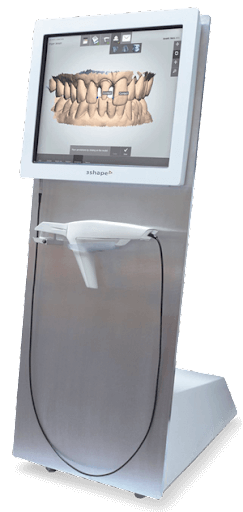
The success of any crown begins long before it’s seated in the patient’s mouth. It starts with the precision and expertise of your dental lab partner. While zirconia is an incredibly robust material, its potential for longevity is directly tied to the quality of its fabrication. When you consider how long do zirconia crowns last, the answer is heavily influenced by the accuracy of the fit, the design of the margins, and the proper handling of the material during milling and sintering. A perfectly crafted crown minimizes stress, prevents microleakage, and ensures a stable foundation. Here, we’ll examine all the factors that contribute to a crown’s durability, starting with the crucial role of high-quality lab work.
How long do zirconia crowns last? The quest for durable dental restorations leads many to ask this question. Recognized for their strength and aesthetic appeal, zirconia crowns stand as a testament to the evolution of restorative dentistry. These crowns emerge from the blend of technological prowess and artistry, providing long-lasting solutions to dental impairments. At Next Dental Lab, the precision and longevity of our crown & bridge work underscore our commitment to excellence. We leverage the robustness of zirconia to offer crowns that can endure the rigors of daily use, often lasting for decades with proper care. Our state-of-the-art fabrication techniques ensure that each crown is a perfect fit, marrying durability with comfort. Our complete catalog of dental products reflects our dedication to affordability without compromising quality. We provide fixed and removable prosthetics, including versatile implants, at prices that challenge the status quo – effectively reducing costs by 50%.
How Long Do Zirconia Crowns Actually Last?
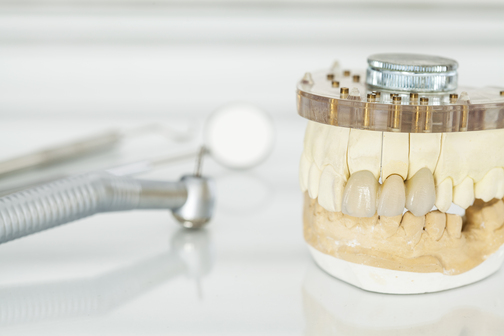 The average lifespan of zirconia crowns typically ranges between 10 to 15 years. However, it’s not uncommon for them to last much longer with proper care. Some patients report their zirconia crowns holding up well beyond 20 years. The durability of zirconia is a key factor in its longevity. It resists wear and tear remarkably well, which is why it’s a preferred material for both back and front teeth restorations. Yet, it’s also worth noting that zirconia crowns, like any dental restoration, are subject to the conditions they are put under. Good oral hygiene practices play a crucial role in extending the life of a zirconia crown. Poor habits, such as grinding teeth or chewing on hard objects, can shorten its lifespan.
Success Rates Backed by Research
When recommending a restorative solution, you need confidence in its long-term performance. Zirconia crowns deliver on this front, with clinical data to back them up. Their reliability isn’t just anecdotal; it’s well-documented. Many studies show that over 90% of zirconia crowns are still functioning perfectly after 10 years of use. Further clinical research reinforces this, showing that zirconia crowns maintain an impressive 98.5% success rate after a decade. This high level of predictability makes them a trustworthy choice for your patients, ensuring that the restorations you place are built to last and can withstand the demands of daily function for years to come.
Understanding the Types of Zirconia Crowns
Not all zirconia crowns are created equal. The type you choose often depends on the specific needs of the case, balancing strength with aesthetics. At Next Dental Lab, we work with both monolithic and veneered zirconia to provide the best possible outcome for every restoration. Understanding the key differences helps you select the ideal material for each patient, whether you’re restoring a molar that handles heavy occlusal forces or an anterior tooth where appearance is the top priority. This choice is fundamental to achieving a successful, long-lasting result that both you and your patient will be happy with.
Monolithic Zirconia
Monolithic zirconia crowns are fabricated from a single, solid piece of zirconium oxide, which gives them incredible strength. This solid construction makes them exceptionally resistant to chipping or breaking, which is why they are a go-to option for posterior restorations. Molars and premolars are subjected to immense chewing forces, and monolithic zirconia is more than capable of handling that pressure. While early versions were known for being opaque, modern monolithic materials offer improved translucency, providing a better aesthetic match without sacrificing the durability that makes them so reliable for the back of the mouth.
Veneered Zirconia
For cases where aesthetics are paramount, veneered zirconia crowns are an excellent choice. These restorations consist of a strong zirconia core that is covered with a layer of life-like porcelain. This layering technique allows for a highly natural and translucent appearance, making it much easier to match the shade and character of adjacent teeth. Because of this, veneered zirconia is often preferred for anterior restorations. However, it’s important to note that the porcelain layer, while beautiful, can sometimes chip more easily than a solid monolithic crown, so patient selection and occlusal planning are key considerations.
How Zirconia Compares to Other Crown Materials
Zirconia has become a leading material in restorative dentistry, but it’s helpful to see how it stacks up against other traditional options. Materials like PFM and gold have been used for decades and have their own set of advantages. However, zirconia often provides a more balanced solution, combining the strength of metal-based restorations with the aesthetic appeal of all-ceramic options. This unique blend of properties is why so many dental professionals are making it their material of choice for a wide range of clinical situations, from single crowns to full-arch bridges.
Zirconia vs. Porcelain-Fused-to-Metal (PFM)
PFM crowns have long been a standard in dentistry, but they have aesthetic limitations. One of the most common patient complaints is the dark metal line that can become visible at the gumline as gums recede. Zirconia crowns, being metal-free, eliminate this issue entirely, offering a much more natural look from day one. While PFM crowns have a respectable lifespan, zirconia’s superior strength and biocompatibility provide a more modern and aesthetically pleasing alternative. This allows you to give patients a restoration that looks and feels more like a natural tooth without compromising on durability.
Zirconia vs. Gold Crowns
Gold crowns are the undisputed champions of longevity. They are incredibly durable, kind to opposing teeth, and have a 95% survival rate over 10 years, often lasting for many decades. However, their metallic appearance is a significant drawback for most patients, especially in the smile line. Zirconia offers a compelling alternative, providing comparable strength and durability in a tooth-colored material. For patients who want a strong, long-lasting restoration without the metallic look of gold, zirconia is the ideal solution. It delivers the performance needed for posterior teeth while satisfying the cosmetic demands of modern dentistry.
What Makes Zirconia Crowns Last Longer?
Several factors can influence how long zirconia crowns last. Among them, the skill of the dentist and the quality of the crown’s placement are paramount. A crown that fits perfectly and is bonded with precision can withstand a lot of pressure and last longer. On the other hand, a poorly fitted crown may fail sooner. Another significant factor is oral hygiene. Plaque and tartar buildup can lead to gum disease, which, over time, can undermine the foundations of a crown. Regular brushing, flossing, and using mouthwash can greatly extend the life of a zirconia crown.### The Role of the Dental Lab and Dentist The success of a crown starts long before it reaches the patient’s mouth. It’s a collaborative effort that hinges on the precision of the dental lab and the skill of the dentist. A well-crafted crown from a lab ensures anatomical accuracy, proper margins, and ideal occlusion, which are fundamental for longevity. At Next Dental Lab, we rely on advanced digital workflows to create restorations with an impeccable fit. This precision is then complemented by the dentist’s expertise in preparing the tooth and seating the crown. A perfectly bonded crown prevents microleakage and protects the underlying tooth structure, setting the stage for years of reliable function. ### Health of the Underlying Tooth A crown is only as strong as its foundation. The health of the natural tooth underneath is critical to the long-term success of any restoration. Before a crown is placed, the underlying tooth must be free of decay and structurally sound. An unhealthy tooth root, periodontal issues, or undetected decay can compromise the entire restoration, leading to premature failure. This is why a thorough clinical evaluation is so important. Ensuring the core tooth is healthy and stable provides the solid base needed for a zirconia crown to perform at its best for a decade or more. ### Location in the Mouth The placement of the crown also plays a significant role in its longevity. Crowns on posterior teeth, like molars, are subjected to much greater chewing forces than those on anterior teeth. While monolithic zirconia is exceptionally strong and well-suited for these high-stress areas, the constant pressure can still contribute to wear over a long period. Additionally, a crown placed on a natural tooth often benefits from the periodontal ligament, which helps absorb some of the occlusal force. Crowns on dental implants lack this natural cushion, making the precision of the fit and occlusal design even more critical. ### Patient Habits and Lifestyle Once a crown is placed, its lifespan is largely in the patient’s hands. Certain habits can significantly shorten a crown’s durability, regardless of how well it was made or placed. Parafunctional habits like bruxism (teeth grinding) or clenching can exert extreme forces on the restoration, potentially leading to fractures. Other behaviors, such as chewing on ice, biting fingernails, or using teeth to open packages, can also cause damage over time. Educating patients on these risks and recommending a nightguard for those with bruxism are key steps in protecting the investment in their dental health.
Do Dental Check-Ups Extend Your Crown’s Life?
Regular dental check-ups are vital for maintaining the health of your zirconia crowns. During these visits, your dentist can spot and address any issues before they become serious problems. They’ll check for signs of wear and tear, ensuring that the crown and the surrounding gum tissue are in good condition. Moreover, professional cleanings at the dentist’s office help remove plaque and tartar that brushing and flossing at home might miss. These check-ups also provide an opportunity to assess oral hygiene practices and make adjustments if necessary. Investing time in regular dental visits not only prolongs the life of your zirconia crowns but also supports overall oral health.
Protecting Crowns from Bruxism
For patients who grind their teeth, a custom night guard is an essential recommendation. Wearing a night guard during sleep protects the zirconia crown from the excessive forces of bruxism, preventing potential fractures or wear.
Zirconia is incredibly tough, but the persistent, powerful forces of bruxism can test the limits of any dental material. Recommending a custom-fitted night guard is one of the most effective ways to safeguard a patient’s investment in their new restoration. A night guard acts as a protective barrier, absorbing the clenching and grinding pressures that would otherwise be exerted directly on the crown and the opposing teeth. This simple preventative measure not only helps prevent fractures and excessive wear on the zirconia but also protects the underlying tooth structure and the temporomandibular joint (TMJ). Educating patients on this front ensures the beautiful, durable crowns you place last as long as possible, maintaining both function and aesthetics for years to come. It’s a conversation that reinforces your commitment to their long-term oral health beyond the initial placement.
Signs a Crown May Need Replacement
It’s important for patients to know the warning signs of a failing crown. Prompt attention can prevent more significant issues. Key indicators include:
Empowering patients with knowledge about their dental restorations is key to long-term success. While a well-made zirconia crown is built for longevity, it’s not invincible. Encouraging patients to be mindful of changes in their mouth can help catch potential issues before they escalate into more complex problems. When a patient reports a concern, it allows for timely intervention, which can often save the underlying tooth and simplify the restorative process. Regularly discussing these potential warning signs during check-ups reinforces the collaborative nature of dental care and helps patients take an active role in maintaining their oral health. Here are a few specific indicators you can advise them to watch for.
Visible chips or cracks in the crown
While minor cosmetic chips might not seem urgent, they can sometimes indicate underlying stress or a bite issue. Larger cracks are more concerning as they can compromise the structural integrity of the crown, creating pathways for bacteria to reach the natural tooth underneath. This can lead to decay and further complications. Advising patients to report any visible damage, no matter how small, allows you to assess the situation and determine if a repair or replacement is necessary to maintain the tooth’s health.
A loose feeling or the crown falling off
A crown that feels mobile or detaches completely is an obvious sign that something is wrong. This is often due to the failure of the dental cement, which can break down over time. However, it can also signal a more serious problem, such as decay in the underlying tooth structure that has compromised the foundation the crown rests on. It’s crucial for patients to contact you immediately and to save the crown if possible, as it can sometimes be re-cemented if the supporting tooth is still healthy.
New pain or sensitivity in the crowned tooth
Pain or sensitivity to hot, cold, or pressure in a tooth that was previously comfortable is a red flag. This discomfort could mean that decay has developed under the crown and is nearing the tooth’s nerve. It might also indicate that the crown has a micro-fracture, or that gum recession has exposed the sensitive root surface at the margin of the crown. A thorough examination is needed to diagnose the source of the sensitivity and prevent further damage or infection.
Gum recession around the edge of the crown
The health of the surrounding gum tissue is integral to the success of a crown. If a patient notices their gums pulling away from the crown, it can create an unsightly dark line at the margin and, more importantly, a pocket where plaque and bacteria can accumulate. This can lead to gum disease and decay along the tooth’s root. Addressing gum recession early can help protect the foundation of the tooth and maintain the aesthetic and functional integrity of the restoration.
A noticeable change in the bite alignment
A patient’s bite should feel stable and comfortable. If they report that their bite feels “off” or that the crowned tooth feels “high,” it could mean the crown has shifted or that its surface has worn down unevenly, affecting how the upper and lower teeth meet. An imbalanced bite can lead to issues like jaw pain, excessive wear on other teeth, and even chipping of the crown itself. Promptly evaluating and adjusting the occlusion is essential for comfort and long-term stability.
Give Your Patients a Smile That Lasts
Entrust your patients’ smiles to Next Dental Lab. Select our dependable crown & bridge options, and let our promise of durability and affordability in all our dental products take your practice further.
Frequently Asked Questions
Is there a significant difference in how long monolithic and veneered zirconia crowns last? Monolithic crowns, which are made from a single piece of zirconia, tend to be more durable because there is no porcelain layer that could potentially chip. This makes them a fantastic choice for molars that handle heavy chewing forces. Veneered crowns are still very strong, but the layered porcelain, while beautiful for front teeth, can be more susceptible to chipping over many years. The best choice often depends on balancing the aesthetic needs of an anterior tooth with the functional demands of a posterior one.
What is the most common reason a well-made zirconia crown might fail early? When a crown is expertly crafted and seated, the most common reasons for premature failure are usually related to patient habits or changes in oral health. Chronic teeth grinding, chewing on hard objects like ice, or using teeth to open things can create forces that damage the restoration over time. Additionally, if the health of the underlying tooth declines due to new decay or gum disease, it can compromise the crown’s entire foundation.
Are zirconia crowns a suitable option for patients who grind their teeth? Yes, monolithic zirconia is an excellent material for patients with bruxism because of its incredible strength and resistance to fracture. Its solid structure is well-equipped to handle the intense pressures of grinding. That said, it’s still crucial to provide these patients with a custom-fitted night guard. The guard serves to protect the crown, the opposing teeth, and the patient’s jaw joint from the long-term strain of this habit.
How critical is the lab’s role in the long-term success of a zirconia crown? The lab’s role is absolutely fundamental. A crown’s potential for a long life starts with a perfect fit, which is essential for preventing leakage and protecting the natural tooth. A high-quality lab ensures the margins are precise, the bite is accurate, and the material is handled correctly during fabrication. This initial precision creates a stable, well-fitting restoration that is set up for success from the very beginning.
Besides avoiding the metal margin, what are the key advantages of zirconia over PFM? Zirconia offers superior biocompatibility, so it’s less likely to cause irritation to the gum tissues. It is also exceptionally strong, often stronger than the metal base of a PFM crown, which can sometimes allow for more conservative tooth preparation. Since zirconia is completely metal-free, you also eliminate any possibility of a patient experiencing a metallic taste or having a reaction to the metal alloy.
Key Takeaways
- Zirconia offers proven longevity: These crowns consistently last 10 to 15 years or more, supported by high clinical success rates. This makes them a reliable restorative solution you can place with confidence.
- A crown’s lifespan is a team effort: The final result depends on the precision of the dental lab, your skill during preparation and seating, and the patient’s commitment to good oral hygiene.
- Patient education is essential for durability: Proactively discussing habits like bruxism and recommending a night guard can significantly protect the restoration. Teaching patients to recognize warning signs ensures they seek timely care.