It’s a question that comes up more often than you’d think: a patient gets a new set of removables and asks what to do with their old ones. This moment presents an opportunity for your practice to provide guidance and demonstrate a commitment to responsible care. While you know dentures can’t be reused, explaining the proper disposal methods is a valuable service. The question of how to dispose of old dentures is part of a larger challenge every dental office faces with surplus equipment. This article provides a straightforward guide to managing these items, covering donation, recycling, and compliant disposal for all types of old dental tools.
Dental practices often accumulate outdated or non-functional tools over time, creating a common challenge for office managers. Deciding the best course of action for disposing of old dental equipment requires careful consideration to ensure compliance and environmental responsibility. Proper removal prevents clutter within the practice and aligns with ethical business practices that promote sustainability. Many valuable resources exist that guide dentists through this necessary process.
Can Your Old Equipment Be Repurposed or Donated?
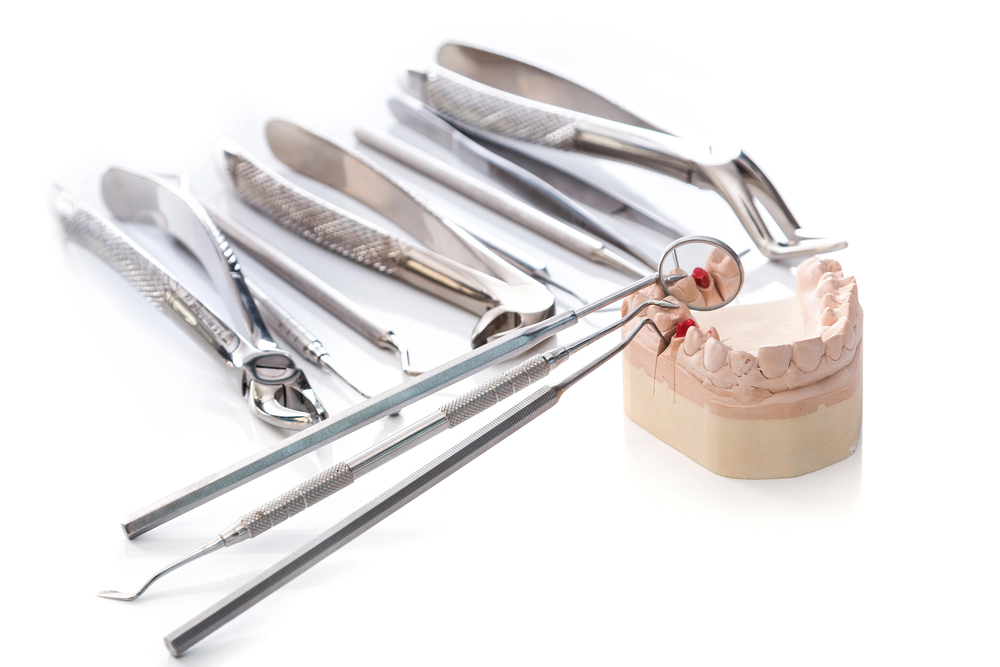 Consider the possibility of repurposing or donating equipment before immediate disposal, which can benefit other organizations. Some items, even older ones, hold value for dental schools, charitable clinics, or international aid programs seeking functional tools. Verify the operational condition of each piece and assess its potential usefulness for a different setting. Contact local dental associations or community outreach programs to identify potential recipients for your surplus items. This approach extends the life of the equipment and supports broader dental health initiatives within the community.
Ask Your Dentist About Recycling Programs
Your patients may not know what to do with their old dentures, but your practice can offer a simple, eco-friendly solution. Since most dentures are made of plastic, they are often recyclable. By establishing a take-back program, you provide a valuable service to your patients and demonstrate a commitment to sustainability. You can collect old removables and send them to specialized recycling facilities or back to the manufacturers who can properly process the materials. This small initiative helps reduce waste and positions your practice as a community-focused, environmentally conscious leader.
Donate to Dental Schools for Educational Use
Another excellent way to give old equipment a second life is by donating it to educational institutions. Dental schools and technical colleges are frequently in need of materials for student training. Disinfected dentures, for example, serve as valuable teaching aids for students learning about anatomy, fit, and function. Before you dispose of functional but outdated tools or prosthetics, consider reaching out to local dental programs. Your donation can help shape the skills of future dental professionals, turning your surplus items into a resource for the next generation of the dental community.
Check with Local Waste Management
When recycling or donation aren’t viable options, proper disposal is the final step. It’s critical to remember that dental equipment and prosthetics are often classified as medical devices and cannot simply be tossed in the regular trash. Each municipality has its own regulations for handling this type of waste. Before disposing of any items, contact your local waste management authority to learn their specific requirements. They will provide guidance on whether items need to be treated as biohazard waste or if there are other protocols to follow, ensuring your practice remains compliant and handles disposal responsibly.
How to Find a Certified Medical Recycling Facility
Locating certified medical recycling facilities provides an environmentally sound solution for disposing of non-reusable dental equipment. These specialized facilities possess the proper certifications and processes to handle various materials safely and responsibly. Search for accredited centers that accept medical waste and have a proven track record of compliant disposal practices. Confirm their capacity to manage specific types of dental materials, including plastics, metals, and electronic components, before arranging any collection or delivery. Using these facilities helps reduce landfill waste and supports sustainable recycling efforts.
How to Properly Store a Spare Set
Whether for a patient’s backup or for temporary storage in the office, a spare set of dentures requires specific care to remain in top condition. Before storing them, it’s crucial to perform a thorough cleaning. Using a soft-bristled brush and a dedicated denture cleaner—never regular toothpaste—removes any lingering food particles and adhesives. After a gentle scrub, rinse the dentures completely to wash away any debris. The final step before storage is to carefully dry them with a soft, clean towel. This initial preparation is the foundation for successful long-term storage and prevents bacterial growth or material degradation over time, ensuring the removables are ready for use when needed.
Cleaning and Soaking Instructions
Once the dentures are clean and dry, the next step is proper soaking. Place them in a container filled with either plain, cool water or a specialized denture-soaking solution. It’s vital to keep the dentures moist, as this prevents the acrylic from drying out and potentially cracking. If you plan on storing them for an extended period, make a habit of changing the soaking liquid at least once a week to maintain a clean environment. Always remember to avoid hot water, as high temperatures can warp the denture material, leading to an improper fit and discomfort for the patient.
What to Avoid During Long-Term Storage
To preserve the integrity and fit of spare dentures, there are a few key things to avoid. First, never let them sit out and become completely dry, which can cause the material to become brittle and crack. Also, steer clear of harsh chemicals; substances like bleach or abrasive household cleaners can damage the acrylic and metal components. Finally, always store the denture case away from direct sunlight or any heat source. Exposure to heat can cause the dentures to change shape, compromising their custom fit. Proper care ensures that even high-quality dental prosthetics maintain their form and function for years to come.
Where to Sell Your Used Dental Equipment
Selling usable equipment through specialized dental resale markets offers a practical way to recoup some value from your investments. Platforms and brokers exist that connect sellers of pre-owned dental instruments with buyers seeking affordable alternatives. Prepare a detailed inventory of the items you wish to sell, including their condition, age, and any relevant service records. High-quality photographs and accurate descriptions attract serious buyers who appreciate transparency and good maintenance. This method allows other practices to acquire the necessary tools while providing financial returns for your office.
Why Dentures Cannot Be Reused by Others
It’s a question that sometimes comes up from well-meaning patients: can old dentures be donated or given to someone else? The answer is a firm no, and the reason is rooted in the highly personalized nature of these prosthetics. Dentures are meticulously crafted to fit the unique contours of one specific person’s mouth. Every ridge, curve, and dimension of the patient’s gums and jaw is accounted for during fabrication to ensure proper function, comfort, and stability. Because no two mouths are alike, a set of dentures made for one individual will not fit another correctly. This is why the creation of high-quality removables is such a detailed process, resulting in a medical device that is as unique as a fingerprint.
The Dangers of Wearing an Ill-Fitting Pair
Just as dentures can’t be shared, patients should also be advised against using their own outdated pairs. The human mouth is not static; it changes over time due to factors like bone resorption and gum tissue modifications. A pair of dentures that fit perfectly years ago will likely be ill-fitting today. Wearing a poorly fitting prosthetic can lead to a host of problems, including painful sores, gum irritation, and inflammation. It can also affect a person’s ability to chew properly and speak clearly, impacting their nutrition and confidence. When a patient needs a new solution, it’s crucial to start fresh with a new impression to create a perfectly fitted device, like a modern hybrid denture, that supports their current oral anatomy and overall health.
Handling Hazardous Dental Waste the Right Way
Adhering to proper hazardous waste disposal guidelines remains paramount when managing certain dental materials and chemicals. Many dental procedures involve substances classified as hazardous, which require specific handling and disposal protocols to protect public health and the environment. Identify all hazardous materials present in your old equipment, such as amalgam, lead, or certain chemical residues. Consult local, state, and federal regulations governing hazardous waste disposal to ensure full compliance. Partner with licensed hazardous waste disposal companies that specialize in medical waste to manage these items safely.
Following Proper Disposal Protocols
When dealing with items like unclaimed dentures or old prosthetics, you can’t simply toss them in the regular trash. Because these items have been in contact with bodily fluids, they must be treated as medical waste. Offices need to follow strict disposal rules to maintain compliance and safety. This often involves specific procedures like incineration to ensure any potential biohazards are properly neutralized. In some cases, if a prosthetic is new and has never been used by the patient, it might be possible to return it to the dental lab. Always check with your lab partner and local regulations to confirm the correct protocol for your practice.
Common Mistakes That Lead to Accidental Disposal
Even with the best intentions, accidents happen. One of the most common mistakes is a simple mix-up, like a patient’s dentures getting wrapped in a napkin and inadvertently thrown away by a staff member during cleanup. These errors often stem from a lack of clear communication or standardized procedures within the office. When team members aren’t on the same page about how to handle patient property or where to store items temporarily, the risk of accidental disposal increases. Establishing a clear, easy-to-follow system for managing all patient items—from intake to final delivery—can prevent these costly and frustrating mistakes from occurring in your practice.
Does Your Manufacturer Offer a Buy-Back Program?
Manufacturers often offer buy-back or trade-in programs for their older dental equipment when you purchase new models. These programs provide a convenient and sometimes cost-effective solution for upgrading your practice’s technology. Inquire with your equipment suppliers about any available incentives or schemes that allow you to return or trade in your used machinery. Review the terms and conditions of these programs carefully to understand the credit or discount offered for your old items. This option simplifies the disposal process and reduces the overall cost of new acquisitions.
Finding the Right Replacement for Your Old Equipment
At Next Dental Lab, we specialize in delivering high-quality dental lab products designed to meet the evolving needs of modern dental practices. We focus on providing reliable, cutting-edge products that support smooth transitions and enhanced patient care. Explore our full range of dental lab solutions today and see how Next Dental Lab can help elevate your practice.
Partnering with a Full-Service Dental Lab
Once you’ve cleared out the old, it’s the perfect time to re-evaluate your lab partnerships. Working with a full-service dental lab simplifies your workflow by consolidating all your cases with a single, trusted partner. Instead of juggling multiple contacts and shipping schedules for different types of restorations, you can rely on one team that understands your practice’s specific needs and preferences. This streamlined approach not only saves valuable administrative time but also ensures a consistent standard of quality across all your cases, from a single crown to a complex hybrid denture. A reliable lab partner acts as an extension of your own team, committed to delivering excellent results for your patients.
Ensuring a Perfect Fit with Digital Solutions
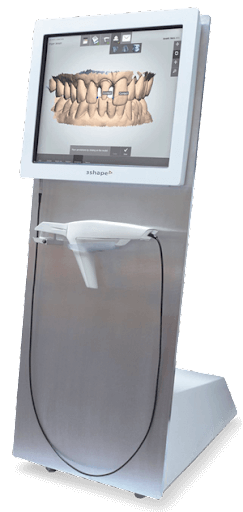
When it’s time for a new set of dentures, working with a lab that uses modern technology is key. A seamless digital workflow is essential for achieving the precision your patients deserve. At Next Dental Lab, we use digital scans to create exceptionally accurate and comfortable removables, including full, partial, and hybrid dentures. This technology minimizes the need for adjustments and remakes, saving chair time and improving the patient experience. By embracing digital impressions, you ensure your patients get a product that fits perfectly from the start, leading to higher satisfaction and better clinical outcomes for even the most complex cases.
Streamlining Your Practice with Comprehensive Services
A major benefit of a full-service lab is the ability to handle a wide array of restorative needs under one roof. Whether your patient requires a simple crown, a multi-unit bridge, or a full-arch implant solution, having a single point of contact simplifies everything. You can send all your cases to one place, confident that the quality and materials will be consistent. At Next Dental Lab, we offer a comprehensive range of dental lab products, from crown and bridge work to complex removables and implants. This integration means less time spent on logistics and more time focused on patient care, knowing your lab partner can support every aspect of your restorative work.
Frequently Asked Questions
My practice has a lot of old equipment. Where should I even start? The best first step is to sort everything into two categories: functional and non-functional. Equipment that still works, even if it’s outdated for your practice, could be incredibly valuable to dental schools, training programs, or charitable clinics. This approach helps you clear out clutter while also supporting the broader dental community.
A patient left their old dentures behind. Can I just throw them in the regular trash? No, you should never toss old dentures into the standard office trash. Since they have been in a patient’s mouth, they are considered medical waste and must be handled according to specific disposal protocols. Contact your local waste management authority to learn the correct procedures for your area to ensure your practice remains compliant.
Why can’t a patient give their old dentures to a family member who also needs them? Dentures are highly personalized medical devices, crafted to fit the exact contours of one person’s mouth. Because no two mouths are the same, a set made for one individual will cause pain, sores, and functional problems for another. A proper fit is critical for health and comfort, which is why a new set always requires a new, precise impression.
What’s the best way to handle equipment that can’t be donated or recycled? When disposal is your only option, it’s important to do it correctly. For general items, your local waste management service can provide guidance. However, for any equipment containing hazardous materials, such as amalgam or certain chemicals, you must work with a certified medical waste disposal company to ensure it’s handled safely and legally.
How can my office avoid accidentally throwing away a patient’s removables? The most effective way to prevent this is by creating a clear, consistent system that your entire team follows. Designate a specific, safe location for all patient items and avoid temporary solutions like wrapping dentures in a napkin. Using a proper denture case and communicating clearly among staff members can eliminate nearly all accidental disposals.
Key Takeaways
- Establish a clear disposal plan for old equipment: Before throwing items away, consider donating usable tools to dental schools or setting up a recycling program for old removables. For everything else, always check with your local waste management authority for compliant disposal protocols.
- Reinforce the custom nature of dentures with patients: Clearly explain that dentures are unique medical devices crafted for one person and cannot be shared. This helps patients understand why a new, professionally fitted prosthetic is essential for their comfort and oral health.
- Use decluttering as a chance to simplify your workflow: After clearing out old equipment, consider partnering with a full-service dental lab. Consolidating all your cases, from crowns to complex dentures, with one trusted partner saves administrative time and ensures consistent, high-quality results.
Related Articles
- How To Get Rid Of Old Dental Equipment – Next Dental Lab
- Top Mistakes Made In Dental Equipment Care – Next Dental Lab
- The Importance Of Hygiene In Your Dental Practice
- When Dental Equipment Breaks Down: A Dentist’s Repair Guide
- A Dentist’s Guide To Picking The Best Equipment Supplier – Next Dental Lab