When a patient asks if a dental appliance for sleep apnea really works, you need to be ready with a confident, evidence-based answer. While CPAP is often considered the gold standard, its effectiveness is entirely dependent on patient compliance, which is notoriously low. For the right candidate, oral appliance therapy is not just an alternative; it’s a superior solution that patients will actually use every night. This article cuts through the noise to give you the facts. We will examine the success rates, discuss the mechanisms of action for different devices, and identify the key factors that make a patient an ideal candidate for this treatment.
Sleep apnea is a serious condition that affects millions of people worldwide, disrupting sleep and increasing the risk of other health problems. For those who struggle with the discomfort or inconvenience of CPAP (Continuous Positive Airway Pressure) machines, oral appliances offer a more comfortable and less invasive alternative. However, do they really work, and if so, which oral appliances for sleep apnea are worth recommending? Let’s answer to this question.
What is a Dental Appliance for Sleep Apnea?
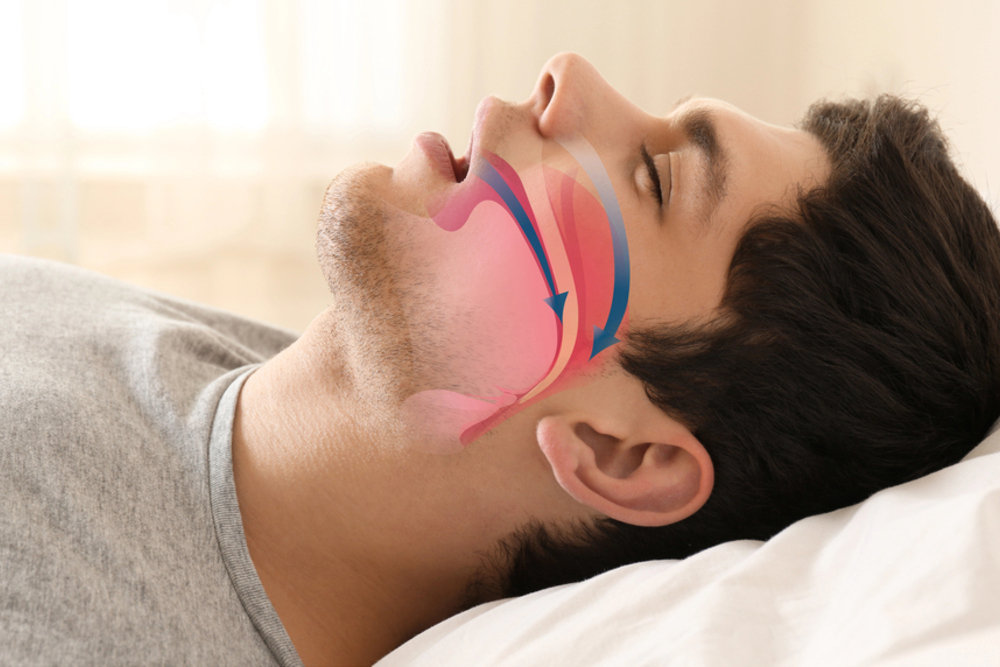 Oral appliances for sleep apnea are custom-made devices that are worn in the mouth during sleep. They work by repositioning the lower jaw and tongue to keep the airway open, preventing the collapse that leads to obstructive sleep apnea. These appliances are typically prescribed for people with mild to moderate sleep apnea or those who cannot tolerate a CPAP machine. How do these devices stack up against traditional treatments? Fortunately, many studies indicate that oral appliances are an effective option for treating sleep apnea, especially in mild cases. Patients frequently experience improved sleep, reduced snoring, and a better overall quality of life. However, like any treatment, they aren’t a universal solution. The effectiveness of oral appliances varies based on factors such as the severity of the sleep apnea and the patient’s consistency in using the device as prescribed.
Types of Oral Appliances
When discussing oral appliance therapy with your patients, it’s helpful to understand the primary types available. While they all share the goal of maintaining an open airway, they achieve it through different mechanisms. The two most common categories are Mandibular Advancement Devices (MADs) and Tongue-Retaining Devices (TRDs). Each has a distinct approach to managing the anatomical obstructions that cause sleep apnea, and the best choice often depends on the specific needs and anatomy of the patient. Understanding these differences is the first step in guiding your patients toward a more restful night’s sleep.
Mandibular Advancement Devices (MADs)
Mandibular Advancement Devices, or MADs, are the most widely used type of oral appliance for sleep apnea. These devices look similar to a sports mouthguard and are designed to snap over the upper and lower dental arches. Using a mechanism like hinges or screws, a MAD gently repositions the mandible forward. This subtle shift is enough to pull the tongue and soft palate away from the back of the throat, effectively preventing airway collapse during sleep. Because they rely on the patient’s dentition for support, a healthy dental status is essential for their success, making them a popular and effective solution for many patients with mild to moderate OSA.
Tongue-Retaining Devices (TRDs)
Unlike MADs that focus on jaw position, Tongue-Retaining Devices (TRDs) directly address the tongue. A TRD features a small compartment that holds the tongue forward using gentle suction, preventing it from falling back and obstructing the airway. This design can be particularly beneficial for patients who may not be suitable candidates for a MAD, such as those with significant TMJ issues or an insufficient number of teeth to anchor the device. While less common than MADs, TRDs offer a valuable alternative for a specific subset of patients and work on a simple yet effective principle to keep the airway clear throughout the night.
Custom-Fitted vs. Over-the-Counter Appliances
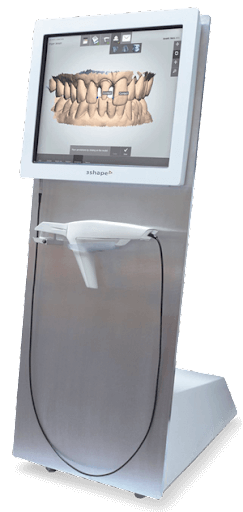
While patients might be tempted by the accessibility of over-the-counter “boil-and-bite” appliances, it’s crucial to emphasize the difference in quality and effectiveness. As the Cleveland Clinic notes, custom-made oral appliances that fit a patient’s mouth perfectly work best. A custom-fitted device, fabricated from precise digital scans or physical impressions, ensures optimal comfort, fit, and efficacy. Partnering with a reliable dental lab is key to creating an appliance that is both durable and accurately adjusted to the patient’s unique anatomy. This professional approach not only yields better clinical outcomes but also improves patient compliance and satisfaction with the treatment.
Key Advantages of Oral Appliances
For patients who find CPAP therapy cumbersome, oral appliances present a compelling alternative with several distinct benefits. One of the most significant advantages is comfort. These small, custom-fitted devices are far less intrusive than a CPAP mask and machine, which often leads to higher patient compliance. Their portability is another major plus; they are small, easy to clean, and convenient to pack for travel, allowing patients to maintain their treatment routine wherever they go. This ease of use can make a world of difference for someone struggling to adapt to other forms of therapy.
Beyond convenience, oral appliances have proven clinical effectiveness, particularly for individuals with mild-to-moderate obstructive sleep apnea. Studies show a high success rate in reducing symptoms, including a significant decrease in snoring and improvements in overall sleep quality. According to SleepApnea.org, this improved compliance and comfort often translates directly into better health outcomes. By offering a less invasive yet effective solution, you can provide patients with a practical path toward managing their sleep apnea and reclaiming their well-being, one restful night at a time.
How Effective Are Oral Appliances for Sleep Apnea?
For many, the answer is yes. Oral appliances have been shown to reduce the frequency and severity of sleep apnea episodes by keeping the airway open during sleep. According to the American Academy of Sleep Medicine, these devices are particularly effective for patients with mild to moderate obstructive sleep apnea and those who have trouble using a CPAP machine. In clinical studies, patients using oral appliances report fewer apnea episodes, reduced snoring, and a better night’s rest. That said, oral appliances are less effective in cases of severe sleep apnea, where a CPAP machine may still be the preferred option. It’s also important to note that while these devices can significantly reduce symptoms, they may not completely eliminate sleep apnea.### Success Rates and Statistics When patients ask if oral appliances really work, you can confidently point to the data. The American Academy of Sleep Medicine confirms that these devices are a highly effective treatment, especially for individuals with mild to moderate obstructive sleep apnea. They are also a leading alternative for patients who can’t tolerate CPAP therapy. The primary function of a custom-fitted appliance is to maintain an open airway during sleep, which directly translates into tangible results. Clinical evidence and patient reports show a significant reduction in the frequency of apnea and hypopnea events. This leads to less snoring, more restorative sleep, and improved daytime alertness, offering a life-changing solution for the right patient.
The Process of Getting a Custom Oral Appliance
Guiding a patient toward effective sleep apnea treatment is a multi-step process that requires collaboration between a sleep physician and a qualified dentist. It begins with a definitive diagnosis and ends with long-term management to ensure the treatment remains effective. The journey involves a formal sleep study, careful selection of a dental provider, the precise fabrication of a custom appliance, and a dedicated period of adjustment and follow-up care. Each stage is critical for success. As a dental professional, your role is central to this process, from taking accurate impressions to making the fine-tuned adjustments that ensure patient comfort and compliance. Partnering with a reliable dental lab is essential for creating a device that is both effective and durable, providing your patients with the best possible outcome. ### Step 1: Sleep Study and Diagnosis Before any treatment can begin, a proper diagnosis is essential. As the Cleveland Clinic notes, the first step is always a sleep study to confirm the presence and severity of sleep apnea. This is not a step that can be skipped, as the results determine the most appropriate course of action. A sleep study, which can often be done at home or in a specialized clinic, measures key metrics like breathing patterns, oxygen levels, and sleep stages. The data gathered will classify the patient’s condition as mild, moderate, or severe. This diagnosis is what allows you to confidently recommend an oral appliance for mild to moderate cases or refer a patient with severe OSA for CPAP therapy. ### Step 2: Finding a Qualified Dentist Once a patient has a diagnosis, they need a dentist skilled in dental sleep medicine. This is where your expertise comes in. The process involves a thorough oral examination to ensure the patient is a good candidate from a dental health perspective. You will then take highly accurate impressions of the patient’s teeth and bite. Many modern practices now use digital scans to capture this information, which improves precision and streamlines the workflow with the dental lab. These scans are then sent to a lab, like Next Dental Lab, where a custom mandibular advancement device or tongue-retaining device is fabricated to the exact specifications needed for that patient. ### Step 3: The Adjustment Period It’s important to set clear expectations with patients about the initial adjustment period. Wearing a new oral appliance can feel unusual at first, and some minor side effects are normal. According to the Cleveland Clinic, patients might experience temporary issues like excessive salivation, dry mouth, or mild jaw or tooth discomfort. Reassure your patients that these sensations typically fade within a few weeks as they get used to wearing the device. You will likely schedule a follow-up appointment shortly after the initial fitting to check the fit and make any necessary adjustments to improve comfort and effectiveness, ensuring the patient remains compliant with their therapy. ### Step 4: Follow-Up and Long-Term Care Oral appliance therapy is not a one-and-done solution; it requires ongoing management. Regular follow-up appointments are crucial to monitor the patient’s progress and the condition of the appliance. During these visits, you should assess the patient’s bite for any changes, check for wear and tear on the device, and discuss their symptomatic improvements. It is also recommended that patients undergo a follow-up sleep study after a period of consistent use to objectively verify that the appliance is effectively managing their sleep apnea. This long-term partnership between you and your patient is key to the continued success of the treatment.
Potential Side Effects and Risks
While oral appliance therapy is a safe and effective treatment for many, it’s important to have a transparent conversation with patients about the potential side effects. Most issues are minor and temporary, but being upfront helps manage expectations and builds trust. The majority of side effects occur during the initial adjustment period as the patient’s mouth and jaw muscles adapt to the appliance. However, there are also potential long-term changes that require professional monitoring to mitigate. By discussing these possibilities from the start, you empower patients to make an informed decision and encourage them to report any discomfort promptly, allowing you to make adjustments that ensure their treatment is both comfortable and successful. ### Common Short-Term Side Effects When a patient first begins using their oral appliance, they may experience a few temporary side effects. As the Cleveland Clinic points out, it’s common to notice things like increased saliva production, a dry mouth, or some initial tenderness in the jaw muscles, teeth, or gums. These symptoms are typically mild and are part of the body’s natural adaptation process. Most of these issues resolve on their own within a few weeks of consistent use. Proper patient education on what to expect, along with a follow-up visit to check the appliance’s fit, can help ease this transition and keep patients on track with their therapy. ### Possible Long-Term Changes Over time, the consistent use of an oral appliance can potentially lead to changes in the patient’s bite or tooth alignment. While these changes are often minor, they are a key reason why ongoing professional supervision is so important. Regular check-ups allow you to monitor for any unwanted shifts and make proactive adjustments to the appliance or treatment plan. In rare cases, patients may experience discomfort in the temporomandibular joint (TMJ). These risks are significantly minimized when the appliance is custom-fabricated with precision and managed by a dentist with expertise in dental sleep medicine, ensuring the patient’s oral health is protected throughout treatment.
Who is a Good Candidate for an Oral Appliance?
Identifying the right patients for oral appliance therapy is the cornerstone of a successful treatment outcome. Not everyone with sleep-disordered breathing is a suitable candidate, and proper patient selection is critical. The ideal candidate is typically someone who has been formally diagnosed with a specific severity of sleep apnea and who meets certain dental health criteria. It’s also a fantastic option for those who have tried and failed with CPAP therapy due to discomfort or inconvenience. By carefully evaluating each patient’s medical diagnosis, lifestyle needs, and oral health, you can confidently recommend this treatment to those who are most likely to benefit, guiding them toward quieter nights and more energized days. ### Ideal Candidates The best candidates for oral appliance therapy are patients who have been diagnosed with mild to moderate obstructive sleep apnea. According to the Cleveland Clinic, this group sees the most significant improvement. Oral appliances are also the primary alternative for individuals who are CPAP-intolerant—those who find the mask uncomfortable, experience claustrophobia, or cannot get used to the forced air. Additionally, patients who travel frequently appreciate the portability and convenience of a small, easy-to-pack oral device. It can also be a great solution for primary snorers who may not have significant apnea but whose snoring disrupts their or their partner’s sleep. ### Who Should Avoid Oral Appliances? Oral appliance therapy is not a universal solution. It is generally not recommended for patients diagnosed with severe obstructive sleep apnea, as they often require the higher level of airway support that only a CPAP machine can provide. Furthermore, certain dental conditions can be contraindications. Patients with active or advanced periodontal disease, an insufficient number of teeth to support the device, or certain pre-existing temporomandibular joint disorders may not be suitable candidates. A thorough dental examination is necessary to rule out these issues and ensure the appliance will be safe and stable for long-term use.
Understanding the Investment and Insurance Coverage
When discussing oral appliance therapy, patients will naturally have questions about the financial commitment. It’s helpful to frame this as an investment in their long-term health and quality of life. A custom-fabricated oral appliance is a sophisticated medical device, and its creation involves a comprehensive process, including your clinical expertise, high-quality materials, and precise lab work. Fortunately, because sleep apnea is a recognized medical condition, many insurance plans offer coverage for the treatment. Helping patients understand the process and the value they are receiving can make the financial aspect feel much more manageable and worthwhile. ### Typical Cost of a Custom Appliance The financial investment for a custom-fitted oral appliance can vary, but it generally falls within a specific range. According to SleepApnea.org, the total amount for this therapy can be anywhere from $1,500 to $4,500. It’s important to explain to patients that this figure doesn’t just cover the device itself. It encompasses the entire treatment process, including the initial consultation and examination, the precise impressions or digital scans, the custom fabrication by a specialized dental lab, the fitting appointment, and all the necessary follow-up visits for adjustments. This comprehensive care ensures the appliance is effective and comfortable for the long haul. ### Navigating Insurance Coverage A key point to clarify for patients is that oral appliance therapy is typically covered under medical insurance, not dental insurance. Since obstructive sleep apnea is a medical diagnosis, the treatment to address it is considered a medical necessity. Your office can play a vital role in helping patients with their insurance claims by providing the required documentation. This usually includes a copy of the diagnostic sleep study, a letter of medical necessity outlining the diagnosis and treatment plan, and other relevant clinical notes. Guiding patients through this process can significantly ease their financial concerns and help them access this life-changing therapy.
Which Dental Sleep Apnea Device is Right for You?
Sleep apnea treatment typically involves two primary types of oral appliances:
- Mandibular Advancement Devices (MADs): The most commonly recommended option, MADs function by gently shifting the lower jaw forward to keep the airway open. These devices are custom-made by a dentist and can be adjusted for accurate repositioning as needed.
- Tongue Retaining Devices (TRDs): These devices keep the tongue in a forward position, stopping it from falling back and blocking the airway. Although TRDs are less frequently recommended compared to MADs, they can be a suitable option for patients who find jaw repositioning uncomfortable.
When recommending an oral appliance, it’s crucial to consider the patient’s specific needs, preferences, and anatomy. A dentist trained in sleep medicine can evaluate these factors and determine the best option for treatment. Oral appliances for sleep apnea bring a comfortable, non-invasive solution for many patients seeking relief from their symptoms. While they may not be as effective for severe cases, these devices are highly recommended for those with mild to moderate sleep apnea or those who find CPAP machines challenging to use. If you or a loved one is struggling with sleep apnea, think about consulting a dental professional about the possibility of using an oral appliance. Next Dental Lab brings custom-made dental lab products tailored to each patient’s unique needs. We help you find the right dental implants, digital cases, digital scanners, and oral appliance solutions that you are looking for. Contact us today to learn more about how we can help you or your patients find relief from sleep apnea and improve sleep quality.
Frequently Asked Questions
How do I decide if a Mandibular Advancement Device (MAD) or a Tongue-Retaining Device (TRD) is better for my patient? Think of MADs as your first-line option for most patients. They are highly effective and generally well-tolerated, provided the patient has enough healthy teeth to support the device. A TRD becomes an excellent alternative when a patient isn’t a good candidate for a MAD. This includes patients who are edentulous, have significant TMJ discomfort that is worsened by jaw advancement, or cannot comfortably protrude their mandible.
Can a patient use an oral appliance if they still need their CPAP machine? Yes, and this is often called combination therapy. It can be a fantastic solution for patients with severe sleep apnea who struggle to tolerate the high pressures of their CPAP. Using an oral appliance at the same time can help keep the airway more stable, which often allows the CPAP pressure to be lowered to a more comfortable setting. This can dramatically improve their ability to stick with the therapy.
What’s the best way to manage a patient’s expectations about the adjustment period? The key is clear communication before they even take the appliance home. Let them know it’s normal to experience some temporary effects like excess saliva, a dry mouth, or mild tenderness in their jaw or teeth. Reassure them that these feelings typically disappear within a couple of weeks. Also, be sure to schedule a follow-up appointment about a week after the initial fitting to make any small adjustments needed for their comfort.
How significant is the risk of long-term bite changes from using an oral appliance? While it is a possibility, the risk of significant, problematic bite changes is quite low when the therapy is managed correctly. This is precisely why custom fabrication and regular follow-up care are so critical. A well-made appliance from a quality lab minimizes undue stress on the teeth and jaw. During annual check-ups, you can monitor for any subtle shifts and make adjustments to the appliance, ensuring the patient’s oral health remains stable.
Besides the initial fitting, how often should I see a patient for follow-up care? A good rule of thumb is to schedule the first follow-up one to two weeks after the initial delivery to fine-tune the fit. After that, a check-in at six months is a great idea to assess their progress. Once the therapy is stable, an annual appointment is usually sufficient. During these visits, you should check the appliance for any wear, assess the patient’s bite, and discuss how their symptoms, like snoring and daytime sleepiness, have improved.
Key Takeaways
- Identify the right candidates for effective treatment: Oral appliances are a fantastic solution for patients with mild to moderate obstructive sleep apnea and for those who can’t comply with CPAP therapy. Always begin with a formal sleep study to confirm the diagnosis and determine the best course of action.
- Prioritize custom-fitted appliances for better outcomes: A professionally fabricated device based on precise digital scans or impressions is essential for success. This ensures a comfortable and secure fit, which directly improves patient compliance and the overall effectiveness of the treatment.
- Guide patients through the entire treatment journey: Successful therapy extends beyond the initial fitting. Prepare patients for the adjustment period and schedule regular follow-up appointments to monitor their progress, check the appliance, and make any necessary adjustments for long-term comfort and efficacy.