Nothing is more frustrating than unboxing a crown only to find the shade is slightly off. That small discrepancy means a new impression, another temporary, and an extra appointment for both you and your patient. It’s a scenario that costs you valuable chair time and can erode a patient’s confidence. The quality of your restorations is a direct reflection of your practice, and consistency is non-negotiable. If you find yourself asking, ‘what are the best dental labs for consistent shade matching?’, you’re already focused on the right thing. This article will help you build a reliable system for choosing a lab partner that gets it right the first time, ensuring every restoration fits perfectly.
Matching dental colors isn’t just about precision—it’s about creating seamless harmony between natural teeth and restorations. It’s a delicate balance of artistry and advanced science, where even the slightest mismatch can impact a smile’s authenticity. Over the years, this process has transformed, evolving from skilled visual assessments to the cutting-edge precision of modern technology. Traditional methods paved the way, but today’s innovations allow dentists to achieve unmatched accuracy and flawless results.
Mastering the Art of Visual Shade Matching
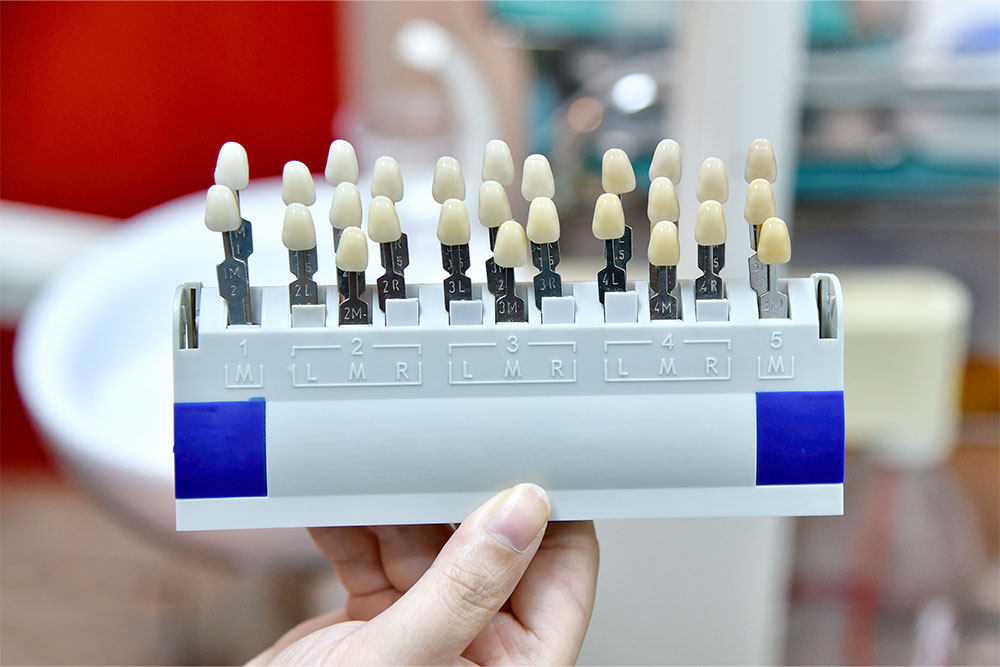 Before advanced tools, dental color matching relied heavily on visual observation. Dentists would use shade guides to compare the color of a patient’s teeth. These guides, typically made of porcelain or resin, offered a range of shades for selection. Lighting played a significant role in the process. Natural daylight or color-corrected lighting was preferred to reduce discrepancies. However, the results often depended on the dentist’s eye for detail and experience. Although effective in many cases, traditional methods had limitations. Subtle variations in color or translucency could be hard to replicate accurately, especially when dealing with complex cases. Despite this, many dentists still appreciate the hands-on approach and the skill involved in visual matching.
The Importance of Ideal Lighting Conditions
The lighting in your operatory is one of the most critical factors in achieving an accurate shade match. Poor lighting can easily distort how you perceive color, leading to a restoration that doesn’t quite blend in once the patient leaves the chair. For the most reliable results, your environment should be illuminated by a light source with a color temperature between 5500–6500 K and a Color Rendering Index (CRI) of 90 or higher. This specific range mimics natural daylight, ensuring that the colors you see are true and not skewed by warm or cool tones from standard office lighting. Getting the lighting right from the start prevents frustrating and costly remakes down the line.
Understanding Metamerism
Have you ever perfectly matched a shade, only for the patient to call back saying it looks different in their car or at home? You’ve likely encountered metamerism. This phenomenon occurs when two colors appear to be a perfect match under one light source but look completely different under another. It’s a common challenge in dentistry because the lighting in your office is rarely the same as what patients experience in their daily lives. Controlling the lighting conditions during your assessment is the best way to counteract this effect and ensure the shade you select remains consistent, no matter where your patient flashes their new smile.
Technical Specifications for Lighting
While natural daylight has long been considered the gold standard, it’s not always consistent. To create a more controlled environment, studies suggest that using a special polarized filter can yield slightly better accuracy in shade matching. While the difference may not be statistically massive, every bit of precision helps. The goal is to standardize the conditions as much as possible. This is also where digital dentistry offers a significant advantage. When you submit digital cases, the shade is captured by a scanner, which minimizes the variables of ambient light and human perception, helping our team at Next Dental Lab fabricate a perfectly matched restoration.
How Digital Tools Ensure Perfect Color Matching
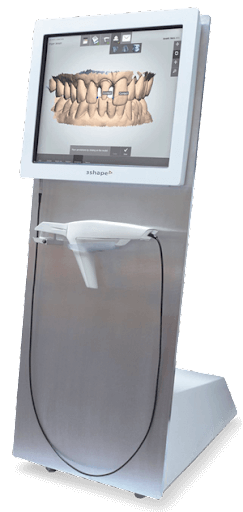
Advances in dental technology have revolutionized how shades are matched. Digital shade-matching devices, such as spectrophotometers, measure color using advanced algorithms. These tools analyze a tooth’s hue, value, and chroma, providing precise data that minimizes human error. 3D imaging and CAD/CAM systems also contribute to more accurate results. These systems allow for digital scans that capture the tooth’s structure and shade. The data can then be shared directly with dental labs, streamlining the restoration process. Modern methods reduce the guesswork and save time. They help achieve consistency in challenging cases, such as matching crowns or veneers in highly visible areas.
Why Shade Matching Can Be Difficult
Achieving a perfect shade match is more complex than it appears. While the human eye is incredible, it has limitations in perceiving subtle color variations, especially within the challenging environment of a patient’s mouth. Research shows that matching shades in a real clinic is significantly harder than in a controlled lab setting. Factors like ambient lighting, tooth dehydration, and even the surrounding gum tissue can influence how a color is perceived. For patients, the goal is a seamless, natural-looking smile, and even a minor discrepancy can make a high-quality crown or bridge look out of place. This makes precision not just a technical goal, but a critical component of patient satisfaction.
Using Technology to Validate Visual Selections
This is where modern technology becomes an invaluable partner. Digital tools like spectrophotometers don’t replace your clinical judgment; they reinforce it with objective data. These devices measure tooth color with incredible precision, removing the guesswork caused by tricky lighting or visual fatigue. The most effective approach often combines traditional skill with digital validation. You can make an initial selection with a shade guide and then use a digital device to confirm its accuracy. This process not only leads to better outcomes but also builds confidence. When you can send digital case files with precise shade information, you create a more predictable and efficient workflow from the start.
Should You Combine Traditional and Digital Methods?
Both traditional and modern methods have their place in dental practice. Traditional techniques rely on a dentist’s expertise and their ability to interpret shades visually. They allow for a more personalized approach, especially when digital tools are unavailable. Modern technology, on the other hand, ensures precision and efficiency. It eliminates many of the variables that can affect visual assessments, such as lighting conditions or individual perception. Combining these methods often yields the best results. For example, a dentist might start with a shade guide to make an initial selection and then confirm the choice with a digital device.
How to Find the Best Dental Lab for Consistent Shade Matching
For dentists seeking precision and efficiency in dental color matching, partnering with a trusted lab can give better results. At Next Dental Lab, we specialize in high-quality, FDA-approved appliances at prices designed to save you money. From crowns and bridges to dentures, our full-service dental lab delivers precision and reliability. With no minimum case requirements and warranties of up to five years, you can trust us to support your success. Register your practice now to receive a $50 credit toward your first case. Experience seamless service, cutting-edge technology, and personalized support designed to boost your productivity.
Types of Dental Labs and Their Services
Choosing a dental lab is a significant decision that impacts your practice’s efficiency, profitability, and patient satisfaction. The landscape includes various types of labs, each with a unique service model. The two most common structures are large-scale national labs and smaller in-house labs. National labs often leverage economies of scale to provide consistent quality across a high volume of cases. They typically invest heavily in advanced technology like CAD/CAM systems and 3D printing, which can lead to greater precision and faster turnaround times. Their large, specialized teams are equipped to handle complex cases, and many offer robust digital workflows and around-the-clock support, making them a reliable partner for practices of any size.
In contrast, an in-house lab is owned and operated by a dental practice or group, offering unparalleled collaboration between dentists and technicians. This close relationship allows for immediate feedback and precise shade matching, as technicians can meet with patients directly. While this model provides excellent control over quality and timelines, it requires a substantial investment in equipment, materials, and skilled personnel. The choice between a national and an in-house lab depends entirely on your practice’s specific needs, case volume, and long-term goals. Many practices find a balance by partnering with a responsive, full-service national lab that feels like an extension of their own team.
National Labs vs. In-House Labs
The primary distinction between national and in-house labs lies in scale and integration. National labs serve a broad client base across the country, which allows them to offer a comprehensive menu of services, from crown and bridge work to complex dental implants. Their size enables them to adopt new technologies quickly and maintain consistency through standardized processes. This can be a major advantage for practices looking for predictable results and access to the latest materials. Because they handle such a high volume of work, they can often provide their services at a more accessible cost than smaller operations, making them a financially sound choice for many dentists.
In-house labs, on the other hand, offer the benefit of proximity. Having technicians on-site facilitates direct communication, which is invaluable for intricate cosmetic cases where perfect color matching is essential. For example, some dental groups note that their in-house labs allow dentists and technicians to collaborate daily to achieve natural-looking results. However, the operational overhead and the need to keep technicians consistently busy can be challenging for smaller practices. Ultimately, the decision hinges on whether your practice prioritizes the broad capabilities and efficiencies of a national partner or the hands-on control of an in-house team.
Specialized Lab Services
Beyond the general structure, many labs choose to specialize in particular areas of dental restoration. Some may focus exclusively on orthodontics, creating retainers and aligners, while others might build a reputation for high-end cosmetic work, like veneers and aesthetic crowns. You’ll also find labs that concentrate on specific product lines, such as removables or complex hybrid dentures. Working with a specialized lab can be beneficial when you have a complex case that requires deep expertise in one area. These labs often have technicians with advanced training and use materials and techniques tailored to their niche, ensuring a high standard of quality for specific procedures.
A full-service lab, however, offers a one-stop solution for all your restorative needs. Instead of managing relationships with multiple specialized labs, you can send all your cases—from single crowns to full-arch implant restorations—to a single, trusted partner. This streamlines your workflow, simplifies communication, and ensures consistency across all the restorations your patients receive. A full-service partner like Next Dental Lab provides the expertise of specialized departments under one roof, giving you the best of both worlds: comprehensive service and expert quality for every case you send.
How to Choose a Dental Lab Partner
Finding the right dental lab is about more than just technical skill; it’s about building a partnership that supports your practice’s growth and clinical excellence. The ideal lab should function as a seamless extension of your team, consistently delivering high-quality restorations that meet your standards and delight your patients. This decision requires careful consideration of your own needs, a thorough evaluation of potential labs, and a commitment to fostering a strong working relationship. By taking a structured approach, you can identify a partner who not only understands your clinical philosophy but also helps you work more efficiently and predictably. The goal is to find a lab you can rely on for years to come, ensuring every restoration fits perfectly and looks beautiful.
Step 1: Define Your Practice’s Needs
Before you begin your search, take a moment to look inward at your own practice. A clear understanding of your specific requirements will make it much easier to identify a lab that’s a good fit. Consider your typical case volume and complexity. Are you primarily doing single-unit crowns, or do you handle more complex implant and full-mouth reconstruction cases? You should also think about your preferred workflow. Are you fully committed to a digital process with intraoral scanners, or do you still rely on traditional PVS impressions? Answering these questions will help you narrow down the field to labs that can accommodate your methods and case types.
It’s also important to prioritize what matters most to you in a lab partnership. Are you looking for the fastest turnaround times, the highest level of aesthetic detail, or the most accessible cost structure? While every practice wants a balance of all three, identifying your top priority will guide your decision. For instance, a high-end cosmetic practice might prioritize a lab’s artistic skill above all else, while a busy family practice might place more emphasis on durability and efficiency. Creating a checklist of your must-haves will give you a clear framework for evaluating potential partners.
Step 2: Evaluate Lab Quality and Credentials
Once you have a clear picture of your needs, you can start evaluating potential labs. Quality should be at the top of your list. Look for labs with recognized certifications, such as those from the National Board for Certification in Dental Laboratory Technology (NBC) or ISO. These credentials demonstrate a commitment to industry standards and ongoing education. Don’t hesitate to ask about the materials they use; a reputable lab will be transparent about its sources and ensure all materials are FDA-approved. A lab’s remake policy is another key indicator of its confidence in its work. A fair and clear policy shows that the lab stands behind its products.
Beyond formal credentials, look for evidence of consistent performance. Ask for a portfolio of their work or case studies, and read reviews or testimonials from other dentists. Strong technical support is also crucial. You want a partner you can call to discuss a complex case or troubleshoot an issue. The team at the lab should be accessible, knowledgeable, and eager to collaborate with you to achieve the best possible outcome for your patients. A lab that invests in quality control and customer support is one that values your partnership.
Step 3: Test Potential Labs and Build a Relationship
After you’ve narrowed your list down to a few promising candidates, the next step is to test them out. You wouldn’t hire a new team member without an interview, and the same principle applies to your lab partner. Start by sending a few straightforward cases, like a single posterior crown. This allows you to evaluate their work on a low-risk case and assess their entire process from start to finish. Pay attention to the details: Was the communication clear? Was the turnaround time as promised? Most importantly, how was the final restoration? Did the crown drop right in with minimal adjustments?
This trial period is the foundation of your future relationship. Use it to see how the lab responds to your feedback and how well their team works with yours. A great lab partnership is built on open communication and mutual respect. Over time, as you send more cases and build trust, the lab will become more familiar with your specific preferences, leading to even better and more consistent results. Taking the time to test a lab and build a strong rapport is an investment that will pay dividends in saved chair time and satisfied patients.
Key Trends in the Dental Lab Industry
The dental lab industry is constantly evolving, driven by technological advancements and shifting expectations from both dentists and patients. Staying informed about these trends can help you make smarter decisions for your practice and ensure you’re partnering with a lab that is prepared for the future. Two of the most significant trends right now are the widespread adoption of digital workflows and a growing need for transparency around lab service fees. Understanding these shifts will not only help you choose the right lab but also position your practice to operate more efficiently and effectively. A forward-thinking lab partner will embrace these changes and help you integrate them into your own workflows.
The Shift to Digital Dentistry
The move toward digital workflows is reshaping the relationship between dental practices and labs. Digital dentistry is quickly becoming the standard of care, and for good reason. Using an intraoral scanner to capture digital impressions offers greater accuracy, speed, and a better patient experience compared to traditional methods. These digital files can be sent to the lab instantly, cutting down on shipping time and allowing for faster case turnaround. This streamlined process allows labs to use CAD/CAM technology to design and mill restorations with incredible precision, resulting in better-fitting crowns, bridges, and implants that require fewer adjustments at the chair.
Partnering with a lab that has fully embraced this digital transformation is essential. A digitally proficient lab can do more than just accept your scans; they can become a true collaborator in your workflow. At Next Dental Lab, we make it easy to go digital. We can help you connect your existing scanner to our portal or even help you acquire a new one. This commitment to technology ensures you can leverage all the benefits of a modern, efficient workflow, saving you time and improving clinical outcomes for your patients.
Understanding Lab Service Fees
Navigating the financial aspect of lab services is a critical part of managing a successful practice. The cost for restorations can vary significantly from one lab to another, influenced by factors like the materials used, the technology involved, and the level of artistry required. For example, lab fees for a single crown can range from around $99 for a basic, non-branded restoration to over $400 for a premium, highly aesthetic option from a boutique lab. It’s important to understand what is included in the stated fee and what might incur additional charges, such as model work, shipping, or rush services, which can sometimes add 20-50% to the total.
When evaluating a lab, look for a clear and transparent fee schedule. A trustworthy partner will be upfront about all potential costs, allowing you to accurately estimate your overhead and communicate effectively with patients about their treatment expenses. While the lowest number isn’t always the best choice, it’s important to find a lab that offers a fair value for the quality and service it provides. By seeking a partner who offers competitive and transparent rates, you can manage your practice’s finances effectively without compromising on the quality of care your patients deserve.
Frequently Asked Questions
How can I improve my shade matching if I can’t completely overhaul my office lighting? You don’t need a full renovation to make a big difference. Start by switching the bulbs in your operatory to a color-corrected light source that mimics natural daylight, aiming for a color temperature around 5500 K. You can also use a handheld, color-corrected light for your final shade assessment. Another simple trick is to step away from the chair and view the patient’s smile from different angles and distances. This helps you get a more holistic view and reduces the risk of being misled by shadows or immediate surroundings.
Is it better to rely on digital tools or my own visual assessment for shade matching? The most reliable approach is actually a combination of both. Your clinical experience and trained eye are invaluable for capturing the character and nuance of a tooth. However, digital tools like spectrophotometers provide objective data that isn’t influenced by lighting or eye fatigue. Think of the technology as a way to confirm your visual selection. You can make your initial choice with a traditional shade guide and then use a digital device to validate it, ensuring you have both artistic and scientific accuracy on your side.
What’s the best way to “test drive” a new dental lab before committing to a long-term partnership? Starting with a simple, low-stakes case is the perfect way to evaluate a new lab. Send them a single posterior crown for a routine restoration. This allows you to assess their entire workflow without risking a complex anterior case. Pay close attention to their communication, the accuracy of the turnaround time they quoted, and the quality of the final product. The crown should fit with minimal adjustments. This initial trial gives you a clear picture of their reliability and craftsmanship before you decide to send more complex work their way.
When should I choose a full-service national lab over a smaller, specialized one? A full-service lab is ideal if you value efficiency and consistency across a wide range of restorative cases. It simplifies your workflow because you have a single point of contact for everything from a basic crown to a full-arch implant case. This is especially helpful for busy practices that want to streamline communication and ordering. While a specialized lab offers deep expertise in one area, a great full-service lab provides that same level of skill through dedicated departments, giving you comprehensive support without the need to manage multiple lab relationships.
My practice isn’t fully digital yet. Can I still work effectively with a tech-focused lab? Absolutely. A good lab partner will meet you where you are. While they may champion digital workflows, they should also have robust systems for handling traditional PVS impressions with the same level of care and precision. The best labs are flexible and can support your transition to digital dentistry at your own pace. They can offer guidance on getting started with scanners when you’re ready, making the process feel less intimidating and more like a collaborative effort.
Key Takeaways
- Pair your eye with technology for perfect shades: Start with your visual assessment under ideal, color-corrected lighting, then confirm your selection with a digital tool to remove guesswork and ensure consistent, accurate results.
- Choose a lab partner strategically: Find the right fit by first defining your practice’s needs, from case volume to workflow preferences, then evaluating a lab’s quality and sending a few test cases to build a strong relationship.
- Improve efficiency with digital workflows: Working with a lab that fully supports digital submissions is a game-changer; sending scans improves accuracy, accelerates turnarounds, and leads to better-fitting restorations that minimize chairside adjustments.