A cracked molar, a tooth weakened by a root canal, or a discolored anterior—these are the daily challenges that walk into your practice. While a full-coverage crown is often the clear solution, selecting the right material for the job requires careful consideration. The location of the tooth, the patient’s bite, and their aesthetic goals all play a role in the decision. This is where a deep understanding of modern ceramic crowns becomes invaluable. With options ranging from high-strength zirconia to highly aesthetic glass-ceramics, you can provide a customized restoration for nearly any situation. This article breaks down the most popular ceramic materials to help you choose confidently.
Advancements in dental technology have made ceramic crowns a preferred choice for patients looking for durability and aesthetics. Different from metal-based options, ceramic crowns give a natural-looking solution that blends seamlessly with existing teeth. Dental professionals must understand the different types of ceramic crowns available to offer the best solutions to their patients.
Understanding the Role of a Dental Crown
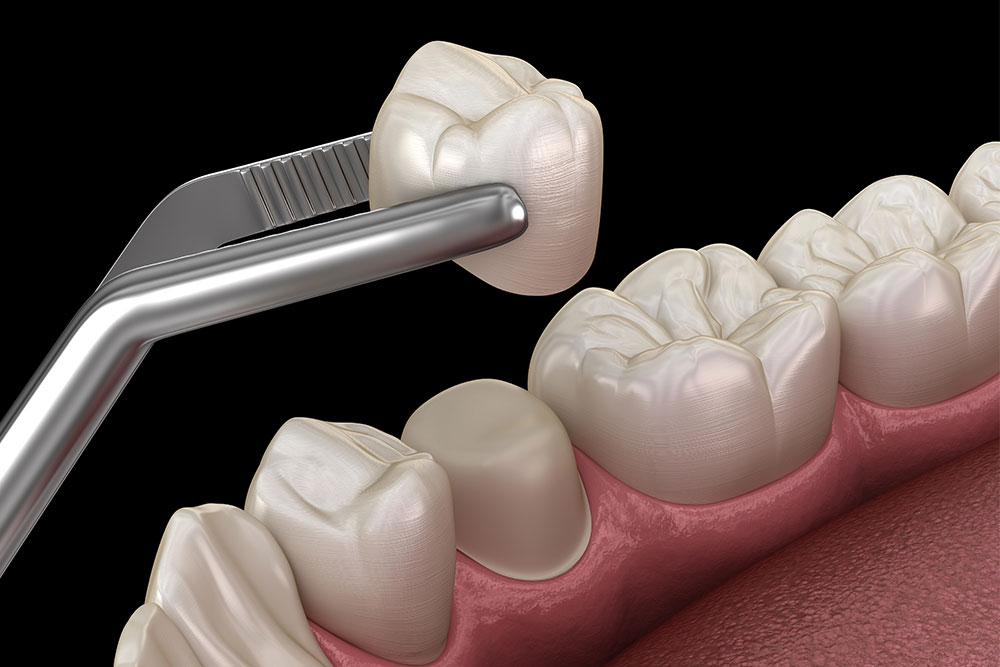
Dental crowns are a cornerstone of restorative dentistry, offering a reliable solution for both functional and aesthetic dental issues. As a dental professional, you know that a well-crafted crown does more than just cover a tooth; it restores strength, shape, and appearance, allowing patients to smile and chew with confidence. When a tooth’s structure is compromised, a crown acts as a protective cap, encasing the entire visible portion of the tooth above the gum line. This versatility makes it an indispensable tool in your practice for addressing a wide range of patient needs, from significant decay to cosmetic enhancements.
When is a Crown Necessary?
Deciding when to recommend a crown is a key part of patient care. While the specific circumstances vary, several common situations call for this restorative treatment. According to the Cleveland Clinic, a crown is often the best option to strengthen a weak tooth, protect a cracked tooth from further damage, or restore one that is severely worn down or broken. Crowns are also essential for holding a dental bridge in place, covering a tooth after a root canal, or finishing a dental implant. For patients concerned with aesthetics, a crown can effectively cover a permanently stained or misshapen tooth, providing a durable and natural-looking result.
The Crown Placement Procedure
The process for placing a crown is meticulous, ensuring a precise fit and lasting outcome for your patient. It typically involves two appointments. During the first visit, you prepare the tooth by removing any decay and shaping it to accommodate the crown. Afterward, you take impressions, which are then sent to a dental lab where the custom restoration is fabricated. This is where a partnership with a reliable lab is crucial for creating high-quality crown and bridge restorations. A temporary crown is placed to protect the tooth while the permanent one is being made. At the second visit, you remove the temporary, check the fit and color of the new crown, and permanently cement it into place.
Traditional vs. Same-Day Crowns
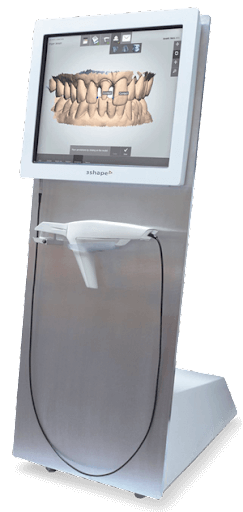
Advances in dental technology now offer an alternative to the traditional two-visit crown procedure. Same-day crowns, often crafted from ceramic materials, are designed and milled in-office using CAD/CAM technology. As Modern Age Dentistry points out, this allows you to place the final restoration in a single appointment, which is a significant convenience for patients. While in-office milling is an excellent option for many cases, partnering with a dental lab remains essential for complex restorations, specific material requirements, or when an expert technician’s touch is needed. Labs can handle a wider variety of materials and provide customized solutions that ensure optimal outcomes, especially when you submit digital cases for expert fabrication.
What Are the Different Types of Ceramic Crowns?
When to Choose Solid Zirconia Crowns
Zirconia crowns are known for their exceptional strength. Solid zirconia is an excellent choice for molars and other areas where chewing pressure is high. These crowns are resistant to chipping and cracking. They are a long-lasting option for patients who need extra durability. While early versions of zirconia crowns lacked translucency, modern advancements have improved their appearance to better match natural teeth.
High Translucent Zirconia: Strength Meets Aesthetics
For patients who want the strength of zirconia with an enhanced aesthetic appeal, high translucent zirconia crowns are an excellent option. These crowns combine durability with improved light transmission. This allows them to better mimic the natural look of teeth. They are commonly used for anterior restorations where aesthetics is a primary concern.
Layered Zirconia: The Best of Both Worlds
Layered zirconia crowns provide a balance of strength and aesthetics. These crowns feature a zirconia base for durability, with a porcelain overlay to enhance translucency and color matching. This combination makes them ideal for both front and back teeth. They offer a natural appearance while maintaining long-term resilience.
IPS e.max: The Top Choice for Aesthetics
IPS e.max crowns are made from lithium disilicate glass ceramic, which is known for its excellent translucency and strength. These crowns deliver superior aesthetics– a preferred choice for front teeth restorations. Their natural-looking finish and durability make them a highly sought-after option for patients prioritizing cosmetic appeal.
Ceramic Crowns vs. Other Materials
While ceramic crowns like Zirconia and IPS e.max are fantastic for their blend of strength and beauty, it’s helpful to see how they stack up against other materials you might consider. Each option has its own set of benefits and trade-offs, and the best choice often comes down to the specific needs of the patient, the location of the tooth, and budget considerations. Understanding these differences allows you to guide your patients toward a solution that not only restores function but also meets their aesthetic expectations and ensures long-term success for their smile.
Porcelain-Fused-to-Metal (PFM) Crowns
Porcelain-fused-to-metal, or PFM, crowns have been a reliable standard in restorative dentistry for decades. They are constructed with a metal alloy interior that is covered by a layer of porcelain, designed to match the shade of the patient’s natural teeth. This hybrid structure provides excellent strength and durability from the metal core, making them less prone to fracture than some all-ceramic options. PFM crowns can be a great choice for both anterior and posterior teeth, offering a functional and aesthetically pleasing restoration. However, one potential drawback is the metal margin, which can sometimes become visible as a dark line at the gumline, especially if gum recession occurs over time.
All-Metal Crowns
When it comes to pure strength and longevity, all-metal crowns are hard to beat. Typically made from gold alloys or other base-metal alloys, these crowns are incredibly durable, rarely chip or break, and are gentle on opposing teeth. Their exceptional resilience makes them an ideal choice for molars in the back of the mouth, where chewing forces are greatest and aesthetics are less of a concern. The most significant trade-off, of course, is their metallic appearance. While some patients don’t mind the look, most prefer a more natural-looking restoration, which limits the use of all-metal crowns to non-visible areas of the mouth.
All-Resin Crowns
All-resin crowns are made from a dental composite resin material, similar to what is used for tooth-colored fillings. Their main advantage is that they are generally the most affordable crown option available. However, this lower cost comes with a compromise in durability. All-resin crowns are more susceptible to wear and are more likely to fracture compared to ceramic, PFM, or metal crowns. Because of their lower strength, they are most often used as a temporary restoration while a permanent, higher-quality crown and bridge solution is being fabricated by a dental lab. They serve an important short-term purpose but are not typically recommended for long-term use.
How to Choose the Right Ceramic Crown for Your Patient
Selecting the best ceramic crown depends on various factors, including the patient’s bite force, tooth location, and aesthetic expectations. While some patients prioritize strength, others may seek a solution that blends seamlessly with their existing teeth. Understanding the properties of each type of ceramic crown helps dental professionals make informed recommendations.
Why Offer Ceramic Crowns in Your Practice?
Ceramic crowns offer several advantages over traditional metal-based restorations. They are biocompatible, reducing the risk of allergic reactions. The absence of metal also eliminates concerns about discoloration along the gumline. Patients appreciate the natural look and feel of ceramic crowns. This makes them a highly sought-after option.
Considerations and Potential Risks
While ceramic crowns are a fantastic restorative option, it’s important to have a clear conversation with patients about the entire process, including the potential downsides. Setting realistic expectations from the start ensures patients feel informed and confident in their treatment plan. Discussing everything from the necessary tooth preparation to the long-term care required helps build trust and leads to better clinical outcomes. When patients understand the full picture, they are more likely to be satisfied with their new restoration and take an active role in maintaining it for years to come.
Tooth Structure Removal
One of the first things to explain to patients is that placing a crown requires altering the natural tooth. To ensure the crown fits perfectly over the existing tooth and aligns with their bite, a certain amount of enamel must be removed. This step is a standard and necessary part of the procedure, creating the space needed for the restorative material. While the goal is always to be as conservative as possible, preparing the tooth is essential for the crown’s stability and longevity. Clearly communicating this helps patients understand why the tooth will look and feel different after the initial preparation appointment.
Fracture Risk and Durability
Modern ceramic crowns, especially those made from materials like zirconia, are incredibly strong. However, they aren’t indestructible. It’s crucial to inform patients that, like natural teeth, crowns can chip or break under extreme force. This risk is higher for individuals who clench their jaw or grind their teeth, a condition known as bruxism. For these patients, a monolithic zirconia crown might be a more suitable choice than a layered porcelain option. Discussing a patient’s habits can help you select the most durable crown and bridge solution that balances both strength and aesthetics for their specific needs.
Managing Post-Procedure Sensitivity
It’s completely normal for patients to experience some sensitivity to hot and cold for a few days or even weeks after a crown is placed. This sensation typically occurs because the tooth has been worked on and the nerve may be slightly irritated. Reassuring patients that this is a temporary and common part of the healing process can ease their concerns. You can recommend they use a toothpaste designed for sensitive teeth and avoid extremely hot or cold foods for a short period. If the sensitivity is severe or persists for an extended time, they should know to contact your office for a follow-up.
Patient Candidacy
Not every patient is an ideal candidate for every type of ceramic crown. A thorough evaluation is key to a successful outcome. For example, patients with severe bruxism may put too much force on all-ceramic restorations, potentially leading to fractures. In these cases, a more robust material or an alternative treatment might be more appropriate. It’s also important to assess the patient’s overall oral hygiene, as the long-term success of a crown depends on a healthy foundation. Openly discussing these factors helps you and your patient choose the best path forward for their dental health.
Lifespan and Cost Expectations
Managing patient expectations around the lifespan and cost of ceramic crowns is a critical part of the consultation process. With proper care, all-ceramic crowns can be expected to last between 10 and 15 years, and sometimes even longer. Factors like oral hygiene, diet, and whether the patient grinds their teeth all play a role in longevity. Financially, the cost of an all-ceramic crown can range from $1,200 to $2,500, depending on the material used, the complexity of the case, and your practice’s location. Providing a clear estimate and explaining the value of the investment—including the superior aesthetics and durability—helps patients make a confident decision. Partnering with a lab that offers competitive pricing, like Next Dental Lab, can also help make these high-quality restorations more accessible for your practice and your patients.
Patient Guidance for Long-Term Success
Once a ceramic crown is placed, patient education becomes the most important factor in its long-term success. The restoration can only do its job if it’s properly cared for. Providing patients with clear, actionable guidance on how to maintain their new crown will protect their investment and their oral health. This conversation should cover daily hygiene practices, dietary habits, and any necessary protective measures. When patients leave your office with a solid understanding of their role in the process, they are better equipped to keep their crown and the underlying tooth healthy for many years.
Proper Oral Hygiene and Maintenance
Emphasize to your patients that while the ceramic crown itself cannot decay, the natural tooth underneath it still can. This makes excellent oral hygiene essential. Patients should continue to brush twice a day and floss daily, paying special attention to the area where the crown meets the gum line. Cleaning this margin is crucial for preventing plaque buildup and decay. Regular dental check-ups and cleanings are also non-negotiable, as they allow you to monitor the crown’s integrity and the health of the surrounding tissues, catching any potential issues before they become serious problems.
Dietary Recommendations and Protective Wear
Guiding patients on what to avoid can significantly extend the life of their ceramic crown. Advise them to stay away from chewing on extremely hard items like ice, popcorn kernels, or hard candy, as these can cause the ceramic to chip or fracture. Very sticky foods, such as taffy or caramels, should also be avoided because they can potentially dislodge the crown. For patients who grind their teeth at night, prescribing a custom nightguard is one of the most effective ways to protect the restoration from excessive force and prevent premature wear or damage.
Alternatives to Full Coverage Crowns
A full coverage crown is an excellent solution for a severely damaged or decayed tooth, but it isn’t always the only option. In situations where the tooth structure is more intact, more conservative treatments may be more appropriate. Discussing these alternatives demonstrates a commitment to preserving as much of the natural tooth as possible and allows for a truly customized treatment plan. By presenting a full range of restorative options, you empower patients to make the best choice for their specific clinical needs and personal preferences, reinforcing their trust in your expertise.
Veneers, Inlays, and Onlays
When a tooth is structurally sound but has cosmetic imperfections, a veneer can be a great alternative. Veneers are thin shells of porcelain that cover only the front surface of the tooth to improve its appearance. For teeth with damage that is too extensive for a simple filling but not severe enough to require a full crown, inlays and onlays are ideal. An inlay fits within the cusps of the tooth, while an onlay covers one or more cusps. These restorations are crafted in a lab, just like our removables, and offer a durable and aesthetic way to restore a tooth without removing as much natural structure as a full crown requires.
Why Your Dental Lab Partner Is Key to Success
Next Dental Lab knows the importance of providing high-quality restorations that meet your patients’ needs. Our ceramic crowns are crafted with precision–guaranteeing excellent fit and aesthetics. We use the latest technology and high-quality materials to deliver durable, lifelike restorations for your practice. With a variety of ceramic crown options, you can give your patients personalized solutions that enhance both function and appearance. Working with a trusted dental lab makes sure that your restorations are reliable. This will help you build a strong reputation in the industry. To learn more about how Next Dental Lab can support your practice, contact us today.
Frequently Asked Questions
How do I decide between IPS e.max and high-translucent zirconia for a front tooth? This is a common clinical crossroad, and the best choice often comes down to balancing aesthetics with the patient’s specific bite. If your patient’s top priority is the most lifelike, natural-looking result and their bite doesn’t present extreme force, IPS e.max is an incredible option due to its superior translucency. However, if you need a bit more strength to withstand greater chewing forces or have concerns about potential chipping, high-translucent zirconia provides excellent durability while still delivering a beautiful, natural appearance.
What’s the best way to explain the need for tooth preparation to an anxious patient? It helps to frame the preparation as creating a perfect, stable foundation for the new crown. You can explain that in order for the crown to fit securely and blend in with their other teeth, the natural tooth needs to be reshaped. This careful step is what ensures the restoration will be strong, comfortable, and last for many years. Reassuring them that you will be as conservative as possible with the tooth structure can also help ease their concerns.
For a patient with bruxism, is a ceramic crown still a good option? Absolutely, but material selection is critical. For patients who clench or grind, a monolithic solid zirconia crown is often the best choice. This material is exceptionally strong and resistant to fracture, making it tough enough to handle the heavy forces of bruxism. Layered restorations should generally be avoided in these cases. Prescribing a custom nightguard is also a crucial step to protect their investment and the opposing teeth from wear.
When might a traditional PFM crown be a better choice than an all-ceramic one? While all-ceramic crowns are fantastic, PFM restorations still have their place. They are particularly useful for long-span bridges where the underlying metal framework provides necessary rigidity and strength that some all-ceramic materials can’t match. They can also be a practical choice when a patient’s budget is a primary concern, as long as they understand the aesthetic trade-offs, such as the potential for a dark line to appear at the gumline over time.
How can I help patients understand the long-term value of a ceramic crown versus a cheaper option? Focus the conversation on durability and overall oral health. Explain that while a ceramic crown may have a higher initial cost, its strength and longevity mean it can last for 10 to 15 years or more with proper care, preventing the need for frequent replacements. You can also highlight the biocompatibility of ceramic materials, which are kinder to the gum tissue, and their superior aesthetics that won’t stain or discolor. It’s an investment in a healthy, confident smile that will serve them well for years.
Key Takeaways
- Choose the right ceramic for the job: Use high-strength materials like solid zirconia for posterior teeth that handle heavy chewing forces, and select highly translucent options like IPS e.max for anterior cases where aesthetics are the top priority.
- Educate patients for better outcomes: Clearly explain the entire crown process, including potential sensitivity and long-term care requirements, to manage expectations and empower patients to properly maintain their new restoration.
- Your lab partner determines your results: The final fit, function, and appearance of a crown directly reflect the quality of your dental lab, making a skilled partner essential for delivering consistently successful restorations.
Related Articles
- 5 Types Of Porcelain Crowns For Your Patients – Next Dental Lab
- 4 Types Of Ceramic Crowns For Your Dental Practice – Next Dental Lab
- Dental Crown Vs. Filling: How Dentists Decide The Best Treatment
- Zirconia Crown Vs. Porcelain: Which Is Best For Your Patients’ Needs? – Next Dental Lab
- Zirconia Crowns Problems: Dentist Guide to Fix Issues