
Explaining restorative options to patients requires translating complex material science into clear, tangible benefits. When it comes to the porcelain crown vs zirconia discussion, you’re not just talking about ceramics; you’re talking about the future of their smile. Will they need the robust, fracture-resistant nature of zirconia to stand up to bruxism? Or is their primary concern the superior, natural-looking aesthetics that a well-crafted porcelain crown can provide for a front tooth? At Next Dental Lab, we understand this conversation is critical. We’ll explore the distinct advantages of each material, giving you the confidence to guide your patients toward a solution that meets their functional needs and aesthetic desires.
In the quest for the perfect dental restoration, the debate between zirconia crown vs. porcelain offers a fascinating study in contrasts. These two stalwarts of dental materials serve distinct needs, drawing a line between aesthetic appeal and unmatched durability. As modern dentistry evolves, understanding the nuances of both materials becomes pivotal in making informed decisions for patient care. Crown & bridge work symbolizes the core of restorative dentistry, blending art and science to restore smiles. At Next Dental Lab, we specialize in both zirconia and porcelain crowns, offering a comprehensive solution that caters to diverse patient needs. Our zirconia crowns are celebrated for their incredible strength and longevity, making them ideal for patients seeking durability without compromising the aesthetic harmony of their smiles. Alongside our crown and bridge offerings, we provide a wide array of dental products, including fixed, removables and implants, all at 50% less than customary prices. This commitment to affordability does not come at the expense of quality. Every product we create is a testament to our dedication to excellence, embodying the perfect blend of function and form.
What is a Dental Crown?
A dental crown is a custom-fitted “cap” designed to cover a damaged tooth. Its main purpose is to restore the tooth’s original shape, size, and function. Crowns are a versatile solution for many dental issues, including repairing broken or worn teeth, protecting a weak tooth from fracturing, and anchoring a dental bridge. They are also used to cover dental implants or improve the look of teeth that are misshapen or permanently stained, blending seamlessly with a patient’s natural smile.
The Purpose of a Crown
At its core, a crown acts as a protective shield. When a tooth’s structure is compromised by decay or a root canal, a crown encases the visible portion of the tooth, distributing pressure evenly to prevent further damage. This reinforcement is key to restoring the tooth’s strength, appearance, and proper alignment. Whether the goal is saving a damaged tooth or completing a cosmetic enhancement, a well-crafted crown and bridge restoration is a cornerstone of modern dentistry, offering a durable and aesthetic solution.
The Crown Placement Process
Placing a crown is typically a two-visit process. During the first appointment, the dentist prepares the tooth by removing decay and shaping it for a perfect fit. An impression is then taken to create a model for the lab, and a temporary crown is placed for protection. At the second visit, the temporary is removed, and the permanent crown is checked for fit, color, and bite. Once everything is ideal, the new crown is permanently cemented into place, completing the restoration and the patient’s smile.
The Role of Digital Technology in Crown Fabrication
Digital technology has transformed how crowns are fabricated, moving beyond traditional impression materials. With tools like CAD/CAM technology and intraoral scanners, dentists can capture precise 3D images of a patient’s teeth. These digital scans go directly to the lab for technicians to design and mill the crown with exceptional accuracy. This modern workflow improves the fit of the final restoration and creates a better patient experience. At Next Dental Lab, we make it easy for practices to send digital cases, ensuring a seamless and efficient process.
Which Crown Offers Better Long-Term Value?
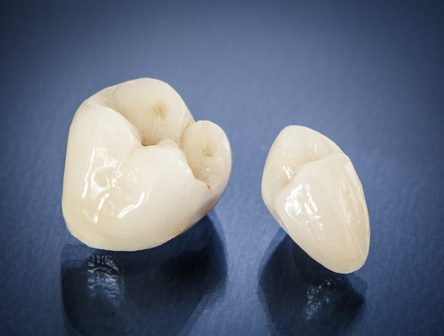 The cost of dental crowns can be significant for patients, making it a vital factor in their decision-making process. Porcelain crowns often come with a higher price tag due to their aesthetic appeal and the craftsmanship required to match the natural teeth. Zirconia, on the other hand, tends to be more cost-effective while still offering excellent durability and a visually pleasing result. Dental professionals should discuss financial considerations and long-term value with their patients to help them make an informed choice. Zirconia’s durability also means it might be the more economical choice in the long run, potentially requiring fewer replacements or repairs than porcelain. Patients looking for a blend of aesthetics, strength, and value may find zirconia to be the ideal option.
Expected Lifespan of Crowns
When discussing long-term solutions with patients, the expected lifespan of a crown is a critical piece of the puzzle. The material choice plays a huge role here. With proper care, zirconia crowns are built to last, often serving patients well for more than 15 years. Porcelain crowns also offer good longevity, typically lasting between 10 to 15 years. This difference often comes down to sheer strength. Zirconia is significantly more robust and resistant to the kind of chipping or breaking that can happen over time, especially for patients who grind their teeth or bite down on hard foods. This impressive durability not only gives patients peace of mind but also reinforces the value of the restoration, reducing the likelihood of future repairs and replacements.
Front Teeth vs. Back Teeth: Which Crown is Best?
When deciding between zirconia and porcelain, the location of the crown in the mouth plays a crucial role. Zirconia crowns are exceptionally strong, making them suitable for posterior teeth (molars) that endure significant chewing forces. Their robustness ensures that they can withstand the pressure without compromising on aesthetics. On the other hand, porcelain crowns are often preferred for anterior teeth (front) because of their translucency and color-matching ability, closely mimicking the natural teeth. Although not as strong as zirconia, porcelain offers a superior aesthetic, making it ideal for teeth that are more visible when smiling or talking.
Special Considerations for Patient Habits
A patient’s daily habits are a huge piece of the puzzle when selecting the right crown material. For those who grind or clench their teeth, a condition known as bruxism, the choice becomes much clearer. Zirconia’s incredible toughness allows it to withstand the intense pressure of these habits without cracking or breaking, making it the most reliable option for these cases. On the other hand, you might guide a patient with less demanding chewing habits toward porcelain, especially for anterior teeth. It’s important to have a conversation about their lifestyle, including dietary choices, as porcelain may require more caution with very hard foods. Understanding these personal factors ensures the restoration not only looks great but also holds up for the long term.
A Closer Look at Zirconia and Porcelain
Material Composition
Understanding the core materials of zirconia and PFM crowns is the first step in choosing the right restoration for your patient. Each material has a unique structure that dictates its strength, appearance, and clinical application. While one is a monolithic ceramic known for its toughness, the other combines the reliability of metal with the aesthetics of porcelain. This fundamental difference is key to their performance. At Next Dental Lab, we work extensively with both materials, leveraging their distinct properties to create high-quality crown and bridge restorations that meet the specific needs of each case, whether it demands superior strength for the posterior or delicate aesthetics for the anterior.
Zirconia Crowns
Zirconia crowns are crafted from zirconium dioxide, a remarkably strong and durable ceramic. Think of it as the powerhouse of dental materials. Its monolithic structure means it’s resistant to chipping and fractures, making it an excellent choice for patients who may be bruxers or simply need a long-lasting solution for their molars. This inherent toughness allows zirconia crowns to withstand immense chewing forces over time, providing a reliable and resilient restoration that you can place with confidence. The material’s biocompatibility is also a significant plus, as it integrates well with the surrounding gum tissue.
Porcelain-Fused-to-Metal (PFM) Crowns
Porcelain-fused-to-metal, or PFM, crowns represent a more traditional approach to dental restorations. They are constructed with a metal alloy base that is then covered with a layer of tooth-colored porcelain. This hybrid design aims to combine the strength of the metal substructure with the aesthetic appeal of porcelain. For decades, PFM crowns have been a dependable option in restorative dentistry, offering a functional and visually acceptable solution for a wide range of clinical situations. While newer materials have emerged, the PFM crown remains a relevant choice in many practices due to its proven track record and versatility.
Clinical Advantages and Disadvantages
When you’re prepping a tooth and planning a restoration, the clinical handling and long-term performance of the crown material are critical. Zirconia and PFM crowns present different profiles in terms of tooth preparation and their ability to withstand daily wear and tear. These factors directly impact chair time, patient comfort, and the overall success of the restoration. Making a well-informed decision requires weighing the conservative nature of one material against the established history of the other, ensuring the final choice aligns perfectly with both your clinical goals and your patient’s oral health needs.
Tooth Preparation
One of the key clinical benefits of zirconia is the potential for more conservative tooth preparation. Because the material is so strong, the crowns can often be milled to a thinner dimension without risking fracture. This means you may be able to preserve more of the patient’s natural tooth structure, which is always the ideal scenario. This conservative approach is further enhanced when paired with digital technology. By using digital scans, you can ensure a precise fit that requires minimal adjustment and supports a less invasive preparation, ultimately leading to a better outcome for the patient.
Potential for Wear and Tear
Durability is where zirconia truly shines. These crowns are incredibly tough and can handle the intense biting and chewing forces exerted on posterior teeth without breaking or cracking. This makes them a fantastic long-term solution, reducing the likelihood of future repairs or replacements. PFM crowns are also strong due to their metal base, but the porcelain layer is more susceptible to chipping or fracturing. While this is not always an issue, it is a consideration, especially for patients with heavy occlusion or grinding habits. The monolithic nature of zirconia eliminates this risk of delamination.
Aesthetic Differences
Beyond function, the final look of a crown is paramount, especially when restoring teeth in the smile zone. The aesthetic properties of zirconia and PFM crowns differ significantly, primarily due to their material composition and how they interact with light. One offers a metal-free, naturally vibrant appearance, while the other can sometimes betray its metallic foundation. Understanding these visual nuances is essential for managing patient expectations and delivering a result that seamlessly blends with their natural dentition, creating a smile they are proud to show off.
Natural Appearance
When it comes to aesthetics, particularly for anterior teeth, achieving a natural look is the top priority. Modern zirconia formulations, especially multilayered variants, offer excellent translucency that closely mimics the appearance of natural tooth enamel. This allows light to pass through the crown, creating a life-like vitality that is difficult to achieve with PFM crowns. While the porcelain on a PFM crown can be beautifully matched to adjacent teeth, the opaque layer needed to block out the metal underneath can sometimes result in a flatter, less vibrant appearance compared to an all-ceramic option.
The Gumline Issue with PFM
A well-known aesthetic challenge with PFM crowns is the potential for a dark line to appear at the gumline. This “gray line” is the metal margin of the crown showing through, and it can become more visible if the patient’s gums recede over time. This can be a significant cosmetic concern for patients, detracting from an otherwise healthy-looking smile. Because zirconia crowns are made from a tooth-colored material through and through, they completely eliminate this problem. There is no metal to hide, ensuring a stable and aesthetically pleasing result at the gingival margin for years to come.
Are Zirconia and Porcelain Crowns Safe for Sensitive Patients?
Both zirconia and porcelain are known for their biocompatible and hypoallergenic properties, making them excellent choices for patients concerned about allergic reactions or compatibility with their bodies. Zirconia, in particular, boasts superior biocompatibility, causing minimal irritation or rejection by the body. This material is a good choice for patients with sensitive gums or a history of reactions to dental materials. Porcelain also has a low risk of causing allergic reactions. Its hypoallergenic properties make it a safe option for most patients. However, the metal base used in some porcelain crowns might trigger allergies in a small number of individuals.
Managing Temperature Sensitivity
Patient comfort is always a top priority, and temperature sensitivity can be a significant concern. Fortunately, both zirconia and porcelain offer excellent solutions. Porcelain crowns are poor conductors of temperature, meaning they act as an insulator between hot or cold foods and the sensitive tooth underneath. This can provide immediate relief for patients who wince at the thought of ice cream or hot coffee. Zirconia also handles temperature changes well, offering a stable and comfortable experience. Its inherent strength and thermal properties make it another reliable choice for minimizing sensitivity, allowing patients to enjoy their favorite foods without discomfort. Both materials help ensure that the final restoration is not only beautiful but also feels natural and comfortable day-to-day.
Safety During Medical Imaging
A common question from patients is whether their dental work will interfere with medical imaging procedures like MRIs. You can reassure them that modern ceramic crowns are generally not an issue. Materials like zirconia and porcelain are metal-free, which means they are considered safe during an MRI and won’t distort the images. This is a significant advantage over older porcelain-fused-to-metal (PFM) crowns, which could sometimes cause artifacts in the scans. While the risk is low, it’s always best practice to advise patients to inform their radiologist about any dental restorations. Open communication ensures the imaging process is smooth and the results are as clear as possible, providing peace of mind for everyone involved.
How to Care for a Dental Crown
Once a patient receives their new zirconia or porcelain crown, the next step is ensuring it lasts. Proper care is essential for the longevity of any dental restoration, protecting the patient’s investment and the health of the underlying tooth. Guiding your patients on how to maintain their crown is a crucial part of the complete treatment process. With the right daily habits and a little mindfulness about their diet, they can keep their restoration looking and functioning perfectly for years. This patient education reinforces the value of the treatment and helps ensure the success of the high-quality restorations you provide from your trusted lab partner.
Daily Oral Hygiene
The best way to care for a dental crown is to treat it just like a natural tooth. Encourage your patients to maintain their regular oral hygiene routine, which includes following proper brushing techniques twice a day and flossing daily. It’s especially important to clean the area where the crown meets the gum line to prevent plaque buildup and protect the health of the surrounding tissues. Regular dental check-ups are also non-negotiable. These appointments allow you to monitor the crown’s condition, check for any potential issues, and perform professional cleanings that are vital for long-term success. Consistent care is the key to making a restoration last for many years.
Dietary Recommendations
While both zirconia and porcelain crowns are incredibly durable, they aren’t indestructible. It’s wise to advise patients to be cautious with certain foods. They should try to avoid extremely hard items like ice, hard candies, or nuts, which can cause fractures. Sticky foods, such as caramels and taffy, also pose a risk as they can potentially pull on the crown and loosen it. If a patient ever feels that their crown is loose or if it breaks, they should contact your office immediately. Prompt attention is necessary to fix the restoration and ensure the underlying tooth remains protected from damage or decay. This simple guidance can help prevent emergencies and extend the life of their smile.
Your Partner for Exceptional Zirconia and Porcelain Crowns
Choose Next Dental Lab and leverage our advanced crown & bridge solutions and transformative dental products to meet the evolving needs of your patients. Whether they seek the unmatched resilience of a zirconia crown or the classic beauty of porcelain, we stand ready to fulfill those needs with precision and care.
Frequently Asked Questions
How should I explain the aesthetic trade-offs between zirconia and porcelain to my patients? A great way to frame the conversation is by focusing on location and light. Explain that porcelain is often the top choice for front teeth because its translucency is unmatched, allowing it to mimic the way light passes through natural enamel. For back teeth, you can describe zirconia as the powerhouse option, providing incredible strength for chewing while still offering a very natural and pleasing look that blends in beautifully.
For a patient with bruxism, is zirconia always the best choice? In most cases involving moderate to severe bruxism, a monolithic zirconia crown is the most reliable solution. Its solid construction is exceptionally resistant to the intense forces of grinding and clenching, which minimizes the risk of fracture. For anterior cases where aesthetics are the highest priority, you might discuss other options, but it’s essential to pair them with a conversation about a protective night guard to ensure the restoration’s longevity.
Are there significant differences in tooth preparation for zirconia compared to PFM crowns? Yes, and it’s one of zirconia’s key clinical advantages. Because zirconia is so inherently strong, it doesn’t require the same bulk for support. This often allows for a more conservative tooth preparation, meaning you can preserve more of the patient’s healthy tooth structure. PFM crowns, by contrast, require more significant reduction to accommodate both the metal coping and the overlying porcelain.
What’s the best way to address patient concerns about metal allergies with PFM crowns? It’s best to be direct and reassuring. You can acknowledge that while the alloys used in PFM crowns are generally safe, a small number of people can have sensitivities. This is a perfect opportunity to present zirconia as a modern, metal-free alternative. Highlighting its excellent biocompatibility can give patients with allergy concerns complete peace of mind in their choice.
Can zirconia crowns be adjusted in the office if needed? Absolutely, though the process is a bit different from adjusting porcelain. Zirconia is a much harder material, so you’ll need to use fine-grit diamond burs with a light touch and plenty of water to avoid generating heat. After making adjustments, it’s important to polish the surface thoroughly to restore its smooth finish and prevent wear on the opposing teeth.
Key Takeaways
- Choose Zirconia for Strength and Porcelain for Aesthetics: Zirconia’s robust, fracture-resistant structure makes it the ideal choice for posterior teeth and patients with bruxism, while porcelain’s superior translucency provides the most natural look for anterior restorations.
- Factor in Patient Habits and Tooth Location: Guide your patient’s decision by considering where the crown will be placed and their lifestyle; the heavy chewing forces on molars call for zirconia, while the high visibility of front teeth often makes porcelain the better option.
- Understand the Clinical and Aesthetic Advantages: Zirconia allows for more conservative tooth preparation and eliminates the risk of a dark metal line at the gums, a common issue with PFM crowns, ensuring a better long-term aesthetic result.