Nothing disrupts a schedule quite like a crown that needs a lengthy adjustment or a remake. These frustrating moments not only cost valuable chair time but can also chip away at patient trust. More often than not, the root cause isn’t a lack of skill but a simple gap in communication between the clinic and the lab. A vague prescription, a missing stump shade photo, or an incomplete scan can lead to guesswork and predictable errors. Effectively communicating with your dental lab is the single most powerful way to prevent these issues. This guide provides clear, actionable steps to refine your process, ensuring every case is a success from the start.
Dentists and lab technicians share a single goal: achieving the best outcome for every patient. Yet, gaps in communication often lead to remakes, delays, and frustration. Communicating with your dental lab effectively can transform how each case unfolds, saving time and improving consistency. Open dialogue, clear instructions, and shared understanding create a strong foundation that benefits both the dentist and the technician behind the work.
View Your Lab Technician as a Partner in Patient Care
Shifting your perspective from viewing a dental lab as a mere service provider to an integral partner can fundamentally change your practice. Your lab technician is a highly skilled professional dedicated to the same goal you are: delivering outstanding results for your patients. They are an extension of your team, working behind the scenes to bring your treatment plans to life. When you treat this relationship as a true partnership, you create an environment for open communication, mutual respect, and shared problem-solving. This collaborative approach not only streamlines the workflow for every case but also leads to higher-quality restorations, fewer adjustments, and ultimately, more satisfied patients who trust in your care.
The Critical Role and Expertise of the Lab Technician
Even though they work outside your office, lab technicians are a crucial part of your dental team. They possess a unique blend of technical skill and artistry that is essential for creating functional and esthetic restorations. From a single crown to a full-arch hybrid denture, their expertise directly impacts the final outcome. A great technician understands the nuances of materials, anatomy, and occlusion, and they can provide valuable insights that contribute to the success of a case. Recognizing and respecting this expertise is the first step toward building a stronger, more effective working relationship. When you value their input, you gain a dedicated ally in achieving clinical excellence for every patient who sits in your chair.
Why a Collaborative Mindset Matters
Think of your dental lab as a partner, not just someone you buy things from. This mindset transforms the dynamic from transactional to collaborative, which has tangible benefits for your practice. When you work together effectively, it reduces stress, saves valuable chair time, and improves the quality of patient care. A collaborative relationship encourages proactive communication, allowing potential issues to be identified and resolved before they become problems. This is especially true as more practices embrace digital dentistry, where clear communication between the scanner and the lab is paramount. A strong partnership ensures that every detail is aligned, leading to predictable, consistent results that build your reputation and patient trust.
Why You Should Involve Your Lab from Day One
 Successful cases begin long before impressions or scans reach the lab. Involving your technician early in treatment planning helps identify potential challenges with materials, margins, or design. For complex restorations or dental implants, discussing the plan with the lab in advance gives both sides time to align on expectations. A short call or digital consultation can clarify what the technician needs to achieve the desired outcome.
How to Write Lab Prescriptions That Prevent Remakes
The lab slip or digital prescription is a legal document and a key communication tool. Each detail matters, from shade and shape preferences to bite registration and margin placement. Avoid vague notes and handwritten instructions that are difficult to read. Precise information helps technicians translate your vision into a restoration that fits accurately and matches patient expectations. A well-written prescription reduces the need for adjustments and revisions.
Provide Comprehensive Case Details
Think of your lab prescription as the opening chapter of your patient’s story. The more context you provide, the better the technician can craft a fitting conclusion. Beyond the tooth number and material, sharing the overarching goal of the case helps the technician make informed decisions. Is the patient looking for a highly esthetic outcome for an anterior tooth, or is durability the main concern for a posterior molar in a patient with bruxism? This background information is invaluable. As the Institute of Digital Dentistry notes, strong communication is essential for avoiding mistakes and ensuring patients are happy with the final result. It transforms the process from a simple order to a collaborative effort focused on patient care.
The Case Goal and Patient History
Sharing a brief patient history can completely change the approach to a case. For example, knowing a patient has a history of grinding their teeth might lead the technician to suggest a stronger material like full-contour zirconia for a crown. Similarly, if a patient has specific cosmetic concerns or expectations, relaying those details ensures the final restoration aligns with their vision. Does the patient want a brighter shade than their adjacent teeth, or are they aiming for a perfect, natural match? Including these notes on the prescription slip gives your technician the insight they need to create a restoration that not only fits perfectly but also meets the patient’s personal goals.
Important Dates and Deadlines
While every case is important, clear deadlines are crucial for managing workflow for both your practice and the lab. Instead of writing “ASAP,” provide the specific date of the patient’s seating appointment. This simple detail allows the lab to prioritize their schedule effectively, ensuring your case gets the attention it deserves without rushing the quality control process. When you submit a digital case, be sure to fill out the return date field accurately. This helps prevent last-minute stress and ensures the restoration arrives at your office with enough time for you to review it before the patient’s appointment, leading to a smoother experience for everyone involved.
Include High-Quality Impressions and Scans
The quality of the final restoration is directly tied to the quality of the information you send. Whether you’re working with physical impressions or digital scans, accuracy is everything. A distorted impression or an incomplete scan forces the technician to guess, which often leads to adjustments at the chair or, worse, a full remake. Taking a few extra moments to ensure your impressions are void-free and your scans are clear and complete is one of the most effective ways to guarantee a predictable outcome. This foundation of accurate data is what allows technicians to fabricate restorations with precise margins, proper occlusion, and ideal contours.
Full Arch Impressions and Bite Registration
While a quadrant impression might seem sufficient, a full arch impression provides a much more comprehensive view of the patient’s overall occlusal scheme. According to First Choice Dental Lab, using full arch impressions and a firm bite registration material is a key step to improving communication. This allows the technician to see how the opposing teeth articulate and helps them build proper guidance and function into the restoration. A firm, clear bite registration is just as important, as it captures the patient’s maximum intercuspation without any distortion, ensuring the final crown or bridge won’t be too high.
Pre-Preparation Scans
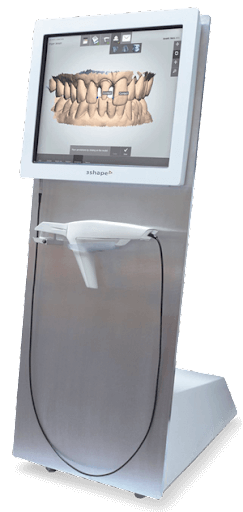
In the world of digital dentistry, the pre-op scan is a powerful tool. Before you even touch the tooth with a handpiece, capturing a scan of the original anatomy gives the lab a perfect blueprint. This is especially helpful for anterior cases where replicating the natural shape and size is critical for an esthetic result. When you connect your scanner and send a case, make sure the file includes complete and accurate scans of the upper arch, lower arch, and the bite. This complete dataset allows the technician to use features like bio-copy to create a restoration that looks and feels like the patient’s natural tooth.
Send Supporting Visuals
A detailed prescription is essential, but photos can communicate nuances that words simply can’t. Visual aids bridge the gap between your clinical assessment and the technician’s bench, especially when it comes to complex esthetic cases. High-quality photographs showing shade, shape, and texture provide a clear target for the technician to aim for. Taking the time to capture and include these images with your case submission can dramatically reduce the chances of a shade mismatch or an incorrectly shaped restoration, saving you valuable chair time during the final seating appointment.
Stump Shade Photos
For all-ceramic restorations like e.max or layered zirconia, the color of the underlying prepared tooth, or stump, can significantly impact the final shade. A dark stump can make the final crown appear gray or dull if not properly accounted for. As dental lab experts at First Choice Dental Lab recommend, sending a photo of the stump with a shade tab next to it is incredibly helpful. This allows the lab technician to choose the right ingot or core material to block out the dark undertone, ensuring the final restoration is a perfect match to the adjacent teeth.
Photos of Successful Temporaries
If you’ve created a temporary restoration that the patient loves, you’ve already done half the work. The temporary serves as an approved prototype for the final restoration’s shape, length, and position. Don’t let that valuable information go to waste. Take several clear photos of the temporary in the patient’s mouth from different angles—straight on, from the side, and with a smile. As the Institute of Digital Dentistry points out, sending multiple photos is especially critical for anterior teeth. This visual guide is the best way to communicate exactly what you and the patient have agreed upon.
Specify Technical Requirements
For more complex cases, especially those involving implants or unique design considerations, the technical details are non-negotiable. Leaving these specifications out of the prescription can lead to significant delays as the lab technician has to call your office for clarification. Providing all the necessary technical information upfront ensures a smooth and efficient workflow. This is particularly true for dental implants and hybrid cases, where component compatibility and precise design parameters are critical for the success of the restoration.
Implant System and Component Details
When submitting an implant case, precision is paramount. The lab needs to know the exact specifications to order the correct components and ensure a passive fit. Always include the implant manufacturer and system, the connection type (e.g., internal hex, conical), and the platform diameter. If you’re sending a digital scan, it’s also crucial to specify the brand and type of scan body used. Providing this complete list of details from the start prevents the frustrating back-and-forth that can delay a case and ensures the technician has everything they need to fabricate a precise and durable implant restoration.
Design Notes for Contacts and Occlusion
Every dentist has their own preferences for how a final restoration should fit. Be sure to communicate your specific desires for interproximal contacts and occlusion. Do you prefer contacts to be light, medium, or heavy? Should the occlusion be in light contact or completely out of occlusion? For larger cases like a hybrid denture, you might have very specific instructions for the occlusal scheme. Clearly explaining how you want the restoration designed gives the technician a clear set of rules to follow, resulting in a final product that requires minimal adjustment at the seating appointment.
Show, Don’t Just Tell: Using Photos for Clearer Communication
Visual communication bridges the gap between clinical and technical perspectives. Sending high-quality intraoral photos, shade images, or digital scans strengthens understanding between both sides. Tools such as dental lab products and advanced imaging software allow for better visualization and more predictable results. When technicians see exactly what you see, they can replicate finer details in color, shape, and alignment. Even short videos or digital consultations can make a meaningful difference in case quality.
The Measured Benefits of Digital Communication
Shifting from paper-based prescriptions to digital communication isn’t just about keeping up with technology—it’s about creating a more streamlined, accurate, and predictable workflow. When you submit cases digitally, you eliminate guesswork and create a clear, direct line of communication with your lab technician. Research shows that practices using Information Technology Systems (ITS) for lab communication see measurable improvements across the board. These systems use software to share information instantly, replacing handwritten forms and physical models with precise digital files. This change leads to faster turnaround times, more accurate restorations, and a significant reduction in the frustrating back-and-forth that can delay patient care.
Faster and More Efficient Workflows
One of the most immediate advantages of going digital is speed. Digital submissions eliminate shipping delays and get your case into the production queue almost instantly. A study on lab communication found that the average time to complete a case was reduced from five days with paper forms to just four days with a digital system. That one day can make a huge difference in scheduling patient appointments and improving their overall experience. By embracing a digital workflow, you can get high-quality restorations like crowns and bridges back from the lab faster, allowing you to complete treatments more efficiently and see more patients.
More Complete and Accurate Information
Digital prescription forms are designed with required fields, which helps ensure you provide all the necessary information before submission. This simple feature drastically reduces the chances of accidentally omitting critical details. The same study found that when using a digital system, 93.2% of prescriptions included the patient’s name, compared to only 81.8% with traditional paper forms. While a missing name is an easy fix, this statistic highlights a larger trend: digital workflows guide you to create a more complete and accurate case file from the start. This means your lab technician receives everything they need—from shade information to material selection—in one clear, legible package.
Fewer Errors and Remakes
Clearer information naturally leads to fewer mistakes. When your lab technician has a complete digital file with precise scans, detailed notes, and supporting photos, they have a much better understanding of your clinical goals. This clarity is proven to reduce the likelihood of errors that result in remakes. When important details like correct tooth charting or specific shade information are provided digitally, there are fewer instances of a prosthesis needing adjustments or a complete do-over. This not only saves your practice valuable chair time and material costs but also prevents the patient frustration that comes with delayed or incorrect restorations.
Reduced Back-and-Forth Communication
How much time does your team spend on the phone with the lab clarifying instructions or tracking down case information? Digital communication significantly cuts down on these interruptions. Research confirms that dentists and labs need to contact each other less often when using a digital system. In fact, 63.5% of digital users reported no need for follow-up communication, compared to just 52.1% of those using traditional methods. When you go digital, you provide all the necessary information upfront in a standardized format, empowering your lab partner to proceed with confidence and freeing up your team to focus on patient care.
Give Your Lab the Time for Quality Craftsmanship
Every lab operates on a schedule designed to maintain precision and consistency. Rushing cases may lead to compromised outcomes or the need for corrections later. Planning ahead and allowing adequate time for fabrication helps technicians focus on craftsmanship rather than speed. Openly communicating deadlines also gives the lab time to plan for complex restorations or multi-unit cases without sacrificing accuracy.
Build a Stronger Working Relationship
A great restoration is the product of a great partnership. Moving beyond a transactional relationship with your dental lab and building a true collaborative partnership can significantly improve case outcomes and reduce stress. When your lab technician understands your clinical preferences and goals, they become an invaluable extension of your team. This deeper connection is built on mutual respect, consistent communication, and a shared commitment to quality. Investing a little time in strengthening this relationship pays off with every case you send.
Meet the Team and See the Technology
Knowing who is crafting your restorations can transform your working relationship. If possible, visit your lab to meet the technicians and see their workflow firsthand. Understanding their processes and the technology they use builds confidence and clarifies capabilities. For instance, seeing a lab’s digital design and milling stations can provide insight into how they fabricate precise restorations like crowns and bridges. If an in-person visit isn’t feasible, ask for a virtual tour or a call to put faces to names. When you work together on challenging cases, this personal connection makes collaboration feel more natural and effective.
Use Checklists for Consistency
One of the simplest yet most effective ways to prevent errors is to use a checklist. Create a standardized list for each type of case you send, ensuring all necessary information is included every single time. For an implant case, your checklist might include the implant system, component details, and stump shade photos. For removables, it might specify the desired tooth mould and shade. This small step eliminates guesswork for the technician and reduces the likelihood of follow-up calls or emails requesting missing details. It’s a straightforward habit that ensures consistency and helps your lab start on the right foot.
Work with a Consistent Point of Contact
Whenever possible, try to communicate with the same person at your lab. Having a dedicated point of contact who becomes familiar with your work is incredibly efficient. Over time, this person will learn your specific preferences for things like contact tightness, occlusal anatomy, and aesthetic characterization. This eliminates the need to repeat instructions with every case. A consistent contact builds a valuable shorthand, allowing for quicker, more precise communication. They become a partner who understands your clinical style and can help anticipate your needs, leading to more predictable and satisfying results.
Take Continuing Education Courses Together
Dentistry is always evolving, with new materials and techniques emerging constantly. Attending continuing education courses or webinars alongside your lab technician is a powerful way to stay aligned. When both you and your technician learn about a new ceramic or digital workflow at the same time, you develop a shared understanding from the start. This collaborative learning fosters mutual respect and ensures you are both speaking the same language when planning complex cases. It reinforces the idea that you are partners in patient care, both invested in achieving the best possible outcomes through modern dentistry.
Create a Feedback Loop for Continuous Improvement
Good communication does not end when the case is delivered. Sharing post-op photos or feedback after placement helps labs refine their work and adapt to your preferences. Even discussing small adjustments, such as occlusion or contact points, helps build a stronger working relationship. Regular meetings or virtual check-ins can strengthen trust and keep both sides aligned with patient care goals. Continuous collaboration creates consistency and long-term efficiency across every case.
Partner with Next Dental Lab for Effortless Communication
Here at Next Dental Lab, communication is part of how we work. Our team values direct collaboration with every dentist, from initial planning to final delivery. By using digital scans, detailed case tracking, and open feedback channels, we help make communication simple and effective. Every restoration reflects teamwork, attention to detail, and dedication to patient comfort. Partner with us to experience a smoother, more connected workflow for every case you handle.
Frequently Asked Questions
What’s the single most important piece of information I can give my lab to avoid a remake? While every detail matters, providing the overall context of the case is incredibly powerful. Beyond the tooth number and material, explain the patient’s goals and history. For example, noting that a patient has a history of grinding or has specific cosmetic expectations helps the technician make smarter choices about material and design. A high-quality photo showing the stump shade or an approved temporary is also one of the most effective ways to prevent errors.
I’m short on time. What are the quickest ways to improve my lab communication? You don’t need to overhaul your entire process to see a big difference. Start by creating simple checklists for your team to use for each case type—this ensures nothing gets missed. Instead of writing “ASAP” on a prescription, provide the exact date of the seating appointment. Finally, get in the habit of snapping a quick photo of the stump shade or a successful temporary with your phone; these visuals can answer dozens of potential questions in seconds.
Is it really necessary to send a full arch impression for a single crown? Yes, it makes a significant difference. A full arch impression and a clear bite registration give the technician a complete picture of the patient’s entire occlusal scheme. This allows them to see how the opposing teeth function and build proper guidance into the restoration. A quadrant impression only shows a small piece of the puzzle, which can lead to a crown that’s too high and requires significant chairside adjustments.
My lab is in another state. How can I build a strong partnership without meeting them in person? A great relationship doesn’t require being in the same city. Ask to schedule a brief video call to meet your primary contact at the lab; putting a face to a name makes communication feel more personal and collaborative. You can also request a consistent point of contact who will learn your specific preferences over time. This builds a valuable shorthand and ensures you don’t have to explain your clinical style with every new case.
What’s the best way to give feedback if a restoration needs adjustments? Feedback is a gift that helps your lab partner learn your preferences. Instead of just sending the case back, provide specific, constructive notes. If possible, take a photo of the restoration in the mouth to illustrate the issue, whether it’s a tight contact or a slight shade mismatch. This turns a potential problem into a learning opportunity that prevents the same issue from happening again and helps the technician deliver exactly what you want on the next case.
Key Takeaways
- Think Beyond the Tooth Number: Prevent remakes by providing a complete picture for every case. Include high-quality scans, patient history, specific goals, and essential photos of stump shades and approved temporaries to guide your technician.
- Go Digital to Streamline Your Workflow: Submitting cases digitally eliminates shipping delays and reduces errors by ensuring all necessary information is included upfront, which means less time on the phone and faster turnaround for your patients.
- View Your Lab Tech as a Clinical Partner: Establish a strong working relationship through consistent communication and feedback. Having a dedicated contact and using checklists for every case helps your lab understand your preferences, leading to more predictable results.