Not all dental materials are created equal, and some have a history that speaks volumes about their reliability. The story of Vitallium didn’t begin in a dental lab; it was first developed for demanding industrial applications before being adopted for critical medical implants like artificial joints. Its transition into dentistry was a natural fit, bringing unparalleled strength, corrosion resistance, and biocompatibility to removable partial dentures. This legacy of performance provides an extra layer of confidence for clinicians and patients alike. Understanding the science and history behind Vitallium helps explain why it continues to be the gold standard for creating durable, comfortable partials.
A patient walks into your practice complaining that their partial feels bulky, irritates their gums, and has already needed adjustments twice. Sound familiar? Choosing the right framework material can change everything when it comes to partial dentures. That’s where Vitallium 2000 comes in. At Next Dental Labs, we use this advanced alloy to help dentists deliver partials that are thinner, stronger, and far more comfortable, while saving over 50% compared to traditional lab costs. Here’s a breakdown of these new and improved dentures.
What Is Vitallium 2000?
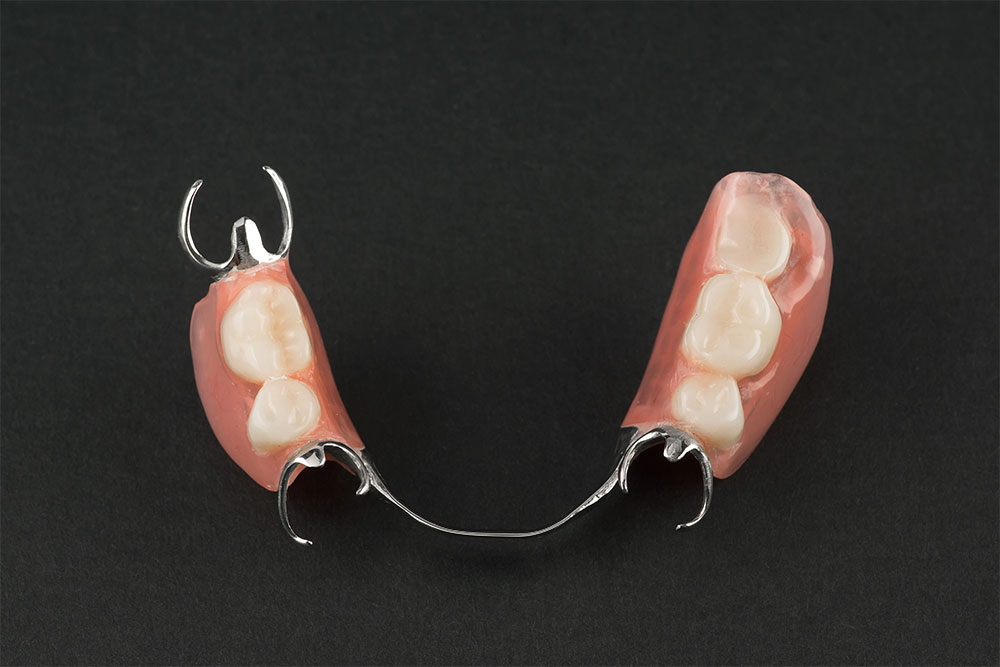 Vitallium 2000 is a cobalt-chromium alloy specifically designed for removable partial dentures. It’s an updated version of the original Vitallium alloy, offering improved flexibility and biocompatibility while maintaining the strength that dental professionals rely on. The material is corrosion-resistant, lightweight, and ideal for creating thin yet incredibly durable partial frameworks. Patients often appreciate that Vitallium 2000 dentures feel more natural in the mouth and are less bulky than traditional acrylic or metal frameworks.
The History and Evolution of Vitallium
Vitallium’s story didn’t start in a dental lab. It has a rich history that underscores its reliability and longevity in demanding applications. The alloy was first developed in the early 1930s, not for smiles, but for industries that required incredible durability and resistance to corrosion. Its unique properties quickly caught the attention of the medical community, who saw its potential for creating safe, long-lasting devices that could coexist with the human body. This transition from industrial use to a trusted medical-grade material is a testament to its exceptional qualities. Understanding this journey helps explain why, after nearly a century, it remains a go-to choice for high-quality dental prosthetics that need to perform flawlessly day in and day out.
From Aviation to Dentistry
The original Vitallium alloy was created in 1932 by Albert W. Merrick for Austenal Laboratories. With its roots in the 1920s and 30s, the material was initially explored for its strength and resilience in various industrial sectors. However, its true calling was discovered when its unique combination of lightness, strength, and biocompatibility made it a perfect candidate for dental applications. It was first introduced to dentistry for creating frameworks for partial dentures and cast dental implants. This marked a significant step forward, allowing for the creation of prosthetics that were far less bulky and much more durable than their predecessors, setting a new standard for patient comfort and function.
Expansion into Other Medical Fields
The success of Vitallium in dentistry was just the beginning. Its impressive performance and safety profile led to its adoption across a wide range of medical fields. By the 1950s, orthopedic surgeons began using it for bone-related implants, such as artificial joints and fracture plates. The alloy’s ability to integrate well with living tissue without causing adverse reactions made it an invaluable resource in reconstructive surgery. This widespread use in critical medical procedures further cemented its reputation as a safe, reliable, and biocompatible material. For dentists, this cross-disciplinary trust provides extra assurance that you are choosing a material with a proven track record of safety and success inside the human body.
The Science Behind Vitallium: Composition and Properties
What makes Vitallium 2000 so effective? The answer lies in its carefully balanced chemical composition. It’s not just one metal, but a sophisticated alloy designed to deliver specific performance benefits crucial for dental prosthetics. The primary components work together to create a material that is simultaneously strong, lightweight, and resistant to the harsh environment of the oral cavity. This scientific foundation is what allows labs to craft partial dentures that are thin and delicate in appearance yet robust enough to withstand the forces of daily chewing. The result is a framework that provides reliable function for the patient without the bulk and weight associated with older materials, leading to a more comfortable and natural-feeling restoration.
The Cobalt-Chromium-Molybdenum Alloy
At its core, Vitallium is a cobalt-based alloy. Its composition is primarily made of about 65% cobalt, 30% chromium, and 5% molybdenum, with trace amounts of other elements. Each component plays a critical role. Cobalt provides the material’s fundamental strength and rigidity, ensuring the framework maintains its shape under pressure. Chromium is the key to its impressive corrosion resistance, forming a passive, protective layer that prevents the alloy from degrading in saliva. Molybdenum contributes to both strength and hardness, allowing the framework to be cast in very thin sections without sacrificing durability. This precise blend is what gives Vitallium its superior mechanical properties.
Key Characteristics for Patient Safety
When placing any restoration, patient safety is the top priority. Vitallium is renowned for being highly biocompatible, meaning it works well with living tissues and has a very low risk of causing allergic reactions or irritation. This is a significant advantage, especially for patients with sensitivities to other metals like nickel. Its excellent corrosion resistance also prevents the leaching of metallic ions into the body, further enhancing its safety profile. By choosing a material with such a long history of safe use in both dentistry and medicine, you can provide your patients with a restoration that is not only functional but also exceptionally safe for long-term wear.
A Closer Look at Its Strength
The mechanical strength of Vitallium is one of its most defining features. For dental applications, its yield strength—the point at which it begins to deform—is around 644 MPa, while its ultimate tensile strength is approximately 869 MPa. In practical terms, this means the alloy can handle significant chewing forces without bending or breaking. This incredible strength-to-weight ratio allows our technicians at Next Dental Lab to design frameworks that are much thinner and less obtrusive than those made from other materials. For the patient, this translates to a partial denture that feels lighter, fits more comfortably, and preserves the natural sensations of the palate.
How Vitallium Frameworks Are Made
Creating a Vitallium framework is a process that blends artistry with precise science. It’s not as simple as just melting and pouring metal; it requires a deep understanding of the material’s properties and meticulous attention to detail at every stage. The goal is to produce a framework that fits the patient’s anatomy perfectly, provides stable support for the prosthetic teeth, and will last for years. This process begins with an accurate impression or digital scan and moves through several technical steps to transform the raw alloy into a custom-fitted prosthetic. The quality of the final product is directly tied to the skill of the technicians and the precision of the manufacturing process, ensuring every clasp and connector functions exactly as intended.
Casting and Forging Techniques
The most common method for creating Vitallium parts is the “lost wax” casting technique. This process involves creating a wax model of the denture framework, which is then encased in a heat-resistant investment material. Once the investment hardens, the wax is melted and burned out, leaving a precise mold. Molten Vitallium alloy is then forced into this mold to create the final framework. For even greater material integrity, advanced techniques like hot isostatic pressing (HIP) can be used. This process applies high heat and pressure to the cast part, eliminating any internal microporosity and resulting in an even stronger, more durable final product.
How Manufacturing Affects Performance
The way a Vitallium framework is manufactured has a direct impact on its final properties and clinical success. The casting and finishing processes must be carefully controlled to ensure the alloy retains its inherent strength and biocompatibility. An improperly handled casting can introduce internal stresses or surface imperfections that could lead to weakness or fracture over time. That’s why our team focuses on precision at every step, from designing the case with digital tools to the final polish. How the material is handled determines whether you receive a standard partial or a superior restoration that delivers exceptional fit, comfort, and longevity for your patient.
The Advantages of a Vitallium Partial Denture
- Superior Comfort: Vitallium 2000’s lightweight nature makes partials more comfortable for patients to wear long-term. Its high strength-to-weight ratio allows for thinner frameworks that don’t sacrifice durability.
- Long-Term Durability: Cobalt-chromium alloys are known for longevity, and Vitallium 2000 is no exception. It resists corrosion, breakage, and wear, providing patients with a stable and dependable restoration.
- Enhanced Aesthetics: The thinner profile of the material means less bulk in the mouth, which often results in a better fit and improved esthetics. Clasps can also be more refined, helping the appliance blend better with natural teeth.
- Tissue-Friendly: Vitallium 2000 is biocompatible and polished to a high shine, reducing plaque accumulation and the risk of irritation to surrounding tissues.
Considerations and Material Comparisons
Vitallium vs. Other Dental Alloys
When selecting a material for a removable partial denture, you have several options, but not all alloys are created equal. Vitallium 2000 is a premium cobalt-chromium alloy engineered specifically for removable partial dentures. While other materials like titanium-based alloys are sometimes chosen in fields like orthodontics for their biocompatibility, Vitallium 2000 offers a unique combination of flexibility, fracture resistance, and a lightweight feel that is ideal for RPD frameworks. Its composition allows for a thinner, less bulky design without compromising on strength. This means you can deliver a restoration that feels more natural and comfortable for your patient while trusting in its long-term performance.
Potential Clinical Challenges
It’s natural to have questions about the biocompatibility of any material placed in the oral environment. While some discussions have occurred regarding the elements in cobalt-chromium alloys, it’s important to look at the clinical evidence. Vitallium has demonstrated excellent biocompatibility in its solid, finished form over many decades of successful use in patients. The alloy’s high polish and resistance to corrosion minimize plaque accumulation and reduce the risk of tissue irritation. For dentists, this means you can confidently prescribe a Vitallium 2000 partial, knowing it has a long and proven history of safety and patient acceptance, allowing you to focus on fit and function.
Vitallium’s Role Beyond Dentistry
Orthopedic and Medical Implants
The reliability of Vitallium extends far beyond the dental chair. This same family of cobalt-chromium alloys is trusted for some of the most critical medical implants in the human body. Surgeons use it for joint replacements, spinal devices, bone fixation plates, and even heart stents. Its strength and resistance to corrosion are essential in these demanding applications. In one notable case, the first cobalt-chromium heart valve, implanted in 1960, functioned successfully for over 30 years. This incredible track record in medicine underscores the material’s durability and biocompatibility, giving you and your patients peace of mind about its performance as a long-term dental solution.
A Long and Trusted History
Vitallium isn’t a new or untested material; it has a rich history dating back to the 1920s and 1930s. It was one of the first high-performance alloys to be widely adopted in dentistry for applications like cast partial dentures. This long legacy means the material has been refined and perfected over generations, leading to the advanced formulation of Vitallium 2000 that we use today. Its consistent performance over nearly a century has solidified its reputation as a dependable choice for dental restorations. When you choose a Vitallium framework, you’re not just selecting a material; you’re choosing one with a proven history of clinical success.
Is Vitallium 2000 Right for Your Patient?
Vitallium 2000 is an excellent option for patients who want a more durable and comfortable alternative to traditional acrylic partials. It’s beneficial for long-term partial denture wearers or those looking for a thinner, more lightweight feel. If a patient has experienced breakage or discomfort with other materials, switching to Vitallium 2000 may offer the solution they need for better retention and longevity.
Why Choose Our Lab for Vitallium Partials?
At Next Dental Labs, we combine high-quality materials like Vitallium 2000 with expert craftsmanship and digital workflows to deliver precision-fit partials at a fraction of the cost. You can expect quick turnaround times, clear communication, and consistent results, without cutting corners.
The Takeaway
When it comes to partial dentures, Vitallium 2000 is a standout choice for comfort, strength, and patient satisfaction. By working with a trusted lab like ours, you can offer patients a superior solution while keeping your lab expenses in check. Let’s make partials better—together.
Frequently Asked Questions
What makes Vitallium 2000 different from the original Vitallium alloy? Think of Vitallium 2000 as the modern refinement of a classic. It was specifically engineered to have improved flexibility and fracture resistance, which is a huge advantage when designing clasps. While it keeps the core strength and biocompatibility that made the original so reliable, this updated formula allows us to create partials that are more adjustable and even more comfortable for your patients.
Is Vitallium 2000 a safe choice for patients with metal sensitivities? Yes, it is an excellent option for patients with known metal allergies, particularly to nickel. Vitallium 2000 is a nickel-free alloy. Its composition is highly stable and corrosion-resistant, which prevents metallic ions from leaching into the oral environment. This makes it a very biocompatible material that you can confidently recommend for long-term use.
How does the strength of Vitallium 2000 actually improve patient comfort? The material’s incredible strength-to-weight ratio is the key. Because it’s so durable, we can design frameworks that are significantly thinner and lighter than those made from other materials, including traditional metals or acrylics. For your patient, this translates to less bulk covering the palate and a restoration that feels much more natural and less intrusive during daily wear.
Why should I recommend a Vitallium 2000 partial over a standard acrylic one? A Vitallium 2000 partial provides a major upgrade in both durability and comfort. The metal framework is far stronger and less likely to fracture than an all-acrylic appliance. This strength allows for a much thinner, less bulky design, which patients greatly prefer. The result is a more stable, secure, and longer-lasting restoration that feels better from day one.
How does submitting a digital scan help with the final fit of a Vitallium partial? Starting with a digital scan allows for a more precise and predictable outcome. Digital workflows eliminate the minor distortions and variables that can occur with traditional physical impressions and stone models. This means we are building the framework on an exceptionally accurate representation of the patient’s mouth, which leads to a superior fit, fewer chairside adjustments, and a better overall experience for you and your patient.
Key Takeaways
- Offer a superior fit and feel: Vitallium 2000’s high strength allows for thinner, less bulky partial denture frameworks, providing a more comfortable and natural-feeling restoration for your patients without sacrificing durability.
- Rely on a medically proven material: The alloy’s long history of successful use in demanding applications like orthopedic implants gives you confidence in its biocompatibility, safety, and long-term performance in the oral environment.
- Solve common patient complaints: By using a material that resists breakage and allows for a highly polished, tissue-friendly surface, you can directly address issues like discomfort, irritation, and frequent adjustments.