
In any dental practice, efficiency is key. The traditional process for fabricating dentures, while familiar, is filled with hidden costs—from wasted materials to valuable chair time spent on adjustments and remakes. Every inaccurate impression can lead to a cascade of issues that affect your schedule and bottom line. This is where digital denture imaging provides a powerful solution. By creating a flawless 3D model of the patient’s anatomy from the start, you can virtually eliminate the guesswork and errors common with physical molds. This article explores how adopting a digital workflow streamlines operations, reduces costly remakes, and ultimately improves your practice’s profitability.
Dentists recognize the significant impact advanced technology has on their practice, especially concerning patient comfort and treatment success. Traditional denture fabrication methods often involve multiple appointments and can cause patient discomfort during the impression process. Fortunately, modern advancements now provide a more streamlined and accurate approach to creating dentures for individuals needing tooth replacement solutions. Digital scan for dentures technology offers a superior alternative, improving the overall experience for both dental professionals and their patients. This innovative method enhances precision, reduces chair time, and consistently delivers exceptional results for custom-fit dentures.
How Does Digital Denture Imaging Create a Perfect Fit?
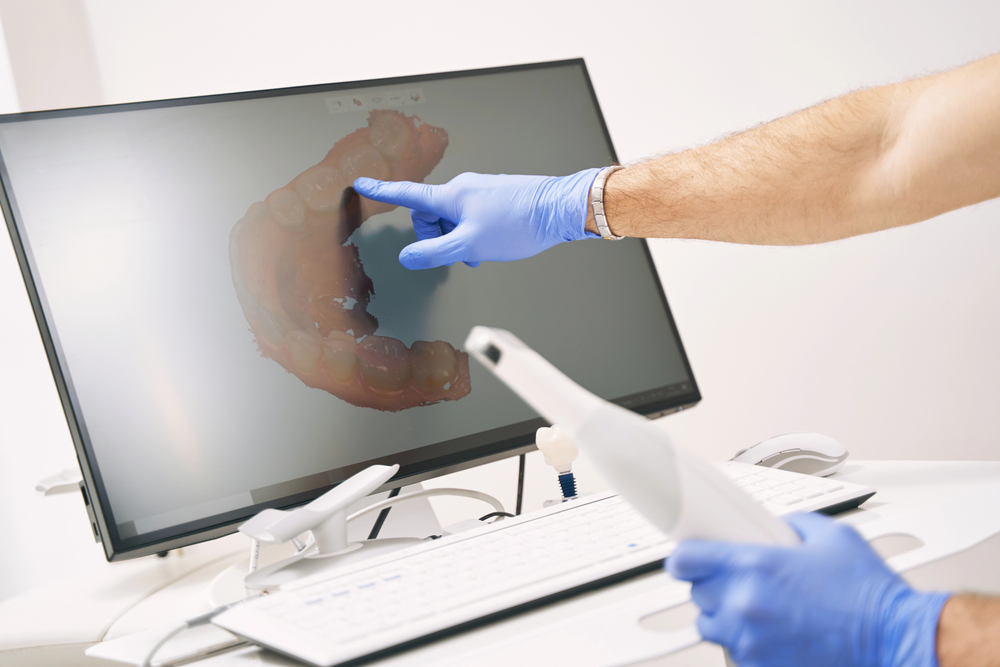 Digital scans represent a significant leap forward in achieving unparalleled accuracy when fabricating dentures for your valued patients. This advanced technology captures precise anatomical details of the oral cavity with exceptional clarity, which greatly minimizes the potential for human error associated with traditional impression materials. Dentists find that highly detailed digital models allow for exact measurements and superior customization, ensuring a perfect fit that enhances patient comfort and function. The improved accuracy ultimately leads to fewer adjustments post-delivery, saving valuable chair time for the dental office and increasing patient satisfaction with their new dentures.
Fewer Appointments, Happier Patients
One of the most significant advantages of digital denture technology is the improved patient experience, which starts with a more efficient timeline. The digital process can dramatically reduce the number of required visits, often cutting them from five or more down to just two or three. This saves valuable chair time for your practice and offers greater convenience for your patients. Furthermore, because digital dentures are designed from precise 3D scans of the patient’s mouth, the final fit is far superior to traditionally made ones. This accuracy means less slipping, reduced discomfort, and fewer follow-up appointments for adjustments, leading to a much happier and more satisfied patient.
Environmental and Efficiency Benefits
Moving to a digital workflow for dentures also brings considerable benefits to your practice’s efficiency and environmental footprint. Traditional methods rely on messy putty, which can be uncomfortable for patients, especially those with a sensitive gag reflex. In contrast, digital impressions are created with a quick, clean scan that is far more pleasant. This modern approach also minimizes waste by eliminating the need for physical impression materials, stone models, and the packaging associated with shipping them. By adopting digital scanning, your practice can streamline its operations, create a more comfortable patient environment, and make a positive impact by reducing its material consumption.
The New Standard of Care
Digital dentures represent a major advancement in restorative dentistry, establishing a new standard for quality and care. This technology offers superior precision, durability, and efficiency compared to conventional fabrication methods. By leveraging digital tools, you can create dentures that are not only more accurate but also faster to produce and more comfortable for the patient to wear. Embracing this innovation demonstrates your commitment to providing the best possible outcomes. Partnering with a lab that excels in digital case solutions ensures you can consistently deliver high-quality, well-fitting restorations that meet the modern expectations of your patients.
Why Go Digital? Scans vs. Traditional Molds
Choosing digital scans offers numerous advantages over conventional denture impression techniques for your dental practice and patients. This modern approach eliminates the messy and often uncomfortable physical impressions, providing a more pleasant experience for individuals with sensitive gag reflexes. Digital scanning also reduces the overall treatment time because it streamlines the design and manufacturing process through immediate data transfer to the dental laboratory. Furthermore, digital files are easily stored and retrieved, allowing for convenient access and replication of previous denture designs if a patient requires a replacement in the future.
Intraoral Scanning Best Practices
The most significant advantage of intraoral scanning is the immediate improvement in patient experience. Digital impressions replace messy, uncomfortable putty with a quick and clean scan. This is a game-changer for patient comfort, especially for those with a strong gag reflex. The precision of these scans leads to dentures that fit better right from the start, which means your patients are happier and require fewer follow-up adjustments. By capturing every detail of the oral anatomy, you provide the lab with a perfect digital blueprint. This accuracy is the foundation for a seamless fabrication process and a final product that meets the highest standards of quality and function. It’s a straightforward way to enhance care and achieve more predictable outcomes for your practice.
Alternative Scanning Methods
While direct intraoral scanning is often ideal, the digital workflow is flexible. The process can begin in a few different ways to accommodate any situation. You can take a traditional PVS impression and then scan the mold itself, or you can even scan a patient’s existing, well-fitting denture to create a precise copy. This versatility ensures that you can leverage digital technology for nearly any case, even if you start with a conventional impression. These alternative methods still provide the lab with the accurate data needed to fabricate a superior final restoration.
The Crucial “Try-In” Appointment
Even with the incredible accuracy of digital scans, the try-in appointment remains a vital step in the denture fabrication process. Before creating the final restoration, a test version of the denture is often 3D-printed for the patient to try. This allows both you and the patient to check the fit, function, and aesthetics in a real-world context. Any necessary adjustments to tooth position, bite, or overall appearance can be noted and easily applied to the digital design. This collaborative step ensures the final denture will be exactly what the patient wants, saving significant time and preventing the need for major remakes. It’s a quality control measure that guarantees satisfaction before the final product is milled or printed.
Suitable Cases for Digital Impressions
Digital impressions are incredibly versatile and are well-suited for a wide range of removable cases. This technology works exceptionally well for fabricating full dentures, partial dentures, and complex implant-supported dentures. The detailed data captured by an intraoral scanner is perfect for designing restorations that require a precise fit against both soft tissue and implant abutments. Furthermore, digital scanning is an ideal solution for patients who have difficulty tolerating traditional impression materials. For individuals with a severe gag reflex or other sensitivities, the speed and non-invasive nature of a digital scan make the entire process far more comfortable and stress-free, improving their overall experience at your practice.
Full and Partial Dentures
For patients needing full and partial dentures, the superior fit achieved with digital technology is a key benefit. Because they are designed from exact 3D scans, digital dentures conform perfectly to the patient’s anatomy. This precision minimizes common issues like slipping, sore spots, and discomfort. The result is a more stable and comfortable prosthesis that allows patients to eat and speak with renewed confidence, leading to higher overall satisfaction with their new smile.
Implant-Supported Dentures
When it comes to implant-supported dentures, accuracy is non-negotiable. Digital tools are essential for planning and fabricating these complex restorations, ensuring a passive and precise fit over the implant abutments. The digital workflow helps make the entire process more accurate and often faster, from the initial scan to the final delivery. This leads to a more comfortable and predictable outcome for the patient, reinforcing the long-term success and stability of the implant treatment.
What to Expect During Your Digital Denture Scan
The process of obtaining a digital scan for dentures is straightforward and comfortable for your patients. First, the dentist uses a handheld intraoral scanner to gently capture detailed three-dimensional images of the patient’s mouth, including existing teeth, gums, and oral structures. These images instantly appear on a computer screen, allowing the dental professional to review the scan in real-time and ensure all necessary data is collected. Once complete, the highly accurate digital impression file transmits directly to the dental lab, where technicians begin the design and milling of the custom dentures.
Manufacturing Methods: 3D Printing vs. Milling
Once your digital impression is sent to the lab, the magic of digital fabrication begins. The two primary methods for creating the final denture are 3D printing and milling. 3D printing, also known as additive manufacturing, builds the denture layer by layer from a liquid resin. This process is often faster and can be more cost-effective. The other method, milling, is a subtractive process where a machine carves the denture from a solid, pre-cured puck of high-density acrylic. While both methods produce excellent results, milling is often praised for creating an incredibly dense and strong final product. At Next Dental Lab, we leverage these advanced techniques to craft precise and durable removable prosthetics for your patients.
Material Strength and Durability
One of the most significant clinical advantages of digitally fabricated dentures is their remarkable strength. Because milled dentures are carved from a solid block of pre-polymerized material, they are non-porous and incredibly robust. In fact, some studies show that milled digital dentures can be up to eight times stronger than their conventionally processed counterparts. This superior durability means a lower risk of fractures and cracks from everyday use, leading to fewer emergency repair appointments and a longer lifespan for the prosthesis. For patients, this translates to greater confidence and satisfaction with their restoration, knowing it’s built to last. This commitment to strong, reliable materials is a cornerstone of all our products, from dentures to dental implants.
Advanced Antimicrobial Properties
Beyond strength, certain digital denture materials offer enhanced hygienic benefits that support better patient health. Some advanced materials are manufactured with antimicrobial technology integrated directly into the acrylic. This feature helps inhibit the growth of harmful bacteria and fungi on the denture’s surface. According to research from labs like Glidewell, these materials can show a 99.9% reduction in surface bacteria in lab tests, which is a major advantage for preventing conditions like denture stomatitis. This is especially beneficial for elderly or medically compromised patients who may be more susceptible to oral infections. Providing a restoration that not only fits well but also actively contributes to a healthier oral environment is a new standard of patient care.
A Note on Digital Scans vs. X-Rays
It’s helpful to clarify for patients that a digital scan for dentures is not the same as an X-ray. While both are diagnostic tools, they serve very different purposes. An X-ray allows you to see bone structure, tooth roots, and other internal anatomy. An intraoral scan, on the other hand, captures a highly detailed 3D image of the surface of the gums and any existing teeth. It replaces the need for messy, uncomfortable impression putty. This digital impression provides the precise surface data needed to design and fabricate a perfectly fitting prosthesis. By using a scanner, you create a more comfortable patient experience and a more accurate final product, which is why we make it easy for you to connect your scanner and send us digital cases.
Answering Your Questions About Digital Denture Imaging
Dental professionals sometimes express concerns regarding the adoption of new technologies like digital scanning for denture fabrication. One common question addresses the learning curve associated with operating the scanning equipment; however, modern scanners feature intuitive interfaces that make them simple to master with minimal training. Another query relates to the initial investment cost, but the long-term benefits of increased efficiency, reduced material waste, and enhanced patient satisfaction often outweigh this upfront expenditure. Dentists also find that the precision of digital scans leads to fewer remakes, which saves both time and financial resources in the long run.
Initial Investment and ROI
Adopting new technology always comes with questions about the initial cost, and intraoral scanners are a significant investment for any practice. While the upfront price may seem substantial, the return on investment is often realized faster than you might think. Digital workflows dramatically increase practice efficiency by reducing chair time and minimizing the need for costly impression materials. The precision of digital scans leads to better-fitting prosthetics, which means fewer remakes and follow-up adjustment appointments. This improved efficiency and higher patient satisfaction can lead to better patient retention and more referrals, directly contributing to your practice’s growth and a favorable ROI.
Lab Production Cost Comparison
When comparing costs, it’s essential to look beyond the initial lab fee and consider the total cost of treatment. While some digital lab fees might seem comparable to traditional methods, the real savings come from the reduction in hidden expenses. With traditional impressions, inaccuracies can lead to costly remakes, requiring more materials and valuable chair time. Digital scans virtually eliminate these issues, ensuring a precise fit from the start. At Next Dental Lab, we’ve streamlined our process to make high-quality digital restorations accessible and affordable. By partnering with a lab that fully embraces digital case solutions, you can reduce your overall production costs and pass those efficiencies on to your patients and your bottom line.
Insurance Coverage and Patient Financing
Navigating insurance and patient finances is a crucial part of any treatment plan. Generally, dental insurance codes for dentures apply to the final prosthesis, regardless of whether it was fabricated using digital or traditional methods. The primary benefit for your practice is the increased efficiency, which improves profitability on insured cases. For patients, the advantages of a better-fitting, more comfortable denture created in fewer appointments provide a strong value proposition. This makes conversations about treatment costs and financing options much smoother. Highlighting these benefits helps patients understand the long-term value of their investment in a superior-quality restoration.
Ready for a Better Denture? Start with Next Dental Lab
Ready to elevate your dental practice and offer your patients the finest in modern denture solutions? Discover how our team at Next Dental Lab delivers exceptional custom digital denture scans that redefine precision and patient satisfaction. We offer the best digital scan for dentures available, ensuring seamless integration into your existing workflow and consistently excellent outcomes. Contact us today and let Next Dental Lab help you transform your denture services.
Managing Patient Comfort and Sensor Size
One of the most immediate benefits of switching to digital impressions is the significant improvement in patient comfort. Traditional putty molds are often unpleasant, messy, and can easily trigger a patient’s gag reflex. According to AvaDent Digital Dental Solutions, “Digital impressions replace messy putty with a quick, clean scan. This means more comfort for patients, especially those who gag easily.” This streamlined, non-invasive process not only creates a better chairside experience but also yields more accurate results. A comfortable and calm patient is less likely to move, allowing for a precise scan that captures every detail. This accuracy translates directly to better-fitting dentures, which means happier patients and fewer follow-up appointments for adjustments.
Infection Control for Digital Sensors
Maintaining a sterile environment is a top priority in any dental practice, and introducing new equipment requires careful consideration of infection control protocols. Intraoral scanners come into direct contact with patients, so proper handling is essential. As noted by Your Dentistry Guide, “Most sensors can’t be sterilized, so they need plastic covers that must be changed for each patient to prevent spreading germs.” Adhering to this practice is non-negotiable. Using a new, disposable plastic sheath for every scan is the standard for preventing cross-contamination and ensuring patient safety. This simple step allows you to integrate the benefits of digital technology into your workflow without compromising your practice’s high standards of hygiene.
Sensor Fragility and Long-Term Costs
While the long-term benefits of digital scanning are clear, it’s also practical to consider the durability of the equipment. The initial investment in a scanner is significant, and ongoing maintenance and replacement costs are an important factor. Some systems have components that can be delicate. For instance, Your Dentistry Guide points out, “The thin plates used in some systems can break easily and need to be replaced often.” Dropping a scanner wand or improper handling can lead to costly repairs and practice downtime. When choosing a system, it’s wise to research the durability of the hardware and the terms of the warranty. Investing in robust equipment and training your team on proper handling can help protect your investment for years to come.
The Future of Digital Denture Technology
The world of digital dentures is not standing still; it’s rapidly evolving and becoming even more integrated into modern dental practices. The advancements on the horizon promise to make the process of creating dentures faster, more precise, and more predictable than ever before. We’re moving toward a workflow where every step is seamlessly connected, from the initial scan in your office to the final fabrication in the lab. According to 3Shape, the future will bring a powerful combination of technologies, including “AI to help design dentures, smarter materials, and even better connections between scanners, software, and labs.”
This enhanced connectivity means that when you send a digital case to a lab like Next Dental Lab, the transfer of information is instant and flawless. There’s no risk of a physical impression being damaged in transit or of details being lost in translation. As these technologies mature, they will further reduce turnaround times and empower dentists to deliver highly customized and accurate restorations with greater efficiency. This evolution is setting a new standard of care, allowing you to provide patients with superior outcomes while streamlining your practice’s operations. Embracing this future means staying at the forefront of patient care and prosthetic solutions.
The Role of AI in Denture Design
Artificial intelligence (AI) is poised to play a transformative role in the design phase of digital dentures. Instead of relying solely on manual adjustments, AI-powered software can analyze a patient’s intraoral scan and automatically propose an ideal denture design based on anatomical landmarks and functional requirements. As experts at 3Shape note, “AI will play a significant role in enhancing the design process, allowing for more personalized and efficient denture solutions.” This technology can suggest optimal tooth placement, occlusion, and baseplate contours in seconds, dramatically reducing the time technicians spend on initial design. This allows lab professionals to focus their expertise on fine-tuning the aesthetics and ensuring a perfect, custom fit for complex cases like hybrid dentures.
Innovations in Smart Materials
The materials used to create digital dentures are just as innovative as the scanning technology itself. Unlike traditional methods that involve manually packing acrylic, many digital dentures are milled from a solid block of advanced polymer, such as polymethyl methacrylate (PMMA). This process creates a final product that is incredibly dense and uniform. According to AvaDent, this manufacturing method results in dentures that are “more durable, less likely to break, and more resistant to stains and bacteria compared to traditional dentures.” This enhanced durability means a longer lifespan for the prosthesis and fewer repairs. For patients, this translates to a more hygienic and resilient solution, providing them with greater confidence in their smile and its longevity.
Frequently Asked Questions
Can I still use a digital workflow if I don’t have an intraoral scanner? Absolutely. While direct intraoral scanning is a popular starting point, it’s not the only way to begin a digital case. You can take a high-quality traditional PVS impression and have the lab scan it, or you can even scan a patient’s existing, well-fitting denture to create a digital copy. This flexibility allows you to take advantage of the precision and efficiency of digital fabrication, regardless of the equipment you currently have in your office.
If digital scans are so accurate, why is a try-in appointment still needed? Think of the try-in as a final quality check that ensures complete patient satisfaction. While the digital scan provides a perfect model of the patient’s anatomy, the try-in appointment allows you and the patient to confirm aesthetics and function in the real world. Using a 3D-printed test denture, you can verify the bite, tooth position, and smile design before the final restoration is made. This step prevents costly remakes and guarantees the patient loves the final result.
Are digital dentures more expensive than traditionally made ones? When you look at the entire treatment process, digital dentures are often more cost-effective. While the lab fee might be similar, the real savings come from increased efficiency and fewer errors. Digital precision drastically reduces the need for remakes and follow-up adjustment appointments, which saves a significant amount of valuable chair time. This streamlined process means a lower overall cost of treatment for your practice and a better value for your patient.
What makes milled digital dentures stronger than conventional ones? The strength comes from the manufacturing process. A milled denture is carved from a solid, pre-cured block of high-density acrylic. This material is non-porous and incredibly dense, unlike traditional dentures made by manually packing acrylic, which can introduce inconsistencies. The result is a prosthesis that is far more resistant to fractures, cracks, and stains, giving your patients a more durable and long-lasting restoration.
How does this technology work for more complex cases like implant-supported dentures? Digital technology is exceptionally well-suited for complex cases, especially those involving implants. The precision of an intraoral scan is critical for capturing the exact position and orientation of implant abutments. This data allows for the design of a restoration with a passive, perfect fit, which is essential for the long-term success of the implants. The digital workflow streamlines the entire process, leading to more predictable and comfortable outcomes for these advanced treatments.
Key Takeaways
- Enhance practice efficiency and the patient experience: By replacing messy physical molds with quick, comfortable scans, you can reduce the number of required appointments, saving valuable chair time while creating a better overall experience for your patients.
- Deliver stronger, better-fitting restorations: The precision of digital scans minimizes guesswork and errors, leading to fewer adjustments and remakes. Dentures milled from solid acrylic are also significantly more durable and resistant to fractures than conventional ones.
- Reduce hidden costs and improve profitability: A digital workflow cuts down on expenses from material waste and inaccurate impressions that lead to costly remakes. This streamlined process creates more predictable outcomes and a healthier bottom line for your practice.
Related Articles
- 4 Things To Know About Digital Scan For Dentures – Next Dental Lab
- Hybrid Denture Lab Procedure: A Step-by-Step Guide
- Why Every Modern Dental Practice Needs Intraoral Scanners – Next Dental Lab
- Intraoral Scanning Technology: Laser to Confocal Types
- Digital Dental Laboratory Vs. Traditional: What’s Better For Your Practice? – Next Dental Lab