
For a patient, a loose denture can disrupt their entire life, turning simple acts like eating and speaking into daily challenges. The constant rubbing can cause painful irritation, while the instability can erode their confidence. When they come to you for help, they’re looking for more than just a technical fix; they’re seeking a return to normalcy. A professional reline is the key to providing that relief. As their dedicated denture relining dentist, you have the ability to restore not just the fit of their appliance, but also their comfort and quality of life. This article walks through the essential considerations for delivering a successful reline.
Denture wear is a reality for many, ushering in discussions on comfort, functionality, and maintenance. Among these, the process of relining dentures stands out. It’s a procedure that refits the oral device to ensure comfort and efficiency, addressing the natural changes in the mouth’s landscape. This foundational shift in dental care opens a new chapter in the pursuit of optimal oral health and patient satisfaction. At Next Dental Lab, we understand the need for precision in dentistry. Our selection encompasses a wide range of high-quality fixed dental solutions. We are dedicated to offering products that not only meet but exceed the needs of modern dental practices. In the same breath, we pride ourselves on our innovative hybrid dentures and implant solutions. These offerings represent the forefront of dental technology, blending traditional craftsmanship with modern advances.
Is It Time for a Denture Reline?
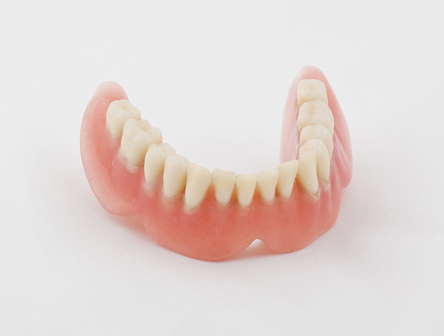
Common Causes of an Ill-Fitting Denture
Even the most meticulously crafted dentures can loosen after just a few months. This isn’t a sign of a poor initial fit, but rather a natural consequence of changes within the patient’s mouth. When teeth are lost, the jawbone begins to change shape and shrink over time—a process known as bone resorption. As the bone and soft tissues in the jaw evolve, the gums shift, altering the foundation upon which the denture rests. This gradual transformation is completely normal, but it inevitably leads to a looser fit, making regular check-ups and potential relines a crucial part of long-term care for patients with removable dentures.
Oral Health Consequences of a Poor Fit
A poor denture fit is more than just an inconvenience; it can lead to significant oral health problems for your patients. Constant rubbing and shifting can cause painful sores, chronic irritation, and even excess tissue growth. These conditions create an environment ripe for fungal infections. Furthermore, badly fitting dentures often trap food particles and plaque, which not only causes discomfort but also complicates oral hygiene. Addressing a poor fit promptly with a reline is essential. It helps prevent these issues, ensures the patient can eat and speak comfortably, and ultimately extends the functional life of the denture, protecting both their health and their investment.
What to Check Before a Denture Reline
A thorough examination of the patient’s oral health is essential before proceeding with a reline. This check ensures that no underlying issues, such as gum disease or bone resorption, will affect the reline’s success. Identifying and addressing any such concerns beforehand helps in achieving a reliable, long-lasting fit. Equally, understanding the current state of the dentures themselves is critical. If they are significantly worn or damaged, there might be better options than relining. Instead, a new set of dentures could be more appropriate. This decision is crucial for both the patient’s oral health and the effectiveness of the denture.
The Denture Relining Process: What Patients Can Expect
When you explain the relining process to a patient, it’s helpful to frame it as a simple procedure designed to restore comfort and function. The core of the process involves reshaping the inside of their denture to create a snug, comfortable fit against their gums once again. This adjustment accounts for the natural changes that occur in the jawbone and gum tissues over time. Managing patient expectations is key; letting them know that this is a routine part of denture maintenance can ease any concerns they might have about the procedure and its outcome. It’s a straightforward path to making their existing oral appliance feel like new.
Taking the Impression
The first step in any reline is capturing an accurate impression of the patient’s current oral landscape. To do this, you’ll apply a soft impression material to the inside of the denture and place it back into the patient’s mouth. They will bite down naturally, allowing the material to conform perfectly to the contours of their gums. This impression serves as the precise mold for the new denture lining. It’s a quick and painless step that provides the essential blueprint for creating a secure and comfortable fit, ensuring the final relined denture will function effectively and eliminate any previous discomfort or instability.
Chairside vs. Lab Relines
You have two primary options for completing the reline: chairside or sending it to a lab. For minor adjustments, a chairside reline is a convenient choice. You can apply the reline material directly to the denture in the office, offering a quick solution for patients. For more significant changes or when a more durable, heat-cured material is needed, the best approach is a lab reline. This involves sending the denture and the impression to a dedicated facility. At Next Dental Lab, we process these cases with precision, using your impression to craft a perfectly adapted new surface for your patient’s removables, ensuring a high-quality, lasting result.
Types of Denture Relines
Explaining the different types of relines helps patients understand the specific solution you’re recommending for their needs. The choice between a hard, soft, or temporary reline depends entirely on the patient’s oral condition, the state of their gums, and the long-term goals for their denture. Each type uses different materials and serves a distinct purpose, from providing a durable, long-lasting fit to offering immediate comfort and promoting tissue healing. Clearly communicating the benefits of each option builds patient trust and ensures they are active participants in their own dental care plan, leading to better compliance and overall satisfaction with the outcome.
Hard Reline
A hard reline is the most common and durable option, typically recommended every few years. This process involves using a material similar to the denture’s original hard acrylic base. Because the material is so resilient, a hard reline provides a strong, long-lasting fit that can stand up to daily wear and tear. This type of reline is almost always performed in a dental lab to ensure the acrylic is properly cured for maximum strength and precision. It’s the go-to solution for patients with healthy gum tissue who need a standard refitting to address looseness caused by natural bone resorption over time.
Soft Reline
For patients with tender or sensitive gums, a soft reline is an excellent alternative. This method uses a pliable, cushioned material to line the denture, which remains soft and flexible for one to two years. The cushioning effect reduces pressure on the gums, making it much more comfortable for individuals who experience chronic soreness or have sharp areas on their jawbone. While not as durable as a hard reline, a soft reline provides significant relief and can often be completed chairside, offering a quick and effective solution for improving patient comfort and denture stability.
Temporary Reline
A temporary reline is a therapeutic measure used when a patient’s gums are swollen, sore, or irritated from an ill-fitting denture. This type of reline uses a medicated material that not only helps the denture fit better but also soothes the inflamed tissues. The material is very soft and is only intended to be used for a few weeks or months while the gums heal. Once the gum health has improved, you can proceed with a new denture or a more permanent hard reline. It’s a critical intermediate step that prioritizes the patient’s oral health before creating a final, long-term solution.
Denture Relining vs. Rebasing
It’s important to distinguish between relining and rebasing, as they address different issues with a denture. While both procedures aim to improve the fit and function of an existing prosthesis, they are fundamentally different processes. Relining focuses solely on resurfacing the internal, tissue-facing side of the denture to adapt to changes in the patient’s gums. Rebasing, on the other hand, is a more extensive procedure that replaces the entire pink acrylic base of the denture. Clearly understanding when to recommend one over the other is crucial for providing the most appropriate and cost-effective care for your patients.
When to Reline
You should recommend a reline when the existing denture teeth are still in good condition and show minimal wear, but the denture base no longer fits securely. This is the ideal solution for addressing issues of looseness, instability, or minor discomfort caused by gradual changes in the alveolar ridge. Relining is a targeted fix that refits the denture to the patient’s current anatomy without altering the teeth or the overall structure of the appliance. It’s a routine maintenance procedure that extends the life of the denture and restores its proper function and comfort for the patient.
When to Rebase
Rebasing is the better option when the denture teeth are still in good shape, but the denture base itself is cracked, weakened, or stained. It’s also recommended if the denture has had multiple relines and the fit is still not optimal. This process involves completely replacing the acrylic base while keeping the original artificial teeth. By doing so, you create a brand-new, stable foundation for the existing teeth. Rebasing is often more affordable than fabricating a completely new set of dentures, making it a practical choice for extending the life of the prosthesis when the base is compromised but the teeth remain viable.
How Long Does a Denture Reline Last?
Dentists should inform their patients about the expected lifespan of a reline. Generally, a professional reline can last several years with proper care. However, the actual duration can vary based on the patient’s oral hygiene, the materials used, and the reline. This knowledge allows patients to have realistic expectations and plan for future dental care needs. Understanding the materials and techniques available for relining is also important. Some materials may offer more durability or comfort than others. Choosing the right one can make a significant difference in the patient’s satisfaction.
Key Benefits of a Professional Denture Reline
When you recommend a denture reline, you’re offering your patients more than just a simple adjustment; you’re providing a solution that directly impacts their daily comfort and confidence. A professional reline addresses the common issues that arise as the oral landscape changes over time. It’s a key procedure that helps maintain the function and feel of their prosthetic, ensuring they can continue to eat, speak, and smile without hesitation. This process reinforces the value of their initial investment in quality dentures and demonstrates your commitment to their long-term oral health and satisfaction. Explaining these benefits clearly can help patients understand the importance of this maintenance step.
Improved Stability and Comfort
The most immediate benefit of a denture reline is the restoration of a secure, comfortable fit. As a patient’s jawbone and gums change, a once-perfect denture can become loose, leading to slipping and irritation. This instability not only makes chewing difficult but can also cause painful sore spots. A reline reshapes the underside of the denture to conform perfectly to the current contours of the patient’s mouth. This process eliminates the friction and movement that cause discomfort, allowing the patient to wear their dentures with renewed confidence and ease throughout the day.
Extends the Life of the Denture
Think of a denture reline as essential maintenance that protects a patient’s investment. Instead of replacing an entire set of dentures due to a poor fit, a reline can add years to their lifespan. When the base is the primary issue, relining is a practical way to preserve the existing teeth and structure of the prosthetic. By recommending regular relines, you help patients avoid the higher cost and adjustment period associated with brand-new dentures. This proactive approach ensures the appliance remains functional and comfortable for as long as possible, making it a smart choice for both their oral health and their wallet.
A Cost-Effective Solution
From a financial perspective, relining is a highly practical option for patients. The procedure is significantly less expensive than fabricating a new set of dentures or even rebasing the existing ones. When the denture teeth are still in good condition, a reline addresses the fit without the need for a complete overhaul. This makes it an accessible solution for patients who are experiencing discomfort but are concerned about costs. By presenting relining as an affordable maintenance step, you can help patients manage their dental care expenses while ensuring their prosthetic continues to serve them well.
Understanding the Costs and Frequency of Relining
Setting clear expectations about the cost and timeline for denture relines is a crucial part of patient education. When patients understand the financial and scheduling aspects, they are better prepared to commit to the maintenance of their prosthetics. This conversation should cover the typical price range for different types of relines, what their insurance might cover, and how often they should anticipate needing the procedure. Providing this information upfront builds trust and helps patients see relining not as an unexpected problem, but as a predictable part of their long-term dental care plan, ensuring their dentures remain in optimal condition.
Typical Costs and Insurance Coverage
The cost of a denture reline can vary, but it generally falls within a predictable range. A chairside reline is often more affordable than a lab-processed one, which requires more time and resources. It’s helpful to inform patients that many dental insurance plans provide coverage for dentures and related maintenance like relines, as they are considered medically necessary. Encouraging patients to check with their provider about their specific benefits can make the procedure more financially manageable. Having this conversation helps demystify the costs and empowers patients to move forward with necessary care without financial surprises.
Recommended Frequency for Relining
While every patient is different, a general guideline can help them plan for future care. Most dental professionals recommend a denture reline every one to two years to account for the natural changes in the mouth. However, it’s important to stress that this is not a rigid schedule; if a patient notices their dentures feeling loose or causing discomfort sooner, they should schedule a consultation. The American College of Prosthodontists also suggests that dentures should be evaluated for a reline or replacement every five to ten years, reinforcing the need for ongoing professional assessment.
Ensuring a Comfortable Fit: The Patient Conversation
A successful reline improves denture stability and comfort. Hence, discussing the patient’s expectations beforehand is crucial. This conversation should cover how the reline will affect the denture’s feel, appearance, and functionality. Aligning expectations with realistic outcomes helps ensure the patient is satisfied with the final result. Additionally, dentists should consider the patient’s lifestyle when recommending a reline. For active individuals or those with a busy lifestyle, ensuring the relined denture will meet their needs is key.
Important Care and Recommendations for Patients
A key part of the relining process is educating your patients on what to do—and what not to do—after they leave your office. Providing clear, simple guidance on denture care and the risks of at-home adjustments can make a huge difference in their long-term comfort and the success of the reline. This conversation builds trust and empowers patients to be active partners in their own oral health, ensuring they get the most value and longevity from their dental prosthetics. Setting these expectations helps prevent common issues and reinforces the importance of professional care for maintaining a healthy, comfortable smile.
The Dangers of DIY Reline Kits
It’s important to guide your patients away from the temptation of DIY denture relining kits. While these over-the-counter options might seem like a quick and cheap fix, they come with serious risks. Attempting a reline at home without professional oversight can easily result in an improper fit, leading to significant discomfort, sore spots, and even damage to the denture itself. It’s crucial to explain that a professional reline isn’t just about adding material; it’s a precise procedure tailored to their unique oral anatomy. As dental professionals know, over-the-counter kits are not as safe or effective as professional care. Advising patients to always see a dental professional for adjustments protects their oral health and the integrity of their prosthetic.
Proper Denture Care Tips
Beyond advising against DIY fixes, you can empower patients with practical care tips to extend the life and comfort of their dentures. Remind them to always keep their dentures moist when not in use, either by soaking them in water or a special solution, to prevent the material from warping. A simple but effective tip is to clean them over a folded towel or a sink filled with water; this cushions the fall if the denture is accidentally dropped. For cleaning, a soft-bristled toothbrush and a non-abrasive cleaner are best to avoid scratches. Most importantly, stress the need for regular check-ups. As one practice notes, patients should visit their dentist at least twice a year to check the condition of their dentures, ensuring any issues are caught early.
Ready for a Better Dental Lab Partner?
Explore the synergy of excellence and value with Next Dental Lab. Our commitment to providing quality dental products at 50% less speaks volumes. Join us in setting a new standard in dental care. Reach out today and see the difference for yourself.
Frequently Asked Questions
How do I decide between a chairside and a lab reline for my patient? Think of it as a choice between speed and durability. A chairside reline is a fantastic solution for minor adjustments when your patient needs their denture back the same day. For a more permanent and precise fit, especially when using stronger, heat-cured materials, sending the case to a lab is the best approach. A lab reline provides a higher quality, longer-lasting result that can better withstand daily use.
What’s the simplest way to explain the difference between relining and rebasing to a patient? You can use a simple analogy. Explain that relining is like putting a new, custom insole into a shoe to make it fit snugly again; you’re only resurfacing the inside. Rebasing, on the other hand, is like replacing the entire sole of the shoe while keeping the perfectly good upper part. You’d recommend a rebase when the foundation of the denture is cracked or weak, but the teeth themselves are still in great shape.
When is a denture too worn out for a reline? A reline is designed to fix the fit of the denture base, not the teeth. If the teeth are significantly worn down, chipped, or stained, a reline won’t solve the core problem. Similarly, if the denture base has major cracks or damage, you’re better off considering a rebase or a completely new denture. A reline is the right call when the teeth are still functional, but the fit against the gums has become loose.
My patient’s gums are very sore. Should I proceed with a hard reline right away? It’s best to address the inflammation first. Performing a hard reline on sore or swollen gums can trap the irritation and lead to more discomfort. This is the ideal situation for a temporary, medicated reline. This therapeutic step helps soothe the tissues and allows them to heal. Once the patient’s gums are healthy again, you can move forward with a permanent hard reline for a comfortable, long-term fit.
How often should I tell my patients to expect a reline? A good general guideline is to have their denture fit evaluated for a reline every one to two years, as the jaw and gums naturally change over time. More importantly, teach them to recognize the signs of a poor fit, such as slipping, new sore spots, or changes in their speech. Encourage them to schedule a visit as soon as they notice these issues, rather than waiting for a specific timeframe to pass.
Key Takeaways
- Frame relining as preventative care: A professional reline does more than fix a loose fit; it’s a crucial step to prevent painful sores, tissue irritation, and potential infections caused by an unstable denture.
- Select the right reline for the situation: Tailor your recommendation by choosing the appropriate type—a durable hard reline for long-term stability, a cushioned soft reline for sensitive gums, or a medicated temporary reline to allow inflamed tissue to heal.
- Guide your patient’s understanding: Clearly explain the difference between relining and rebasing to manage expectations, and advise against the risks of DIY kits to protect both their oral health and their investment.
Related Articles
- 4 Things Every Dentist Should Know Before Recommending Denture Relining – Next Dental Lab
- Soft Denture Reline FAQs For Dentists: Addressing Patient Concerns – Next Dental Lab
- Soft Reline Vs. Hard Reline: Choosing The Right Approach For Your Patient – Next Dental Lab
- How to Fix Broken Dentures and Ensure Patient Comfort
- Common Mistakes Dentists Make When Designing Dentures – Next Dental Lab