Your patient’s experience hinges on the fit, feel, and look of the partial denture you provide. For them, it’s about regaining the ability to eat, speak, and smile with confidence. A precise, high-quality appliance is life-changing. A poor one means sore spots, frustration, and repeat appointments. That’s why finding the right acrylic partial denture lab is one of your most important decisions. This guide focuses on the key factors that drive patient satisfaction, helping you partner with a lab that creates restorations that look natural, feel great, and build trust in your practice.
Key Takeaways
- View Acrylic Partials as a Versatile Solution: They are an excellent and affordable option for patients needing a transitional appliance or working within a budget. Understanding their specific clinical applications allows you to provide effective restorative care to a wider range of patients.
- Vet Potential Labs on Key Quality Indicators: Look beyond the price list and inquire about their specific materials, digital workflow capabilities, and quality control standards. A lab that is transparent about its processes is more likely to deliver the consistent, high-quality results your practice needs.
- Treat Your Lab Relationship as a Partnership: The best outcomes result from clear, consistent communication. Set detailed expectations for every case and choose a lab that is responsive and collaborative to minimize adjustments and ensure patient satisfaction.
What Are Acrylic Partial Dentures?
When a patient needs to replace one or more missing teeth, acrylic partial dentures are a reliable and popular solution. Think of them as custom-made, removable appliances designed to fit the unique landscape of a patient’s mouth. They consist of replacement teeth set in a pink, gum-colored acrylic base, which often uses small metal clasps to anchor securely to the remaining natural teeth.
The primary goal is to restore both function and appearance. A well-crafted partial denture fills the gaps left by missing teeth, giving your patients a complete smile they can feel confident about. But it’s not just about aesthetics. These devices play a critical role in oral health by providing support to the lips and cheeks, preventing a sunken facial appearance, and making everyday activities like eating and speaking feel natural again. Choosing the right lab to fabricate these removables is key to achieving a result that is comfortable, durable, and looks great.
The Growing Need for Tooth Replacement Solutions
The number of patients walking into your practice with missing teeth is on the rise. It’s a widespread issue, with an estimated 36 million Americans missing all their teeth in at least one jaw, and this number is expected to grow. As you know, the consequences go far beyond aesthetics. Failing to replace missing teeth can lead to significant bone loss in the jaw, cause a sunken facial appearance, and allow remaining teeth to shift out of alignment. This makes effective and accessible tooth replacement solutions more critical than ever for preserving your patients’ long-term oral health and function.
This growing need is precisely where acrylic partial dentures become an invaluable tool in your restorative toolkit. They provide a practical and budget-friendly solution that puts quality care within reach for more patients. Compared to more costly options like dental implants or fixed bridges, acrylic partials allow you to address tooth loss promptly and effectively. By offering this reliable option, you can help patients avoid the downstream health complications of missing teeth while restoring their confidence and ability to eat and speak comfortably.
How Do They Work for Your Patients?
For your patients, an acrylic partial denture can be life-changing. It immediately helps them chew food more easily and speak with greater clarity, two functions that are often compromised by tooth loss. Beyond these practical benefits, a partial denture restores a natural-looking smile, which can significantly improve a patient’s self-esteem.
Just as importantly, these appliances help maintain the structure of the mouth. By filling the empty spaces, they prevent the remaining natural teeth from shifting out of position. This is essential for preserving proper alignment and protecting the patient’s overall dental health for the long term. When you explain these benefits, you’re not just talking about a dental device; you’re offering a path back to comfort and confidence.
Breaking Down the Materials and Construction
The quality of an acrylic partial denture comes down to the materials and craftsmanship. Not all acrylics are created equal, and the difference can impact everything from durability to patient comfort. High-quality materials are essential for creating a partial that is both strong and aesthetically pleasing. For example, many top-tier labs use premium materials like Lucitone 199, a high-impact acrylic resin known for its exceptional strength and natural appearance.
When selecting a lab partner, ask about the specific materials they use. The quality of the resin and the manufacturing process will directly affect the final product’s performance and longevity. A lab that invests in superior, heat-cured acrylics and premium teeth can produce a reliable, beautiful, and long-lasting partial denture that meets your standards and satisfies your patients.
Material Options for Artificial Teeth
The artificial teeth are the star of the show, and their quality directly influences how natural the final restoration looks. A great lab understands that one size doesn’t fit all and should offer a variety of tooth options, from standard to premium, allowing you to choose based on your patient’s specific needs and budget. Premium teeth often feature more detailed characterization and translucency, closely mimicking natural enamel. When discussing options with your lab, ask about the durability and stain resistance of their artificial teeth. A high-quality material will not only look better but also stand up to daily wear, ensuring your patient’s new smile remains bright and beautiful for years. This attention to detail is what separates an acceptable removable appliance from an exceptional one.
Clasp Designs and Alternatives
How a partial denture stays in place is just as important as how it looks. The design of the clasps is critical for both retention and patient comfort. Most labs will offer standard wrought wire clasps, which are effective and reliable for securing the appliance to adjacent teeth. For cases requiring a more subtle approach or different retention points, options like ball clasps can be a great alternative. In some situations, particularly when the denture has excellent natural retention, a clasp-free design might even be possible. A skilled lab technician can assess the case and recommend the best clasp design to ensure a secure fit without putting unnecessary stress on the abutment teeth, providing a solution that is both functional and comfortable for your patient.
Customization: Matching Tooth and Gum Shades
True success in removable prosthetics lies in creating a restoration that is virtually unnoticeable. This level of customization goes beyond just the teeth; it extends to the acrylic base itself. A top-tier lab will offer multiple gum tissue shades to ensure the pink base blends seamlessly with the patient’s natural gingiva. For instance, using a high-quality material like Lucitone 199 combined with various shade options allows for a perfect match. When you can customize both the tooth and gum shades, you provide a partial denture that doesn’t just fill a space but truly restores the patient’s smile. This meticulous approach to matching shades is a hallmark of a lab dedicated to aesthetic excellence and patient satisfaction.
Why Choose Acrylic Partial Dentures?
When a patient needs to replace missing teeth, you want to offer a solution that is both functional and accessible. Acrylic partial dentures are a dependable choice that balances quality, aesthetics, and cost, making them a valuable option for many clinical situations. They serve as an excellent removable appliance for patients who may not be candidates for fixed bridges or implants, or for those who need an interim solution before more permanent work can be completed. By providing a well-made acrylic partial, you can help your patients regain their ability to chew properly and smile with confidence. The versatility of acrylic partials is one of their greatest strengths. They can be easily modified or repaired if a patient loses another tooth, making them a practical choice for long-term dental health management. This adaptability, combined with their straightforward fabrication process, allows you to provide timely and effective care. The key to unlocking these benefits, however, lies in the craftsmanship of the appliance. Partnering with a lab that understands how to create a durable, comfortable, and natural-looking partial is essential for achieving the best patient outcomes and ensuring satisfaction. A great partial not only restores function but also gives your patients a reason to share their smile.
A Focus on Lightweight Patient Comfort
Patient compliance often comes down to comfort. Acrylic partial dentures are crafted from a lightweight resin, which makes them less bulky and easier for patients to adapt to than some alternatives. A well-designed partial should feel secure without being intrusive. Because each appliance is custom-made to fit the unique contours of a patient’s mouth, you can minimize sore spots and ensure a stable fit. This personalized approach helps your patients speak and eat with ease, making the transition to wearing a removable appliance a much smoother experience. The goal is to provide a restoration that feels as natural as possible, and the lightweight design of acrylic partials is a significant step in that direction.
Achieving a Natural-Looking Smile
Restoring a patient’s smile is about more than just function; it’s about restoring their confidence. Modern acrylic partials are designed to blend seamlessly with the patient’s remaining natural teeth. High-quality labs use materials like Lucitone acrylic resins, which are known for their lifelike appearance and exceptional durability. The base of the denture is tinted to match the patient’s gum tissue, and the artificial teeth are carefully selected for shade, size, and shape. When crafted with precision, an acrylic partial can deliver an aesthetic result that leaves patients feeling great about their appearance.
Balancing Quality and Affordability
For many patients, budget is a primary concern. Acrylic partial dentures are one of the most cost-effective treatment options available for replacing one or more missing teeth. This makes them an accessible solution for a wide range of patients, allowing you to provide essential restorative care without a prohibitive price tag. While they are affordable, they don’t sacrifice quality. They effectively restore chewing function and can serve as a durable long-term solution or as a transitional appliance while a patient plans for dental implants. Offering a high-quality, budget-friendly option like an acrylic partial can help you meet the diverse needs of your patient base.
Broader Health Benefits of Replacing Missing Teeth
When a patient loses a tooth, their immediate concern is often the visible gap in their smile. However, the consequences run much deeper than aesthetics. Replacing missing teeth is essential for maintaining the entire oral structure. A well-made removable appliance does more than just fill a space; it prevents surrounding teeth from shifting into the gap, which can disrupt bite alignment and lead to further complications. It also provides crucial support for the lips and cheeks, helping to prevent the facial sagging that can occur over time due to bone loss in the jaw. By addressing these underlying structural issues, you’re not just restoring a smile—you’re protecting your patient’s long-term oral health and function.
The Fabrication Process: From Impression to Final Fit
Creating a partial denture that fits perfectly and looks natural is a meticulous process that relies on a strong partnership between your practice and the dental lab. It’s a journey from the initial chairside impression to the final fitting, where every step is critical for achieving patient satisfaction. A rushed or imprecise process can lead to an ill-fitting appliance, causing discomfort and frustration for your patient. That’s why understanding the workflow is so important. When you work with a lab that values precision and clear communication, you can confidently set patient expectations and deliver a final product that restores both function and confidence. This collaborative effort ensures that the end result is not just a functional appliance, but a comfortable and seamless addition to your patient’s smile.
Typical Timelines for Denture Creation
Setting realistic expectations with your patients from the start is key to a positive experience. Generally, the complete fabrication process for an acrylic partial denture takes between three to eight weeks. This timeline allows for the careful, multi-step process required to create a custom-fit appliance without cutting corners. It covers everything from the initial impressions and wax try-ins to the final processing and finishing. While some cases may move more quickly, this window ensures there is ample time for quality control at each stage. Explaining this timeline to your patients helps them understand that creating a high-quality, comfortable partial is a craft that requires patience and precision, ultimately leading to a better outcome and higher satisfaction.
A Step-by-Step Guide to the Lab Process
The creation of an acrylic partial denture is a blend of clinical skill and laboratory artistry. While the process involves several distinct stages, a streamlined workflow with a reliable lab partner makes it a smooth and predictable experience. Each step builds upon the last, from capturing the patient’s unique oral anatomy to the final polish of the appliance. Understanding this progression not only helps in managing your clinical schedule but also allows for better communication with both your patient and the lab. Let’s walk through the key phases that transform an initial impression into a final, functional restoration that will have your patient smiling.
Initial Consultation and Impressions
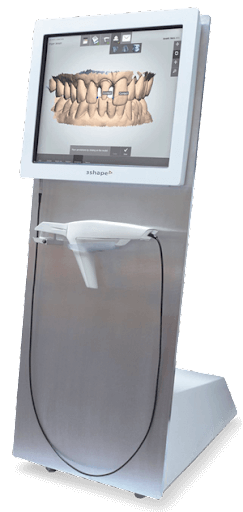
Everything starts in your chair. After the initial consultation and treatment planning, the first critical step is taking a precise impression of the patient’s arch. This impression is the blueprint for the entire case, and its accuracy is non-negotiable for achieving a perfect fit. Whether you prefer traditional PVS materials or have transitioned to digital scanning, the goal is to capture every detail of the teeth and soft tissues. For practices embracing modern technology, submitting digital cases can improve accuracy and often streamline the workflow, reducing turnaround times and making the process more comfortable for the patient.
Lab Fabrication at Next Dental Lab
Once your impression arrives at our lab, our skilled technicians get to work. The first step is creating a master cast from your impression, which serves as the exact model of the patient’s mouth. Using this model, we create a wax model of the denture, carefully setting the chosen teeth to ensure proper occlusion and aesthetics. This wax try-in is then sent back to you for a fitting. After you confirm the fit and appearance with your patient, the final phase begins. We use a specialized process to replace the wax with a durable, high-impact, gum-colored acrylic, creating a beautiful and long-lasting removable appliance.
Fitting and Final Adjustments
The final delivery appointment is where the process comes full circle. You’ll place the finished partial denture in the patient’s mouth and check for fit, comfort, and proper bite alignment. Minor adjustments are often necessary to perfect the fit, especially around the clasps and tissue-bearing surfaces. This is a normal and expected part of the process, ensuring the appliance is comfortable for all-day wear. You’ll also provide your patient with instructions on how to properly insert, remove, and care for their new partial, empowering them to maintain their restoration and oral health for years to come.
The Risks of Rushing the Process
In dentistry, precision cannot be rushed. While quick turnarounds are tempting, expediting the fabrication of an acrylic partial can lead to significant compromises in quality. A hurried process often results in a poor fit, creating sore spots and discomfort that can make a patient reluctant to wear their appliance. It can also lead to a weaker acrylic base or poorly set teeth, affecting both the durability and aesthetics of the restoration. Taking the necessary time for each step—from impression taking to wax try-ins and final processing—ensures that every detail is correct. A quality-focused lab will prioritize getting it right over getting it done fast, ultimately saving you valuable chair time on adjustments and ensuring a happier patient.
Patient Candidacy and Clinical Considerations
Beyond the technical aspects of fabrication, achieving a successful outcome with acrylic partial dentures hinges on proper patient selection and clear communication. Not every patient is an ideal candidate for this type of restoration, and understanding the clinical indications and contraindications is crucial. A thorough evaluation of the patient’s oral health, functional needs, and expectations will guide your treatment planning and help you determine if an acrylic partial is the most appropriate solution. Taking the time to have these conversations upfront sets the stage for a successful outcome, ensuring the patient understands the benefits and limitations of their new appliance. This thoughtful approach helps manage expectations and builds a foundation of trust, which is essential for patient compliance and long-term satisfaction.
Who Is an Ideal Candidate for Acrylic Partials?
Acrylic partial dentures are a versatile solution that can meet the needs of many different patients. They are an excellent choice for individuals who are missing several teeth and are looking for a cost-effective restoration. They also serve as a great transitional appliance for patients who plan to get dental implants in the future but need a functional and aesthetic solution in the interim. Additionally, acrylic partials are a suitable option for patients who may not be candidates for more invasive procedures due to medical reasons or bone loss. By offering a reliable and affordable choice, you can provide effective restorative care to a broader segment of your patient population.
Contraindications: When to Avoid Acrylic Partials
While acrylic partials are highly effective in many situations, they are not a one-size-fits-all solution. It’s important to identify patients for whom this type of appliance may not be the best choice. For instance, patients with advanced periodontal disease may not have stable abutment teeth to support a partial. Similarly, for a patient who is fully edentulous, a full denture would be the appropriate treatment. You should also exercise caution with patients who have a heavy bite or are known bruxers, as the acrylic base and clasps may be more prone to fracture under extreme force. In these cases, a cast metal partial might be a more durable alternative.
Discussing Potential Risks with Patients
An essential part of the consultation process is having a transparent discussion about the potential risks and adjustment period associated with a new partial denture. Patients should understand that it’s common to experience some initial discomfort or sore spots as their mouth adapts to the appliance. You should also inform them that a partial denture can trap food particles and requires diligent oral hygiene to prevent decay or inflammation around the supporting teeth. Openly discussing these possibilities helps manage expectations and prepares the patient for the adaptation phase. This informed consent process not only protects your practice but also empowers the patient, making them an active partner in their own oral health journey.
How to Find the Right Acrylic Partial Denture Lab
Choosing a dental lab for your acrylic partials is a major decision that directly impacts your patients’ comfort and your practice’s reputation. The right partner delivers consistent quality, embraces modern technology, and communicates clearly, making your job easier. But with so many options out there, how do you identify a lab that truly excels? It comes down to looking for a few key indicators of quality and reliability. By focusing on standards, technology, precision, and materials, you can confidently select a lab that will become a valuable extension of your team.
Look for Key Quality Standards and Certifications
Your patients trust you, and you need to trust your lab. A top-tier lab is transparent about its quality control and should be using premium, industry-recognized materials for its removables. For example, some of the best resins and equipment are known for creating high-quality partials that are both durable and comfortable. Don’t hesitate to ask a potential lab about their certifications, like DAMAS or ISO. These aren’t just acronyms; they represent a commitment to consistent processes and predictable, high-quality results. A lab that invests in these standards is investing in the success of your cases.
Why Digital Workflows Lead to Better Customization
The days of inconsistent, manually produced partials are fading. Today’s leading labs have embraced digital dentistry to create incredibly precise and comfortable appliances. Labs that use automated CAD/CAM systems can design dentures with an improved fit, which reduces human error and speeds up the production process. This means fewer adjustments, less chair time, and happier patients. When vetting a lab, ask about their digital capabilities. A lab that makes it easy to submit digital scans and uses that data to craft superior partials is a lab that is focused on the future and on providing the best possible outcome for your practice.
Demand Technical Precision for a Perfect Fit
Acrylic partials are known as a cost-effective treatment, but that should never mean compromising on fit. An ill-fitting partial can cause sore spots, instability, and patient dissatisfaction, reflecting poorly on your practice. The best labs understand that technical precision is everything. Their technicians have the skill and experience to create a partial that fits securely and comfortably from the first try-on. A lab’s commitment to an accurate fit is a direct reflection of their overall quality. When you find a lab that consistently delivers well-fitting removables, you save valuable chair time and build patient trust.
Question Their Material Sourcing and Manufacturing Process
The final quality of an acrylic partial is directly tied to the materials used to make it. Not all acrylics are the same, and a great lab will be open about what they use. Ask about the source of their acrylic resin—is it a reputable brand known for its strength and biocompatibility? High-quality acrylic resin is essential for both the denture base and the teeth, ensuring the final product is durable, stain-resistant, and looks natural. A lab that is proud of its materials will gladly provide you with this information. This transparency is a key sign that you’re working with a partner who refuses to cut corners on quality.
Your Checklist: Questions for a Potential Dental Lab
Finding the right lab is like building any other professional relationship—it starts with asking the right questions. Before you commit to a partnership, it’s important to have a clear conversation to ensure their standards, processes, and values align with your practice’s needs. A great lab will be transparent and ready to answer your questions in detail. This initial diligence helps you find a partner who can consistently deliver high-quality restorations, which ultimately reflects on your patient care. Getting clarity on these key areas from the start will save you time, prevent misunderstandings, and help you build a strong, long-lasting relationship with your lab.
Ask About Their Materials and Processes
The quality of an acrylic partial denture depends heavily on the materials used and the lab’s manufacturing process. Not all acrylic resins are created equal, so it’s smart to ask what specific materials a lab uses and why. A reputable lab should be able to explain their sourcing and the benefits of their chosen materials for durability, aesthetics, and biocompatibility. Also, ask about their fabrication techniques. Do they use traditional methods, digital workflows, or a combination? Understanding their process gives you insight into the precision and consistency you can expect from their removable prosthetics. This knowledge helps you ensure your patients receive a comfortable, long-lasting, and high-quality restoration.
What Are Their Typical Turnaround Times?
Managing patient expectations is a huge part of running a successful practice, and lab turnaround times play a big role in that. Before sending your first case, get a clear understanding of the lab’s production schedule. Ask for their average turnaround time for acrylic partials, from the day they receive the impression to the day it ships. Find out if they offer rush services and what the associated costs are. A reliable lab will provide a consistent and predictable schedule, allowing you to book follow-up appointments with confidence. This simple question helps prevent delays and keeps your office running smoothly, ensuring a positive experience for both your team and your patients.
What Is Their Policy on Warranties and Adjustments?
A lab’s confidence in its work is often reflected in its warranty and adjustment policies. It’s essential to ask what kind of guarantee they offer on their acrylic partials. What does the warranty cover, and for how long? What is the process if a restoration needs an adjustment or a remake? A transparent policy with clear terms for adjustments provides a safety net and shows that the lab stands behind its products. This isn’t just about fixing potential problems; it’s about knowing you have a partner who is committed to getting the fit right and ensuring both you and your patient are completely satisfied with the final result.
How Will You Communicate and Track Cases?
Clear and efficient communication is the foundation of a great lab partnership. Ask a potential lab how they handle case communication. Is there a dedicated point of contact for your practice? Do they have an online portal for submitting cases and tracking their progress? For practices that have embraced digital dentistry, it’s especially important to confirm how they receive and manage digital scans. A streamlined system for sending files, asking questions, and receiving updates can prevent errors and save valuable time. A lab that invests in modern communication tools demonstrates a commitment to efficiency, accuracy, and a seamless workflow for your practice.
How Do Acrylic Partials Compare to Other Materials?
When you’re helping a patient choose a partial denture, the material makes all the difference. Acrylic partials are a popular choice, but understanding how they stack up against other options is key to guiding your patient toward the best outcome for their specific clinical needs, budget, and aesthetic preferences. The right appliance can restore chewing function and confidence, but success depends on matching the patient to the right material and design. Let’s look at how acrylics compare to metal framework and flexible partials.
Acrylic Partials vs. Metal Frameworks
The most traditional alternative to acrylic is the cast metal framework partial. These are known for their strength and durability, often lasting for many years with proper care. Because they are tooth-supported rather than tissue-supported, they offer excellent stability and have a thinner, less bulky profile that many patients find more comfortable. The main drawback is aesthetics—the metal clasps can sometimes be visible when a patient smiles. Acrylic partials, on the other hand, use gum-colored acrylic and clasps, offering a more natural look. They are also lighter and generally more affordable, making them an accessible option for many patients.
Acrylic Partials vs. Flexible Partials
Flexible partials are another excellent aesthetic choice, prized for their comfort and lifelike appearance. Made from a thin, pliable thermoplastic nylon resin, they blend seamlessly with the patient’s natural gum tissue, and their clasps are non-metal. While acrylic is rigid, flexible partials adapt to the constant movement in the mouth, providing a comfortable fit. However, acrylic partials are often easier for you to adjust, repair, and reline in-office. High-quality removable partials fabricated by a skilled lab can offer the best of both worlds: esthetics and function, whether you choose a flexible or acrylic design.
Key Disadvantages to Consider
While acrylic partials offer significant benefits in aesthetics and affordability, it’s just as important to understand their limitations. Being upfront with patients about the potential downsides helps manage their expectations and ensures they can make an informed decision about their treatment. Acknowledging these factors allows you to prepare patients for the adjustment period and educate them on proper care, which leads to greater long-term satisfaction. When you have a clear picture of both the pros and cons, you can confidently recommend the best type of removable appliance for each unique clinical situation.
Bulkiness and Initial Discomfort
One of the most common pieces of feedback from patients new to acrylic partials is that they can feel bulky. Compared to the sleeker profile of a cast metal framework, the acrylic base needs more volume to achieve the necessary strength and stability. This added thickness can feel foreign in the mouth at first, sometimes affecting speech or creating a sense of fullness. It’s crucial to let patients know that this is a normal part of the adjustment period. With time, most patients adapt to the feel of the appliance, but setting this expectation from the beginning can prevent frustration and help them through the initial phase of wearing their new partial.
Durability and Fracture Risk
Acrylic is a strong material, but it isn’t as durable as cast metal. Acrylic partials are more susceptible to wear and tear over time and can fracture if they are dropped on a hard surface or subjected to extreme biting forces. Because of this, they may need to be replaced more frequently than their metal counterparts, often within five to eight years. Educating patients on how to properly handle and clean their partial is essential for extending its lifespan. While they are more prone to breaking, one advantage is that acrylic is often easier and less expensive to repair or reline, making maintenance more straightforward.
When to Recommend Acrylics to Your Patients
Acrylic partial dentures are a versatile tool in your restorative toolkit. They are an ideal recommendation in several common scenarios. As one of the most cost-effective treatment options, acrylic partial dentures are perfect for patients working within a specific budget. They also serve as excellent transitional or temporary appliances, holding space and maintaining function while a patient waits for a more permanent solution like a bridge or dental implant. For patients who need to replace just one or two teeth, an acrylic partial provides a simple, effective, and non-invasive solution that gets the job done beautifully.
What Makes an Ideal Lab Partner?
Choosing a dental lab is more than a transaction; it’s about finding a partner who shares your commitment to patient care and practice efficiency. The right lab becomes an extension of your team, consistently delivering high-quality restorations that minimize chair time and maximize patient satisfaction. This partnership is built on trust, clear communication, and a shared understanding of your clinical goals. When you find a lab that aligns with your standards for quality, technology, and service, you create a seamless workflow that benefits everyone, from your front office to the patient in the chair.
Why Dentists Partner with Next Dental Lab
Dentists choose a lab partner for a variety of reasons, but it often comes down to reliability and value. A key factor is finding a lab that offers cost-effective solutions without ever compromising on quality. For instance, an acrylic partial denture is often one of the most affordable treatment options for patients with one or two missing teeth. Partnering with a lab that can produce these restorations with precision and high-quality materials allows you to provide accessible care. This combination of affordability and dependable craftsmanship is why so many dental professionals trust a lab like Next Dental Lab to support their practice and meet patient needs effectively.
What Sets Top Labs Apart from the Rest?
The best dental labs stand out by offering a wide range of high-quality products and materials. This flexibility allows you to meet the unique clinical needs and preferences of every patient. Top-tier labs provide a comprehensive selection of full and partial dentures made from various denture teeth, flexible materials, and advanced acrylics. They understand that a successful restoration balances aesthetics with function. By fabricating partials that are not only beautiful and adaptive but also possess the strength and durability of traditional acrylics, these labs ensure your patients leave with a comfortable, confident, and long-lasting smile. This commitment to variety and excellence is a hallmark of a truly exceptional lab partner.
How to Spot a High-Quality Laboratory
When evaluating a potential lab, pay close attention to their materials and manufacturing processes. A high-quality lab is transparent about its material sourcing and leverages proven materials like heat-cured acrylics for their strength, durability, and aesthetic properties. Beyond materials, look for a lab that embraces innovation and modern technology. A commitment to digital dentistry solutions is a strong indicator of a forward-thinking partner dedicated to precision and efficiency. Labs that invest in advanced equipment and premium resins are better equipped to craft superior removable partials and dentures, ensuring they can meet the evolving needs of your practice and deliver consistently excellent results.
How to Solve Common Issues with Acrylic Partials
Acrylic partials are a fantastic solution for many patients, but they aren’t without potential challenges. When patients report discomfort, irritation, or a loose fit, the issue often traces back to the lab work. Partnering with a lab that anticipates and solves these problems from the start is key to patient satisfaction and minimizing your chair time. A great lab understands that a successful restoration goes beyond just filling a space—it’s about creating something that feels natural and functions flawlessly. By focusing on three critical areas—fit, materials, and durability—you can provide a comfortable and long-lasting appliance that your patients will appreciate for years to come.
Preventing Discomfort with a Proper Fit
An ill-fitting acrylic partial can do more than just feel uncomfortable—it can cause genuine injuries to the oral mucosa. A precise fit is non-negotiable for preventing sore spots, inflammation, and patient complaints. This all starts with a great impression, but it’s the lab’s responsibility to translate that into a perfectly adapted appliance. Modern labs that embrace digital workflows have a distinct advantage here, as digital scans and designs can achieve a level of accuracy that reduces the need for frustrating adjustments. When your lab gets the fit right the first time, your patients stay happy and healthy, and your schedule stays on track.
Minimizing Irritation with High-Quality Materials
Gum irritation is one of the most frequent complaints from partial denture wearers, and the culprit is often the material itself. Low-quality acrylics can contain residual monomers or have a porous surface that harbors bacteria, leading to inflammation and discomfort. A top-tier lab will always use high-quality, biocompatible acrylics that are dense, polishable, and gentle on soft tissues. When vetting a lab, don’t hesitate to ask about the specific materials they use for their removable partials. Transparency about material sourcing is a clear sign of a lab that prioritizes patient well-being over cutting costs.
Addressing Common Stability and Durability Concerns
Patients need to trust that their partial denture can withstand the rigors of daily life. A restoration that feels fragile or is prone to bending and breaking can undermine that confidence and lead to costly remakes. Durability comes from a combination of superior materials and expert craftsmanship. A skilled technician knows how to design a partial with adequate thickness and strength without adding unnecessary bulk. Choosing a lab that is committed to quality craftsmanship ensures your patients receive a reliable appliance that provides stability and function for years to come, reinforcing their trust in your practice.
Clinical Guidance for a Successful Outcome
The moment you receive a perfectly crafted acrylic partial from your lab is just the beginning. A successful outcome hinges on what happens next in your chair and the education you provide to your patient. The final delivery and fitting are where your clinical expertise and the lab’s precision craftsmanship come together. A well-made appliance simplifies this process, but your guidance is what transforms a dental device into a comfortable and functional part of your patient’s life. Setting clear expectations and providing actionable instructions for care will ensure the restoration lasts and your patient remains satisfied long after they leave your office.
Step-by-Step Instructions for Seating a New Denture
When seating a new partial, begin by ensuring both the appliance and the patient’s mouth are clean. Rinse the denture with warm water before gently placing it into the patient’s mouth with your fingers, never forcing it into position. Guide the patient to bite down slowly and naturally to help settle the appliance. This initial placement allows you to perform a preliminary check of the fit and comfort. A high-quality removable partial should seat with minimal effort, demonstrating the precision of the lab’s fabrication process and saving you valuable chair time on adjustments.
Once seated, carefully evaluate the fit. Check for any pressure points on the soft tissue using a pressure-indicating paste. Assess the stability and retention, ensuring the clasps engage the abutment teeth securely without causing excessive force. Use articulating paper to verify the occlusion is balanced and comfortable for the patient. Minor adjustments are sometimes necessary, but a partial denture fabricated from precise digital impressions should require very little modification. This meticulous final check ensures the patient leaves with a comfortable, secure, and functional restoration.
Advising Patients on Denture Care and Daily Use
Empowering your patients with the right information is critical for the long-term success of their new acrylic partial. Their daily habits will directly impact the appliance’s longevity, appearance, and comfort, as well as their overall oral health. Providing clear, simple instructions for cleaning, eating, and speaking helps manage their expectations during the initial adjustment period and establishes a routine for proper care. This guidance not only protects their investment but also reinforces their trust in you as their provider. A well-informed patient is more likely to adapt successfully and maintain both their appliance and their oral hygiene.
Daily Cleaning and Maintenance Routine
Instruct your patients to clean their partial denture every day to remove food particles and prevent plaque buildup. They should use a soft-bristled denture brush and a non-abrasive denture cleaner or mild soap—never regular toothpaste, which can scratch the acrylic surface. To avoid accidental damage, advise them to clean the appliance over a folded towel or a sink filled with water. This simple precaution can prevent a costly fracture if the partial is dropped. A consistent daily cleaning routine is the best way to keep the denture looking fresh and feeling comfortable.
It’s also essential for patients to remove their partial denture at night while they sleep. This allows their gum tissues to rest and promotes better oral hygiene. When the partial is out of their mouth, it should be soaked in a denture solution or plain water to keep the acrylic from drying out and becoming brittle. Remind them to rinse the partial thoroughly before placing it back in their mouth in the morning. Following these steps will help maintain the integrity of the appliance and support the health of the underlying tissues.
Tips for Eating and Speaking with New Partials
The initial adjustment period for a new partial denture requires patience, especially when it comes to eating and speaking. Advise your patients to start with soft foods cut into small, manageable pieces. Encourage them to chew slowly and use both sides of their mouth simultaneously to keep the denture stable. They should avoid sticky, chewy, or very hard foods at first until they become more comfortable and confident. Reassuring them that their chewing efficiency will improve with practice can make the transition feel much less daunting and more successful.
Speaking with a new appliance can also feel awkward initially, as the tongue and lips need time to adapt. Some words may sound different, and the partial might feel bulky. A great tip is to have patients practice reading a book or newspaper aloud for a few minutes each day. This simple exercise helps them acclimate to the feel of the denture more quickly and retrains their muscles for clear speech. Let them know that with a little time, speaking will feel completely natural again.
The Importance of Regular Follow-Up Appointments
Emphasize to your patients that follow-up appointments are a crucial part of their treatment plan. The first few weeks after receiving a new partial are especially important for making minor adjustments to relieve any sore spots and perfect the fit. These initial check-ups ensure the appliance is as comfortable as possible and functions correctly. Scheduling these appointments proactively shows your commitment to their comfort and helps address small issues before they become significant problems, leading to a much better patient experience.
Beyond the initial adjustment period, regular dental check-ups are essential for long-term success. The human mouth is dynamic; bone and gum tissues can change over time, which may affect how the partial fits. During routine visits, you can assess the health of the supporting teeth and gums, check the stability of the denture, and determine if a reline is needed. These appointments are vital for maintaining oral health and ensuring the longevity of the restoration, protecting both the patient’s smile and their overall well-being.
Mistakes to Avoid When Choosing a Lab
Finding the right lab partner is one of the most important decisions you’ll make for your practice. The quality of their work directly reflects on you and impacts your patients’ daily lives. A great lab becomes an extension of your team, while a poor choice can lead to chairside frustrations, costly remakes, and unhappy patients. To make sure you build a strong and reliable partnership, it helps to know what common pitfalls to look out for. Steering clear of these mistakes will help you find a lab that not only delivers exceptional restorations but also supports your practice’s growth and reputation.
Don’t Sacrifice Quality for a Lower Price
It’s always tempting to go with the lowest quote, but when it comes to dental restorations, price shouldn’t be the only factor. The quality of acrylic resins and manufacturing processes can vary dramatically between labs. Opting for a cheaper lab might mean they use subpar materials or cut corners during fabrication. Even minor missteps during the process can lead to significant issues for your patients, from poor fit and discomfort to premature breakage. Investing in a lab that prioritizes high-quality removables from the start saves you valuable chair time, reduces the need for adjustments, and protects your professional reputation.
Never Overlook Communication and Support
A dental lab should be more than just an order taker; they should be a collaborative partner. When a partial denture is designed or placed incorrectly, patients can struggle with everything from eating to speaking clearly. This is where a lab’s communication and support system proves its worth. You need a team that is responsive, easy to reach, and willing to discuss case details with you. A great lab partner will offer clear channels for submitting cases, tracking progress, and providing feedback. Prioritizing labs that offer excellent support through digital case solutions ensures a smoother workflow and better results for every patient.
Always Double-Check Their Certifications and Standards
Before committing to a lab, take the time to verify their credentials and quality standards. Reputable labs are proud of their certifications and the high-quality materials they use. Don’t hesitate to ask if their technicians are certified and what kind of quality control measures they have in place. A lab that uses premium, FDA-approved resins and advanced equipment is more likely to produce strong, durable, and esthetically pleasing partials. Verifying that a lab adheres to high manufacturing standards gives you confidence that you’re providing your patients with a safe, reliable, and long-lasting restoration.
Breaking Down the Cost of Acrylic Partials
When you’re choosing a lab for acrylic partials, the price is always a factor. But the final number on an invoice doesn’t tell the whole story. The cost is tied directly to the materials, craftsmanship, and technology that go into creating a comfortable and durable restoration for your patient. Understanding these variables helps you make an informed decision that goes beyond the bottom line and focuses on long-term value for your practice.
Understanding the Cost, Lifespan, and Durability
Helping patients understand the investment in their oral health involves a clear conversation about cost, how long their new appliance will last, and how durable it will be. Here’s a breakdown of what you can typically expect with acrylic partials, so you can set clear expectations from the start.
Typical Price Range for Patients
Acrylic partial dentures are one of the most cost-effective treatment options you can offer, making them an excellent choice for patients working within a budget. The price for patients typically ranges from $500 to $1,500, though this can vary based on factors like the number of teeth being replaced, any necessary extractions, and regional price differences. Their affordability makes it possible for you to provide essential restorative care to a wider range of patients, ensuring more people can regain a functional and confident smile without a prohibitive price tag getting in the way.
Expected Lifespan with Proper Care
With diligent care, patients can expect their acrylic partials to last between five and ten years. It’s wise, however, to set the expectation that they may need replacement around the five-year mark, as the material can wear down more quickly than cast metal frameworks. The ultimate longevity of the appliance comes down to the quality of the materials and the skill of the lab that fabricates it. A partial made from high-impact, premium acrylics will be far more resistant to daily wear and less prone to breakage, ensuring a better long-term outcome for your patient and fewer follow-up issues for your practice.
What Factors Influence Lab Costs?
The cost of an acrylic partial denture can vary significantly from one lab to another, and it’s usually for a few key reasons. The quality of the resin and the denture teeth used are major drivers. Premium materials that offer superior durability and esthetics will naturally come at a higher price point than standard options. The complexity of the case also plays a big role. A simple design is less labor-intensive than a complex partial requiring intricate clasps and a highly customized fit. Finally, the manufacturing process itself influences the cost. A lab that invests in digital workflows and precision technology may have different pricing, but the result is often a more accurate and predictable fit.
How to Balance Value and Price
While acrylic partials are known for being a cost-effective solution, the cheapest option isn’t always the best value. It’s important to think about the total cost over the life of the restoration. A low-cost partial made with inferior materials might save money upfront, but it could lead to more frequent adjustments, patient complaints, and a shorter lifespan, ultimately costing you more in chair time and remakes. True value comes from finding a lab that uses quality, durable materials to produce reliable removables. This approach ensures patient satisfaction, protects your reputation, and minimizes follow-up appointments, making it a smarter investment for your practice in the long run.
Getting Quotes Without Compromising on Quality
When comparing labs, it’s essential to ensure you’re comparing apples to apples. Instead of just looking at the price list, ask for details about the specific materials they use for their acrylics and denture teeth. A transparent lab partner will be happy to discuss their sourcing and explain why they’ve chosen certain materials. At Next Dental Lab, we offer a range of high-quality acrylics and teeth to fit different clinical needs and budgets. By focusing on efficient processes and strong supplier relationships, we provide competitive pricing without ever sacrificing the quality your patients deserve. This allows you to offer an affordable solution that you can still place with complete confidence.
How to Build a Great Lab Partnership
Finding a lab that produces quality acrylic partials is just the first step. The real magic happens when you cultivate a strong, collaborative relationship. Think of your dental lab not as a supplier, but as an extension of your clinical team. A true partnership is built on clear communication, mutual respect, and a shared commitment to patient outcomes. When your practice and your lab are perfectly in sync, you’ll see fewer remakes, save valuable chair time, and consistently deliver results that make your patients smile.
Set Clear Expectations from Day One
A great partnership starts with getting on the same page from the very first case. Before you send anything off, have a detailed conversation about your specific standards and preferences. This includes everything from material choices and shade matching to your expectations for fit and finish. Choosing the right removables involves a holistic evaluation, and your lab needs to understand what matters most to you and your patients. Don’t be afraid to over-communicate your requirements for aesthetics and function. Establishing these clear benchmarks upfront prevents misunderstandings and ensures the lab can consistently meet your standards, creating a smooth workflow from day one.
Maintain Open and Effective Communication
Consistent, clear communication is the backbone of a successful lab relationship. For every case, provide detailed prescriptions and high-quality impressions or scans. Modern digital case solutions make it easier than ever to send precise information to your lab technician, minimizing guesswork. Remember that when restorations are made incorrectly, it can affect everything from the patient’s ability to eat to their self-confidence. Encourage your lab to call with questions, and be responsive when they do. This open dialogue ensures that any potential issues are addressed early, leading to better final results and preventing frustrating and costly remakes for your practice.
How a Great Lab Partnership Benefits Your Practice
Investing time in building a strong lab partnership pays dividends for years to come. A reliable lab that understands your clinical style delivers predictable, high-quality results, which means fewer adjustments and happier patients. This consistency strengthens your practice’s reputation and fosters patient loyalty. When you trust your lab, you can have more confidence in the treatment plans you present. Partnering with an experienced lab that specializes in the products you need, like the team at Next Dental Lab, helps ensure you can transform your patients’ smiles and restore function effectively, solidifying your practice as a trusted provider in your community.
Related Articles
- How to Make Partial Dentures Fit Better for Patients
- Helping Patients Choose Between Acrylic And Flexible Dentures – Next Dental Lab
- How Acrylic Materials Enhance Various Dental Procedures – Next Dental Lab
- How To Tell If Partial Dentures Without Metal Clasps Are Right For Your Patients – Next Dental Lab
Frequently Asked Questions
Are acrylic partials only meant to be a temporary solution? Not at all. While they are an excellent choice for transitional use while a patient waits for implants, a well-fabricated acrylic partial can absolutely serve as a durable, long-term restoration. When made with high-quality, heat-cured acrylics and designed for a precise fit, they can provide years of reliable function and aesthetics for your patients.
My patient is worried about visible metal clasps. What are my options with acrylic partials? This is a common and valid concern. While traditional acrylic partials often use small metal clasps for retention, a skilled lab can strategically place them to minimize visibility. For patients who want a completely metal-free option, you can also discuss flexible partials or other designs that use gum-colored clasps to blend in more naturally with their smile.
How much chair time should I expect for adjustments on a well-made acrylic partial? Ideally, very little. A partial denture crafted with precision by a high-quality lab should require minimal to no adjustments at the delivery appointment. When a lab uses accurate impressions or digital scans and focuses on a perfect fit during fabrication, you can expect a restoration that seats comfortably right away, saving you significant chair time.
Can acrylic partials be repaired or relined easily if a patient loses another tooth? Yes, and this is one of their biggest advantages. Acrylic is a very adaptable material, making it straightforward for a lab to add a new tooth to the existing partial or perform a reline to improve the fit over time. This adaptability makes them a practical and cost-effective choice for patients whose dental situation may change in the future.
How does a digital workflow specifically improve the fit of an acrylic partial? Submitting a digital scan instead of a traditional impression allows the lab to create a highly accurate 3D model of the patient’s mouth. This eliminates the distortions that can occur with physical impression materials. The lab technician can then design the partial on a computer with incredible precision, ensuring the final appliance adapts perfectly to the patient’s tissues and remaining teeth for a superior fit from day one.