
How do you address the needs of a patient who requires a partial denture but is adamant about avoiding any visible metal? This common clinical scenario highlights the importance of having aesthetic alternatives in your restorative toolkit. For these cases, partial dentures without metal clasps are an ideal solution, providing excellent function without compromising the patient’s smile. These appliances use biocompatible, flexible materials to achieve retention, making them perfect for patients with metal sensitivities or high aesthetic demands. Below, we’ll discuss the different material options, their specific advantages, and the key considerations for identifying the perfect candidate for this modern restorative option.
Partial dentures without metal clasps offer a discreet and comfortable alternative to traditional options. Many patients seek a solution that blends seamlessly with their natural teeth while avoiding the visibility of metal. These dentures provide flexibility, allowing for a more secure and natural fit. They cater to individuals who prioritize aesthetics without compromising function. Their lightweight design and improved adaptability make them a preferred choice for many dental professionals.
Determining the right option for your patients involves evaluating key factors such as comfort, durability, and maintenance. In many cases, these restorations work well alongside other prosthetic options such as crown and bridge solutions, depending on the patient’s overall treatment plan.
What Are Partials Without Metal Clasps Made Of?
When patients ask for partials without the tell-tale gleam of metal, you have several excellent materials to choose from. Each one offers a unique combination of flexibility, durability, and aesthetics to meet different clinical needs and patient preferences. The growing demand for more natural-looking restorations means that understanding the composition of these modern partials is key to guiding your patients toward the best possible solution for their smile. These options are a crucial part of the removable prosthetics landscape, providing functional and beautiful results that build patient confidence and satisfaction with their treatment outcome.
Nylon Thermoplastics
One of the most popular materials for metal-free partials is nylon thermoplastic. This material is known for its incredible flexibility and softness, which translates to a comfortable fit that requires minimal adjustment. Because it’s so pliable, it adapts closely to the natural contours of the mouth, allowing for easier chewing and speaking without the rigidity of a metal frame. Aesthetically, nylon thermoplastics are a fantastic choice. As noted by The Dental Lab, the material is often clear or gum-colored, which allows it to blend in seamlessly with the patient’s natural teeth and gums. This eliminates the need for visible clasps, giving patients the confidence that their partial denture looks completely natural.
Acetal Resin
Acetal resin is another leading material for creating discreet and effective partial dentures. It’s a semi-flexible plastic that is precision-milled using CAD/CAM technology, ensuring a highly accurate and secure framework. This digital approach aligns perfectly with modern practices that have chosen to go digital, resulting in fewer chairside adjustments and a more predictable fit. Unlike the clasps on traditional partials, the clasps on an acetal resin partial are tooth-colored and designed to sit low on the natural teeth for excellent retention while remaining virtually invisible. According to Stomadent Dental Lab, this allows the partial to blend in effectively without showing any metal, offering a great balance of function, durability, and aesthetics.
Hybrid and Temporary Options
Beyond nylon and acetal resin, you can also consider hybrid designs and temporary options made from heavy-duty plastics. These materials are a significant step up from traditional acrylic “flippers,” as they look and feel more natural while allowing for functional chewing. They are an excellent choice for patients who need an interim solution during the healing phase for dental implants or as a diagnostic tool in a complex case. It’s important to note that their flexible nature means they might move slightly under pressure, a detail worth discussing during patient consultations. As Patterson Family Smiles points out, these partials tend to flex, which is a key characteristic of their design and intended use as a transitional restoration.
How Comfortable Are Partials Without Metal?
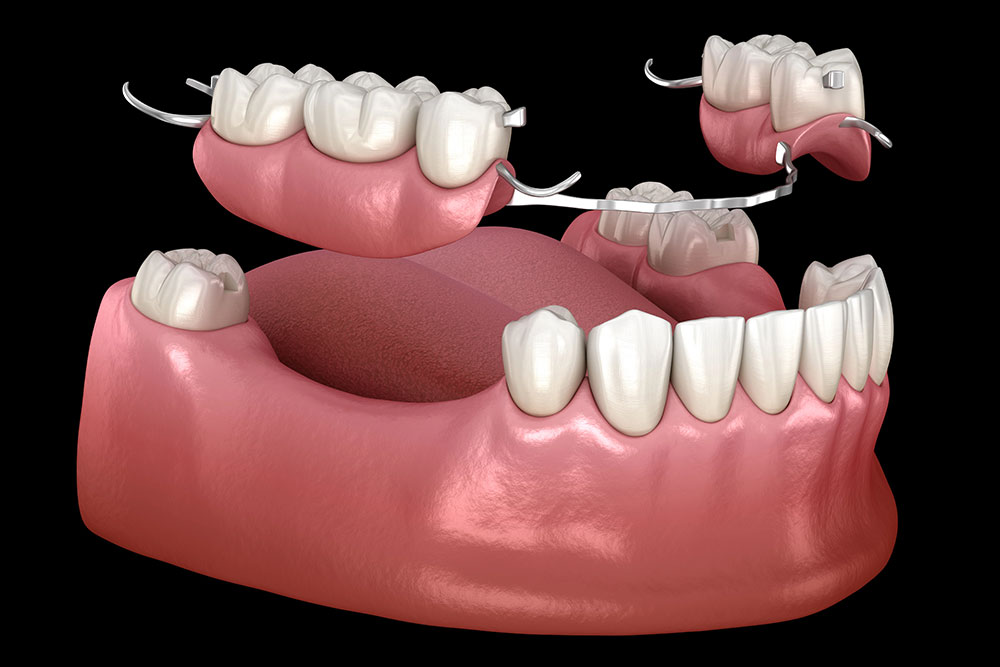 Comfort plays a significant role in long-term denture satisfaction. Patients often experience irritation and pressure points with metal clasps, which can cause discomfort over time. Dentures without metal clasps eliminate this issue by utilizing flexible materials that conform to the natural contours of the gums. This reduces friction and provides a secure fit without placing stress on surrounding teeth. The lightweight nature of these dentures also makes them easier to wear throughout the day. A proper fit ensures stability during chewing and speaking. The material used in these dentures allows for slight adjustments, enhancing their adaptability. Unlike rigid metal clasps, the flexible base distributes pressure evenly, minimizing the risk of sore spots. Patients benefit from a more natural feel that integrates smoothly with their oral structure, improving overall comfort.
Ideal for Patients with Allergies
For patients with known metal sensitivities, traditional partials can be a non-starter. The metal clasps, often containing nickel or other alloys, can trigger allergic reactions, leading to inflammation and discomfort. This is where metal-free partials truly shine. Crafted from biocompatible thermoplastic resins, these flexible dentures eliminate the risk of metal-related allergies, making them a safe and comfortable long-term solution for sensitive patients. The material is lightweight and fits snugly against the gums without causing irritation. Beyond being hypoallergenic, these materials are also durable and often resistant to stains and odors, ensuring both patient health and satisfaction with their restoration.
Will People Notice My Partial Denture?
Patients often worry about the visibility of metal clasps when they smile or speak. Traditional partial dentures can draw attention due to their metallic appearance. Dentures without metal clasps blend seamlessly with the surrounding teeth and gums, creating a more natural look. The translucent material closely mimics the shade of gum tissue, making the denture nearly invisible in the mouth. This enhances patient confidence and satisfaction. Aesthetic appeal plays a crucial role in long-term wearability. Many patients prefer a restoration that does not compromise their appearance. These dentures achieve that by eliminating metal components that can stand out. The flexible material allows for a snug fit without relying on visible attachments, ensuring a discreet solution.
How Gum-Colored Clasps Work
Gum-colored clasps are a significant innovation in partial denture design, offering both aesthetic and functional advantages. Unlike traditional metal clasps that can be quite noticeable, these are crafted to blend in with the natural gum tissue. This is accomplished by using flexible, lightweight materials that match the color and texture of the gums, making the removable partials almost invisible when worn. The clasps are engineered to hug the gums rather than the teeth, which not only improves the denture’s appearance but also enhances comfort and stability. This design minimizes the risk of irritation and pressure points commonly associated with metal clasps, leading to a better patient experience and a more secure fit for daily activities like chewing and speaking.
Are Flexible Partials Built to Last?
Strength and longevity matter when selecting a partial denture. The materials used in these dentures offer a combination of flexibility and resilience, allowing them to withstand daily wear. Unlike rigid metal-based options, these dentures can absorb minor impacts without breaking. This reduces the likelihood of fractures and extends their lifespan. Flexibility contributes to durability by preventing stress fractures. The denture base adapts to changes in the mouth over time, reducing the risk of cracking under pressure. While they may not match the strength of metal frameworks, they provide a reliable solution for patients seeking comfort without compromising longevity. Proper care and regular check-ups further enhance their performance.
Understanding Material Warranties
When you’re considering partial dentures without metal clasps for your patients, it’s helpful to look at the materials and the warranties that come with them. Many of these restorations are crafted from advanced flexible materials, like nylon thermoplastics, which offer a great mix of comfort, durability, and aesthetics. The warranties for these materials can differ between labs and manufacturers, but they typically cover defects in the material or craftsmanship. This gives both you and your patient confidence in the quality of the restoration. Explaining these details to patients helps manage their expectations and reinforces their trust in the treatment plan. The durability of these flexible removables is a key benefit, and a solid warranty backs up that promise of longevity.
Key Considerations and Limitations
While partials without metal clasps offer significant advantages in comfort and aesthetics, it’s important to have a complete picture. Understanding their limitations helps you guide your patients toward the best possible solution for their specific clinical needs and lifestyle. Not every patient is a perfect candidate, and managing expectations from the start is key to a successful outcome. Considering factors like the patient’s existing oral health, the appliance’s functional characteristics, and long-term adaptability will ensure you make a recommendation that leads to lasting satisfaction and function.
Functional Limitations
One of the main draws of these partials is their flexibility, but this feature can also introduce certain functional trade-offs. To achieve adequate strength and fill the gaps left by missing teeth, the material can sometimes feel slightly bulkier compared to the thin, rigid framework of a traditional cast metal partial. For some patients, this may require a brief adjustment period as they get used to the feel of the appliance in their mouth. It’s a different sensation than metal, and while many find it more comfortable overall, the initial perception of size is a valid consideration to discuss during the consultation process.
Patient Suitability
Determining the right candidate is crucial for the success of a flexible partial denture. These appliances are an excellent choice for patients who prioritize a metal-free, comfortable, and natural-looking option. They perform best when there are still healthy, stable teeth available to provide support for the denture. Patients with known metal allergies or sensitivities are also ideal candidates. However, it’s equally important to identify situations where this option may not be suitable. A thorough evaluation of the patient’s overall oral health is essential, as these removable solutions rely on the integrity of the remaining dentition.
Maintenance, Adjustments, and Repairs
The longevity and appearance of any dental prosthetic depend heavily on proper care, and partials without metal clasps are no exception. Educating your patients on the correct maintenance routine is a critical step in ensuring their appliance remains functional and beautiful for years to come. Unlike traditional acrylic dentures, these flexible materials have unique properties that call for specific cleaning protocols. Furthermore, understanding the possibilities and limitations regarding future adjustments and repairs will help set clear expectations for the lifespan of the restoration.
Special Cleaning Requirements
To keep these partials looking their best, patients need to follow a specific cleaning regimen. The thermoplastic materials are non-porous, which helps resist staining and odor absorption, but they can be damaged by improper care. It’s best to advise patients to use cleaning solutions specifically designed for flexible partials to maintain their clarity and prevent discoloration. Abrasive toothpastes and stiff-bristled brushes should be avoided, as they can scratch the surface of the denture, creating areas where bacteria can accumulate. A soft-bristle brush and gentle, non-abrasive cleanser are all that’s needed for daily cleaning.
Repair and Reline Capabilities
A significant consideration for these dentures is their capacity for modification. Due to the unique nature of the thermoplastic material, adjustments, repairs, and relines are more complex than with traditional acrylic dentures. In many cases, the material cannot be easily added to, meaning a reline isn’t possible. If a patient’s gums recede or another tooth is lost, the entire appliance often needs to be remade to ensure a proper fit. This is a vital point to cover with patients during treatment planning, as it impacts the long-term adaptability of the denture compared to other restorative options.
Why Choose Next Dental Lab for Your Partials?
Next Dental Lab excels in crafting high-quality dental restorations, including crowns, bridges, dentures, and implants, at prices up to 50% lower than competitors. We use advanced technology to craft flexible partial dentures that provide exceptional comfort and longevity. Our custom denture solutions meet the needs of both dentists and patients, delivering precision and reliability. Next Dental Lab supports professionals with expert craftsmanship and cost-effective options, ensuring superior results for every patient. If you are ready to explore treatment options or submit a case, you can get started with our dental lab and access expert support tailored to your practice.
The Importance of Accurate Impressions
The success of any flexible partial denture begins with a high-quality impression. This initial step dictates the final fit, comfort, and function of the restoration. A precise impression captures every detail of the patient’s oral anatomy, allowing the lab to create a denture that fits snugly and securely. For practices that have transitioned to modern workflows, submitting accurate digital scans is essential for achieving this level of precision. Without this accuracy, the flexible base cannot distribute pressure evenly, which can lead to instability during chewing or speaking and create uncomfortable sore spots for the patient. This foundational step is non-negotiable for achieving the best possible outcome and ensuring patient satisfaction with their new partial.
Frequently Asked Questions
How do I choose between nylon thermoplastic and acetal resin for a patient? Think of it as a balance between flexibility and support. Nylon thermoplastics are incredibly flexible, which makes them exceptionally comfortable and great for engaging undercuts. They are ideal for patients who prioritize comfort above all else. Acetal resin, on the other hand, is a semi-flexible material. This gives it a bit more structure, providing better support and stability, which can be beneficial in cases that require more functional load distribution.
Are there specific clinical situations where a metal-free partial is not the best choice? Yes, while they are excellent solutions, they aren’t a universal fit. These partials rely on healthy remaining teeth for support and retention. They may not be the best option for patients with extensive tooth loss, long edentulous spans, or poor periodontal health. In these cases, a more rigid framework, like a traditional cast partial or an implant-supported solution, might be necessary to provide adequate stability and prevent stress on the remaining teeth.
What’s the best way to explain the “flex” of these partials to a patient? Patients often associate dentures with rigidity, so it’s helpful to frame the flexibility as a comfort feature. You can explain that instead of relying on stiff metal clasps, the appliance gently hugs their gums and teeth for a secure fit. Mention that this flexibility allows it to adapt to the natural shape of their mouth, which minimizes sore spots and makes it feel more lightweight and less intrusive during everyday activities like talking and eating.
Since relines are difficult, how should I manage the fit over the long term? This is a crucial point to discuss with your patient from the beginning. Because you can’t easily add material to these thermoplastics, managing long-term fit is about proactive care and setting expectations. Emphasize the importance of regular check-ups to monitor any changes in their gums or supporting teeth. If significant tissue changes occur over time, the best course of action is often fabricating a new appliance to ensure optimal fit, comfort, and function.
How critical is the impression or scan for these flexible partials compared to traditional ones? An accurate impression or digital scan is absolutely foundational for a successful outcome. With a traditional cast metal partial, minor inaccuracies can sometimes be adjusted in the framework. However, the precise, intimate fit of a flexible partial depends entirely on the accuracy of the initial record. A flawless impression ensures the appliance distributes forces evenly and engages undercuts correctly, which is essential for both its retention and the patient’s comfort.
Key Takeaways
- Meet aesthetic demands with metal-free materials: Flexible materials like nylon thermoplastics and acetal resin provide a natural-looking alternative to traditional partials, making them an excellent solution for patients who want to avoid visible metal clasps or have metal sensitivities.
- Confirm patient suitability for predictable results: These partials are most successful when supported by stable, healthy teeth. A careful evaluation of the patient’s oral health is essential to manage expectations and account for potential functional limitations compared to cast metal frameworks.
- Guide patients on long-term care and limitations: Proper maintenance requires specific, non-abrasive cleaning methods to preserve the material. It is also important to explain that adjustments and relines are often not possible, so future oral changes may require a completely new restoration.