It used to be that a lower price from a dental lab automatically meant a compromise on quality. Thankfully, that’s no longer the case. Modern technology, especially digital workflows, has completely changed the equation. Labs that invest in digital scanning, CAD/CAM design, and 3D printing can create incredibly precise restorations with far less waste and manual labor. These efficiencies lead to significant cost savings that can be passed directly to you. This is how a modern, affordable dental lab for implants can offer competitive pricing without sacrificing the quality your patients deserve. It’s not about using cheaper materials; it’s about working smarter. Let’s explore how this technology works and what it means for your practice.
Key Takeaways
- Look Beyond the Price Tag for True Value: An affordable lab isn’t the cheapest one—it’s the one that delivers consistent, high-quality results that prevent costly remakes. Prioritize labs that balance fair pricing with premium materials and digital precision to protect your chair time and reputation.
- Vet Potential Labs with a Clear Checklist: Protect your practice by asking direct questions about certifications, material sourcing, and remake policies before sending a case. A transparent lab with positive reviews and a solid warranty is a partner you can trust.
- Use Digital Workflows and Direct Questions to Lower Costs: Partner with a tech-forward lab to benefit from the efficiencies of digital scans and CAD/CAM manufacturing. Be proactive and ask about volume discounts and flexible payment terms to further reduce your lab bill.
What Makes a Dental Implant Lab “Affordable”?
When you’re searching for an “affordable” dental lab, it’s tempting to just compare price lists. But as every dentist knows, the initial invoice rarely tells the whole story. True affordability in a lab partner isn’t just about finding the lowest cost per unit; it’s about securing the best overall value for your practice and your patients. Chasing the rock-bottom price often leads to compromises in quality, which can result in poor fits, material failures, and time-consuming chairside adjustments. A single remake or a dissatisfied patient can quickly erase any initial savings.
An affordable lab is one that delivers consistent, high-quality results at a competitive price point. This is achieved through efficiency, not by cutting corners. Modern labs that invest in technology can streamline their production processes, reducing waste and manual labor. By embracing digital workflows, a lab can lower its operational costs and pass those savings directly to you without ever sacrificing the precision or quality of the final restoration. This approach ensures you get a great price on a product built to last.
Ultimately, the most affordable lab is a reliable partner that contributes to your practice’s long-term success. This means providing durable, aesthetically pleasing dental implants that minimize chair time and prevent costly remakes down the road. It also means transparent pricing with no hidden fees, so you can manage your costs predictably. Affordability is the perfect balance of a fair price, impeccable quality, and a dependable relationship that helps your practice run smoothly.
Key Features of a Great, Affordable Implant Lab
When you’re looking for an affordable lab, you’re really looking for a partner that delivers exceptional value. It’s not just about finding the lowest price; it’s about getting consistent, high-quality results that keep your patients happy and your practice running smoothly, all at a cost that makes sense for your bottom line. A great lab achieves this by combining a comprehensive product range with efficient, modern processes.
The right lab partner empowers your practice by giving you access to the tools and options you need without the premium price tag. They invest in technology that streamlines production, reduces errors, and shortens turnaround times—savings they can then pass on to you. Think of it as a partnership that supports your clinical excellence and your business goals. From a wide selection of implant solutions to fully digital workflows and integrated services, these are the features that separate a truly valuable lab from just a cheap one.
A Full Range of Implant Options
Your patients aren’t one-size-fits-all, and your lab’s implant offerings shouldn’t be either. A top-tier lab provides a comprehensive selection of dental implants to accommodate diverse clinical situations, patient anatomies, and budgets. Having access to multiple systems and materials from a single partner gives you the flexibility to choose the best solution for each case without having to juggle multiple lab relationships. This versatility means you can confidently treat a wider range of patients, from straightforward single-tooth replacements to more complex full-arch restorations. A lab with a deep catalog is a lab that’s prepared to grow with your practice and support your every need.
Digital Workflows and Modern Tech
A lab that embraces modern technology is a lab that values precision, efficiency, and communication. Digital workflows are the standard for a reason: they produce better results, faster. When a lab accepts digital scans, they can immediately begin the design process using CAD software, which allows for incredible accuracy and predictable outcomes. Technologies like 3D printing also enable the creation of custom surgical guides and components with a quick turnaround. This digital integration not only improves the quality of the final restoration but also reduces chair time and material waste, creating savings that benefit both your practice and your patients.
In-House Custom Abutment Design
For achieving ideal esthetics and function, custom abutments are often the best choice. A lab that offers in-house custom abutment design provides a significant advantage by keeping the entire process under one roof. This integration streamlines the workflow, eliminating the delays and potential miscommunications that can occur when work is outsourced. As a full-service dental laboratory, a partner that manages everything from design to fabrication ensures a seamless fit and a cohesive final product. This efficiency not only saves time but also helps control costs, making high-quality, patient-specific restorations more accessible for your practice.
How to Vet a Lab for Quality and Reliability
Finding a lab that offers competitive pricing on dental implants is a great start, but that’s only half the equation. The true value comes from a partnership built on trust, quality, and consistent results. An affordable lab that cuts corners will only cost you more in the long run through chairside adjustments, remakes, and a damaged reputation. Vetting a potential lab partner is about looking beyond the price list to ensure their standards align with yours.
Your patients trust you to deliver safe, durable, and esthetically pleasing restorations. That means you need a lab that shares your commitment to excellence. A reliable lab invests in quality materials, modern technology, and skilled technicians to produce work that fits perfectly and lasts for years. Taking the time to properly evaluate a lab’s processes, credentials, and track record is a critical step in protecting your practice and ensuring the best possible outcomes for your patients.
Check for Key Certifications and Standards
When you’re evaluating a new lab, start by checking their credentials. Reputable labs adhere to strict industry standards and often hold certifications like ISO or DAMAS (Dental Appliance Manufacturers Audit Scheme). These aren’t just fancy acronyms; they represent a commitment to quality management, safety protocols, and traceability. As one industry expert notes, “The foundation of any reliable restoration is compliance with international safety standards.” This level of oversight ensures that every case follows a documented, repeatable process, from material sourcing to final inspection. A certified lab provides peace of mind that you’re receiving restorations that are not only beautiful but also safe and compliant. Don’t hesitate to ask a potential lab partner about their quality control systems and what certifications they hold.
Read Reviews and Verify Their Experience
In today’s world, a business with no online footprint is a major red flag. Customer feedback is one of the most transparent ways to gauge a lab’s reliability and service quality. Look for testimonials on their website, read Google reviews, and see what other dentists are saying on professional forums. A lab with a long history of positive feedback is likely doing something right. As one lab owner puts it, “A lack of customer reviews are the epitome of a red flag.” Beyond reviews, look into their experience. How long have they been in business? Do they specialize in complex implant cases? Ask to see a portfolio of their work or if they can provide references from other dentists. A great lab will be proud to show you what they can do.
Confirm Material and Manufacturing Quality
The long-term success of an implant depends heavily on the quality of its components. Choosing a lab that uses subpar materials just to lower costs can lead to serious complications for your patients down the road. It’s essential to ask a potential lab about the materials they use for their dental implants, abutments, and crowns. Are they FDA-approved? Where are they sourced from? A transparent lab will have no problem providing you with this information. They should be able to explain why they’ve chosen specific materials and how their manufacturing process ensures precision and durability. Inquiring about their technology, such as CAD/CAM systems and 3D printing, can also give you insight into their commitment to producing high-quality, accurate restorations.
Breaking Down the Costs and Payment Options
Understanding the financial side of implant cases is just as important as the clinical work. When you partner with a lab, you need clear, predictable pricing that allows you to confidently present treatment plans to your patients. A great lab partner is transparent about their costs, helping you manage your practice’s bottom line while making high-quality care accessible. The goal is to find a lab that offers competitive pricing without cutting corners on materials or service. This balance ensures you can provide excellent clinical outcomes. Let’s look at what you should expect on an invoice, how to help patients manage costs, and the red flags that signal hidden fees.
What to Expect on the Invoice
When you receive an invoice for a dental implant case, it should clearly itemize every component. For a single implant, the patient-facing cost can range from $1,500 to $6,000, and your lab bill is a significant part of that. The invoice from your lab partner will typically include charges for the crown, the custom or stock abutment, and any necessary analog components. If you’ve ordered a surgical guide, that will be a separate line item. Understanding this breakdown helps you explain the value of the treatment to your patients and set your own fees accurately.
Patient Financing and Payment Plans
Making treatment affordable is key to case acceptance. While your lab bill is a practice expense, helping patients pay for their care is a crucial service. Many practices offer in-house payment plans, and you can also guide patients toward third-party financing companies like CareCredit or LendingClub. These often provide flexible, low-interest options. By partnering with an affordable lab, you keep the initial cost down, making these payment plans more manageable for your patients and helping your practice thrive.
Watch Out for Hidden Fees
A low price tag can be tempting, but it can sometimes signal trouble. Choosing a lab on the lowest quote can backfire if it leads to poor quality and costly remakes. A crown remake isn’t just about the fabrication cost; it consumes valuable chair time and can damage your relationship with the patient. Always ask a potential lab for a complete cost breakdown before sending a case. A transparent partner will be upfront about all potential charges, ensuring there are no surprises on your final invoice.
Red Flags to Watch For When Choosing a Lab
Finding a lab that fits your budget is important, but choosing based on price alone can be a costly mistake. The wrong lab leads to ill-fitting restorations, frequent remakes, and unhappy patients—all of which damage your practice’s reputation. True affordability comes from a partnership that delivers consistent, high-quality results on the first try. When vetting a potential lab, knowing what to avoid is critical. These key red flags can help you steer clear of labs that might compromise on quality, communication, or expertise.
Warning Signs of Poor Quality
The most obvious red flag is a price that seems too good to be true. While modern labs can offer competitive pricing, rock-bottom prices often mean corners are being cut on materials or quality control. Using inferior materials can lead to restorations that lack durability and esthetics, ultimately failing your patients and requiring costly replacements. A great lab will be transparent about the high-quality materials they use. If a lab is vague about their material sources or manufacturing process, consider it a major warning sign.
Poor Communication and Unrealistic Prices
A lab that doesn’t communicate well will cause headaches. If you struggle to get clear answers, wait days for a response, or feel your questions are ignored, it’s a sign of poor customer service. Good communication is the foundation of a successful lab partnership. Similarly, be wary of a lab that lacks a solid online presence or has no customer reviews. A reputable business will have testimonials from other dental professionals. A complete absence of reviews can mean the lab is too new for complex cases or is hiding negative feedback.
Lack of Credentials or Experience
Dental implants require a high level of specific skill. A lab offering implant services must be able to prove its experience with a portfolio of work, including before-and-after photos and testimonials. If a lab is hesitant to share examples or has no evidence of implant-specific training, they may not have the experience you need. Your lab partner should be staffed by experienced technicians who understand the nuances of different implant systems. Don’t be afraid to ask about their team’s qualifications and experience with the specific systems you use.
How Digital Workflows Lower Costs (Not Quality)
When you see a lab offering lower prices, it’s natural to question the quality. But in modern dentistry, affordability isn’t about cutting corners—it’s about working smarter. Digital workflows have completely changed the game, creating efficiencies that directly translate into cost savings for your practice without ever compromising on the precision your patients deserve. By replacing time-consuming manual steps with streamlined digital processes, labs can reduce overhead, minimize material waste, and shorten turnaround times.
This efficiency is the key. Instead of spending hours on manual adjustments or dealing with inaccuracies from physical impressions, technicians can focus on fine-tuning restorations with incredible precision. The entire process, from the moment you take a scan to the final seating of the implant, becomes faster, more predictable, and more collaborative. These operational savings are then passed directly on to you, allowing you to get top-tier restorations at a more accessible price point. It’s not about cheaper materials or rushed work; it’s about leveraging technology to achieve superior results more efficiently.
The Benefits of Digital Scans and CAD/CAM
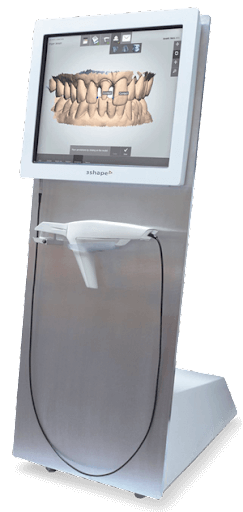
It all starts with a clean, precise digital impression. Intraoral scanners eliminate the mess and potential inaccuracies of traditional PVS impressions, creating a perfect digital model in minutes. This data flows directly into CAD/CAM software, where technicians can design crowns, abutments, and bridges with incredible detail. Because the digital design is based on an exact scan of your patient’s mouth, the fit is impeccable from the start. This precision dramatically reduces the need for chairside adjustments and remakes, saving you valuable time and resources. With digital imaging and planning software, we can help you plan implant positioning with extreme precision, ensuring a predictable and successful outcome every time you send a digital case.
Using 3D Printing for Custom Parts
Once the restoration is designed, 3D printing and milling technologies bring it to life. This is where digital workflows truly shine, especially for complex implant cases. We use 3D printing to create highly accurate surgical guides, custom abutments, and prototypes with speed and consistency. Unlike traditional manufacturing methods that cut away from a block of material, 3D printing is an additive process, meaning it builds objects layer by layer. This technique significantly reduces material waste, which is a major factor in keeping costs down. It also allows for the creation of intricate and highly customized components that fit perfectly, providing better function and aesthetics for your patients’ dental implants.
How Efficient Manufacturing Saves You Money
When you combine digital scans, CAD/CAM design, and advanced manufacturing, you get a seamless and highly efficient production line. Each step flows logically into the next, eliminating guesswork and minimizing the chance of human error. This integrated system reduces the labor hours required for each case and optimizes material usage. The result is a faster, more predictable process that produces consistently high-quality restorations. As a full-service dental lab, our investment in this technology allows us to streamline our operations and pass those significant savings on to your practice. This is how we can provide premium products at prices that are often 50% less than traditional labs—by perfecting the process, not by compromising on quality.
Getting the Best Value from Materials and Manufacturing
Getting the best value from a dental lab isn’t just about finding the lowest price. True value comes from a smart combination of high-quality materials, efficient manufacturing, and fair pricing. When a lab gets this balance right, you can deliver outstanding results for your patients without straining your practice’s budget. It’s about finding a partner who invests in the right areas—from material selection to advanced technology—to deliver reliable, beautiful restorations that stand the test of time. Here’s how these factors come together to create real value for your implant cases.
Choosing Between Titanium and Zirconia
When it comes to implant materials, titanium and zirconia are the top contenders. Both are biocompatible and strong enough to restore a patient’s full, natural chewing power. Titanium is the long-standing industry standard, known for its proven durability. Zirconia, a ceramic alternative, is gaining popularity for its excellent aesthetics, making it a great choice for patients with thin gingival tissue. A quality lab partner won’t push you toward one material; instead, they’ll have the expertise to fabricate beautiful restorations from both, allowing you to choose the best option for each patient’s unique clinical needs.
Finding High-Quality, Competitively Priced Materials
It’s tempting to choose a lab based on the lowest price, but this often compromises quality and long-term patient satisfaction. The best value lies with a lab that sources premium materials without the premium markup. At Next Dental Lab, we provide top-quality dental implants and components at highly competitive rates—often more than 50% lower than other labs. We achieve this by optimizing our processes, not by cutting corners. This approach ensures you receive durable, reliable restorations that you can place with confidence, giving your patients the best possible outcome while protecting your bottom line.
The Impact of Advanced Manufacturing
Modern manufacturing technology is a game-changer for both quality and cost. Labs that embrace digital dentistry can produce more precise and consistent results in less time. At Next Dental Lab, we use technologies like 3D printing to create custom surgical guides and components, ensuring a perfect fit. This digital workflow minimizes manual errors and material waste, and we pass those savings on to you. By partnering with a lab that invests in advanced manufacturing, you’re not just getting a better-fitting restoration; you’re getting it faster and more affordably, improving the implant experience for everyone involved.
Ways to Save on Your Lab Bill
Finding a lab with competitive pricing is a great start, but it’s not the only way to manage your costs. A true lab partner will work with you to find efficiencies that benefit your practice’s bottom line without ever cutting corners on quality. By having a few direct conversations upfront, you can uncover savings that go beyond the listed price for a crown or implant. Think of it as building a smart financial strategy with your lab. Let’s look at a few practical ways you can lower your lab expenses.
Ask About Volume or Multi-Unit Discounts
Don’t hesitate to ask a potential lab partner about their discount structure. Many labs are happy to offer reduced pricing for larger cases or for practices that send a consistent volume of work. If you’re working on a full-arch restoration or a complex case with multiple dental implants, there’s often room for a multi-unit discount. This approach not only saves your practice money but also ensures you receive consistent, high-quality results for your patient across all the components of their treatment. It’s a win-win: the lab secures a larger case, and you get a better price for your practice.
Flexible Payment Plans
Managing cash flow is crucial for any dental practice, and your lab bill is a significant part of that equation. A great lab understands this and often provides flexible payment options to make things easier. This could look like standard Net 30 terms or other arrangements that align with your practice’s financial cycle. This kind of flexibility from a lab partner helps you manage your budget more effectively and frees up resources you can invest back into patient care or practice growth. It shows that the lab sees you as a long-term partner, not just another transaction.
Insurance and Billing Support
The administrative side of dentistry can be a real time-sink. A lab that provides clear, detailed, and accurate documentation for insurance purposes is an invaluable asset. While the lab doesn’t bill insurance directly, their ability to provide you with the correct codes and well-written narratives for restorations like crown and bridge cases can save your front-office team countless hours. This support streamlines your billing process, helps you get reimbursed faster, and reduces the chance of claim denials. It’s a clear sign of a well-organized and supportive lab that understands the needs of a busy practice.
Your Checklist: Questions to Ask a Potential Lab Partner
When you’re comparing dental labs, it can feel like you’re not always comparing apples to apples. Every lab has a different way of doing things, from the materials they use to how they handle a case that needs an adjustment. To make a clear, confident decision, it helps to have a standard set of questions ready. This way, you can evaluate each potential partner on the same criteria. Think of it as your interview checklist for finding the right lab to support your practice and your patients.
Turnaround Times and Warranties
Your practice runs on a schedule, and your lab’s turnaround time is a huge part of that. Ask potential labs for their specific timelines for different types of dental implants and find out how consistently they meet those deadlines. A reliable lab helps you keep your promises to patients. Beyond speed, ask about their warranty and remake policy. A lab that stands behind its work with a solid guarantee shows confidence in its quality and craftsmanship. Knowing their process for handling adjustments or remakes upfront can save you a lot of stress down the road and ensures a seamless experience for everyone involved.
Their Tech and Communication Style
The right technology makes everything smoother, from case submission to final fit. Ask a potential lab about their digital workflow. Do they use modern CAD/CAM technology and 3D printing? How easy is it to submit digital scans from your intraoral scanner? A lab that embraces digital dentistry can deliver more precise results, often faster. Just as important is their communication style. Find out who your main point of contact will be and how they prefer to handle questions. A dedicated technician who understands your preferences can make all the difference in achieving predictable, high-quality outcomes for your patients.
Ongoing Support and Follow-Up
A great lab partnership goes beyond just fabricating restorations. It’s about having a team you can rely on for support. Ask if they have certified technicians available to help with treatment planning, especially for more complex cases like hybrid dentures. This kind of expert collaboration can be invaluable. Also, inquire about any training they offer, particularly if you’re adopting new digital tools. A lab that invests in your practice’s success is a true partner. Clear, ongoing support shows they are committed to building a long-term relationship, not just completing a single order.
Related Articles
- Digital Dentistry And Dental Implants: Trends Transforming The Industry
- Understanding The Digital Dental Workflow: From Scan To Restoration
- Dental Diagnostics: Comparing Intraoral And Extraoral Methods
- Dental Implants Archives – Next Dental Lab
- Dental Lab Blog – Next Dental Lab
Frequently Asked Questions
How can a lab offer lower prices without using cheaper, lower-quality materials? This is the most important question to ask, and the answer comes down to efficiency. Modern labs that invest in digital workflows can significantly reduce their operational costs. By using digital scans, CAD/CAM design, and 3D printing, they minimize material waste and the manual labor needed for adjustments. This streamlined process is faster and more precise, which means fewer errors and remakes. The savings from this efficiency are then passed on to you, allowing the lab to offer competitive pricing on restorations made from the exact same high-quality materials as more expensive labs.
What’s the most important red flag to watch for when choosing a new lab? While a price that seems too good to be true is a major warning sign, the biggest red flag is poor communication. If a lab is slow to respond, vague in its answers, or makes it difficult to speak with a technician about a case, it signals deeper organizational problems. A great lab partnership is built on clear, consistent communication. A lack of transparency here often predicts issues with quality control, turnaround times, and how they’ll handle any problems that might arise later.
Beyond the price list, what are some practical ways to lower my lab bill? Always ask a potential lab partner about their discount structures. Many labs offer reduced pricing for multi-unit cases, like full-arch restorations, or provide volume discounts for practices that send a consistent amount of work. It’s also worth inquiring about flexible payment terms that can help you manage your practice’s cash flow more effectively. Building a relationship where you can have these direct financial conversations is key to creating a partnership that truly supports your business goals.
How can I verify a lab’s quality before committing to sending them a case? Start by asking for their credentials, such as any ISO or DAMAS certifications, which show a commitment to standardized quality control. Next, look for social proof. Read their Google reviews and testimonials to see what other dentists are saying about their work and service. Finally, ask to see a portfolio of their work, specifically for the types of cases you handle most often. A reputable lab will be proud to show you examples and demonstrate their expertise.
What happens if a restoration doesn’t fit? How should a good lab handle remakes? A great lab stands behind its work. Before you send your first case, you should have a clear understanding of their warranty and remake policy. A reliable partner will have a no-fault remake policy, meaning they will correct the issue promptly without placing blame. They should see it as an opportunity to troubleshoot the process with you to ensure it doesn’t happen again. Their goal should be to make the process as seamless as possible, minimizing chair time and protecting your relationship with your patient.