Let’s be honest: comparing dental lab price lists can be incredibly frustrating. Between the vague descriptions and surprise fees, it’s tough to know if you’re actually getting a fair deal. A great lab partner believes in total transparency, and that starts with a clear, comprehensive price list. I’m here to help you cut through the noise. We’ll break down what to look for in an affordable dental lab price list, how to spot potential red flags, and how to find a lab that is upfront and honest about its costs from day one.
Key Takeaways
- Decode the Price List: Understand that lab fees reflect material choices, case complexity, and service speed. This knowledge helps you accurately quote patients and select the right service tier for every case.
- Invest in a True Partner: A reliable lab saves you money in the long run by delivering consistent quality that minimizes chairside adjustments. Prioritize labs with strong digital support and clear remake policies to protect your time and profitability.
- Take Advantage of Available Discounts: Lower your lab expenses by asking about new client promotions, digital submission incentives, and high-volume pricing. These opportunities are often available but require you to proactively seek them out.
What Services Do Dental Labs Offer?
Understanding the pricing landscape for dental lab services is key to managing your practice’s overhead without compromising on quality. Prices can vary widely based on materials, turnaround times, and the complexity of the case. Let’s break down the typical costs you can expect for common restorations and how different factors come into play. By getting familiar with these price points, you can make more informed decisions for your patients and your bottom line, ensuring you partner with a lab that aligns with your financial and clinical goals.
Crown and Bridge Restorations
When it comes to crown and bridge restorations, you’ll find a spectrum of pricing that reflects material choices and service speed. For example, a Full Zirconia crown can range from an economical $39 for a standard case to over $100 for a rush service. This flexibility allows you to accommodate different patient budgets and timelines. Similarly, Porcelain Fused to Metal (PFM) crowns offer another cost-effective choice, with prices often starting around $30 for a classic option and increasing slightly for premium-tier products. Having these varied price points lets you select the best balance of aesthetics, durability, and cost for each specific case you handle.
Removables: Dentures and Partials
For removable dentures and partials, modern technology has introduced some surprisingly affordable options. A 3D Printed Denture, for instance, might start as low as $125 for a basic version, while a higher-end elite model could be closer to $229. This allows you to offer patients a functional and aesthetic solution at a manageable price. For partials, the frame is a major cost component. A standard metal frame might be priced under $50, whereas an elite version with premium materials could cost over $120. These tiers give you the ability to tailor treatment plans to your patients’ financial situations while still delivering reliable results.
Implant-Supported Restorations
The cost of dental implant solutions can vary significantly depending on the type of restoration your patient needs. A single Full Zirconia Cementable Implant crown often falls in the range of $75 to $120, depending on the service tier you select. For more extensive cases, such as a full-arch restoration, the pricing structure is different. An All-on-4/6 acrylic process finish, for example, is a more comprehensive solution that can be priced around $999. Understanding these different price points is essential for accurately quoting treatment plans and managing patient expectations for both single-tooth and full-mouth rehabilitations.
Understanding Abutment Fees
Abutment fees are a standard part of any implant case, but they can vary quite a bit depending on the specifics. Generally, you can expect the lab charge for an abutment to fall somewhere between $200 and $600. This range reflects the complexity of the case and the custom-fitted nature of the component. The abutment is the critical connector between the implant post and the final crown, so its precise fit is essential for stability and proper alignment. Some labs may also list separate charges for specific services, like a small fee for preparing a stock abutment. Knowing these potential costs helps you create accurate treatment plans for your patients and manage your practice’s expenses effectively.
Abutment Material Options
When selecting an abutment, the material you choose plays a significant role in both the clinical outcome and the final lab bill. You’ll typically choose between materials like titanium, zirconia, or a combination of the two. Titanium is a go-to choice for many dentists because of its proven strength and biocompatibility, making it a reliable workhorse. Zirconia, on the other hand, is fantastic for its aesthetic qualities, making it ideal for restorations in the anterior region where appearance is a top priority. The material you select will influence the overall cost of the abutment, with custom abutments often requiring a larger investment due to the specialized manufacturing process involved in creating a patient-specific fit.
Full-Arch: Hybrid Dentures and All-On-X
Hybrid dentures and All-on-X restorations represent a significant investment in a patient’s oral health, and their lab fees reflect the complexity involved. A Zirconia Full Arch, known for its exceptional durability and esthetics, might be priced around $4,300. A Hybrid/Bar Full Arch, which combines different materials for a strong yet slightly more flexible result, could be closer to $3,300. These advanced, full-arch solutions require meticulous planning and fabrication, so their price point is higher than single restorations. Having clear pricing helps you discuss these life-changing treatment options with patients confidently.
Digital Workflows and Specialty Cases
Embracing a digital workflow can offer significant cost and time savings for your practice. Many labs incentivize dentists to submit digital scans by offering lower prices compared to traditional impression methods. For example, a BruxZir Full-Strength crown fabricated from a digital scan might cost $89, whereas the same crown from a physical mold could be $99. While it may seem like a small difference per unit, these savings add up quickly across multiple cases. This price difference reflects the increased efficiency and accuracy of digital dentistry, which reduces manual labor and material waste for the lab—a benefit they can pass on to you.
Other Common Appliances
Beyond the foundational restorations, a full-service dental lab provides a variety of other essential appliances. These items, from protective nightguards to diagnostic wax-ups, play a critical role in comprehensive patient care. Understanding the typical lab fees associated with these appliances helps you build accurate treatment plans and offer a wider range of services to your patients. Let’s look at the common costs for some of these key items so you can better manage your lab budget and patient expectations.
Nightguards and Mouthguards
Custom-fit nightguards and mouthguards are essential for protecting your patients’ smiles from bruxism or sports-related injuries. The lab fees for these protective appliances are often quite accessible, making them an easy addition to your treatment offerings. For example, a basic junior sports guard might have a lab fee of around $54, while a heavy-duty pro guard designed for more intense contact sports could be closer to $121. By offering custom appliances, you provide superior protection compared to over-the-counter options, reinforcing your commitment to your patients’ long-term oral health and building trust in your practice.
Sleep Apnea Devices
Treating sleep apnea with custom oral appliances can be a life-changing service for your patients. These are highly specialized devices, and their lab fees reflect the intricate design and fabrication process required to ensure a comfortable and effective fit. For instance, the lab bill for a popular option like the Silent Nite® device is often around $201. A more advanced appliance, such as the dreamTAP™, which offers greater adjustability, might have a lab fee closer to $539. Partnering with a lab that has expertise in these appliances is crucial for delivering predictable results and improving your patients’ overall well-being.
Temporary Restorations and Diagnostic Tools
Temporary restorations and diagnostic tools are fundamental to successful case planning and execution. While they represent a smaller portion of your lab bill, their value is immense. A diagnostic wax-up, which is invaluable for visualizing the final outcome and gaining patient acceptance, may only have a lab fee of about $35. A well-made temporary crown, essential for protecting a prepared tooth and managing tissue, could be around $59. Submitting a precise digital scan for these items ensures accuracy from the very start, streamlining the entire restorative process and setting the stage for a perfect final fit.
What Factors Influence Dental Lab Fees?
When you’re reviewing a dental lab’s price list, it’s helpful to understand the key factors that determine the final cost of a restoration. The price isn’t arbitrary; it’s a reflection of the materials, technology, and expertise required to create a high-quality product for your patient. Understanding these variables will help you make informed decisions for your practice and manage patient expectations effectively. From the type of zirconia used to the complexity of an implant case, several elements come together to shape the final lab fee.
The Materials You Choose
The foundation of any great restoration is the material it’s made from, and this is one of the biggest drivers of cost. A full-contour zirconia crown will have a different price point than a layered E.max crown or a traditional PFM. Each material offers a unique combination of strength, aesthetics, and biocompatibility. For example, premium materials known for their lifelike translucency often require more intricate fabrication processes, which can influence the price. This principle also applies to removables, where the quality of the acrylic and denture teeth impacts both the cost and the final outcome for your patient.
All-Ceramic and Zirconia Crowns
All-ceramic restorations, particularly those made from zirconia, offer a fantastic combination of strength and esthetics, making them a go-to for many practices. The lab fee for these crowns can vary based on a few key factors. For instance, a standard full zirconia crown might be an economical option around $39, but if you need a rush service, that amount could increase to over $100. The way you submit your case also matters; a crown fabricated from a digital scan is often more affordable—around $89 for a BruxZir crown—compared to the $99 fee for one made from a traditional physical impression. This difference highlights the efficiencies gained through digital workflows.
Full-Cast Metal Crowns
For full-cast metal crowns, the material you select is the single biggest factor influencing the lab fee. These restorations are known for their incredible durability, but the final amount is directly tied to the type of dental alloy used. A crown made from a non-precious metal is a very affordable choice, typically running around $82. However, if you opt for a high-noble metal like gold, the lab fee can be substantially higher, sometimes exceeding $600, depending on the market value of the metal. This wide range is important to keep in mind when treatment planning for patients who need the longevity that full-cast restorations provide.
Porcelain Veneers
When it comes to cosmetic dentistry, porcelain veneers are a top-tier choice for achieving beautiful, transformative results. The lab fee for veneers reflects the high-quality materials and detailed craftsmanship required to create a seamless, natural look. Using premium materials like IPS e.max® Press, known for its excellent esthetics and strength, might result in a lab fee of around $119 per unit. A standard prep or no-prep veneer could be in the neighborhood of $139. These figures account for the artistry involved in fabricating restorations that blend flawlessly with the patient’s existing smile, making them a worthwhile investment for esthetic cases.
Turnaround Times and Rush Orders
Many labs, including Next Dental Lab, offer different service levels to match various clinical needs and budgets. You might see tiers described as “Classic,” “Plus,” or “Elite,” where each level corresponds to different materials, aesthetic details, or warranty terms. This structure gives you the flexibility to choose the best option for each specific case. Additionally, most labs provide rush services for an extra fee. If you need a crown turned around in just a few days to accommodate a patient’s schedule, opting for a rush order will increase the lab fee but can be a valuable service for your practice.
Standard In-Lab Working Times
Understanding a lab’s standard working times is essential for managing your schedule and keeping your patients happy. These timelines represent the typical production schedule for a restoration without any rush fees. Knowing that a zirconia crown takes, for example, seven business days in the lab allows you to confidently book the patient’s final seating appointment. These standard turnarounds are designed to give technicians the necessary time to complete each step with precision, from digital design to final glazing. Consistently meeting these timelines is a hallmark of a reliable lab partner, as it makes your own scheduling predictable. Efficient workflows, such as submitting digital cases, also play a key role in helping the lab stick to these schedules, ensuring a smooth process from start to finish.
Digital Scans vs. Physical Impressions
The way you submit your case can also affect the price. Embracing a digital workflow by sending an intraoral scan instead of a physical impression can often lead to savings. Digital submissions streamline the lab’s production process, reducing the need for model work and minimizing material waste. These efficiencies can translate into lower costs for restorations like single-unit crowns. By choosing to go digital, you not only save on shipping and impression materials but may also access more competitive lab fees, all while improving accuracy and turnaround times.
The Complexity of Your Case
Not all cases are created equal. A standard posterior crown is more straightforward—and therefore less expensive—than a complex anterior bridge or a full-arch hybrid denture. The complexity of a case is a major price factor. Cases that require custom shading, intricate characterization, or special design considerations demand more of a technician’s time and artistry. Similarly, implant cases involving custom abutments or unique placement challenges will naturally have a higher lab fee. The more customization and specialized skill a case requires, the more it will be reflected in the final price.
Understanding the Difference: Lab Fees vs. Patient Bills
It’s essential to draw a clear line between what the lab charges your practice and what you bill your patients. The lab fee is a component of your overhead, not the final amount the patient sees. Communicating this distinction effectively can build trust and help patients appreciate the value of your professional services. When patients understand that the total cost covers not just the restoration itself but also your expertise, chair time, and advanced in-office technology, they are more likely to feel confident in their treatment plan. Let’s look at how these costs break down.
How Lab Fees Fit into Procedure Costs
Think of the lab fee as the wholesale cost of the custom-made device you are providing. This charge isn’t arbitrary; it’s a direct reflection of the materials, technology, and expertise required to fabricate a high-quality restoration for your patient. When you receive a detailed fee schedule from a lab, you gain the clarity needed to set your own procedure fees appropriately. This allows you to cover the lab expense while also accounting for your own operational costs, clinical skill, and the overall value of the treatment. Understanding these variables helps you make informed decisions and manage patient expectations with transparency.
Average Patient Costs for Common Procedures
The gap between a lab fee and a patient’s final bill can be significant, and for good reason. For example, while the lab fee for a Full Zirconia crown might start around $39, the national average a patient pays for a porcelain crown is about $1,399. Similarly, the lab fee for a single Full Zirconia Cementable Implant crown may be around $75, but the average patient cost for a standard dental implant is closer to $4,344. This difference covers your diagnosis, treatment planning, chair time, staff salaries, office overhead, and professional liability. Clearly separating the lab fee from your comprehensive service fee is key to running a profitable practice.
How Do Dental Lab Fees Compare?
When you’re choosing a dental lab, price is a huge factor. But comparing price lists can feel like comparing apples and oranges. Different labs structure their fees in unique ways, and the final cost often depends on materials, turnaround times, and the complexity of the case. The key is to find a lab that offers transparent, competitive pricing without asking you to compromise on the quality your patients deserve. It’s about finding that sweet spot where value and quality meet, ensuring your practice remains profitable and your patients stay happy.
How Next Dental Lab Stays Competitive
One of the first things you’ll notice about Next Dental Lab is our commitment to straightforward pricing. We believe you should know exactly what you’re paying for, which is why we provide a full price list that’s easy to access and understand. Our goal is to deliver high-quality, full-service solutions at a cost that makes sense for your practice—often up to 50% less than what you might be used to paying. This approach allows you to plan your cases and manage patient costs effectively, without any hidden fees or surprises down the line. It’s about providing great value so you can focus on providing great care.
Choosing Between Premium and Budget Labs
The dental lab landscape includes everything from high-end boutique labs to more budget-focused operations. Premium labs might offer highly specialized, aesthetic-driven work at a top-tier price, while budget labs prioritize volume and basic restorations. Next Dental Lab carves out a space right in the middle, offering the best of both worlds. We provide different service levels—Classic, Plus, and Elite—so you can choose the option that best fits the clinical requirements and budget for each case. This flexibility means you don’t have to switch labs to find the right balance of quality and affordability.
Why Lab Fees Vary
So, why do prices vary so much? Several factors come into play. The materials used are a major one; a full zirconia crown will have a different price point than a PFM. Turnaround time is another—if you need a case rushed, it will naturally cost more. For example, one of our Full Zirconia crowns can range from $39 in our Classic tier to $109 for an Elite Rush case. The complexity of the restoration and whether it’s a single unit or a full-arch case also influences the final price. Understanding these variables helps you see exactly where your money is going.
The Role of Offshore Dental Labs
It’s also important to talk about the role of offshore dental labs, as they often have a completely different cost structure. Many dental practices are drawn to them because they can offer restorations at a significant discount—sometimes up to fifty percent less than labs in the US. While the savings can be tempting, it’s wise to consider the potential trade-offs. Communication can become a challenge, with different time zones and language barriers complicating case details. More importantly, there can be questions about the consistency of the work, the fit of the final restoration, and even the safety of the materials being used. Ultimately, knowing exactly where your restorations are made is a critical part of choosing a lab partner you can trust.
How to Read a Dental Lab Fee Schedule
A dental lab price list can feel like just another invoice, but it’s actually a powerful tool for managing your practice’s overhead and profitability. When you know how to read it correctly, you can spot opportunities for savings, avoid unexpected costs, and ensure you’re getting the best value for your patients. It’s not just about finding the lowest number; it’s about understanding the complete picture of what you’re paying for. A well-structured price list tells you a lot about a lab’s business practices and their commitment to partnership.
Think of it as a roadmap to the lab’s services. Is it easy to follow, or is it confusing and vague? A clear and comprehensive price list helps you plan treatments and provide accurate quotes to your patients without having to second-guess the final bill. Before you commit to a lab, take a few minutes to analyze their pricing structure. This small step can save you from headaches and hidden costs down the line, helping you build a more predictable and efficient workflow. Let’s break down exactly what you should be looking for.
Is the Fee Structure Clear and Transparent?
A trustworthy dental lab will have nothing to hide. Their price list should be straightforward, well-organized, and easy to find on their website. Look for clear categories that group similar services, such as crown and bridge or removables. Vague descriptions or a jumble of services without clear pricing are red flags. At Next Dental Lab, we believe in transparency, which is why we offer a full price list that’s accessible to everyone. A lab that is confident in its value will make its pricing simple to understand, allowing you to make informed decisions for your practice without any guesswork.
Confirm Service Tiers and Timelines
The price you see often corresponds to a specific service level or turnaround time. Most labs offer standard timelines, but many also provide rush options for an additional fee. Check the price list for details on in-lab working times for different products. For example, a standard PFM crown might take five days, while a rush case could be completed in three. Knowing these timelines is essential for scheduling patient appointments and managing expectations. If this information isn’t clearly stated on the price list, you may find yourself facing unexpected delays or charges.
Are There Any Hidden Fees?
The price of the restoration itself is often just one part of the total cost. Be a detective and scan the price list for any mention of additional charges. Common hidden fees can include shipping and handling, model work, digital design fees, or charges for specific die materials. Some labs also charge for adjustments or remakes if the fault isn’t their own. A good price list will have a section detailing these potential extra costs. Always check the fine print for notes about taxes or other surcharges that might not be included in the listed prices.
Shipping and Handling
Beyond the cost of the restoration itself, always look for the lab’s policy on shipping and handling. This is a standard charge, but how it’s structured can vary. Many labs use a flat-rate system, which might range from $13.50 to $18.50 per shipment, depending on your practice’s location. It’s also a good idea to check for any notes about potential extra charges, such as fuel surcharges or fees for special delivery areas. A transparent lab will outline these costs clearly on their fee schedule, ensuring you can accurately calculate the total expense for each case without any last-minute surprises when the invoice arrives.
Rush Service Fees
When a patient needs a restoration quickly, a rush service can be a lifesaver. However, this expedited turnaround time typically comes with an additional charge. Look for a specific line item on the fee schedule that details this cost. For instance, a lab might charge a flat fee of $60 to prioritize your case and get it back to you ahead of the standard schedule. Knowing this amount upfront allows you to discuss the option with your patient and decide if the faster service is worth the added expense. This is another area where clarity is key, as it helps you manage both clinical timelines and patient budgets effectively.
Fees for Physical Models from Digital Scans
While submitting digital scans is a great way to improve accuracy and often reduce costs, some cases may still require a physical model. If you send a digital file but need the lab to print a model, be aware that there is usually a fee for this service. You might see charges like $23 for a quadrant model or $38 for a full arch. This is an important detail to confirm, as it can add to the overall cost of a digitally submitted case. Understanding these potential fees can also reinforce the benefits of a fully integrated digital workflow, which minimizes the need for physical models altogether.
Payment Terms and Late Fees
Finally, take a moment to review the fine print for payment terms and conditions. This section outlines your financial obligations and is a critical part of your partnership with the lab. Most labs require payment in full within 30 days of the statement date. It’s also important to know the consequences of a delayed payment. For example, a lab might apply a 2% interest charge each month on any balance that is over 30 days past due. Being aware of these terms helps you manage your practice’s cash flow and avoid incurring extra, unnecessary expenses, ensuring a smooth and professional relationship with your lab partner.
Understanding Per-Unit vs. Per-Arch Fees
This is a critical distinction that can significantly impact your final bill. For restorations like crowns and single implants, pricing is almost always “per unit.” However, for larger cases like dentures or hybrid restorations, the cost might be listed “per arch.” This means the price covers the entire upper or lower set of teeth. Make sure you’re clear on which pricing model applies to the services you need. For example, when you’re looking at hybrid dentures, confirming whether the price is for a single arch or the full mouth is essential for accurate treatment planning and patient quoting.
Finding Ways to Save on Lab Fees
Beyond the standard price list, many dental labs offer special promotions and discounts that can significantly lower your overhead. Keeping an eye out for these opportunities is a smart way to manage your practice’s budget without compromising on the quality of your restorations. These savings often reward you for trying a new service, adopting modern technology, or bringing consistent business to the lab. By taking advantage of these offers, you can make a great lab partner even more affordable.
Ask About New Client Offers
If you’re considering a new dental lab, one of the best ways to start is by looking for a new client promotion. Many labs provide a substantial discount on your first few cases to give you a chance to experience their quality and service firsthand. For example, new clients can receive 50% off their first order. This is a fantastic, low-risk way to see if a lab is the right fit for your practice. It allows you to evaluate everything from the fit of a crown to the lab’s communication style before making a long-term commitment.
Save with Digital Submissions
Making the switch to a digital workflow comes with more than just clinical benefits; it can also lead to direct cost savings. Labs often encourage dentists to submit digital cases by offering a discount on restorations submitted via an intraoral scanner. This is because digital files streamline the lab’s production process, reducing material waste and labor time. The savings are passed on to you, making it a win-win. You get a more efficient and accurate workflow in your practice, and you pay less for high-quality products like crowns, bridges, and implants.
Inquire About High-Volume Savings
For practices that handle a large volume of restorative cases, it pays to ask about high-volume pricing structures. Labs value consistent, predictable work and are often willing to offer better rates to their most loyal partners. These arrangements might include reduced per-unit costs, free shipping, or other perks that add up over time. Building a strong, long-term relationship with a lab like Next Dental Lab can create a partnership that supports your practice’s growth and financial health. Don’t hesitate to discuss your case volume with a potential lab partner to see what kind of pricing they can offer.
How to Choose the Right Lab for Your Practice
Selecting a dental lab is a major decision for your practice, one that impacts everything from your daily workflow to your long-term reputation. While an attractive price list is certainly a factor, it’s only one piece of the puzzle. The right lab partner delivers consistent quality, reliable support, and modern solutions that help your practice run smoothly and keep patients happy. Think of it as an investment in your own success. Here’s what to consider beyond the price tag to find a lab that truly fits your needs and helps you deliver exceptional care.
Balancing Quality and Your Budget
It’s a common myth that affordable prices automatically mean a compromise on quality. The key is to find a lab that has optimized its processes to offer great value without cutting corners. Look for transparency in materials and ask about their quality control standards. A lab that is proud of its work will be open about its methods and the materials used in its crown and bridge restorations. At Next Dental Lab, we’ve built our reputation on providing high-quality products at competitive prices, proving that you don’t have to choose between excellence and affordability when you partner with a lab that prioritizes efficiency.
Check Their Digital Workflow
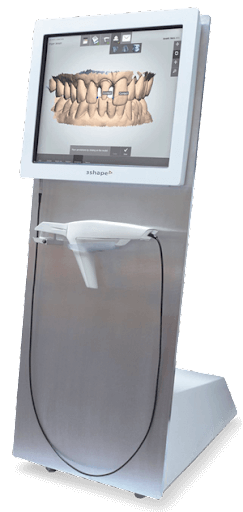
A lab’s commitment to technology can directly impact your practice’s efficiency and bottom line. Labs that fully support digital case submission can often produce more precise restorations with faster, more predictable turnaround times. This streamlined workflow reduces chair time and material waste, which translates into cost savings for you and a better, more comfortable experience for your patients. When vetting a new lab, always ask about their digital integration process and what scanners they support. It’s a clear indicator of a forward-thinking partner dedicated to making your job easier.
How’s Their Customer Support?
Think of your dental lab as an extension of your team. When you have a question about a complex case or need an update on a delivery, you need a responsive and knowledgeable support team you can count on. A great lab partner is easy to reach, communicates clearly, and works with you to solve problems. Before you commit, find out about their customer service availability and typical response times. Reliable support ensures your cases stay on track and helps you manage patient expectations without any added stress, making your day-to-day operations run much more smoothly.
What’s Their Warranty and Remake Policy?
A clear and fair warranty is a sign that a lab stands behind its work. It provides a safety net and demonstrates the lab’s confidence in its technicians and quality control processes. Before sending your first case, make sure you understand their policies on remakes and adjustments. This transparency is crucial for building a long-term, trusting relationship. A solid warranty on products like dental implants protects your practice financially and reinforces the lab’s dedication to achieving quality outcomes that you and your patients can rely on for years to come.
Common Reasons for Remake Charges
Even with the best intentions, remakes happen. A fair policy will cover restorations that fail due to the lab’s error, but it’s helpful to know the common situations where a new charge might apply. Generally, you can expect a charge if the remake is needed because of a change you initiated. This could be a request to alter the shade or material after the original restoration was fabricated. Another common scenario is when a lab flags a potential issue, like a poor impression or unclear margin, and the practice gives the approval to proceed anyway. Similarly, if the lab suggests a try-in for a complex case and you opt to skip it, any resulting fit issues would fall outside the standard warranty. It’s all about clear communication and shared responsibility for the final outcome.
Get the Most from Your Dental Lab Budget
Managing your practice’s budget effectively is about making smart choices, not just cutting costs. When it comes to your dental lab, finding a partner that offers both quality and value is key to protecting your bottom line while delivering excellent patient outcomes. By focusing on a few key areas, you can stretch your lab budget further without ever compromising on the standard of care your patients expect and deserve. It’s about working smarter with a lab that understands your practice’s financial and clinical goals.
Save Money Without Sacrificing Quality
It’s a common misconception that lower lab fees automatically mean lower quality, but that isn’t always the case. Many modern labs leverage technology and efficient processes to offer competitive pricing on high-quality restorations. Look for a lab with a transparent price list that clearly outlines the costs for different materials and services. A full-service lab can also be a great source of value, allowing you to source everything from crown and bridge restorations to complex implant cases from a single, trusted partner. This consolidation simplifies your ordering process and can often lead to better overall value. The goal is to find a lab that invests in quality and efficiency, passing those savings on to your practice.
The Value of a Long-Term Lab Partnership
Finding a lab you can trust and building a lasting relationship is one of the best financial decisions you can make. When your lab team understands your specific preferences for things like contact tightness and occlusion, the consistency improves dramatically. This leads to fewer remakes and adjustments, saving you valuable chair time and material costs. A dedicated full-service partner becomes an extension of your own team. Many labs also offer incentives for new clients to help start the relationship on the right foot. Over time, this partnership fosters clear communication and a streamlined workflow that pays dividends in both efficiency and profitability.
How a Good Lab Can Streamline Your Workflow
The efficiency of your clinical workflow has a direct impact on your budget. Adopting digital dentistry is a powerful way to reduce costs and save time. Submitting cases using digital scans eliminates the expense of traditional impression materials and shipping, and it often results in faster turnaround times. This means you can seat restorations sooner, shorten appointment times, and see more patients. Digital files also create a more accurate and predictable process, reducing the likelihood of errors that lead to costly remakes. By integrating modern technology into your practice and partnering with a digitally capable lab, you can create a leaner, more profitable workflow.
Related Articles
- Dental Lab Price List: A Complete Breakdown
- Average Dental Lab Fees: A Complete Cost Guide
- The Cost Of Starting A Dental Lab – Next Dental Lab
- Next Dental Lab | Full Price List
Frequently Asked Questions
Why are your prices often lower than other labs? Does this mean a compromise in quality? Not at all. Our competitive pricing comes from efficiency, not from cutting corners. We’ve built our lab around a streamlined, digitally-focused workflow that reduces waste and saves time, and we pass those savings directly to you. We use high-quality, industry-approved materials for all our restorations and maintain strict quality control. Our different service tiers simply give you the flexibility to choose the right balance of features and cost for each specific case, ensuring you always get a reliable product.
What’s the most significant advantage of submitting my cases digitally? While the cost savings are a great perk, the biggest advantage is the increase in accuracy and predictability. Digital scans provide a precise model of your patient’s dentition, which leads to better-fitting restorations and far fewer chairside adjustments. This not only saves you valuable time during appointments but also results in a more comfortable experience for your patient and a faster overall turnaround time from our lab.
How do I choose between the different service tiers like Classic, Plus, and Elite? Think of the tiers as a way to match the restoration to the specific clinical need. Our Classic tier is a fantastic, cost-effective choice for straightforward cases, like a posterior crown where durability is the primary concern. For more aesthetically demanding situations, such as an anterior bridge, you might opt for the Plus or Elite tiers, which offer enhanced characterization and premium materials for the most lifelike results. It gives you control over the final outcome and cost for every patient.
Besides the restoration cost, what other fees should I look out for? We believe in being completely transparent with our pricing, so you won’t find surprises on your invoice. Generally, the main additional costs to be aware of with any lab are for rush services or special shipping requests. We clearly outline these on our price list. It’s always a good practice to confirm the total cost before submitting a case, but our goal is to make your final bill as predictable as possible.
How can a long-term partnership with a lab actually save my practice money? A long-term partnership creates consistency, which is a huge money-saver. When we get to know your specific preferences for things like contacts and occlusion, the number of remakes and adjustments drops dramatically. Every minute you don’t have to spend adjusting a crown at the chair is a direct saving for your practice. This relationship also streamlines communication and ordering, which reduces administrative time and lets your team focus on patient care.