When you see a lab advertising zirconia crowns at a price that seems too good to be true, your skepticism is justified. For years, we were taught that quality had to be expensive. But that’s no longer the reality, thanks to digital dentistry. Modern labs use digital impressions and CAD/CAM milling to streamline manufacturing, cutting their costs without cutting corners. The key is knowing how to tell an efficient lab from one that simply uses cheaper materials. I’ll walk you through the right questions to ask so you can choose an affordable zirconia crown lab with total confidence.
Key Takeaways
- Zirconia Delivers on Strength and Aesthetics: This material satisfies patient demand for beautiful, metal-free restorations while providing the durability needed for long-term clinical success, making it a reliable choice for any case.
- Affordability Comes from Efficiency, Not Shortcuts: Competitive pricing is often the result of a modern, efficient operation. Labs that use digital workflows and smart material sourcing can lower their costs—and yours—without compromising on quality.
- A Great Lab is a True Partner: Look beyond the fee schedule to evaluate a lab on its communication, digital integration, and quality control. A strong partnership saves you chair time, reduces remakes, and ensures consistently excellent results for your patients.
What Are Zirconia Crowns and Why Should You Offer Them?
If you’re looking for a restoration that delivers on strength, aesthetics, and patient satisfaction, zirconia crowns are likely already on your radar. These all-ceramic crowns are milled from a single block of zirconium dioxide, a material known for its incredible durability and biocompatibility. Unlike PFM crowns, they contain no metal, which means you can say goodbye to the dreaded dark line at the gum margin and concerns about metal allergies. For your patients, this means a restoration that looks and feels like a natural tooth, giving them a confident smile they’re proud to show off.
Offering zirconia crowns in your practice is a smart move. Patients are more informed than ever and often come in asking for metal-free, natural-looking solutions. By providing high-quality zirconia restorations, you meet this demand head-on. It shows your practice is committed to using modern materials that offer both longevity and superior aesthetics. This choice not only improves patient outcomes but also simplifies your workflow. Zirconia can be conventionally cemented, and its precision fit, especially with digital impressions, reduces chair time for adjustments. Partnering with a lab that specializes in crown and bridge restorations ensures you can consistently deliver the results your patients expect, helping to build trust and strengthen your practice’s reputation for quality care.
How Zirconia Compares to Other Crown Materials
When it comes to performance, zirconia is in a class of its own. It’s one of the strongest materials available in dentistry, making it an excellent choice for posterior crowns and bridges that need to withstand significant chewing forces. This exceptional durability makes zirconia a reliable solution for all areas of the mouth, especially for patients with bruxism. Its biocompatibility is another major advantage; since it’s a metal-free ceramic, the risk of tissue irritation or allergic reactions is minimal. This combination of strength and safety gives you and your patients peace of mind that you simply can’t get from older, metal-based restorations.
Strength Meets Aesthetics: The Zirconia Advantage
Zirconia’s biggest selling point is its ability to blend strength with lifelike aesthetics. Modern monolithic zirconia materials offer impressive translucency, allowing them to mimic the appearance of natural enamel. This means you don’t have to compromise on beauty to get durability. Zirconia is also fantastic at masking underlying discoloration from dark tooth preparations, root canals, or metal posts from dental implants. Because there’s no metal substructure, you get a beautiful, vital-looking restoration without any risk of a gray shadow at the gumline. It’s the ideal material for achieving predictable, beautiful outcomes that your patients will love.
Low Wear on Opposing Dentition
One of the most practical benefits of modern zirconia is its kindness to opposing teeth. Early formulations of the material raised concerns about being too abrasive, but today’s advanced zirconia is polished to an exceptionally smooth surface. This refinement means the material is significantly less abrasive against natural enamel than older ceramics like porcelain. For you, this translates to greater confidence in prescribing zirconia for patients, knowing that you are preserving the health of their existing dentition. It’s a long-term benefit that protects the entire occlusal system, making it a responsible and clinically sound choice for full-mouth restorations or single crowns alike.
Types of Zirconia Crowns for Different Clinical Needs
Not all zirconia is created equal, and that’s a good thing. The versatility of the material allows labs to create different types of zirconia crowns tailored to specific clinical situations. This means you can select a restoration based on whether the primary need is maximum strength for the posterior or superior aesthetics for the anterior. Understanding the differences helps you make the best choice for each patient’s unique case. The two main categories you’ll encounter are full-contour zirconia, which is prized for its monolithic strength, and layered or high-translucency zirconia, which is designed to deliver the most natural and lifelike appearance possible.
Full-Contour Zirconia for Posterior Teeth
When you need a restoration that can handle immense bite forces, full-contour zirconia is the answer. Milled from a single, solid block of zirconia, these monolithic crowns are incredibly durable and chip-resistant, making them the ideal choice for posterior teeth. They are particularly well-suited for patients with bruxism or a heavy bite, where other materials might fail over time. While early versions of monolithic zirconia were known for being opaque, modern materials have improved aesthetics without sacrificing their impressive strength. This makes them a reliable, go-to solution for molars and premolars that require long-term performance and function.
Layered and High-Translucency Zirconia for Anterior Teeth
For anterior cases where aesthetics are the top priority, layered or high-translucency zirconia is the perfect fit. Layered zirconia features a strong zirconia core overlaid with a more aesthetic porcelain, allowing for custom characterization and a beautiful, natural look. High-translucency zirconia is a monolithic option that offers enhanced light transmission, closely mimicking the appearance of natural enamel. These options are perfect for front teeth, where you need to achieve a seamless blend with the surrounding dentition. They provide the strength of zirconia with the aesthetic qualities needed for a stunning, confident smile.
Lab-Fabricated vs. Same-Day Crowns
While same-day, chairside-milled crowns offer convenience, they often can’t match the quality of a lab-fabricated restoration. Crowns made in a dedicated dental lab are crafted by skilled technicians who specialize in creating custom prosthetics. These experts use advanced equipment and materials to achieve a level of precision, fit, and natural aesthetics that is difficult to replicate in an office setting. A lab-fabricated crown from a partner like Next Dental Lab ensures meticulous attention to detail, from anatomical contours to custom shading. This process results in a restoration that not only fits perfectly, reducing your chair time for adjustments, but also delivers a superior, vital appearance that patients will appreciate.
Clinical Guidelines for Zirconia Restorations
Successfully integrating zirconia crowns into your practice comes down to understanding a few key clinical guidelines. From knowing the ideal situations to use them to mastering the proper tooth preparation and cementation techniques, having a clear protocol ensures predictable and successful outcomes. Zirconia is a forgiving material, but following best practices will help you get the most out of its strength and aesthetic potential. This approach not only leads to happier patients with long-lasting restorations but also streamlines your workflow, making each procedure more efficient. Below are the essential guidelines you need to confidently place zirconia restorations in your practice.
Indications and Contraindications for Zirconia
Zirconia is an incredibly versatile material suitable for a wide range of applications. It is an excellent choice for single anterior or posterior crowns, as well as for multi-unit bridges, typically up to three units. Its strength also makes it a fantastic restorative material for implant-supported crowns and bridges, providing a durable and aesthetic solution. However, there are a few situations where zirconia may not be the best option. The primary contraindication is when there is insufficient occlusal clearance. Because zirconia requires a certain minimum thickness for strength, cases with very limited vertical space may be better suited for a different material, like a full-cast metal crown.
Understanding Zirconia Strength Ratings (MPa)
When you see strength ratings for zirconia, they are measured in megapascals (MPa). This number tells you how much pressure the material can withstand before it fractures. Generally, zirconia materials range from around 750 MPa for more aesthetic, highly translucent versions to over 1250 MPa for the strongest, full-contour options. For posterior crowns that endure heavy chewing forces, a higher MPa rating is ideal. For anterior crowns, you can confidently use a more translucent zirconia with a slightly lower MPa rating to achieve a more natural look without compromising on necessary durability. Understanding these numbers helps you select the right material for every case.
Tooth Preparation Guidelines
Proper tooth preparation is crucial for the success of any crown, and zirconia is no exception. The good news is that the guidelines are straightforward and conservative. For posterior teeth, aim for an occlusal reduction of 1.5 mm and an axial reduction of at least 1.0 mm with a defined chamfer or shoulder margin. For anterior teeth, you’ll want a lingual reduction of 1.0 mm, a mid-facial reduction of 1.2 mm, and an incisal reduction of 1.5 mm. These preparations provide enough space for the material’s thickness, ensuring optimal strength and aesthetics while preserving as much healthy tooth structure as possible.
Recommended Cementation Protocols
One of the biggest advantages of zirconia crowns is their flexible cementation options. For preparations with adequate retention and resistance form, you can use conventional cements like resin-modified glass ionomer (RMGI). This makes the seating process simple and familiar. If the preparation is short or overtapered, bonding the crown with a resin cement is recommended to increase retention. Before cementation, the internal surface of the crown should be sandblasted (a step your lab should handle) and cleaned to ensure a strong bond. This versatility allows you to choose the best cementation method for each clinical situation, making zirconia an easy material to incorporate into your daily practice.
How Can a Zirconia Crown Lab Keep Costs Down?
It’s a fair question every dentist asks: how can a lab offer zirconia crowns at a significantly lower price without compromising on quality? It’s easy to assume that a lower price tag means cheaper materials or rushed work, but that’s not the full picture. The truth is, smart, modern dental labs have found ways to operate more efficiently, and they pass those savings on to your practice.
It’s not about cutting corners; it’s about working smarter. By combining strategic sourcing, advanced digital technology, and direct partnerships, a lab can deliver exceptional restorations that are both high-quality and affordable. Let’s break down exactly how they do it.
The Impact of Efficient Sourcing and Manufacturing
A lab’s ability to offer competitive pricing often starts behind the scenes with its operational strategy. By purchasing high-grade materials in large volumes, labs can negotiate better prices from their suppliers. This smart sourcing allows them to acquire the same quality of zirconia and other materials used by more expensive labs, but at a lower cost per unit.
Efficiency in the manufacturing process is the other half of the equation. A well-organized lab streamlines its workflow to minimize waste and maximize output. When a lab offers a full range of services, from crown and bridge to implants and dentures, it benefits from economies of scale. This means overhead costs are spread across a wider variety of products, reducing the cost of each individual restoration without ever sacrificing the attention to detail your cases deserve.
Using Digital Workflows to Improve Efficiency
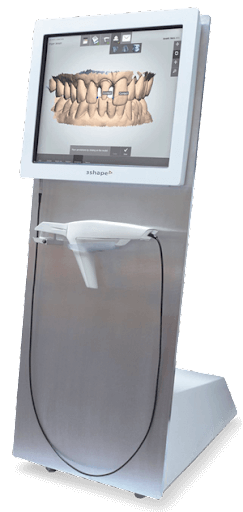
Digital dentistry has been a game-changer for both quality and cost. When you submit a digital case, you immediately eliminate the costs and time associated with traditional impression materials and shipping. This digital workflow reduces the potential for distortions or errors that can occur with physical impressions, leading to a more accurate final product from the start.
Labs that embrace computer-aided design and manufacturing (CAD/CAM) technology can produce crowns with incredible precision. This accuracy results in a better fit, which means fewer adjustments and less chair time for you and your patient. Because the digital process is so repeatable and efficient, it reduces labor costs and the need for remakes. This allows the lab to offer a superior product at a more accessible price point.
How Working Directly with a Lab Reduces Overhead
Working directly with your dental lab cuts out the middleman. Without sales reps or third-party distributors, there are no extra commissions or fees built into the price of your restorations. This direct-to-dentist model is a simple but effective way to lower costs.
More importantly, a direct partnership fosters clear and open communication. When you can easily connect with the technicians working on your case, you can resolve questions quickly and ensure your specific instructions are understood. This collaborative relationship is critical for producing predictable, high-quality outcomes. Effective communication minimizes the risk of errors and remakes, which saves everyone time and money while ensuring your patients receive the best possible care.
Your Guide to Vetting a New Zirconia Crown Lab
Finding a lab that offers affordable zirconia crowns without cutting corners can feel like a huge task. But with the right approach, you can confidently choose a partner that delivers both value and quality. It’s all about knowing what to look for and which questions to ask. When you find a lab that balances price with excellent craftsmanship, you’re not just saving money—you’re building a reliable partnership that benefits your practice and your patients.
The key is to look beyond the price tag and evaluate the lab’s entire operation. A truly great lab is transparent about its processes, from the materials it uses to its quality control standards. Let’s break down the three most important areas to focus on: certifications, material quality, and the lab’s operational efficiency. This will help you make a smart, informed decision that you can feel good about.
Which Certifications and Standards Really Matter?
Before you send your first case, make sure any potential lab holds the necessary industry certifications. These aren’t just pieces of paper; they’re proof that the lab adheres to strict standards for safety, quality, and consistency in its dental restorations. A reputable lab will be upfront about its credentials and the expertise of its team. Look for a lab that provides easy access to resources and expert technicians who can help with case planning. This shows a commitment to quality and a dedication to supporting your practice. Think of these certifications as your baseline assurance that you’re working with a professional and reliable partner.
FDA-Approved Materials
When you’re evaluating a lab, one of the most critical questions to ask is about their materials. Insist on a lab that exclusively uses FDA-approved materials for all its restorations. This is your guarantee of patient safety and biocompatibility, and it speaks volumes about the lab’s commitment to quality. High-quality zirconia, for example, is not only incredibly strong but also 100% metal-free, which is fantastic for both gum health and achieving a natural look. Choosing a lab that prioritizes these certified materials means you can be confident that every crown you place is safe, reliable, and designed for long-term clinical success. It’s a simple check that protects your patients and your practice’s reputation.
How to Verify the Quality of Their Materials
The final look and longevity of a zirconia crown depend entirely on the quality of the material used. High-grade zirconium is a strong, durable ceramic that beautifully mimics the natural translucency of teeth, allowing light to pass through for a realistic appearance. When vetting a lab, ask about the source and consistency of their zirconia. Top-tier labs use materials that ensure excellent aesthetics and durability for every restoration. Because zirconia crowns are metal-free, they also eliminate the risk of dark lines appearing at the gum line, making them a fantastic choice for patients who are concerned about aesthetics or have metal allergies.
Material Sourcing and Transparency
When you’re evaluating a lab, it’s important to understand how their material sourcing works. A lab’s ability to offer competitive fees often comes down to its operational strategy. By purchasing top-tier zirconia and other materials in large volumes, labs can secure better rates from suppliers. This smart sourcing means they can acquire the same high-quality materials used by more expensive labs, but at a lower cost for each unit. This is a key reason why affordability doesn’t have to mean a sacrifice in quality. It’s about being efficient behind the scenes so you get the best possible value for your restorations without any compromises.
A great lab partner is always transparent about its processes. They should be able to tell you exactly what materials they use and the quality control standards they follow for every case. This openness builds trust and gives you the confidence that you’re making an informed decision for your patients. When a lab is proud of its work, it has nothing to hide. This transparency is a hallmark of a reliable partner committed to producing consistently excellent results. It’s a core part of a modern, digital-first approach that ensures you know exactly what you’re getting with every restoration.
Evaluating Turnaround Times and Customer Support
Consistent and predictable turnaround times are crucial for managing your schedule and keeping your patients happy. A good lab should be able to give you a clear timeline for different types of restorations. Generally, you can expect most crowns and bridges to take about three to five days, while more complex implant cases might take a bit longer. Beyond just speed, look for a lab that prioritizes clear communication. A strong lab partnership is built on responsiveness and collaboration. When a lab makes it easy to submit digital cases and is proactive with updates, you can spend less time on follow-up and more time focusing on your patients.
Access to Certified Technicians for Case Planning
Sometimes a case requires a second opinion, and a great lab partner should feel like an extension of your team. A reputable lab will be upfront about the expertise of its team and provide easy access to certified technicians who can help with case planning. This direct line of communication is invaluable, allowing you to discuss material selection, preparation design, or complex implant placements before the case even begins. This collaborative approach shows a commitment to quality and a dedication to supporting your practice. When you can easily connect with an expert, you can prevent potential issues, reduce the likelihood of remakes, and ensure the best possible outcome for your patient.
Rush Service Availability
While consistent turnaround times are the foundation of a reliable lab partnership, every practice encounters situations that require a faster solution. Whether it’s for a patient traveling from out of town or an unexpected scheduling change, having a rush service option is essential. When evaluating a lab, ask about their policy for expedited cases. Do they offer a rush service, and if so, what is the expected timeline? A lab that has a clear and organized process for these situations demonstrates flexibility and a genuine understanding of the day-to-day realities of running a dental practice. This level of accommodation is a strong indicator of a lab that is truly focused on customer support and partnership.
Understanding Product Guarantees and Warranties
A lab’s guarantee is a direct reflection of the confidence it has in its materials and craftsmanship. A truly great lab is transparent about its processes, from the materials it uses to its quality control standards, and this transparency should extend to its warranty policy. Before committing to a lab, ask for a copy of their guarantee in writing. Look for a clear, no-hassle policy that outlines what is covered—such as fractures or material defects—and for how long. Understanding their remake process is also critical. A lab that stands behind its crown and bridge restorations with a comprehensive warranty provides peace of mind and protects your practice from unexpected replacement costs.
What Goes Into the Cost of a Zirconia Crown?
When patients search online, they see a wide range for zirconia crowns—anywhere from $1,000 to $2,500. But that’s the final bill, which includes your valuable chair time, practice overhead, and clinical expertise. The number you have the most control over is the lab fee, which is a fraction of that total cost. Understanding and managing this expense is key to keeping your services competitive and profitable without ever compromising on the quality your patients deserve.
Choosing the right lab partner allows you to get predictable, high-quality crown and bridge restorations at a price that makes sense for your bottom line. By breaking down what goes into the lab fee, you can make more informed decisions, find opportunities for savings, and build a more efficient practice. Think of it as taking control of a major variable in your cost of goods. This section will walk you through typical lab pricing, the factors that influence it, and how to find the best value.
Understanding How Labs Structure Their Fees
So, what should you actually expect to pay a lab for a zirconia crown? While prices vary, you’ll often find that full-strength zirconia crowns start around $89 to $99, with more aesthetic options like layered zirconia or IPS e.max falling in the $119 to $129 range. These costs are heavily influenced by the submission method; labs can offer better pricing on cases submitted through a digital workflow because it streamlines their manufacturing process. This direct lab fee is where you can find significant savings, especially when partnering with a lab that prioritizes efficiency and passes those savings on to you.
What Determines the Overall Cost?
The price on a lab’s fee schedule is the starting point. Several factors can adjust the final cost of your restoration. The quality and type of the zirconium puck used make a difference—a highly translucent, multilayered material for an anterior crown will naturally cost more than a durable, monolithic posterior crown. Additionally, how you submit your case matters. While digital scans often reduce the price, requesting a physical model from that scan may add a fee. Be sure to ask about potential add-ons like taxes, shipping costs, or rush fees so you have a clear picture of the total investment per unit.
Asking About Volume Discounts and Special Offers
A smart way to manage lab costs is to actively look for savings opportunities. Many dental labs offer promotions to earn your business, such as a 15% discount on your first few cases. Don’t hesitate to ask about these introductory offers. If your practice handles a steady volume of crown and bridge work, inquire about volume discounts. A lab values a consistent partnership and may be willing to offer better pricing for your loyalty. Finally, embracing technology is a clear path to savings. Labs often provide incentives for practices that go digital, as it reduces their internal costs and improves accuracy, creating a win-win for everyone.
Introductory Offers for New Practices
When you’re testing out a new lab, you want to be sure of their quality before committing to a long-term partnership. Many labs understand this and offer special incentives for new clients to help you make a confident decision. It’s common to see offers like a significant discount on your first few cases or even a complimentary crown to let you experience their craftsmanship firsthand. Think of it as a no-risk trial run. This is a great opportunity to evaluate everything from the fit and finish of the restoration to the lab’s communication style and adherence to deadlines, all without a major initial investment.
Shipping Policies and Options
Logistics can have a surprisingly big impact on your practice’s efficiency. A lab’s shipping policy is a key part of this equation, affecting both your overall cost and your turnaround time. Look for a lab that simplifies this process. Many forward-thinking labs, including Next Dental Lab, provide free inbound shipping and make it easy to print a shipping label directly from their website. This convenience saves you time and eliminates a variable expense. A lab with a streamlined shipping process is often a sign of a well-run operation that values your time and is committed to making your workflow as smooth as possible.
How to Talk to Patients About Zirconia Crowns
Helping your patients understand their treatment options is a huge part of building trust. When it comes to zirconia crowns, a clear conversation can make all the difference in their confidence and decision-making. Patients often come in with questions about durability, appearance, and cost. Having straightforward, honest answers ready will streamline the process and help them see the incredible value these restorations offer.
Think of this as a simple script you can adapt. The goal is to translate the technical benefits of zirconia into real-world advantages your patients can easily grasp. When they understand that a zirconia crown isn’t just a functional fix but a long-term investment in their health and smile, they’re more likely to feel positive about moving forward with the treatment you recommend. By framing the conversation around their primary concerns, you can guide them toward the best choice for their specific needs.
Answering the “How Long Will It Last?” Question
When a patient asks, “How long will this crown last?” you have a great story to tell with zirconia. You can explain that it’s one of the strongest materials available in modern dentistry. This makes it an excellent choice for molars, where biting forces are strongest. It’s also a fantastic solution for patients who grind their teeth, as zirconia can withstand that pressure without fracturing. You can reassure them that by choosing a durable material for their crown and bridge work, they are investing in a restoration designed to last for many years with proper care, reducing the likelihood of needing replacements down the road.
Discussing the Final Look and Feel
A common patient worry is whether a crown will look fake. This is your chance to set their mind at ease. Explain that modern zirconia is miles away from the opaque materials of the past. It can be layered and glazed to mimic the translucency and color of their natural teeth, allowing it to blend seamlessly into their smile. Unlike porcelain-fused-to-metal crowns, zirconia restorations have no metal underneath, so they’ll never see a dark line at the gum. This ensures a consistently natural and beautiful result, whether for a single tooth or more complex hybrid dentures.
How to Frame the Conversation Around Value
The conversation about cost is often the most sensitive. It helps to frame it in terms of long-term value. While the initial investment for a zirconia crown might be higher than some alternatives, its strength and longevity often make it more cost-effective over time. You can explain that its resistance to chipping and cracking means fewer follow-up appointments and replacement costs. By partnering with an efficient lab, you can offer this premium material at a competitive price. This approach shows patients you’re not just thinking about the immediate fix but are providing a durable, beautiful solution that is a wise investment in their oral health.
Your Zirconia Crown Lab Comparison Checklist
Choosing a new dental lab is a big decision that impacts your practice, your team, and your patients. It’s about more than just price; it’s about finding a true partner who aligns with your standards of care. As you compare your options, think of it like an interview for a critical new team member. You need to know they have the right skills, communicate effectively, and are committed to quality. This checklist covers the three most important areas to investigate to ensure you find a lab that helps your practice thrive.
Does Their Digital Workflow Match Yours?
Before you commit, you need to know if a lab’s technology will integrate smoothly with your practice. A lab that embraces a modern digital process can be a game-changer for efficiency and accuracy. Many services now use digital scans instead of traditional molds, which can lower costs for your practice. Plus, labs that use computer-aided design and manufacturing (CAD/CAM) produce restorations with a very accurate fit, saving you valuable chair time. Ask potential labs how you can connect your scanner and what their process is for digital submissions. A seamless digital workflow is a hallmark of a forward-thinking lab partner.
How Well Do They Communicate?
Clear, consistent communication between you and your lab technician is absolutely critical for crafting natural, predictable restorations. Studies have shown that ineffective communication can directly result in poor-quality crowns. You need a lab that feels like an extension of your own team—one that’s easy to reach and responsive to your questions. When vetting a lab, ask about their communication process. Do you get a dedicated contact? How do they handle questions or adjustments mid-case? A lab that prioritizes open dialogue and provides clear support is invested in getting the best outcome for your patient, not just fulfilling an order.
What Are Their Quality Control Steps?
A great price is only great if the quality is consistent. Ask a potential lab about their quality control process from start to finish. The quality and consistency of the raw materials, like the zirconium pucks they use, directly impact how the final restoration will look and last. A reputable lab should be transparent about where they source their materials and what steps they take to ensure every case meets high standards. Look for a lab that has established, documented procedures for quality checks throughout the fabrication of their crown and bridge products. This commitment to quality control is your assurance of predictable, beautiful results.
How to Build a Strong Partnership with Your Lab
Think of your dental lab as an extension of your team. This isn’t just a transactional relationship where you send a case and get a product back; it’s a partnership built on trust, communication, and a shared commitment to excellent patient care. The right lab can make your job easier, reduce remakes, and contribute to better clinical outcomes. But like any strong relationship, it requires effort from both sides. It starts with a thoughtful selection process and is maintained through clear, consistent communication. Investing time in this partnership is one of the best things you can do for your practice’s efficiency and reputation. When your lab understands your preferences and you understand their process, you create a seamless workflow that benefits everyone, especially your patients.
Making Your Final Lab Decision
Choosing a lab goes far beyond comparing prices. You’re looking for a partner who aligns with your clinical standards and communication style. Start by evaluating how they handle communication. Ineffective dialogue between dentists and technicians can lead to poor-quality restorations, so this is a critical first step. Ask potential labs about their process for questions and clarifications. Do you have a dedicated contact? How quickly can you expect a response? A lab that prioritizes clear, open communication is a lab that prioritizes quality. Also, gauge their expertise. A great partner will understand the nuances of materials like zirconia, recognizing its dual benefits of exceptional strength and natural aesthetics. They should be a resource, not just a fabricator of crown and bridge restorations.
Simple Tips for a Smooth Lab Partnership
Once you’ve chosen a lab, the work of building a great partnership begins. The foundation of this relationship is clear and detailed case submission. Provide precise impressions or digital scans, comprehensive notes, and clear photos. Modern tools make this easier than ever; your smartphone can be a powerful device for fast and efficient communication with your lab technician. Don’t hesitate to schedule regular check-ins. Even a brief call every few months can foster collaboration, address minor issues before they become major ones, and ensure you’re both aligned. Remember, effective communication is absolutely critical for crafting predictable, natural-looking outcomes for your patients. By treating your lab as a valued partner, you create a collaborative environment that leads to consistent, high-quality results.
Leveraging Your Lab’s Digital Tools and Resources
A great lab partner does more than just fabricate restorations; they provide digital tools designed to make your workflow smoother and more predictable. When you submit a digital case, you eliminate the costs and time tied to traditional impression materials and shipping. This digital process reduces the risk of distortions common with physical impressions, giving the lab a perfect foundation to work from. Labs that embrace computer-aided design and manufacturing (CAD/CAM) use this precise data to create restorations with an impeccable fit. This accuracy means fewer adjustments and less chair time, but the benefits don’t stop there. Many digital platforms also streamline communication, allowing for quick collaboration with technicians. Taking the step to go digital with your lab partner creates a more efficient and reliable experience for everyone involved.
Why the Right Lab Partner Matters in the Long Run
Choosing a lab partner is about more than the price tag on a single crown; it’s a strategic decision that impacts your practice’s bottom line and reputation for years to come. The right lab doesn’t just send you a product—they provide a service that saves you time, reduces stress, and helps you deliver the best possible care to your patients. Think of it as an investment in your practice’s efficiency and growth. When you find a lab that balances affordability with impeccable quality, the long-term benefits extend far beyond simple cost savings. It becomes a cornerstone of your practice’s success, influencing everything from chair time to patient referrals.
How a Good Partnership Impacts Your Bottom Line
While a lower per-unit cost is an obvious benefit, the real savings come from efficiency. A lab that has perfected its digital workflow delivers crowns with a precise fit, drastically cutting down on chairside adjustment time. This means you can see more patients and reduce costly remakes. Labs that embrace technology can streamline their processes, and those savings are passed directly to you. By working with an affordable, high-quality lab, you can offer competitive pricing to your patients without compromising on care. This approach not only builds patient loyalty but also makes top-tier treatments more accessible, strengthening your position in the community.
Calculating Potential Annual Savings for Your Practice
The financial impact of switching to a more efficient lab is often far greater than dentists realize. It’s not just about saving a few dollars on a single restoration; it’s about the cumulative effect over hundreds of cases per year. Let’s do a quick calculation. Start with the number of crowns you place each month and multiply that by the difference in the lab fee between your current partner and a more cost-effective one. If your practice places 25 crowns a month and you save $50 on each one, that’s a monthly savings of $1,250. Annually, that adds up to $15,000. This isn’t just a hypothetical number; it’s a realistic saving that many practices achieve by partnering with a lab that uses digital workflows and efficient manufacturing to keep its fees reasonable without sacrificing quality.
Better Patient Outcomes and a Stronger Practice
The quality of your lab work directly reflects on your practice. When you deliver a beautiful, durable zirconia crown that fits perfectly, your patient’s confidence in you grows. A great lab acts as a true partner, ensuring every restoration meets high standards for both strength and aesthetics. This consistency is what builds a stellar reputation. Happy patients who love their new smiles are more likely to leave positive reviews and refer their friends and family. Over time, this commitment to quality, supported by the right lab, translates into a thriving practice built on trust and excellent clinical results. It’s the kind of long-term investment that pays dividends in patient satisfaction and practice growth.
Related Articles
- Zirconia Crowns Problems: Dentist Guide to Fix Issues
- Zirconia Crown Vs. Porcelain: Which Is Best For Your Patients’ Needs?
- A Crown Dental Lab: A Complete Guide for Dentists
- Custom Crowns Dental Lab: A Complete Guide
Frequently Asked Questions
Why should I choose a zirconia crown over a traditional PFM? Think of it as an upgrade in both looks and performance. Zirconia crowns are made from a solid, tooth-colored ceramic, which means you’ll never have to worry about a dark metal line showing at the gum. They are also incredibly strong and biocompatible, making them a great choice for patients with metal sensitivities or a heavy bite. It’s a modern solution that delivers on both the strength you need for posterior teeth and the aesthetics required for a seamless smile.
How can I trust that an affordable lab isn’t just using subpar materials? This is a valid concern, and the key is to look for transparency. A reputable lab, regardless of its price point, will be open about where it sources its materials and its quality control standards. Ask them directly about the brand of zirconia they use and their internal checks. A great lab achieves lower prices through efficiency—like using digital workflows and buying materials in bulk—not by compromising on the quality of the products that end up in your patients’ mouths.
Is it complicated to switch my practice to a digital submission process? It’s much more straightforward than you might think. Most modern labs that encourage digital submissions have a dedicated team to help you get set up. The process usually just involves selecting the lab from a dropdown menu on your intraoral scanner. They can walk you through the connection process in minutes. The small initial time investment pays off quickly with faster turnaround times, lower costs, and incredibly accurate restorations.
What’s the most important factor when building a new lab relationship? While quality and price are crucial, the most important factor is communication. A great lab should feel like an extension of your team. You need a partner who is easy to reach, responsive to your questions, and willing to discuss case details to get the best result. When a lab prioritizes clear and collaborative communication, it shows they are just as invested in the patient’s outcome as you are.
How do I explain the value of a zirconia crown to a price-conscious patient? Frame the conversation around long-term value and durability. You can explain that while the initial cost might be different from other options, a zirconia crown is an investment in a solution that’s built to last. Its incredible strength means it’s less likely to chip or break, which saves them the time and expense of future repairs or replacements. It’s about choosing a strong, beautiful, and lasting solution for their smile.