Your lab bill tells you what you paid, but it doesn’t reveal the true cost of a restoration. A cheap full-arch case that requires multiple adjustments or fails prematurely costs you far more in lost chair time, wasted materials, and your reputation. This is why finding the best dental lab for full-arch restorations is so critical—one that understands how longevity and low failure rates define true value. True value is about excellent clinical outcomes, streamlined workflows, and the peace of mind that comes from a reliable partner. This guide will help you look beyond the initial fee to evaluate the complete picture, so you can find a lab that adds genuine value to your practice.
Key Takeaways
- Choose Screw-Retained for Long-Term Success: Their key benefits are easy retrievability for future maintenance and the complete elimination of residual cement, which protects against peri-implant disease and supports lasting gum health.
- Demand a Digital-First Approach: A top-tier lab must use a fully digital workflow, including CAD/CAM design and milling with premium materials. This is the only way to guarantee the precise, passive fit essential for minimizing chairside adjustments.
- Test the Partnership Before Committing: True value lies in a lab’s support, communication, and reliability. Always send a straightforward trial case to experience their workflow and quality firsthand before trusting them with more complex patient needs.
Why Choose Screw-Retained Implants?
When it comes to implant restorations, the choice between screw-retained and cement-retained solutions is a critical one. Screw-retained implants have become a go-to for many clinicians, and for good reason. Their primary advantage is retrievability. If the restoration ever needs maintenance, repair, or replacement, you can simply unscrew it without damaging the implant or surrounding structure. This makes long-term management much more straightforward for both you and your patient, saving valuable chair time down the road.
Another significant benefit is the elimination of dental cement. This completely removes the risk of leaving behind excess cement below the gumline, a common cause of peri-implantitis and other soft tissue complications. Because no cement is needed, these restorations are often healthier for the gums and can contribute to better long-term implant success. Patients also appreciate the secure fit, which can lead to greater comfort and confidence in their restoration. Whether you’re working on single or multiple-unit cases, screw-retained dental implants offer a predictable and reliable solution. The screw-access holes are carefully designed and discreetly placed, typically on the occlusal or lingual surface, and then filled with composite to blend seamlessly with the crown. This ensures excellent esthetics without compromising the restoration’s function or retrievability.
Screw-Retained vs. Cement-Retained: Which Is Better?
The debate between screw-retained and cement-retained implants isn’t new; screw-retained options have a clinical history spanning over 30 years with extensive research backing their success. The main draw for screw-retained crowns is their ability to completely avoid issues with residual cement, which is a leading cause of implant failure. They are often easier and faster to place, providing a more predictable workflow.
While screws solved the problems of cement, they did introduce new considerations, such as the esthetics of the access hole and the potential for screw loosening. However, with modern materials and techniques, these challenges are easily managed by a skilled lab. For many practices, the benefits of easy retrievability and improved peri-implant health make screw-retained restorations the clear winner for long-term success.
When Should You Use Screw-Retained Implants?
Screw-retained implants are incredibly versatile and can be used for replacing a single tooth or for full-arch restorations. They are particularly advantageous in cases with limited interocclusal space, where cleaning up excess cement would be challenging or impossible. This makes them a reliable choice for posterior restorations where function is paramount.
They are also the standard for full-arch cases, such as hybrid dentures. The ability to retrieve the prosthesis for regular cleaning and maintenance is essential for the long-term health of the patient. This helps prevent common issues like food trapping, which can lead to inflammation. With today’s advanced implant placement protocols that minimize bone loss, screw-retained solutions provide a stable and durable foundation for even the most complex cases.
Understanding Full-Arch Implant Longevity and Success Rates
When discussing full-arch solutions with patients, their primary questions often revolve around how long the restoration will last. Fortunately, the clinical data is overwhelmingly positive. Full-arch screw-retained implants are a durable, long-term solution designed to restore function and esthetics for decades. The key is to set clear expectations from the beginning, grounded in solid clinical evidence. By explaining the factors that contribute to success, you can help patients understand their role in the outcome and feel confident in their treatment decision. This transparency builds trust and ensures everyone is aligned on the goals for the restoration’s lifespan.
The longevity of these restorations is a testament to advancements in implant dentistry and digital lab technology. A precise, passively fitting prosthesis is fundamental to minimizing stress on the implants and surrounding bone. This is where a partnership with a digitally-focused lab becomes invaluable. At Next Dental Lab, we fabricate every hybrid denture and full-arch restoration using a fully digital workflow, ensuring that the final product meets the highest standards for fit and durability. This meticulous process contributes directly to the high success rates seen in clinical practice and gives you a reliable foundation for patient success.
Clinical Data on Long-Term Success
The numbers behind full-arch implants are impressive and provide a strong foundation for patient consultations. Clinical studies consistently show high success rates, often between 95% and 98%. This gives patients confidence that they are choosing a reliable and proven treatment. When you can share concrete data, it transforms the conversation from a sales pitch into an educational discussion, empowering patients to make an informed decision about their oral health. It’s not just about a new smile; it’s about a predictable, long-lasting solution that has been validated by years of research and clinical application.
10, 15, and 20-Year Survival Rates
When we look at the long-term data, the picture remains very positive. Major studies report a 10-year survival rate of around 94.8% for full-arch restorations. With proper care and maintenance, these implants are expected to last 15 to 20 years or even longer. This kind of longevity makes them a fantastic solution for edentulous patients. Of course, the prosthetic components, like the acrylic bridge itself, will experience wear and tear over time and may need to be replaced. But the implants themselves, when osseointegrated successfully, provide a stable foundation for a lifetime.
How Jaw Location Impacts Success Rates
It’s a well-established fact in implantology that jaw location plays a role in success rates. The lower jaw, or mandible, generally has a slight edge. This is because the bone in the mandible is typically denser than the bone in the maxilla (upper jaw). This denser bone provides a more solid foundation for the implants to integrate with, leading to slightly higher survival rates—often cited as 97-98% for the lower jaw compared to 95-97% for the upper jaw. While the difference is minor, it’s a useful piece of information to have when treatment planning and discussing potential outcomes with patients, especially in more complex cases.
Patient Factors Influencing Implant Success
While the clinical team and lab play a huge role, the patient is the ultimate variable in the long-term success of a full-arch restoration. Their health, habits, and commitment to maintenance are just as critical as a perfect surgical placement or a precisely milled prosthesis. Educating patients on these factors is one of the most important things you can do. When patients understand how their lifestyle choices directly impact their investment, they become active partners in their own care. This collaborative approach is essential for ensuring the restoration not only looks great on day one but continues to function beautifully for years to come.
Key Health and Lifestyle Risk Factors
Certain systemic conditions and personal habits can significantly affect implant outcomes. It’s crucial to have an open conversation with patients about these risks during the initial consultation. Identifying and managing these factors before treatment begins can make a world of difference. For example, a patient with uncontrolled diabetes may need to work with their physician to stabilize their condition before proceeding with surgery. Addressing these issues proactively doesn’t just protect the implants; it contributes to the patient’s overall health and well-being, reinforcing your role as a comprehensive healthcare provider.
Smoking, Diabetes, and Bruxism
Three of the biggest risk factors to discuss are smoking, diabetes, and bruxism. Smoking is particularly detrimental because it impairs blood flow and the body’s healing response, increasing the risk of infection and implant failure. Similarly, uncontrolled diabetes can compromise healing and make patients more susceptible to peri-implant disease. Bruxism, or teeth grinding, places excessive force on the implants and the prosthesis, which can lead to screw loosening or fracture of the restorative materials. Managing these conditions through smoking cessation programs, blood sugar control, and the use of a nightguard is essential for safeguarding the restoration.
The Importance of a Rigorous Maintenance Schedule
A full-arch restoration is not a “set it and forget it” solution. Just like natural teeth, implants and their prostheses require diligent care to prevent complications. Patients need to understand that their commitment to a strict maintenance routine is non-negotiable. This includes both their daily at-home care and regular professional cleanings. When patients see maintenance as a simple extension of their normal hygiene habits, they are more likely to stay on track. This consistent care is what protects the underlying implants from issues like peri-mucositis and peri-implantitis, ensuring the entire structure remains healthy.
Professional Cleanings and At-Home Care
The maintenance plan is a two-part system. At home, patients should use tools like water flossers, interdental brushes, and soft-bristle toothbrushes to clean around and under the prosthesis daily. This removes plaque and food debris that can cause inflammation. Professionally, you’ll need to see the patient for regular hygiene appointments, typically every six months. During these visits, the prosthesis may be removed to thoroughly clean the implants and the underside of the bridge. These appointments are also an opportunity to check for any signs of wear or screw loosening, allowing you to address minor issues before they become major problems.
Setting Realistic Timelines and Financial Expectations
A smooth treatment process hinges on clear communication about timelines and the overall investment. Patients often come in with expectations shaped by marketing, so it’s your job to provide a realistic picture based on their specific clinical situation. Explaining each phase of the treatment, from initial workup to final restoration delivery, helps manage their expectations and reduces anxiety. When patients understand the “why” behind each step, they are more patient and compliant throughout the process. This is also the time to discuss the long-term financial plan, including the need for future maintenance or replacement of the prosthesis, ensuring there are no surprises down the road.
Mapping Out the Treatment Timeline
The treatment timeline for a full-arch case can vary significantly from one patient to another. The key determining factors are bone quality and whether additional procedures like bone grafting are needed. It’s important to map out a personalized timeline for each patient so they know what to expect. This includes the surgical phase, the healing period, and the restorative phase. Clearly outlining these milestones helps patients feel more in control and prepared for the journey ahead. It also allows your practice to coordinate efficiently with your surgical team and dental lab, ensuring a seamless workflow from start to finish.
Same-Day Temporaries vs. Cases Requiring Bone Grafting
For patients with sufficient bone volume, an immediate-load protocol is often possible. This means they can receive a temporary, fixed prosthesis on the same day as their implant surgery, which is a huge patient satisfier. However, for patients with significant bone loss, a bone graft may be necessary to create a stable foundation for the dental implants. In these cases, the timeline will be longer, as the graft needs several months to heal before the implants can be placed. Explaining this distinction early on is crucial for managing expectations and ensuring the patient understands that the ultimate goal is a stable, long-lasting outcome, even if it takes a bit more time.
Planning for the Long-Term Investment
Discussing the financial aspect of full-arch treatment requires a focus on long-term value. This isn’t just a one-time purchase; it’s a significant investment in a patient’s health, function, and quality of life. The conversation should cover the entire scope of the treatment, including the surgical placement, the final prosthesis, and the anticipated costs of long-term maintenance. By framing it as a comprehensive care plan, you help patients understand the full picture. This approach builds trust and demonstrates that you are committed to their success not just for the first year, but for the many years that follow.
Budgeting for Future Bridge Replacements
While the implants themselves can last a lifetime, the prosthetic bridge will eventually need to be replaced due to normal wear and tear. Materials like acrylic are very durable but have a finite lifespan. For example, an acrylic hybrid bridge typically needs replacement every 8 to 12 years. It’s essential to include this in the initial treatment plan discussion. Helping patients plan for this future expense ensures they are prepared and view it as a predictable part of the maintenance cycle, rather than an unexpected problem. This foresight reinforces your role as a trusted advisor dedicated to their long-term oral health.
What Makes a Great Dental Lab Partner?
Choosing a dental lab is one of the most important decisions you’ll make for your practice. This partner is an extension of your team, and their work directly reflects on you. For something as technically demanding as screw-retained implants, the stakes are even higher. A great lab delivers restorations that fit perfectly, look natural, and last for years, leading to happy patients and fewer follow-up appointments. A subpar lab, on the other hand, can cause chairside frustrations, costly remakes, and damage to your reputation. To ensure you’re building a successful partnership, you need to look closely at a lab’s technical skills, material quality, and business practices.
Do They Have the Right Digital Workflow?
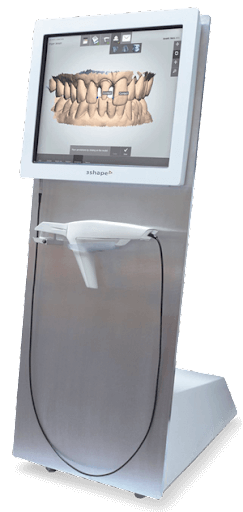
A lab’s commitment to digital dentistry is a clear indicator of its precision and efficiency. For screw-retained implants, a fully digital workflow is non-negotiable. Ask potential labs about their design process. Top-tier labs design and mill their implant crowns and bridges using the latest CAD/CAM technologies, which translates to a more accurate and predictable fit. Modern 3D milling technology further refines this process, giving you a more precise cosmetic restoration. Before sending your first case, confirm that the lab can easily work with your intraoral scanner and that their team is skilled in digital design for complex implant cases. A seamless digital connection is the foundation of a smooth workflow.
What Materials Do They Use for Restorations?
The final restoration is only as good as the materials used to create it. Don’t hesitate to ask a lab exactly what goes into their screw-retained implants. You’re looking for a partner who uses biocompatible, durable materials from reputable sources. The goal is always a precise fit, a natural look, and predictable results that reduce your chairside adjustment time. For example, many screw-retained prostheses feature an acrylic base designed to replicate natural gum tissue while ensuring stability. By confirming the lab uses premium materials like high-strength ceramics and titanium, you can feel confident that the restoration you deliver to your patient is built to last.
What Are Their Turnaround Times and Warranties?
Predictability is key to running an efficient practice. Consistent, reliable turnaround times allow you to schedule patient appointments with confidence and manage expectations effectively. Ask for a lab’s standard in-lab working time for screw-retained cases; many quality labs offer a turnaround of around 10 business days. Equally important is the lab’s warranty policy. A strong warranty, such as one that lasts five years or more, shows that the lab stands behind its craftsmanship. This policy protects your practice and your patient, giving you peace of mind. Get these details in writing so you know exactly what to expect before you start sending cases.
Top Dental Labs for Screw-Retained Implants
Choosing a dental lab for your screw-retained implants is a critical decision. The right partner becomes an extension of your team, helping you deliver predictable, high-quality outcomes for your patients. A great lab doesn’t just fabricate restorations; they collaborate with you on case planning, troubleshoot challenges, and stay current with the latest materials and techniques. While many labs do great work, a few have built exceptional reputations for their expertise in implantology. Below, we’ll highlight some top contenders known for their commitment to advanced technology, premium materials, and excellent service. This can serve as a starting point in your search for the perfect lab partner for your practice.
Next Dental Lab
Next Dental Lab is a go-to for practices that value precision and fast turnarounds. They use advanced CAD/CAM technology to create high-quality screw-retained implant crowns and bridges designed for a perfect fit. With a turnaround time of just ten business days, they help you keep patient treatment on schedule without compromising on quality. They also provide a warranty of up to five years, offering peace of mind for every case. Their focus on efficiency and reliability makes them a strong partner for achieving consistent results.
Glidewell Laboratories
As an industry leader, Glidewell is known for its innovative approach to implant restorations. They leverage CAD/CAM technology to produce strong and highly esthetic implant crowns and bridges that mimic the look of natural teeth. With a wide range of materials, including their well-known BruxZir Zirconia, they offer versatile solutions for many clinical needs. Glidewell’s commitment to research and development ensures they remain at the forefront of implant dentistry, making them a reliable choice for practices seeking advanced restorative options.
Burbank Dental Lab
Burbank Dental Lab is recognized for its comprehensive services and strong focus on the dentist-lab relationship. They combine modern digital workflows with personalized customer support to manage everything from single implants to complex full-arch cases. Their team is known for being highly collaborative, working closely with clinicians on case planning to ensure successful outcomes. If you’re looking for a lab that provides both top-tier technical work and a supportive, accessible team, Burbank is a solid contender.
Other Leading Labs to Consider
The field of implant dentistry is constantly evolving, and many labs are embracing these changes. Advances in screw-retained prostheses are being driven by better materials and fully digital workflows. Top labs are integrating technologies like CBCT data and treatment planning software to improve precision from start to finish. When evaluating potential partners, ask about their digital capabilities. A lab that has mastered digital impressions and virtual case planning is well-equipped to handle the demands of modern implantology.
What Technology Should Your Dental Lab Use?
The technology a dental lab uses is a direct reflection of its commitment to quality and precision. In the world of screw-retained implants, where fractions of a millimeter can make all the difference, cutting-edge tools aren’t just a nice-to-have—they’re essential. A lab that invests in modern technology is investing in better outcomes for your patients, fewer chairside adjustments for you, and a more seamless workflow from start to finish. When you’re evaluating a potential lab partner, their tech stack should be a key part of your decision-making process.
Look for a lab that has embraced the digital revolution, from initial scans to final fabrication. This ensures you’re working with a team that values accuracy, efficiency, and consistently excellent results. The right technology empowers technicians to create restorations that are not only beautiful but also durable and perfectly fitted, which is the ultimate goal for every case. Labs that leverage tools like CAD/CAM systems, 3D printers, and digital scanners can produce restorations with a level of consistency that’s difficult to achieve with traditional methods alone. This digital approach also improves communication, allowing for clear collaboration on complex cases and ensuring the final product aligns perfectly with your clinical plan. Ultimately, a technologically advanced lab is a more reliable partner for your practice.
Advanced CAD/CAM and Digital Design
Computer-Aided Design (CAD) and Computer-Aided Manufacturing (CAM) are the cornerstones of modern dental prosthetics. This technology allows technicians to design restorations on a screen with incredible detail and then mill them from a solid block of material with robotic precision. For screw-retained implants, this process is a game-changer. At Next Dental Lab, screw-retained implant crowns and bridges are designed and milled digitally using the latest CAD/CAM technologies. This ensures a passive fit and ideal occlusion every time, minimizing stress on the implant and surrounding bone. The result is a stronger, more predictable restoration that saves you valuable time at the seating appointment.
High-Precision 3D Printing Capabilities
Beyond milling, 3D printing has opened up new possibilities for precision in implant dentistry. This technology is ideal for creating highly accurate surgical guides, detailed models for case planning, and even custom components. By using 3D printing, labs can produce customized frameworks that are perfectly tailored to each patient’s unique anatomy. This level of personalization supports more predictable outcomes, especially in complex cases. When your lab uses 3D printing, it means they can translate your digital treatment plan into a physical reality with exceptional accuracy, enhancing the overall quality and fit of the final dental implant restoration.
How Do They Ensure Quality Control?
Great technology is only as good as the quality control that supports it. Top dental labs integrate quality checks throughout the entire digital workflow. From verifying the accuracy of an intraoral scan to digitally checking marginal fit and contact points before fabrication, technology allows for multiple verification stages. This digital-first approach catches potential issues early, long before they become a problem in your operatory. Working with a full-service lab that prioritizes these processes ensures you receive high-quality, perfectly fitted crowns and bridges. This commitment to quality control means fewer remakes, happier patients, and a more efficient practice for you.
How the Best Labs Solve Common Implant Problems
Screw-retained implants offer incredible benefits, but they aren’t immune to challenges. From a loose screw to an unhappy patient complaining about food getting stuck, the success of a case often comes down to the skill and foresight of your dental lab partner. The best labs don’t just fabricate what’s on the prescription; they anticipate potential issues and design restorations that are built to last, look beautiful, and function flawlessly for the patient.
A proactive lab partner understands the clinical realities you face. They know that a well-designed implant restoration can prevent future chairside headaches and ensure long-term patient satisfaction. This involves more than just technical skill—it requires a deep understanding of material science, occlusal forces, and patient hygiene. By focusing on precision from the very beginning, a quality lab helps you avoid common complications, turning potential problems into predictable, successful outcomes. They act as a second set of expert eyes, ensuring every detail is considered before the final restoration is ever sent to your practice.
Preventing Screw Loosening and Access Hole Issues
Screw loosening is one of the most common frustrations with implant restorations, but it’s often preventable. Top-tier labs address this at the source by ensuring a perfectly passive fit. Using advanced CAD/CAM technology, they mill components to incredibly tight tolerances, minimizing any micro-gaps that could lead to instability. Modern dental implant connections and placement protocols have also greatly reduced bone loss, and a knowledgeable lab designs restorations that work in harmony with these advancements. They also skillfully manage the screw access channel, ensuring it’s placed for easy retrievability without compromising the restoration’s strength or esthetics, giving you and your patient peace of mind.
Designing for Better Hygiene and Less Food Trapping
Patient comfort and long-term oral health are paramount. A frequent complaint with implant-supported prosthetics, especially hybrid dentures, is food getting trapped underneath, which can cause inflammation and discomfort. An expert lab technician designs the underside of the restoration to be smooth, convex, and highly polished. This creates a surface that is easy for the patient to clean with floss or water picks, preventing plaque buildup and promoting healthy gum tissue. This thoughtful design detail makes a world of difference in the patient’s daily experience and the overall longevity of the implant.
How Top Labs Reduce Restoration Failure Rates
Technical complications like fractures or esthetic mismatches can derail a case and damage your practice’s reputation. A reliable lab minimizes these risks through a combination of superior materials, meticulous design, and open communication. As research shows, issues like crown debonding and aesthetic mismatches can often be avoided with better pre-planning. This is where a true lab partner shines. By carefully reviewing your digital case submissions, they can spot potential issues with angulation or clearance before fabrication begins. This collaborative approach, backed by rigorous quality control, ensures the final restoration is not only beautiful but also strong enough to withstand functional stresses.
Analyzing the Causes and Locations of Implant Failure
Understanding why implants fail is the first step toward preventing it. Failures aren’t random; they often stem from specific biological or mechanical issues that can be anticipated and managed. A great lab partner doesn’t just create a restoration—they design it with failure prevention in mind. By analyzing the common causes, from patient health factors to prosthetic design flaws, we can work together to build restorations that stand the test of time and support long-term clinical success for your patients.
Early vs. Late-Stage Failures
Implant failures are typically categorized as either early or late. Early failures happen before the implant is fully integrated with the bone, often due to issues with the healing process. Research indicates that early implant failures are more common in patients with systemic medical conditions that can compromise healing. Late-stage failures, on the other hand, occur after osseointegration is complete and are often linked to factors like occlusal overload, poor hygiene, or peri-implant disease. Interestingly, these late failures are more frequently seen in patients who are otherwise healthy. While a lab can’t influence a patient’s systemic health, it plays a crucial role in preventing late-stage failures by designing restorations that distribute forces evenly and promote excellent long-term stability.
Addressing Peri-Implantitis Through Design
Peri-implantitis is a leading cause of late-stage implant failure, and prosthetic design is one of your most powerful tools against it. The choice of a screw-retained restoration is a significant first step. By design, it completely removes the risk of leaving behind excess cement below the gumline, which is a well-known trigger for inflammation and soft tissue complications. Beyond that, a skilled lab technician focuses on the details that support patient hygiene. At Next Dental Lab, we design the underside of every implant restoration to be smooth, convex, and highly polished. This creates a surface that is easy for patients to clean effectively, preventing plaque accumulation and promoting healthy, resilient gum tissue for years to come.
Materials and Manufacturing: What Really Matters?
When you partner with a dental lab, you’re trusting them with your patient’s health and your practice’s reputation. The materials they use and the precision of their manufacturing process are the bedrock of any successful restoration. A screw-retained implant that looks great but fails due to poor material choice or an imprecise fit isn’t a win for anyone. This is where you can really separate the exceptional labs from the average ones.
A top-tier lab doesn’t cut corners. They invest in proven, high-quality materials and leverage advanced technology to ensure every single case meets exacting standards. They understand that the final product needs to be strong, biocompatible, and perfectly fitted to ensure long-term stability and patient satisfaction. When you’re evaluating a potential lab partner, take a close look at what’s happening behind the scenes. Ask them about their material suppliers, their manufacturing workflow, and their quality control processes. Their answers will tell you everything you need to know about their commitment to excellence.
The Best Materials: Titanium and High-Strength Ceramics
The long-term success of a screw-retained implant starts with the materials. Your lab should be using premium, medical-grade options that are built to last. Titanium is a go-to for a reason; it’s incredibly strong and known for its ability to fuse with bone, a process that helps maintain jawbone health. This biocompatibility and strength make it a reliable foundation for durable dental implants.
Alongside titanium, high-strength ceramics like Zirconia offer an excellent, metal-free alternative. They provide beautiful, natural-looking esthetics without compromising on strength. A great lab will have expertise in working with both materials, allowing you to choose the best option for each patient’s unique clinical needs and preferences.
Expected Lifespan of Restoration Materials
Acrylic vs. Zirconia Bridges
When planning for the long term, the material you choose directly impacts a restoration’s durability. Acrylic bridges, for example, typically last about 7 to 10 years, which means your patients may need to plan for replacements due to wear. Zirconia bridges, on the other hand, are engineered for exceptional strength and can last 15 to 20 years or more. Clinical studies show that zirconia restorations have an impressive survival rate, often between 95-98% over many years. This outstanding durability makes zirconia an ideal choice when you want to provide patients with a solution that combines beautiful esthetics with reliable, long-lasting performance, reducing the need for future work.
Why Biocompatibility Is Non-Negotiable
A restoration can only be successful if the patient’s body accepts it. That’s why biocompatibility is non-negotiable. The materials used in the implant and the final restoration must not cause irritation or adverse reactions. Ceramic options like Zirconia are fantastic in this regard, as they are “considered metal-free… [and] cause little irritation and fuse with the bone just as well as titanium.”
Your lab partner should be transparent about the composition of their materials and be able to provide documentation if needed. Offering both titanium and ceramic crown and bridge solutions shows a commitment to accommodating every patient, including those with metal sensitivities. This flexibility is a key indicator of a patient-first lab.
How They Guarantee a Precise Fit
A perfect fit is everything. It reduces chair time, minimizes the need for adjustments, and ensures the restoration is comfortable and functional for the patient. The best labs achieve this level of precision by combining skilled technicians with advanced digital technology. As one leading lab notes, restorations should be “designed for a precise fit, natural look, and predictable results, which means less worry for dentists.”
This is where a lab’s investment in a digital workflow really pays off. By accepting digital cases, labs can use CAD/CAM technology to design and mill restorations with incredible accuracy. This process ensures that every component, from the abutment to the final crown, fits together seamlessly for a stable and esthetically pleasing result.
How to Evaluate a Lab’s True Value
The lab bill tells you what you paid, but it doesn’t tell you the whole story of what a restoration truly costs your practice. A low-cost crown that requires multiple adjustments, causes patient discomfort, or fails prematurely ends up being far more expensive than a high-quality restoration with a higher initial lab fee. True value is a combination of excellent clinical outcomes, streamlined workflows, and the peace of mind that comes from working with a reliable partner. It’s about minimizing chair time, maximizing patient satisfaction, and building a reputation for durable, beautiful work that lasts.
When you’re evaluating a dental lab, it’s helpful to look at the complete picture. Think beyond the single transaction and consider the long-term relationship. Consider the full investment you’re making, the services that simplify your day-to-day operations, and the policies that protect your practice and your patients. This holistic approach helps you find a lab that not only delivers exceptional restorations but also contributes positively to your practice’s efficiency, bottom line, and reputation.
Look Beyond the Lab Bill to See the Full Investment
The most significant factor in a restoration’s true cost is the quality of the final product. A screw-retained implant that fits perfectly with minimal chairside adjustments saves you valuable time and builds patient confidence. This level of precision comes from a lab’s commitment to using high-quality materials and investing in modern technology. When a lab leverages advanced digital case solutions, they can produce restorations with incredible accuracy, reducing the risk of costly remakes and follow-up appointments. Think of it as an investment in efficiency—paying for expertise and technology upfront prevents you from paying later with your time and reputation.
What Value-Added Services Do They Offer?
A great dental lab does more than just fabricate restorations; they act as a supportive partner to your practice. Look for value-added services that make your job easier. Does the lab offer a simple, intuitive portal for submitting and tracking cases? Can you get knowledgeable support for treatment planning complex cases? Working with a full-service lab that provides a comprehensive range of dental implants and other restorative options can also streamline your workflow, allowing you to send all your cases to one trusted partner. These services are often the defining difference between a simple vendor and a lab that is genuinely invested in your success.
What’s Their Warranty and Remake Policy?
A lab’s warranty and remake policies are a direct reflection of their confidence in their work. A strong, clear warranty shows that the lab stands behind the quality and durability of its restorations. Before partnering with any lab, make sure you understand the terms, including the length of the warranty and what the remake process entails. For example, Next Dental Lab offers a warranty of up to five years on its work, demonstrating a firm commitment to quality. This isn’t just a policy on a piece of paper; it’s your assurance that the lab is accountable for its craftsmanship and will be there to support you if an issue arises.
Inquire About Staff Training and Support
Adopting new technology can feel overwhelming, but the right lab partner will make the transition smooth for your entire team. A great lab doesn’t just accept your digital files; they actively help your staff master the tools and workflows. Before committing, ask what kind of training and support they provide. Do they have a dedicated expert you can call with questions about your scanner or a specific case? A supportive lab will offer resources to help your team learn new digital workflows, ensuring everyone feels confident from the first scan to the final restoration. This level of partnership is invaluable, as it empowers your practice to take full advantage of modern dental technology and reduces the learning curve for your team.
Ask About Performance Tracking and Metrics
A digital workflow provides a wealth of data that can be used to strengthen your partnership with a lab. A transparent and confident lab will be open to tracking key performance metrics with you. Ask them how they measure success. You can use the digital process to monitor important indicators like turnaround times, scan accuracy, and how often restorations need remakes. This isn’t about pointing fingers; it’s about continuous improvement. By reviewing this data together, you and your lab can identify opportunities to refine your workflow, leading to even better clinical outcomes, greater efficiency, and a more predictable and successful collaboration over the long term.
What Great Lab Support and Communication Looks Like
The final restoration is only as good as the partnership between your practice and your dental lab. Beyond technical skill, a lab’s value is defined by its communication and support systems. When you’re working on complex cases like screw-retained implants, you need a partner who is accessible, responsive, and invested in your success. A great lab doesn’t just fabricate restorations; it collaborates with you to achieve the best possible patient outcomes. Clear communication channels and reliable support are the foundation of a relationship that helps your practice run smoothly and efficiently.
Can You Easily Reach Technical Support?
Even the most straightforward implant case can present unexpected challenges. That’s why direct access to experienced technicians is so important. A top-tier lab will have a team of certified dental technicians available to help you plan cases from the start. This collaborative approach is invaluable for complex full-arch restorations or tricky implant placements. Instead of just sending a scan and hoping for the best, you can discuss material options and design considerations with an expert. This support ensures the final dental implants are functional and durable, giving you confidence in your clinical decisions.
Is Their Digital Portal Easy to Use?
In a busy practice, efficiency is everything. A modern dental lab should offer a seamless digital workflow that saves you time and eliminates guesswork. An intuitive online portal is a non-negotiable feature that should allow you to submit and track cases, upload files, and communicate with the lab team in one place. This transparency gives you real-time updates on your case’s progress. Submitting digital cases through a dedicated portal also reduces the risk of errors and ensures every restoration is fabricated with precision for a perfect fit.
Request a Demo of Their Digital Platform
Don’t just take a lab’s word for it—ask to see their digital platform in action. A quick demo is the best way to gauge how intuitive their system really is and whether it will genuinely streamline your workflow or just add another layer of complexity. During the walkthrough, pay attention to how easy it is to submit a new case, upload scan files, and track its progress from start to finish. This is also the perfect time to confirm that their system integrates smoothly with your specific intraoral scanner. A lab that has invested in a user-friendly, efficient portal demonstrates a commitment to making your life easier, which is a hallmark of a true partner.
How Responsive Is Their Customer Service?
While digital tools are essential, they can’t replace the value of human connection. When you have a question or need to make a last-minute adjustment, you need to know you can reach a real person who can help. A great lab is defined by its responsive and knowledgeable customer service team. Whether you prefer to communicate via phone, email, or a portal message, your inquiries should be met with prompt, helpful answers. This reliable support builds trust and makes you feel like a valued partner, not just another account number.
How to Vet a Lab’s Reputation and Reliability
Finding a lab that can fabricate a beautiful screw-retained implant is one thing. Finding one you can count on, case after case, is another entirely. A lab’s reputation is built on more than just a few successful cases; it’s the result of consistent quality, clear communication, and a commitment to standing behind their work. When you’re choosing a partner for complex restorations, you need to know they have a solid foundation of trust and expertise.
Technical skill is essential, but so is reliability. You want a lab that delivers on time, uses high-quality materials, and is there to support you if a case presents unexpected challenges. Before you commit, it’s worth taking the time to look into the lab’s history, credentials, and what your peers have to say about them. These three areas will give you a clear picture of the kind of partner you’ll be working with.
Are They Certified and Compliant?
Think of this as a background check for your lab partner. Reputable labs will proudly display their certifications because they demonstrate a commitment to quality and safety. Look for credentials like being a Certified Dental Laboratory (CDL) or a member of the National Association of Dental Laboratories (NADL). These organizations hold their members to high standards of craftsmanship and ethics.
Equally important is confirming that the lab uses materials that are safe and approved for patient use. A trustworthy lab will exclusively use FDA-approved materials and be transparent about their sourcing. This isn’t just a box to check—it’s a fundamental requirement for ensuring patient safety and the long-term success of your restorations.
What’s Their Track Record in the Industry?
A lab’s history can tell you a lot about its stability and expertise. Labs that have been around for decades, like Burbank Dental Lab, have proven their ability to adapt to industry changes while maintaining consistent quality. A long track record often means they have a deep well of experience to draw from when handling complex or unusual cases.
However, longevity isn’t the only indicator of a great lab. Look at what the lab is known for. Some, like Glidewell, have built a strong reputation specifically around high-quality implant restorations. A lab’s track record shows its ability to deliver on its promises over time, which is a strong indicator of its reliability for your practice.
Ask Colleagues for Their Honest Feedback
One of the most reliable ways to vet a lab is to ask other dentists for their unfiltered opinions. Your peers can offer insights you won’t find on a website, sharing their real-world experiences with a lab’s customer service, consistency, and problem-solving abilities. Testimonials from professionals who have worked with a lab for years can provide powerful reassurance.
Don’t be afraid to ask specific questions. Inquire about turnaround times, how the lab handles remakes, and the quality of their technical support. Hearing from a colleague that a lab’s team is responsive and helpful can give you the confidence you need to send your first case.
How to Choose Your Next Dental Lab Partner
Choosing a dental lab is more than just finding a vendor—it’s about finding a partner who aligns with your practice’s standards for quality and patient care. Once you’ve narrowed down your options based on their technical skills and material offerings, it’s time to make your final decision. Here’s how you can move forward with confidence.
Compare Your Top Lab Candidates
With a shortlist in hand, it’s time to look closer at what each lab truly offers. The foremost consideration is always the quality of their work. Create a simple checklist to compare your top candidates side-by-side. Evaluate their digital workflow, the brands and types of materials they use, their communication style, and their stated turnaround times. Ask to see examples of their finished dental implants to get a clear picture of their craftsmanship. A lab’s website and case galleries can tell you a lot about their attention to detail and the consistency of their results.
Start with a Trial Case
The best way to know if a lab is the right fit is to send them a case. Think of it as a test drive. Choose a straightforward, non-urgent case to see their entire process in action, from submission to delivery. This gives you a real-world opportunity to assess their work. Did they follow your prescription precisely? Was their team easy to communicate with? Did the final restoration fit perfectly and meet your aesthetic standards? This initial experience will tell you everything you need to know about their reliability and whether their service lives up to their promises. When you’re ready, it’s easy to connect your scanner and send your first digital case.
Evaluate the Potential for a Long-Term Partnership
Your dental lab should feel like an extension of your in-house team. Look for a lab that wants to be a helpful partner for your practice by offering comprehensive solutions. A full-service lab that can handle everything from single crowns to complex hybrid dentures simplifies your workflow and ensures consistency across all your cases. Over time, a dedicated lab partner learns your specific preferences for contacts, occlusion, and aesthetics, leading to more predictable outcomes and fewer adjustments. This kind of collaborative relationship is built on trust and a shared commitment to excellent patient care.
Related Articles
- Dental Implants Archives – Next Dental Lab
- Digital Dentistry And Dental Implants: Trends Transforming The Industry – Next Dental Lab
- A Pro’s Guide to Dental Implant Screw Types
- Which Cement Works Best For Implant Crowns? – Next Dental Lab
- Dental Lab Blog – Next Dental Lab
Frequently Asked Questions
Are screw-retained implants always the best choice over cement-retained? While screw-retained implants offer significant advantages, especially regarding retrievability and gum health, the “best” choice always depends on the specific clinical situation. For posterior cases or full-arch restorations where easy maintenance is a priority, they are often the superior option. However, in some anterior cases with challenging implant angulation, a cement-retained crown might provide a more esthetic result. A great lab partner can help you weigh the pros and cons for each individual case.
My biggest concern with screw-retained crowns is the look of the access hole. How do top labs manage this? This is a common and valid concern. An expert lab addresses this from the very beginning of the design phase. Using advanced CAD software, technicians strategically place the screw access channel on a non-visible surface, like the occlusal surface of a molar or the lingual side of an anterior tooth. After you torque the crown into place, the channel is sealed with a high-quality composite material that is carefully matched to the shade of the crown, making it blend in seamlessly.
What’s the most important factor to consider when evaluating a lab’s digital workflow? Beyond just having the technology, the most critical factor is how easily their system integrates with yours. A truly digital-savvy lab makes the process effortless for your practice. Before sending a case, confirm that they are fully compatible with your specific intraoral scanner and ask to see their digital case submission portal. It should be intuitive, clear, and make communication simple, saving you time and preventing miscommunication.
How can I ensure a new lab understands my specific preferences for fit and finish? Communication is key, especially at the start of a new partnership. Don’t hesitate to be overly detailed in your first few prescriptions. Provide clear notes about your preferences for things like contact tightness and occlusal anatomy. A proactive lab will appreciate this information and will often create a profile for your practice to ensure they meet your standards on every case that follows. This initial effort helps build a strong foundation for a long-term relationship.
Besides sending a trial case, what’s a good way to gauge a lab’s customer support before committing? A great way to test the waters is to call their technical support line with a question about a hypothetical case. You can ask for their recommendation on materials for a specific situation or inquire about their process for a complex implant bridge. Their response will tell you a lot. You’re looking for a team that is knowledgeable, accessible, and eager to collaborate. This simple call can give you a clear sense of the support you’ll receive when you’re a client.