
Selecting the right cement for an implant crown is one of the most critical decisions in restorative dentistry. It’s a constant balancing act between two essential goals: ensuring rock-solid retention and allowing for future retrievability. A cement that’s too strong can make it nearly impossible to address future complications, while one that’s too weak risks dislodgment and patient dissatisfaction. This choice directly impacts the long-term health of the surrounding tissue and the overall success of the restoration. Finding the best cement for implant crowns isn’t about picking the strongest adhesive; it’s about choosing a material that supports both stability and serviceability for your dental implants.
Understanding how each type performs helps clinicians make informed choices that align with patient needs and treatment goals.
Finding the Sweet Spot: Retention vs. Retrievability
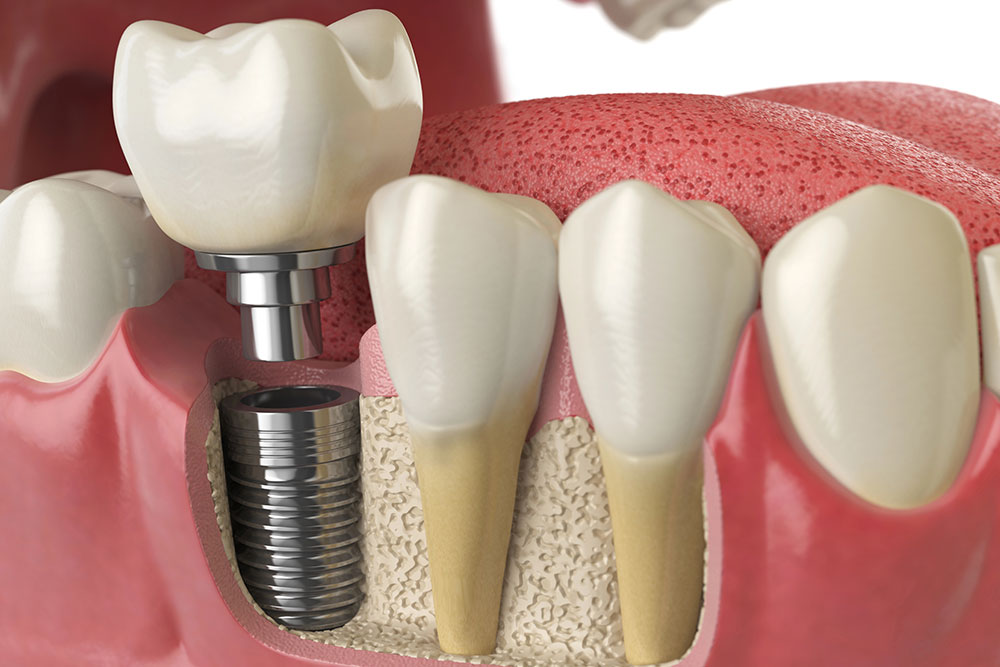
Every implant restoration involves finding the right point between two competing priorities: retention and retrievability. A permanent cement delivers stronger hold, but it also makes removal more difficult if complications arise. On the other hand, temporary cement allows easier crown retrieval but may risk dislodgment under chewing forces.
When retrievability is a key concern, many clinicians start with a provisional cement. This approach allows them to monitor fit, comfort, and occlusion before committing to a more retentive material. If the crown loosens over time, the clinician can then shift to a stronger cement for better stability.
How to Choose the Right Cement for Your Implant Crown
The choice of cement depends on more than personal preference. Factors such as abutment height, taper, and available surface area directly affect how much retention is needed. A shorter or more tapered abutment may require stronger cement to maintain stability.
The fit between the abutment and the crown also matters. A well-designed restoration with minimal spacing improves mechanical retention, reducing the need for overly adhesive cement. Working closely with a reliable dental lab helps achieve a consistent fit that supports both strength and retrievability.
Considering a “Test Drive” with Temporary Cement
When it comes to implant crowns, think of temporary cement as a “test drive.” This approach gives you and your patient a chance to assess the fit, comfort, and occlusion before committing to a permanent solution. If retrievability is a priority, starting with a provisional cement allows you to monitor the restoration’s performance under real-world conditions. If the crown feels great and functions well, you can proceed with confidence. If any issues arise, the crown can be easily removed for adjustments, making it a low-risk way to ensure a perfect final outcome.
This flexibility is incredibly valuable. If you anticipate needing to remove the crown in the future, research shows that a non-eugenol temporary resin implant cement is a great choice because of its lower retention strength. This strategy prevents you from being locked into a permanent bond too soon. Ultimately, taking the time for a trial run helps guarantee a better long-term result. It confirms that the final cement choice aligns with clinical requirements and patient comfort, ensuring the high-quality implant crown performs exactly as it should.
A Breakdown of Common Implant Crown Cements
Provisional cements are widely used for retrievable crowns. They hold securely but can be removed without damaging the abutment or crown. They are ideal for cases that may need future adjustments or inspection of the abutment screw.
Resin-modified glass ionomer cements are a popular option in both clinical and educational settings. They offer good strength, translucency, and ease of use. These cements are less likely to wash out over time compared to traditional temporary options.
Resin-based permanent cements are chosen for cases where long-term retention and esthetics are the priority. They form a strong bond and are available in shades that blend well with surrounding structures. However, they can make crown removal challenging and may require more attention to cement cleanup.
Resin-Modified Glass Ionomer (RMGI)
Resin-modified glass ionomer (RMGI) cements have become a go-to for many clinicians, and for good reason. They blend the strength and translucency of resin with the fluoride-releasing benefits of glass ionomer, creating a reliable material that’s easy to handle. One of their biggest advantages is their resistance to washout, which means they hold up well over time compared to more traditional temporary cements. This makes them a solid middle-ground option, offering dependable retention for crown and bridge cases without making future retrieval impossible. Their balance of properties makes them a versatile choice for a wide range of clinical situations.
Example: GC Fuji Plus
A classic example of an RMGI is GC Fuji Plus. It’s known for creating a strong chemical bond to tooth structure while also adhering to metal, resin, and ceramic materials. Its ability to release fluoride is an added benefit for protecting surrounding tooth margins. This combination of excellent adhesion and protective qualities has made it a trusted material in dental practices for years, suitable for cementing a variety of restorations, including metal-based crowns, bridges, and inlays.
Resin Cements
When maximum retention is the top priority, resin-based permanent cements are often the best choice. These materials are ideal for cases where the abutment is short or has a significant taper, as they provide the strongest bond available. They also offer superior aesthetics, with various shades that can be matched to the restoration for a seamless look, which is especially important in the anterior region. The trade-off, however, is retrievability. Removing a crown cemented with a permanent resin can be extremely difficult, so this option is best reserved for final restorations where you are confident no future adjustments will be needed for the dental implants.
Zinc Phosphate and Polycarboxylate Cements
Zinc phosphate is one of the oldest and most studied cements in dentistry. It offers high compressive strength and a proven track record of long-term retention. While it’s a reliable choice for holding restorations firmly in place, its strength is also its biggest drawback when it comes to implant crowns—retrieval is nearly impossible without damaging the restoration. Polycarboxylate cements were the first to chemically bond to tooth structure and offer a kinder reaction to pulp tissue. Both are traditional options that have largely been succeeded by newer materials that offer a better balance of retention and retrievability for implant cases.
Specialized Implant Cements
To address the unique challenges of implant restorations, manufacturers have developed specialized implant cements. These materials are engineered to provide secure retention while still allowing for retrievability if needed. They are strong enough to withstand occlusal forces but flexible enough to be removed without damaging the crown or abutment. Many of these cements also feature easy cleanup, which is critical for preventing peri-implantitis caused by excess cement left below the gumline. Using these modern materials often complements a streamlined digital case workflow, ensuring precision from start to finish.
Key Features: Elastomeric Resin and Fluoride-Free Options
Many specialized implant cements are made from an elastomeric resin. This gives them a slight flexibility, allowing them to absorb shock from chewing forces without cracking or failing. This resilience contributes to a secure marginal seal that prevents washout over time. Additionally, many are formulated to be fluoride-free, as fluoride can sometimes interact with titanium abutments. This thoughtful design ensures both the longevity of the restoration and the health of the surrounding implant components.
Example: Premier Implant Cement
Premier® Implant Cement™ is a perfect illustration of a tough elastomeric resin designed for long-lasting hold. Its formula provides a durable seal around the implant margin, yet it remains flexible enough to absorb daily chewing forces. This shock-absorbing quality helps it resist breakdown and maintain its integrity over the long term, offering clinicians a reliable solution that balances the need for both strong retention and potential retrievability for implant-supported crowns.
Understanding Cement Strength: What the Data Says
When you’re deciding on a cement, it helps to look at the numbers. Clinical studies give us a great baseline for understanding how different materials perform under controlled conditions. Research comparing various luting agents provides valuable data on retention strength, which is a key factor in the long-term success of implant-supported crowns. While every patient case is unique, this data can guide your selection process, helping you match the right cement to the specific clinical situation you’re facing. Think of it as having a cheat sheet that points you toward the most reliable options for retention or the most practical choices for retrievability.
Strongest Retention: Resin and Polycarboxylate
If your top priority is a bond that won’t budge, resin and polycarboxylate cements are your heavy hitters. One study found that a dual-cure resin cement, PANAVIA™ F 2.0, showed the highest retention strength at 674.065 N, making it the strongest option tested. Polycarboxylate cement also performed exceptionally well, with a retention strength of 531.362 N. These cements are ideal for challenging cases, such as those with short or highly tapered abutments, where you need maximum adhesion to ensure the restoration stays put. Their powerful bond provides peace of mind that the crown will withstand significant occlusal forces over time.
Moderate Retention: Resin-Modified Glass Ionomer
For a reliable, all-around option, many clinicians turn to resin-modified glass ionomer (RMGI) cements. These materials strike a great balance between strength and practicality. Research shows RMGI cement has a retention strength of around 342.063 N, offering a secure hold that’s still manageable. Known for their ease of use, natural appearance, and resistance to washing out, RMGIs are a popular choice in many clinical settings. They provide enough strength for most cases without making future retrieval an impossible task, making them a versatile workhorse for everyday implant restorations.
Easiest for Retrievability: Non-Eugenol Temporary Resin
Sometimes, the plan includes needing to remove the crown later. In these situations, a cement designed for easy retrievability is the smartest choice. Non-eugenol temporary resin cements have the lowest retention strength, with one study recording it at 138.256 N. This lower bond strength is actually its biggest advantage. It’s perfect for cases where you might need to access the abutment screw for maintenance or make future adjustments. Using this type of cement allows you to retrieve the crown easily without causing damage to the restoration or the underlying components.
Lab vs. Reality: Understanding the Research
While lab studies provide fantastic quantitative data, it’s important to remember they don’t paint the full picture. The controlled environment of a lab can’t fully mimic the dynamic and complex conditions of the human mouth. Factors like saliva, temperature changes, and the patient’s bite force can all affect how a cement performs over the long term. That’s why this data should be used as a guide, not a rigid rulebook. Your clinical experience and judgment are just as critical in making the final call. A great restoration starts with a precise fit, which is why clear communication and collaboration with your dental lab are so important for achieving predictable outcomes.
In Vitro Studies and Their Limitations
It’s crucial to recognize that most cement strength studies are conducted under in vitro (lab) conditions. As researchers note, these findings “do not fully replicate the complexities of the oral environment, such as moisture and temperature fluctuations.” These real-world factors can significantly influence how cements behave. For example, consistent moisture can degrade certain materials over time, while a patient with bruxism will place far greater stress on the cement bond than any lab machine. This is why a holistic approach is necessary. The numbers give you a starting point, but the final decision should always integrate your clinical expertise and the unique needs of each patient. By combining data with practical experience, you can select a cement that truly supports the longevity of your crown and bridge work.
Tips for a Flawless Cement Cleanup
Excess cement around the abutment margin can lead to peri-implant inflammation and bone loss. This often occurs when cement is left beneath the gum line. Using radiopaque cements helps detect excess during post-placement radiographs.
Clinicians should also maintain proper working protocols: dry the abutment surface, apply minimal cement, and clean immediately after seating. Clear communication with the lab regarding abutment design and margin depth helps limit these risks during fabrication.
Preventing “Cementitis” with Meticulous Cleaning
The term “cementitis” describes the inflammation that can occur when excess cement is left behind after seating an implant crown. When cement gets trapped beneath the gum line, it can trigger peri-implant inflammation and, in more severe cases, lead to bone loss. A meticulous cleanup protocol is your best defense against this complication. One of the most effective strategies is to use radiopaque cements that are visible on radiographs, allowing you to confirm that no residue remains. Following proper clinical steps—like drying the abutment surface, applying a minimal amount of cement, and cleaning immediately—is also fundamental to protecting the long-term health of the implant.
Ease of Use: Auto-Mix Syringes
To make the cementation process more predictable and efficient, many clinicians prefer using auto-mix syringes. These delivery systems eliminate the variables of hand-mixing, providing a perfectly consistent and homogenous blend with each use. This reduces the risk of incorporating air bubbles that could compromise the integrity of the bond. More importantly, the controlled dispensing allows you to apply the precise amount of cement needed. This level of control is crucial for minimizing excess, which simplifies cleanup and directly supports the goal of preventing cement-related complications around the implant.
Will Your Cement Choice Affect the Final Look?
The esthetic zone demands special attention. Translucent or light-colored cements can prevent unwanted shadows under thin gingival tissue. For restorations supported by dental implants in visible areas, this detail can influence overall patient satisfaction.
In some cases, a screw-retained design might be preferable to avoid subgingival cement altogether, especially when working near delicate tissue zones.
How a Great Lab Partnership Improves Outcomes
At times, combining precision and flexibility in restorative work may call for hybrid dentures or implant-supported restorations. The success of these treatments depends on consistent collaboration between the dentist and the lab to select compatible materials and cements.
Get Consistent Implant Results with Next Dental Lab
Here at Next Dental Lab, we understand the importance of precision and reliability when restoring implants. Our team fabricates restorations designed for optimal fit, function, and long-term performance.
With every case, we aim to build lasting trust through accuracy, transparency, and dependable craftsmanship.
Frequently Asked Questions
Is there one “best” cement for all implant crowns? There really isn’t a single, universal cement that works perfectly for every case. The best choice always depends on the specific clinical situation. It’s a balancing act between needing a strong, secure hold and ensuring you can retrieve the crown later if necessary. Factors like the abutment’s height and taper, the patient’s bite, and whether you anticipate future adjustments all play a role in determining the ideal material.
When should I prioritize retrievability over maximum retention? Prioritizing retrievability is a smart move in several scenarios. Consider using a less permanent cement if you’re placing a crown on an implant with a guarded long-term prognosis or if you anticipate needing to access the abutment screw for future maintenance. It’s also a great strategy for a “trial period” after placing a new crown, as it allows you to easily remove the restoration for adjustments without damaging it.
What’s the most common complication with cement-retained crowns, and how can I prevent it? The most significant issue is peri-implant inflammation caused by excess cement left below the gumline, sometimes called “cementitis.” The best way to prevent this is with a meticulous cleanup protocol. Using a radiopaque cement that shows up on x-rays is a great way to verify that all residue has been removed. Also, applying a minimal, precise amount of cement and using an auto-mix syringe for control can make cleanup much simpler and more effective.
How much does the abutment’s shape influence my cement choice? The abutment’s geometry is a huge factor. An abutment that is short or has a significant taper provides less natural mechanical grip, meaning you’ll need a stronger, more adhesive cement like a permanent resin to ensure the crown stays put. In contrast, an abutment with tall, parallel walls offers excellent inherent retention, which gives you the flexibility to use a less aggressive cement that allows for easier retrievability.
Does the location of the implant in the mouth affect which cement I should use? Yes, absolutely. For implants in the esthetic zone, the visual outcome is critical. Using a translucent or tooth-colored cement can prevent a dark shadow from showing through thin gingival tissue, which is key for a natural look. For posterior teeth, where chewing forces are much higher, the cement’s retention strength often becomes the more important consideration, guiding you toward a more durable material.
Key Takeaways
- Prioritize your end goal: Decide whether retention or retrievability is more important for the case. Think of temporary cements as a valuable trial period for new crowns, while reserving permanent resin cements for final restorations where you need maximum strength.
- Match the cement to the clinical need: Use the data as your guide. Resin cements provide the strongest bond for challenging situations, resin-modified glass ionomers (RMGIs) offer a reliable, balanced hold for everyday cases, and non-eugenol temporary cements are the best choice when future removal is planned.
- Meticulous cleanup is non-negotiable: Preventing peri-implantitis starts with a clean margin. Using radiopaque cements to verify your work on an x-ray and auto-mix syringes for precise application are simple habits that protect the long-term health of the implant.