A happy patient is the best review you can get. When it comes to removable appliances, their daily comfort is non-negotiable. A cast metal partial denture offers incredible stability and function, but its success depends entirely on the craftsmanship. A great partial from a skilled cast metal partial denture lab means fewer adjustments and a patient who can eat, speak, and smile with total confidence. This guide will show you exactly what to look for in a lab partner to ensure you deliver that exceptional experience, every single time.
Key Takeaways
- Choose Cast Metal for Reliable Results: Their inherent strength and precise fit lead to happier patients and fewer follow-up appointments, making them a dependable choice for removable restorations.
- Your Lab is an Extension of Your Team: Look for a partner who provides more than just a product. The right lab offers expert technicians, quality materials, digital integration, and open communication to ensure every case is a success.
- Guide Your Patient to a Successful Outcome: A great restoration is only half the battle. Prepare patients for the initial adjustment period and provide clear care instructions to build their confidence and ensure the long-term success of their new partial.
What Is a Cast Metal Partial Denture?
When your patients need a reliable and long-lasting solution for missing teeth, cast metal partial dentures are often the go-to choice. These aren’t your standard removable partials; they are custom-designed restorations built around a rigid metal framework. Typically crafted from cobalt-chrome alloys, these partials provide superior strength and a precise fit that both you and your patients will appreciate. They serve as a foundational treatment for restoring function and aesthetics, integrating seamlessly with the patient’s remaining natural teeth.
The Anatomy of a Cast Metal Partial
At the heart of a cast metal partial is its framework, a strong yet lightweight base made from high-quality materials like Dentsply Vitallium 2000. This alloy is known for its durability, adjustability, and excellent biocompatibility. The framework includes clasps that securely grip existing teeth for stability, connectors that unite the different parts of the partial, and rests that sit on the occlusal surface of the teeth to provide vertical support. This intricate design distributes chewing forces evenly, protecting both the teeth and the gums. The final component is the denture base, which holds the artificial teeth and is designed to match the patient’s natural gum tissue.
Restoring Your Patient’s Smile and Bite
The primary goal of any partial denture is to replace missing teeth, and cast metal partials excel at restoring both function and aesthetics. For your patients, this means a return to confident chewing, clearer speech, and a fuller, more supported facial appearance. By filling the gaps left by missing teeth, these removable partials also prevent the remaining natural teeth from shifting out of position, which is crucial for maintaining proper bite alignment and overall oral health. The result is a functional, comfortable, and natural-looking smile that significantly improves your patient’s quality of life.
Your Patient’s Top Questions, Answered
Preparing your patients for life with a new partial is key to their success. One of the most common topics is daily care. You can advise them to rinse and brush their partial every day with a soft-bristled brush and a non-abrasive cleaner to keep it fresh and free of plaque. It’s also helpful to set expectations about the initial adjustment period, as it can take a few weeks to get used to speaking and eating with the new appliance. Addressing these points proactively helps build patient confidence and ensures they have a positive experience. Providing clear care tips from the start makes all the difference.
How Cast Metal Partials Compare to Other Options
When discussing treatment plans, patients often look to you for guidance on the best removable option for their unique situation. While cast metal partials are celebrated for their durability and precise fit, it’s helpful to frame them in comparison to other common choices. Understanding the distinct advantages and limitations of acrylic and flexible partials allows you to have a more comprehensive conversation with your patients, ensuring they feel confident in their decision. Each type serves a different purpose, from temporary solutions to long-term, comfort-focused restorations, and explaining these differences clearly can set the stage for a successful outcome.
Acrylic Partial Dentures (Flippers)
Often referred to as “flippers,” acrylic partial dentures are a lightweight, plastic-based option frequently used as a transitional appliance. They are an effective temporary solution while a patient heals from an extraction or awaits a more definitive restoration like a bridge or implant. While they are easy for patients to handle, their construction comes with trade-offs. Acrylic partials are not as strong as their metal counterparts and can be more prone to breakage. Patients may also find them bulky, which can sometimes interfere with speech and eating, making them less ideal for long-term, everyday use compared to the stability offered by a cast metal framework.
Flexible Partial Dentures
For patients whose primary concerns are aesthetics and comfort, flexible partial dentures present a compelling alternative. Made from a pliable nylon-based material, these partials are exceptionally lightweight and adapt snugly to the contours of the mouth. Their clasps are made from the same gum-colored material, allowing them to blend in seamlessly for a very natural look. This makes them a great choice for patients with allergies to acrylic. However, their flexibility comes at the cost of strength and longevity. Unlike cast metal, if a flexible partial cracks or breaks, it typically cannot be repaired and requires a complete replacement, which is an important consideration for long-term treatment planning.
Why Offer Cast Metal Partial Dentures?
When a patient needs to replace several missing teeth, a removable partial denture is often the most practical and effective solution. Among the options you can offer, cast metal partial dentures have long been the gold standard for a reason. Their design centers on a rigid, custom-fabricated metal framework that provides the foundation for the denture base and artificial teeth. This structure is what sets them apart, offering superior stability, durability, and a more streamlined fit compared to flexible or all-acrylic alternatives.
For your practice, choosing cast metal partials means providing a predictable and reliable restoration that leads to higher patient satisfaction and fewer follow-up adjustments. The precision-cast framework distributes chewing forces evenly across the remaining natural teeth, which helps preserve the health of the existing dentition and bone structure. This isn’t just about filling a gap; it’s about creating a functional, long-term solution that integrates seamlessly into the patient’s mouth. By recommending a cast metal partial, you’re offering a solution that expertly balances function, comfort, and longevity, making it a cornerstone of restorative care.
Superior Strength and Longevity
One of the most compelling reasons to choose cast metal partials is their incredible durability. The cobalt-chromium alloy framework is exceptionally strong and resistant to fracture, allowing it to withstand the daily rigors of chewing and speaking without warping or breaking. This inherent strength means the appliance can be designed with thinner, less bulky components without sacrificing integrity. For your patients, this translates to a restoration that feels more natural and lasts for years. When properly maintained, cast metal prostheses tend to be the longest-lasting partial denture option, offering a dependable and valuable solution that minimizes the need for future repairs.
Expected Lifespan of 5-10 Years
With proper care, your patients can expect their cast metal partial dentures to last between 5 and 10 years. This impressive lifespan is largely thanks to the high-quality cobalt-chromium alloys used in their construction, which provide exceptional strength and resistance to wear. Because of this durability, cast metal prostheses are often the longest-lasting partial denture option, offering a reliable solution that minimizes the need for frequent repairs. Beyond the materials, the precision fit of a well-fabricated partial is crucial to its longevity. A stable framework from a quality removable partials lab reduces sore spots and the need for constant adjustments, which can compromise the appliance’s integrity over time. Of course, patient care is a huge part of the equation. With good oral hygiene and regular dental check-ups, these dentures can comfortably last 5 to 10 years, giving your patients comfort and confidence for years to come.
How to Ensure a Precise, Comfortable Fit
A comfortable partial is one your patient will wear consistently and confidently. The rigidity of the metal framework is essential for achieving a precise and stable fit that doesn’t shift or rock during use. This stability is crucial for patient comfort and chewing efficiency, preventing sore spots and irritation. At Next Dental Lab, our removable partials are fabricated with meticulous attention to detail, ensuring the framework rests securely on the designated teeth for optimal support. This secure fit gives patients the confidence to eat, speak, and smile without worry.
The Adjustability of Vitallium 2000 Alloy
Even the most precise restoration may require minor tweaks over time, and this is where the material choice really matters. We fabricate our cast metal partials with Dentsply Vitallium 2000, a premium alloy known for its remarkable durability and adjustability. Its inherent strength means you can confidently make chairside adjustments to the clasps to perfect the retention, without worrying about metal fatigue or breakage. This feature is essential for long-term patient success, as it allows the appliance to adapt to subtle changes in the mouth over the years. The ability to fine-tune the fit ensures the partial remains secure and comfortable, minimizing follow-up appointments and keeping your patients happy.
Biocompatibility and Patient Safety
Patient safety is paramount in every procedure and prescription. The alloys used in cast metal partials, such as Vitallium 2000, have an extensive track record of safe, effective use in dentistry. These materials are highly biocompatible, meaning they are well-tolerated by oral tissues and carry a very low risk of causing allergic reactions or sensitivity. When you partner with a lab that uses only high-quality, FDA-approved materials, you can assure your patients that their restoration is not only effective but also completely safe for long-term use. This commitment to quality materials provides peace of mind for both you and your patient.
Enhanced Patient Comfort and Oral Health
Beyond strength and fit, cast metal partials offer significant benefits for your patient’s daily comfort and long-term oral health. Because the metal framework is less bulky than all-acrylic alternatives, it covers less of the soft tissue, particularly on the palate. This minimal coverage allows for a more natural feel and can improve the patient’s ability to taste food and perceive temperature, which greatly enhances their dining experience. The rigid framework also provides excellent support for the remaining teeth, distributing chewing forces evenly to prevent undue stress on any single tooth. This helps maintain the stability of the entire dental arch and supports the health of the underlying bone and gum tissues, making it a smart choice for comprehensive patient care.
Improving Taste and Resisting Plaque Buildup
The polished surface of the cobalt-chromium alloy is non-porous, which makes it highly resistant to plaque accumulation and staining. This hygienic quality is a major advantage for patients, as it simplifies daily cleaning and helps maintain a healthier oral environment. Unlike acrylic, which can absorb odors and bacteria over time, the metal framework remains clean and fresh with proper care. This resistance to buildup not only contributes to better oral hygiene but also helps prevent bad breath, giving your patients another reason to feel confident in their restoration. The thoughtful design of these removable partials truly supports a healthier mouth and a better quality of life.
Ease of Future Modifications
A patient’s dental landscape can change over time, and one of the standout features of cast metal partials is their adaptability. If a patient loses another natural tooth, the existing framework can often be modified to accommodate the change. A new tooth and clasp can be added to the partial, extending its lifespan and saving the patient from needing a completely new appliance. This flexibility makes cast metal partials a practical and forward-thinking treatment option. By choosing a restoration that can evolve with your patient’s needs, you are providing a solution that is not only effective today but also a wise investment for their future oral health.
Adding Teeth to an Existing Framework
The process of adding a tooth to an existing cast metal partial is a testament to its versatile design. Skilled technicians can weld a new clasp onto the framework and attach a new denture tooth to the base, seamlessly integrating it into the existing structure. This isn’t just about filling a gap; it’s about creating a functional, long-term solution that integrates seamlessly into the patient’s mouth. For your practice, this means you can offer a continuous care path that is both efficient and economical for your patients. This ability to modify and repair the appliance underscores its value and reinforces its status as a reliable and sustainable choice in restorative dentistry.
Can Metal Partials Look Natural?
While the framework provides strength, modern cast partials are designed with aesthetics as a top priority. A common patient concern is the visibility of metal clasps, but skilled technicians can strategically design the framework to keep them out of the smile line. The metal itself is highly polished and resistant to tarnish, ensuring it remains bright and clean over time. Paired with lifelike, natural-looking denture teeth, the final result is a restoration that beautifully restores a patient’s smile and confidence. This thoughtful blend of hidden strength and visible beauty makes cast metal partials an excellent choice for patients who refuse to compromise on function or appearance.
Choosing the Right Dental Lab for Your Practice
Selecting a dental lab is one of the most important decisions you’ll make for your practice. The right partner becomes an extension of your team, directly influencing patient outcomes and your practice’s reputation. When it comes to cast metal partial dentures, the stakes are high—you need a lab that delivers on precision, durability, and aesthetics every single time. A great partnership is built on trust, and that trust comes from knowing your lab excels in a few key areas. From the quality of their materials to the clarity of their communication, each element plays a vital role in creating restorations that you can place with confidence. Let’s walk through the five essential criteria to consider when choosing your lab.
What to Ask About Materials and Standards
The long-term success of a cast metal partial starts with the materials. You need to be certain your lab uses high-quality, biocompatible alloys that are both strong and safe for your patients. Don’t hesitate to ask a potential lab about the specific materials they use and where they source them from. A transparent lab will be happy to provide this information. Their fabrication standards are just as important. Look for a lab that adheres to strict quality control protocols at every stage of the process, ensuring that every partial denture is crafted for longevity and patient comfort. The final restoration should be something that both you and your patient can rely on for years to come.
Does the Lab Have Experienced Technicians?
A great restoration is a blend of science and artistry, and that’s where skilled technicians make all the difference. The best labs employ experienced technicians who understand the nuances of dental anatomy and function. As DDS Lab notes, their technicians carefully design each denture to ensure it fits well, works properly, and looks great. This expertise translates into fewer adjustments at the chair and happier patients. When evaluating a lab, ask about the experience of their team. A lab that invests in its technicians is a lab that invests in the quality of its removables. Their craftsmanship is what turns a good design into an exceptional final product.
How Fast Is the Lab’s Turnaround?
In a busy dental practice, time is always a factor. A lab’s turnaround time can significantly impact your scheduling and your patient’s experience. You need a partner who is both efficient and reliable, delivering cases on time without compromising on quality. Some labs, like Williams Dental Lab, have streamlined their processes to be simpler and faster, reducing the need for extra appointments. When you’re vetting a lab, ask for their average turnaround time for cast metal partials and inquire about their consistency. A lab that respects your schedule and helps you manage patient expectations is an invaluable asset to your practice’s workflow.
Does the Lab Support a Digital Workflow?
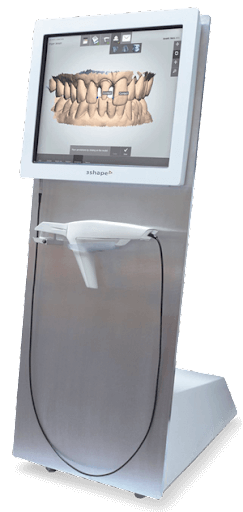
Modern dentistry is driven by digital technology, and your lab should be fully equipped to support it. A lab that seamlessly integrates with your digital workflow can improve accuracy, reduce turnaround times, and simplify the entire process. Whether you’re submitting a case through an intraoral scanner or collaborating on a digital design, the process should be smooth and intuitive. At Next Dental Lab, we provide cutting-edge dental restoration products and services that align with the latest digital advancements. Choosing a lab that embraces digital dentistry means you can deliver more precise restorations and a better overall experience for your patients.
Why Great Support Is Non-Negotiable
A dental lab should be more than just a supplier; it should be a collaborative partner. Clear, consistent communication is the cornerstone of this relationship. You need a lab that is easy to reach, responsive to your questions, and proactive in providing updates on your cases. The best labs offer expert support and are available to discuss case details or provide advice when you need it. This level of partnership ensures that any potential issues are addressed quickly and that the final result meets your exact specifications. When you have a lab you can truly communicate with, you build a foundation of trust that benefits your practice and your patients.
What to Look for in a Cast Partial Lab
Choosing a dental lab is about more than just finding a vendor; it’s about finding a partner who shares your commitment to patient care. The right lab becomes an extension of your practice, consistently delivering restorations that fit precisely, look natural, and stand the test of time. When it comes to cast metal partials, this partnership is especially critical. The lab’s expertise directly influences the patient’s comfort, function, and long-term satisfaction. A great lab partner understands the nuances of design and fabrication, communicates clearly, and works with you to achieve the best possible outcome for every case. They help streamline your workflow, reduce chairside adjustment time, and ultimately, build your practice’s reputation for quality.
The Next Dental Lab Difference
We understand that you need a lab you can count on for every restoration, and that’s what we aim to be. As a full-service dental laboratory, we provide a comprehensive range of cutting-edge products for your practice. Our focus is on delivering removable dentures and partials that offer the strength, durability, and esthetics your patients deserve. We guarantee that our partials, whether with or without a metal framework, are fabricated to provide excellent functionality and a natural appearance. By partnering with us, you get access to a team dedicated to quality and a lab that can handle all your restorative needs under one roof, from crowns and bridges to complex implant cases.
What Makes a Dental Lab Stand Out?
A truly exceptional lab distinguishes itself through the skill of its technicians and its commitment to quality materials. Cast metal partials are known for being the longest-lasting removable option when properly maintained, and that longevity starts in the lab. Look for a partner with specially trained technicians who can do more than just follow an Rx—they should be able to collaborate with you on case design to ensure optimal results. This expertise is what turns a good restoration into a great one. A top-tier lab invests in its team, ensuring they have the training and experience to handle even the most complex cases with precision and artistry.
Do They Specialize in Removables?
When you’re vetting a potential lab partner, take a close look at the breadth and depth of their offerings. A lab that specializes in a wide variety of removable appliances—including nightguards, orthodontic appliances, and different types of frameworks—likely has a deep well of expertise in this area. This indicates they have skilled technicians who meticulously design each denture for an ideal fit, proper function, and excellent aesthetics. Don’t hesitate to ask about their team’s experience and the specific materials they use. A transparent and knowledgeable lab will be happy to walk you through their process, giving you confidence in the quality of their work.
Setting Your Patients Up for Success
Once you’ve selected a lab and received a perfectly fabricated cast metal partial, the next critical step is managing the patient experience. A successful outcome hinges on how well your patients adapt to their new appliance. This is where your guidance becomes invaluable. By preparing them for the adjustment period and teaching them proper care, you not only ensure the longevity of the partial but also build a stronger, more trusting relationship with your patient.
Partnering with a lab that delivers consistent, high-quality removables makes this entire process smoother. A well-fitting partial from day one minimizes chair time for adjustments and helps patients adapt more quickly. Your role is to bridge the gap between the technical excellence of the lab work and the patient’s day-to-day life. Walking them through what to expect, how to handle minor issues, and the best ways to care for their denture transforms a good clinical result into a great patient outcome. This proactive communication is key to their long-term satisfaction and confidence in their new smile.
What to Tell Patients About the First Few Weeks
Being upfront with patients about the adjustment period is essential. Explain that their new partial will feel foreign at first—this is completely normal. It can take a few days or even weeks for their tongue and cheeks to get used to the appliance. It’s also helpful to manage their expectations regarding durability. You can explain that while partial dentures are not as durable as natural teeth, they are designed to withstand the forces of chewing and biting when properly cared for. Encourage them to start with softer foods and cut them into smaller pieces before gradually reintroducing harder, chewier items into their diet. This helps them build confidence without putting undue stress on the partial.
Advice for Eating with a New Partial
Eating is often the biggest hurdle for patients adjusting to a new partial, so clear guidance here is key. Advise them to begin with soft foods that require minimal chewing, like soups, smoothies, and mashed potatoes. As their comfort grows, they can move on to solid foods cut into small, manageable pieces. One of the most effective tips you can share is to chew on both sides of the mouth at the same time. This simple technique helps distribute biting forces evenly, keeping the partial denture secure. Suggest they steer clear of very hard or sticky items initially, such as hard candies or taffy, to prevent discomfort. This step-by-step approach empowers patients to adapt at their own pace and build confidence in their new smile.
How to Teach Proper Denture Care
Clear, simple instructions on cleaning and maintenance will empower your patients to take great care of their new partial. Emphasize that they should clean their partial denture thoroughly following each meal to remove food particles and prevent plaque buildup. A great routine is to rinse and brush the partial every day with a soft brush and a non-abrasive cleaner specifically designed for dentures. It’s just as important to tell them what not to do. Advise them to avoid using alcohol, abrasive cleaners, bleaches, or whiteners, as they may scratch the surface of the partial denture or damage the metal components. Proper care is the best way to ensure the appliance remains functional and hygienic for years.
The Importance of Removing Partials at Night
One of the most crucial pieces of advice you can give your patients is to remove their partial denture every night. This simple habit plays a significant role in maintaining long-term oral health. Wearing a partial 24/7 puts continuous pressure on the underlying gum tissues and bone. By removing the appliance before sleep, patients give their gums a much-needed opportunity to rest and recover, which helps prevent irritation, inflammation, and potential sore spots. This nightly break also allows saliva to naturally cleanse the tissues, reducing the risk of fungal infections like denture stomatitis. Reinforcing this practice helps ensure the patient’s comfort and the continued health of the supporting structures, making their experience with the removable appliance a positive one.
Why to Avoid Abrasive Toothpaste
While it might seem intuitive to clean a partial with regular toothpaste, this is a common mistake that can cause significant damage over time. Most toothpastes contain abrasive agents designed to polish tooth enamel, but these same ingredients are too harsh for the acrylic and metal components of a partial denture. Using them can create microscopic scratches on the surface of the appliance. These scratches not only dull the finish but also create tiny crevices where plaque and bacteria can accumulate, leading to staining and odor. Instead, instruct your patients to use a soft-bristled denture brush and a non-abrasive denture cleanser. This gentle approach will effectively clean the partial without compromising its integrity, ensuring it remains comfortable, hygienic, and aesthetically pleasing for years to come.
How to Talk About Metal Clasps
Many patients have questions about how their partial will look, especially concerning the metal clasps. It’s a good idea to address this early on. Explain that cast metal framework dentures are customized from various alloys, with cobalt-chrome metal bases being the most popular option due to their strength and light weight. A skilled lab technician will strategically design the framework and place the clasps to be as inconspicuous as possible, often hiding them behind the natural smile line. By discussing the balance between secure retention and aesthetics, you can reassure patients that modern dental solutions prioritize both function and a natural appearance.
Troubleshooting Common Comfort Issues
Prepare patients for potential minor comfort issues so they know what to expect and how to handle them. For instance, the initial bulkiness of the appliance might cause a gag reflex in some patients. Reassure them that this sensation typically subsides as their mouth adapts. You can suggest they wear the partial for short periods at first, gradually increasing the time each day. In rare cases, some patients might feel a strange “galvanization” sensation from the metal. Let them know that these initial hurdles are temporary and that their comfort will improve with time and patience. Always encourage them to call your office for an adjustment if any persistent sore spots develop.
Identifying Causes of Persistent Pain
When a patient reports ongoing pain beyond the initial adjustment period, it’s time to investigate. Often, the issue stems from the fit of the appliance itself. The clasps may be too tight, or the framework could be putting undue pressure on the soft tissues, creating sore spots that require professional adjustment. Another factor to consider is the natural evolution of the patient’s mouth. As the jawbone changes over time, a once-perfect partial may no longer fit correctly, leading to discomfort. Finally, don’t overlook patient habits. Inadequate cleaning can lead to plaque buildup, which irritates the gums and surrounding tissues. A well-fitted partial from the start is the best defense against these issues.
How to Ensure Long-Term Patient Success
Your guidance is the final piece of the puzzle for ensuring a successful outcome. By setting clear expectations and providing practical advice, you empower patients to become confident partial denture wearers. Remind them that partial dentures are a reliable and effective solution for replacing missing teeth and restoring oral function and aesthetics. Schedule a follow-up appointment a week or two after delivery to make any necessary adjustments and answer questions. This continued support shows you are a dedicated partner in their oral health and solidifies their satisfaction with the treatment. Regular check-ups will ensure their partial continues to fit well for years to come.
Related Articles
- Affordable Cast Metal Dentures Lab: A Dentist’s Guide
- How To Tell If Partial Dentures Without Metal Clasps Are Right For Your Patients
- A Guide to Partial Dentures Without Metal Clasps
- Metal-Free Partial Dentures: Benefits & Guide | Next Dental Lab
- How to Make Partial Dentures Fit Better for Patients
Frequently Asked Questions
How do cast metal partials compare to flexible partials? While flexible partials are a great choice for aesthetics in certain situations, cast metal partials offer superior rigidity and support. This structure is key for distributing chewing forces evenly across the remaining teeth, which helps preserve long-term oral health. Think of cast metal as the workhorse for durability and function, whereas flexible partials are often used for temporary solutions or when metal clasps are a primary aesthetic concern for the patient.
What’s the best way to ensure a new partial requires minimal chairside adjustments? A precise fit starts with clear communication and high-quality records. Providing your lab with a detailed prescription that outlines your specific design preferences for rests, clasps, and connectors is crucial. This, combined with an accurate impression or a clean digital scan, gives the technicians everything they need to fabricate a partial that seats perfectly the first time. A great lab partner will also reach out if they have any questions, preventing guesswork and saving you valuable chair time.
How does submitting a digital scan improve the final cast metal partial? Using a digital scan to submit your case can significantly improve the accuracy of the final restoration. Digital impressions eliminate the variables and potential distortions that can occur with traditional impression materials, such as shrinkage or pouring errors. This leads to a more precise master model and, consequently, a metal framework that fits the patient’s mouth with exceptional accuracy, reducing the need for adjustments.
Are there patients who aren’t good candidates for cast metal partials? Yes, a few clinical situations might call for a different solution. Patients with poor periodontal health or abutment teeth with a questionable long-term prognosis may not be ideal candidates, as the partial relies on these teeth for support. Additionally, if a patient has a very high caries rate, the clasps could make hygiene more challenging. It’s always about weighing the benefits against the specific clinical needs of each patient.
Beyond the basics, what information is most helpful to include on the lab prescription? To help your lab technician create the best possible restoration, go beyond just circling the missing teeth. Be specific about your design preferences. Clearly indicate where you want the rests placed and what type of clasps you prefer for retention and aesthetics. If you have a specific path of insertion in mind or concerns about a tilted tooth, make a note of it. Including clinical photos with your case can also provide invaluable context for the technician.