The materials and technologies available for restorative dentistry are advancing quickly, and your patients expect the best. A modern dental practice needs a lab partner that not only keeps up with these changes but embraces them. From digital workflows that improve accuracy to advanced materials that offer superior strength and aesthetics, the right lab can help you provide state-of-the-art care. When you’re evaluating a crown and bridge lab in Philadelphia, their investment in technology is a clear indicator of their commitment to quality. Let’s explore what services and capabilities you should expect from a forward-thinking lab that can help you deliver durable, precise, and beautiful restorations for every patient.
Key Takeaways
- Look for a True Partner, Not Just a Fabricator: A great lab acts as an extension of your team, offering clear communication and expert guidance on complex cases to help you achieve the best clinical results.
- Technology and Materials Dictate Quality: Choose a lab that invests in modern digital workflows and a wide selection of materials. This ensures precise-fitting restorations that minimize chairside adjustments and meet diverse patient needs.
- Consistency is Non-Negotiable: Before committing, verify a lab’s quality control processes, turnaround times, and support policies. A reliable partner delivers predictable, high-quality work you can count on for every case.
What Services Should You Expect from a Crown and Bridge Lab?
When you partner with a crown and bridge lab, you’re looking for more than just a fabricator—you’re looking for a team that can consistently deliver high-quality, precise restorations for your patients. A great lab acts as an extension of your practice, providing reliable services that streamline your workflow and contribute to excellent clinical outcomes. From custom-fit crowns to a variety of material options, knowing what to expect helps you choose a partner that truly supports your work. The best labs combine artistry with technology to create restorations that are both functional and beautiful, ensuring every patient leaves your office with a confident smile.
Custom Crown Restorations
Every patient’s case is unique, and a premier lab understands that. You should expect a lab to provide fully custom crown and bridge restorations tailored to your exact specifications. This goes beyond just getting the shade right. It means creating crowns with precise margins, ideal occlusion, and natural-looking anatomy that blends seamlessly with the patient’s existing dentition. A top-tier lab uses the latest design technologies and materials to craft restorations that are not only aesthetically pleasing but also comfortable and durable for the long term. They should work from your impressions or digital scans to produce a final product that requires minimal chairside adjustments, saving you valuable time.
High-Quality Bridge Fabrications
For patients with missing teeth, a well-fabricated bridge is essential for restoring both function and appearance. A reliable lab should deliver bridges that are strong, stable, and precisely fitted to the abutment teeth. The quality of the fabrication process is critical here; poor-fitting bridges can lead to a host of problems for the patient and headaches for your practice. You should expect your lab partner to use high-quality materials and meticulous techniques to ensure every bridge provides optimal support and longevity. This commitment to excellence ensures that you can provide your patients with a dependable and aesthetically pleasing solution that restores their bite and their confidence.
Modern Digital Dentistry Solutions
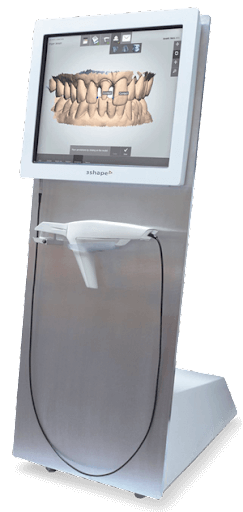
In today’s dental landscape, a lab’s digital capabilities are a key indicator of its commitment to precision and efficiency. A forward-thinking lab should offer comprehensive digital dentistry solutions, allowing you to submit cases via intraoral scanners. This digital workflow significantly improves accuracy, reduces the chance of errors associated with physical impressions, and often speeds up turnaround times. By embracing technologies like CAD/CAM design and milling, labs can create restorations with incredible consistency and precision. Partnering with a lab that is fluent in digital processes makes your own workflow smoother and helps you provide a better, more comfortable experience for your patients.
A Wide Selection of Materials
Your patients have diverse clinical needs, and your lab should offer a wide range of materials to meet them. A well-equipped lab will provide options from traditional full-cast alloys to modern ceramics and zirconia. For example, some cases may call for the proven durability of a full-cast crown, while others may require the superior aesthetics of an all-ceramic restoration. More importantly, a great lab partner does more than just offer a menu of options; they provide expert guidance to help you select the best material for each specific case, considering factors like strength requirements, placement in the mouth, and the patient’s aesthetic goals.
How to Choose the Right Crown and Bridge Lab
Finding the right dental lab is about more than just getting a restoration made; it’s about finding a true partner for your practice. A great lab relationship is built on trust, consistency, and a shared commitment to patient care. When you’re evaluating potential partners, especially for something as crucial as crown and bridge work, you need to look beyond the surface. The quality of their work directly impacts your chairside time, patient satisfaction, and your practice’s reputation.
Think of it this way: the right lab makes your job easier. Cases fit perfectly with minimal adjustments, the aesthetics are spot-on, and you can count on them to deliver when they say they will. This means you need a lab that not only has skilled technicians but also invests in modern technology and prioritizes clear, open communication. Taking the time to vet a lab thoroughly on these key points will pay off in the long run, leading to smoother workflows and happier patients.
Verify Their Experience and Certifications
Before you send your first case, take a moment to look into the lab’s background. A lab with a long history and certified dental technicians (CDTs) on staff brings a level of expertise that’s hard to replicate. Experienced technicians have seen it all and can offer valuable insights on complex cases. Ask about their team’s qualifications and the types of materials they specialize in, whether it’s porcelain, zirconia, or metal alloys. A lab that is transparent about its experience and the quality of its materials is one you can trust to handle your patients’ restorations with the care they deserve. This foundation of expertise ensures you receive consistent, high-quality results every time.
Assess Their Technology and Equipment
The dental industry is constantly evolving, and your lab partner should be keeping pace. A lab that invests in modern technology is investing in the quality of your restorations. At Next Dental Lab, we design our crowns and bridges using the latest technologies to ensure they are comfortable and precise. Look for a lab that embraces a digital workflow, including CAD/CAM systems and support for intraoral scanners. This technology not only improves the accuracy and fit of crowns and bridges but also streamlines the entire process, reducing the chance of errors and the need for chairside adjustments. A tech-forward lab helps you provide a better, more efficient experience for your patients.
Check for Reliable Turnaround Times
Predictability is key in a busy dental practice. Your schedule is carefully planned, and you need a lab that respects your time and your patients’ expectations. When evaluating a lab, ask about their average in-lab working times for different types of restorations. A reliable lab will provide a clear and consistent schedule and stick to it. While speed is important, dependability is what truly matters. At Next Dental Lab, we focus on delivering your cases with a fast turnaround without ever compromising on quality. A lab that can consistently meet its deadlines helps you manage patient appointments effectively and keeps your practice running smoothly.
Prioritize Clear Communication and Support
A great lab should feel like an extension of your own team. Open lines of communication are essential for this partnership to work. Can you easily reach a technician to discuss a specific case? Is their customer support team responsive and helpful? The ability to collaborate effectively can make all the difference, especially when dealing with challenging restorations. Regardless of the quality of the work, poor communication can lead to frustration and mistakes. Look for a lab that makes it easy to submit cases, ask questions, and get the support you need. This collaborative approach ensures that the final product perfectly matches your vision and your patient’s needs.
Understanding Crown and Bridge Materials
Choosing the right material for a crown or bridge is a critical decision that directly impacts the restoration’s longevity, function, and aesthetics. A great lab partner doesn’t just fabricate what you send them; they act as a resource, helping you match the perfect material to each patient’s unique clinical situation. From the natural look of porcelain to the sheer strength of zirconia, each option has its place. Understanding the distinct advantages of each material helps you set clear expectations with your patients and deliver results that look great and last for years. It’s all about finding that perfect balance between durability and a beautiful, natural appearance. The materials available today are more advanced than ever, offering solutions for virtually any clinical challenge. Whether you need to restore a single anterior tooth where aesthetics are paramount or create a multi-unit bridge for a patient with heavy occlusion, there’s a material designed for the job. This is where a strong relationship with your lab becomes invaluable. They can provide guidance on the latest material science and help you weigh the pros and cons of each option, ensuring you feel confident in your choice and your patient receives the best possible care.
Porcelain and Ceramic
When aesthetics are the top priority, especially for anterior teeth, all-ceramic and porcelain crowns are fantastic choices. Their biggest advantage is their ability to mimic the translucency and color of natural tooth enamel, allowing them to blend in seamlessly with the patient’s smile. Porcelain crowns are known for their natural appearance and are often used for front teeth due to their aesthetic qualities. They are also biocompatible, which means they are gentle on the surrounding gum tissue. While they are highly esthetic, it’s important to consider their strength relative to other materials, making them ideal for cases where biting forces are lower.
Zirconia
For cases that demand exceptional strength without compromising on looks, zirconia is the go-to material. Zirconia crowns are made from a strong, durable material that can withstand significant pressure, making them suitable for both front and back teeth. This makes them an excellent choice for posterior restorations or for patients with a history of grinding. Modern monolithic zirconia offers impressive durability, while layered zirconia provides a more natural aesthetic for anterior cases. This versatility makes it one of the most popular crown and bridge materials in restorative dentistry today, offering a reliable solution for a wide range of clinical needs.
Metal and PFM
Porcelain-fused-to-metal (PFM) crowns have been a trusted standard in dentistry for decades, and for good reason. They offer a practical combination of strength and beauty. PFM crowns combine the strength of a metal substructure with the aesthetic appeal of a porcelain overlay, making them a popular choice for many patients. This construction provides excellent durability, making them suitable for both single crowns and multi-unit bridges. While the metal base can sometimes create a dark line at the gumline over time, they remain a reliable and effective restorative option that balances function and appearance well.
How to Choose the Best Material for Your Patient
The best material for any given case depends on several factors: the tooth’s location, the patient’s bite, their aesthetic expectations, and their oral habits. For a front tooth, you might lean toward an all-ceramic option for its superior aesthetics. For a molar on a patient who grinds, zirconia is likely the better choice. The key is to have a conversation with your lab partner. When you work with a lab, inquiring about the types of materials used should be a priority. A knowledgeable lab can provide insights and recommendations to help you make an informed decision that ensures a successful, long-lasting outcome for your patient.
What to Expect from the Crown and Bridge Process
Partnering with a dental lab for crown and bridge work should be a seamless experience that supports your practice and ensures excellent patient outcomes. A transparent and efficient process is a hallmark of a great lab. From the moment you send a case to the final delivery, you should feel confident and informed. Understanding the key stages involved helps you set expectations for your team and your patients, ensuring a smooth workflow from start to finish. Let’s walk through the typical four-step process you can expect when working with a dedicated crown and bridge lab.
Step 1: Sending Digital Impressions
The process begins the moment you send your patient’s case to the lab. Modern labs make it easy to submit digital cases, which provides a higher level of accuracy than traditional methods. This initial step is critical, as precise digital impressions are the foundation for a perfectly fitting restoration. At Next Dental Lab, we use the latest technologies and materials to design crowns and bridges that are tailored to each patient’s unique anatomy. This commitment to digital dentistry ensures that from the very first step, your case is on track for a successful and predictable outcome, minimizing the need for adjustments and saving you valuable chair time.
Step 2: The Fabrication Process
Once your digital impressions are received, the lab’s skilled technicians get to work. This is where artistry meets science. The fabrication process involves creating durable and esthetically pleasing restorations using high-quality materials. For example, full cast crowns and bridges are produced by fully casting them in a specialized alloy for maximum strength. Whether it’s a single crown or a multi-unit bridge, each restoration is meticulously crafted to match the specifications you provided. A reliable lab will use state-of-the-art equipment and proven techniques to ensure every detail is perfect, from the marginal fit to the occlusal anatomy.
Step 3: Quality Control Checks
Before any restoration leaves the lab, it must pass a series of rigorous quality control checks. This non-negotiable step ensures that every product meets the highest standards of excellence. Technicians and quality assurance specialists inspect each crown and bridge for fit, form, and function. They verify the shade, contour, and overall integrity of the restoration to guarantee it aligns with your prescription. This focus on quality is what separates a good lab from a great one. It provides peace of mind that the restoration you receive will deliver the durability and esthetics your patients expect, reinforcing your practice’s reputation for outstanding care.
Step 4: Final Shipping and Delivery
After a restoration successfully passes all quality control inspections, it is carefully packaged and shipped directly to your office. An efficient lab understands that timely delivery is essential for keeping your schedule on track and ensuring a positive patient experience. You should expect clear communication regarding shipping and tracking so you know exactly when to schedule your patient’s seating appointment. Next Dental Lab is a full-service dental lab that provides a comprehensive range of quality products, including fixed restorations, removables, and implants, all delivered with efficiency and reliability you can count on.
How Top Labs Ensure Quality and Precision
When you partner with a dental lab, you’re entrusting them with your patient’s health and your practice’s reputation. The best labs understand this responsibility and build their entire workflow around delivering exceptional quality and precision. They don’t leave it to chance. Instead, they rely on a proven framework of professional standards, advanced technology, and rigorous quality checks to ensure every restoration is perfect. This commitment is what separates a good lab from a great one, giving you the confidence that the work you receive will be consistently excellent.
Following Professional Standards
A top-tier lab operates under a strict set of professional standards. Think of certifications like ISO or DAMAS as a lab’s promise that every crown, bridge, and denture is created within a system designed for quality and consistency. This isn’t just about hanging a certificate on the wall; it’s about a deep-seated commitment to a process that guarantees reliability. When a lab adheres to these benchmarks, it shows they have implemented and maintain a quality management system that covers everything from material sourcing to final inspection. This dedication ensures that every case meets specific requirements for patient safety and clinical success, giving you peace of mind.
Using Advanced Manufacturing
Leading labs invest in advanced manufacturing to create restorations that are not only accurate but also comfortable and durable. By integrating the latest technologies and materials, they can design and fabricate crown and bridge restorations with incredible precision. Digital workflows, for example, allow for a perfect fit that minimizes chairside adjustment time. This focus on innovation means the lab can produce high-quality work that meets modern patient expectations for both function and aesthetics. It’s about using technology to translate your digital impression into a tangible, perfectly crafted restoration that feels natural for your patient.
Implementing Strict Quality Assurance
Technology is a powerful tool, but it’s the human touch and rigorous quality assurance that truly guarantee excellence. The best labs have multiple quality control checkpoints throughout the fabrication process. At each stage, from design to finishing, skilled technicians meticulously inspect the work to ensure it meets your exact specifications. This hands-on approach catches any potential issues before they ever reach your office. A lab that prioritizes quality assurance is dedicated to being a reliable partner, delivering consistent dental lab services that you can depend on for every single case, every single time.
Common Mistakes to Avoid When Choosing a Lab
Selecting a new lab partner is a significant decision for your practice. It’s about more than just finding a supplier; it’s about finding a team that aligns with your standards of care. To make the best choice, it helps to be aware of common missteps that can lead to frustration, chairside adjustments, and unhappy patients. By avoiding these pitfalls, you can build a lasting and successful partnership that supports your practice’s growth and reputation.
Mistake #1: Focusing Only on Cost
While managing overhead is a reality for any dental practice, choosing a lab based solely on the lowest cost can be a costly mistake in the long run. Extremely low costs can sometimes be a red flag for compromised quality, whether through subpar materials or rushed fabrication techniques. Many restoration failures can be traced back to inadequate materials and methods often associated with cutting corners. Instead of looking for the cheapest option, focus on finding the best value—a lab that delivers consistent, high-quality crown and bridge restorations with reliable service, helping you minimize remakes and valuable chair time.
Mistake #2: Overlooking Poor Communication
A successful restoration depends on a seamless partnership between your practice and the lab. When communication is lacking, details get lost, leading to misunderstandings about specifications and expectations. Think of your lab as an extension of your team. You should feel comfortable calling them to discuss a complex case or clarify instructions. A great lab partner is responsive, proactive, and invested in getting the details right the first time. This collaborative approach is essential for achieving predictable, successful outcomes and ensuring all aspects of the case are fully understood before fabrication begins.
Mistake #3: Skipping the Research Phase
In a busy practice, it can be tempting to make a quick decision on a lab without doing your homework. However, failing to thoroughly vet a potential partner is a gamble. Take the time to explore their reputation, read reviews from other dentists, and ask to see examples of their work. Understanding a lab’s capabilities and consistency is key to avoiding future complications. Dig into their processes. For example, how easy is it to submit digital cases? A little due diligence upfront can save you significant time and headaches down the road by ensuring the lab’s quality and workflow match your practice’s needs.
Mistake #4: Ignoring Their Tech and Materials
The dental industry is constantly evolving, and the technology and materials a lab uses directly impact the quality of your restorations. A lab that hasn’t invested in modern digital dentistry may struggle to deliver the precision and consistency you expect. At Next Dental Lab, we design our crowns and bridges using the latest technologies and materials to ensure superior fit, function, and esthetics. When evaluating a lab, ask about their digital workflow, the types of scanners they work with, and the range of materials they offer. A forward-thinking lab will provide durable, esthetic options that give you and your patients confidence in the final result.
Key Questions to Ask Before Partnering with a Lab
Choosing a dental lab is about more than just finding a vendor; it’s about finding a partner who aligns with your practice’s standards for quality and patient care. The right lab becomes an extension of your team, contributing directly to successful outcomes and patient satisfaction. Before you commit, it’s essential to ask a few key questions to make sure their capabilities, processes, and values match your own. This simple step can save you from future headaches and ensure you’re building a relationship that will support your practice for years to come.
Think of it as a two-way interview. You’re assessing their fit for your practice, and they should be able to clearly articulate how they can meet your needs. A transparent and forthcoming lab will have no problem answering these questions, giving you the confidence you need to move forward. From their areas of expertise to their customer support policies, getting clear answers upfront helps establish a foundation of trust and reliability.
What are your specializations?
Every dental lab has its strengths. Some may excel in cosmetic cases with veneers and all-ceramics, while others might be experts in complex dental implants or removable prosthetics. Ask potential labs what they consider their core specializations. Understanding where their expertise lies helps you align their skills with your most common procedures. It’s also important to inquire about the types of materials they work with. A lab that offers a wide range of modern materials, from zirconia to PFM, gives you the flexibility to choose the best option for each patient’s unique clinical needs and aesthetic goals.
How do you help with material selection?
A great lab partner does more than just fabricate restorations; they offer clinical support. Ask how their team assists with material selection for challenging cases. Can you call one of their technicians to discuss the pros and cons of different options? At Next Dental Lab, we believe in using the latest technologies and materials to design our crowns and bridges, ensuring they are both durable and comfortable for your patients. Your lab should be a resource you can rely on, providing the guidance you need to achieve predictable, high-quality results every time.
What is your typical turnaround time?
Predictability is key to running an efficient practice and keeping your patients happy. Ask for the lab’s standard in-lab working times for various restorations. While every case is different, a reliable lab should be able to provide a consistent schedule you can count on. Find out how they handle communication regarding case timelines, especially if there are potential delays. A lab that embraces a digital workflow can often provide faster and more predictable turnarounds, helping you schedule appointments with confidence and minimize chair time for your patients.
What kind of support and warranty do you offer?
Even with the best planning, questions and adjustments are sometimes necessary. It’s crucial to know what kind of support you can expect. Is there a dedicated person you can contact with questions about a case? What is their remake policy if a restoration doesn’t meet your standards? A reputable lab will stand behind its work with a clear and fair warranty. This commitment ensures you can provide every patient with a dependable experience and reinforces that the lab is truly invested in the success of your cases and the well-being of your patients.
Related Articles
- A Crown Dental Lab: A Complete Guide for Dentists
- Custom Crowns Dental Lab: A Complete Guide
- The Modern Crown Dental Lab: A Complete Guide
Frequently Asked Questions
How can I ensure a restoration fits perfectly with minimal adjustments? A perfect fit starts with a great partnership. The key is providing your lab with the most accurate information possible, which is why a clean digital scan is so valuable. From there, a high-quality lab takes over, using advanced manufacturing and multiple quality control checkpoints to ensure the final crown or bridge is fabricated precisely to your specifications. When you combine your clear digital impression with a lab that is committed to precision, you set the stage for a smooth seating appointment.
What if I’m just starting to use an intraoral scanner? Can a digital lab still work with me? Absolutely. A forward-thinking lab understands that every practice is at a different point in its digital journey. The best labs make it incredibly easy to get started and will walk you through the process of connecting your scanner and submitting your first case. They should feel like a supportive partner, offering guidance and ensuring you feel confident as you transition to a more streamlined, digital workflow.
Besides the final restoration, what kind of support should I expect from my lab partner? A great lab relationship goes far beyond the physical product. You should expect a true partner who is available for case consultations and can offer expert advice on material selection for complex situations. They should be easy to reach and responsive to your questions. This collaborative support system is what turns a simple transaction into a valuable partnership that helps you achieve the best possible outcomes for your patients.
How do I balance the need for strong materials with my patient’s desire for a natural look? This is a common clinical challenge, but modern materials have made it easier than ever to achieve both. Options like layered zirconia offer the high strength needed for posterior teeth while also providing the translucency and aesthetics required for a seamless smile. The best approach is to have an open dialogue with your lab. A knowledgeable technician can recommend the ideal material based on the tooth’s location, the patient’s bite, and their aesthetic goals.
What’s the best way to start working with a new lab to ensure a smooth transition? Starting with a straightforward, single-unit case is a great way to test the waters. This allows you to experience the lab’s entire process, from case submission to final delivery, on a low-stakes restoration. Pay close attention to their communication, the quality of the final product, and how well it fits. This first case will give you a clear sense of their workflow and whether they are the right long-term partner for your practice.