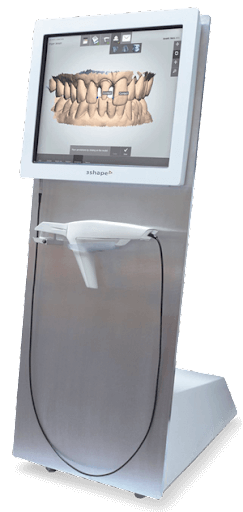
Digital workflows have transformed implant dentistry, allowing for a level of accuracy we could only dream of a decade ago. From intraoral scans to CAD/CAM milling, technology enables us to create restorations that fit perfectly and look completely natural. However, this technology is only as good as the technicians who use it. That’s why selecting a lab partner is so critical. You need a team that has not only invested in the right equipment but also has the expertise to maximize its potential. This guide will help you evaluate what makes a great custom abutment lab in Phoenix, focusing on how to find a local partner who blends digital precision with personalized support.
Key Takeaways
- Prioritize a digital-first approach: Partner with a lab that uses modern CAD/CAM technology to ensure your custom abutments have a precise fit, which reduces chairside adjustments and saves you time.
- Communication is key to a strong partnership: Choose a lab that acts as an extension of your team, offering clear, consistent communication and reliable support to keep your cases running smoothly.
- Do your homework before committing: Ask direct questions about materials, turnaround times, and quality control processes to find a lab that aligns with your practice’s standards for excellence.
What is a Custom Abutment and Why Does It Matter?
When it comes to dental implants, success is in the details. The final restoration needs to look natural, feel comfortable, and function perfectly for your patient. A key component that often makes the difference between a good result and a great one is the abutment. While it might seem like a small piece of the puzzle, choosing the right type of abutment has a major impact on the final outcome. Let’s look at what a custom abutment is and why it’s become a go-to choice for so many practices aiming for clinical excellence.
The Critical Role of Custom Abutments in Implant Dentistry
Custom abutments are essential in implant dentistry because they provide a precise fit, ensuring optimal aesthetics and functionality. They are designed to match the specific contours of a patient’s mouth, which enhances the overall success of the implant procedure. Think of it as a tailor-made foundation for the final crown. This personalized approach helps create a natural-looking emergence profile, supporting the surrounding soft tissue and leading to a healthier, more stable result for your patients. It’s this attention to detail that truly defines high-quality dental implants and sets a case up for long-term success.
Custom vs. Stock Abutments: What’s the Difference?
So, what sets a custom abutment apart from a stock one? Stock abutments are pre-manufactured in standard sizes, which can sometimes lead to a less-than-perfect fit. Custom abutments, on the other hand, are tailored to the individual patient’s anatomy. This precision isn’t just about comfort; it leads to improved aesthetic results and better gum health. By creating ideal contours, a custom abutment properly supports the gingival tissue, which is crucial for the long-term stability of the implant. This level of personalization is made possible through modern digital scans, allowing for a final restoration that seamlessly integrates with the patient’s natural smile.
Why Choose a Custom Abutment Lab in Phoenix?
When you’re restoring a dental implant, the quality of your custom abutment is non-negotiable. It’s the foundation for a successful, long-lasting crown and a happy patient. While you have countless lab options across the country, there’s a strong case to be made for partnering with a lab right here in Phoenix. Choosing a local partner isn’t just about convenience; it’s a strategic decision that can directly impact your practice’s efficiency, your clinical outcomes, and your bottom line.
A local lab offers a level of accessibility that national labs simply can’t match. It opens the door for clearer communication, faster case turnarounds, and a more collaborative relationship. When your lab partner is in the same city, you can resolve complex case questions quickly and eliminate the delays and uncertainties of cross-country shipping. Combining these local benefits with a lab that has mastered a digital workflow creates a powerful advantage for your practice. You get the precision of modern technology paired with the personalized support of a team that’s just a short drive away. This blend of local presence and digital expertise helps you deliver exceptional care with greater predictability and speed.
The Perks of a Local Partnership
Working with a local Phoenix lab transforms the dynamic from a simple transaction to a true partnership. When your lab is in the same time zone, communication becomes instant and effortless. You can pick up the phone and speak directly with the technician working on your case, ensuring every detail is perfect. This direct line of communication is invaluable for complex dental implant cases that require nuanced adjustments.
Beyond just phone calls, a local relationship makes in-person collaboration possible. Need a custom shade match? A local lab can assist with that. Have a particularly challenging case you’d like to discuss face-to-face? That’s an option too. This level of personalized service and mutual understanding helps build a strong, reliable partnership you can count on for years to come.
Achieve Faster Turnaround Times
One of the most significant benefits of using a Phoenix-based lab is the immediate improvement in turnaround times. By eliminating cross-country shipping, you can cut days off your schedule for every case. What used to take a week in transit can now be completed in a fraction of the time. This isn’t just about getting the final restoration faster; it’s about creating a more efficient workflow for your entire practice.
Streamlined communication with a local team further reduces delays. If there’s a question about a margin or a digital scan, it can be resolved in hours, not days. As one industry analysis notes, addressing workflow inefficiencies is key to optimizing operations. Faster turnarounds mean fewer appointments for your patients, a more predictable schedule for your team, and the ability to complete more cases without feeling rushed.
Advantages of a Digital Workflow
Pairing a local partnership with a fully digital workflow gives your practice a distinct edge. When your lab is equipped with the latest technology, you can send your digital impression files directly from your scanner. This process is not only faster but also more accurate than traditional physical impressions, reducing the risk of errors and remakes. You can learn how to connect your scanner and start sending cases in minutes.
A local lab that embraces digital dentistry can provide immediate feedback on your scans, allowing you to make adjustments chairside if needed. This real-time collaboration ensures a perfect fit from the start. The precision and efficiency of localized digital production are unmatched. It allows the lab to create incredibly accurate custom abutments that provide the ideal foundation for your final crown and bridge restorations.
What to Look For in a Phoenix Custom Abutment Lab
Finding the right lab for your custom abutments is about more than just technical skill; it’s about finding a partner who aligns with your practice’s standards for quality and efficiency. A great lab becomes an extension of your team, helping you deliver predictable, high-quality outcomes for your patients. When you’re evaluating your options in the Phoenix area, there are a few key areas that separate the good labs from the great ones.
Focus on labs that have invested in modern technology, offer a solid range of material choices, hold themselves to high industry standards, and prioritize clear, consistent communication. These four pillars are the foundation of a successful lab partnership that will support your practice and help you provide exceptional patient care. Let’s look at what each of these means for you and your practice.
Advanced CAD/CAM Technology
In modern implant dentistry, a lab’s commitment to technology is a direct reflection of its commitment to precision. You should look for a lab that has fully embraced advanced CAD/CAM technology. This digital approach is the gold standard for creating custom abutments with incredible accuracy and consistency. The precision of localized milling simply can’t be matched by older, traditional methods. This technology allows for a more streamlined digital workflow, which translates to better-fitting restorations, fewer adjustments chairside, and a more efficient process from start to finish. When a lab invests in top-tier CAD/CAM systems, they are investing in the quality of the work they provide to your practice.
High-Quality Material Options
The final restoration is only as good as the materials used to create it. A top-tier lab will offer a selection of high-quality, biocompatible materials for their dental implants and abutments. Titanium is a popular and reliable choice, known for its strength and proven success in implantology. A lab should be able to explain why they choose certain materials and how those choices benefit the patient’s specific clinical situation. Don’t hesitate to ask about their material suppliers and the specific grades they use. A lab that is transparent about its materials is one that is confident in the quality and longevity of its products, giving you and your patients peace of mind.
Key Certifications and Accreditations
Credentials matter. They are an objective measure of a lab’s dedication to quality, safety, and ongoing education. Look for labs that hold key industry certifications, such as the Certified Dental Laboratory (CDL) designation. This certification isn’t just a piece of paper; it signifies that the laboratory has met rigorous standards for quality assurance, technician training, and safety protocols. Choosing a certified lab provides an extra layer of confidence that you are working with a professional organization committed to excellence. You can usually find this information on a lab’s about us page, and it’s a strong indicator of their professionalism.
Reliable Communication and Support
Even the most advanced technology is ineffective without clear communication. A strong lab partnership is built on reliable support and an open line of dialogue. A lack of communication can create significant challenges, affecting both the quality of the work and the efficiency of your practice. Your lab partner should be easy to reach, responsive to your questions, and proactive in discussing cases. Look for a team that is willing to collaborate on treatment planning and is accessible when you need them. This kind of supportive relationship ensures that cases run smoothly and that any potential issues are resolved quickly, ultimately leading to better patient satisfaction.
Core Services a Quality Custom Abutment Lab Should Offer
When you partner with a custom abutment lab, you’re looking for more than just a product. You need a partner whose services streamline your workflow and contribute to exceptional patient outcomes. The best labs offer a comprehensive suite of services built on a foundation of technology, collaboration, and meticulous attention to detail. From the initial scan to the final restoration, their core offerings should make your job easier and ensure every case is a success.
Seamless Digital Scanning and Design
A modern lab’s workflow begins with a flawless digital impression. Top-tier labs use advanced digital scanning technology to create incredibly precise models of the patient’s anatomy, a level of accuracy that traditional methods can’t match. This precision is the foundation for a better-fitting abutment, minimizing the need for chairside adjustments and saving you valuable time. Your lab partner should make it simple to submit digital scans and collaborate on the design, ensuring the final product is exactly what you envisioned for your patient.
Smooth Crown and Bridge Integration
A custom abutment is only as good as the restoration it supports. A quality lab understands this and ensures every abutment is designed for seamless integration with the final crown or bridge. This involves more than just a proper fit; it means customizing the size, shape, and emergence profile to create a natural-looking and functional result. Close collaboration is key. The lab should work with you to ensure their crown and bridge restorations are perfectly tailored to each patient’s unique facial structure and aesthetic goals.
Precise Manufacturing and Quality Assurance
Once the design is finalized, the focus shifts to manufacturing. A reliable lab has a robust quality assurance process at every step. This commitment to excellence ensures that the abutment you receive is strong, durable, and precisely matches the approved digital design. Look for labs that can speak to their commitment to quality, as this indicates they have met specific standards for materials, technician training, and quality control. An efficient, well-documented workflow prevents errors and guarantees you receive a consistently high-quality product for every case.
How Labs Create a Perfect Custom Abutment
Creating a custom abutment that fits perfectly is a blend of advanced technology and expert craftsmanship. The process begins the moment your digital scan arrives at the lab and ends with a final product that meets your exact specifications for fit, function, and aesthetics. Each step is designed to ensure the final restoration integrates seamlessly with the patient’s anatomy, providing a stable and natural-looking result.
This meticulous process transforms a digital file into a tangible, high-precision component. Skilled technicians oversee every stage, from the initial design to the final polish. By combining digital precision with a human touch, a quality lab ensures that every custom abutment supports a successful, long-lasting dental implant. Let’s walk through how it’s done.
The Digital Modeling and Design Process
The journey starts with your intraoral scan. Using this data, lab technicians build a precise digital model of the patient’s dentition and soft tissue. This digital environment allows for a level of accuracy that was difficult to achieve with traditional impression methods. Technicians can design the abutment with incredible detail, carefully shaping emergence profiles and setting ideal margins for the final restoration.
Using specialized software, every aspect of the abutment is customized for the patient’s specific needs. Materials like strong, biocompatible titanium are often used to ensure durability. This digital-first approach allows for a predictable outcome, giving you confidence that the final product will match the approved design. The ability to connect your scanner directly with the lab streamlines this entire phase.
Final Touches: Quality Control and Finishing
Once the abutment is milled, the work isn’t over. The piece moves into the finishing and quality control stage. This is where skilled hands take over to ensure the component is perfect. Technicians carefully inspect the abutment, smoothing and polishing surfaces to ensure it will integrate well with the soft tissue and provide an ideal foundation for the final crown.
A lab’s commitment to quality is evident here. By implementing standardized protocols and fostering a culture of continuous improvement, technicians can catch any potential issues before the case leaves the lab. This final check guarantees that the abutment not only fits the implant precisely but also supports a beautiful and functional crown and bridge restoration. It’s this last step that truly ensures a successful outcome for your patient.
Common Hurdles When Selecting a Lab Partner
Finding the right dental lab can feel like a true partnership, one that makes your practice run more smoothly and keeps patients happy. But finding that perfect fit isn’t always easy. Certain challenges can turn a promising relationship into a source of frustration. Knowing what to look for helps you sidestep these common issues and choose a lab that truly supports your work. A great lab partner does more than just fabricate restorations; they become an extension of your team, committed to delivering predictable, high-quality results for every case.
Communication Gaps and Inefficient Workflows
There’s nothing more frustrating than sending a case into a black hole. When a lab’s communication is poor, it creates uncertainty and can lead to costly remakes and delays. You need a partner who is responsive, clear, and easy to work with. An inefficient workflow, whether it involves confusing paper forms or a clunky submission process, wastes valuable time for your staff. A modern lab should offer a streamlined system for submitting cases and tracking their progress. Having a clear, accessible process for digital scans and case submissions eliminates guesswork and ensures everyone is on the same page from the start.
Outdated Technology and Quality Issues
The quality of your restorations is a direct reflection of your practice. When a lab uses outdated technology, the risk of inconsistent quality and poor-fitting prosthetics increases significantly. This translates to more chairside adjustments, which can disrupt your schedule and affect the patient experience. A lab that invests in modern CAD/CAM technology and high-quality materials demonstrates a commitment to precision and excellence. This focus on technology is crucial for creating everything from a single crown or bridge to complex implant cases with predictable, beautiful results that you and your patients can count on.
Balancing Turnaround Times and Overall Value
Every practice operates on a schedule, so reliable turnaround times are non-negotiable. However, speed should never come at the expense of quality. The cheapest or fastest option isn’t always the best value if it results in remakes or unhappy patients. The ideal lab partner finds the right balance, delivering consistent, high-quality work within a predictable timeframe. They understand that true value comes from reliability and a commitment to getting it right the first time. This approach helps your practice operate efficiently and builds a foundation for a successful, long-term partnership.
Key Questions to Ask a Potential Lab Partner
Choosing a new dental lab is a significant decision that impacts your workflow, your patients, and your practice’s reputation. Before you commit, it’s essential to do your homework and ask the right questions. Think of it as an interview where you’re finding a partner, not just a vendor. Getting clear, direct answers to a few key questions will help you gauge whether a lab’s standards for quality, communication, and reliability align with your own. This simple step ensures you find a partner who can consistently deliver excellent results and support your practice’s growth.
Inquire About Their Technology and Materials
The quality of a custom abutment is directly linked to the technology used to create it and the materials it’s made from. Start by asking what kind of CAD/CAM technology and milling equipment the lab uses. Modern, precise technology is a non-negotiable for achieving the perfect fit and function your patients need. You should also ask about the specific materials they use for their dental implants and abutments. A reputable lab will be transparent about their material choices, such as high-grade titanium, and can explain why those materials produce durable, biocompatible, and esthetically pleasing results for your patients.
Clarify Turnaround Times and Revision Policies
Predictable turnaround times are crucial for managing your patient schedule and keeping your practice running efficiently. Ask a potential lab for their average in-lab working time for custom abutments. Just as important, find out what their process looks like if a case needs an adjustment or remake. A great lab partner has a clear and straightforward revision policy. Understanding how they handle communication and corrections upfront will save you from potential headaches later. A lab that prioritizes a streamlined digital workflow often has more consistent and efficient timelines, which is a huge plus for any busy practice.
Understand Their Support and Quality Guarantees
A great lab provides more than just restorations; they offer reliable support and stand behind their work. Ask about their quality control process. How many checkpoints does a case go through before it leaves the lab? This shows their commitment to getting it right the first time. You should also find out what kind of customer support they offer. Will you have a dedicated contact for your cases? Knowing you can easily reach someone to discuss a complex crown and bridge case is invaluable. Finally, ask about their product guarantees. A lab that offers a solid warranty on its work demonstrates confidence in its craftsmanship and materials.
How to Evaluate a Lab’s Quality and Reliability
Finding a lab you can trust involves looking beyond the surface. A reliable partner consistently delivers on quality, embraces modern techniques, and works with you to achieve the best results for your patients. When you’re vetting potential labs, it helps to have a clear checklist of what to look for. Think of it as building a foundation for a successful, long-term professional relationship. The right lab will feel like an extension of your own team, dedicated to the same high standards you uphold. This evaluation is about ensuring their processes and values align with yours.
Check for Certifications and Credentials
When you’re looking for a new lab, start with their qualifications. Certifications are a strong indicator of a lab’s commitment to quality. A Certified Dental Laboratory (CDL) designation, for example, shows that a lab has met rigorous standards for skills, safety, and business practices. It’s a clear sign that they follow industry best practices and are serious about quality assurance. Choosing a lab with recognized credentials means you can be confident that your cases are in the hands of trained, accountable professionals who prioritize precision and excellence in their work.
Assess Their Technology and Service
A lab’s technology directly influences the quality of its restorations. Look for a lab that has invested in modern digital dentistry tools, including CAD/CAM systems. This equipment allows for incredible precision in creating custom abutments, which means a better fit for your patients and fewer chairside adjustments. A lab that uses a streamlined digital workflow can also offer faster, more predictable turnaround times. When a lab combines advanced technology with quality checks by certified technicians, you get efficiency and accuracy that you can count on for every case.
Look for a Long-Term Partner, Not Just a Vendor
The best lab relationship is a partnership, not just a transaction. You want a team that understands your specific needs and is easy to communicate with. Consider if the lab offers comprehensive services that can support your practice as it grows. A full-service lab that handles everything from single crowns to complex hybrid dentures can become an invaluable resource, simplifying your workflow and ensuring consistency. A true partner is invested in your success and provides reliable support, making them an integral part of your patient care process for the long run.
Choosing Your Custom Abutment Lab Partner
Selecting the right lab is a significant decision that impacts your practice’s efficiency, your patients’ satisfaction, and your final clinical outcomes. This partnership goes beyond just ordering a product; it’s about finding a team that aligns with your standards of quality and service. By focusing on a lab’s capabilities and communication style, you can build a relationship that supports your practice for years to come.
Compare Lab Capabilities and Service Offerings
When you evaluate potential labs, look beyond their custom abutment services. A lab’s true value often lies in its full range of capabilities. Do they use modern technology for localized milling to achieve superior precision? Can they handle complex cases that require more than just a single abutment? A full-service partner that offers high-quality crown and bridge restorations can streamline your entire workflow, ensuring seamless integration from implant to final crown. This comprehensive approach saves you time and eliminates the hassle of coordinating with multiple labs. Look for a partner equipped to handle your diverse needs, ensuring consistent quality across every case you send.
Set Clear Expectations and Establish Your Workflow
Clear communication is non-negotiable for a successful lab partnership. Misunderstandings or delays can disrupt your schedule and affect patient care. Before committing to a lab, discuss your workflow and expectations. How do they handle digital case submissions? What is their process for questions or adjustments? A lab that prioritizes a streamlined workflow and open dialogue can prevent many common frustrations. By establishing a clear process from the start, you can ensure your cases are handled efficiently and accurately. A great partner will make it easy to connect your scanner and will work with you to optimize your operations and reduce turnaround times.
Related Articles
- 4 Best Dental Labs for Custom Abutments in 2026
- How to Choose the Right Custom Abutment Lab
- Custom Crowns Dental Lab: A Complete Guide
Frequently Asked Questions
Why should I choose a custom abutment over a stock one? Think of it as the difference between a tailored suit and one off the rack. A stock abutment can get the job done, but a custom abutment is designed specifically for your patient’s anatomy. This personalized fit promotes healthier gum tissue, creates a more natural-looking emergence from the gumline, and provides a superior foundation for the final crown, leading to a more stable and aesthetic long-term result.
How much of a difference does a digital workflow really make? A digital workflow makes a significant difference by improving both speed and accuracy. Sending a digital scan eliminates shipping time and the risk of distortions from physical impressions. This means you get cases back faster and with fewer errors. It also allows for real-time collaboration with the lab, so any questions about the scan can be resolved almost instantly, keeping the case moving forward without delay.
What’s the most important factor when evaluating a new lab partner? While technology and materials are crucial, the most important factor is finding a true partner. This means looking for a lab that prioritizes clear, reliable communication and stands behind its work. A great lab acts as an extension of your team, collaborating with you to solve challenges and consistently delivering high-quality results you can trust for every single case.
What happens if a restoration needs an adjustment? A reliable lab partner will have a straightforward and fair policy for revisions. The process should be simple and focused on resolving the issue quickly to minimize any disruption to your schedule and patient care. This is a great question to ask upfront, as a lab’s willingness to stand behind its work and make things right is a strong indicator of their commitment to quality and partnership.
How do I get started with sending my first digital case? Getting started is usually quite simple. The first step is to connect your intraoral scanner to the lab’s system, which often just involves selecting the lab from a dropdown menu on your scanner’s software. A supportive lab will have a team ready to walk you through the process over the phone to ensure your scanner is properly connected and you feel confident sending your first case.